The Pink Flowers That Appear Overnight In Ohio Yards Every August (And Where They Come From)
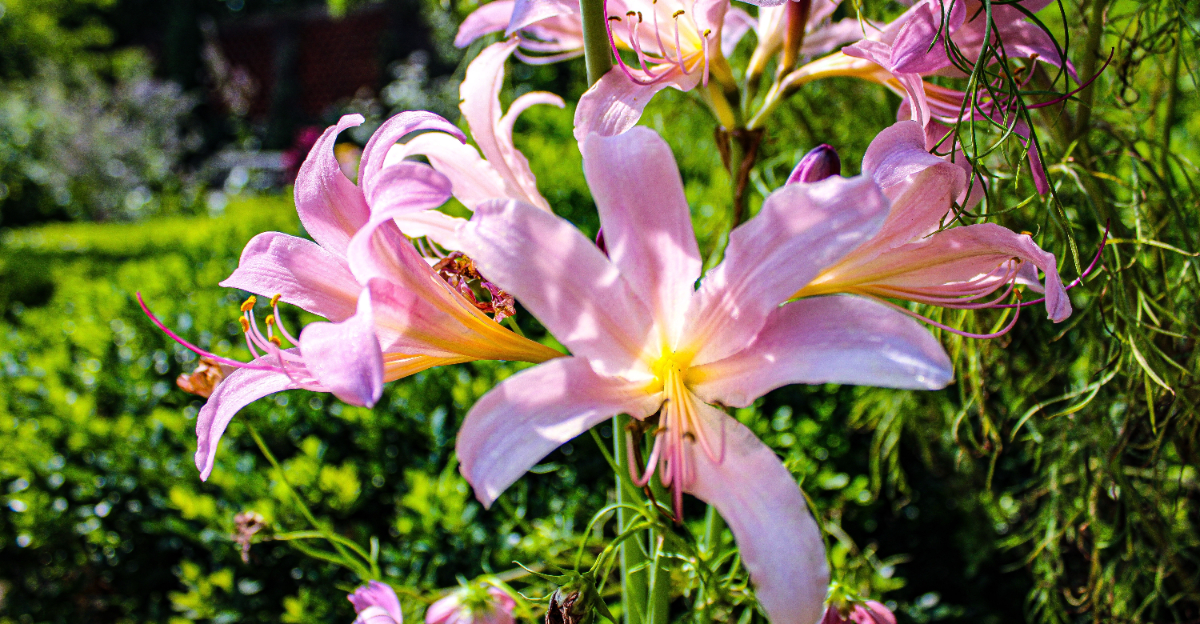
One day the ground is bare. The next, a cluster of bright pink flowers stands two feet tall with no leaves, no stem buildup, no warning of any kind.
Ohio yards that have them tend to produce this moment every August like clockwork, and the people who witness it for the first time almost always ask the same question. Where did those come from?
The answer involves a plant that has been invisible for months, doing its work underground while every other perennial in the garden was busy putting on a visible show. August is its moment, and it takes that moment seriously.
Ohio has a long history with this flower, passed between neighbors and divided from old gardens. It also shows up in yards where someone planted a bulb and promptly forgot about it until the ground suddenly changed its mind about staying bare.
The story behind those pink flowers is worth knowing fully.
1. Meet The Surprise Lily Hiding Under Your Lawn
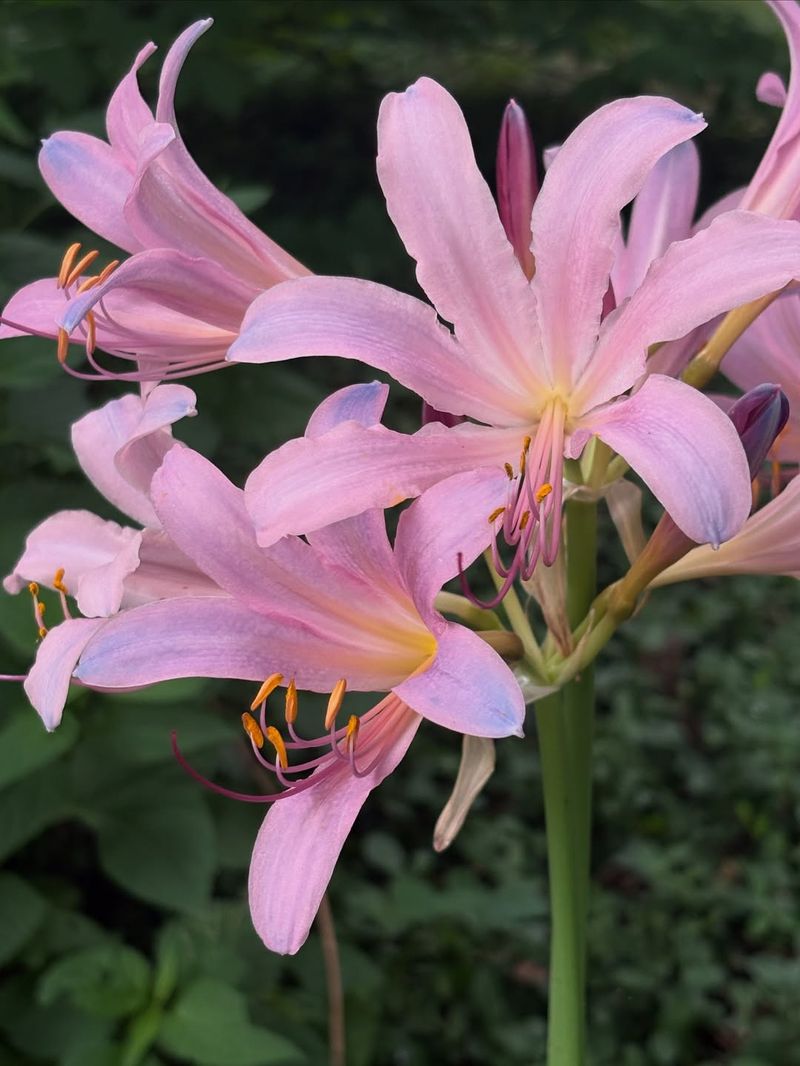
A bare pink stalk by the mailbox, flowers open and glowing, with absolutely no leaves anywhere nearby, that is the signature look of the surprise lily. Botanically known as Lycoris squamigera, this plant goes by several common names.
Ohio university extension sources list magic lily, resurrection lily, and naked lady as widely used names for the same plant.
Surprise lily belongs to the Amaryllidaceae family, not the lily family. That distinction matters because it is not a true lily, and it should not be confused with daylilies, autumn crocus, rain lilies, or spider lilies.
Each of those is a completely different plant with different growth habits.
The flowers are trumpet-shaped, soft to rosy pink, and they cluster at the top of a smooth, leafless stalk that can reach roughly two feet tall. Blooms typically appear in mid to late summer, often in July through August across many parts of this state.
Not every pink August flower you spot is a surprise lily. Looking for that bare stalk with clustered trumpet blooms is the clearest identification clue available to most homeowners.
2. Watch Bare Stalks Rise After The Leaves Vanish
Every spring, surprise lily sends up a flush of strap-like green leaves that look a bit like daffodil foliage. Those leaves do important work.
They capture sunlight and send energy down into the bulb underground, building up the fuel the plant will need to produce flowers later in the season.
By late spring or early summer, the foliage yellows and withers completely. The plant essentially disappears from view.
No marker, no stalk, no hint of what is coming. Gardeners who do not know the plant is there often assume the bed is empty or that something withered.
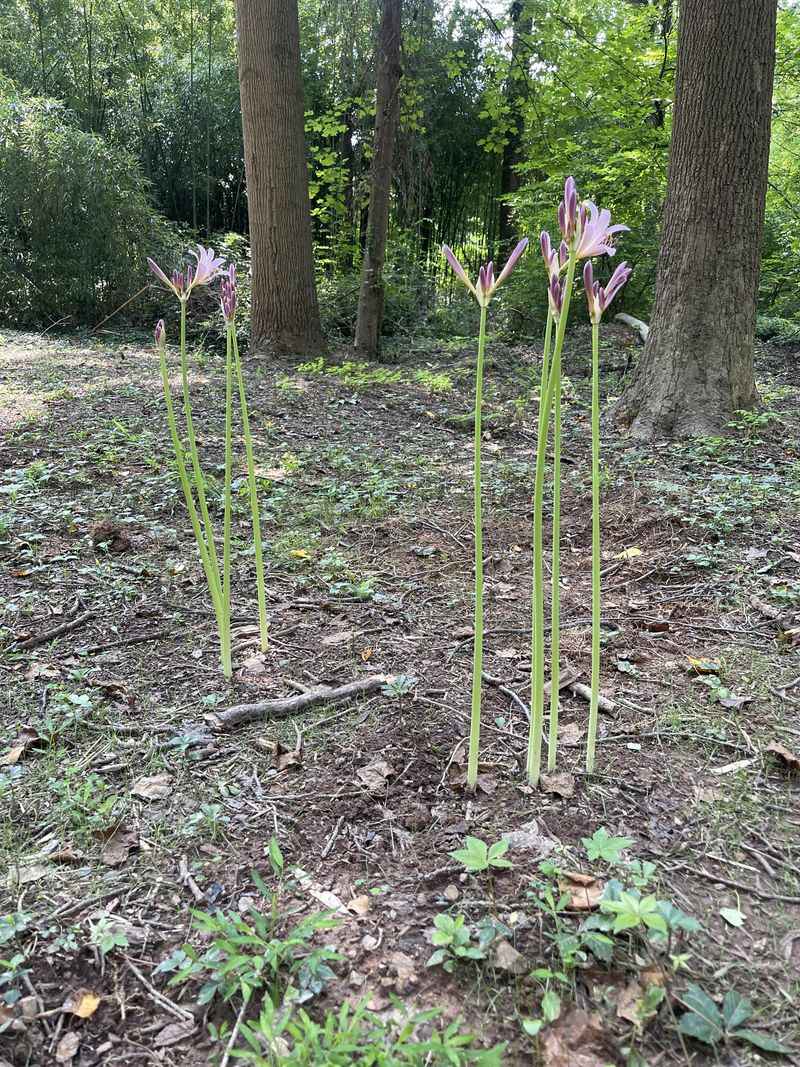
Then, weeks later, the flower stalks push up quickly from the same spot. Because the ground looked bare for so long, the sudden appearance of blooms feels genuinely surprising.
The stalks can rise fast enough that many people check their Ohio yard one day and notice nothing, then spot full pink blooms just a short time later. The plant was never gone.
Your Ohio Garden Changes Every Week. Your Plan Should Too.
Gardening in Ohio changes quickly throughout the season. Every Friday you’ll receive a simple weekly plan showing exactly what to plant, prune, fertilize, harvest, and protect so you never miss the right timing.
It was simply resting underground, storing energy and waiting for the right late-summer conditions to send up that dramatic, leafless flower display.
3. Know Why August Blooms Seem To Appear Overnight
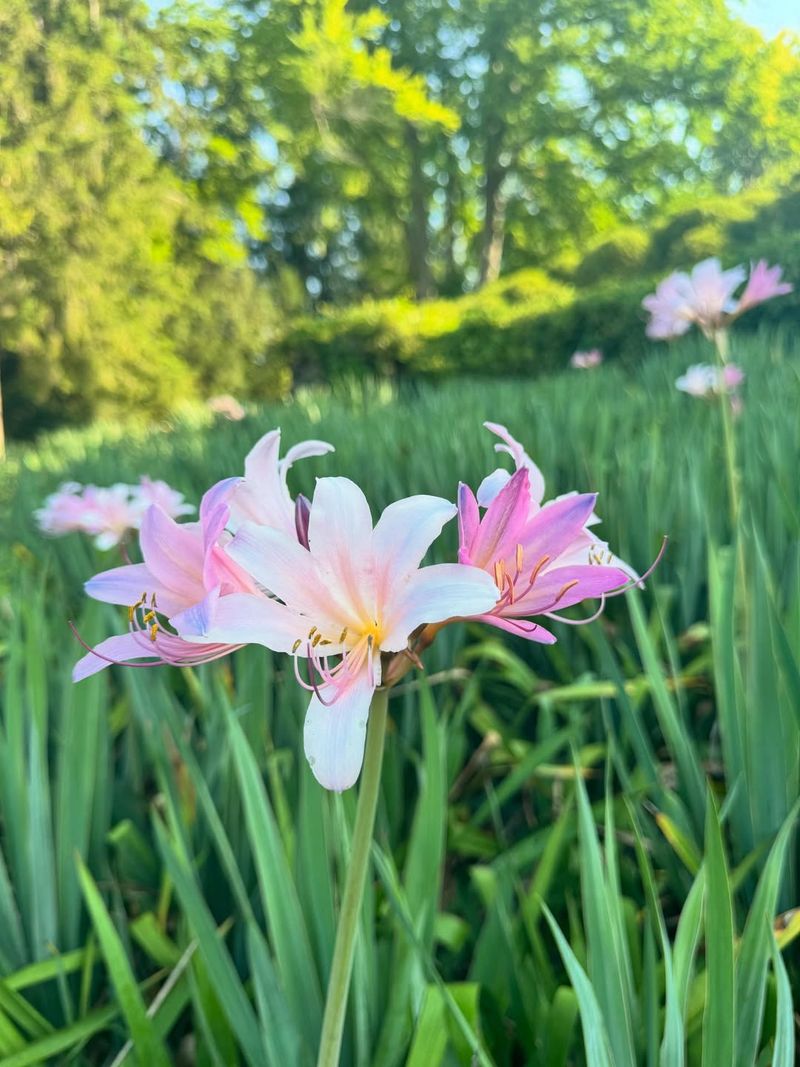
The flowers do not literally grow from nothing overnight, but the effect can feel that way. Once the spring foliage is gone and the soil looks bare, there is no visible sign that anything is about to happen.
Then the stalks push up, and blooms open within a fairly short window, creating that startling late-summer surprise.
Bloom timing can vary depending on site, weather patterns, and bulb health. Some gardeners notice blooms in July, while others see them stretch into early September.
Warm summers, late-summer rain, and regional differences across this state can all shift the timing. University extension sources note that Lycoris squamigera typically blooms in mid to late summer, but no single date applies to every yard or every year.
Watching an area where you spotted spring foliage earlier can help you anticipate blooms before they open. Some gardeners place a small marker in spring so they remember where the bulbs are sitting.
That simple habit turns the overnight surprise into something you can actually look forward to, rather than stumble across while mowing. The plant’s dramatic reveal is part of what makes it such a long-remembered garden conversation piece.
4. Trace The Pink Flowers Back To Old Bulbs
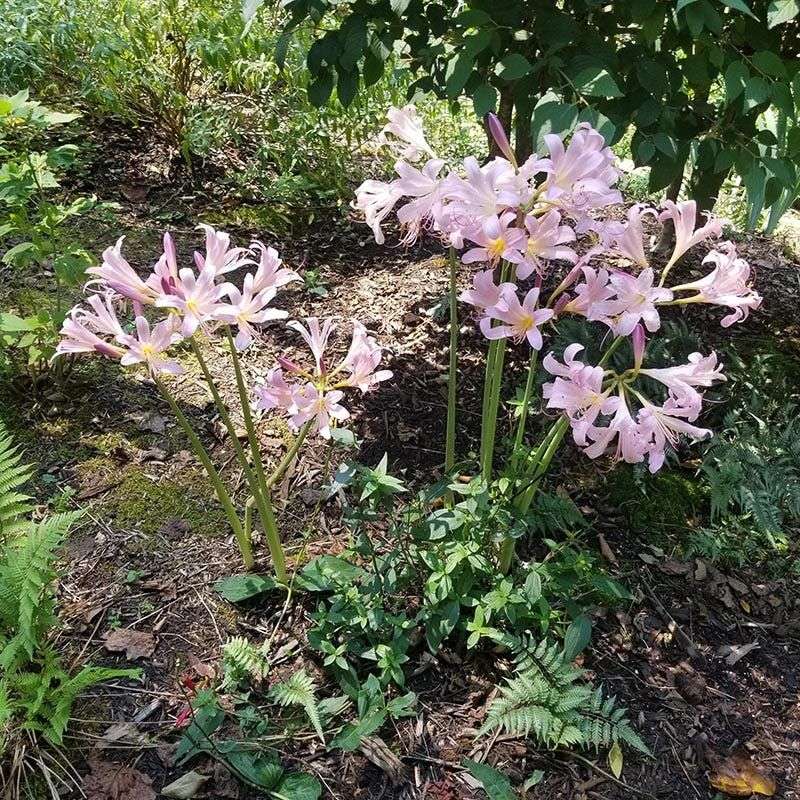
Rows of pink blooms near an old fence line, clusters tucked against a foundation, or a tidy line of flowers along a forgotten walkway, these patterns often tell a story.
Surprise lily bulbs can persist in the ground for many years, long outlasting the gardeners who planted them.
Previous homeowners, older relatives, or neighbors from years past may have tucked bulbs into beds that have since been mowed over, built around, or forgotten entirely.
The bulbs keep waiting underground, and when conditions are right, they bloom again as if no time has passed.
That is why these flowers sometimes appear in yards where the current owner never planted a single bulb.
Looking for planting clues can be a satisfying bit of garden detective work. Clusters near old foundations, lines parallel to walkways, or patches along property edges often suggest intentional planting from a past era.
If you want to add surprise lilies to a new spot, Ohio horticulture sources recommend purchasing bulbs from reputable nurseries or bulb suppliers. Avoid digging from wild or unknown locations.
Buying from a trusted source ensures you know exactly what you are planting and where it came from.
5. Leave Spring Leaves Alone Until They Fade
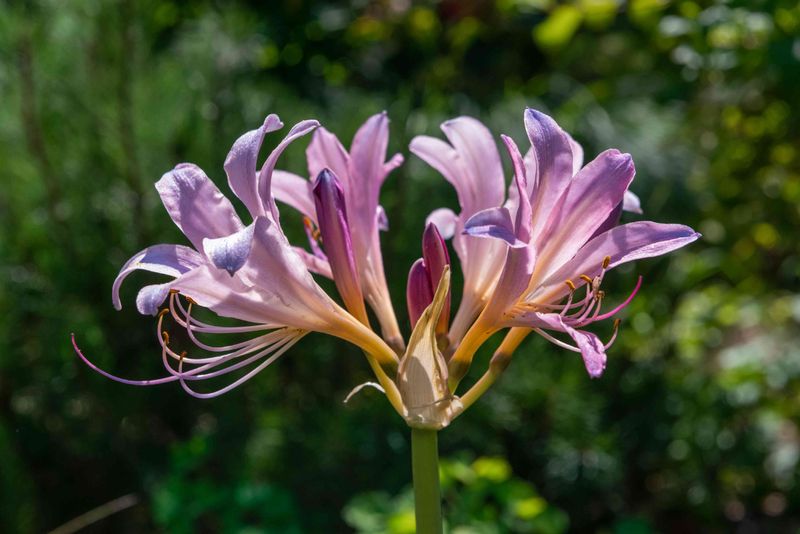
Cutting back the spring foliage too early is one of the most common mistakes people make with surprise lilies. Those green leaves are doing real work.
They photosynthesize and send energy into the bulb, which is how the plant builds up what it needs to bloom later in the season.
OSU Extension guidance and university horticulture sources consistently recommend letting bulb foliage yellow and wither naturally before removing it.
Trimming it while still green can weaken the bulb and may reduce or even prevent blooming the following year.
The same advice applies to daffodils and other spring-foliage bulbs.
Marking the patch in early spring, before the leaves fully emerge, helps prevent accidental mowing. A small stake, a ring of stones, or even a labeled garden flag can save the foliage from a lawn mower pass.
If you have a lawn crew, letting them know about the patch is worth the two-minute conversation. Protecting those leaves through their natural decline is the simplest and most effective thing a homeowner can do.
It keeps surprise lilies returning year after year with strong, healthy blooms.
6. Move Bulbs Only After The Plant Goes Dormant

Relocating surprise lily bulbs takes patience and good timing. Horticulture sources recommend moving or dividing the bulbs during dormancy.
That typically means after the foliage has fully faded in late spring or after the flowers have finished in late summer or early fall. Digging while the plant is actively growing can stress the bulbs.
Mark the bloom location clearly while flowers are visible so you can find the bulbs accurately when it is time to dig. Use a garden fork or trowel and work carefully to avoid slicing through the bulbs.
Missouri Botanical Garden sources note that moved bulbs may take a year or more to bloom again after transplanting, so patience is genuinely necessary.
Replanting depth guidance varies by source, but most horticulture references suggest placing bulbs a few inches deep with the nose pointing upward. Do not plant them too shallowly in areas with harsh winters.
Division is not required every year and is mainly useful when clumps become crowded or bloom production seems to be declining. Give transplanted bulbs time to settle into their new spot without disturbing them again too soon.
That gives them the best chance of returning to full bloom in future seasons.
7. Keep Pets And Kids Away From The Bulbs
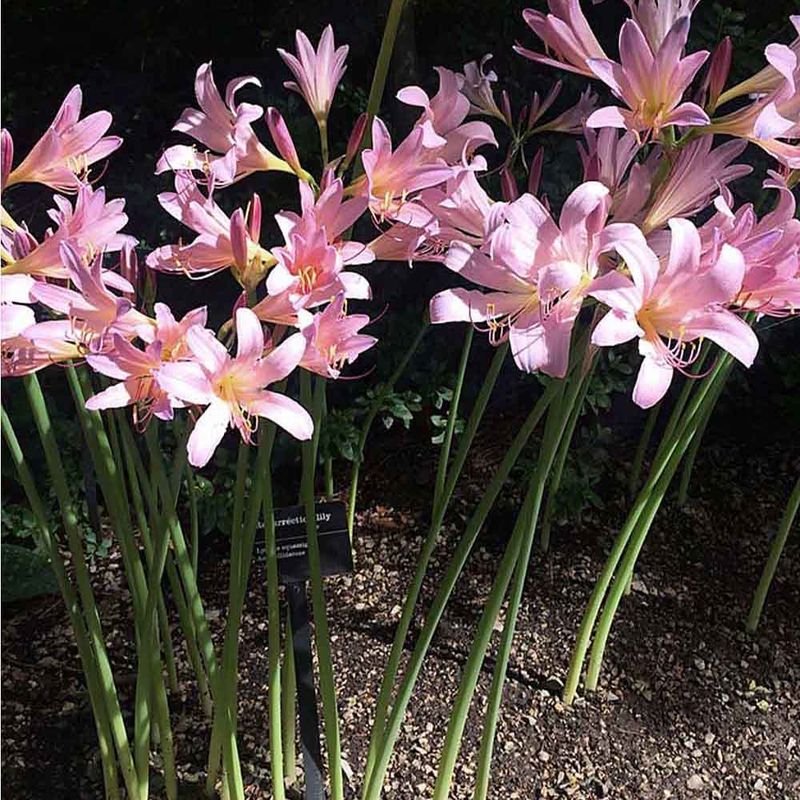
Surprise lily is considered toxic. The ASPCA and poison safety resources list Lycoris species as toxic to dogs, cats, and horses.
The bulbs contain lycorine and other alkaloids that can cause vomiting, diarrhea, low blood pressure, and other serious symptoms if eaten by animals or people.
The bulbs hold the highest concentration of toxic compounds. That makes them the most important part to keep away from curious pets and young children who might dig in garden beds.
Even handling bulbs during planting or transplanting can cause mild skin irritation in some people, so wearing garden gloves is a practical precaution.
If a pet chews on a bulb or a child puts plant material in their mouth, contact a veterinarian, the ASPCA Animal Poison Control Center, or Poison Control right away. Do not wait for symptoms to appear before making that call.
Dug bulbs left on the soil surface after transplanting should be collected and stored or replanted promptly, not left where a dog can sniff them out.
Keeping the planting area supervised during garden work is a simple habit that reduces risk significantly for households with pets or small children nearby.
8. Let An Old Yard Mystery Bloom Again Next Summer

Keeping surprise lilies coming back is less about complicated care and more about knowing what not to do. Protecting the spring foliage, avoiding unnecessary mowing over bulb patches, and leaving the soil reasonably undisturbed are the three key habits.
They make the biggest difference for most Ohio homeowners.
Bloom strength can vary from year to year. Factors like bulb age, available sunlight, soil conditions, summer weather patterns, and whether the spring foliage was cut too early all play a role.
Some years the display is spectacular. Other years a patch may produce fewer stalks or skip blooming entirely.
That variability is normal and does not necessarily mean the bulbs are deceasing.
Moving bulbs only during dormancy and buying new bulbs from reputable nurseries both help maintain a healthy planting. Keeping the area free from heavy foot traffic or deep digging helps too.
Those pink August blooms rising on bare stalks are not garden magic or some strange seasonal accident.
They are the late-summer debut of old bulbs that have been quietly doing their work underground all along, earning every bit of the surprise they deliver each year.