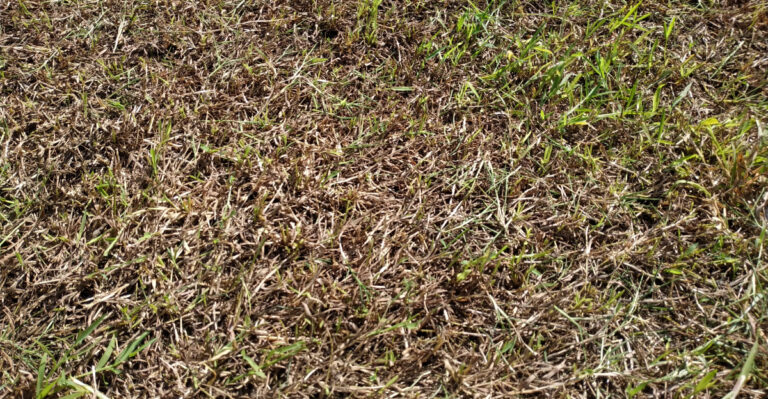
Stop Mowing Over This Aggressive Weed Creeping Into Your Pennsylvania Lawn
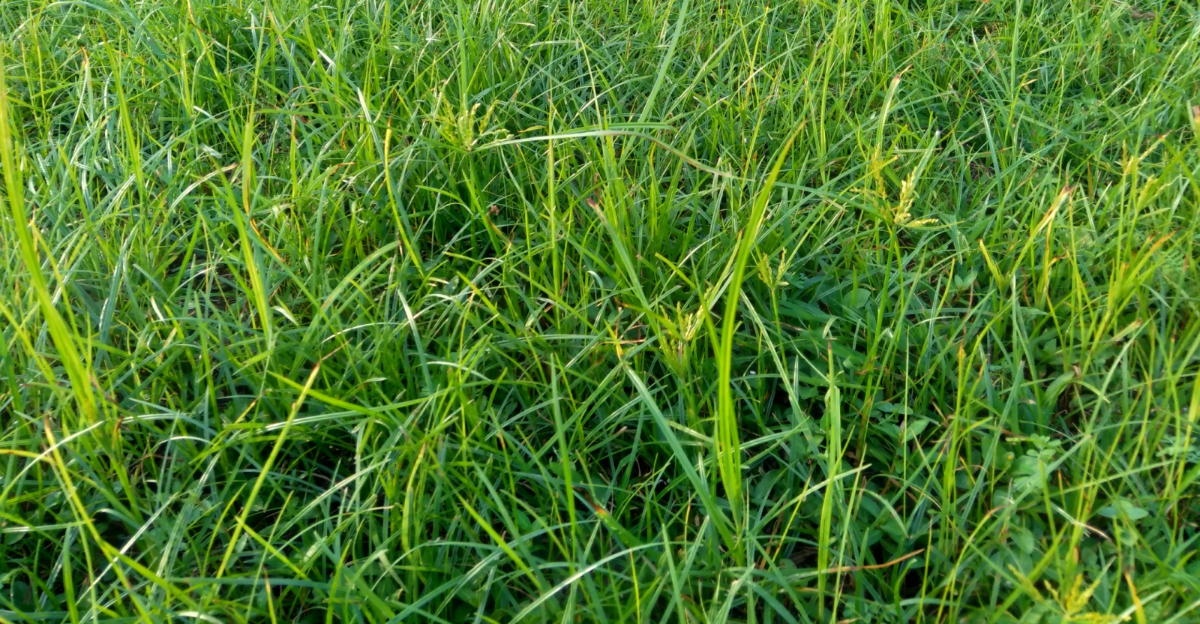
A single weed just outpaced your entire weekend of hard work. Something is thriving beneath your lawn, and it refuses to lose. Pennsylvania’s warm, wet summers push you into constant defense.
You cut it down, and within days, it’s already back, taller than before. Underground, a network of thick tubers keeps working against you. Every clump you ignore quietly multiplies into several more overnight.
Triangular stems give this persistent invader away instantly, once you already know the telltale signs. Ordinary lawn weeds respect your mower blades, but this one simply ignores it.
Grass beneath your feet cannot keep up with its fast pace. Most Pennsylvania homeowners, including you, mistake it for regular grass.
Mowing alone will never truly solve this stubborn problem, no matter how often you try. Real control depends on understanding how this thing grows and spreads. Your lawn’s entire future depends on exactly what you learn next.
Why Nutsedge Outgrows Your Lawn Between Mowings

Nutsedge does not follow the same rules as your lawn grass. It grows from underground tubers called nutlets, and those nutlets store serious energy.
While your turfgrass is slowly recovering after a mow, nutsedge is already sprinting back up. It can grow noticeably faster than Kentucky bluegrass or tall fescue during summer heat.
The secret weapon is that underground storage system. Each nutlet acts like a tiny battery, feeding rapid top growth no matter how often you cut it down.
Warm soil temperatures between 70 and 90 degrees Fahrenheit are basically a green light for nutsedge. Pennsylvania summers hit that range consistently from June through August.
Wet conditions also supercharge its growth. Areas near downspouts, low spots, or overwatered sections of your yard become prime nutsedge real estate fast.
Your lawn grass needs time to recover, absorb nutrients, and fill back in after being cut. Nutsedge skips that recovery phase entirely and just keeps pushing upward.
This is why you notice it poking above the rest of your lawn just days after mowing. It is not a coincidence; it is biology working against you.
The frustrating part is that every time it pops back up taller than your turf, it is also photosynthesizing harder and building more energy underground. You are essentially fueling its growth by letting it keep coming back without a real plan to stop it.
How Mowing Actually Helps It Spread
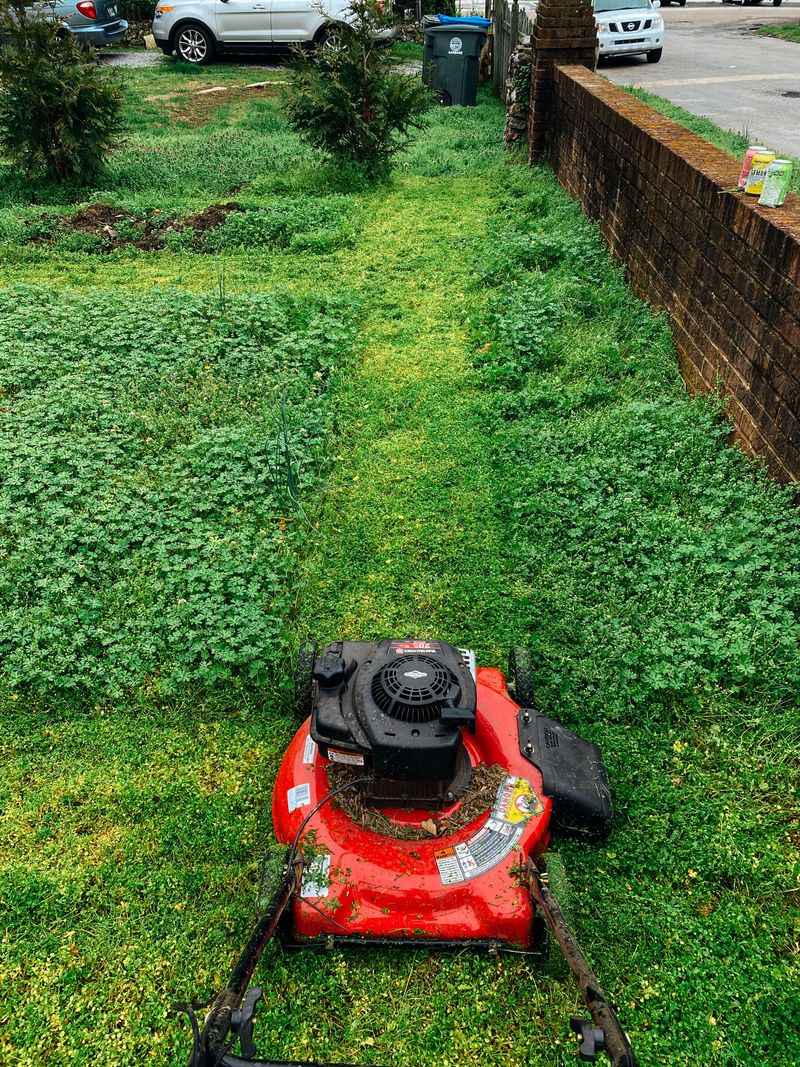
Here is something worth pausing on: mowing nutsedge can actually make your problem worse. Most people do not realize this until the infestation doubles in size.
When your mower blade slices through nutsedge, it does not destroy the plant. The roots and nutlets underground stay completely intact and ready to regrow.
Worse, the mower can spread small pieces of the plant across your yard. Those fragments can sometimes root in new spots, expanding the problem sideways.
Nutsedge also responds to being cut by producing more nutlets underground. It is essentially a survival response triggered by stress, and your mower is delivering that stress on a schedule.
Your Pennsylvania Garden Changes Every Week. Your Plan Should Too.
Gardening in Pennsylvania changes quickly throughout the season. Every Friday you’ll receive a simple weekly plan showing exactly what to plant, prune, fertilize, harvest, and protect so you never miss the right timing.
Each nutlet that forms underground can stay dormant for years. Even if you remove every visible plant above ground, those buried nutlets just wait for the right conditions to sprout again.
A single nutsedge plant can produce hundreds to well over a thousand nutlets in one growing season, depending on conditions.
The spreading happens quietly while you think you are managing the lawn. You mow, the weed ducks below blade height, and then comes right back stronger the next week.
Breaking this cycle requires more than a mower. Recognizing that your regular lawn routine is not hurting nutsedge, and may even be helping it, is the mindset shift that starts real progress toward a cleaner yard.
Spotting Nutsedge Before It Takes Over
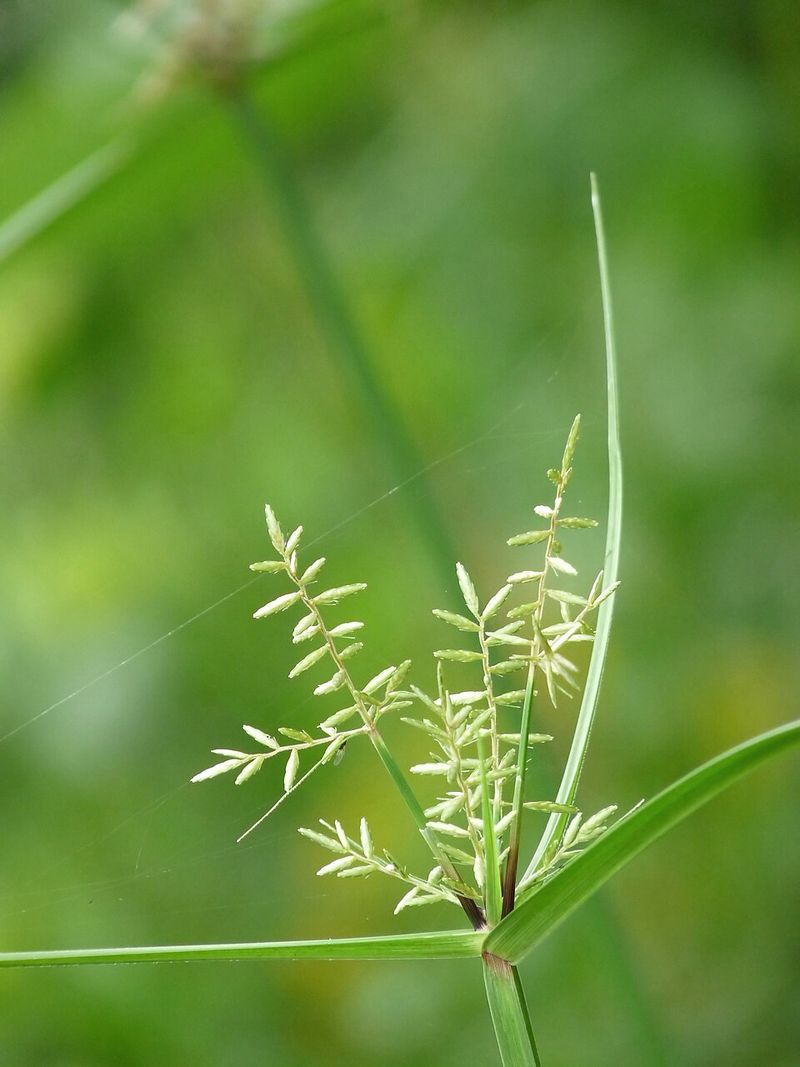
Catching nutsedge early is the difference between a minor annoyance and a widespread infestation. The good news is that it has some very distinct features once you know what to look for.
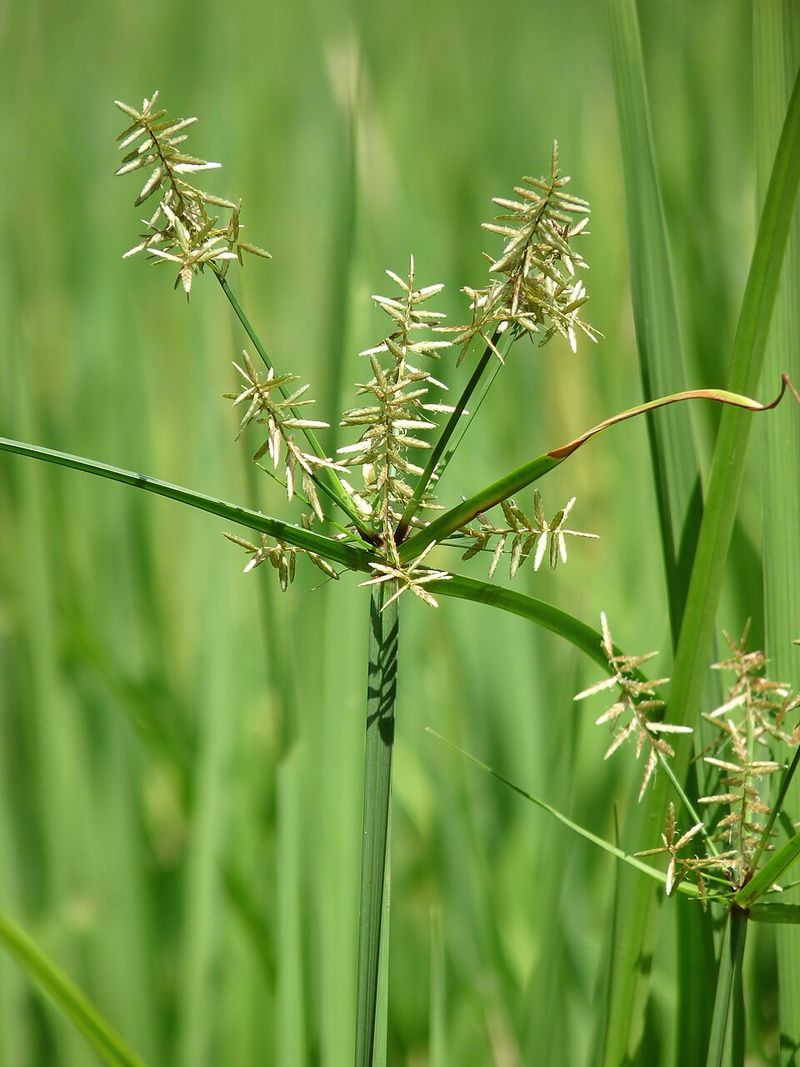
Start with the stem. Nutsedge has a triangular stem, meaning if you roll it between your fingers, you will feel three distinct sides. Your lawn grass has a round or flat stem by comparison.
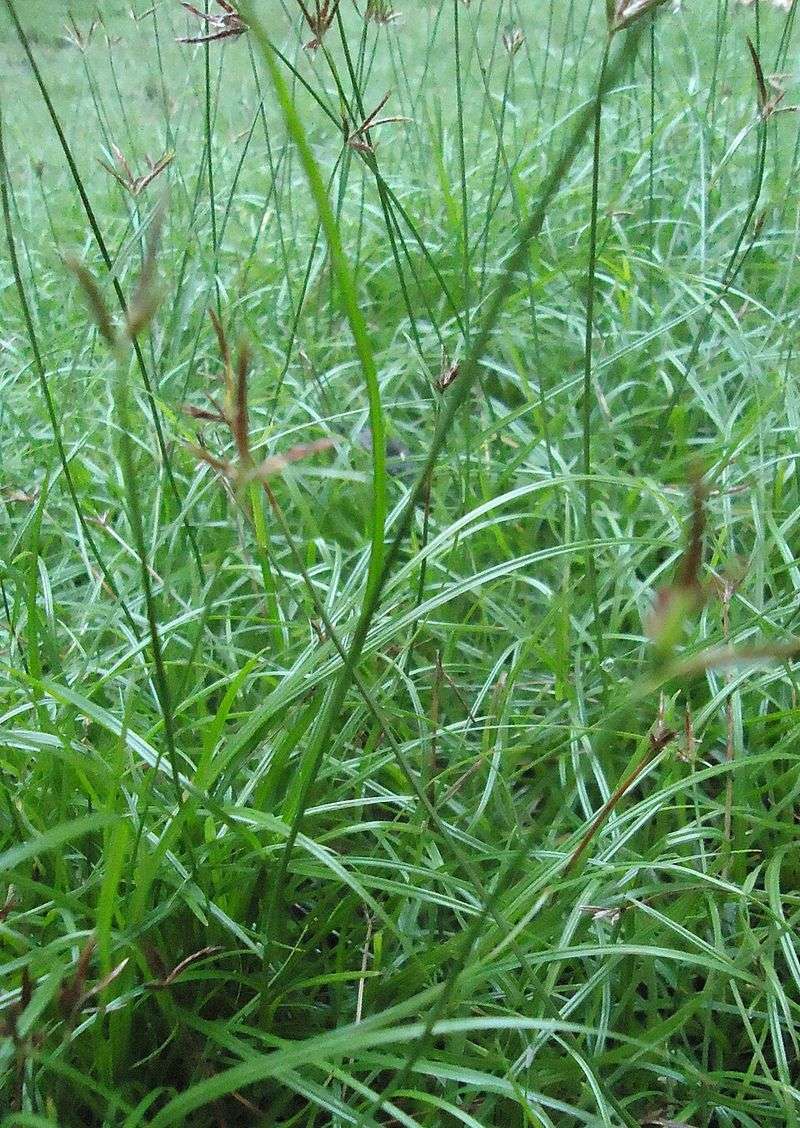
The leaves are bright, lime-green and glossy, which makes them stand out against darker turfgrass. That lighter color is often the first visual clue something is off in your lawn.
Look for a Y-shaped cluster at the top of the plant. That seed head is a clear sign that you are dealing with nutsedge and not just a tall grass blade.
Yellow nutsedge is the most common type found in Pennsylvania lawns. Purple nutsedge also exists but is less frequently spotted in northern states.
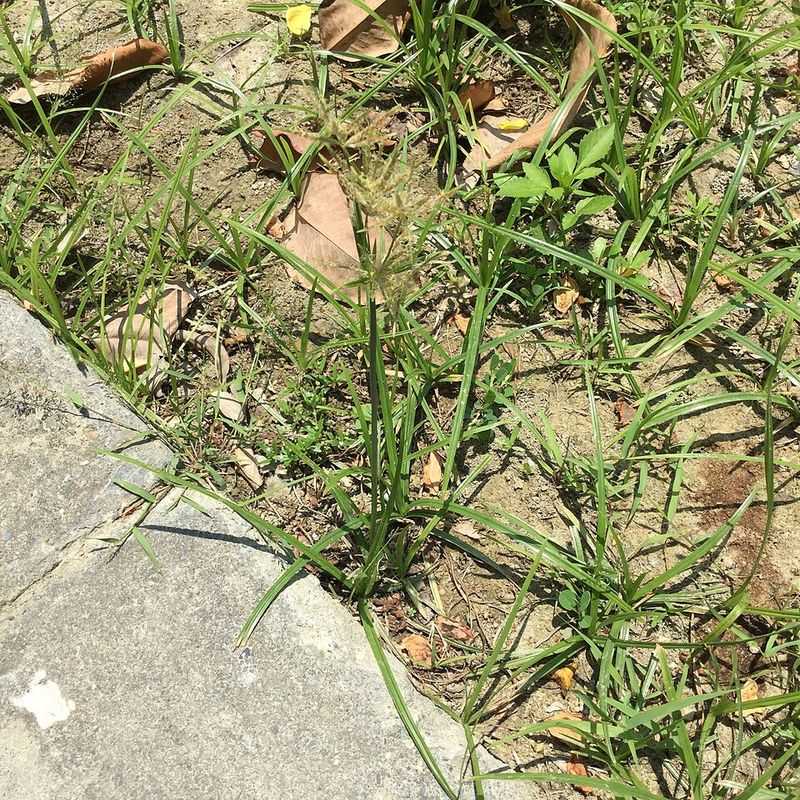
Check low-lying areas of your yard first. Nutsedge loves moisture, so it tends to emerge first near irrigation heads, drainage paths, or spots where water pools after rain.
Early-season scouting, starting in late May or early June, gives you the best chance to catch small patches. A small patch is manageable; a large colony is a project.
Train yourself to walk the yard after a mow and look for anything standing taller or lighter than the rest. That quick habit alone can save you months of frustration down the road.
Regular Weed Treatments Rarely Work On It
Grabbing your go-to broadleaf weed treatment and spraying it on nutsedge feels satisfying in the moment. Then two weeks later, the nutsedge is back and you are confused.
The reason is simple: nutsedge is not a broadleaf weed. It is a sedge, which belongs to an entirely different plant family than dandelions or clover.
Products designed to target broadleaf weeds, like many common lawn sprays, will not touch nutsedge. You could spray an entire bottle and accomplish almost nothing except wasting money.
Even non-selective herbicides that affect most plants struggle with nutsedge because of those underground nutlets. You might brown the top growth, but the nutlets survive and resprout within weeks.
The most reliable herbicides for nutsedge contain active ingredients like halosulfuron or sulfentrazone, though other formulations can also offer some control. These are sedge-specific formulas, and they work very differently from standard lawn sprays.
Timing matters too. Applying a sedge-specific herbicide when plants are young, between two and four leaves, gives you the best results. Mature plants with established nutlets are much harder to knock back.
Multiple applications are usually needed. One treatment rarely clears an established colony because the nutlet network keeps sending up new shoots after the first flush is treated.
Reading labels carefully before purchasing any product is essential. If you do not see sedge listed on the label, put it back on the shelf and keep looking for the right tool for this specific job.
The Right Way To Get Nutsedge Under Control
Getting nutsedge under control takes patience, the right products, and a plan that goes beyond surface-level fixes. There is no single magic step, but the combination works.
Start by improving drainage in problem areas. Since nutsedge thrives in wet soil, fixing low spots or reducing overwatering immediately makes conditions less hospitable for it.
For chemical control, apply a halosulfuron-based product like Sedgehammer or a sulfentrazone formula in late spring or early summer. Follow label directions exactly for the best outcome.
Do not pull nutsedge by hand if you can avoid it. Hand-pulling disturbs the soil and can leave nutlets behind, sometimes stimulating new growth rather than stopping it.
If you do hand-pull, do it when the soil is moist and try to get as much of the root system as possible. Bag and dispose of the plants rather than composting them.
After treating with herbicide, give the product time to work before mowing. Mowing too soon after application can reduce effectiveness by removing the leaf surface that absorbs the chemical.
Overseed thin or bare areas after treatment. Thick, healthy turfgrass is your best long-term defense because it crowds out new nutsedge seedlings before they can establish.
Consistency is what separates homeowners who beat nutsedge from those who fight it every single summer. Treating early, following up, and improving soil conditions together create the lasting results your lawn deserves.
Keeping It From Coming Back Next Season
Managing nutsedge this season is satisfying, but the real goal is preventing its return next year too. Prevention is far easier than repeated removal.
Start with soil health. Compacted, poorly draining soil is an open invitation for nutsedge to return. Aerating your lawn each fall helps water move through the soil instead of pooling on top.
Adjust your watering habits. Water deeply but infrequently, aiming for about one inch per week.
Shallow, frequent watering keeps the top layer of soil too moist, which is exactly what nutsedge wants.
Mow at the right height for your grass type. Taller turf shades the soil surface and makes it harder for nutsedge nutlets to get the light they need to germinate and establish.
Apply a pre-emergent herbicide labeled for sedges in early spring before soil temperatures reach 55 degrees.
This can offer some suppression, though pre-emergents are generally less effective on nutsedge than on seed-based weeds since nutsedge spreads mainly through underground tubers.
Scout your lawn monthly during the growing season. Catching one or two plants early and treating them immediately prevents a small patch from becoming a widespread colony by August.
Feed your lawn on schedule with the right fertilizer for your grass type. A well-nourished lawn grows thick and competitive, leaving less open space for aggressive weeds to exploit.
The aggressive weed creeping into your Pennsylvania lawn can absolutely be managed with the right seasonal habits in place, and next summer can look completely different from this one.