The Meaning Behind Seeing A Pileated Woodpecker In Your West Virginia Yard
A shadow crosses your quiet porch and stops you cold. Wingbeats rise through the air behind you without warning. Nothing in your yard prepared you for this arrival.
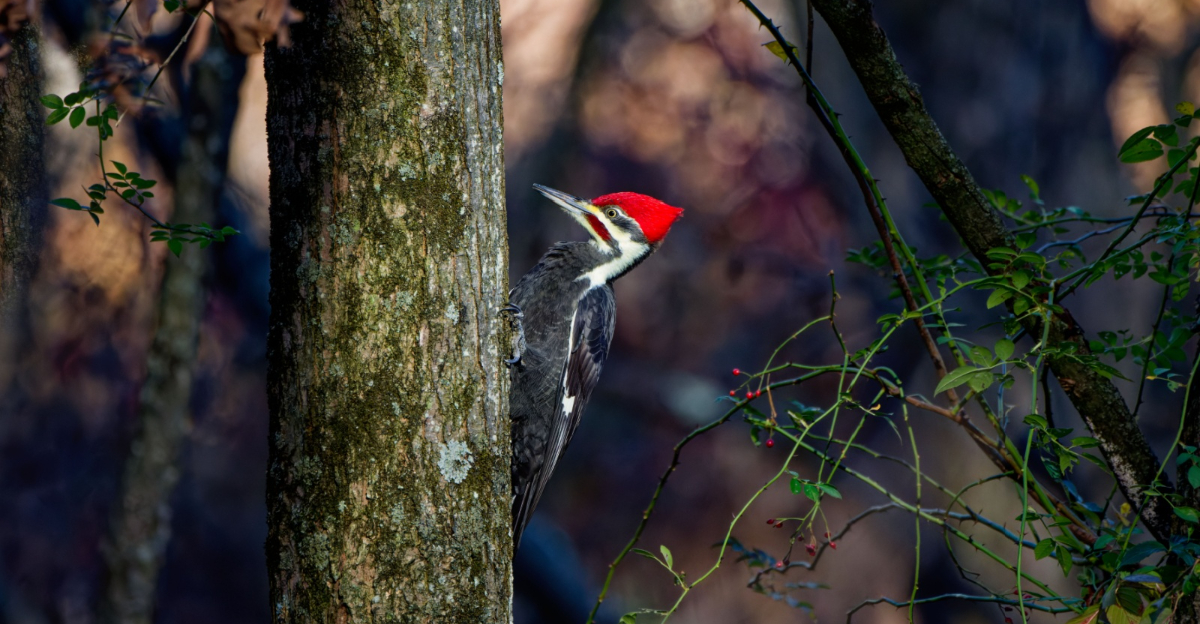
West Virginia harbors the boldest bird hiding among Appalachian trees. Crow sized and crimson crested, it dwarfs everything near you. Bark scatters in chunks when it strikes a weathered tree.
Holes the size of your fist mark its hunting ground. Its call sounds ancient, almost prehistoric to your ears. Few backyard sightings carry this much raw presence.
Locals across West Virginia whisper about what these visits mean. Folklore ties every drumming beat to fortune or warning. Skeptics call it coincidence, yet the timing surprises you.
Believers see meaning folded into every sudden appearance. Rare does not describe what just landed near you.
Either way, you just witnessed something the woods hardly reveal. Everything about this encounter demands you understand what happens next.
Identifying What A Pileated Woodpecker Actually Is
That massive bird hammering your oak tree is not a crow. The pileated woodpecker is the largest widely-seen woodpecker in North America.
The only larger species, the ivory-billed woodpecker, is presumed extinct or exceptionally rare. This bird rivals a crow in size with a wingspan stretching wide across the branches it grips.
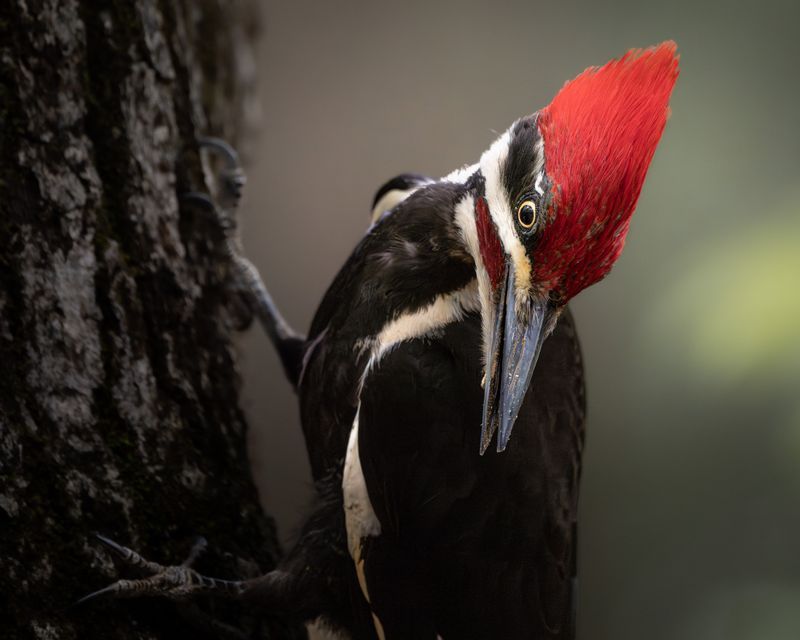
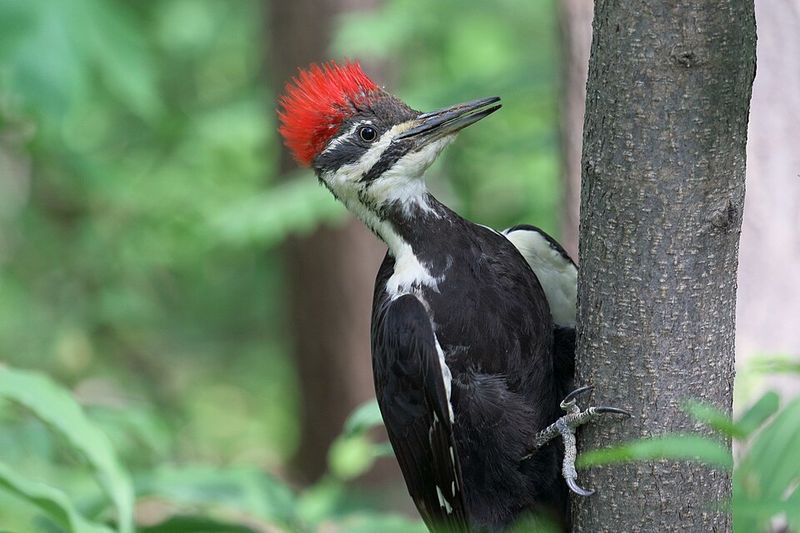
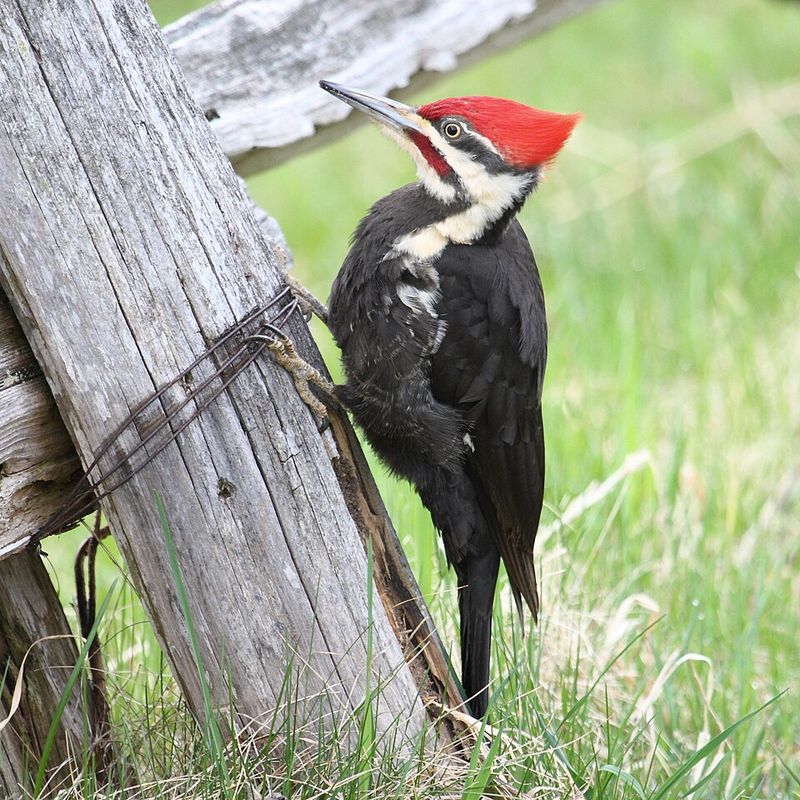
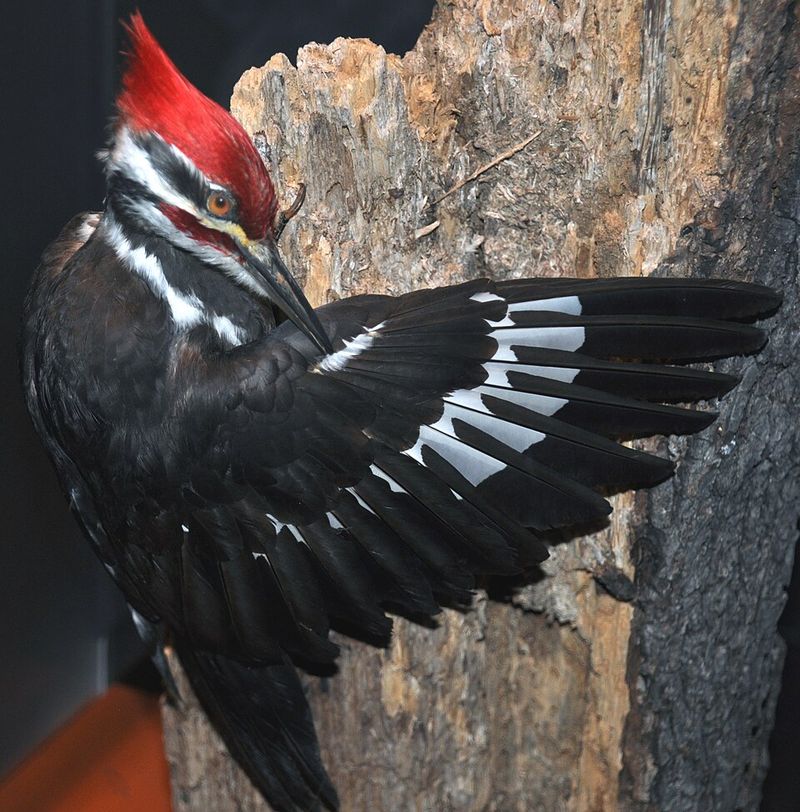
Its most striking feature is the flaming red triangular crest sitting proudly atop its head, impossible to miss even from a distance.
Black and white stripes streak down its face and neck, giving it a bold, almost prehistoric appearance that feels out of place in a modern backyard.
Males carry a red stripe along their cheek known as a mustache mark, while females wear a black stripe instead, offering one of the simplest ways to tell the sexes apart at a glance.
Their call rings out like a wild, echoing laugh that carries far through the trees. Many people hear that distinctive call long before they ever spot the bird itself, which only deepens the mystery surrounding each encounter.
These birds carve large rectangular holes into dead or weakened trees, excavating with a force that reshapes the wood around them.
Those cavities grow so large that other creatures, including wood ducks and owls, later move in once the woodpecker abandons the site.
Understanding what you are actually looking at transforms the sighting into something unforgettable. Knowing this bird represents a rare and powerful presence in any yard changes everything about how you experience that moment.
Why This Bird Rarely Shows Up In Backyards
Catching one outside your window is genuinely unusual. Pileated woodpeckers need large, mature forests to survive, and most suburban yards simply cannot offer that kind of habitat.
They require old-growth or second-growth forests with plenty of dead trees. Those snags, as foresters call them, are where carpenter ants and beetle larvae hide, which is the bird’s main food source.
A single pileated woodpecker typically needs a territory ranging from around 100 to over 300 acres, depending on habitat quality.
Your West Virginia Garden Changes Every Week. Your Plan Should Too.
Gardening in West Virginia changes quickly throughout the season. Every Friday you’ll receive a simple weekly plan showing exactly what to plant, prune, fertilize, harvest, and protect so you never miss the right timing.
That is a lot of land for one bird, which explains why they rarely wander into small residential areas.
Forest fragmentation pushes them away from people. When woods get broken up by roads or development, these birds struggle to find enough space and food to thrive.
West Virginia’s dense Appalachian forests do support healthy pileated populations. But even there, seeing one right in your yard means your property sits near a substantial stretch of mature woodland.
If one showed up outside your window, your yard likely borders prime habitat. That is not a small thing, and it says something meaningful about the natural richness surrounding your home.
The Symbolic Meaning Behind Its Appearance
Nature has always spoken to people willing to listen. Across many spiritual traditions, a pileated woodpecker sighting is considered a powerful message from the natural world.
The woodpecker is widely seen as a symbol of persistence and determination. Watching one hammer relentlessly into solid wood makes that symbolism feel completely earned.
Many people interpret a sudden woodpecker visit as a nudge to keep going. If you have been grinding through a hard season, this bird might feel like a reminder that your effort will eventually break through.
Its red crest is often linked to passion, vitality, and creative fire. Seeing that burst of red in your yard can feel like an energetic jolt, a signal that something exciting is on its way.
Some spiritual communities associate woodpeckers with rhythm and timing. The steady drumming pattern is seen as a sign to pay attention to the natural cycles happening in your own life.
Others believe a woodpecker visit signals an opportunity hidden just beneath the surface. Much like the bird finding food inside a tree no one else can see, your breakthrough may be closer than it appears.
Whatever your beliefs, there is no denying the strong impression that sighting leaves. That feeling of awe is real, and it is worth sitting with for a while.
Folklore Around This Bird In West Virginia
Mountain people have long paid close attention to the birds around them. In Appalachian tradition, the woodpecker holds a respected place in local lore passed down through generations.
According to regional folklore, old-timers in the hill country sometimes called pileated woodpeckers ‘log cocks’ or ‘wood hens.’ These nicknames were practical, rooted in the bird’s loud presence and impressive size.
Some Appalachian families believed a woodpecker drumming near the house meant a storm was coming. Others saw it as a sign that a visitor would arrive soon, sometimes unexpectedly.
According to some Appalachian oral traditions tied to Cherokee culture, the woodpecker was regarded as a kind of protector.
The bird’s ability to find hidden things inside solid wood made it a symbol of wisdom and discernment.
In some rural communities, spotting one near a home after a loss was seen as a comforting sign. The belief was that the bird carried messages from those who had passed, checking in on the living.
West Virginia sits in the heart of Appalachian storytelling country. The pileated woodpecker appears in regional tales not as a background character but as a bold, attention-commanding presence with something to say.
Whether you grew up with these stories or are hearing them for the first time, they add a layer of wonder to what you saw. The hills here have always known this bird belongs to something bigger.
How To Attract One Back To Your Yard
So you saw one and now you want it back. That is a completely understandable reaction, and the good news is there are real steps you can take.
Leaving dead trees standing is the single most effective thing you can do. Snags provide both food and nesting sites, and pileated woodpeckers will return to the same trees repeatedly.
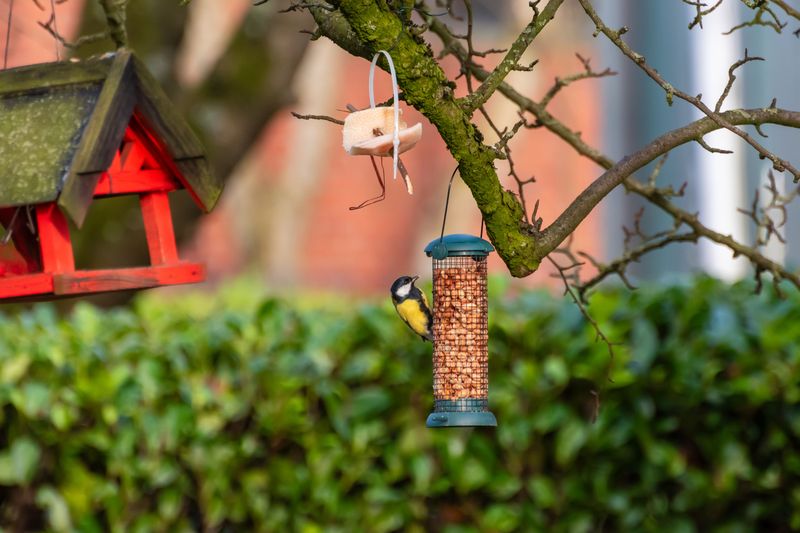
Suet feeders loaded with high-fat, insect-based suet can draw them in closer. Use a large, sturdy feeder that can support a crow-sized bird without wobbling or tipping.
Avoid trimming every fallen log from your yard. Decaying logs on the ground are full of carpenter ants, which are a reliable food source for a hungry pileated.
Planting native trees like beech, oak, and hickory supports the kind of forest understory these birds prefer. Native plantings attract the insects the woodpecker depends on for survival.
Reducing pesticide use is critical. Chemicals wipe out the beetle larvae and ant colonies that make your yard worth visiting in the first place.
Give the bird space and quiet when it does appear. Sudden movement or noise near a window will send it off fast, so watch from a distance with binoculars if you can.
Patience is your best tool here. Create the right conditions, stay consistent, and that notable bird may reward your effort with another unforgettable visit.
Steps To Take If You Spot One Again
When it shows up again, do not panic or rush. Your first move should be to freeze completely and observe without making a sound.
Grab your binoculars slowly and get a good look at the bird’s face. Check for that red mustache stripe to confirm whether you are looking at a male or a female.
Snap a photo if you can do it without startling the bird. A blurry shot through the window still counts as documentation and is worth keeping.
Note the time of day and which tree or area it chose. Pileated woodpeckers are creatures of habit, and they often return to the same feeding spots on a regular schedule.
Log your sighting in a free app like eBird or Merlin. Your observation contributes to real citizen science data that helps track bird populations across the region.
Share the sighting with your neighbors if they enjoy wildlife. A pileated woodpecker in the area is exciting news for anyone who loves nature nearby.
Avoid the urge to approach or disturb the bird in any way. Watching quietly from inside is always the most respectful and rewarding option.
Seeing a pileated woodpecker in your West Virginia yard more than once means your habitat is genuinely working. That is something to feel proud of, and it is worth protecting with every choice you make outdoors.