The Invasive Flowers Iowa Gardeners Should Think Twice About Planting
That charming border flower might have bigger plans than you realize. Some ornamentals sold at Iowa nurseries slip past their designated bed and settle into ditches, woodlots, and riverbanks with startling speed.
Their seeds hitch rides on wind, water, and unsuspecting boots, landing far from your garden fence. Once established, these spreaders shade out native wildflowers and strip pollinators of the plants they actually depend on for food.
Iowa’s rich soil and humid summers give many of these species a serious head start over native vegetation. What looks like a harmless splash of color in June can dominate a wetland by August.
Here are eight flowering plants that show up in garden centers across the state, along with what makes each one a quiet threat to Iowa’s landscapes.
1. Purple Loosestrife (Lythrum Salicaria)
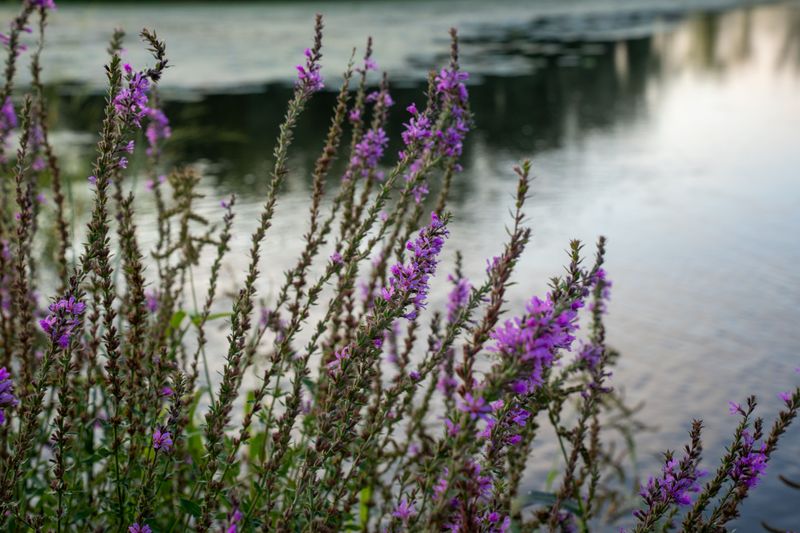
Few plants look as stunning as Purple Loosestrife standing tall in a summer marsh. Those bright magenta spikes are hard to resist at the nursery.
But behind that beauty hides one of the most aggressive spreaders on the continent. Each plant produces up to two million seeds annually.
Wind and water carry those seeds far beyond your garden fence. Once established, this flower forms thick mats that crowd out native wetland plants.
Wildlife that depends on native marsh vegetation suddenly finds nothing useful to eat. Ducks, frogs, and native insects all lose critical habitat.
The ecological damage spreads silently for years before anyone notices. Many states, including Iowa, have placed this plant on prohibited lists.
Selling or planting it is actually illegal in several Midwestern states. If you already have it growing, removal requires persistence and the right timing.
Cutting it back before seed set can slow the spread significantly. Pulling roots by hand works best in smaller patches.
Larger infestations may require herbicide treatment from a licensed professional. Native alternatives like blazing star or blue vervain offer similar vertical color.
Both attract pollinators without threatening surrounding ecosystems. Swapping Purple Loosestrife for a native look-alike is genuinely the smarter gardening move.
You can spot it easily by its tall square stems and dense spikes of five to six petaled flowers blooming from July through September. Wetlands, drainage ditches, and pond edges across Iowa are the places it favors most.
2. Oxeye Daisy (Leucanthemum Vulgare)
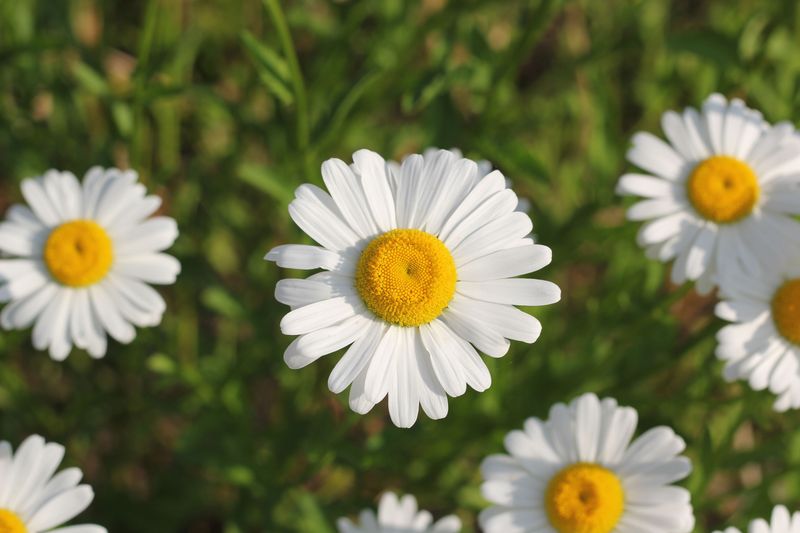
Cheerful white petals and sunny yellow centers make Oxeye Daisy look like something from a greeting card. Gardeners across the Midwest have planted it for decades without a second thought.
The problem is that this flower refuses to stay where it is planted. Oxeye Daisy spreads through both seeds and underground rhizomes.
A single plant can colonize a surprisingly large area within just a few seasons. Roadsides, meadows, and pastures across the region show just how far it travels.
Farmers particularly dislike this plant because livestock tend to avoid eating it. That leaves it free to spread unchecked across grazing land.
Over time, it can reduce the productivity of entire fields. In gardens, it outcompetes native wildflowers that pollinators actually need.
Your Iowa Garden Changes Every Week. Your Plan Should Too.
Gardening in Iowa changes quickly throughout the season. Every Friday you’ll receive a simple weekly plan showing exactly what to plant, prune, fertilize, harvest, and protect so you never miss the right timing.
Bees and butterflies that rely on native species often get less nutritional value from Oxeye Daisy’s blooms. The visual charm simply does not make up for the ecological trade-off.
Removing it requires digging out the full root system, which takes real effort. Even small root fragments left in the soil can regrow quickly.
Consistent monitoring after removal is essential for long-term control. Shasta daisy is a popular cultivated alternative that behaves much more politely.
Black-eyed Susan offers a similar cheerful look with genuine native value. Choosing wisely means your garden stays beautiful without becoming a neighborhood problem.
3. Gooseneck Loosestrife (Lysimachia Clethroides)
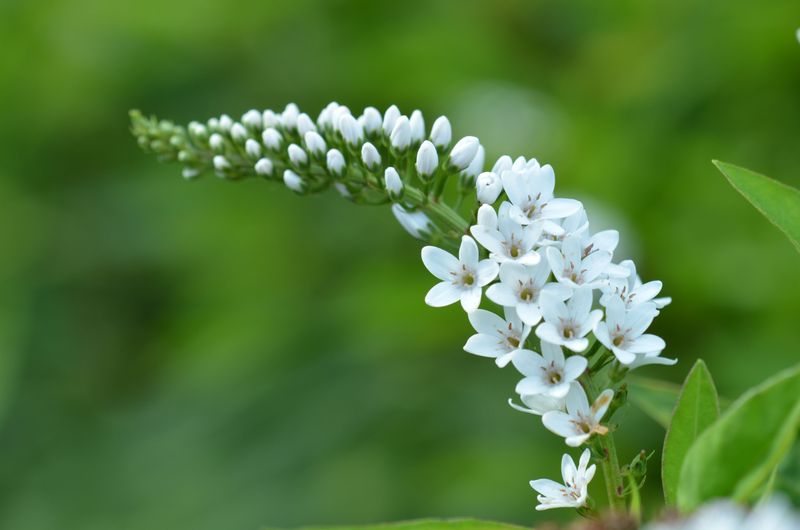
That elegant arching white flower spike looks like living sculpture in a garden border. Gooseneck Loosestrife earns its name from the graceful curve at the tip of each bloom.
Gardeners fall for it fast, but the honeymoon ends when the spreading begins. This perennial spreads underground through an aggressive network of rhizomes.
What starts as a single clump can double or triple in size each year. Before long, it is pushing out every neighboring plant in the bed.
It handles shade, sun, wet soil, and dry conditions with ease. That adaptability sounds like a selling point until you realize how little slows it down.
Few plants are as relentlessly opportunistic as this one. Removing Gooseneck Loosestrife is a long-term project, not a weekend task.
Rhizomes break apart easily during digging, and each fragment can sprout a new plant. Gardeners who underestimate it often find themselves dealing with it for years.
Smothering with heavy mulch after digging can help prevent regrowth. Repeated removal over two to three growing seasons is usually necessary.
Patience and consistency are genuinely your best tools here. White wild indigo offers a similarly striking vertical form without the baggage.
Culver’s root is another native option with elegant white blooms. Both provide beauty and ecological value that Gooseneck Loosestrife simply cannot match.
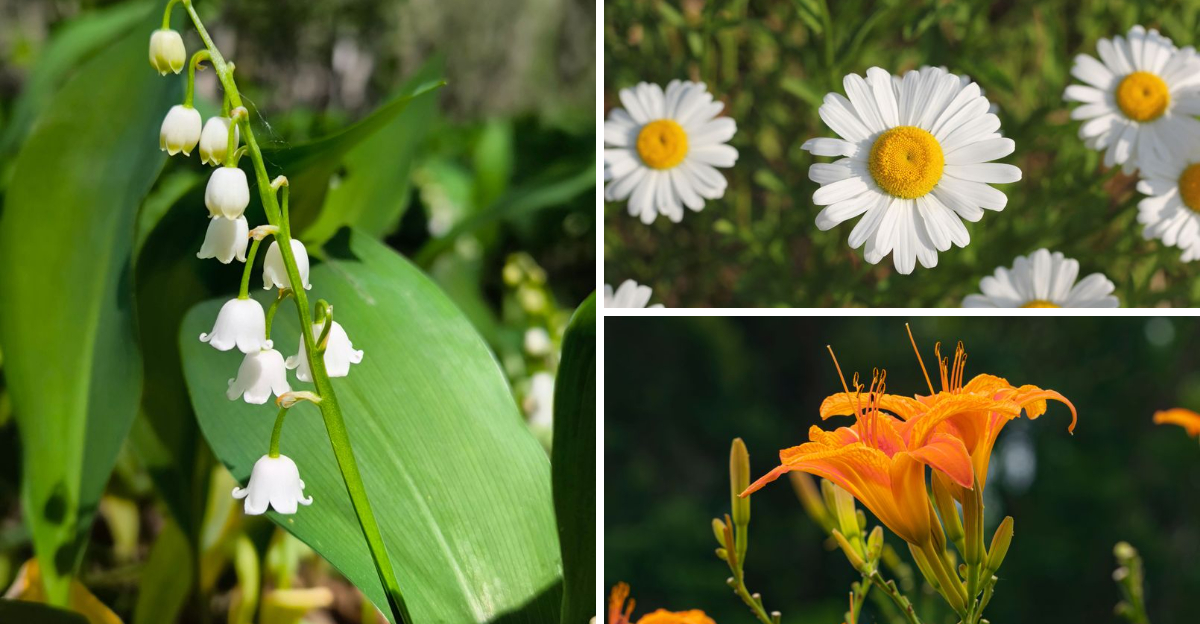
4. Ditch Daylily (Hemerocallis Fulva)
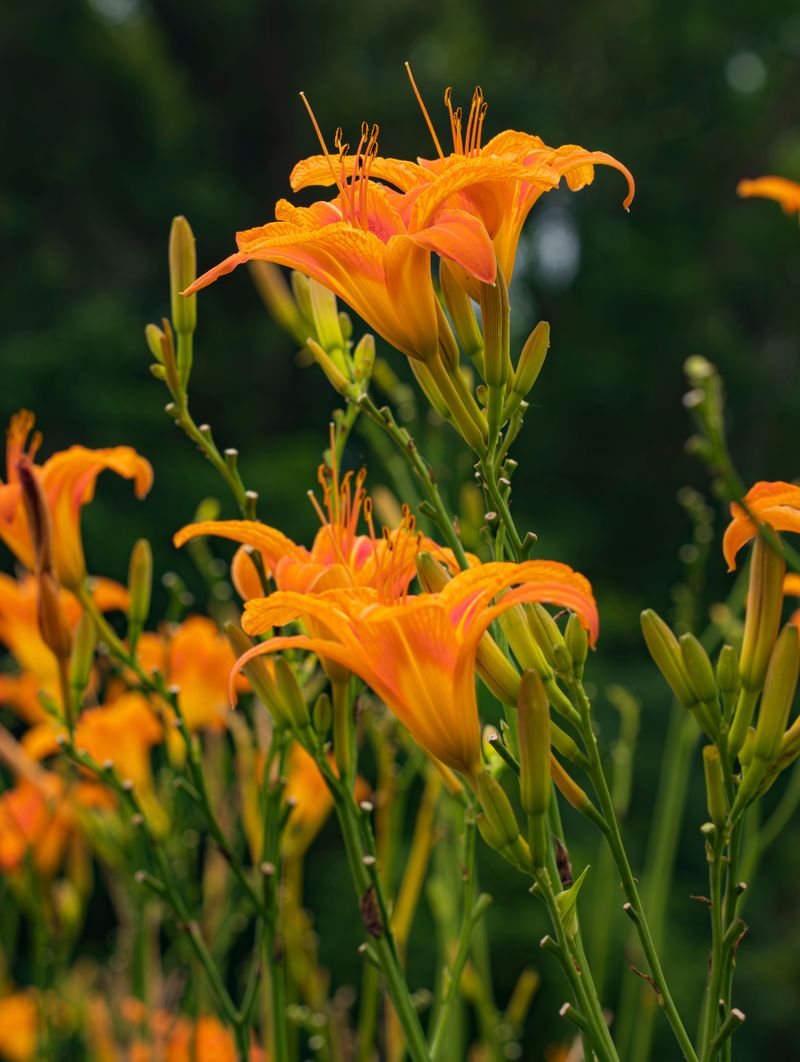
Every summer, those bold orange daylilies explode along roadsides across the Midwest like nature’s own fireworks display. They look festive, tough, and free, which is exactly why so many gardeners have welcomed them home.
The trouble is that they behave more like squatters than guests. Ditch Daylily spreads through underground tubers that multiply rapidly.
A small clump can expand into a dense, impenetrable colony within just a few years. Once established, it crowds out grasses, native wildflowers, and ground cover plants.
Unlike many garden daylilies, this species produces no viable seeds. All spreading happens underground, which makes it harder to track and contain.
By the time you notice the expansion, it has already claimed significant territory. Removing it requires digging out every single tuber, which is exhausting work.
Missing even a few small tubers guarantees regrowth the following season. Many gardeners report fighting the same patch for five or more years.
Solarizing the soil with clear plastic sheeting after digging can help eliminate remaining tubers. Covering the area with thick cardboard and wood chip mulch also suppresses regrowth.
Persistence is the only real strategy that works long-term. Named daylily cultivars bred for gardens tend to clump rather than spread.
Native orange flowers like butterfly weed offer stunning color with genuine ecological benefits. Making the switch protects your yard and your neighborhood at the same time.
5. Lily-of-the-Valley (Convallaria Majalis)
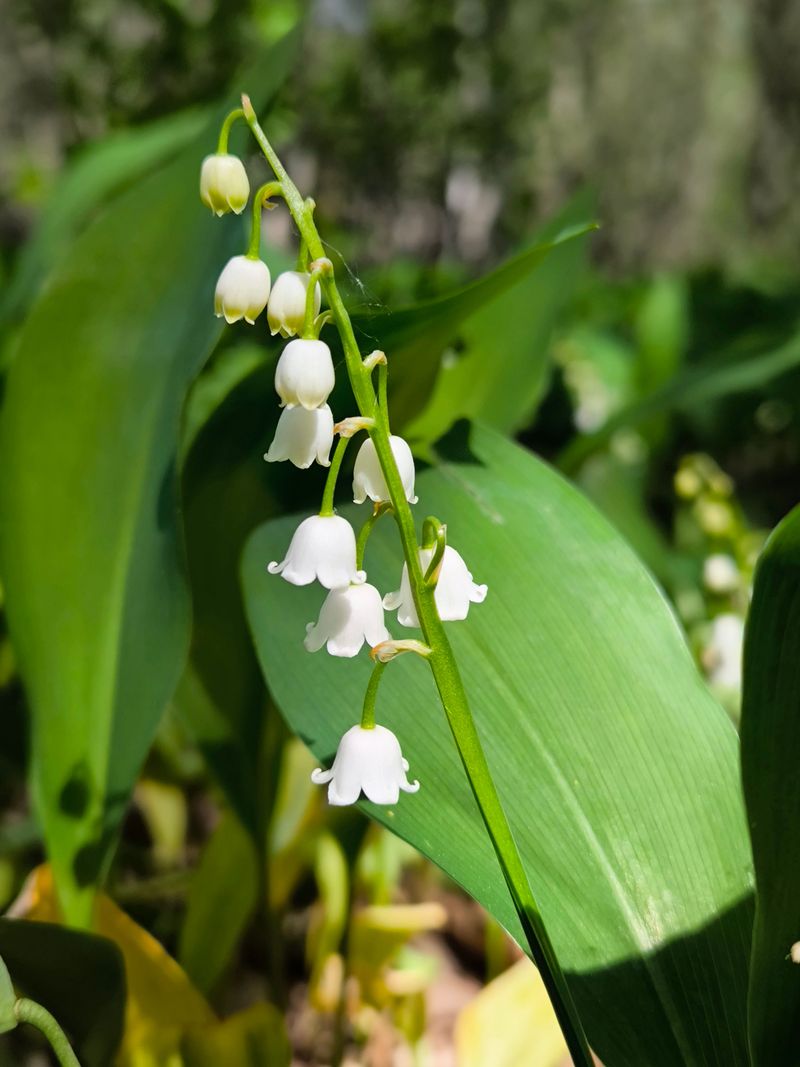
Few flowers carry as much sentimental weight as Lily-of-the-Valley with its tiny white bells and sweet fragrance. It shows up in wedding bouquets, cottage gardens, and grandmother’s flower beds across America.
That nostalgic charm, though, comes with a serious fine print. This plant spreads through underground rhizomes called pips, forming dense mats in shaded areas.
It tolerates poor soil, dry conditions, and deep shade that would stop most other plants cold. That toughness makes it extremely difficult to remove once it gets established.
Every part of Lily-of-the-Valley is toxic to humans, pets, and wildlife. Children and dogs are especially vulnerable to accidental ingestion.
Gardeners with young families should consider this risk very carefully before planting. In wooded areas, it outcompetes native spring ephemerals like trillium and wild ginger.
Those native plants evolved over thousands of years to support specific insects and birds. Replacing them with Lily-of-the-Valley quietly erases that ecological web.
Removing it means digging out rhizomes and monitoring the area for several seasons. Even tiny root fragments left behind will sprout new growth quickly.
Complete removal from a large area can take years of dedicated effort. Wild ginger makes a beautiful native ground cover for shaded spots.
Solomon’s seal offers elegant arching stems and wildlife value in low-light areas. Both honor the beauty of a shaded garden without the ecological cost.
6. Creeping Bellflower (Campanula Rapunculoides)
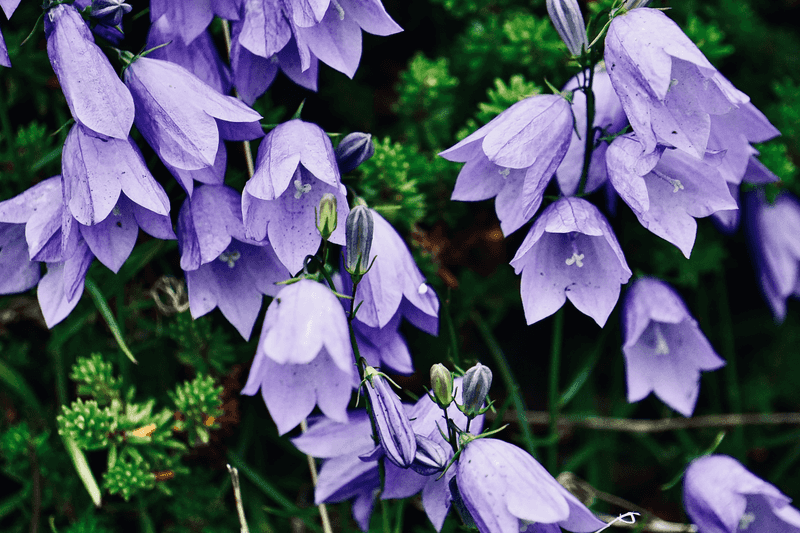
Creeping Bellflower sounds almost whimsical, like something from a fairy tale garden. Those nodding purple bells are genuinely lovely, and gardeners often spot it and think they have found a hidden gem.
What they have actually found is one of the hardest plants to remove from a yard. The root system goes incredibly deep, sometimes reaching three feet below the surface.
Pulling the top growth does nothing meaningful because the roots simply send up new shoots. Digging it out requires removing every bit of root, which is a serious undertaking.
It spreads both by seed and by root fragments, giving it two separate ways to expand. Seeds travel easily by wind and germinate readily in disturbed soil.
Roots left behind after digging regrow with frustrating reliability. Creeping Bellflower invades lawns, garden beds, and natural areas with equal enthusiasm.
It has been found spreading into woodland edges and prairie remnants across the Midwest. The damage to native plant communities accumulates quietly over time.
Repeated cutting at the soil line throughout the growing season can eventually exhaust the roots. Combining that approach with targeted herbicide application speeds up the process.
Expect to work on it for two to four years before seeing full control. Harebells are a native alternative with similar delicate blue bells.
Wild bergamot brings lavender color and massive pollinator appeal to any sunny spot. Trading Creeping Bellflower for either of these is a choice most gardeners are glad they made.
7. Bishop’s Weed (Aegopodium Podagraria)
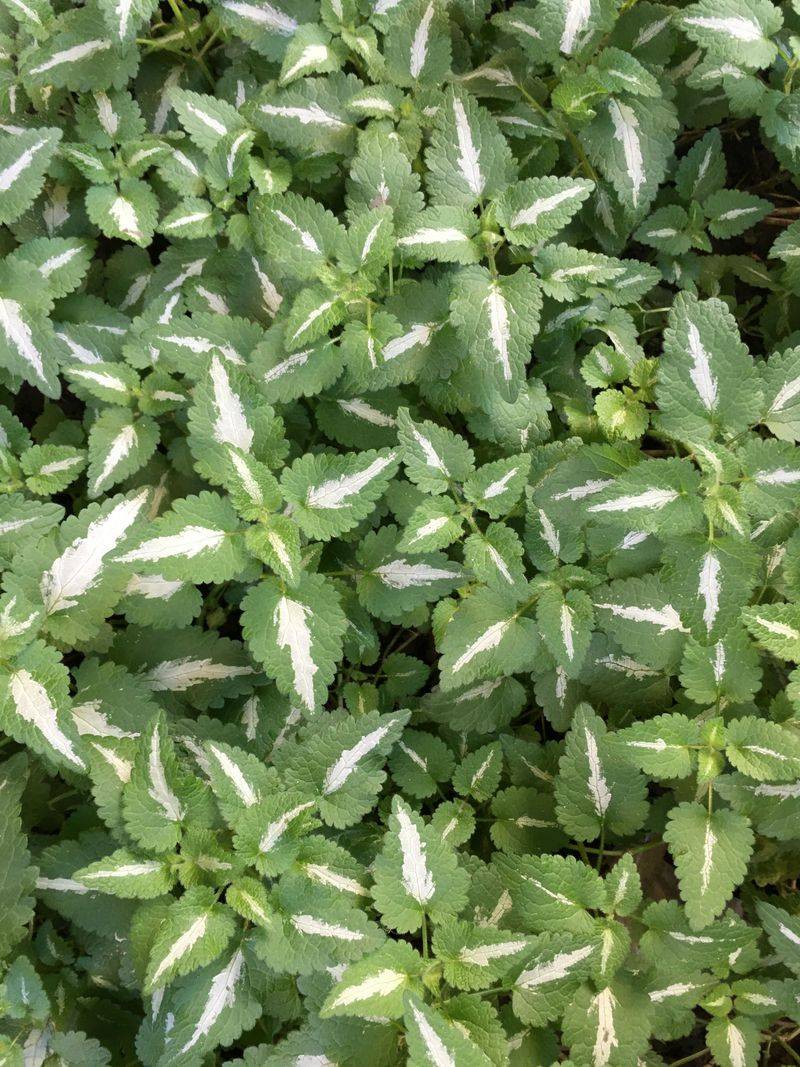
Bishop’s Weed got sold for years as a carefree ground cover for shady spots, and nurseries moved it by the flat. The variegated version with green and white leaves looks genuinely attractive in a freshly planted bed.
Fast forward two seasons, and most gardeners are wondering how to get rid of it. This plant spreads through an extensive underground rhizome network that expands in every direction.
It can travel under sidewalks, through fences, and into neighboring yards without any help. Containing it with edging or borders is largely wishful thinking.
Once it gets into a garden bed, it wraps its roots around the roots of other plants. Trying to remove it without disturbing nearby perennials is nearly impossible.
Most gardeners end up losing beloved plants during the removal process. The white flower clusters that appear in summer produce seeds that spread the problem further.
Removing flower heads before they mature can slow seed dispersal. But the underground network keeps expanding regardless of what happens above the soil.
Smothering with newspaper layers topped by thick mulch can weaken large patches over time. Repeated hand-pulling combined with solarization works in smaller areas.
Expect a multi-year commitment before the area is truly clear. Native alternatives for shady spots include wild ginger, Pennsylvania sedge, and foamflower.
Each offers texture, beauty, and genuine habitat value for local wildlife. Choosing any of these native options over Bishop’s Weed is the smarter long-term play.
8. Dame’s Rocket (Hesperis Matronalis)
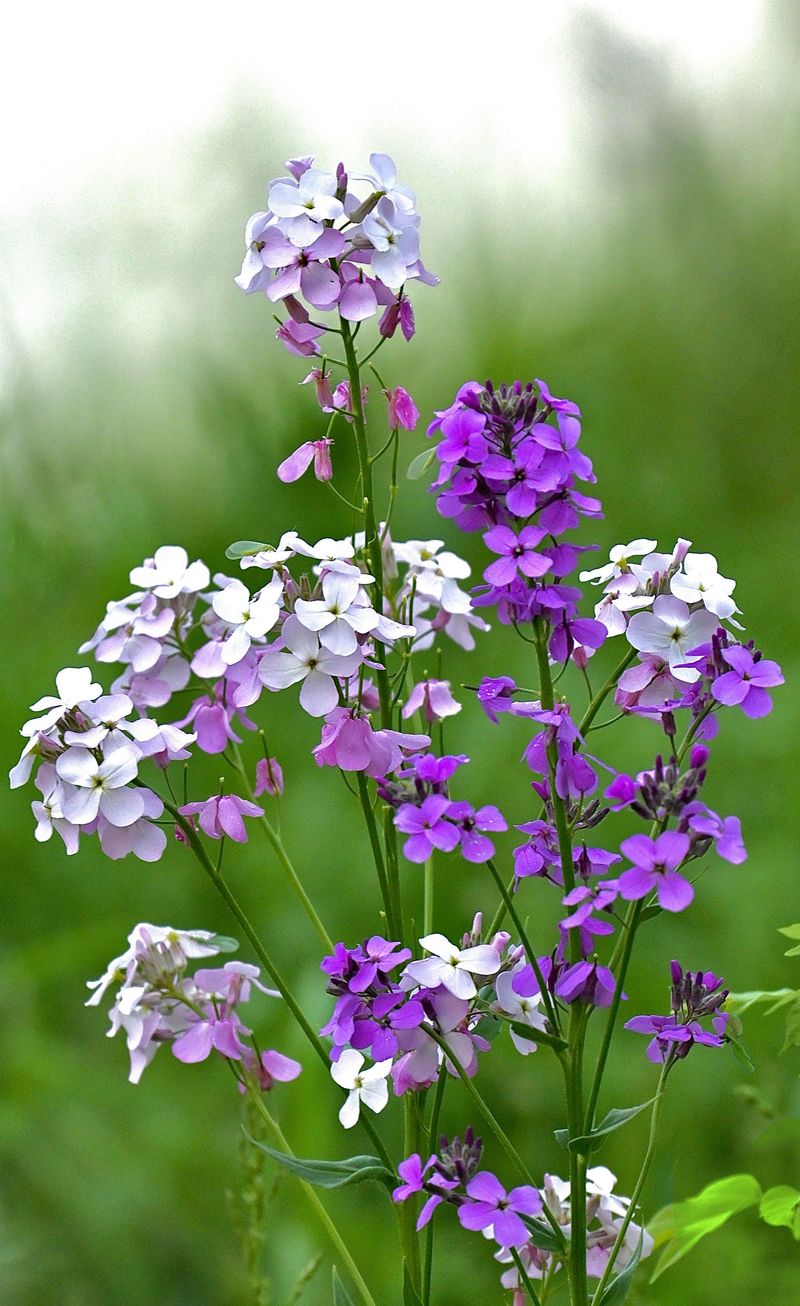
Dame’s Rocket pops up in wildflower seed mixes sold at hardware stores and garden centers every spring. Those fragrant clusters of purple, pink, and white blooms look absolutely perfect in a naturalized meadow planting.
The problem is that many of those seed mixes contain this plant without any warning on the label. It is frequently mistaken for garden phlox, but the two are easy to tell apart.
Dame’s Rocket has four petals per flower, while phlox has five. That small difference matters a lot when you are trying to identify what is spreading through your yard.
This biennial reseeds prolifically, producing dense stands that shade out native spring wildflowers. It thrives in woodland edges, roadsides, and disturbed areas throughout the Midwest.
Once it establishes a seed bank in the soil, removal becomes a long-term project. Pulling plants before they set seed is the most effective control method available.
Doing this consistently for several seasons gradually depletes the seed bank in the soil. Skipping even one year of management can undo significant progress quickly.
It is flagged as invasive on watch lists in Iowa and several other states. Checking wildflower seed mix labels carefully before purchasing can prevent accidental introduction.
Avoiding mixes that do not list every species is genuinely the safest approach. Native phlox species offer the same romantic, fragrant bloom clusters with real ecological value.
Wild blue phlox and meadow phlox both support native bees beautifully. When choosing invasive flowers Iowa gardeners should skip, Dame’s Rocket belongs near the top of the list.