What Virginia Crape Myrtles Need Before July Is Over
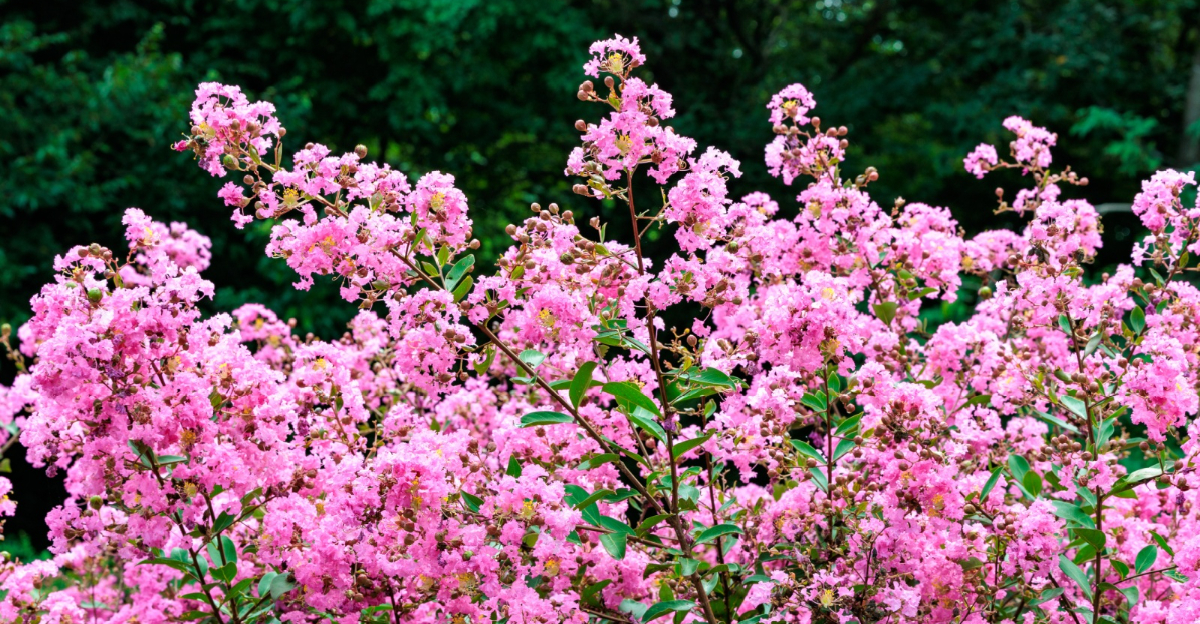
Your crape myrtle already knows something you refuse to admit yet. Heat has settled over Virginia like an unwelcome houseguest.
Humidity thickens the air relentlessly, and blooms hang heavy on every branch. Right now, your tree stands at a hidden crossroads. Choices made this single week will decide whether color fades or multiplies rapidly.
Spent blooms drain precious energy your tree desperately needs elsewhere right now. Soil moisture shifts fast under relentless summer pressure. Pests creep in quietly, exploiting stressed branches and thirsty, neglected roots.
Virginia gardens split sharply by August: thriving or fading. Nothing about this moment allows for passive waiting. Momentum matters more than perfection right now.
Small corrections push your crape myrtle toward another bloom cycle. Attention today becomes color tomorrow, visible from your entire porch.
Neighbors will quickly notice which yards kept moving steadily forward. Ignore this window and your crape myrtle stops fighting for you.
Why Late July Is A Turning Point For Crape Myrtles
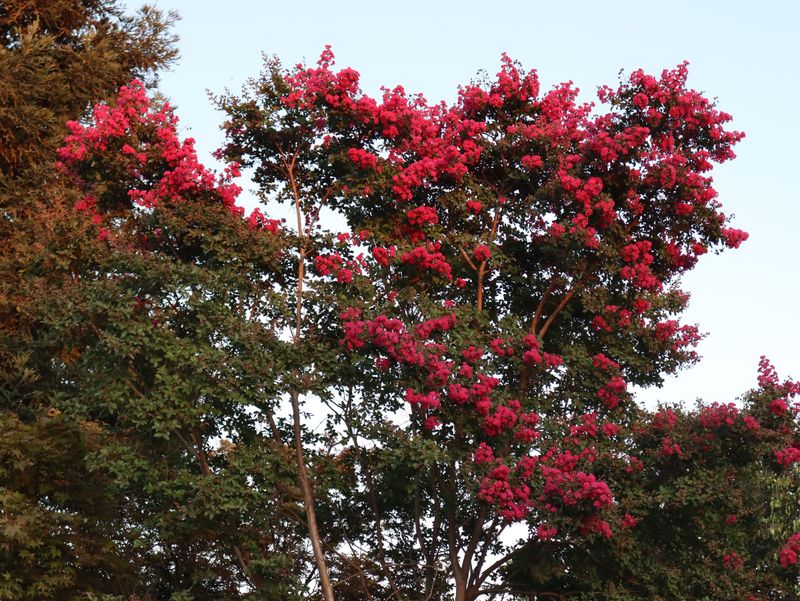
Late July hits crape myrtles like a second wind. Across Virginia, these trees are either peaking or just past peak, and that gap matters more than most gardeners realize.
Right now, your tree is deciding what comes next. It can push out a second flush of blooms or it can quietly start winding down for the season.
What you do before July ends shapes that outcome completely. Think of late July as a checkpoint, not a finish line.
Virginia summers are intense, with high humidity and heat that stress plants in ways cooler climates never experience. Crape myrtles handle heat well, but they still need support during this stretch.
Soil, nutrients, and pest pressure all shift in late July. Ignoring those shifts means your tree puts energy into survival instead of blooming.
The trees that look incredible in August are almost always the ones that got a little extra attention in late July. Timing is everything with these plants.
Homeowners who treat this window seriously tend to see longer bloom seasons and healthier trees year after year. Missing it is not a disaster, but catching it is a real advantage.
Watch your tree closely this week. Notice the color of new leaves, the condition of old blooms, and whether the soil feels dry or damp six inches down.
Those small observations lead to smart action. And smart action right now is what keeps Virginia crape myrtles thriving long after summer fades.
Snipping Spent Blooms For A Second Flush
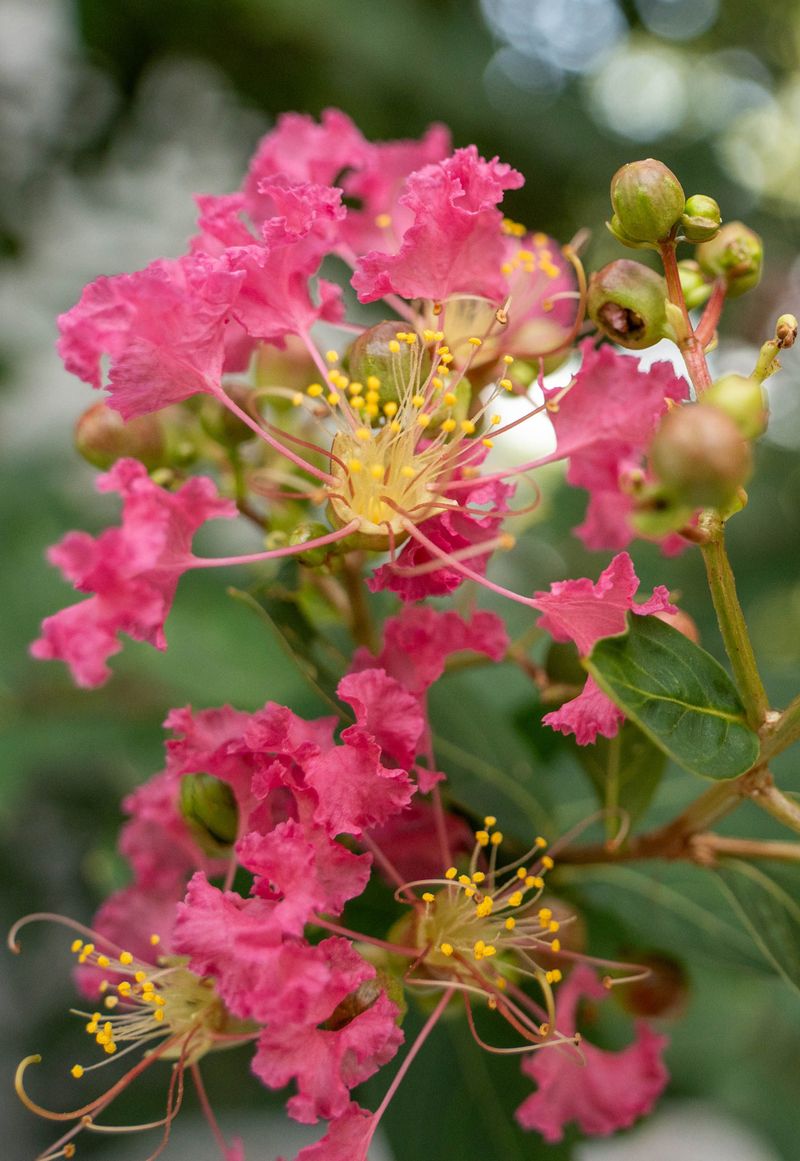
Those faded, papery clusters hanging off your crape myrtle are not just ugly. They are actually telling your tree that its job is done.
When spent flower clusters stay on the branches, the tree shifts its energy toward making seeds. That means fewer new blooms and a shorter show overall.
Removing the spent flower clusters is one of the highest-impact tasks you can do before July ends. It signals the tree to start producing another round of flowers.
Grab a clean pair of pruning shears or even sharp scissors for smaller branches. Cut just below the old flower head, right above the next set of leaves or buds.
Your Maryland Garden Changes Every Week. Your Plan Should Too.
Gardening in Maryland changes quickly throughout the season. Every Friday you’ll receive a simple weekly plan showing exactly what to plant, prune, fertilize, harvest, and protect so you never miss the right timing.
Do not hack back large branches or cut deep into the wood. That is the infamous crape murder move, and it weakens the tree over time.
You only need to remove the spent flower clusters at the tips. Light, precise snips are all it takes to trigger a new bloom cycle.
Many homeowners see new buds forming within a few weeks of trimming, though timing varies by tree age, cultivar, and weather. By mid-August, fresh color often begins reappearing across parts of the canopy.
Work in the morning when temps are cooler and the light is good. Take your time moving branch by branch so you catch every faded cluster.
This single task, done consistently each season, is what separates a one-flush tree from one that blooms from June through September. Your crape myrtle is ready for round two.
Checking Soil Moisture Before Summer Heat Peaks
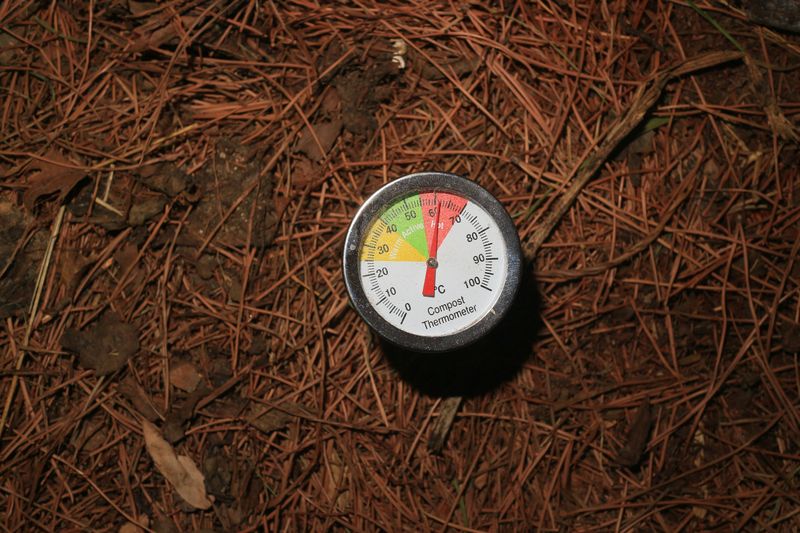
Stick your finger two inches into the soil near your crape myrtle right now. If it feels bone dry, your tree is already stressed.
Virginia’s late July heat is punishing, and soil moisture drops fast when temperatures stay above ninety degrees for days at a stretch. Crape myrtles are drought-tolerant, but tolerant does not mean immune.
A tree pushing out new blooms needs consistent moisture at the root zone. Without it, buds drop before they open and leaves begin to curl at the edges.
Water deeply and slowly rather than giving quick surface sprinkles. A slow soak once or twice a week gets moisture down to where roots actually live.
Aim for the soil to stay evenly damp several inches below the surface, roughly where most feeder roots are concentrated.
Mulch is your best friend here. A three-inch layer of wood chip mulch around the base of the tree holds moisture in and keeps soil temperature from spiking.
Keep the mulch a few inches away from the trunk itself. Piling it against the bark traps moisture and invites rot and fungal problems.
Early morning watering is ideal because leaves dry out quickly as the day heats up. Wet foliage at night creates conditions that encourage powdery mildew.
Consistent soil moisture through July and early August gives your crape myrtle the foundation it needs to keep performing. Healthy roots make everything else possible.
Feeding Your Tree If You Haven’t Already
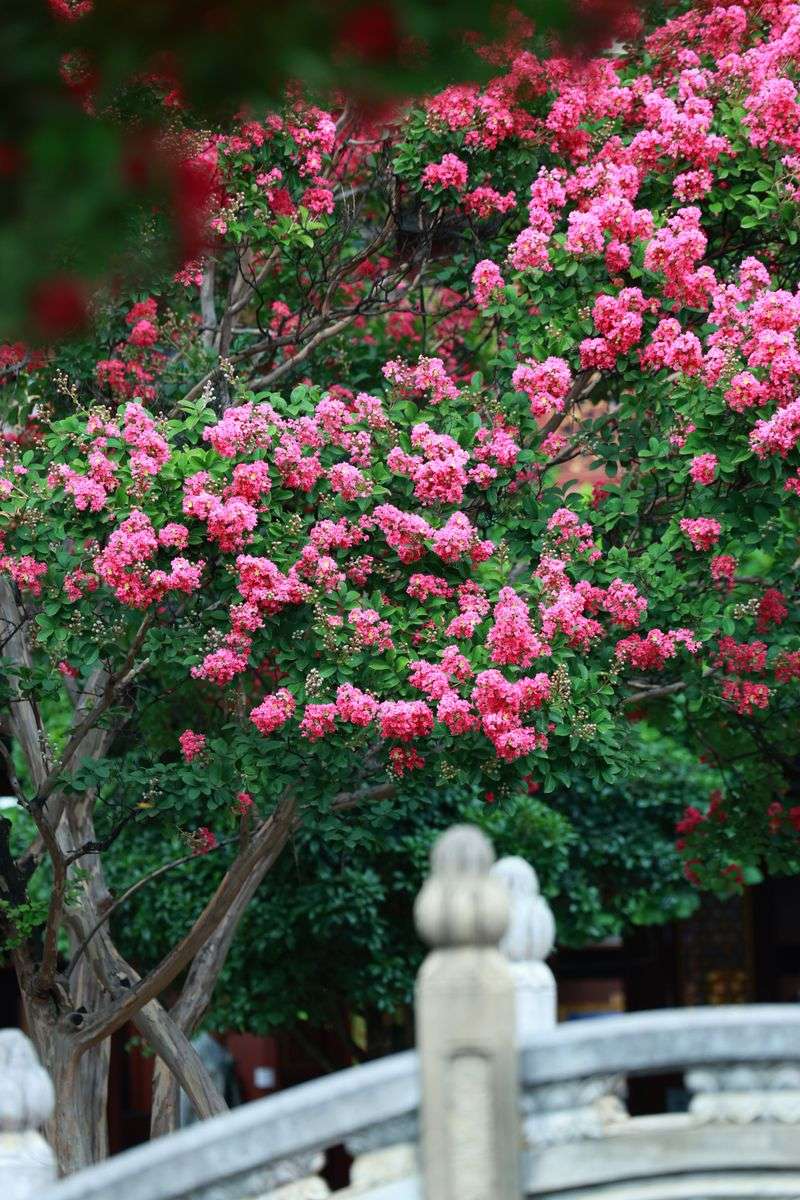
A crape myrtle in full bloom is burning through nutrients fast. If you skipped fertilizing in spring or early summer, late July is your last reasonable window.
Feeding too late in the season pushes tender new growth that frost can damage in fall. But a mid-to-late July application gives your tree fuel without that risk.
Choose a slow-release granular fertilizer that’s lower in nitrogen and higher in phosphorus and potassium. Something like a 12-4-8 blend works well for most crape myrtles, since it favors blooms over leafy growth.
Scatter the granules evenly around the drip line of the tree, which is the outer edge of the canopy above ground. That is where roots are most active and ready to absorb nutrients.
Water the area thoroughly after applying. This helps the granules break down and move nutrients down into the root zone where they can actually be used.
Avoid high-nitrogen fertilizers at this stage. Too much nitrogen late in summer pushes leafy green growth instead of the blooms you are hoping to encourage.
If your tree is young, under three years old, go lighter on the fertilizer. Young trees are more sensitive and can be burned by heavy applications.
Established crape myrtles are relatively forgiving when it comes to feeding. One well-timed application in late July can noticeably extend bloom time into August and beyond.
Think of it as giving your tree a late-season energy boost. The results often show up in just a few weeks with brighter, fuller flower clusters.
Watching For Powdery Mildew And Aphids
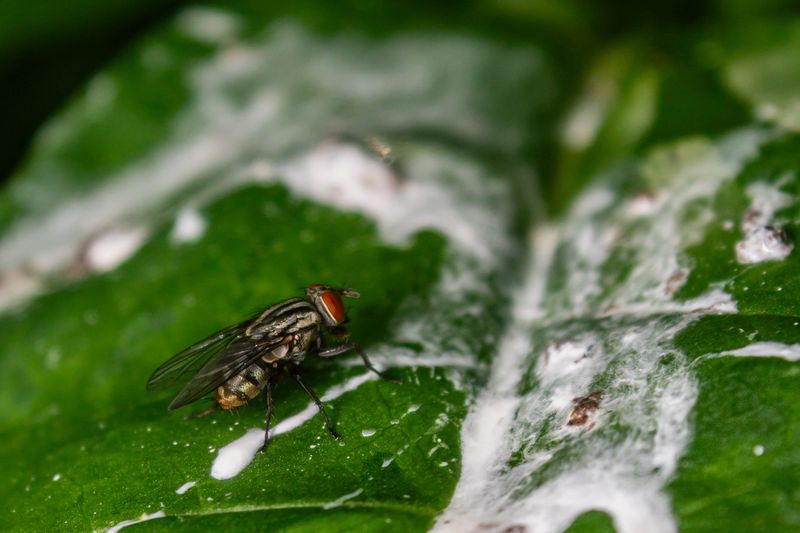
Flip a leaf on your crape myrtle and take a good look. White dusty coating on the surface is powdery mildew, and it spreads fast in humid Virginia summers.
Powdery mildew does not usually cause serious lasting damage to a tree, but it weakens it by blocking sunlight from reaching the leaf surface. A weakened tree produces fewer blooms and drops leaves early.
Good air circulation is the first line of defense. Avoid crowding crape myrtles against fences or other shrubs where airflow is restricted and humidity builds up.
If mildew is already showing, a baking soda spray may offer mild, temporary relief, though it’s less effective than a dedicated fungicide. Mix one tablespoon of baking soda with a gallon of water and spray affected leaves thoroughly.
Neem oil is another effective option that handles both mildew and soft-bodied insects at once. Apply it in the evening to avoid burning leaves in direct sun.
Aphids are the other pest to watch for right now. These tiny insects cluster on new growth and flower buds, sucking out plant sap and leaving behind sticky residue.
A strong blast of water from a garden hose knocks aphids off without any chemicals needed. Check back every few days because these pests reappear quickly.
Ladybugs and lacewings are natural aphid predators, so avoid broad-spectrum pesticides that wipe out beneficial insects along with the bad ones.
Catching mildew and aphids early in late July protects your crape myrtle through the rest of summer. Healthy foliage supports every bloom that comes after.
What To Expect Going Into August
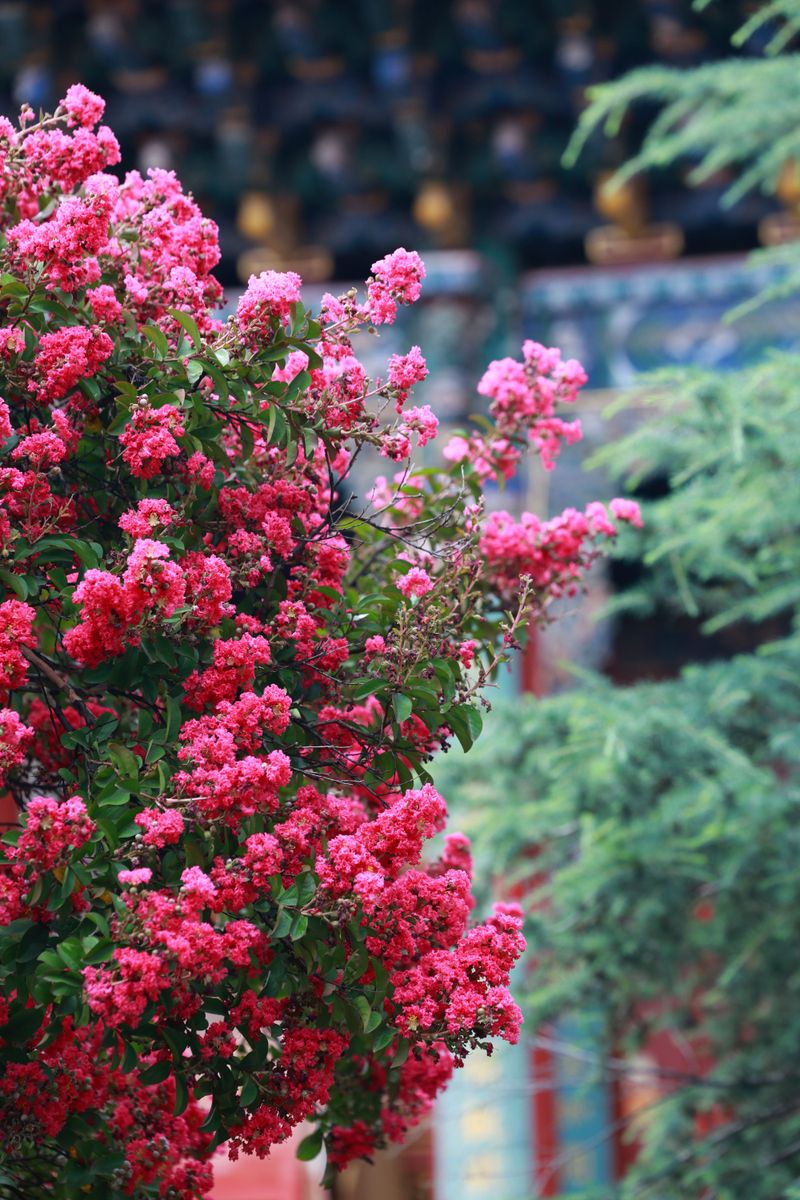
August in Virginia can feel relentless, but a well-tended crape myrtle does not just survive it. It blooms right through it.
If you removed spent flower clusters and kept up with watering, expect new buds to appear within a few weeks, depending on tree age and conditions. The second flush is often just as full as the first.
Trees that received a late July feeding tend to show deeper flower color and more compact bloom clusters. The nutrition investment shows up in the display.
As August progresses, you can ease off aggressive watering if rainfall picks back up. Crape myrtles are adaptable and do not need constant hand-holding once the root system is established.
Watch for leaf scorch if temperatures stay extreme. Scorched edges on leaves are a sign the tree is losing moisture faster than roots can replace it.
Adding a second layer of mulch in early August helps buffer the soil from the worst heat. Two to three inches is plenty to make a real difference.
By late August, most Virginia crape myrtles will begin naturally slowing down. This is normal and not a sign that anything went wrong.
Seed pods may start forming on branch tips as blooms finish. You can leave them or remove them, but either way the tree is heading toward a well-earned rest.
Everything you did for your Virginia crape myrtles before July ended made this moment possible. A little care in the right window creates a whole season worth celebrating.