What Yellow Cucumber Leaves In North Carolina Are Really Telling You Before The Vines Collapse
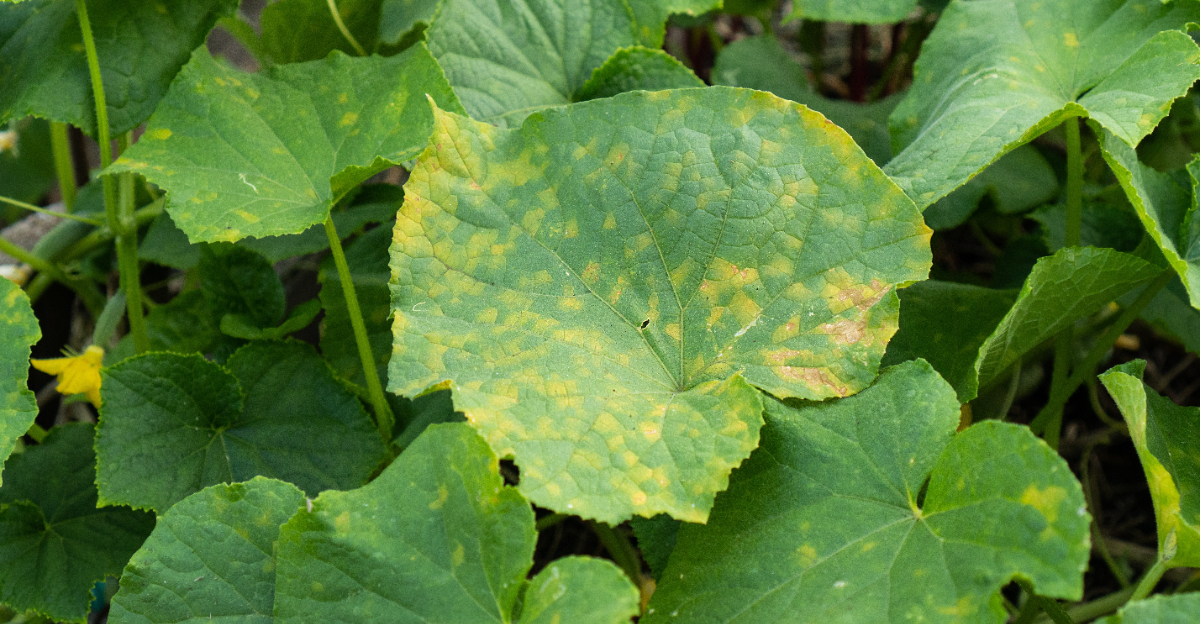
Yellow leaves on cucumber vines are often an early warning sign that something needs attention before the whole plant struggles. In North Carolina gardens, nitrogen deficiency is a common cause, especially in sandy soils that drain nutrients quickly.
Yellowing that starts on older, lower leaves usually points to this kind of nutrient gap. Fungal issues like powdery mildew can also turn leaves yellow, often paired with a dusty white coating on the surface.
Overwatering is another frequent culprit, since soggy roots struggle to absorb nutrients properly. Checking the pattern of yellowing, whether it spreads from the edges or veins, helps narrow down the cause.
Catching these signs early gives you time to adjust watering or add fertilizer before vines weaken further. Ignoring yellow leaves for too long often leads to a much bigger decline.
1. Older Shaded Leaves May Be Aging Naturally
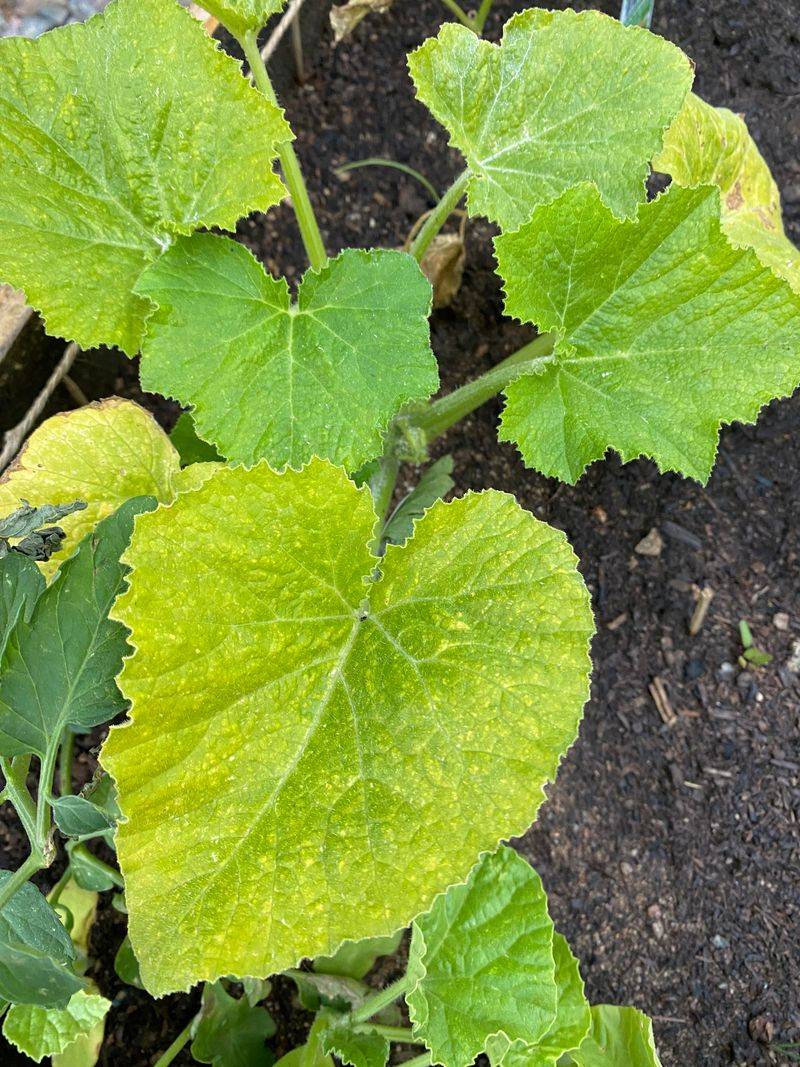
Not every yellow leaf means trouble. Sometimes your cucumber vine is simply doing what healthy, maturing plants do, and a little yellowing at the bottom is completely normal.
As the vine grows taller and the upper canopy fills in, those older leaves near the base get shaded out and gradually lose their green color.
When the upper leaves stay bright green, new flowers keep forming, and fruit develops on schedule, a couple of yellow lower leaves are rarely a reason to panic.
The vine has simply stopped sending energy to leaves that no longer receive enough light to contribute to photosynthesis. Think of it as the plant streamlining its own resources.
North Carolina gardeners can help the situation by trimming away those faded lower leaves to improve airflow around the base of the plant. Better airflow reduces moisture buildup, which helps prevent fungal problems down the road.
Just make sure to use clean pruning shears and avoid removing more than a few leaves at one time.
The key signal to watch for is whether the yellowing spreads upward quickly or whether new growth also starts looking pale.
If the fresh leaves at the tips of the vine stay healthy and the plant continues producing normally, you are likely looking at natural aging rather than a disease or deficiency.
Hold off on fertilizer or sprays unless other symptoms appear. Keep monitoring weekly, note any changes in the pattern, and only take action if the yellowing begins climbing the vine or affecting healthy-looking growth higher up.
2. The Root Zone Is Too Dry Or Too Wet
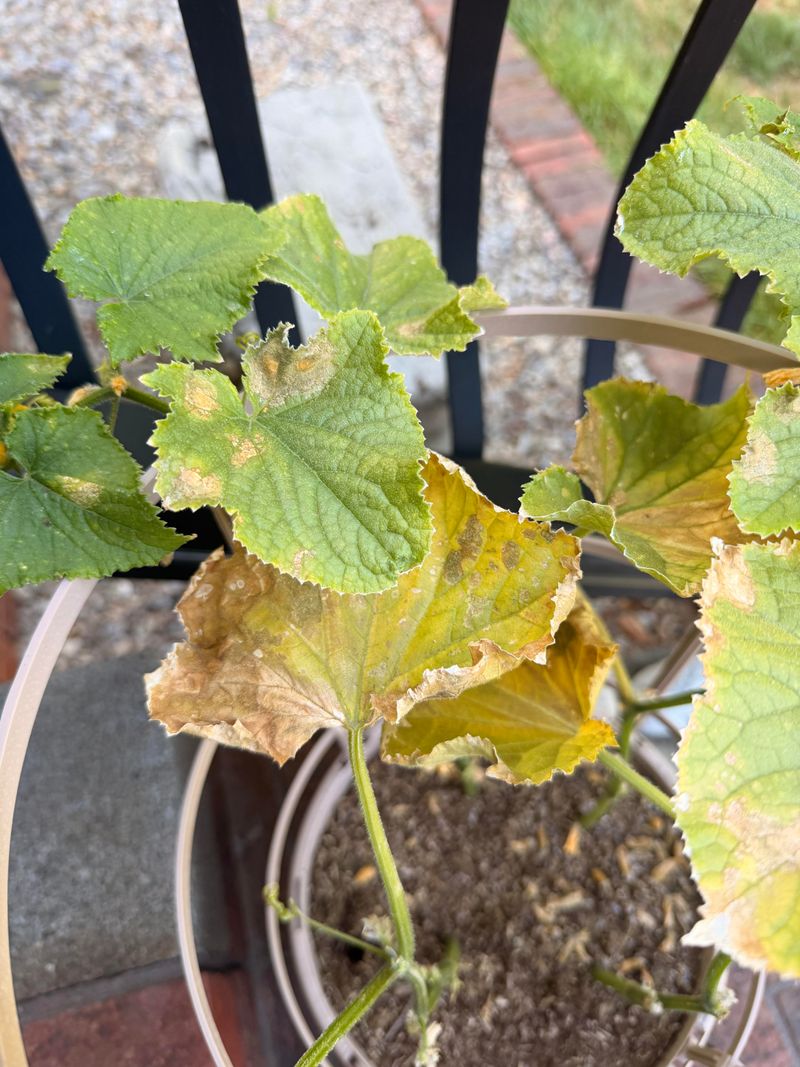
Water issues are sneaky. Both too little and too much moisture can cause cucumber leaves to turn yellow, and from a distance the plants can look surprisingly similar.
The roots are the real story here because when they struggle to function, the rest of the vine quickly shows the stress through its foliage.
In North Carolina summers, sandy soil dries out fast, especially during heat waves. If you water lightly or infrequently, the moisture never reaches the deeper roots.
Containers are especially prone to drying out within a day or two during hot stretches. Cucumbers need consistent moisture to keep nutrients moving from roots to leaves, and without it, older leaves yellow first.
Your North Carolina Garden Changes Every Week. Your Plan Should Too.
Gardening in North Carolina changes quickly throughout the season. Every Friday you’ll receive a simple weekly plan showing exactly what to plant, prune, fertilize, harvest, and protect so you never miss the right timing.
On the flip side, heavy rainfall combined with compacted clay soil or poor drainage can leave roots sitting in standing water. Roots need oxygen to function properly, and saturated soil cuts off that supply.
Low spots in the garden, blocked drainage openings, and thick mulch piled against the stem can all make this problem worse.
Before you water again, push your finger or a wooden dowel about three to four inches into the soil. If it feels bone dry at that depth, the plant needs water.
If it feels soggy or muddy, hold off and check your drainage. Morning watering works best because it gives the foliage and soil surface time to dry before evening.
Adding a two-inch layer of organic mulch around the base helps regulate soil temperature and moisture throughout the season. If wilting continues despite moist soil, inspect the root zone closely for signs of rot or compaction.
3. The Plant Is Running Short On Available Nutrients
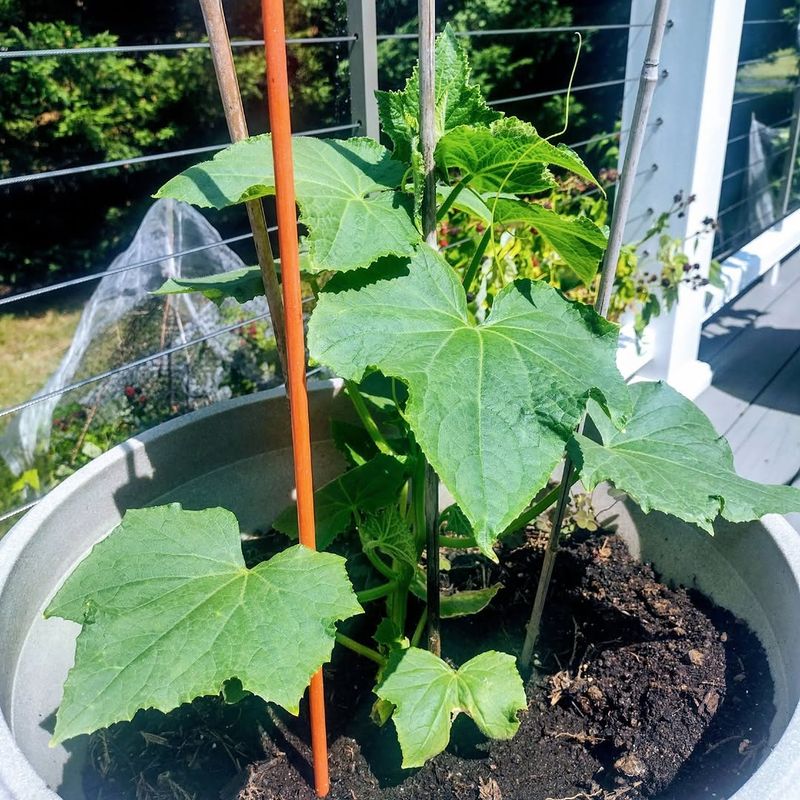
Pale, washed-out leaves on a cucumber vine often point straight to a nutrient shortage. Nitrogen is the most common culprit, and its absence shows up first on the older lower leaves while newer growth at the tips may still look relatively green.
The vine essentially pulls nitrogen from older tissue and redirects it toward new growth when supplies run low.
Heavy summer rain can actually make this worse. In North Carolina, frequent downpours during the growing season can flush nitrogen and other water-soluble nutrients through sandy or loose soils faster than plants can absorb them.
Even if you fertilized earlier in the season, those nutrients may have moved well below the root zone by midsummer.
Soil pH plays a big role that many gardeners overlook. Cucumbers prefer a pH between 6.0 and 6.8.
When the pH falls outside that range, nutrients already present in the soil become chemically unavailable to the plant, no matter how much fertilizer you add.
This is why a soil test is such a smart starting point before reaching for any amendment or fertilizer bag.
North Carolina State University’s Cooperative Extension program offers affordable soil testing through local county offices, and the results will tell you exactly what your garden needs.
Adding fertilizer without testing first can actually create new problems, including salt buildup that damages roots and causes additional yellowing.
A balanced slow-release fertilizer applied at the correct rate and the right time gives cucumbers steady nutrition without the risk of overfeeding. Always follow label directions and water thoroughly after applying any granular product.
4. Angular Yellow Patches Point To Downy Mildew
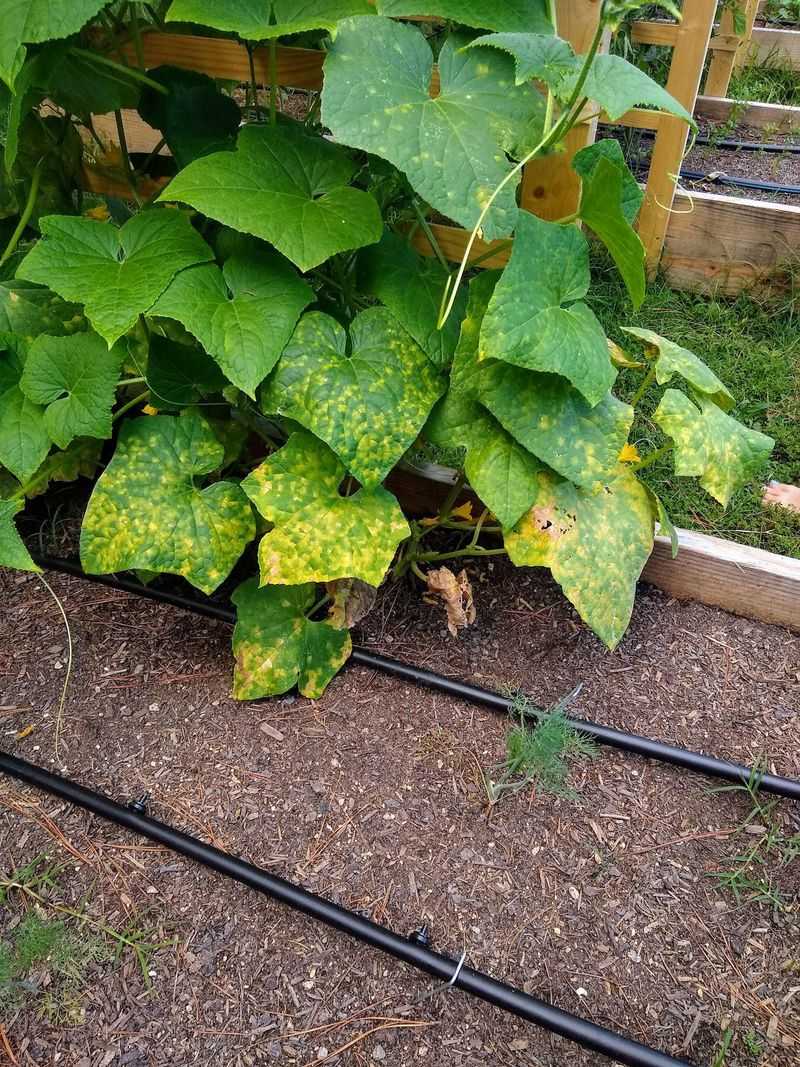
Downy mildew is one of those problems that can sneak up on a cucumber patch almost overnight, especially during North Carolina’s warm and humid summer months.
The first clue most gardeners notice is a scattering of angular yellow spots on the tops of the leaves.
Unlike round spots caused by other issues, these patches have straight edges because the leaf veins act as natural barriers that stop the lesion from spreading freely.
Flip the leaf over and look closely at the underside, preferably early in the morning when humidity is still high. You may spot a soft, dark gray or dark purple fuzzy growth in those same areas.
That is the spore-producing stage of the pathogen, and it thrives when nights are cool and mornings are damp.
NC State Extension has documented that this disease typically begins appearing in North Carolina as early as June and can continue causing problems right through the rest of the growing season.
As the infection spreads, those yellow patches can expand and eventually turn brown, reducing the amount of healthy leaf surface the vine has available for photosynthesis.
Fewer working leaves means less energy for fruit production, and the harvest quality drops noticeably. Removing heavily affected leaves and improving airflow through the canopy can slow the spread.
Watering at the soil level rather than overhead keeps foliage dry and makes conditions less favorable for spore germination. Check plants regularly and catch new patches early.
If you suspect downy mildew, contact your local NC State Extension office for guidance on appropriate management options specific to your county and current conditions.
5. Fine Yellow Stippling Signals Sap Feeding Pests
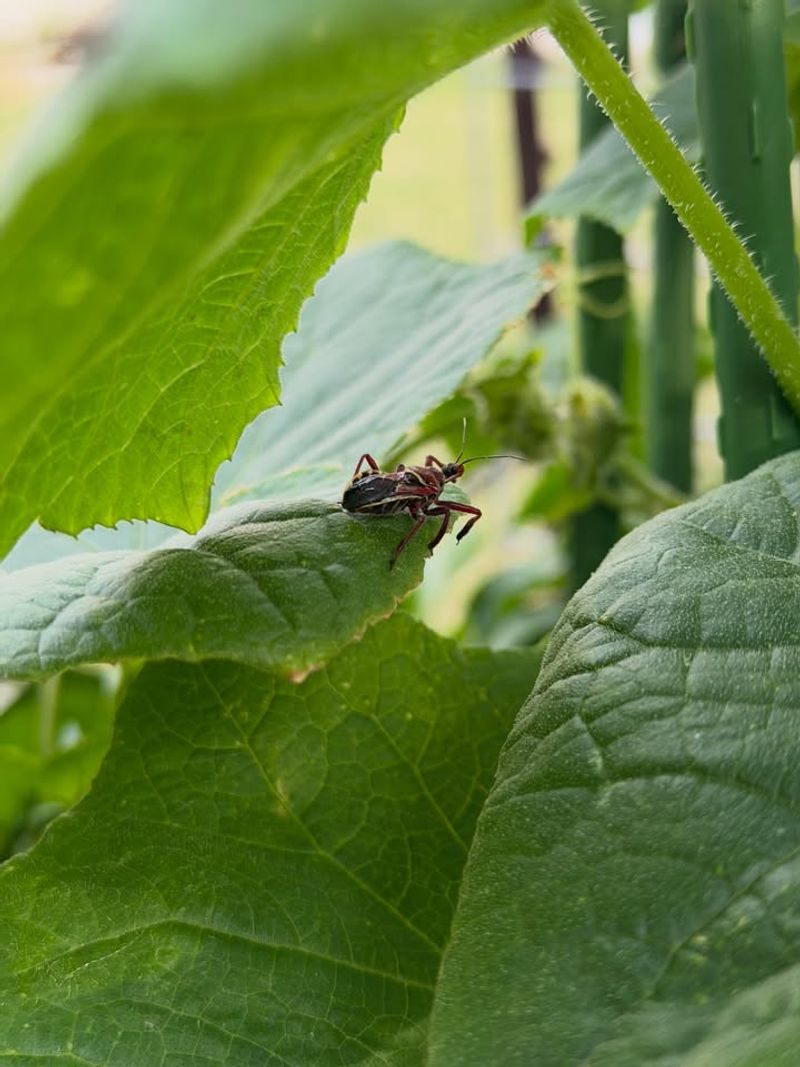
Tiny pests can cause surprisingly big problems.
Spider mites and aphids are two of the most common sap-feeding insects on cucumbers in North Carolina, and both can turn healthy green foliage pale, yellow, or speckled before most gardeners even realize anything is wrong.
The damage happens gradually, but it accelerates fast when conditions favor the pest.
Spider mites leave behind a very distinct calling card. Look for fine, light-colored speckling or stippling across the leaf surface, almost like someone flicked tiny drops of bleach on the leaf.
When populations are high, you may also spot delicate, silky webbing between leaves or along stems. Hot, dry summer weather in North Carolina creates ideal conditions for mite populations to explode within just a few days.
Aphids operate differently. They tend to cluster on new growth and the undersides of younger leaves, sucking out plant fluids and leaving behind a sticky residue called honeydew.
Ants are often a tip-off because they actively farm aphids for that sticky substance. Curled or distorted new growth is another strong clue that aphids have moved in.
Always confirm which pest is present before choosing a response. A magnifying lens makes this much easier.
For both mites and aphids, a firm stream of water aimed at the undersides of leaves can knock populations down significantly without harming the plant or beneficial insects.
Ladybugs, lacewings, and parasitic wasps are natural enemies of both pests, so protecting those helpful insects by avoiding broad-spectrum sprays is always a smart first move when populations are still manageable.
6. Yellow Mottling Suggests A Virus
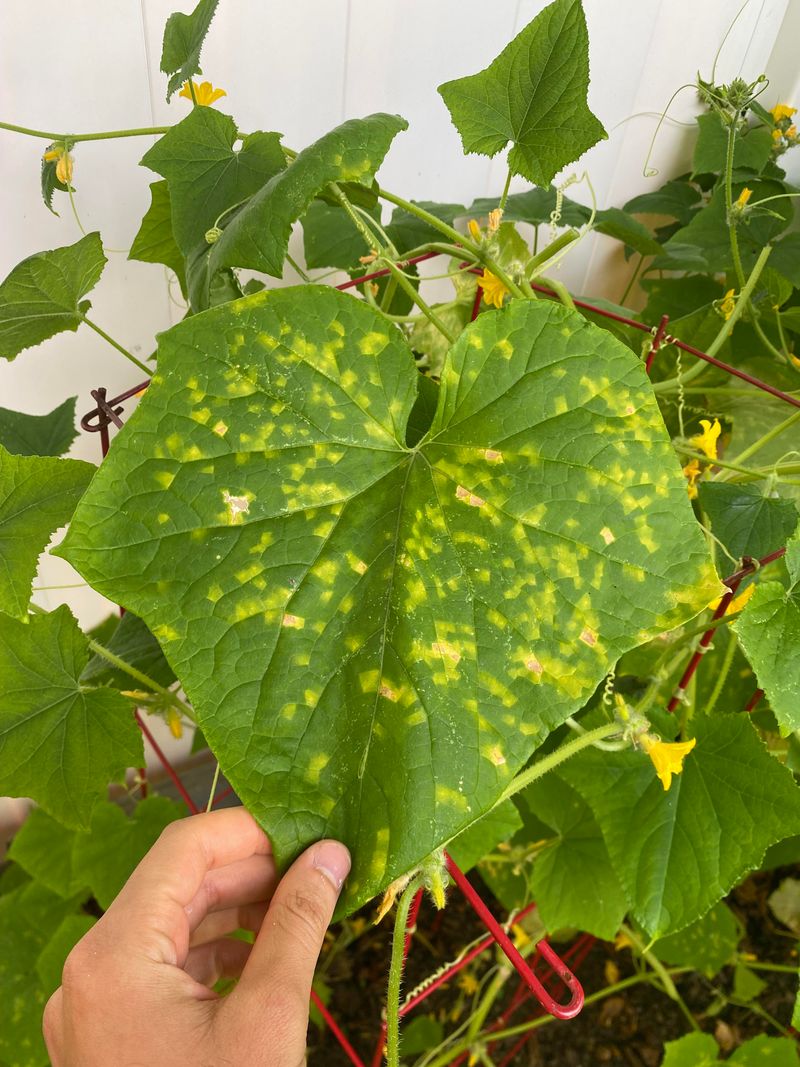
A mosaic of yellow and green patches on cucumber leaves is not the same as uniform yellowing, and that distinction matters.
Irregular mottling combined with puckered, wrinkled, or distorted leaf surfaces is a pattern that often points to a viral infection rather than a watering problem or nutrient gap.
Viral symptoms can look strange and varied, which makes them tricky to identify without help.
Cucumber beetles and aphids are the main carriers of several cucurbit viruses in North Carolina. These insects pick up the virus while feeding on an infected plant and then transfer it to healthy plants nearby.
The disease spreads through the insect’s feeding activity, not through the soil or water, which is why managing insect populations matters so much in a garden where multiple cucurbit plants grow close together.
Beyond the leaf mottling, other signs of a virus can include shortened vines, reduced fruit set, and fruit that looks lumpy, bumpy, or oddly shaped.
Symptoms can vary quite a bit depending on which specific virus is present, and visual inspection alone is rarely enough to identify the exact pathogen.
That uncertainty is worth taking seriously rather than guessing. Photographing the entire plant from multiple angles gives you solid documentation to share with experts.
Check nearby squash, melons, or pumpkins for similar symptoms since viruses often spread across multiple cucurbit species in the same garden.
Your local county Extension office and the NC State Plant Disease and Insect Clinic can both review photos or plant samples and provide reliable identification.
Managing aphids and beetles early in the season gives your plants the best chance of staying healthy through harvest.
7. Fast Worsening Wilt Points To Bacterial Wilt
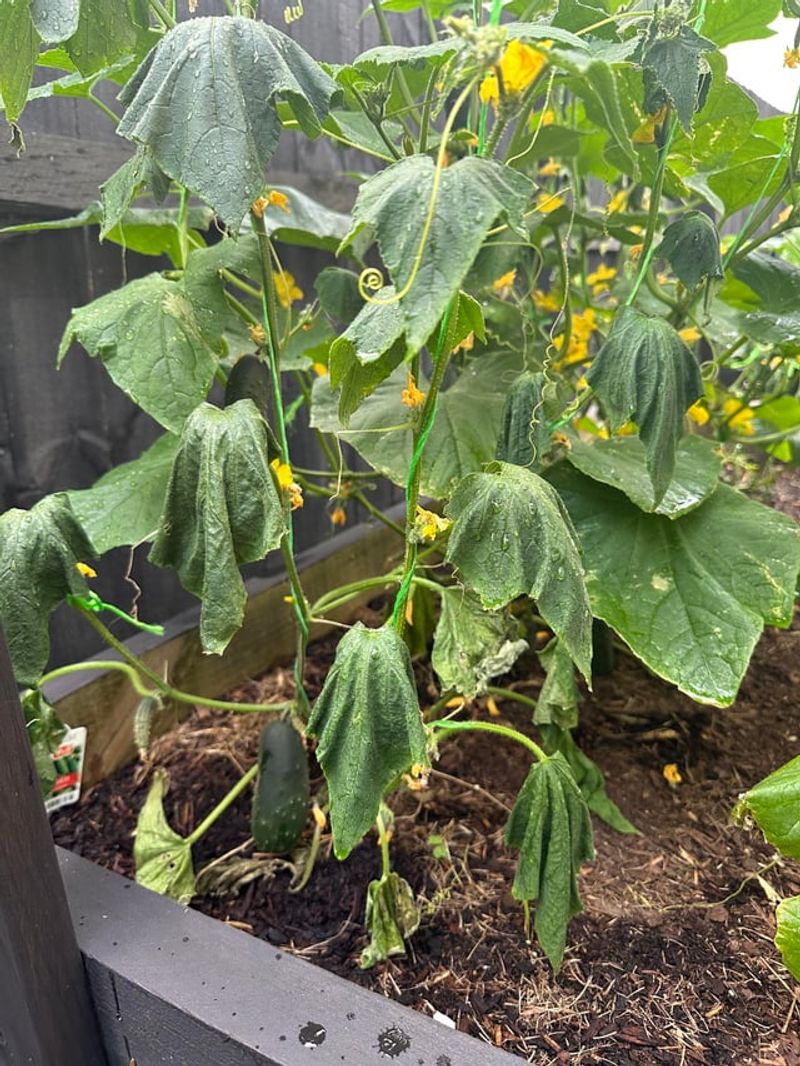
When cucumber leaves wilt suddenly and the plant does not bounce back after watering or a cool overnight period, bacterial wilt deserves serious attention. Most other causes of yellowing develop gradually over days or weeks, but bacterial wilt can move through a vine with alarming speed.
Yellowing may appear as part of the overall decline, but the rapid wilt is usually the first and most urgent warning.
Striped and spotted cucumber beetles are the primary carriers of the bacterial wilt organism in North Carolina.
These beetles feed on the leaves and stems, and as they move from plant to plant, they introduce the bacteria into the vine’s water-conducting tissue.
Once inside, the bacteria multiply and physically block the flow of water and nutrients through the plant. No amount of watering fixes a blockage problem.
Scout your plants regularly for cucumber beetles, especially early in the season when vines are young and most vulnerable.
Look for small yellow and black striped or spotted beetles, feeding marks along leaf edges and surfaces, and any signs of sudden daytime wilting that seems out of place given recent rain or irrigation.
A pattern that starts in one section of the vine and spreads outward is a strong clue. Before pulling any plant, get a professional confirmation because root rot from saturated soil, vine borer damage, and other conditions can look similar.
Your county Extension office or the NC State Plant Disease and Insect Clinic can help you confirm the cause.
Acting on solid information rather than assumptions always leads to better outcomes for your garden and future plantings in the same space.