Native Florida Privacy Plants To Grow Instead Of Bamboo That Won’t Feed Sod Webworms
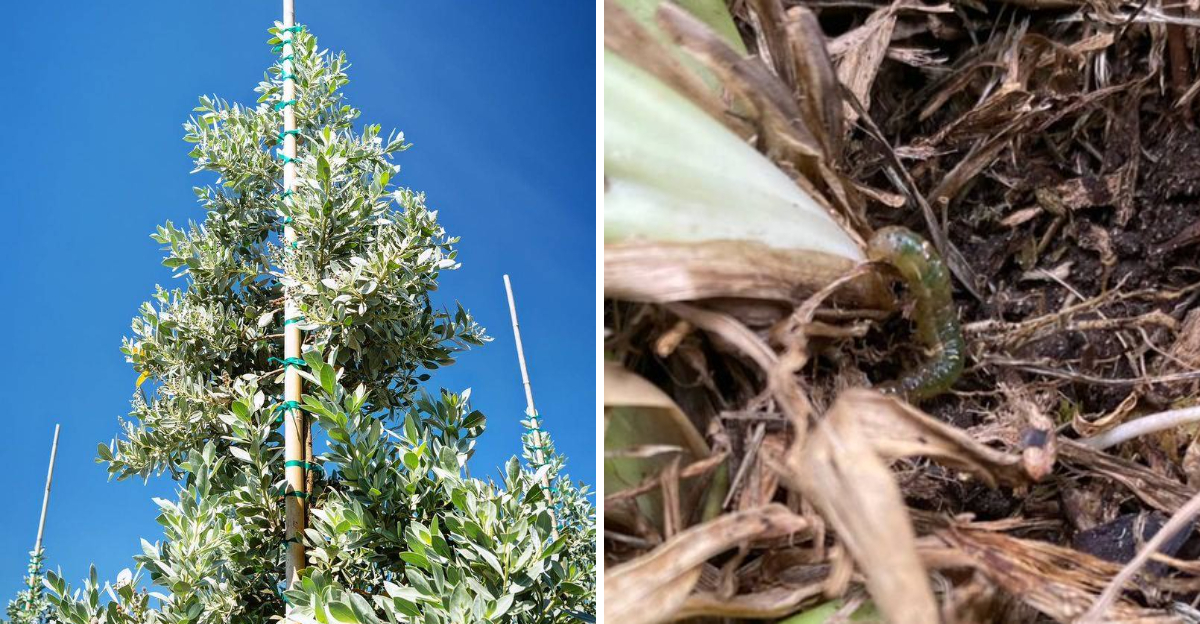
Bamboo solves the privacy problem and creates several others. Most Florida homeowners figure that out one season too late, after the spread has started and the removal estimate arrives.
But even the better-behaved clumping varieties come with a trade-off that rarely gets mentioned at the nursery. Sod webworms treat certain bamboo varieties as a reliable food source.
A privacy planting that feeds a lawn pest population right along the property border is a problem working quietly against the yard in two directions at once. Florida native privacy plants solve the screening problem without that trade-off.
Dense, tall, and suited to this climate without the invasive risk or the pest hospitality that bamboo brings to a Florida yard. Several natives grow fast enough to do a real privacy job.
A few do it while actively supporting birds and pollinators. None of them come with the complications bamboo tends to leave behind.
1. Simpson’s Stopper Builds Privacy Without Bamboo Problems
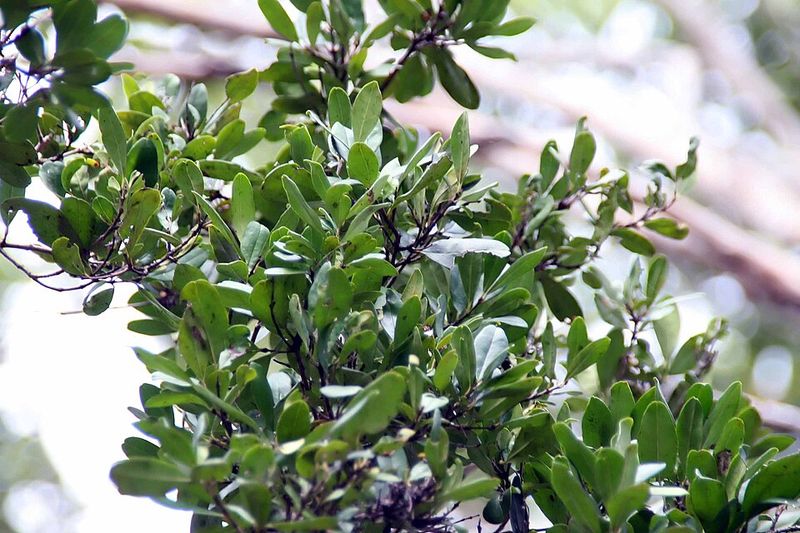
Few native shrubs earn as much loyalty from Florida gardeners as Simpson’s stopper, and once you see a mature hedge of it, the reason is obvious. Known botanically as Myrcianthes fragrans, this evergreen shrub or small tree grows densely enough to block a view.
It does this without invasive roots or underground runners. That alone makes it a smarter choice than most clumping or running bamboo varieties.
Mature plants typically reach eight to fifteen feet tall and six to ten feet wide, depending on pruning. Spacing plants six to eight feet apart gives them room to fill in while allowing airflow, which helps reduce fungal issues.
Light, selective pruning keeps the shape tidy without stressing the plant.
Small white flowers appear in clusters and attract pollinators. Red to orange berries follow, and birds love them.
That wildlife connection makes Simpson’s stopper a natural fit for yards trying to support local ecosystems rather than fight them.
Sod webworm larvae feed on turfgrass blades, not on the woody stems or leaves of shrubs like this one. Planting a Simpson’s stopper hedge does not treat a lawn pest problem, but it does give you a native screen that minds its own business.
Look for it at native plant nurseries, and confirm the scientific name before buying.
2. Wax Myrtle Screens Fast Without Feeding The Lawn Pest
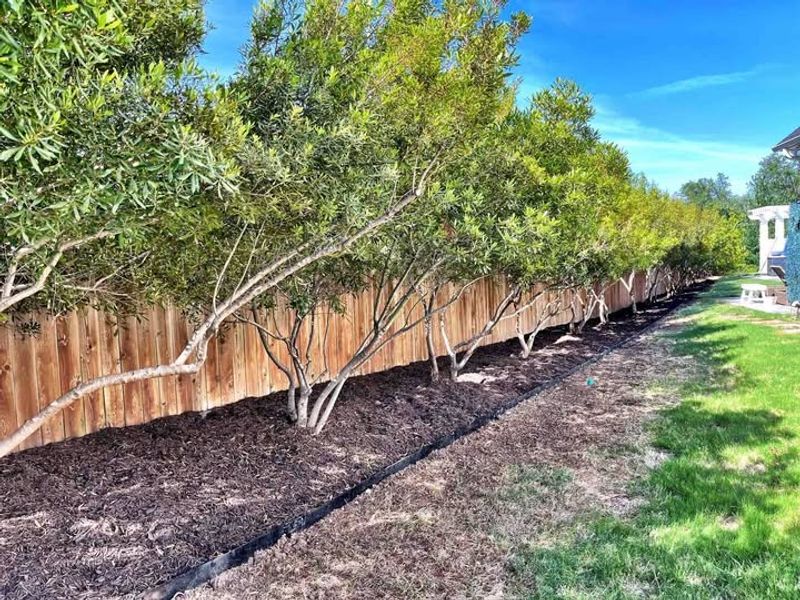
That strip of grass along the back fence is prime real estate for a privacy screen, and southern wax myrtle knows exactly what to do with it.
Morella cerifera, commonly called southern wax myrtle, is one of the most widely planted native screening shrubs in the state.
It earns that reputation through consistent, reliable growth.
Wax myrtle can reach ten to fifteen feet tall in the right conditions, and it fills in relatively quickly compared to many other native shrubs. Give it full sun to partial shade and decent drainage, and it will establish steadily.
Plant it at least five to six feet apart to allow airflow and reduce crowding as it matures.
Your Florida Garden Changes Every Week. Your Plan Should Too.
Gardening in Florida changes quickly throughout the season. Every Friday you’ll receive a simple weekly plan showing exactly what to plant, prune, fertilize, harvest, and protect so you never miss the right timing.
The aromatic foliage is evergreen and dense enough to create a solid visual barrier. Female plants produce small, waxy, blue-gray berries that birds seek out during colder months.
That seasonal wildlife value adds another layer of usefulness to an already practical plant.
Replacing a lawn strip with wax myrtle reduces the amount of turf in that specific area. That means fewer grass blades are available to sod webworm larvae in that exact spot.
But sod webworms in the rest of the yard still need proper turf management, not shrub planting. Keep it away from utility lines and structures, and prune lightly rather than cutting hard.
3. Cocoplum Works Where Warm Coastal Privacy Matters
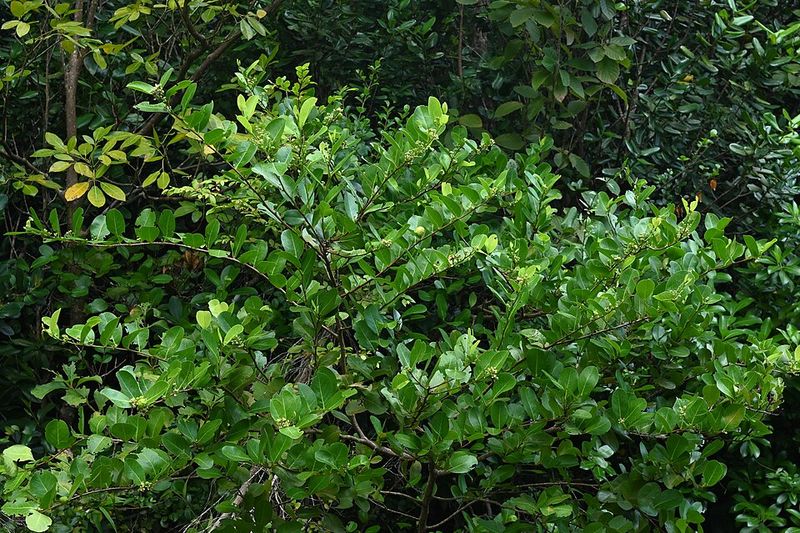
Along a salt-sprayed fence line in a warm coastal yard, cocoplum does something most other shrubs struggle to do: it stays dense, glossy, and unbothered.
Chrysobalanus icaco is a native shrub with strong roots in the southern and coastal regions of the state, where mild winters and salt air are part of daily life.
Cocoplum grows as a medium to large shrub, often reaching six to twelve feet tall with proper care. Its thick, rounded leaves create a full, lush wall of green that works well as a privacy screen or boundary hedge.
The plant tolerates salt spray, wet soils, and periodic flooding better than many alternatives.
Wildlife value is real. Small fruits ripen to purple or white depending on the variety, and several bird species feed on them.
Pollinators visit the flowers as well. For yards near the coast that also support a native garden, cocoplum fits naturally into that picture.
Homeowners in cooler inland or northern regions should check freeze tolerance before planting. Cocoplum is not a reliable choice for freeze-prone sites, and matching the plant to the right site matters more than copying a neighbor’s hedge.
Like all the plants on this list, it will not feed sod webworm larvae because those pests target turfgrass, not woody shrubs. Confirm the scientific name and native status at purchase.
4. Walter’s Viburnum Makes A Native Hedge With Structure
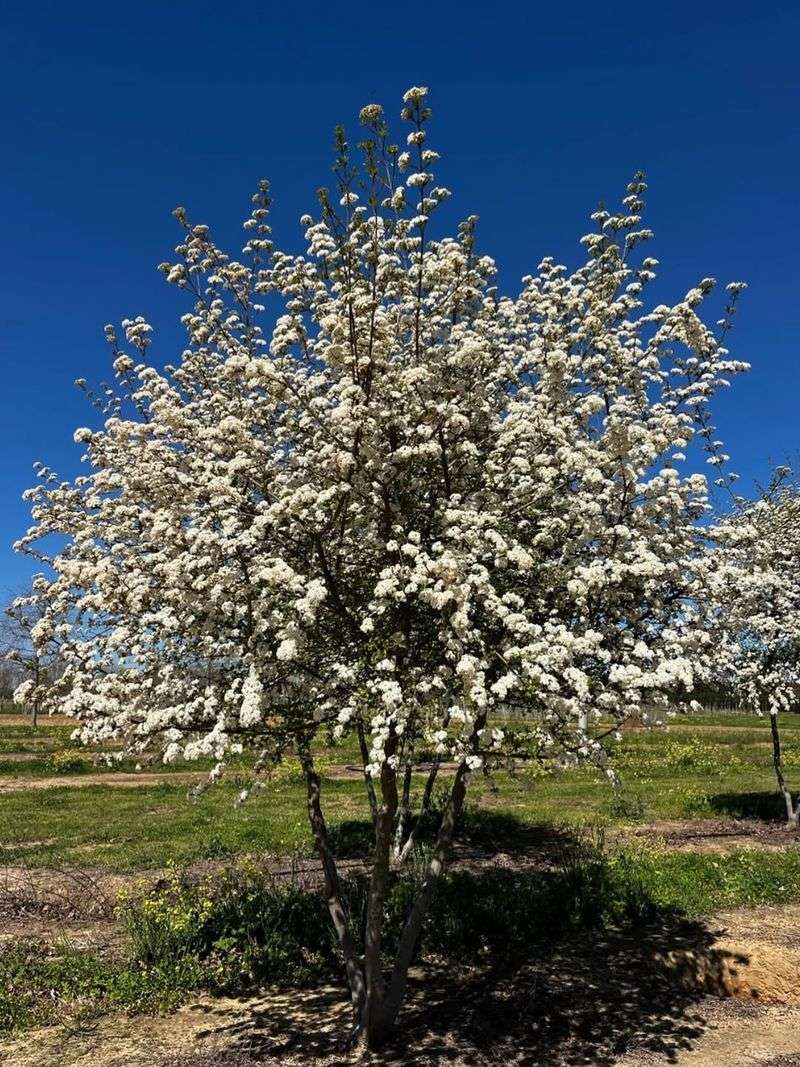
Structured hedges with clean lines and a traditional look are hard to find in the native plant world, but Walter’s viburnum delivers exactly that.
Viburnum obovatum is a Florida native that grows as a large shrub or small tree, typically reaching eight to fifteen feet tall when left to develop fully.
Pruned regularly, it holds a formal shape well.
Dense, small, dark green leaves give it a refined appearance that feels more like a traditional hedge than a wild thicket. White flower clusters appear in late winter to early spring, often covering the plant in a brief but striking display.
Birds and pollinators respond to both the flowers and the small dark berries that follow.
Spacing matters with Walter’s viburnum. Planting too close crowds the canopy and limits airflow, which can invite fungal problems in humid conditions.
A spacing of five to seven feet gives each plant room to develop a full, healthy form. Light pruning after flowering keeps the shape without removing next season’s buds.
Dwarf cultivars exist, but confirm mature size before buying because labeled sizes at the nursery do not always match field performance. Full-size plants need enough room to reach their natural height without constant cutting.
Walter’s viburnum will not feed sod webworms because those larvae target grass, not shrub foliage. It simply does not belong to that pest’s food source.
5. Yaupon Holly Adds Evergreen Screening In Tight Spots
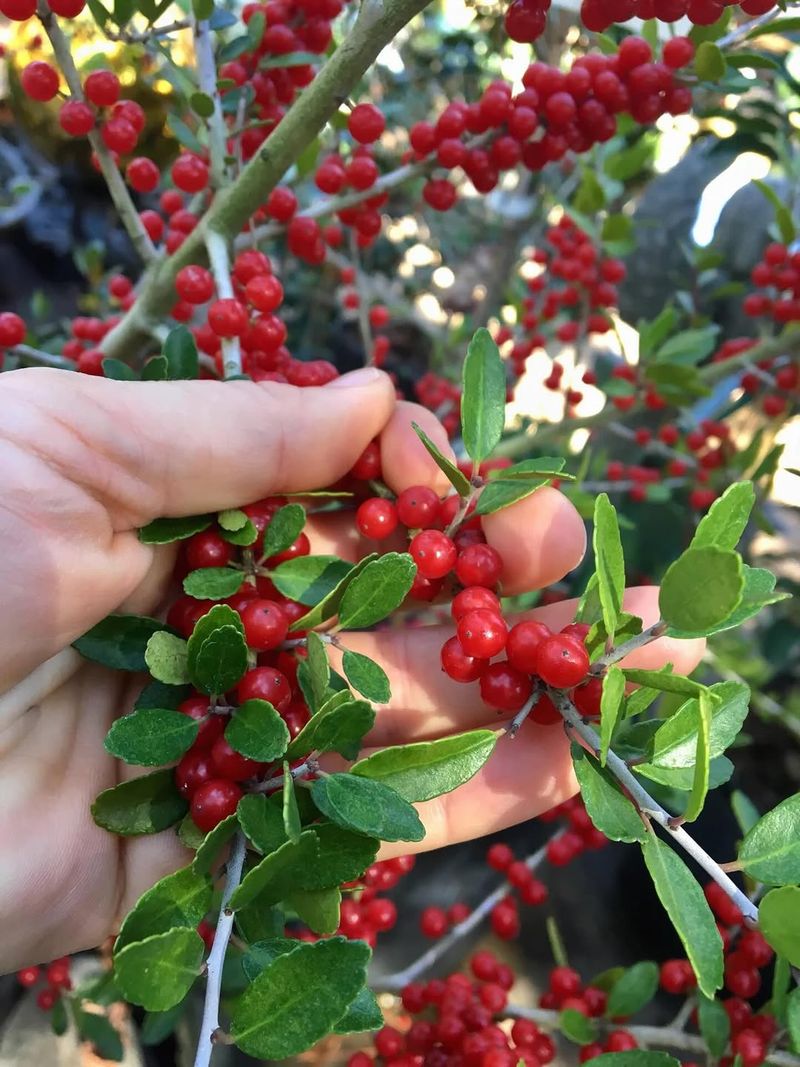
Tight fence lines and narrow side yards have a native solution that most homeowners overlook: yaupon holly. Ilex vomitoria is one of the most adaptable native evergreen shrubs in the southeastern United States.
It handles a range of conditions that would stress other plants. Dry spells, wet soils, salt spray, and partial shade are all within its tolerance range.
Form selection matters here more than with most shrubs. Standard yaupon holly can reach fifteen to twenty feet, which suits screening but not every yard.
Compact and weeping cultivars exist and stay much smaller, making them useful in tighter spaces. Confirm the mature size of whatever form you buy before planting near structures, fences, or utility easements.
Female plants produce bright red berries in fall and winter when a male plant is nearby for pollination. Birds visit heavily during berry season, which makes yaupon holly a reliable wildlife plant.
Not every planting situation guarantees berries, so do not count on them without confirming you have the right plant mix.
Yaupon holly will not feed tropical sod webworm larvae because those pests are tied entirely to turfgrass. Woody shrubs simply are not part of that pest’s diet.
The privacy benefit here is a dense, evergreen screen that behaves well and tolerates tough conditions. It fits into a native landscape without bamboo’s spreading concerns.
6. Firebush Brings Color While Lawn Pests Stay In Turf
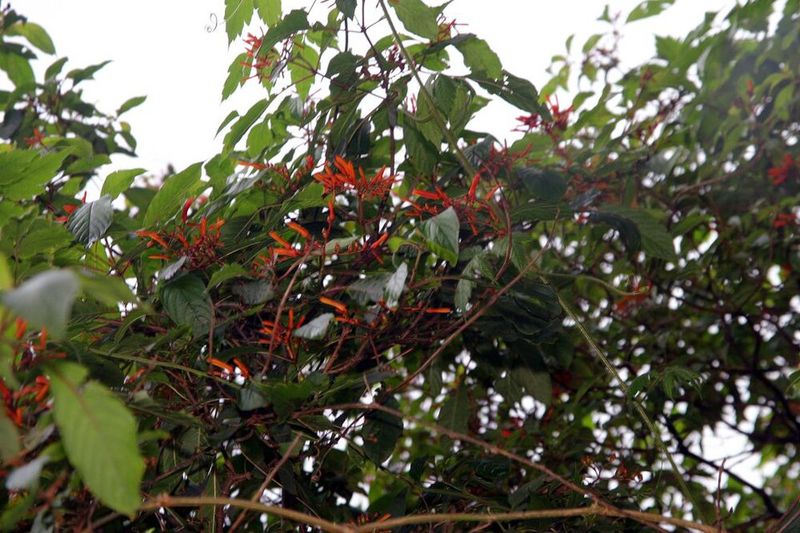
Bright red-orange flower clusters covering a shrub from spring through fall tend to stop people mid-stride, and native firebush earns that reaction every time.
Hamelia patens is a warm-season native shrub with a loose, open form that works well as a colorful screen or background planting in the right setting.
It is not the tightest privacy hedge, but it makes up for that with serious visual energy.
Hummingbirds and butterflies visit firebush flowers regularly, and the small dark berries that follow attract birds. For yards trying to support pollinators while also creating a softer privacy buffer, firebush fits naturally.
It grows quickly in warm weather, often reaching six to twelve feet tall in suitable conditions.
Cooler regions present a challenge. Firebush is sensitive to freezing temperatures, and plants in northern or central areas may cut back to the ground in a hard winter.
In southern and coastal areas, it behaves more like a true evergreen shrub. Know your local frost history before making firebush a primary privacy plant.
Lawn pest problems still need turf-specific solutions. Firebush does not repel, trap, or reduce sod webworm populations in the yard.
Sod webworm larvae feed on grass blades in the turf, and no amount of firebush planting changes that reality. If the lawn shows moth activity or ragged grass damage at night, contact your county extension office for identification and management guidance.
7. Silver Buttonwood Handles Salt And Screening Needs
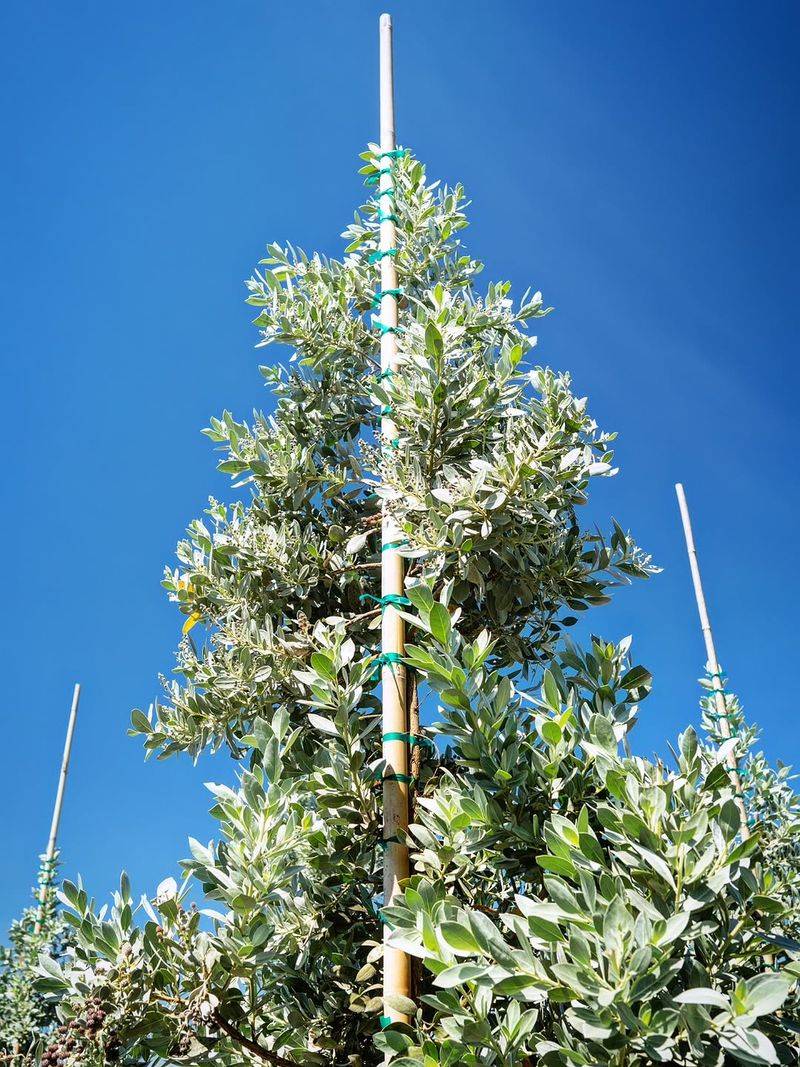
Florida coastal yards with salt wind, sandy soil, and full sun can be brutal on most plants, but silver buttonwood was practically designed for those conditions. Conocarpus erectus var. sericeus is the silver-leaved variety of native buttonwood.
Its soft, metallic foliage stands out while screening a view.
Mature silver buttonwood can reach twelve to fifteen feet tall and nearly as wide, which makes it a legitimate privacy screen when given enough space. The silvery leaf color reflects light beautifully and stays consistent year-round.
It gives the hedge a polished look that suits naturalistic and formal coastal landscapes.
Salt spray tolerance is one of its strongest traits. Planted along a seawall, a coastal fence line, or an exposed property edge, silver buttonwood holds up where other shrubs would struggle.
It also tolerates periodic drought once established, which reduces irrigation needs in sandy coastal soils.
Inland and freeze-prone yards are a different story. Silver buttonwood is best suited to warm coastal and southern sites where temperatures stay mild.
Planting it in the wrong site reduces its effectiveness and long-term health. Like every plant on this list, it will not repel or reduce sod webworms.
Lawn pest management belongs in the turf-care conversation, not the privacy-shrub conversation. Prune lightly to maintain shape without stressing the plant.
8. Healthy Turf Care Still Stops Sod Webworms Best
A beautifully planted Florida native hedge along the fence does nothing for the sod webworms chewing through the grass on the other side of the yard. That is the key nuance this article has been building toward.
Native privacy shrubs are not lawn pest treatments. They are landscape plants that replace bamboo or turf in specific areas, and that is where their benefit ends.
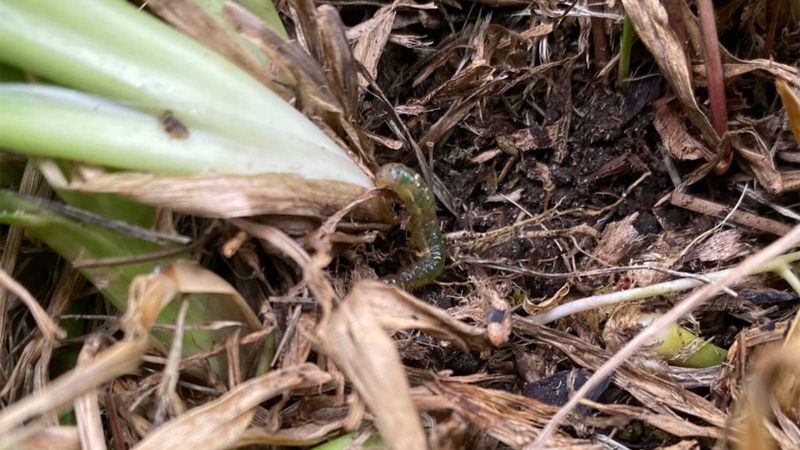
Tropical sod webworms are the larval stage of a small lawn moth. Adults lay eggs in turfgrass, larvae hatch and feed on grass blades at night, and the result is ragged, brown, patchy turf that looks worse after mowing.
The damage pattern often appears suddenly in warm months. Correct identification comes first, before any treatment decision.
Watch for small tan moths flying low over the lawn at dusk. Look for green pellet-shaped frass on the soil surface near damaged areas.
Check the thatch layer for small green caterpillars. If you find them, contact your local UF/IFAS extension office or county extension agent for current, site-specific management guidance.
Reducing unnecessary turf by replacing a lawn strip with native shrubs does reduce the grass available to sod webworms in that exact spot.
But the remaining lawn still needs proper mowing height, appropriate irrigation, correct fertilization, and informed pest management.
No shrub fixes a turf problem. Choosing native privacy plants and managing lawn pests correctly are two separate, equally important decisions for a healthy yard.