Why Attracting Armadillos To Fix Florida Grubs Usually Backfires
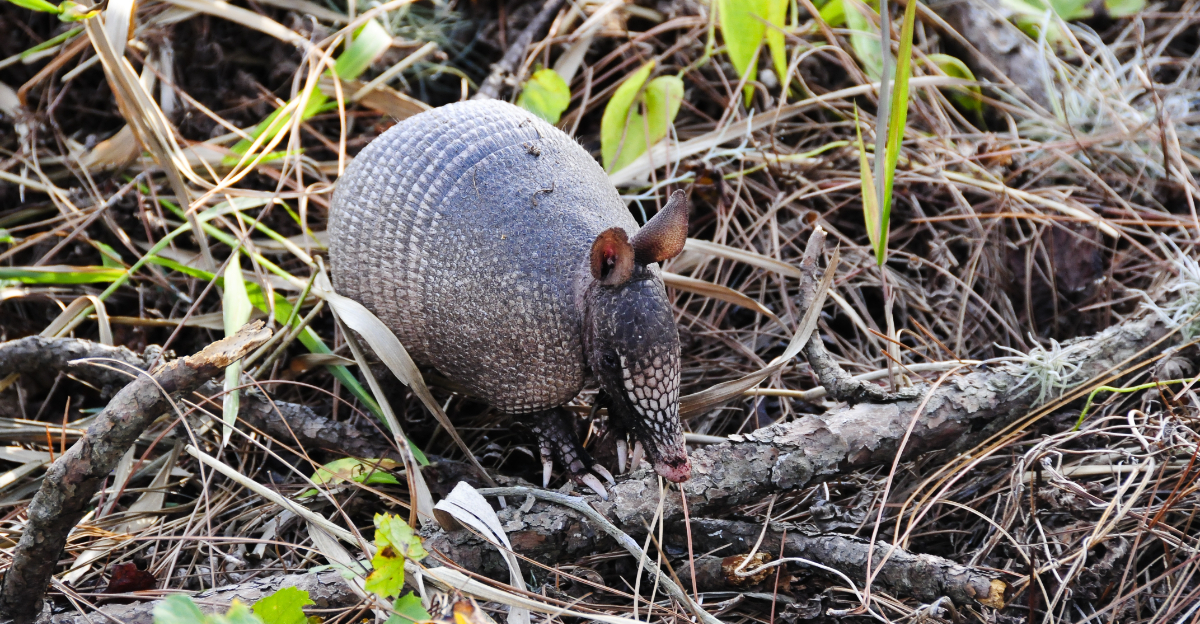
Armadillos eat grubs. That fact has convinced more than a few Florida homeowners to leave them alone, or even encourage them, on the logic that a natural solution beats a chemical one.
That logic sounds reasonable and falls apart fast once the armadillo finishes with the grubs.
The damage armadillos do to a Florida yard in pursuit of grubs is rarely proportional to the pest problem they were supposed to fix.
Torn sod, overturned beds, holes that appear overnight across a lawn that looked fine the day before. The grubs get eaten and the yard pays a price that most homeowners did not factor into the arrangement.
Armadillos also do not stop at grubs. Earthworms, beetle larvae, anything in the soil becomes fair game once they establish a foraging route through a yard.
Inviting one in to handle a grub problem tends to trade one issue for a broader one.
1. Armadillos May Find Grubs Before You Do
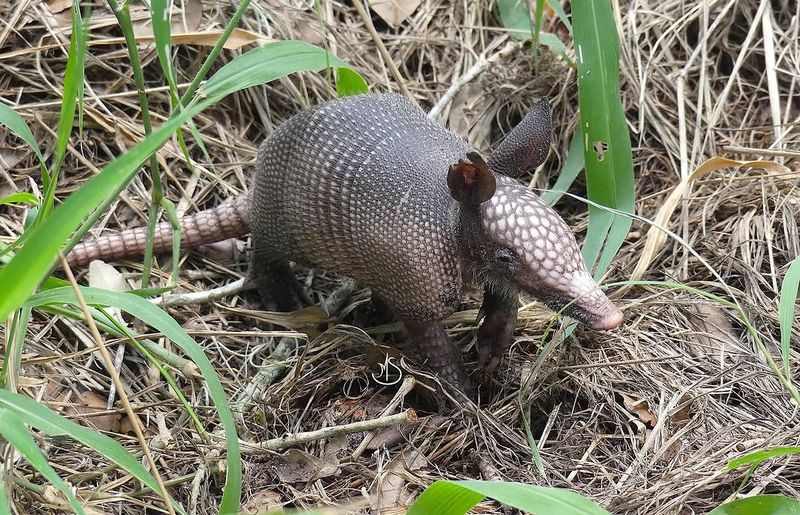
A fresh hole in the turf can feel like a mystery, but an armadillo often leaves behind the first clue that something is happening below the surface. These animals use a sharp sense of smell to locate food underground.
They may follow the scent of insects, beetle larvae, earthworms, ants, and other soil-dwelling creatures without zeroing in on grubs specifically.
Calling an armadillo a grub-control service gives it far more credit than it deserves. The animal digs where soil conditions feel right, where moisture is present, and where scent signals are strong.
That digging may or may not line up with the spots where grubs are actually causing turf damage.
Florida homeowners sometimes see armadillo activity and assume a serious grub infestation must be underneath. That assumption skips an important step.
Armadillo digging is a clue worth investigating, not a confirmed diagnosis. Soft soil, recently irrigated beds, and loose mulch can all attract digging even when grub populations are low or barely present.
Treating the lawn based on animal activity alone wastes money and can harm beneficial insects living in the soil.
A proper turf inspection, following guidance from UF/IFAS or a local county extension office, is always the smarter starting point before any treatment decision is made.
2. The Digging Damage Can Be The Bigger Problem
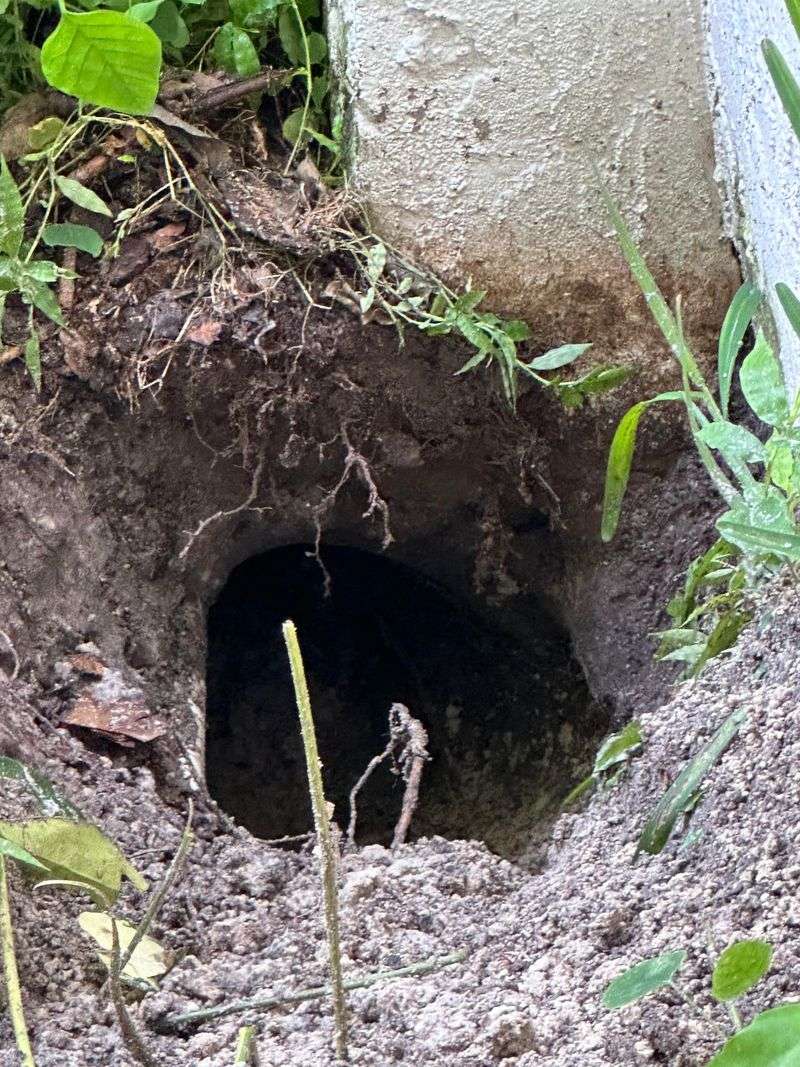
Imagine waking up to find your mulch scattered across the driveway and a young plant tipped sideways. You may also find several cone-shaped holes punched through the grass near your flower bed.
That scene is not unusual when armadillos move through a yard regularly. Even a single night of foraging can leave behind noticeable damage that takes real effort to repair.
Holes in the turf expose soil and roots to sun and drying air. Grass in those areas may struggle to recover quickly, especially during warm months when turf is already working hard.
Disturbed mulch loses its ability to hold moisture and protect plant roots, which creates extra maintenance work for the homeowner.
The tricky part is that the digging damage often becomes visible long before anyone confirms what the animal was actually eating underneath.
Your Florida Garden Changes Every Week. Your Plan Should Too.
Gardening in Florida changes quickly throughout the season. Every Friday you’ll receive a simple weekly plan showing exactly what to plant, prune, fertilize, harvest, and protect so you never miss the right timing.
A homeowner might spend hours patching holes and pressing down loose turf without ever knowing whether grubs were present at all.
Attracting more armadillos to handle a suspected grub problem trades one manageable issue for a messier and harder-to-repair situation. The turf damage from repeated digging can stress the lawn more than a moderate grub population would on its own.
Addressing the root cause of the digging, whether that is soft soil or genuine pest pressure, is a much more practical path forward.
3. Soft Wet Soil Makes The Yard Too Inviting
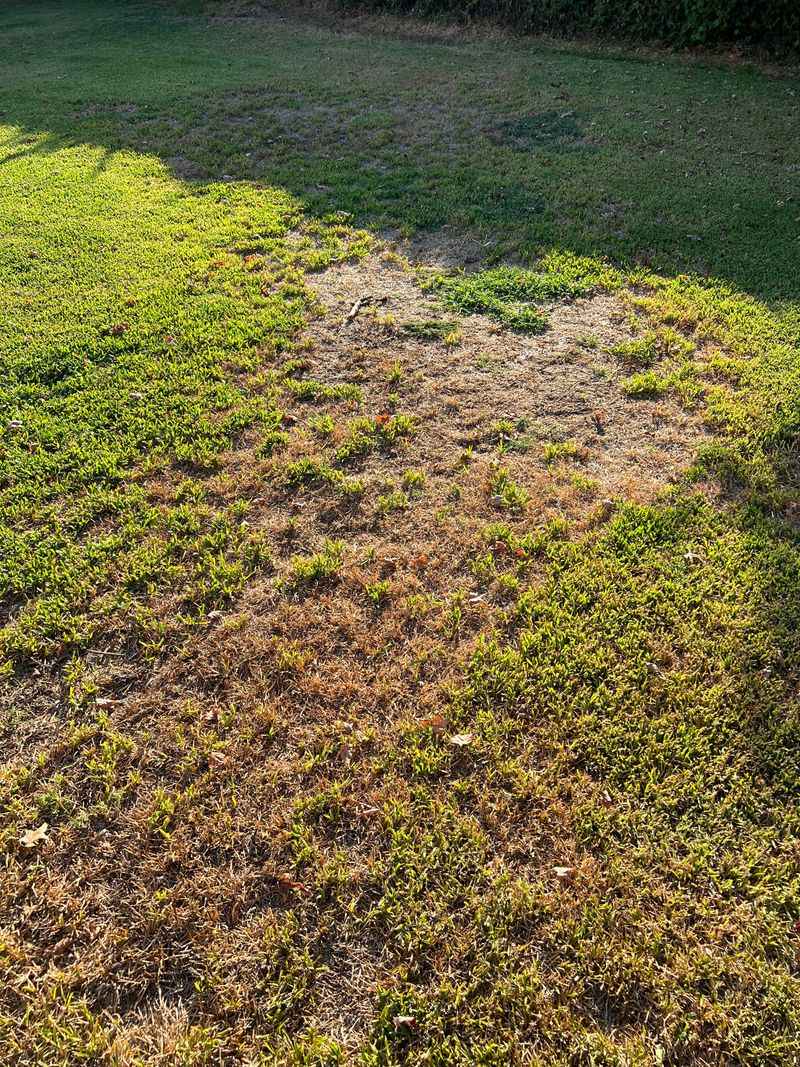
Soggy soil is practically a welcome mat for armadillos. When the ground stays consistently moist, it becomes easier to probe and dig.
That makes foraging far less work for an animal that relies on its nose and claws to find food. Overwatered yards, especially those with daily irrigation cycles or poor drainage, can draw armadillos in even when grub populations are not especially high.
Excessive watering also weakens turf over time. Grass that gets too much water tends to develop shallow root systems, which makes it more vulnerable to physical disturbance.
A lawn already stressed by overwatering has less ability to recover quickly from armadillo digging.
Checking irrigation schedules is a practical first step when armadillo visits become frequent.
Many warm-season lawns in this state need far less water than Florida homeowners assume, particularly during cooler months or after periods of regular rainfall.
Local water management districts often publish recommended watering guidelines that can help homeowners dial back without stressing healthy turf.
Low spots that collect standing water after storms deserve attention too. Improving drainage in those areas reduces soggy conditions that invite digging.
Adjusting irrigation run times, fixing broken sprinkler heads, and aerating compacted areas can all help. A drier, firmer lawn surface is simply less appealing to an armadillo looking for an easy meal.
4. Grubs Are Only One Item On The Menu
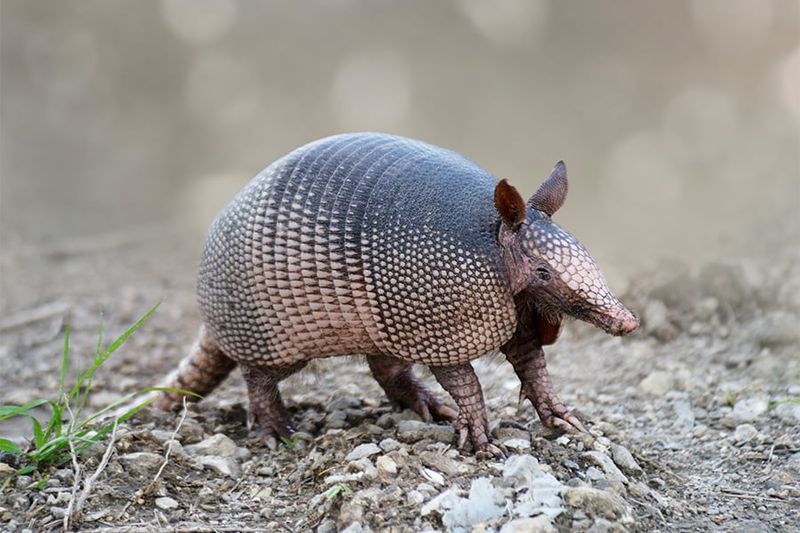
Armadillos are opportunistic foragers, meaning they eat whatever the soil offers at any given moment.
White grubs may show up on that menu, but so do ants, termites, earthworms, beetle adults, insect larvae of many kinds, and other small invertebrates.
Expecting an armadillo to focus only on grubs is like expecting a dog to eat only one brand of treat when the whole kitchen is open.
Research supported by wildlife biologists confirms that armadillo diets vary depending on season, location, and what is available in the soil at that time. An armadillo visiting a yard may be chasing ant colonies one night and beetle larvae another night.
Grubs might be a small fraction of what it actually consumes during a visit.
This matters because reducing the grub population does not guarantee the armadillo moves on. If the yard still offers soft soil, moisture, earthworms, or other invertebrates, the animal has plenty of reasons to return.
Florida homeowners who hope the armadillo will eat the grubs and then leave on its own are often disappointed when the digging continues long after any grub pressure has faded.
Respecting armadillos as wildlife means understanding their actual behavior rather than assigning them a lawn-care role they were never designed to fill.
Balanced soil biology includes many organisms, and armadillos respond to the whole picture, not just one pest.
5. More Armadillos Will Not Balance The Lawn
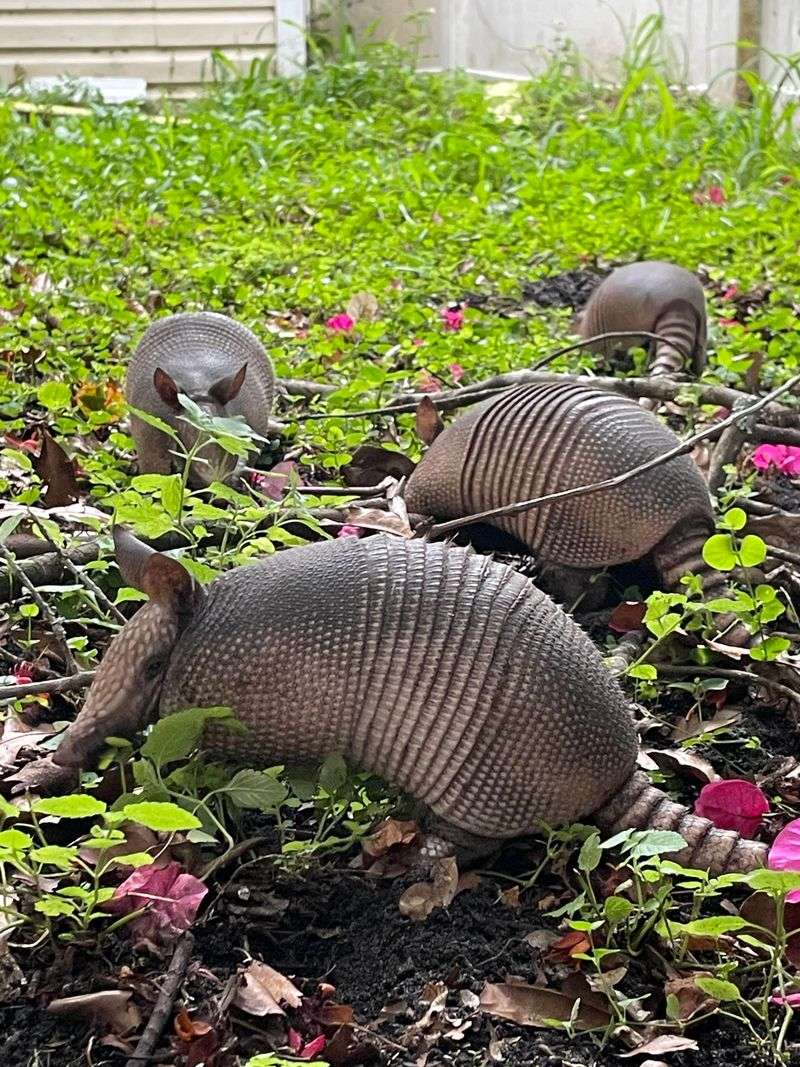
Some homeowners take the grub-eating idea a step further and wonder if encouraging more armadillos would speed up the process. Leaving pet food outside, watering heavily before bed, or loosening soil near problem areas might seem like harmless nudges.
Every one of those actions tends to make the situation worse in ways that are hard to undo.
Wildlife cannot be directed to treat specific patches of turf and then politely leave the rest alone. Armadillos follow their instincts across the entire yard, across property lines, and into neighboring landscaping.
More armadillos simply means more digging, more disturbed beds, more uprooted plants, and more surface damage spread across a larger area.
Conflicts between armadillos and Florida homeowners tend to grow when animals become comfortable in a yard. Once an armadillo learns that a location offers easy food and soft digging conditions, it returns consistently and may bring others.
Removing the attractants is far more effective than trying to redirect the animals once they have settled into a routine.
The Florida Fish and Wildlife Conservation Commission provides guidance on managing wildlife conflicts responsibly.
Following that guidance, rather than trying to recruit armadillos as pest managers, is the approach most likely to protect both the lawn and the animals.
Coexistence works best when humans avoid creating conditions that pull wildlife into close contact with managed landscapes.
6. Overwatering Can Feed The Whole Cycle
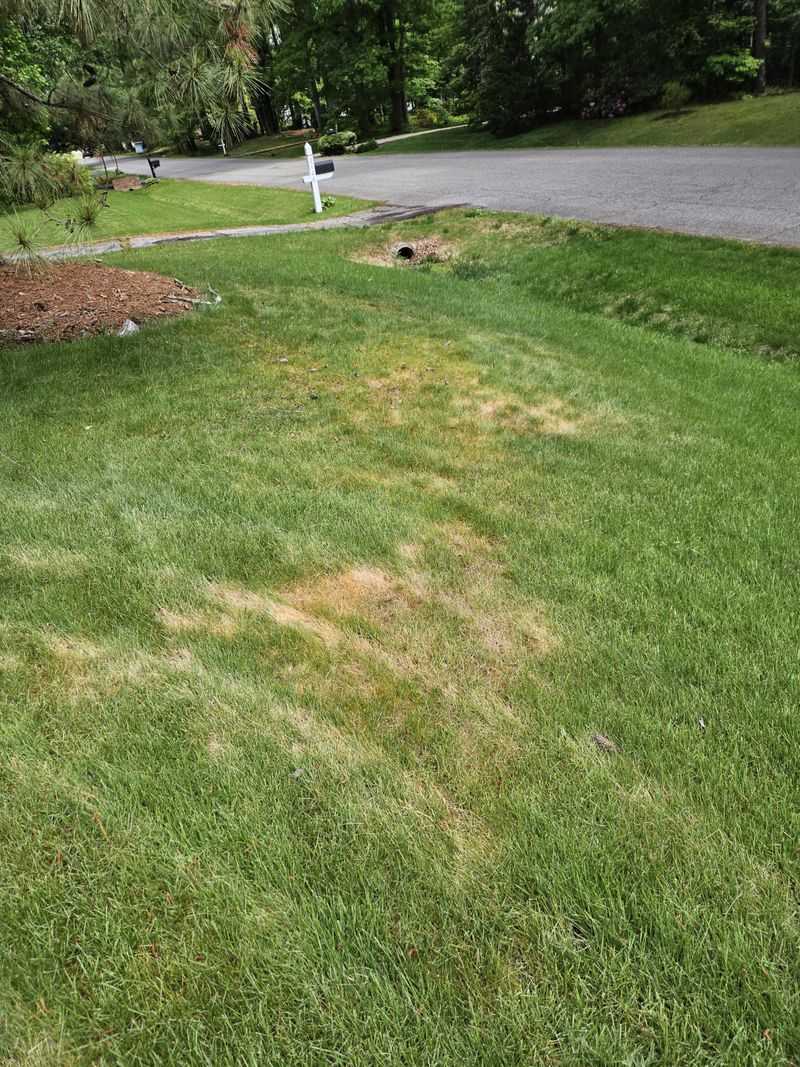
Overwatering does not just create soft digging conditions. It sets up a cycle where turf weakens, pests find favorable conditions, and wildlife activity increases all at once.
Grass that receives too much water develops a thin root zone that sits close to the surface. Shallow roots are easier to disrupt, and turf in that condition struggles to close up after digging damage.
Excess moisture also encourages certain beetle species to lay eggs in lawn areas, which can increase grub populations over time. More grubs in moist, soft soil make the yard even more attractive to armadillos following scent signals.
Cutting back on unnecessary irrigation interrupts that cycle before it builds momentum.
Local water management districts across the state have published guidelines on how much and how often warm-season grasses actually need water.
Many established lawns need irrigation only once or twice per week during the growing season, and less during cooler months.
Watering deeply but less frequently encourages roots to grow deeper, which makes turf more resilient and the surface firmer.
Checking the irrigation system for broken heads, misaligned zones, and runoff patterns is a practical starting point. Fixing those issues reduces waste, lowers water bills, and makes the yard less hospitable to both grubs and the animals that come looking for them.
Healthy turf management and responsible irrigation work together more reliably than any wildlife strategy ever could.
7. Confirm Grubs Before Treating Anything
Brown patches in the lawn can mean a dozen different things. Drought stress, chinch bug feeding, fungal disease, mower scalping, irrigation gaps, and nematode activity can all create similar discoloration.
Jumping to a grub treatment without confirming what is actually wrong wastes money and can harm the beneficial insects that help keep soil biology healthy.
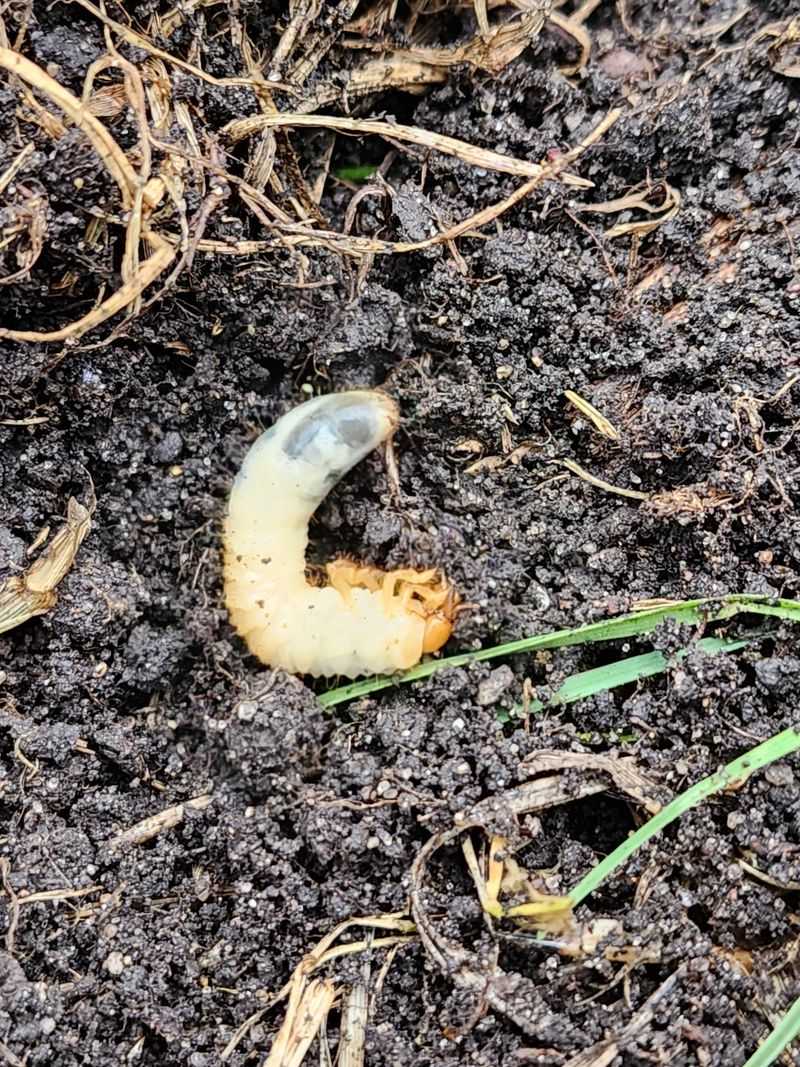
Inspecting the turf directly is the most reliable first step. Pull back a small section of grass in the affected area and look at the soil just below the root zone.
White grubs are C-shaped, cream-colored larvae that are usually easy to spot. UF/IFAS publications provide guidance on threshold numbers, meaning how many grubs per square foot actually justify a treatment response.
Finding one or two grubs does not automatically mean the lawn needs a pesticide application. Healthy, well-maintained turf can often tolerate low grub populations without visible damage.
Treatment makes sense when populations exceed the recommended threshold and when damage is confirmed rather than assumed.
County extension offices can help Florida homeowners identify pests correctly and recommend appropriate, label-supported products if treatment is truly needed.
Timing matters too, since grub-control products work best when applied during specific larval stages.
Getting the identification and timing right protects the lawn, the budget, and the soil organisms that support long-term turf health.
8. Fix The Turf Instead Of Recruiting Wildlife
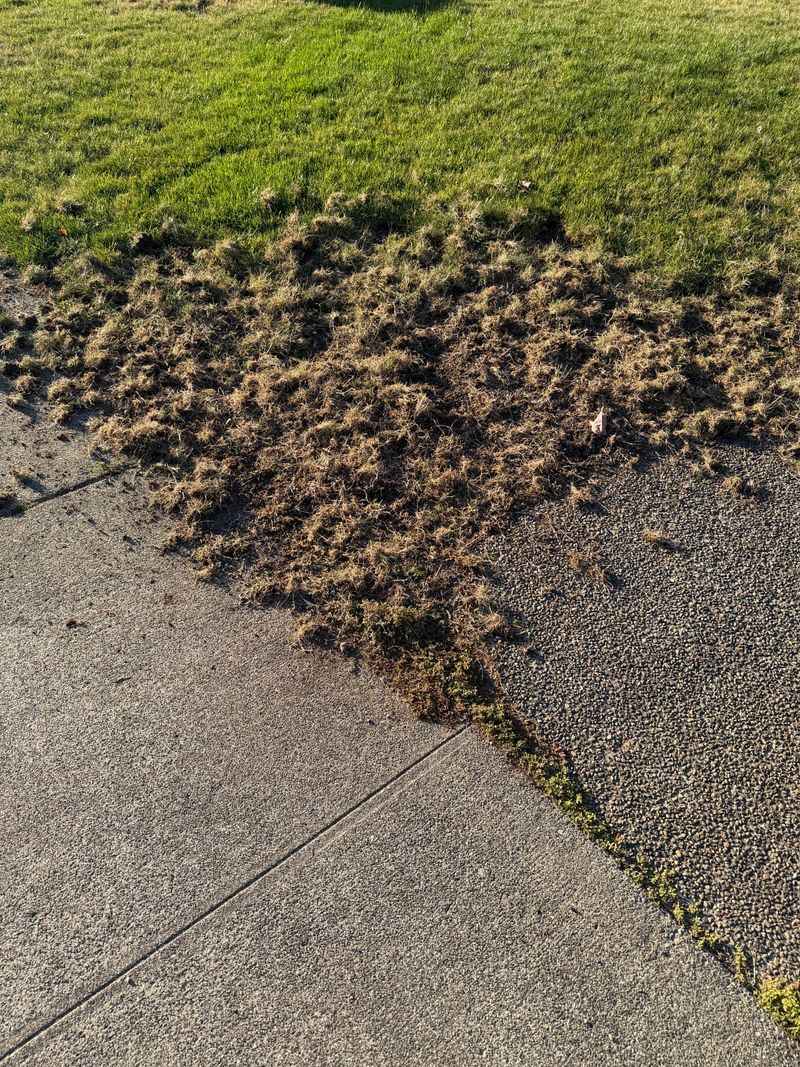
Healthy turf is the most reliable defense against both grub pressure and armadillo visits. Grass mowed at the right height, watered correctly, and fertilized based on soil test results develops a dense root system.
That root system resists pest damage and recovers more quickly from disturbance. No armadillo can compete with that kind of built-in resilience.
Proper mowing height varies by grass type. St. Augustinegrass, which is common across warm-season lawns in this state, generally performs best when kept between three and a half and four inches tall.
Cutting too short weakens the turf and makes it more vulnerable to stress from pests, drought, and physical damage.
Reducing conditions that make the yard easy to dig is just as important. Improving drainage, adjusting irrigation timing, aerating compacted areas, and keeping mulch beds tidy all help.
These steps reduce the soft, moist conditions that armadillos find appealing. Removing attractants like fallen fruit, outdoor pet food, and standing water also helps discourage regular visits.
When digging damage is persistent or grub pressure is confirmed, reaching out to a UF/IFAS extension agent or a licensed pest management professional is the right move.
Armadillos are part of the local wildlife community and deserve to be treated with respect.
They just should not be handed a job they were never built to do reliably. Use their digging as a clue, investigate properly, and fix the turf on your own terms.