What It Really Means When Dragonflies Start Disappearing From Your North Carolina Yard In Late Summer
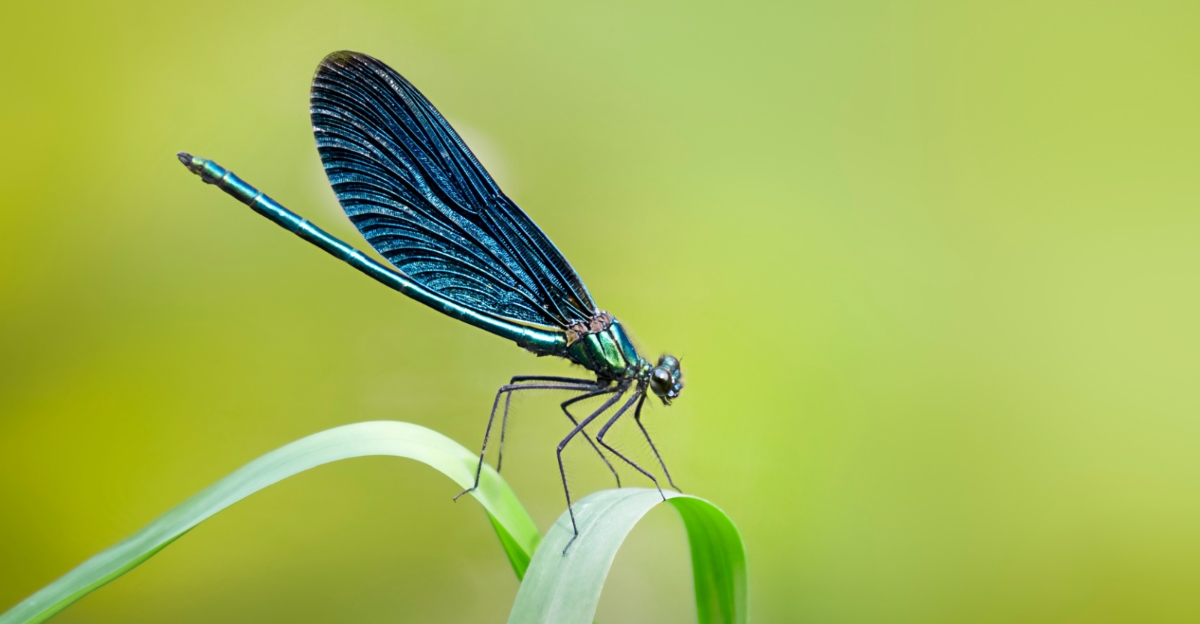
Silence falls where wings once flickered. You sense it before you understand it. Gardens across North Carolina grow quiet by late summer. Wings that once filled your yard now disappear.
Nothing about this decline happens randomly. Every absence carries a message about water, chemicals, or habitat.
Ancient hunters like these have survived ages beyond memory, sensing change early. Their instincts pick up signals your senses miss.
North Carolina yards show these signals clearly, if you know where to look. Patterns emerge once you start paying attention.
Reasons range from harmless seasonal shifts to genuine ecological signals. Chemicals sprayed nearby can send them elsewhere quickly.
Ponds drying up remove their breeding grounds entirely. Losing them means losing an early signal system you rely on without realizing it.
Understanding these clues turns confusion into clarity. Knowledge like this changes how you see your own space.
Why Dragonflies Matter More Than You Think
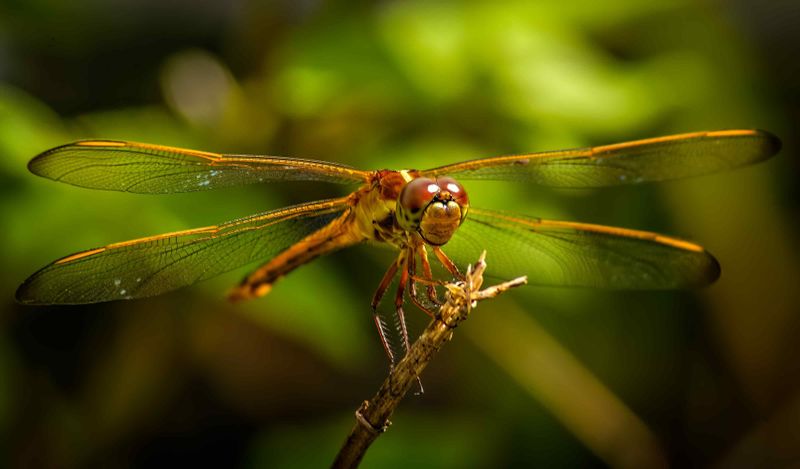
Dragonflies are not just pretty. They are considered one of nature’s most efficient hunters, with entomologists ranking their prey capture success among the highest of any predator in the animal kingdom.
A single dragonfly can eat dozens of mosquitoes in a single day, depending on species and prey availability. That means fewer bites for you and your family during those sticky Carolina evenings.
Beyond pest control, dragonflies are environmental indicators. Scientists and naturalists use their presence to judge the health of local ecosystems.
When populations are strong, it signals clean water and balanced insect life nearby. When dragonflies start disappearing from your North Carolina yard, something in that balance has shifted.
They also support the food chain in powerful ways. Birds, frogs, and fish all depend on dragonflies as a reliable food source throughout warm months.
Losing them creates a ripple effect that touches more species than most people realize. Your yard is not just a patch of grass; it is a small but meaningful ecosystem.
Dragonflies have compound eyes that can see in nearly every direction at once. Their flight precision is so advanced that some engineers have studied it to inform drone design.
Respecting these insects means respecting the intricate web of life they support. Once you understand what they do, their absence feels a lot more urgent.
Paying attention to dragonfly activity is one of the easiest ways to monitor your yard’s ecological health. Think of them as tiny, winged warning systems you never knew you had.
The Natural Late-Summer Life Cycle Shift
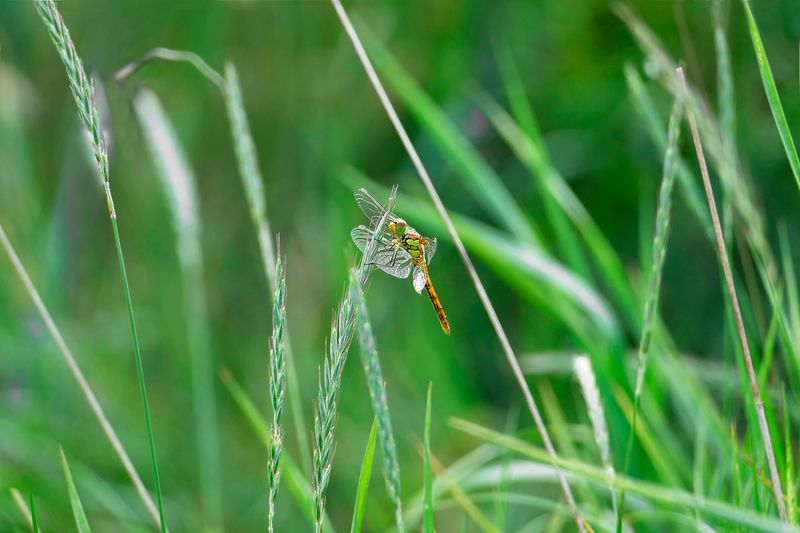
Not every disappearance is a red flag. Sometimes dragonflies simply follow their own schedule, and late summer is a major turning point in their lives.
Many species complete their adult stage sometime between June and August, though timing varies by species and year. By September, many have already mated and finished their above-ground chapter.
The adults you see patrolling your yard are the final form of insects that spent months or even years underwater as nymphs. Once they mate and lay eggs, their time in your yard naturally winds down.
Your North Carolina Garden Changes Every Week. Your Plan Should Too.
Gardening in North Carolina changes quickly throughout the season. Every Friday you’ll receive a simple weekly plan showing exactly what to plant, prune, fertilize, harvest, and protect so you never miss the right timing.
Different species peak at different times. Some North Carolina dragonflies, like the common whitetail, are most active in early summer, while others emerge later in the season.
This staggered schedule means the mix you see in July looks very different from what appears in September. A shift in species is not the same as a total disappearance.
Temperature also plays a role here. As nights cool and days shorten, dragonfly activity slows because they are cold-blooded and need warmth to fly efficiently.
Watching closely, you might still spot a few species active well into October. Migratory dragonflies like the wandering glider actually move south in large groups during fall.
So before you panic, ask yourself what you saw in previous years at the same time. Seasonal patterns repeat, and comparing notes year over year tells a much clearer story.
Nature has its own rhythm, and dragonflies follow it faithfully. Understanding their life cycle puts late-summer disappearances in a much calmer perspective.
Water Sources Drying Up Or Disappearing
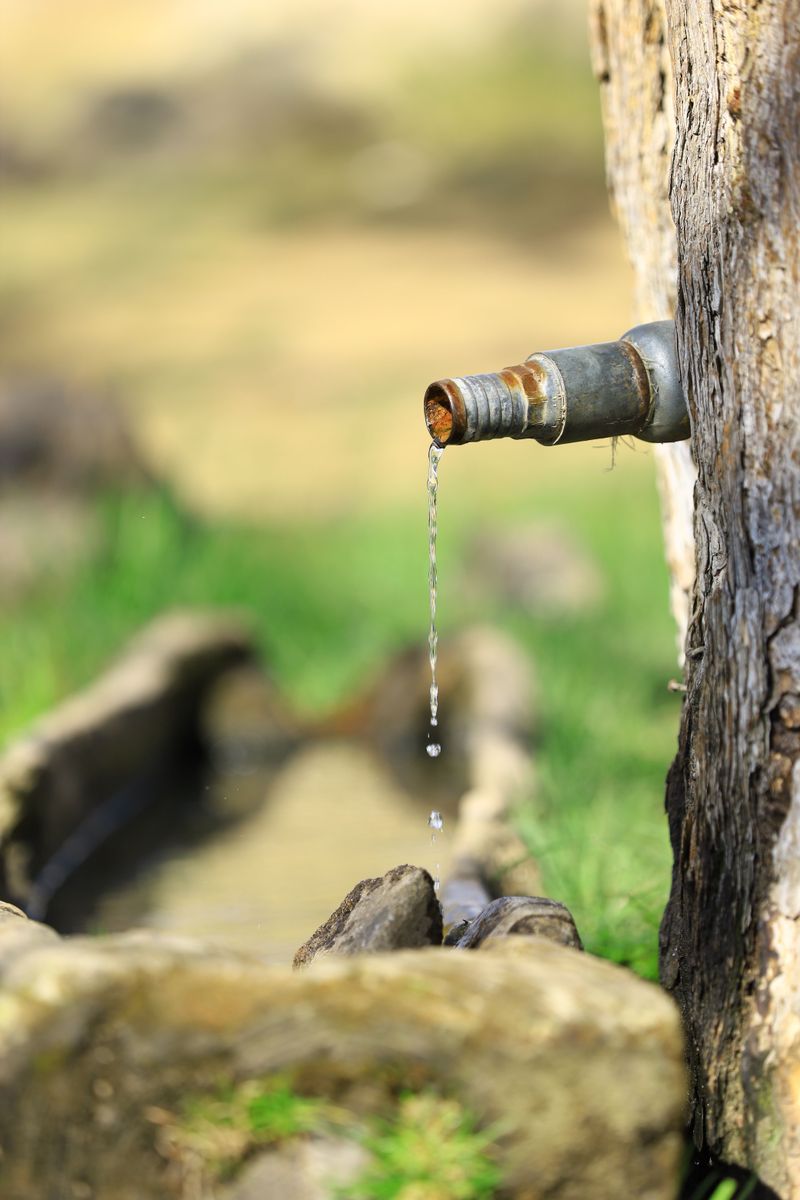
Dragonflies need water the way fish need the ocean. Without it, they cannot complete their life cycle or stick around your yard for long.
Every dragonfly you see as an adult started life as an aquatic nymph. Ponds, birdbaths, rain gardens, and even shallow puddles serve as breeding grounds.
North Carolina summers can get very dry, especially from July through September. When standing water evaporates or shrinks, dragonflies lose their nurseries and move on to find new ones.
Even a small backyard pond going from six inches to two inches of water can make a big difference. Nymphs need depth to stay cool and avoid predators.
Check your water features regularly during dry spells. A birdbath that sits empty for two weeks sends a clear message to any dragonfly scouting your yard.
Nearby natural water sources matter too. If a creek, wetland, or retention pond close to your home dries up, the adults that depended on it will scatter.
Drought years in North Carolina can affect dragonfly populations more than most people notice. Dry conditions tend to reduce standing water quickly, which limits breeding sites and can shrink the number of dragonflies you see.
Topping off your pond or keeping a shallow dish of water near plants can help bridge the gap during dry stretches. Even a small gesture makes your yard more attractive to these hunters.
Water is the foundation of dragonfly life. Protect it and they will keep coming back to your outdoor space season after season.
Pesticide And Chemical Use Nearby

Pesticides are one of the fastest ways to clear a yard of dragonflies. These chemicals do not just target the insects you want gone.
Broad-spectrum sprays significantly reduce the smaller insects that dragonflies depend on for food. When the prey population declines sharply, predators like dragonflies have less reason to stay.
Larvicides used to control mosquitoes are especially harmful. Many products designed to treat standing water also harm dragonfly nymphs living in the same environment.
Your neighbor’s lawn treatment can affect your yard too. Chemicals drift, run off during rain, and soak into shared soil and drainage systems.
Organophosphates and pyrethroids, two common types of yard sprays, are toxic to aquatic invertebrates. Dragonfly nymphs fall into that category and are highly vulnerable.
If you or someone nearby started a new pest control routine in summer, watch for changes in dragonfly activity in the following weeks. The timing often lines up clearly.
Switching to targeted, low-toxicity pest control methods protects beneficial insects. Products applied only to specific plants or cracks reduce unintended harm significantly.
Talk to your neighbors if you suspect shared chemical drift. A friendly conversation about yard products has saved more than a few local insect populations.
Dragonflies are natural mosquito controllers, so removing them with pesticides is counterproductive. Protecting them means fewer chemicals needed in the long run, which is a win for everyone.
Habitat Loss And Missing Perches
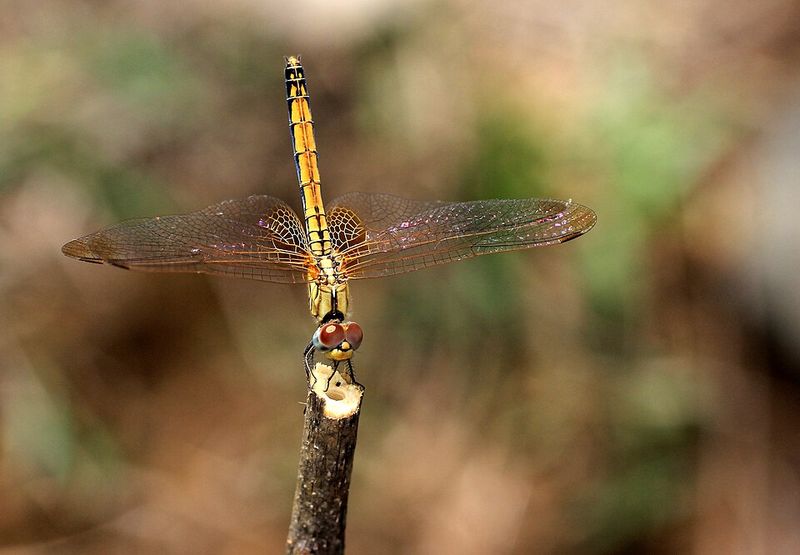
Dragonflies are selective about where they rest. Without the right perches and plant structure, they will patrol briefly and move on without settling in.
Tall grasses, native wildflowers, and woody stems give dragonflies places to land, warm up, and watch for prey. A yard with only a mowed lawn offers almost nothing useful.
In recent years, North Carolina has seen notable land development in suburban areas. Green corridors that once connected natural spaces have been replaced with pavement and turf grass.
When habitat fragments, dragonflies lose the connected landscape they need to thrive. They are mobile insects, but they still rely on a patchwork of suitable spots to survive.
Removing spent plant stalks, clearing brush piles, and trimming every edge of your yard reduces the micro-habitats that support dragonfly activity. A little wildness goes a long way.
Native plants like ironweed, Joe-Pye weed, and cardinal flower attract the smaller insects dragonflies hunt. Plant diversity feeds the whole food web from the ground up.
Vertical structure matters too. Dragonflies perch on upright stems and thin branches to survey their territory before launching a strike on passing prey.
Adding a mix of plant heights from ground cover to shrubs creates the layered habitat these insects prefer. Even a corner of your yard left intentionally untidy can become a dragonfly hotspot.
Habitat loss is a fixable problem at the yard level. Small changes in how you manage your space can rebuild what was lost surprisingly fast.
How To Bring Dragonflies Back To Your Yard
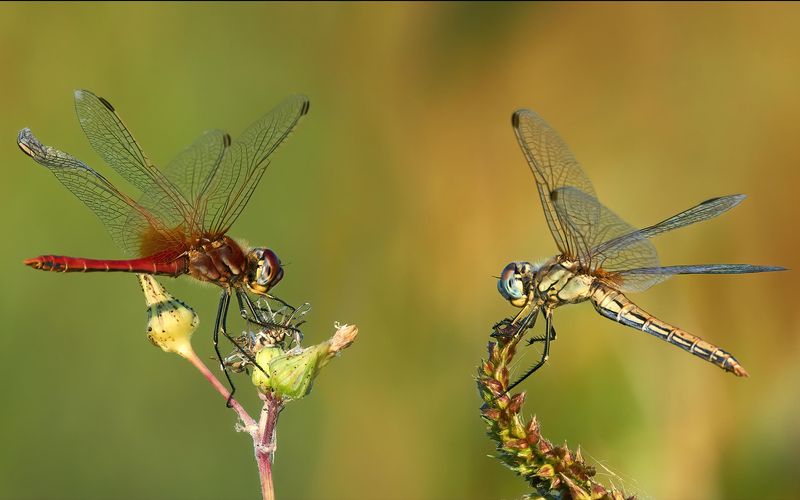
Good news: you have more control over this than you might think. A few targeted changes to your yard can make it genuinely appealing to dragonflies.
Start with water. Installing a small pond, even a container pond two feet wide, gives dragonflies a place to breed and nymphs a place to grow.
Keep the water still and shallow on at least one edge. Dragonflies prefer calm water over moving streams when laying eggs.
Add native aquatic plants like pickerelweed or blue flag iris to your water feature. These plants provide egg-laying surfaces and shelter for developing nymphs below the surface.
Next, rethink your plant choices on land. Native perennials and grasses attract the gnats, midges, and small flies that dragonflies hunt every day.
Reduce or limit broad pesticide sprays in your yard. Spot-treating specific problem areas is far less damaging than blanket applications across your lawn and garden beds.
Create vertical perches by leaving a few tall, bare stems in your garden through the end of the season. Dragonflies will claim them as hunting posts almost immediately.
Place flat rocks near your water feature in a sunny spot. Dragonflies are cold-blooded and love basking to warm up before their morning hunt begins.
Patience matters here. Rebuilding a dragonfly-friendly yard can take several seasons, but once the habitat is established, they tend to return reliably year after year.
When dragonflies start disappearing from your North Carolina yard, this checklist is your fastest path back to a thriving, buzzing outdoor space.