Why Feeding California Citrus Too Much Can Backfire
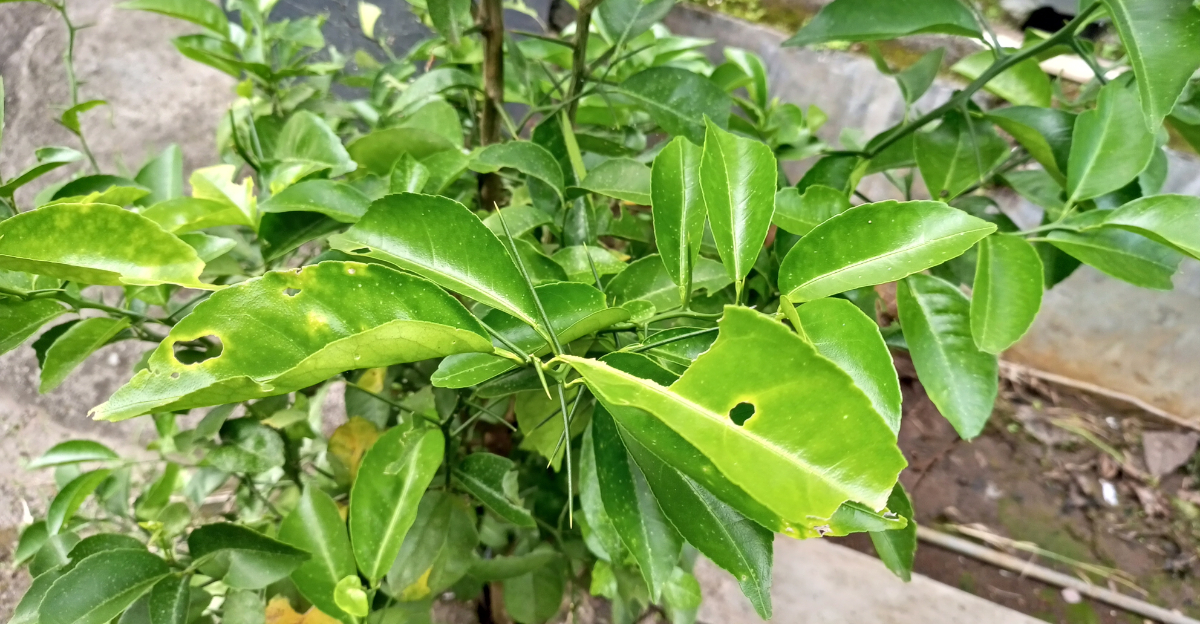
California citrus can look overfed and underwhelming at the same time.
The leaves shine. The shoots grow fast. The tree looks like it should be winning awards from the patio.
Then the fruit shows up with thick rinds, weak flavor, slow color, or barely any harvest at all.
That is when fertilizer gets sneaky.
More food feels like the obvious answer, especially when a citrus tree seems off. But too much fertilizer can push leaves instead of fruit, stress roots, throw nutrients out of balance, and make a healthy-looking tree perform worse.
Very rude behavior from something sold in such cheerful bags.
So how does extra feeding backfire on California citrus?
Start with the difference between looking lush and producing well. A tree can spend its energy on soft growth while the fruit quietly pays the price.
Citrus does not need a buffet. It needs the right amount, at the right time, with enough restraint to let the harvest do the bragging.
1. Excess Nitrogen Pushes Soft Growth
A fertilizer scoop heaped a little too full, then multiplied across every feeding of the season, is what excess nitrogen looks like from the tree’s point of view.
Nitrogen is the nutrient that drives leafy, green growth, and citrus trees do need it.
But when they get too much, the tree shifts its energy away from fruiting and toward producing soft, tender shoots that grow fast and look impressive.
The catch is that those soft shoots are weaker than normal growth.
They attract pests like citrus leafminer and aphids, which love young, tender tissue. They are also more vulnerable to frost damage, which matters a lot in California valleys and foothill gardens where temperatures can swing hard in late fall.
Citrus trees that get overfed with nitrogen often produce fewer flowers and set less fruit.
The tree is not being lazy. It is simply doing exactly what the nutrient signals tell it to do: grow leaves, not fruit.
According to UC ANR guidelines, most mature in-ground citrus in California needs somewhere between one and two pounds of actual nitrogen per year, split across multiple applications.
Dumping it all at once, or applying too much total, pushes the tree into vegetative overdrive.
Zesty results come from balance, not from going overboard.
2. Late Feeding Delays Fruit Color
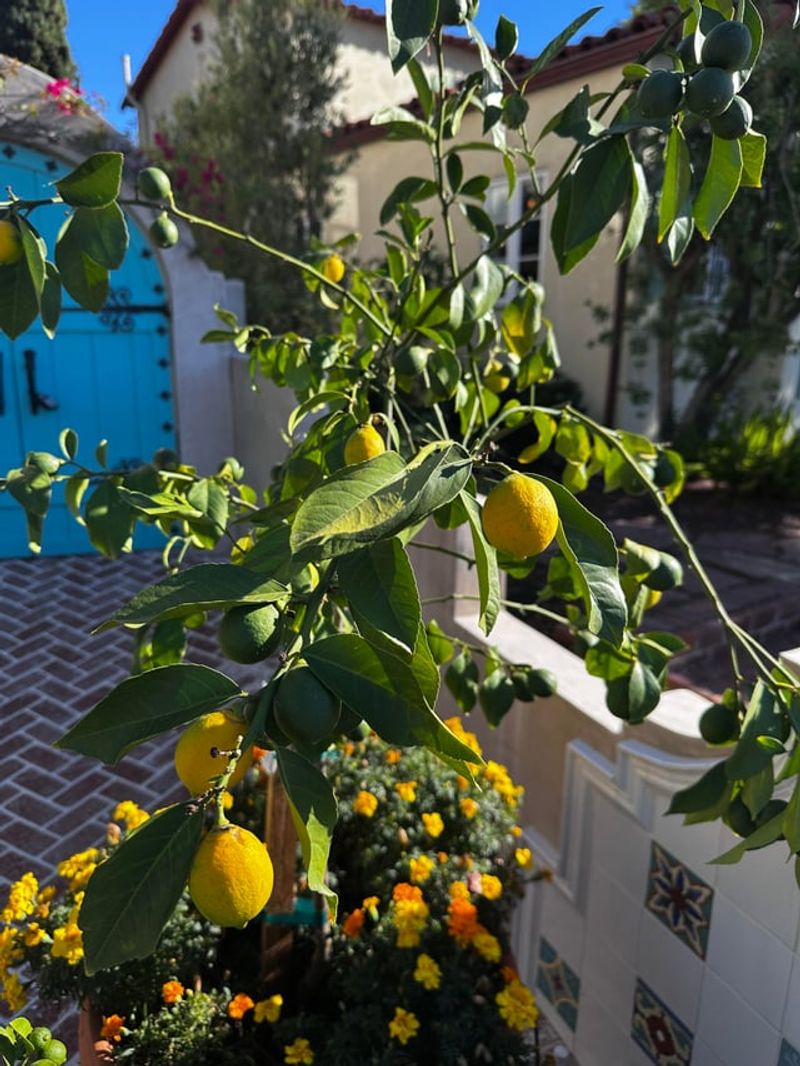
Timing a fertilizer application sounds simple, but get it wrong and your oranges might still be green when your neighbors are already juicing theirs.
Late-season nitrogen feeding is one of the sneakier ways overfeeding backfires on California citrus growers.
Applying nitrogen in late summer or fall pushes the tree into a new flush of growth right when it should be slowing down and letting fruit mature.
Fruit color in citrus is triggered by cooler temperatures and a slowdown in active growth.
When a tree is still pushing new shoots in September or October, the hormonal signals that drive color development get delayed. The fruit stays green longer, even if it is technically ripe inside.
UC IPM resources note that nitrogen applications should generally wrap up by late summer for most California citrus types.
Your California Garden Changes Every Week. Your Plan Should Too.
Gardening in California changes quickly throughout the season. Every Friday you’ll receive a simple weekly plan showing exactly what to plant, prune, fertilize, harvest, and protect so you never miss the right timing.
That gives the tree time to use what it has absorbed and begin the natural slowdown that supports good fruit development and color.
A late push of fertilizer can also affect how long fruit holds on the tree.
Good holding quality is one of the things that makes California citrus so appealing, and late nitrogen can compromise it.
Mark your calendar, follow the label, and let your tree coast into fall on its own. Patience pays off in color and flavor.
3. Rough Rinds Can Follow
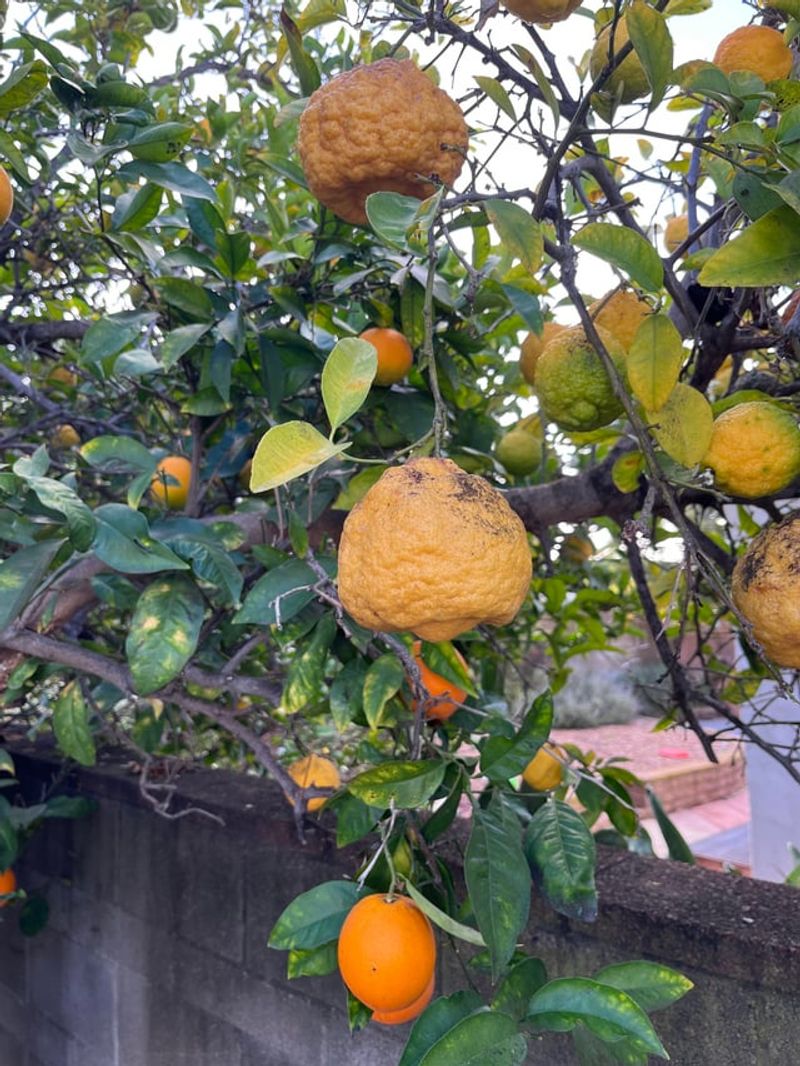
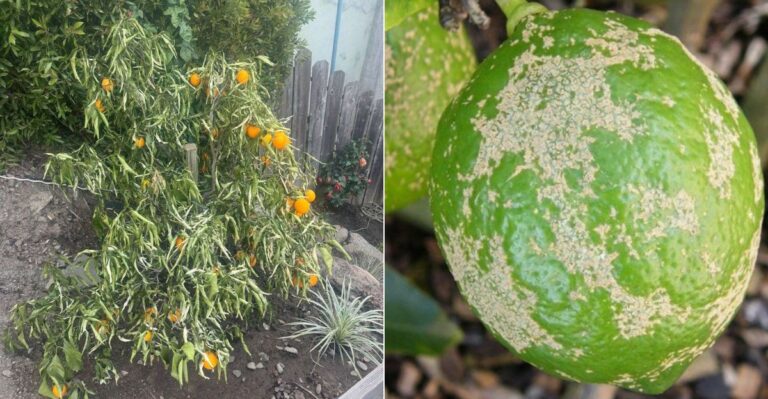
A lemon with skin like a golf ball is not what anyone is aiming for.
Rough, thick, or puffy rinds are a real and frustrating result that can follow nutritional imbalance in citrus trees.
While rind texture is influenced by several factors including heat, water stress, and variety, excess nitrogen and irregular feeding schedules are known contributors according to UC ANR resources on citrus production.
When a tree gets too much nitrogen, especially during fruit development, the rind can grow faster than the inside of the fruit.
The result is a peel that is thick, spongy, and rough to the touch. The fruit may look big on the outside but feel light when you pick it up.
That lightness means less juice, which is a letdown for anyone who grew the tree hoping for a glass of fresh-squeezed.
Coarse rind can also make the fruit harder to peel and less appealing to look at.
A rough rind sends the wrong message about what is inside, even if the flavor is decent.
Keeping nitrogen applications moderate and well-timed helps the rind and the interior develop at a similar pace.
Consistent irrigation also plays a role, since water stress during fruit fill can worsen rind problems.
Smooth skin is not just cosmetic. It usually means the tree was fed and watered in a balanced, thoughtful way throughout the growing season.
4. Fruit Quality Can Slip
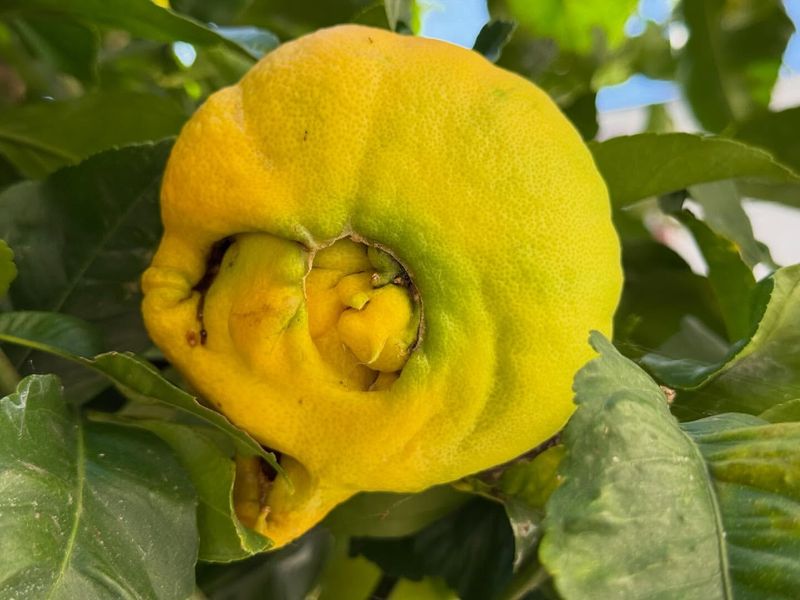
More fertilizer feels like a shortcut to bigger, better fruit.
In reality, pushing too many nutrients at a citrus tree often works against the very qualities that make California citrus worth growing.
Flavor, juice content, and overall eating quality can all take a hit when the tree is overfed, especially with nitrogen.
High nitrogen levels during fruit development can dilute sugar concentration in the juice.
The fruit grows larger, but the sweetness gets spread thin. Growers sometimes describe this as flat-tasting fruit, the kind that looks great but disappoints at the table.
Acidity and the balance between sugar and tartness, which is what makes a good orange or lemon truly satisfying, can both be thrown off by excess feeding.
Overfeeding can also affect fruit size in unexpected ways.
Very high nitrogen sometimes causes fruit to drop early before it reaches full size, as the tree struggles to support too much at once. Other times, fruit grows oversized but hollow or pithy at the center.
UC ANR notes that fruit quality in citrus is closely tied to balanced nutrition, appropriate timing, and consistent water management.
There is no nutrient shortcut that replaces getting those basics right.
Growing citrus that tastes as good as it looks takes patience, not just a generous hand with the fertilizer bag.
5. Leaf Color Can Mislead
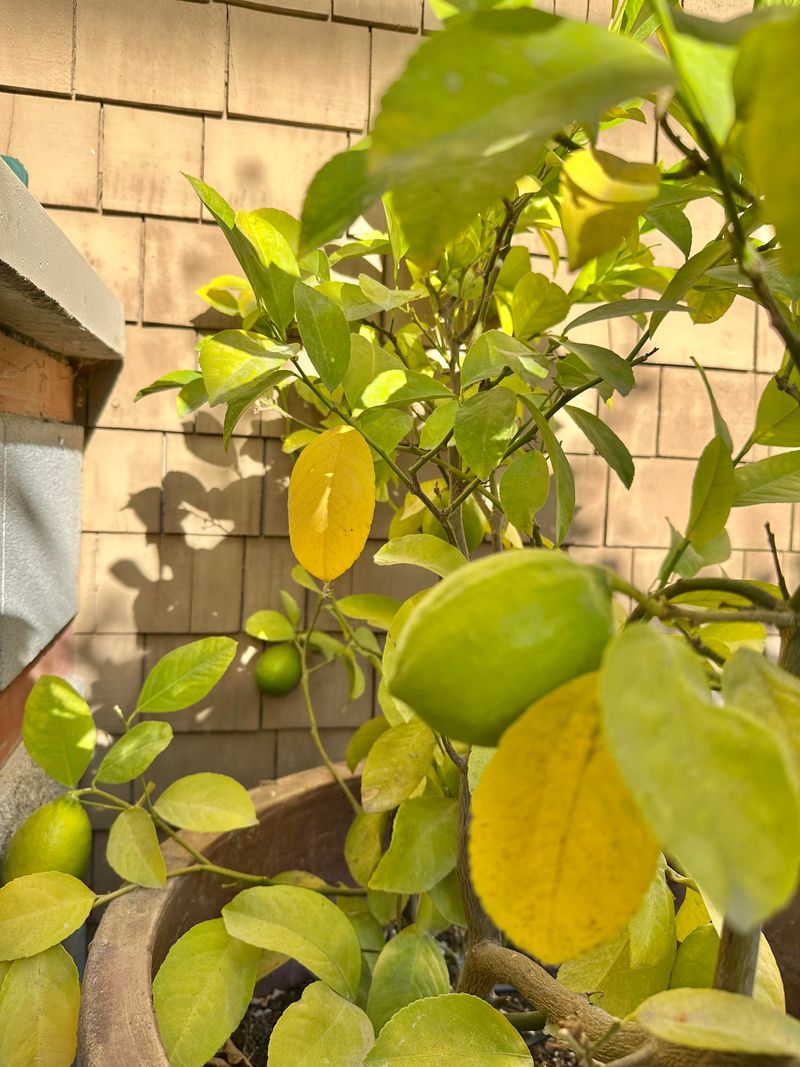
Yellow leaves on a citrus tree send most gardeners straight to the fertilizer aisle.
That reaction is understandable, but it is often the wrong move.
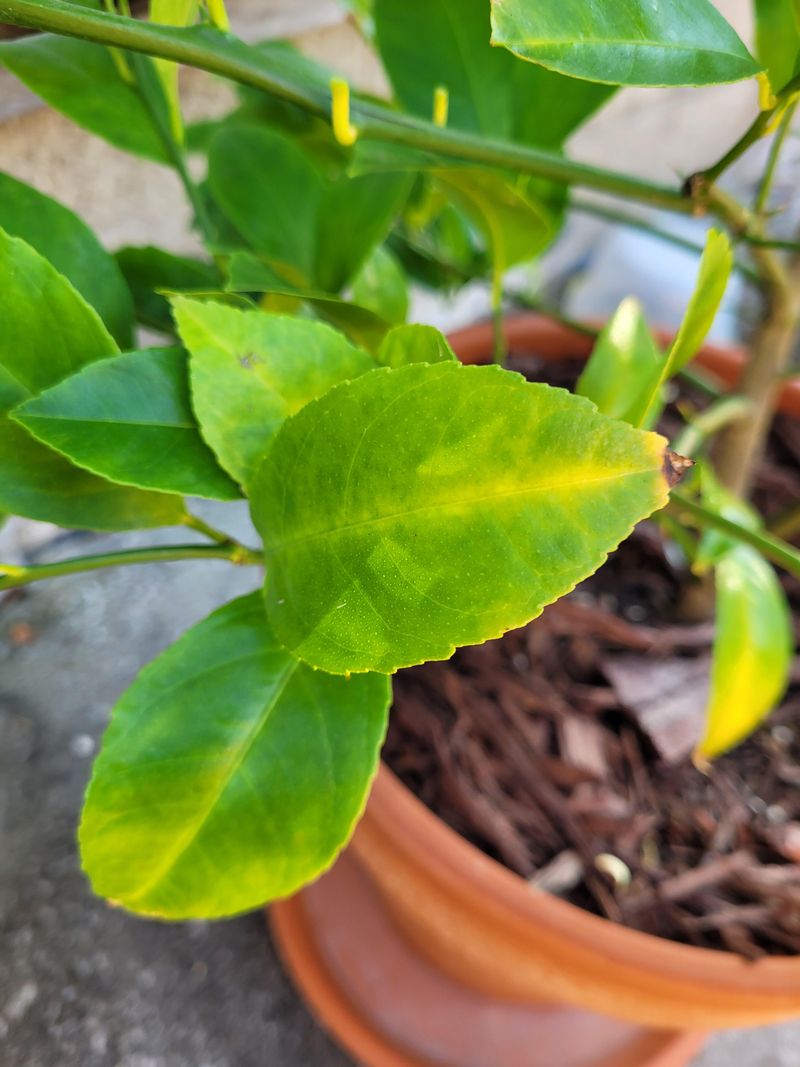
Leaf yellowing in citrus has many causes, and grabbing more fertilizer without knowing the actual reason can make things worse, not better.
Nitrogen deficiency does cause a general yellowing of older leaves, starting from the bottom of the tree.
But iron deficiency, which causes yellowing between the veins of new leaves while the veins stay green, is often triggered by high soil pH rather than a lack of iron in the soil.
Adding more fertilizer does nothing to fix a pH problem. In fact, some fertilizers can shift pH further in the wrong direction.
Overwatering is another common cause of yellow leaves in California citrus.
Wet, poorly drained soil limits oxygen to the roots, which reduces the tree’s ability to absorb nutrients even when those nutrients are present.
A tree sitting in soggy soil can look nutrient-starved while actually being overfed and overwatered at the same time.
UC IPM recommends diagnosing the actual cause of leaf yellowing before applying any amendment.
A simple soil test or a leaf tissue test can reveal what is really going on.
Treating symptoms without understanding the cause is a citrus care trap that is easy to fall into and hard to climb out of.
6. Water Stress Copies Hunger
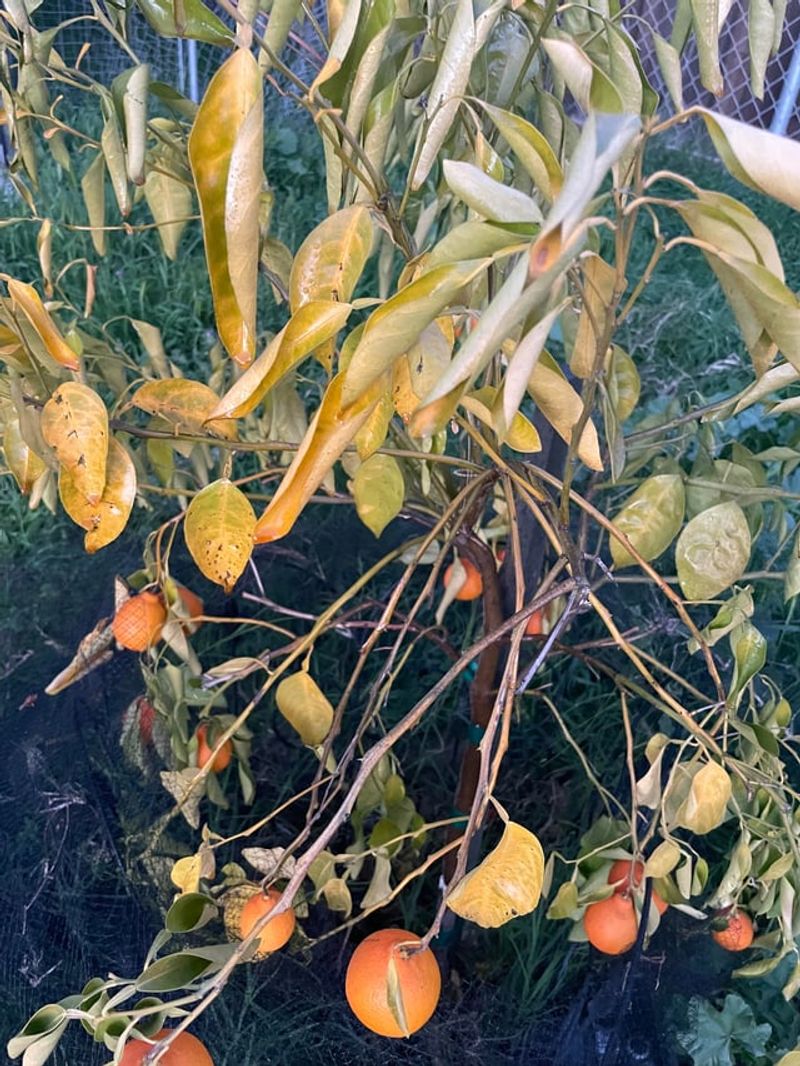
Dry roots have a way of making a tree look hungry even when the soil is full of nutrients.
Water stress is one of the most convincing impostors in the citrus garden, and California summers give it plenty of opportunity to show up.
When a citrus tree does not get enough consistent water, its roots cannot move nutrients from the soil into the plant, no matter how much fertilizer has been applied.
The symptoms of water stress and nutrient deficiency overlap in frustrating ways.
Leaves may yellow, curl, or drop. New growth may look pale or stunted.
A gardener who does not know to check soil moisture first might respond by adding more fertilizer, which does nothing to solve a water problem and can actually build up salt levels in already dry soil, making things worse for the roots.
Overwatering causes similar confusion from the other direction.
Waterlogged soil suffocates roots and shuts down nutrient uptake. A tree in waterlogged soil can show the same yellowing and poor growth as one that is starving for fertilizer, even though the problem is the opposite of drought.
Before reaching for fertilizer, check the soil moisture six to eight inches deep.
In California, citrus typically needs deep, infrequent watering rather than frequent shallow sprinkles.
Getting water right is step one, because nutrients cannot do their job in a tree that is thirsty or drowning.
7. Container Trees Need Smaller Doses
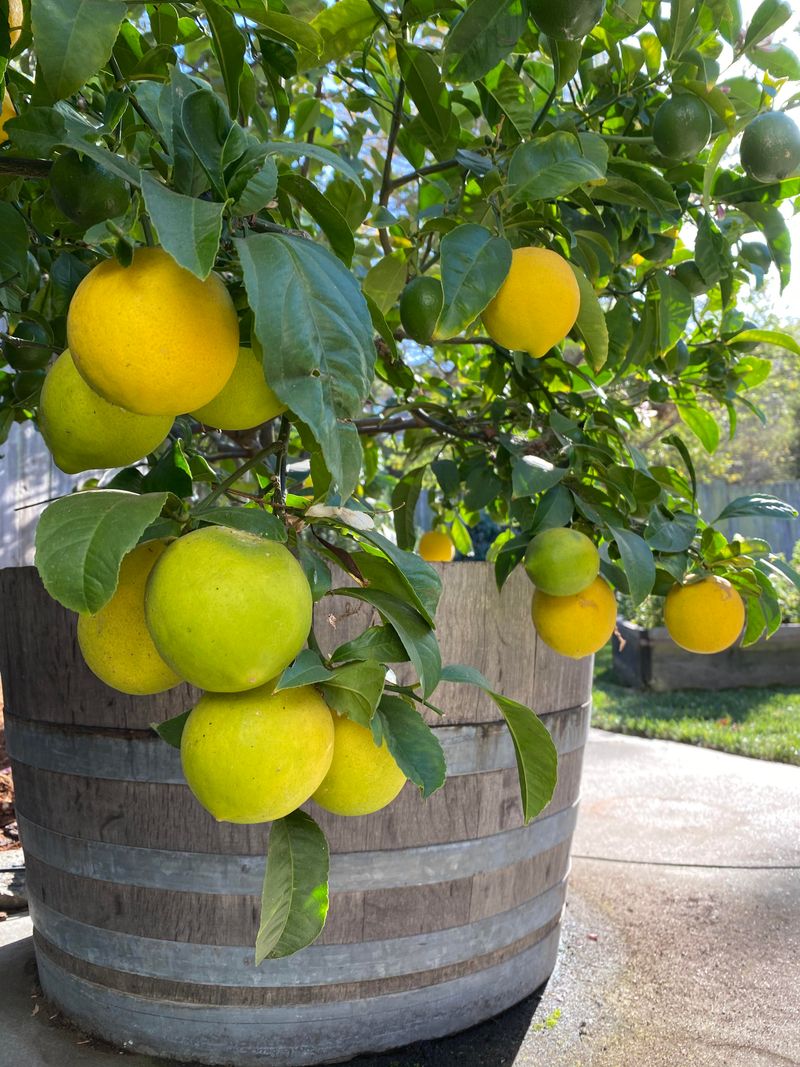
A citrus tree in a pot is not the same as one growing in a yard, and feeding it like a ground-planted tree is a recipe for trouble.
Container citrus is one of the most popular choices for California patios and balconies, but the confined root space and limited soil volume change everything about how nutrients behave.
Pots hold far less soil than the ground, which means nutrients concentrate quickly.
When you water a container tree, which needs to happen more often than in-ground trees because pots dry out faster, excess fertilizer salts can build up in the limited soil volume.
High salt levels burn roots and cause tip burn on leaves. The tree may look stressed even though it has been fed regularly.
Frequent watering also leaches nutrients out of the pot faster than ground soil holds them.
This creates a cycle where the tree gets hit with concentrated fertilizer, then has nutrients washed away before they can be fully used.
Smaller, more frequent doses of a balanced fertilizer work much better for container citrus than large, infrequent applications.
UC ANR recommends using fertilizers formulated for container use and following label rates carefully.
Flushing the pot with plain water every few weeks helps clear built-up salts.
Container citrus can be wonderfully productive, but it rewards a lighter, more attentive hand at feeding time.
8. Soil Tests Beat Aisle Panic
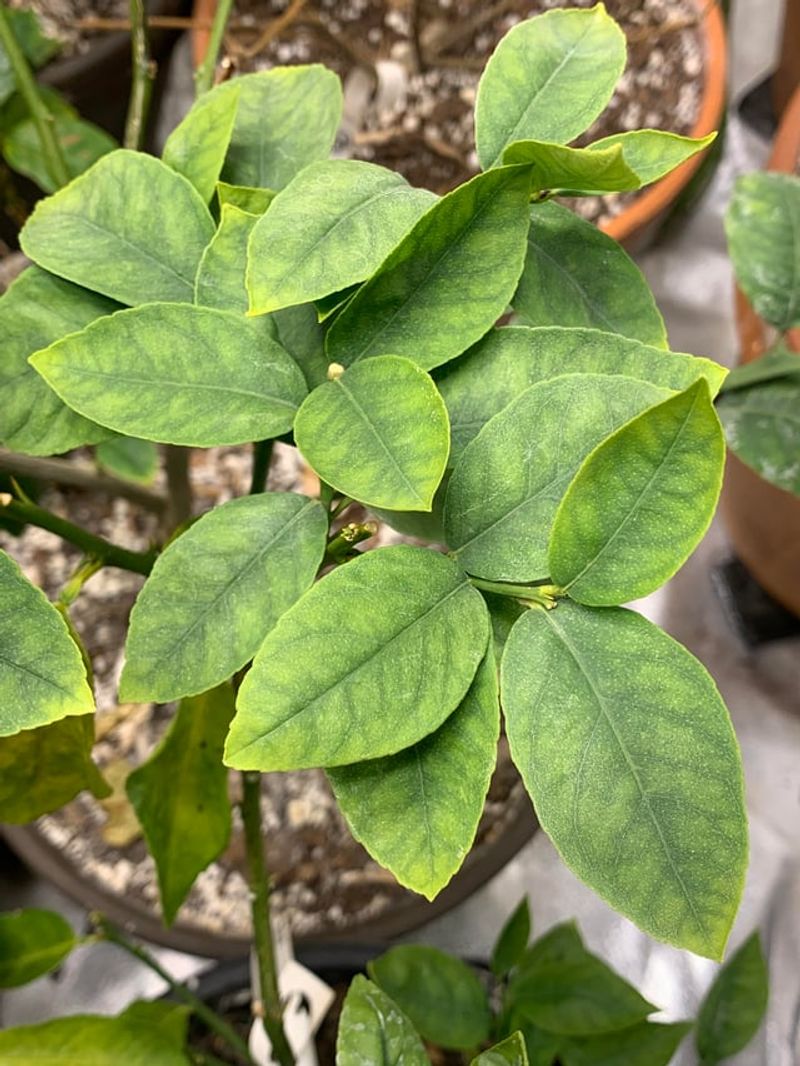
Standing in the garden supply aisle staring at a wall of fertilizers, sulfur bags, and micronutrient sprays is a familiar California gardener moment.
The temptation is to grab something, anything, and apply it.
But buying amendments without knowing what your soil actually needs is expensive guessing, and it often leads to overfeeding the things that are already fine while missing what is actually low.
A soil test takes the guesswork out of the equation.
For around twenty to thirty dollars, a basic soil test from a certified lab tells you your pH, organic matter level, and key nutrient concentrations.
That information tells you whether your citrus actually needs nitrogen, or whether it needs better drainage, a pH adjustment, or simply more consistent water.
UC IPM strongly recommends testing before applying sulfur or micronutrient products, since adding what is not needed can create new imbalances.
Leaf tissue testing goes one step further by showing what the tree has actually absorbed, not just what is in the soil.
This is especially useful when visible symptoms like yellowing or poor growth are hard to diagnose by eye alone.
UC Cooperative Extension offices across California can help you collect samples correctly and interpret results.
Testing once every two to three years gives you a running picture of how your soil is changing over time.
It also saves money by preventing unnecessary purchases.
The best fertilizing decision is often the one you make after reading a test, not after panicking in the aisle.