Why Your California Hydrangeas Are Drooping During This Week’s Heat (And What To Do)
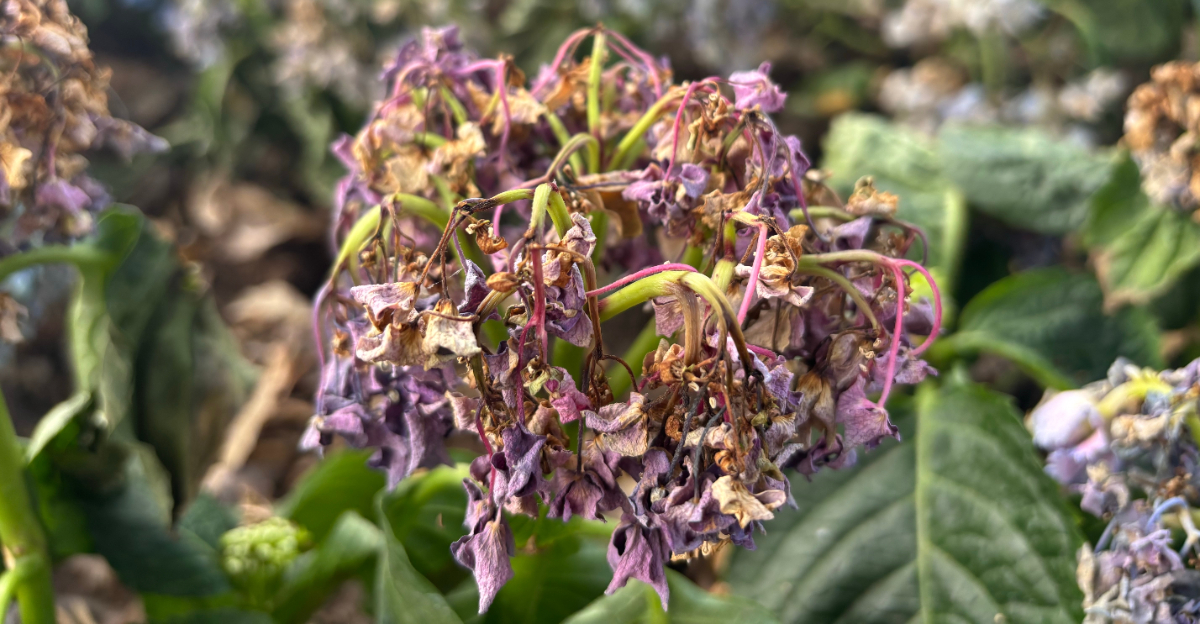
California hydrangeas can be dramatic on a normal day, but add this week’s heat and suddenly they’re flopping like they just heard bad news.
Those big, leafy shrubs lose water fast when temperatures spike, especially when afternoon sun, dry soil, hot wind, or reflected heat from pavement join the party.
One minute your blooms look cottage-garden perfect, and the next they look personally betrayed by the forecast. The good news?
Drooping does not always mean your hydrangea is giving up. Sometimes it is just stressed, thirsty, or trying to protect itself until cooler evening temps roll in.
But there is a right way to help, and panic-watering at noon is not always the move. With a few smart fixes, like deep watering, quick shade, mulch, and careful pruning restraint, your hydrangeas can perk back up instead of turning into crispy yard confetti.
1. Heat Wilt Is Not Always Drought
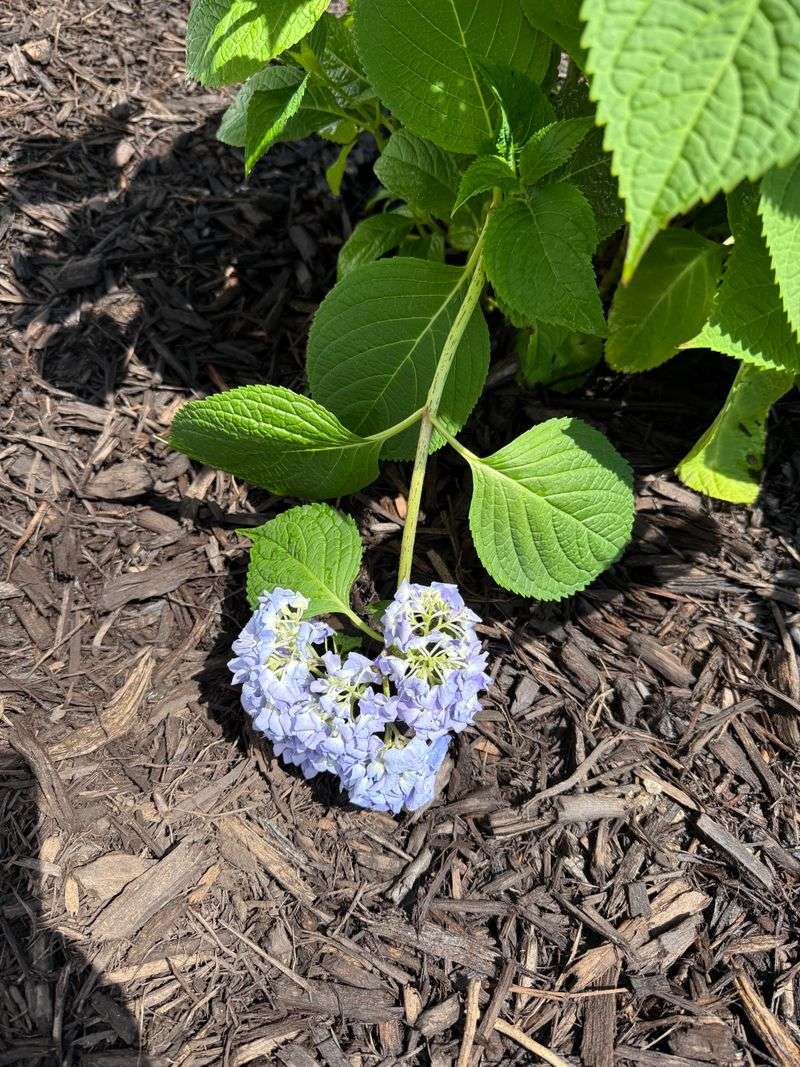
Sometimes a drooping hydrangea has nothing to do with dry soil. Heat wilt is a real thing, and it happens when temperatures rise so fast that a plant loses water through its leaves faster than its roots can pull it up.
Even if you watered yesterday, your hydrangeas can still look completely defeated by early afternoon.
This kind of wilt is actually a survival response. The plant is closing down its leaf pores to slow water loss.
It is not a sign that you did something wrong. Many gardeners panic and immediately drench the soil, which can actually cause problems if the ground is already moist.
Before you water again, stick your finger two inches into the soil. If it still feels damp, hold off.
The plant is likely just reacting to the air temperature and will perk back up once the sun drops. Check again in the early evening.
Heat wilt usually disappears on its own by nightfall. If your hydrangea looks fine in the morning and droops again by midday, that is a classic pattern of heat wilt rather than drought.
Understanding this difference helps you avoid overwatering, which is one of the most common mistakes gardeners make during a heat wave in California.
2. Big Leaves Lose Water Fast
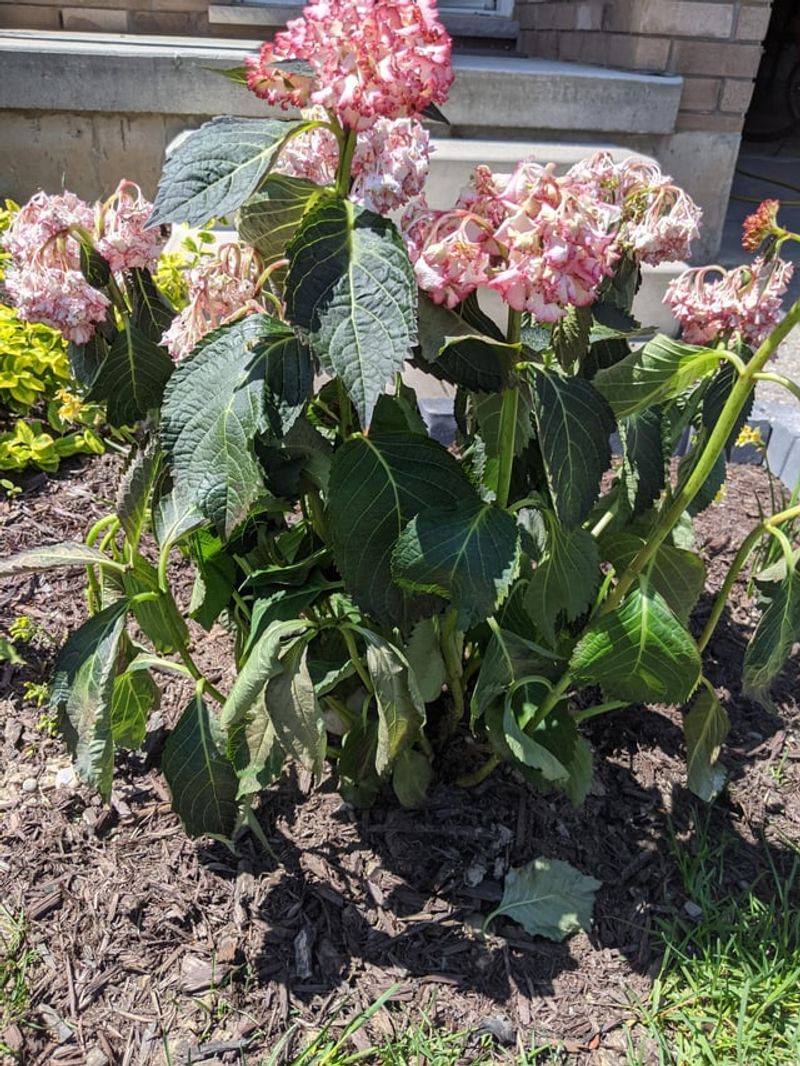
One look at a hydrangea leaf and you can see the problem right away. Those broad, flat leaves are beautiful, but they act like solar panels soaking up heat and losing moisture at a rapid rate.
Compared to narrow-leafed plants like rosemary or lavender, hydrangeas are at a serious disadvantage when the temperature spikes.
A process called transpiration is happening constantly inside every leaf. Water moves up from the roots, travels through the stems, and eventually exits through tiny pores on the leaf surface.
On a hot, dry day with low humidity, that water evaporates almost instantly. The plant simply cannot keep up.
In coastal California areas, marine breezes help slow this process down. But in inland valleys, the Central Valley, and Southern California neighborhoods away from the coast, that dry heat hits fast and hard.
Hydrangeas planted in these zones need extra attention during heat waves.
Your California Garden Changes Every Week. Your Plan Should Too.
Gardening in California changes quickly throughout the season. Every Friday you’ll receive a simple weekly plan showing exactly what to plant, prune, fertilize, harvest, and protect so you never miss the right timing.
One thing you can do is mist the leaves in the early morning, before the heat kicks in. This gives the leaves a little buffer as temperatures rise.
It is not a perfect fix, but it can reduce stress. Pairing this with deep watering and good mulch coverage makes a noticeable difference for your plants during the hottest stretch of summer.
3. Afternoon Sun Hits Hydrangeas Hard
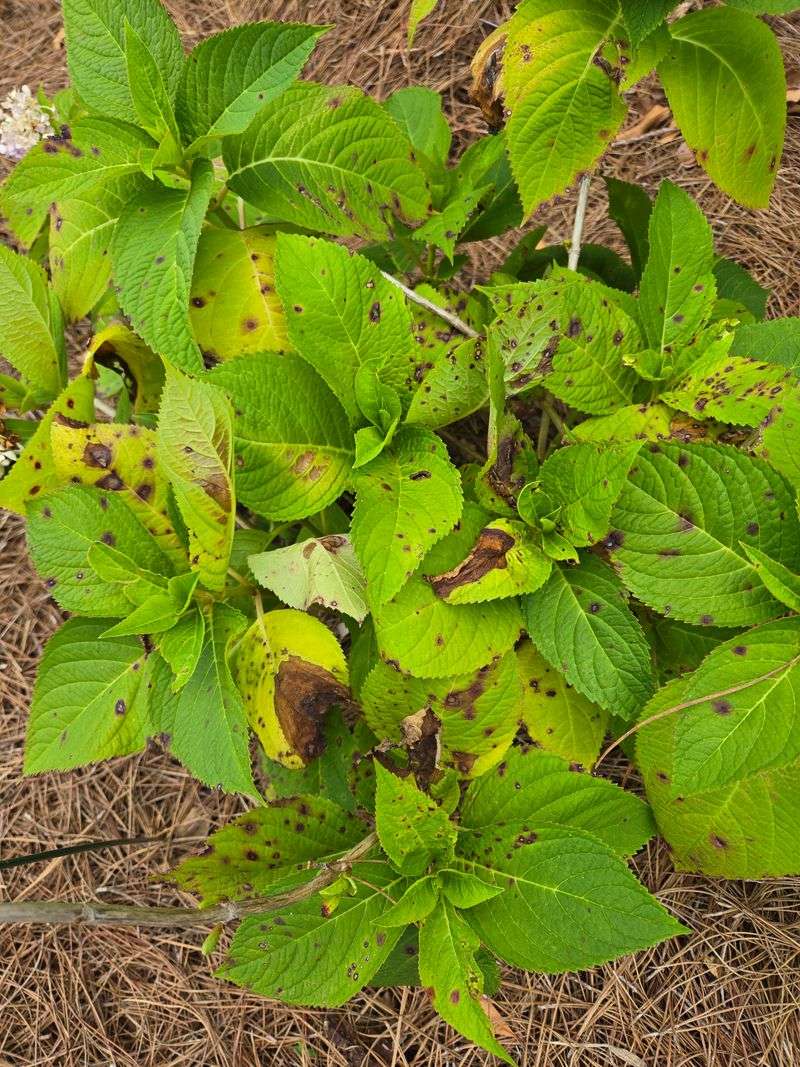
Not all sunlight is created equal. Morning sun is gentle and gives plants the light energy they need without the brutal heat that comes later in the day.
Afternoon sun, especially from 1 p.m. to 5 p.m. in summer, is a different story entirely. It is hotter, more direct, and much harder on moisture-sensitive plants like hydrangeas.
If your plants are positioned on a west-facing wall or in an open area with no afternoon shade, they are getting hit the hardest.
The combination of hot air, intense light, and radiant heat bouncing off fences or pavement can push leaf temperatures well above the air temperature. That is a tough situation for any plant.
Repositioning an established shrub is not always practical, but you can work with what you have. Temporary shade cloth stretched over a simple frame can block 30 to 50 percent of the afternoon sun.
Even a patio umbrella placed nearby offers meaningful relief during a heat wave.
If you are planning new plantings, choose a spot that gets morning sun and dappled or full shade from noon onward. In northern regions of California, this might mean placing hydrangeas on the east side of a structure.
In hotter inland areas, afternoon shade is not just helpful, it is practically a requirement for these plants to stay healthy.
4. Potted Hydrangeas Dry Out First
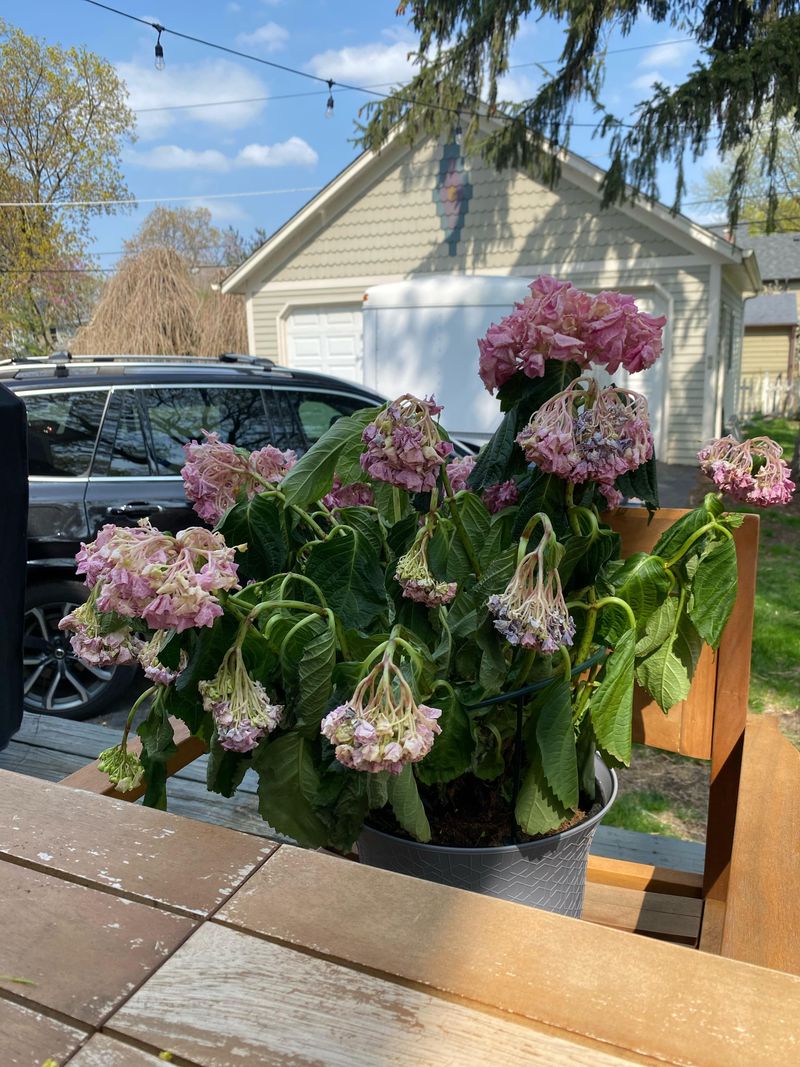
Container-grown hydrangeas face a much tougher challenge than those planted in the ground.
Pots heat up quickly in direct sun, and the limited soil volume dries out in just a few hours on a hot day.
What would take a full day to dry in a garden bed might be bone dry in a pot by noon.
The material of the pot matters too. Dark-colored plastic and metal containers absorb more heat and transfer it directly to the roots.
Terracotta breathes better but also dries faster. If your potted hydrangea is sitting on a concrete or stone surface, that surface is radiating additional heat from below, making things even harder.
During a heat wave, potted hydrangeas may need watering twice a day. Water thoroughly in the morning until it drains from the bottom, then check again in late afternoon.
If the top inch of soil is dry and the plant is drooping, water again. Do not let the pot sit in a saucer full of standing water for too long, though.
Moving the pot to a shaded spot during extreme heat is one of the easiest and most effective things you can do. A covered porch, the shadow of a large tree, or a shaded side yard can make a huge difference.
Pots give you flexibility that in-ground plants do not, so take advantage of that when a heat wave rolls through California.
5. Shallow Watering Makes Drooping Worse
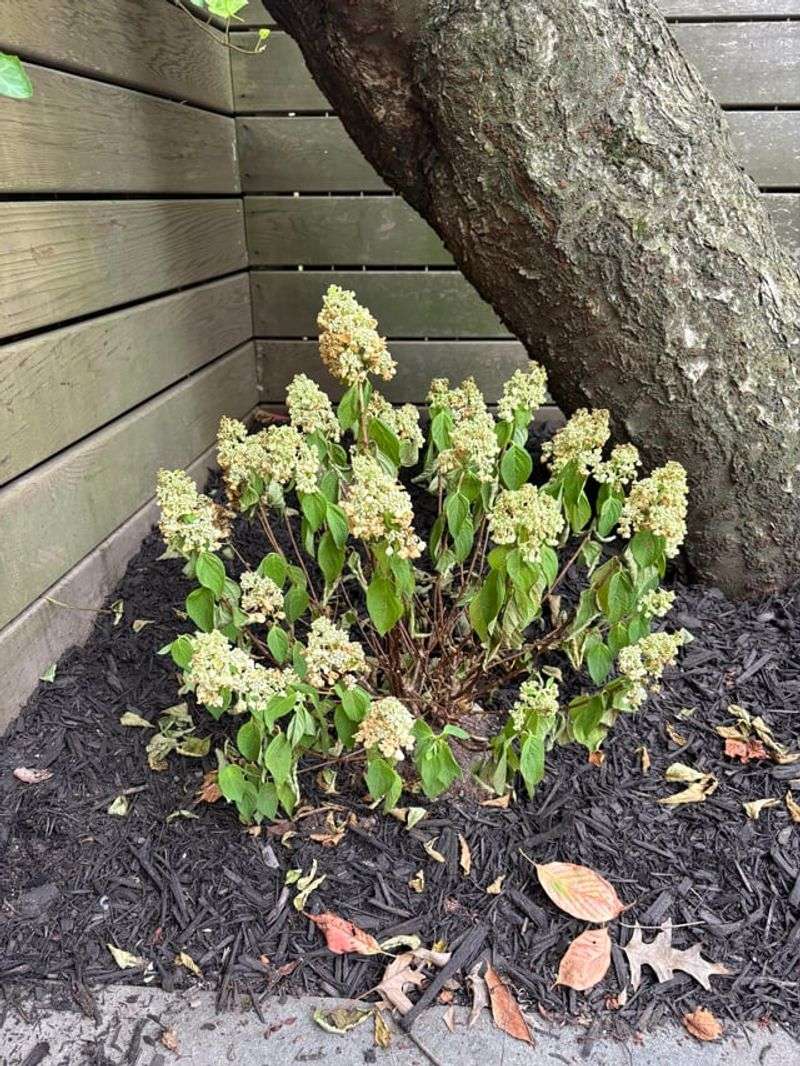
Quick, light watering might seem helpful during a heat wave, but it can actually make your hydrangea more vulnerable over time.
When only the top inch or two of soil gets wet, roots stay near the surface where temperatures are hottest and moisture evaporates fastest.
The plant never gets a chance to develop a deep, stable root system.
Deep watering encourages roots to grow further down into the soil where it stays cooler and holds moisture longer.
A good rule of thumb is to water slowly and long enough that moisture reaches at least six to eight inches below the surface.
You can check this by pushing a wooden skewer or thin stick into the soil after watering.
Drip irrigation is one of the best tools for this. A slow drip over 20 to 30 minutes gets water deep into the root zone without wasting it to evaporation.
If you are hand watering, count on at least three to five minutes per plant at a slow, steady flow from your hose.
Shallow watering also encourages fungal problems because the soil surface stays constantly damp while the deeper roots stay dry. This is the opposite of what you want.
Watering less frequently but more deeply produces stronger, more resilient plants that handle heat better. Adjust your habits now, and your hydrangeas will be noticeably more stable through the rest of summer.
6. Morning Watering Gives Roots A Chance
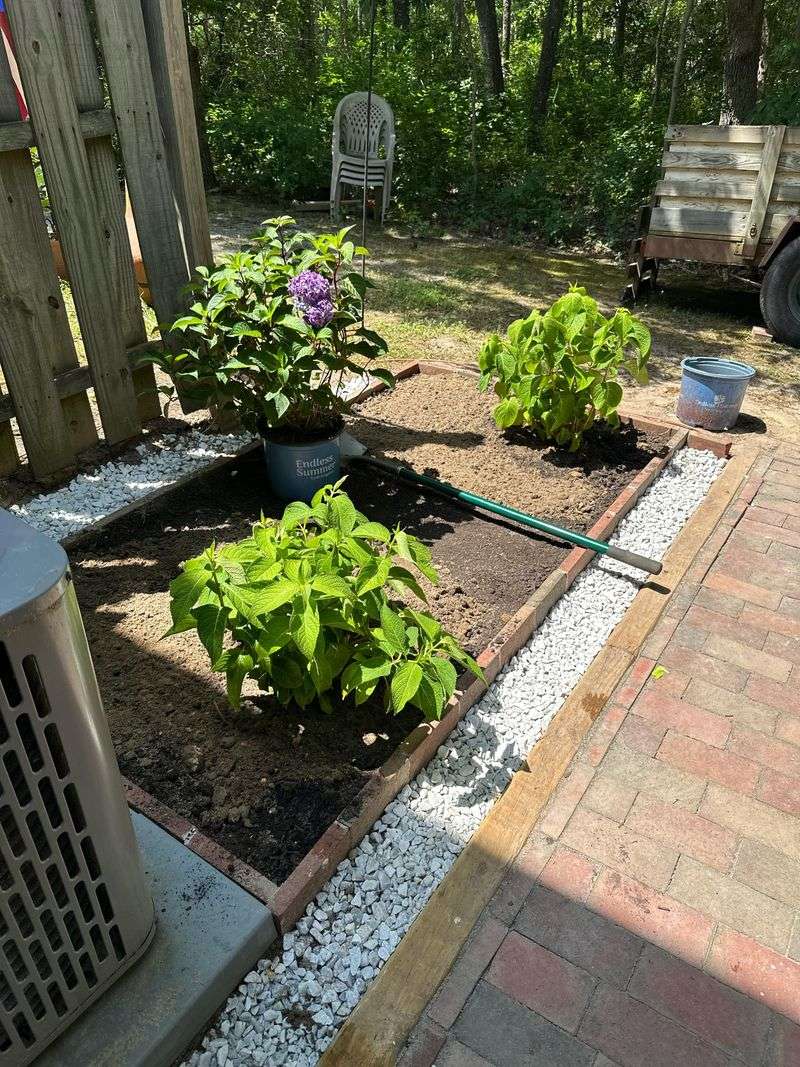
Timing your watering correctly is one of the simplest ways to help hydrangeas handle heat. Early morning, ideally before 9 a.m., is the best window.
The soil is still relatively cool, the sun has not yet peaked, and the water has time to soak deep into the root zone before evaporation kicks in.
Watering in the middle of the day wastes a surprising amount of water. Heat causes rapid evaporation from the soil surface, and you often end up wetting the leaves without the water ever reaching the roots.
Wet leaves in direct sun can also lead to minor leaf scorch in some cases.
Evening watering is better than midday, but it comes with its own risks. Leaves and soil that stay wet overnight can encourage mold and root issues, especially in areas where nights are warm and humid.
Morning watering avoids all of this by giving roots a full day to absorb moisture.
Try setting a simple timer on your outdoor spigot so the watering happens automatically before you are even awake.
This takes the guesswork out of it on busy mornings. During a heat wave, consistency matters more than anything else.
Hydrangeas that get regular, well-timed moisture recover faster and droop less throughout the hottest part of the week. Building this habit now pays off all season long.
7. Mulch Keeps Roots Cooler
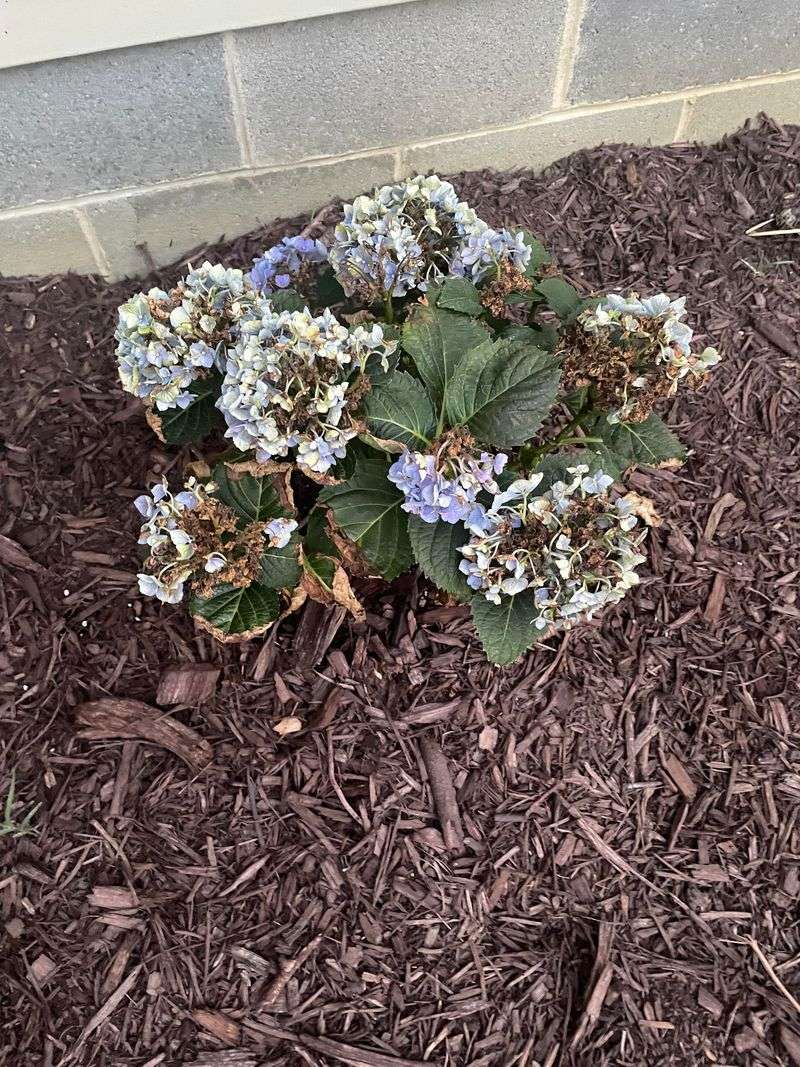
A thick layer of mulch around the base of your hydrangea is one of the most effective and underused tools in the garden.
Mulch acts like a blanket for the soil, blocking direct sun from hitting the ground and slowing down the rate at which moisture evaporates.
On a 95-degree day, mulched soil can be 10 to 15 degrees cooler than bare soil nearby.
Wood chips, shredded bark, and straw all work well. Aim for a layer about two to three inches thick spread out to the edge of the plant’s canopy.
Keep the mulch a few inches away from the main stem to prevent moisture from collecting right at the base, which can cause rot over time.
Fresh mulch also adds organic matter to the soil as it breaks down slowly. This improves soil structure and helps it hold water more efficiently.
Over time, well-mulched beds require less frequent watering because the soil simply does not dry out as fast.
If you have not mulched yet this season, now is the perfect time to start. A bag of wood chips from a local nursery or a free load from a tree trimming company can make a dramatic difference in how your garden handles the heat.
Your hydrangeas will show you the results within just a few days of mulching. It is one of those easy steps that delivers real, visible results fast.
8. Temporary Shade Can Save The Blooms
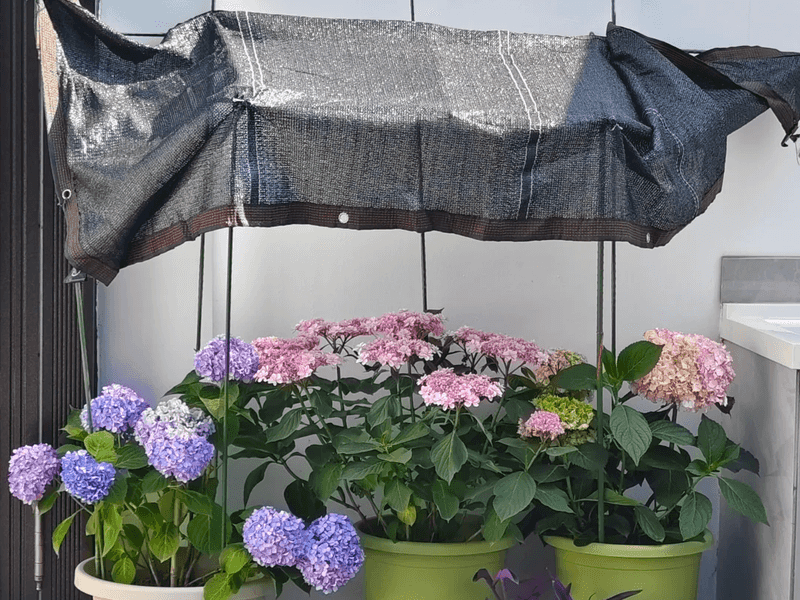
When a heat wave arrives fast and you cannot move your plants, bringing shade to them is the next best option.
Shade cloth is an affordable and practical solution that many California gardeners swear by during summer heat spikes.
It comes in various densities, and a 30 to 40 percent shade cloth is usually enough to take the edge off without blocking too much light.
You do not need a fancy setup. A few wooden stakes and some garden twine can hold a piece of shade cloth in place over your hydrangeas for the duration of the heat wave.
Even a bedsheet or light curtain panel draped loosely over the plant in the afternoon hours can provide real relief.
The goal is to reduce the intensity of direct sunlight hitting the leaves and blooms during peak heat hours. Hydrangea flowers are especially delicate and can go from vibrant to papery and brown in just a day or two of intense sun exposure.
Protecting them during extreme heat helps preserve both the plant and the blooms you have been waiting all season to enjoy.
Remove or loosen the shade cloth in the early morning so the plant still gets gentle sun. This keeps photosynthesis going normally.
Think of it as sunscreen for your garden. A little protection during the worst part of the day goes a long way toward keeping your hydrangeas looking their best through the tail end of summer.