These Texas Plants Need Shade Cloth Before The Heat Gets Meaner
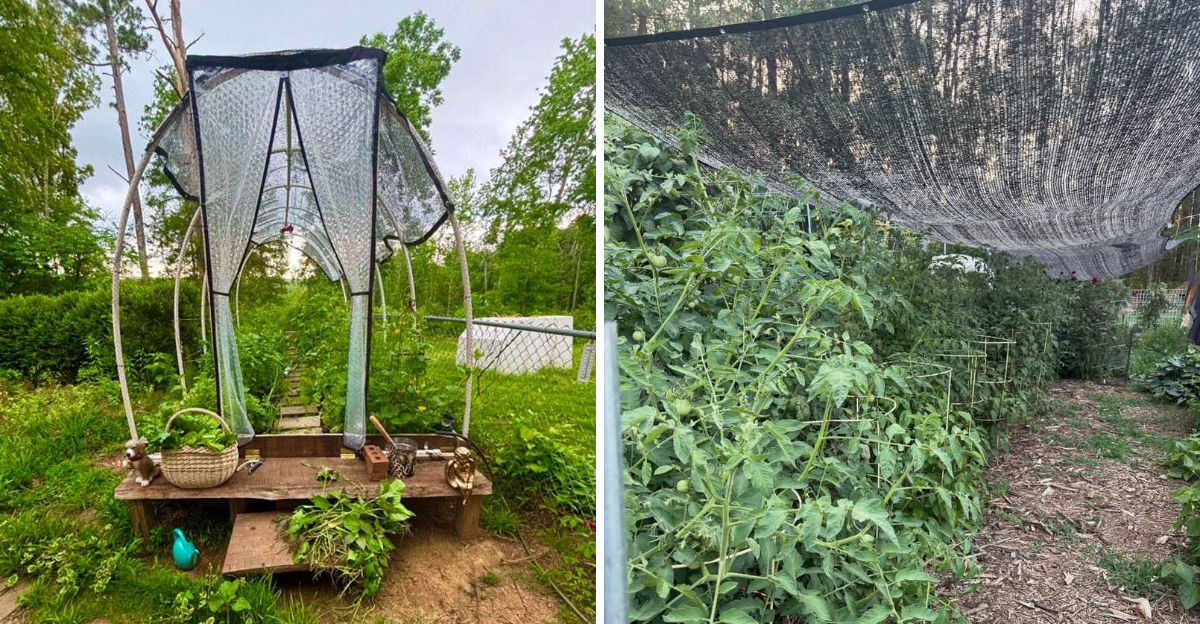
Texas July does not give garden plants a polite warning.
It shows up with triple digits, blazing afternoon sun, and soil that feels ready to bake bread by 2 p.m.
Tomato flowers drop. Cucumber leaves curl like taco shells. Basil bolts overnight with zero apology. Suddenly the garden that looked promising in June starts acting like it wants a transfer out of state.
That is when shade cloth becomes less of a bonus and more of a rescue plan.
The trick is timing.
Once leaves scorch and blossoms drop, the plant is already playing defense. Getting shade cloth up before the worst hours hit can keep production steadier, roots cooler, and tender growth from taking the full Texas blast.
So which plants need protection before the heat gets meaner?
Start with the ones that flower, fruit, wilt, bolt, or scorch fastest under afternoon sun. Shade cloth is not weakness.
It is summer strategy, and Texas gardens need every smart advantage they can get.
1. Tomatoes Need Afternoon Relief
A tomato flower dropping off the vine on a hot July afternoon is one of the most frustrating sights in a Texas garden.
Tomatoes stop setting fruit when daytime temperatures climb above 95 degrees Fahrenheit and nighttime temps stay above 75.
That is the reality for most of Texas from June through September, which means your plants are spending weeks in a stress zone where every bloom you see may never become a tomato.
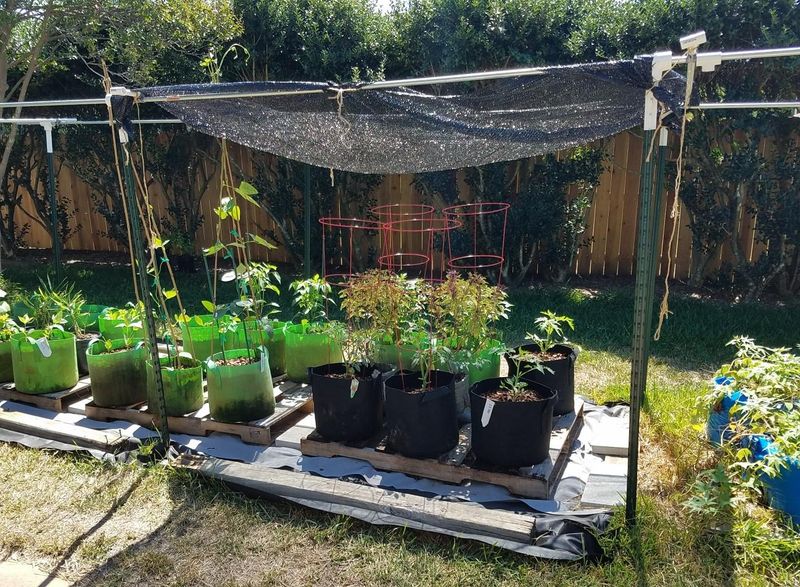
Shade cloth rated between 30 and 40 percent is the sweet spot for tomatoes.
You want to block the harshest afternoon rays without cutting off so much light that the plant slows down entirely.
Set up your frame on the west and southwest sides of the plant to intercept that brutal late-day sun that hammers Texas gardens from about 1 p.m. onward.
Tomatoes under shade cloth still need consistent watering.
Mulch at least three inches deep around the base to hold soil moisture and keep roots cooler. Check the soil every day during peak summer weeks.
Even with shade cloth in place, plants can struggle if the soil dries out between waterings.
Shade cloth reduces heat stress enough to help your plants push through the toughest stretch of summer and start setting fruit again once temperatures ease up in late September.
2. Peppers Need Bud Protection
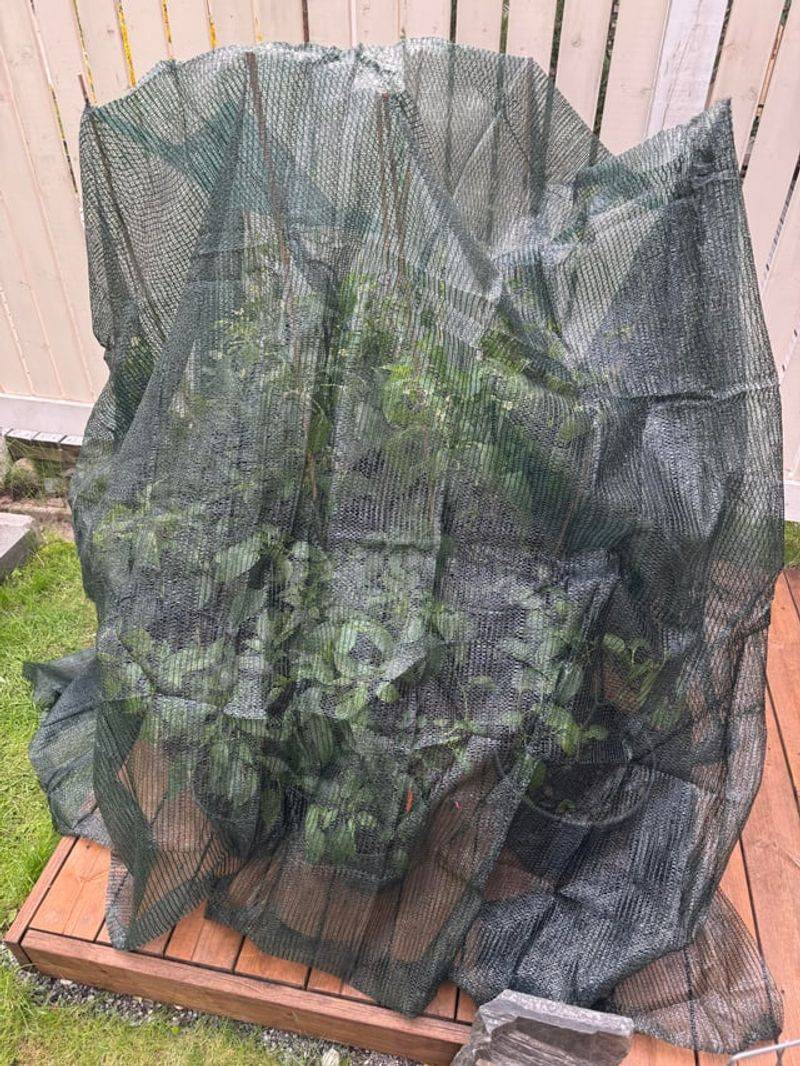
Clipping shade cloth over a pepper plant at noon feels urgent, and honestly, it is.
Peppers are known for being heat-lovers, but there is a line.
When temperatures push past 95 degrees Fahrenheit during the day and refuse to drop below 75 at night, pepper blossoms drop before they can set fruit.
Sunscald is another real problem, leaving pale, papery patches on fruit that was almost ready to pick.
A 30 percent shade cloth works well for most pepper varieties.
Bell peppers are more sensitive than hot peppers like jalapeños or serranos, so if you are growing sweet bells, prioritize them first.
Position your shade structure to filter the intense afternoon sun while still letting morning light reach the plants. Morning sun is gentler and helps with photosynthesis without cooking the leaves.
Your Texas Garden Changes Every Week. Your Plan Should Too.
Gardening in Texas changes quickly throughout the season. Every Friday you’ll receive a simple weekly plan showing exactly what to plant, prune, fertilize, harvest, and protect so you never miss the right timing.
Moisture consistency matters just as much as shade.
Peppers under heat stress need steady soil moisture because dry spells cause blossom drop faster than almost anything else.
Water deeply two to three times per week rather than sprinkling lightly every day. Deep watering encourages roots to grow downward where soil stays cooler.
Add a thick layer of straw or wood chip mulch to lock in that moisture between waterings.
With shade cloth and smart watering habits, your pepper plants can hold on through the roughest Texas summer weeks and reward you with a strong fall harvest when cooler air finally returns.
3. Cucumbers Need Trellis Shade
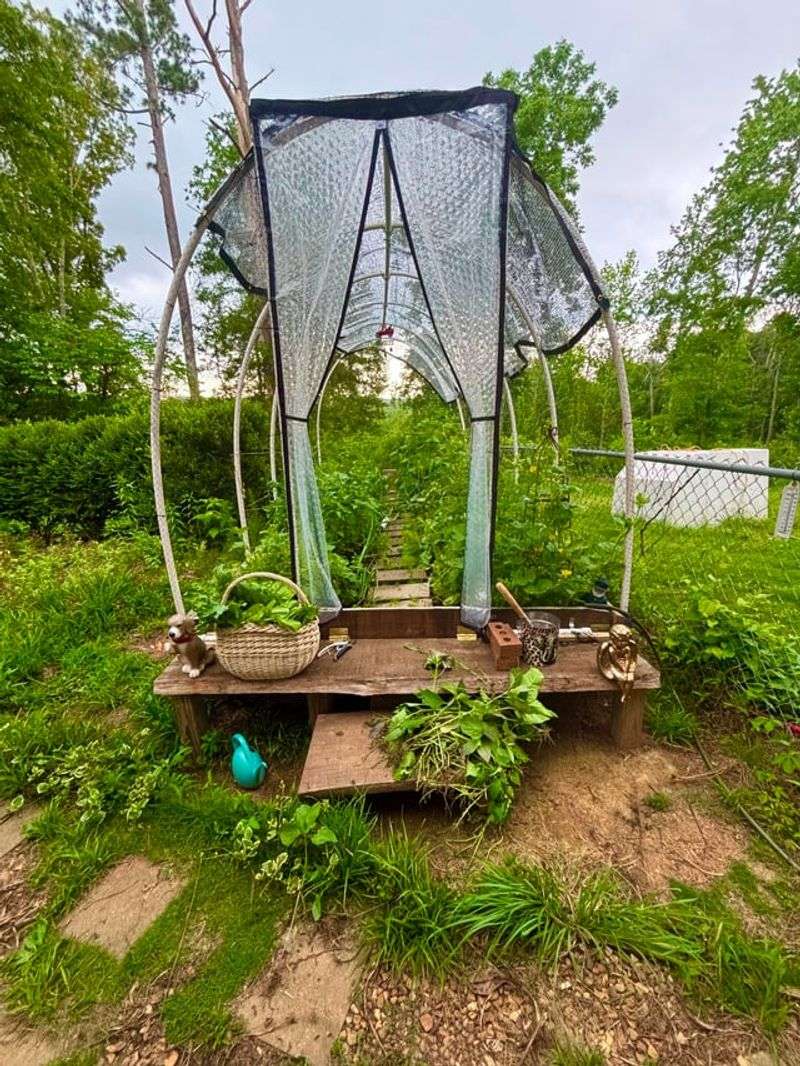
A cucumber leaf curling inward like it is trying to protect itself from the sun is exactly what happens when vines are growing on a metal or dark-colored trellis in full Texas sun.
The trellis absorbs heat and radiates it directly back onto the plant, creating a microclimate that can reach temperatures well above the surrounding air.
Cucumbers are thirsty, fast-growing plants that struggle badly when heat and trellis exposure combine.
Draping shade cloth directly over the trellis serves two purposes at once.
It shields the leaves from direct sun exposure and also cools down the trellis surface itself.
A 30 to 40 percent shade cloth draped loosely over the top and west-facing side of the trellis can make a noticeable difference in how quickly leaves wilt during afternoon hours.
Cucumbers also need consistent moisture more than almost any other summer vegetable.
A plant that is wilting by noon and recovering by evening is still under significant stress, even if it looks fine the next morning. That repeated stress cycle reduces fruit production and shortens the life of the plant considerably.
Water cucumbers at the base, not overhead, to avoid fungal issues. Keep soil moist but not waterlogged.
With trellis shade in place and a solid watering routine, cucumbers can keep producing through much of July and into August before the heat finally overtakes them for the season.
4. Squash Needs Leaf Relief
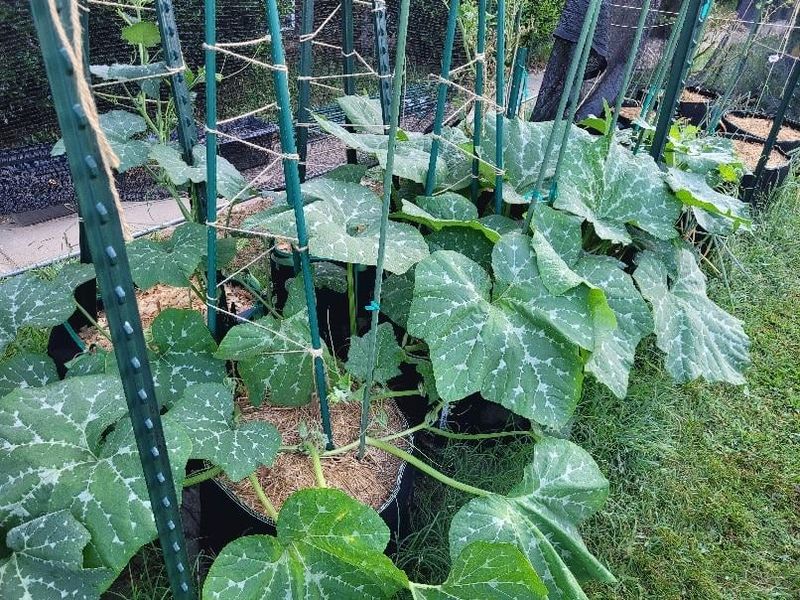
Squash plants have enormous leaves for a reason.
Those big, broad leaves are designed to capture sunlight and shade the soil below, keeping roots cooler and reducing moisture loss.
But when Texas summer hits full force, those same leaves become heat collectors that sag dramatically by midday.
A squash plant that looks perfectly fine at 8 a.m. can look completely exhausted by noon, and that midday stress adds up over weeks.
The goal with squash is not to block all the light.
Squash still needs plenty of sun to produce fruit, and too much shade can slow growth and invite powdery mildew.
A lighter 20 to 30 percent shade cloth placed above the canopy, not draped directly on the leaves, is the right approach.
This creates a filtered light environment that takes the edge off without cutting the plant off from the energy it needs.
Good airflow under the shade cloth matters too.
Squash is prone to powdery mildew, and a hot, stuffy environment under dense cloth can make that problem worse. Leave the sides open so air can move through freely.
Water squash deeply and consistently, focusing on the root zone rather than the foliage.
Squash plants under shade cloth with good airflow and consistent moisture can keep producing through the toughest summer weeks, which is a genuine surprise to gardeners who have never tried protecting them this way.
5. Eggplant Needs Gentle Cover
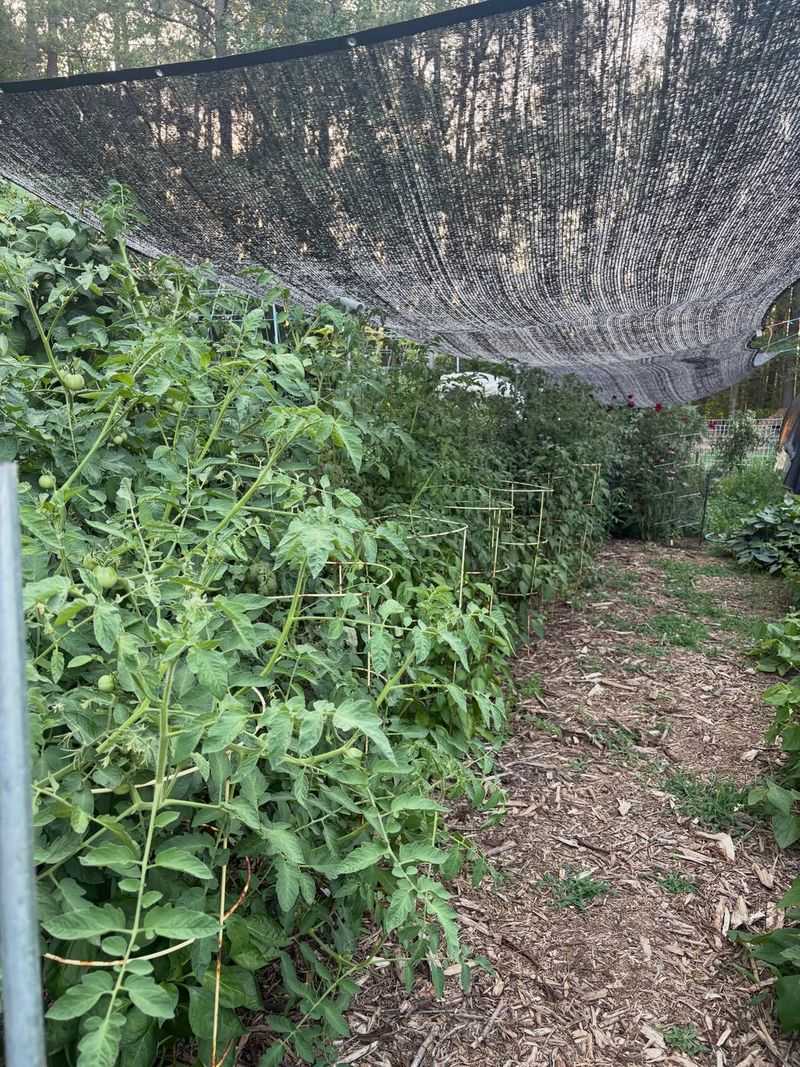
Eggplant has a reputation for being tough, and it earns that reputation in a lot of climates.
Texas summer, though, has a way of humbling even the most heat-tolerant vegetables.
Eggplant can handle high temperatures better than tomatoes or cucumbers, but once the thermometer climbs past 95 degrees consistently, flower set slows down, leaves can show scorch marks along the edges, and fruit production stalls out just when you expected it to pick up.
A light shade cloth in the 20 to 30 percent range is usually enough for eggplant.
You do not want to over-shade this plant. Eggplant loves sun and uses it well, so the goal is to soften the harshest afternoon exposure rather than block it entirely.
Focus your shade cloth setup on the west side of the plant where late-afternoon sun strikes hardest and longest.
Leaf scorch on eggplant often shows up as brown or tan patches along the outer edges of leaves.
Getting shade cloth up before scorch appears is always better than reacting after the fact.
Keep the soil consistently moist because eggplant roots are sensitive to drought stress during flowering.
A two to three inch layer of mulch helps maintain soil temperature and moisture between waterings.
Eggplant that gets a little afternoon shade during peak summer weeks tends to bounce back faster and produce more reliably into the fall season.
6. Basil Needs A Cooler Corner
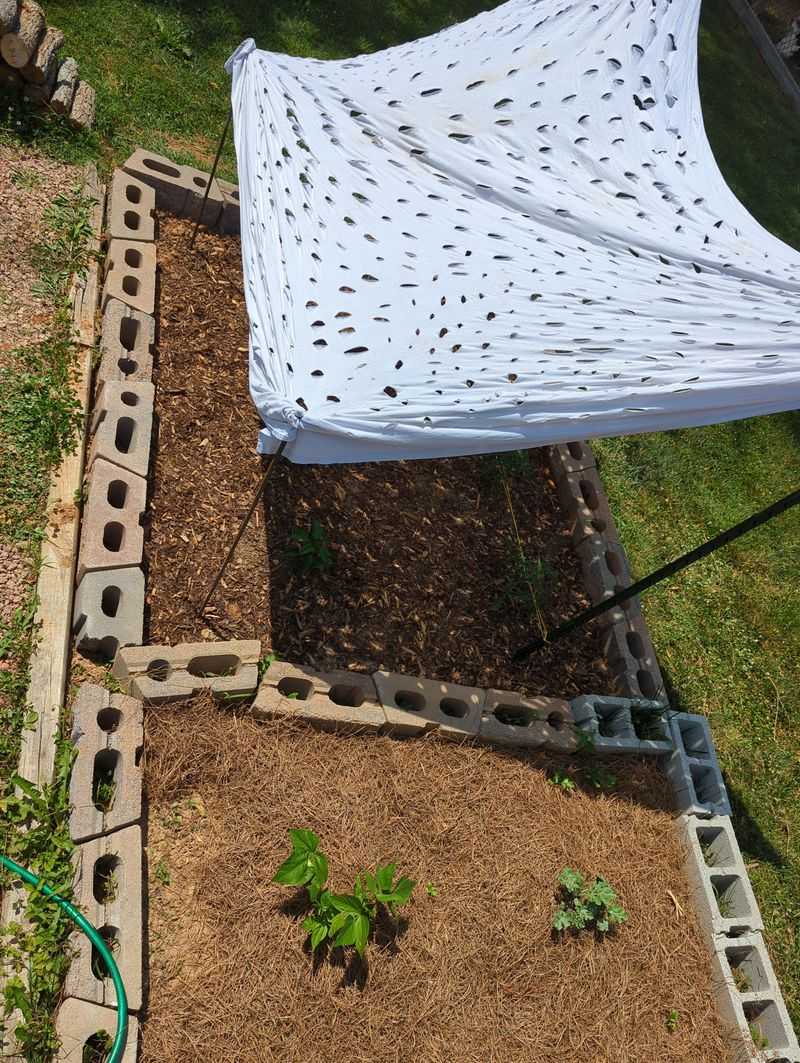
A basil plant bolting is almost heartbreaking if you have been tending it carefully all season.
One week the leaves are lush, fragrant, and perfect for pesto. The next week the plant has shot up a flower stalk and the leaves have turned small, bitter, and tough.
Bolting in basil is triggered by heat, long days, and stress, and Texas summer delivers all three at the same time with zero apology.
Afternoon shade is one of the most effective ways to slow bolting and keep basil leaves large and flavorful longer into the season.
A spot that gets morning sun and is shaded from about noon onward is ideal.
If your garden does not have a natural shady corner, a 30 to 40 percent shade cloth over the herb bed during afternoon hours can replicate that effect and give your basil a much-needed break from the intensity.
Pinching off flower stalks as soon as they appear also helps delay bolting.
Do this regularly, every few days during peak summer, and your basil will redirect energy back into leaf production instead of going to seed.
Keep soil consistently moist because dry soil speeds up the bolting process significantly.
Basil in a cooler, shaded corner with regular pinching and steady moisture can keep producing quality leaves well into August in Texas, which is a genuine win given how punishing the summer conditions can be for this beloved herb.
7. Lettuce Needs Emergency Shade
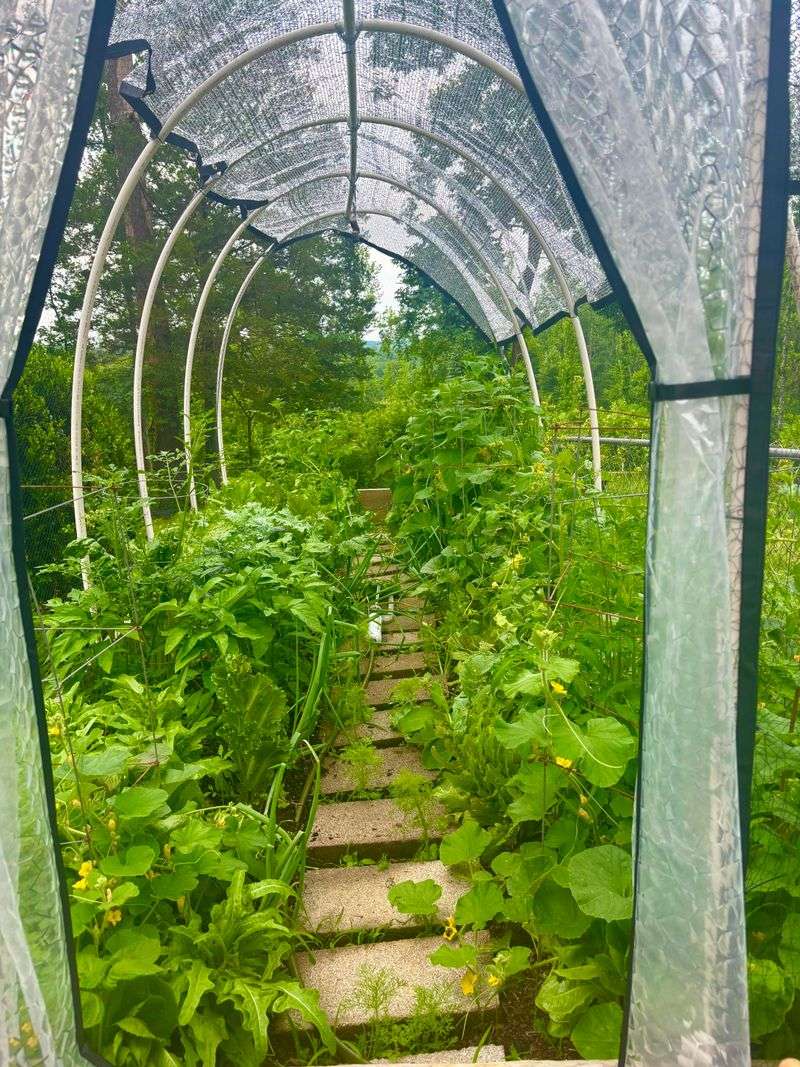
Lettuce is not built for a Texas summer, and it knows it.
The moment soil temperatures climb and day length stretches out, lettuce shifts into survival mode, sending up a bitter flower stalk and abandoning leaf production entirely.
If you planted lettuce in early spring and it is still alive in July, you are working with borrowed time, and emergency shade cloth is the only real tool that buys you more of it.
A 40 to 50 percent shade cloth is appropriate for lettuce because it needs more protection than most vegetables.
Lettuce leaves are thin, delicate, and burn quickly under direct Texas sun. Without significant shade during afternoon hours, leaves turn bitter, yellow at the edges, and eventually stop being worth harvesting at all.
Getting shade cloth up fast, before full bolting begins, can extend your harvest window by two to three weeks in some cases.
Water lettuce frequently and keep soil consistently moist.
Shallow roots dry out fast, especially in raised beds where soil heats up quickly.
Harvest outer leaves regularly rather than waiting for full heads, because frequent harvesting encourages the plant to keep producing fresh growth.
Plant a new round of lettuce seeds in late August to early September for a fall crop once temperatures begin to ease back down across Texas.
8. Swiss Chard Needs A Break
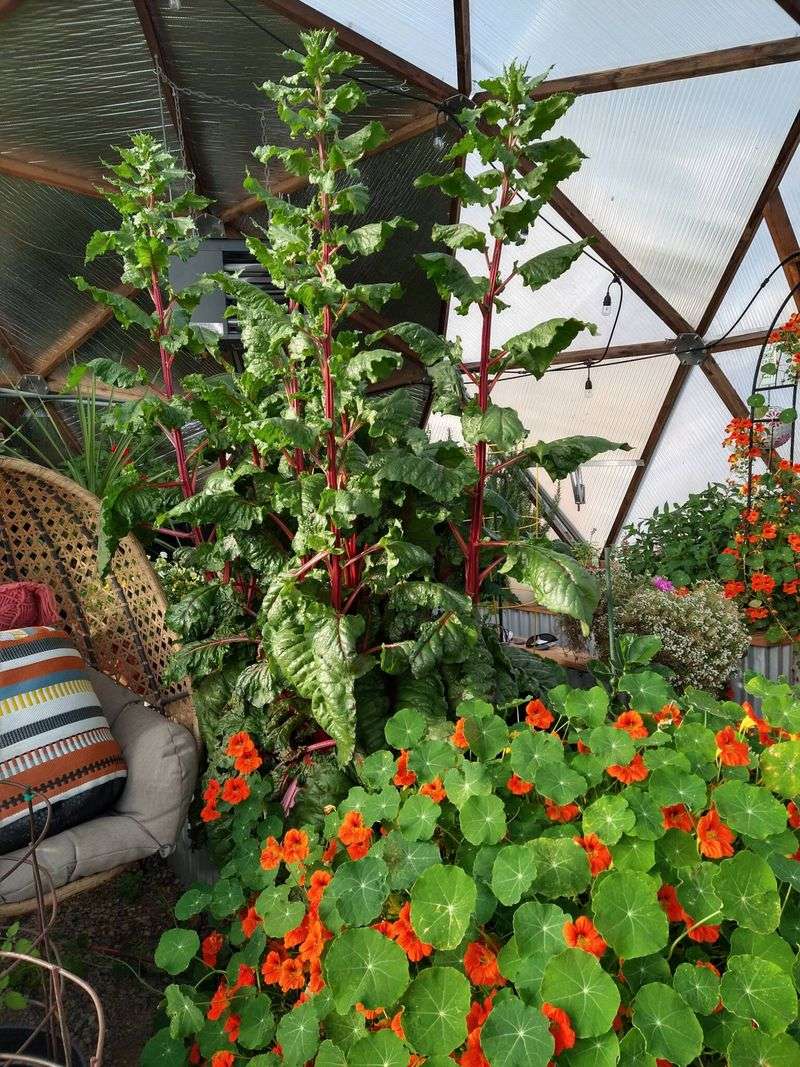
Swiss chard is genuinely one of the toughest leafy greens you can grow in a Texas garden, and that toughness is exactly why gardeners sometimes push it too hard during summer.
Chard will keep standing when spinach and arugula have long since given up, but standing and thriving are two very different things.
During peak Texas heat, chard leaves can become thick, slightly bitter, and prone to wilting by early afternoon even when the soil is moist.
A 30 to 40 percent shade cloth positioned to block afternoon sun can extend the quality of your chard harvest significantly.
The plant does not need full shade. Too much shade causes the stems to become leggy and the leaves to lose some of their vibrant color.
Filtered afternoon light is the sweet spot, letting the plant photosynthesize efficiently in the morning and rest a bit during the harshest afternoon hours.
Harvest chard leaves regularly from the outside of the plant inward.
Frequent harvesting keeps the plant productive and prevents older leaves from sitting on the plant too long in the heat, which accelerates bitterness.
Water deeply and consistently, and keep a thick mulch layer around the base to hold soil moisture.
With filtered afternoon shade and a consistent harvest routine, Swiss chard can stay productive and genuinely enjoyable to eat well into August and even September in most parts of Texas.
That kind of staying power is worth protecting.