These Native Texas Plants Practically Grow Themselves In Reflected Heat Near Foundations
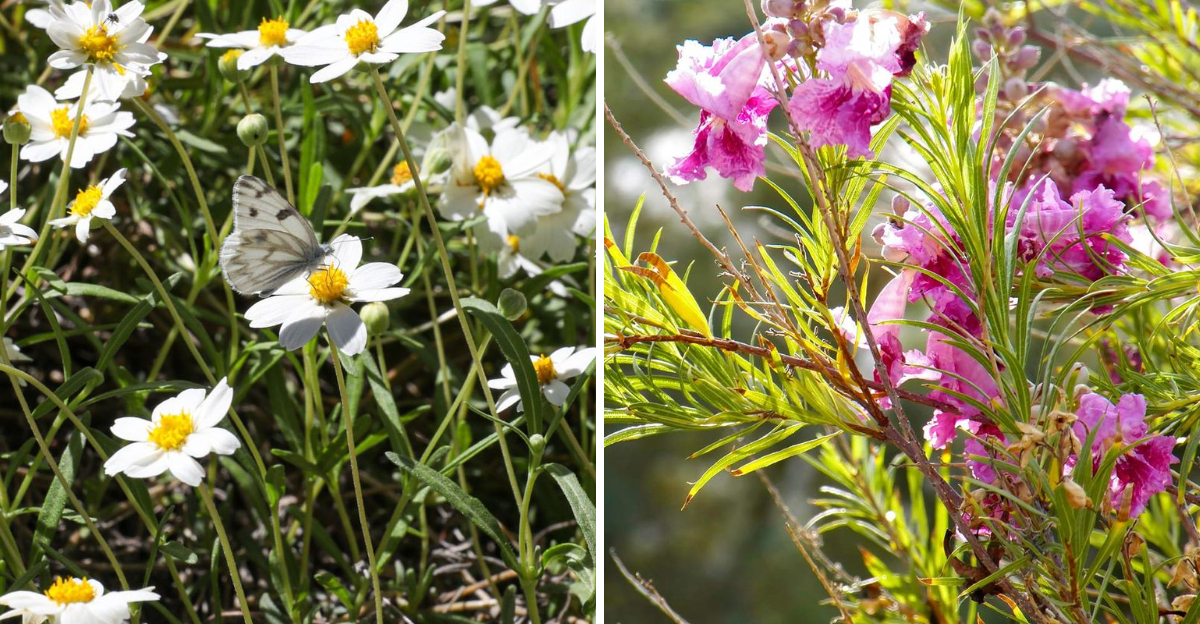
The strip of ground running along a Texas foundation during summer is one of the most hostile growing environments in any residential landscape.
Reflected heat off the wall and surrounding hardscape pushes temperatures well above what the open yard experiences.
The soil tends to be dry and compacted from roof overhang blocking rain, and the combination of those factors eliminates most conventional plant choices before they have a chance to establish.
Yet this zone is also one of the most visible parts of a home’s exterior, which means bare or struggling plants there make an impression for all the wrong reasons.
Texas native plants selected specifically for these conditions change that equation entirely, settling into the heat and dry soil with a resilience that non-native ornamentals almost never match near a foundation.
Several of them fill in quickly, require no supplemental watering once established, and bring enough color or texture to make the foundation planting look intentional through even the most brutal stretch of summer.
1. Texas Sage
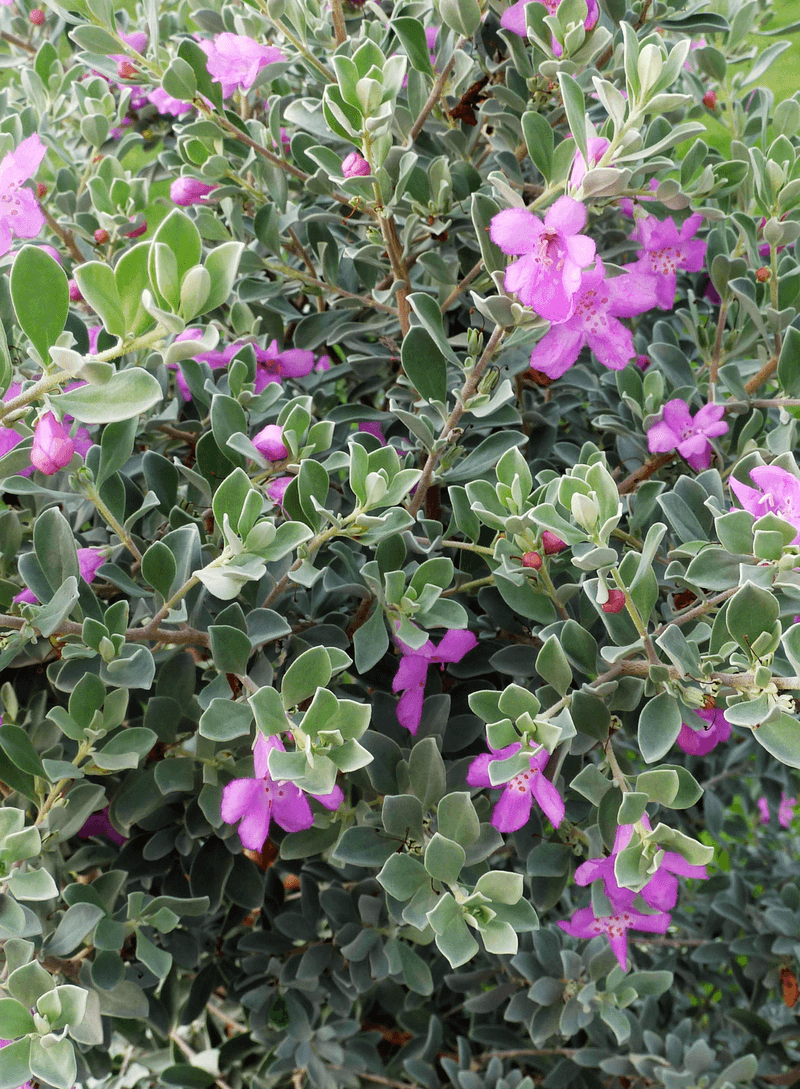
Walk past a Texas Sage after a good rain and you will understand why locals call it the barometer bush.
This tough evergreen shrub seems to sense moisture in the air and bursts into a cloud of purple blooms almost overnight. It is one of the most reliable flowering shrubs you can plant near a hot foundation.
Texas Sage grows naturally in the rocky, dry soils of West Texas and northern Mexico. That background makes it perfectly suited for the intense reflected heat that bounces off brick and concrete walls.
The silvery-gray leaves are actually coated in tiny hairs that help the plant hold moisture and deflect harsh sunlight. That built-in protection means it rarely needs extra help from you.
Once established, Texas Sage needs almost no supplemental watering. It actually prefers to be left alone rather than fussed over.
Overwatering is the most common mistake gardeners make with this plant. Plant it in well-drained soil, give it full sun, and step back.
It will reward you with waves of purple flowers several times a year, especially after summer thunderstorms roll through.
Texas Sage typically grows between four and eight feet tall, making it a great choice for foundation plantings where you want some height and privacy without a tree. It also stays evergreen through mild Texas winters, giving your yard year-round structure and color.
Birds and bees love the blooms too. If you want a plant that handles the hottest spot in your yard with almost zero effort, Texas Sage is hard to beat.
2. Flame Acanthus
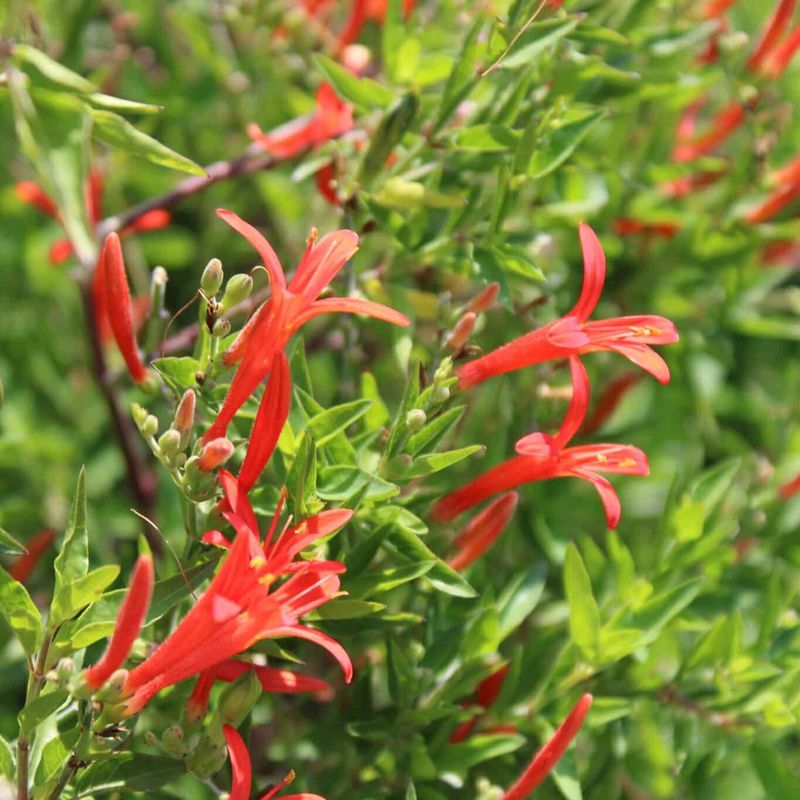
Few plants put on a summer show quite like Flame Acanthus. The bright orange-red tubular flowers look like tiny flames dancing on slender stems, and hummingbirds absolutely cannot resist them.
Plant this shrub near your foundation and you will basically have a hummingbird feeder that never needs refilling.
Native to the rocky slopes and dry creek beds of central and west Texas, Flame Acanthus has spent generations adapting to heat, poor soil, and drought. That means reflected heat from a south-facing foundation wall is not a problem at all.
Your Texas Garden Changes Every Week. Your Plan Should Too.
Gardening in Texas changes quickly throughout the season. Every Friday you’ll receive a simple weekly plan showing exactly what to plant, prune, fertilize, harvest, and protect so you never miss the right timing.
In fact, that extra warmth can actually push the plant to bloom even more aggressively during the long Texas summer.
After the first season, this plant is remarkably low-maintenance. It may look a little rough in late winter, but do not be too quick to cut it back.
New growth emerges from the base each spring with impressive speed. Pruning it back hard in late winter or early spring encourages a fuller, more compact shape and a stronger flush of blooms.
Flame Acanthus typically reaches three to five feet tall and wide, which makes it an excellent mid-sized foundation planting. It pairs beautifully with silvery or gray-foliaged plants like Texas Sage or native grasses.
Butterflies, bees, and hummingbirds all visit regularly, turning your foundation bed into a lively wildlife corridor. It handles full sun and dry soil without complaint.
Once you plant one, you will likely want to add more. It is genuinely one of the most rewarding native shrubs Texas has to offer for hot, exposed garden spots.
3. Gregg’s Mistflower
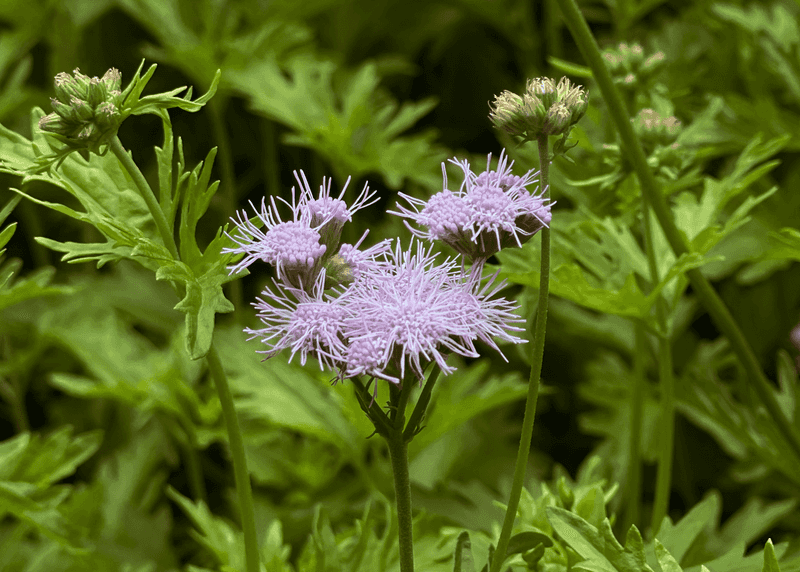
Late summer in Texas can feel relentless, but that is exactly when Gregg’s Mistflower decides to steal the show.
While other plants are fading from heat exhaustion, this clumping perennial kicks into high gear with clouds of soft blue-purple flowers that last well into fall. It is one of the few native plants that blooms when most others have given up.
Gregg’s Mistflower is native to the rocky, sunny hillsides and creek banks of central Texas and the Chihuahuan Desert region. That heritage means it is built for heat, reflected sunlight, and dry conditions.
Foundation areas that bake all day are actually ideal growing conditions for this plant. It thrives where others struggle.
One of the best things about Gregg’s Mistflower is that it reseeds itself naturally. Once you plant it, it tends to come back year after year and even spread gradually into nearby areas.
That self-sufficient quality makes it a great low-effort option for gardeners who want a naturalistic look without a lot of replanting each season.
The blue-purple blooms are a magnet for monarch butterflies and other migrating pollinators passing through Texas in the fall.
Planting Gregg’s Mistflower near your foundation can turn an otherwise harsh garden spot into a critical rest stop for butterflies on their long journey south.
The plant grows about two to three feet tall and wide, fitting neatly into most foundation beds. Cut it back in late winter to encourage fresh, vigorous growth in spring. It is a true unsung hero of the Texas native plant world.
4. Coral Honeysuckle
Not every foundation planting needs to stay low and bushy. Sometimes a climbing vine is exactly what a bare wall or fence near your home needs.
Coral Honeysuckle is the native Texas answer to that problem, and it brings a lot more to the table than just good looks.
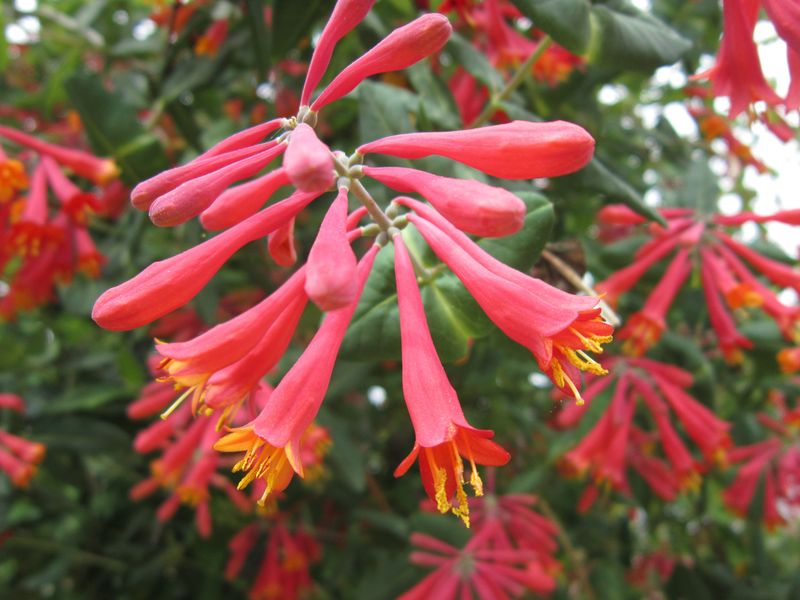
Unlike its invasive Japanese cousin, native Coral Honeysuckle plays nicely with the surrounding ecosystem. The bright red tubular flowers are perfectly shaped for hummingbirds, and ruby-throated hummingbirds in particular are devoted fans.
Butterflies and bees also visit regularly, making this vine a pollinator powerhouse from spring through early fall.
Coral Honeysuckle grows naturally in woodland edges and fence lines across eastern and central Texas. It handles a wide range of conditions, including the reflected heat near foundations, once it gets established.
Give it a trellis, fence, or arbor to climb and it will quickly cover the structure with glossy semi-evergreen foliage and clusters of cheerful red blooms.
Watering needs are minimal after the first growing season. The vine is also surprisingly tolerant of poor, rocky soil, which is common in many Texas foundation beds.
It grows at a moderate pace, so you will not wake up one morning to find it taking over your entire yard. Expect it to reach about ten to twenty feet over several years with the right support structure.
Planting Coral Honeysuckle near a hot foundation wall can actually help insulate the structure slightly while softening the hard edges of concrete and brick. It is a practical and beautiful native solution for vertical spaces.
5. Blackfoot Daisy
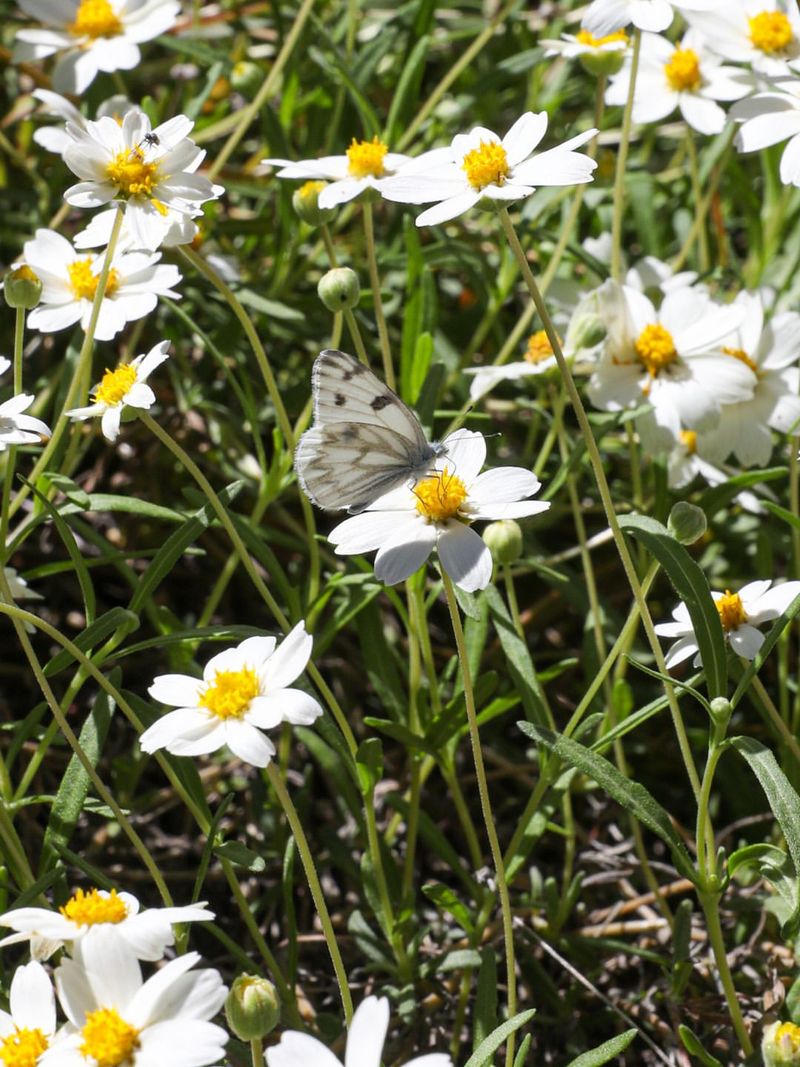
There is something genuinely cheerful about a plant that blooms its heart out all summer long without needing any extra attention. Blackfoot Daisy is exactly that kind of plant.
The small white flowers with bright yellow centers look like a classic daisy, and they keep coming from spring all the way through the first frost of fall.
Native to the rocky limestone soils of central and west Texas, Blackfoot Daisy is built for extreme conditions. It handles blazing sun, poor drainage, and dry spells with ease.
The reflected heat near a foundation wall actually suits it well, especially if the soil drains quickly. Standing water is the one thing this plant truly dislikes, so avoid heavy clay without amending it first.
Blackfoot Daisy stays relatively compact, usually reaching about one to two feet tall and spreading up to two feet wide. That tidy size makes it a fantastic edging plant along a foundation, where you want something low and neat rather than a large shrub.
It also has a pleasant honey-like fragrance that you might catch on a warm afternoon breeze.
Over time, Blackfoot Daisy spreads naturally by reseeding, slowly filling in gaps in your foundation bed without any help from you. Deadheading is not required, though a light trim after the main spring flush can encourage a second wave of blooms.
Bees and butterflies are frequent visitors. This plant is also deer-resistant, which is a major bonus in many Texas neighborhoods.
For a carefree, long-blooming native that loves the hottest spots in your yard, Blackfoot Daisy is a top-tier choice.
6. Desert Willow
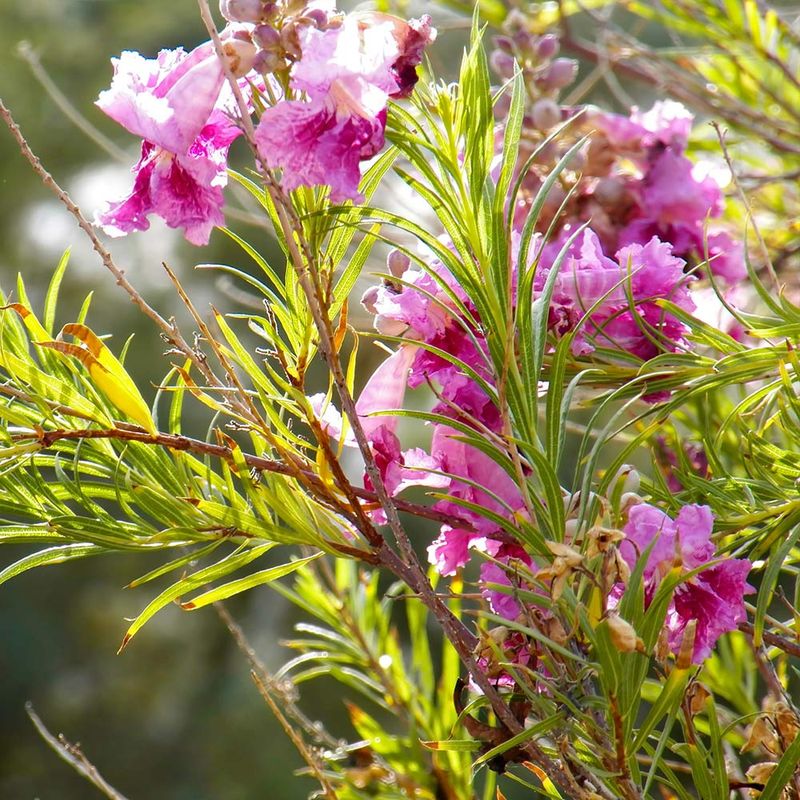
Most foundation plantings stick to shrubs and groundcovers, but Desert Willow proves that a small tree can be just as practical and far more dramatic. The trumpet-shaped flowers range from soft pink to deep lavender and appear in waves throughout the summer.
Up close, each bloom looks almost like a tiny orchid, which feels like a surprise gift from such a rugged plant.
Desert Willow is native to the dry creek beds and washes of west Texas and the Chihuahuan Desert. It has evolved to handle extreme heat, rocky soil, and long dry spells, which means a hot foundation zone is well within its comfort zone.
The long, narrow leaves give the tree a graceful, willow-like appearance without any of the water demands of a true willow.
In a foundation setting, Desert Willow adds vertical structure that most other native plants cannot provide. It typically grows fifteen to twenty-five feet tall, so plan for that eventual height when choosing its location.
Planting it at a corner or end of a foundation bed gives it room to spread while framing the home beautifully. It can also be trained as a large multi-trunk shrub if you prefer a lower profile.
Hummingbirds, bees, and orioles are all attracted to the flowers, making this tree a lively wildlife hub. Water it regularly during the first year to help it establish deep roots, then cut back to occasional deep watering.
Desert Willow drops its leaves in winter but leafs out again quickly in spring. For gardeners who want bold color and real height near a hot foundation, this native tree delivers in a big way.
7. Texas Lantana
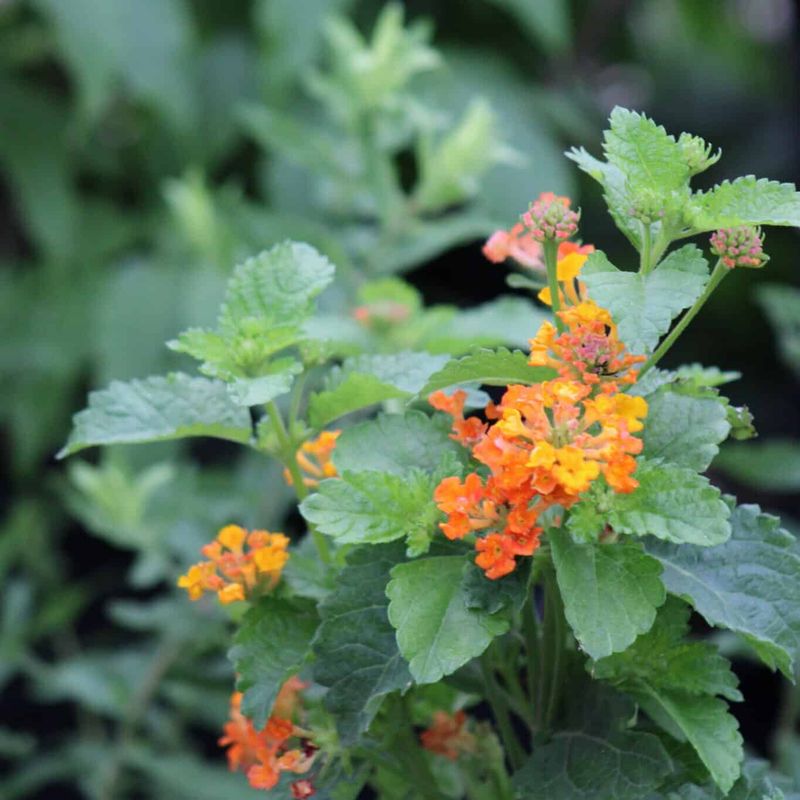
Bold, buzzing with life, and almost impossible to stop once it gets going, Texas Lantana is the kind of plant that makes a foundation bed look like it has been professionally designed.
The flower clusters shift colors as they age, mixing yellow, orange, and red in the same bloom head. That color-changing trick gives the plant a constantly fresh appearance all season long.
Texas Lantana is the native species that belongs here, distinct from the many non-native lantana varieties sold at garden centers. As a true Texas native, it is far better adapted to local soil, heat, and drought conditions.
It also supports native wildlife more effectively than introduced varieties. Butterflies, especially swallowtails and skippers, flock to it in impressive numbers on warm summer days.
The plant thrives in full sun and reflected heat, making it one of the best choices for the south or west side of a home where temperatures near the foundation can get extreme.
It grows vigorously once established, typically reaching three to four feet tall and spreading even wider.
That spreading habit helps it fill in large areas of a foundation bed quickly and crowd out weeds naturally.
Texas Lantana is semi-evergreen in mild winters and may freeze back in colder zones, but it reliably returns from the roots each spring with renewed energy. Cutting it back hard in late winter encourages dense, compact new growth.
The dark berries that follow the flowers are eaten by birds, adding another layer of wildlife value. If you want non-stop color, pollinators, and heat-proof toughness in one package, Texas Lantana delivers from late spring all the way through the first hard frost.