These Are The Texas Vegetables At Their Absolute Peak Production Right Now At The End Of July
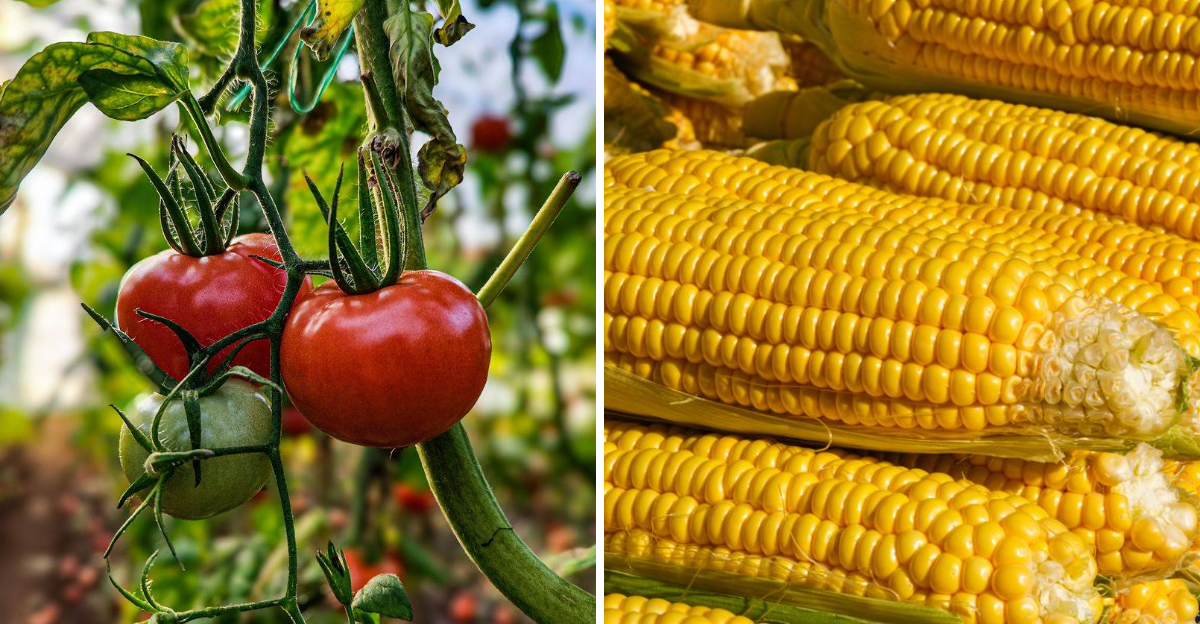
Late July in Texas is not peak season for most vegetables. The heat has knocked a lot of summer staples back into survival mode, tomatoes have hit their wall, and the spring garden is a memory.
But while all of that is true, something often goes unnoticed in the middle of all that summer struggle. Certain Texas vegetables are absolutely thriving right now.
While the rest of the garden is pushing through, a handful of vegetables hit peak production at the end of July, almost as if the same brutal conditions that slow everything else down are exactly what they needed to kick into high gear.
These are the plants that reward Texas gardeners who planted them at the right time and held on through the heat.
Knowing which vegetables are at their best right now changes how you approach the garden this week. It’s the difference between feeling defeated by the end of July and walking outside to a harvest that genuinely surprises you.
1. Okra
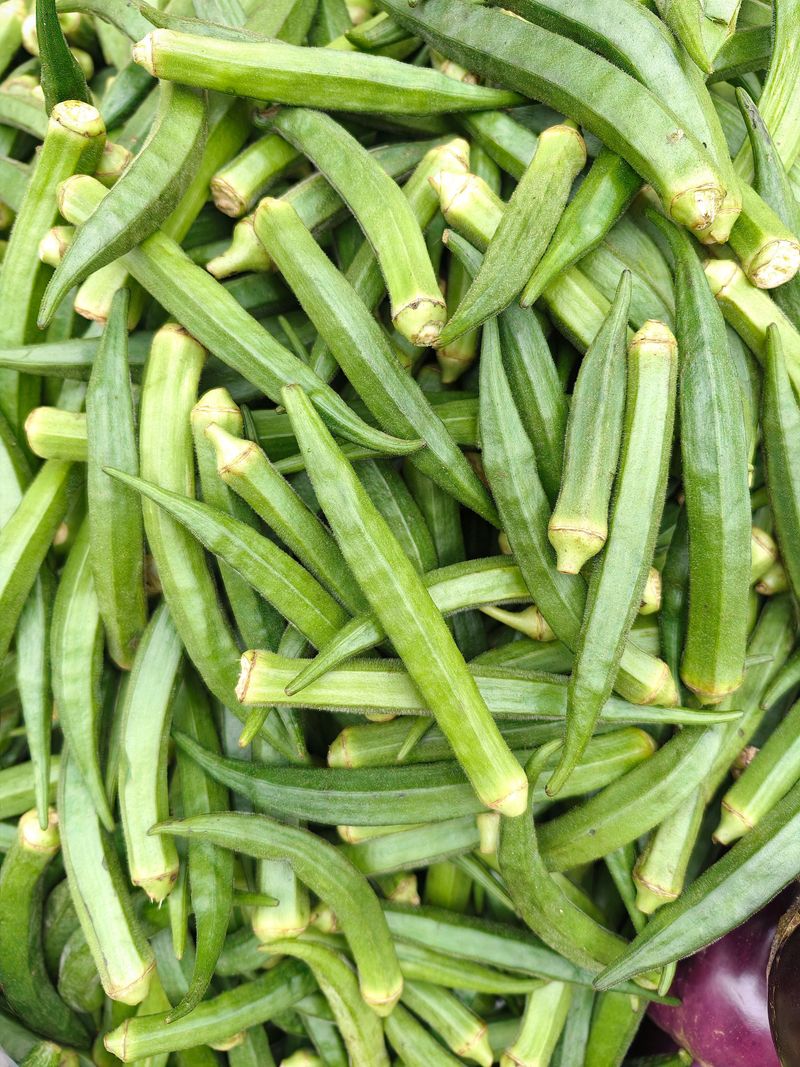
Okra is the undisputed king of the Texas summer garden. Nothing else thrives quite like this heat-loving crop when temperatures climb past 90 degrees.
By late July, okra plants can grow so fast you almost need to check them twice a day. Miss a pod for even 48 hours, and it turns woody and tough.
The sweet spot for harvesting is when pods are two to four inches long. At that size, they snap off cleanly and cook up tender every single time.
Okra loves full sun and well-drained soil, which makes it perfectly suited for the Texas climate. It practically grows itself once established.
Fried okra, pickled okra, and gumbo are all classic ways to enjoy this summer staple. But roasting okra whole with olive oil and salt is a game-changer most people overlook.
One fun fact: okra is actually related to hibiscus, and its flowers are stunningly beautiful. The plant is as ornamental as it is productive.
Consistent harvesting encourages more pod production, so never let the plant slow down. Pick daily during peak season and you will be rewarded all the way through August.
These Texas vegetables at peak production deserve the attention okra gets this time of year. Keep a basket by the garden door because you will fill it fast.
2. Tomatoes
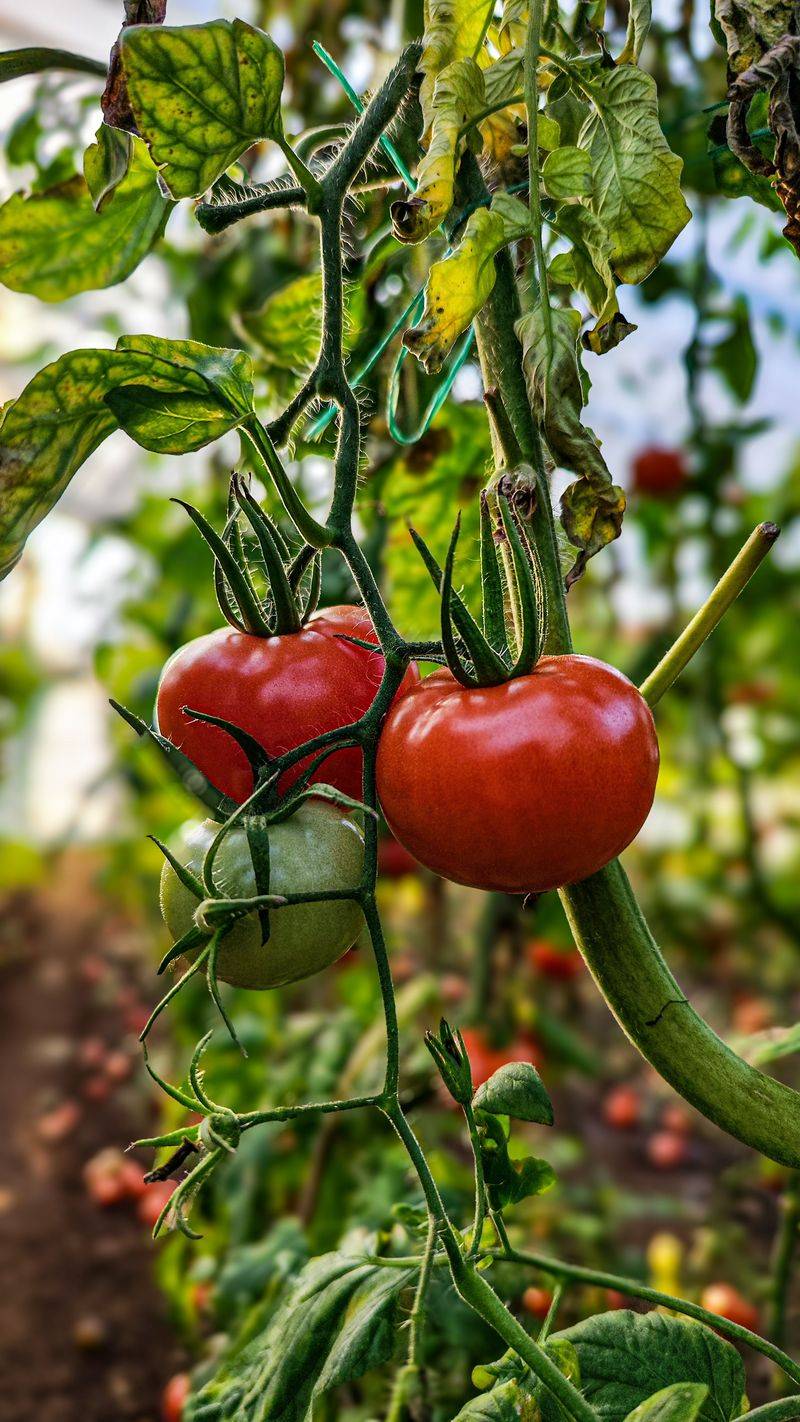
Few things smell better than a sun-warmed tomato picked straight from the vine. That rich, earthy scent is basically summer bottled up in one small fruit.
Tomatoes are at their absolute peak in Texas gardens right now at the end of July. Varieties like Celebrity, Heatmaster, and Porter Brown handle the brutal heat better than most.
The key is picking tomatoes the moment they reach full color. Leaving them on the vine too long in this heat causes cracking and invites pests quickly.
Water consistency is everything with tomatoes in July. Uneven watering leads to blossom end rot, which is frustrating after weeks of patient growing.
A deep soak every two to three days works better than a daily light sprinkle. Mulching around the base keeps soil moisture locked in during peak heat hours.
Your Texas Garden Changes Every Week. Your Plan Should Too.
Gardening in Texas changes quickly throughout the season. Every Friday you’ll receive a simple weekly plan showing exactly what to plant, prune, fertilize, harvest, and protect so you never miss the right timing.
Tomatoes are rich in lycopene, a powerful antioxidant that actually increases when the fruit is cooked. So that pasta sauce you are making is doing double duty for your health.
Heirloom varieties like Brandywine and Cherokee Purple are producing beautifully right now in cooler microclimates. They require a bit more care but deliver extraordinary flavor.
Slice one thick, sprinkle with flaky salt, and add fresh basil for the simplest summer side dish imaginable. Tomatoes at peak season need almost no help to taste incredible.
3. Southern Peas (Cowpeas/Black-Eyed Peas)
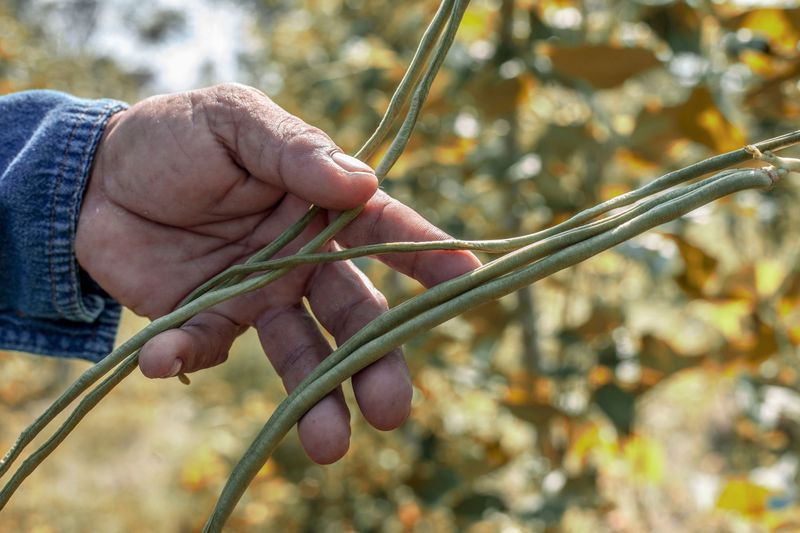
Southern peas have been feeding families across the South for centuries, and they are absolutely thriving right now. These humble legumes are one of the most heat-tolerant crops you can grow in a Texas summer.
Black-eyed peas, crowder peas, and cream peas all fall under this category. Each variety has a slightly different flavor and texture worth exploring.
By late July, the pods are plump and full, signaling that harvest time has arrived. You can pick them green and fresh or let them dry on the vine for storage.
Fresh-shelled Southern peas cook much faster than dried ones. Simmer them with a smoked ham hock, onion, and garlic for a dish that tastes like pure comfort.
These plants also improve soil quality by fixing nitrogen naturally. That means planting them is good for your garden long after the season ends.
One thing many gardeners do not realize is that Southern pea plants keep producing as long as you keep harvesting. Stop picking and the plant stops pumping out pods.
They need very little fertilizer and tolerate drought better than most garden crops. That resilience makes them a perfect fit for the unpredictable Texas summer rainfall patterns.
A big pot of fresh black-eyed peas served over rice is a meal that connects generations. Right now is the time to pick them and make that pot happen.
4. Bell Peppers
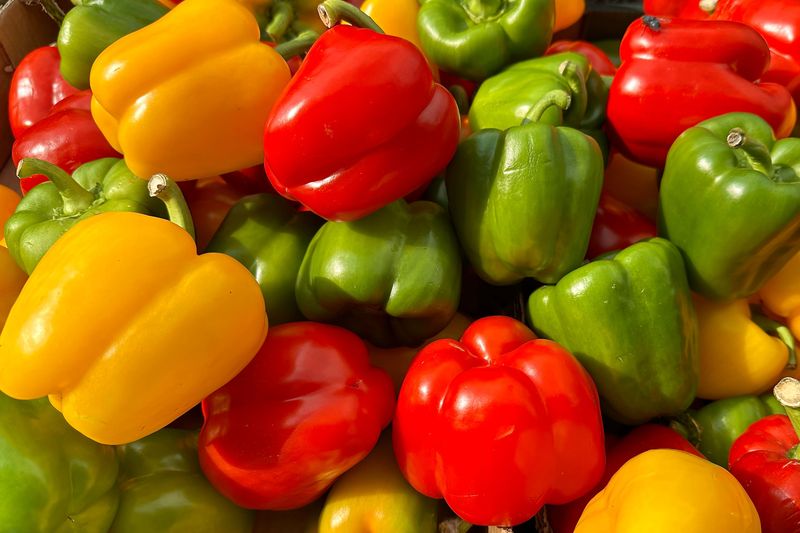
Bell peppers are putting on a show in Texas gardens right now, and they deserve more credit than they usually get. These crisp, colorful vegetables are at full production by late July.
Green bell peppers are actually unripe versions of red, yellow, and orange ones. Leaving them on the plant longer develops sweetness and boosts nutrition significantly.
Texas heat can stress pepper plants during peak afternoon hours. Providing a bit of afternoon shade with a cloth cover can dramatically improve fruit set.
Peppers need consistent moisture to prevent blossom drop, which is the most common complaint from home gardeners. A two-inch layer of mulch around the base keeps roots cool and moist.
One bell pepper contains more vitamin C than an orange, which surprises most people. Eating them raw preserves the most nutritional value of that vitamin.
Stuffed bell peppers are a classic for good reason. Fill them with seasoned ground beef, rice, and cheese, then bake until tender for a crowd-pleasing weeknight dinner.
For the best flavor, let at least a few peppers turn fully red before picking. The difference in sweetness between green and red is almost unbelievable.
These Texas vegetables are peaking right now, and bell peppers are no exception. Grab them at their freshest and you will taste the difference in every single bite.
5. Hot Peppers
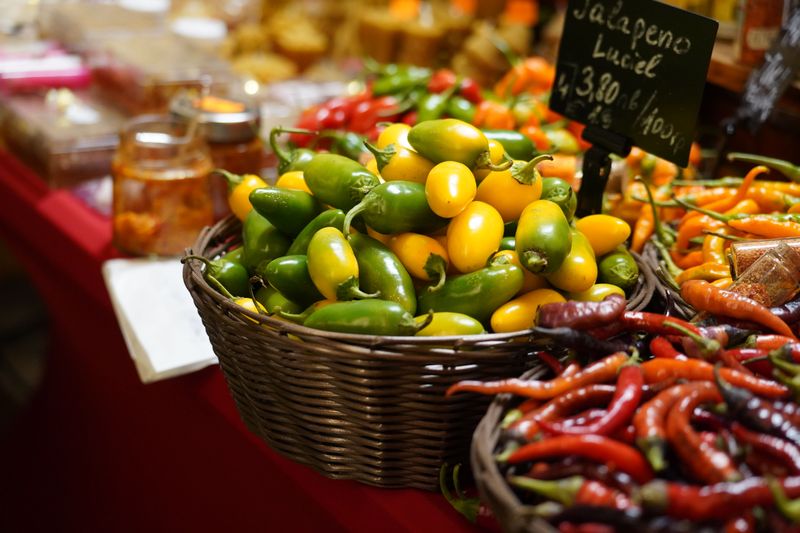
Hot peppers in a Texas summer garden look like little flames, and honestly, they kind of are. Jalapenos, serranos, cayennes, and habaneros are all producing heavily right now.
The heat index of a pepper actually increases as the season gets hotter and drier. That means your late-July jalapeno might pack a much bigger punch than a spring one.
Capsaicin, the compound that makes peppers hot, is concentrated in the white membrane inside the fruit. Removing that membrane tames the heat without losing the flavor.
Hot peppers are incredibly productive this time of year. One healthy plant can produce dozens of peppers over the course of a single season.
Roasting hot peppers over an open flame or under a broiler transforms their flavor completely. The char adds a smoky depth that raw peppers simply cannot replicate.
Homemade hot sauce is easier than most people think. Blend roasted peppers with garlic, vinegar, and a pinch of salt for a condiment that beats anything store-bought.
Drying hot peppers is another great option for preserving the harvest. String them up in a dry, well-ventilated space and they will last for months.
Wear gloves when harvesting and processing hot peppers because the oils linger on your skin. Touching your eyes after handling habaneros is an experience nobody wants to repeat twice.
6. Eggplant
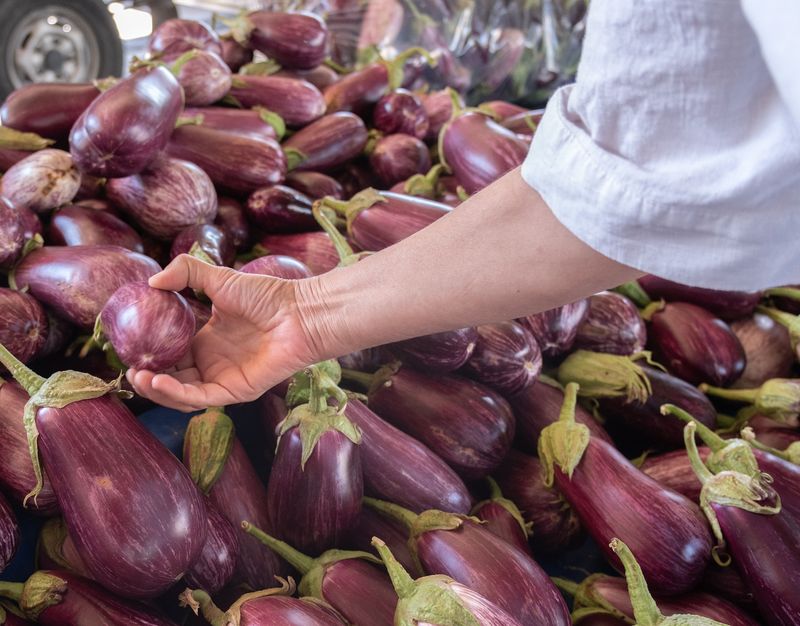
Eggplant is one of those vegetables that truly comes into its own during a Texas summer. Most other crops are struggling with the heat, but eggplant is absolutely loving it.
By late July, plants are loaded with glossy, deep-purple fruit that practically glows in the garden. Varieties like Black Beauty, Ichiban, and Fairy Tale are performing especially well right now.
Harvest eggplant when the skin is shiny and firm. A dull, matte finish means the fruit is overripe and will taste bitter and seedy inside.
Eggplant absorbs flavor like a sponge, which makes it one of the most versatile vegetables in the garden. Marinate slices in olive oil, garlic, and herbs before grilling for incredible results.
Baba ganoush, eggplant parmesan, and ratatouille are all dishes that showcase this vegetable at its best. Each preparation brings out a completely different character from the same ingredient.
One thing many home cooks get wrong is skipping the salting step. Salting sliced eggplant draws out excess moisture and reduces any lingering bitterness before cooking.
Eggplant plants continue producing heavily as long as you keep harvesting and the weather stays warm. Fertilize lightly every three weeks to keep the plants energized through the season.
There is something deeply satisfying about pulling a perfect eggplant from the vine. That moment of harvest makes every watering and weeding session feel completely worth the effort.
7. Sweet Corn
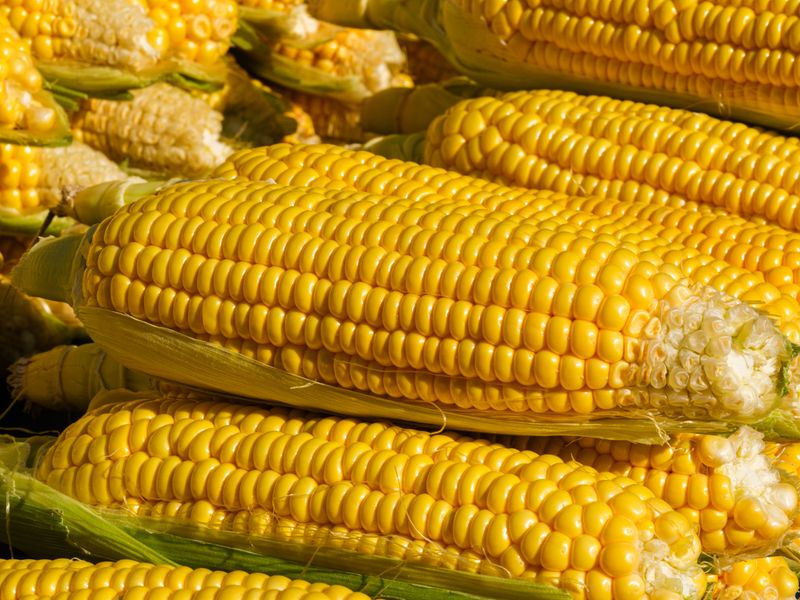
Sweet corn has a narrow harvest window, and right now is exactly when you need to pay attention. An ear of corn left on the stalk even two days too long loses its natural sweetness fast.
The sugars in sweet corn begin converting to starch the moment it is picked. That is why corn from a local farm or your own garden always tastes better than store-bought.
Check for harvest readiness by peeling back the top of the husk slightly. The kernels should be plump, milky, and tightly packed from tip to base.
Texas summers can be brutal on corn, so timing your planting correctly is everything. Most gardeners who planted in late May are now looking at ears that are perfectly ready.
Boiling fresh corn for just three to four minutes is all it needs. Overcooking destroys the delicate texture and sweet flavor that makes fresh corn so special.
Grilling corn in the husk is a summer tradition worth keeping alive. The steam inside the husk cooks the kernels perfectly and adds a subtle smoky note.
Corn is a heavy feeder, meaning it pulls a lot of nitrogen from the soil. Rotating your corn bed each season keeps the soil healthy and productive for future crops.
These Texas vegetables at peak production include sweet corn for a reason. Grab those ears now, because the window for perfect sweetness closes faster than you think.
8. Summer Squash
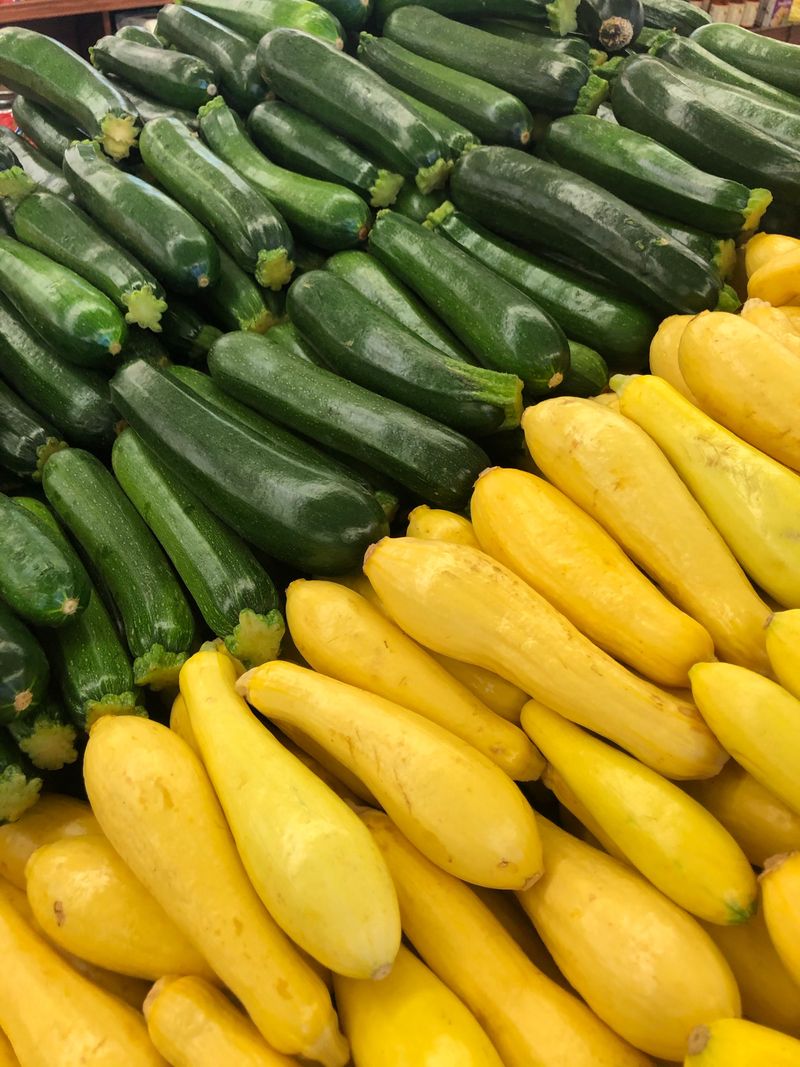
Summer squash is the garden overachiever nobody talks about enough. Yellow crookneck, straightneck, and zucchini are all producing at a pace that can feel almost overwhelming right now.
A single well-watered plant can produce multiple squash per week during peak season. Gardeners with a few plants quickly find themselves looking for neighbors to share with.
Harvest summer squash when it is small and tender, ideally six to eight inches long. Letting it grow into a baseball bat-sized club makes the flesh watery and the seeds tough.
The skin of summer squash is completely edible and holds up well in high-heat cooking. Sauteing slices in butter with fresh thyme is one of the simplest and most satisfying preparations.
Zucchini bread is a beloved way to use an abundant harvest. The squash adds moisture and a mild sweetness that makes the bread incredibly tender and rich.
Summer squash is about 95 percent water, which makes it naturally hydrating during hot months. Eating it raw in salads or as a snack with hummus is a refreshing option.
Powdery mildew can appear on squash leaves in late July as humidity fluctuates. Removing affected leaves early prevents it from spreading and keeps the plant productive longer.
These Texas vegetables peaking at the end of July remind us that summer squash rewards attention. Check your plants every single day and harvest often to keep them going strong.