Why September Is The Single Best Month To Plant A Texas Live Oak
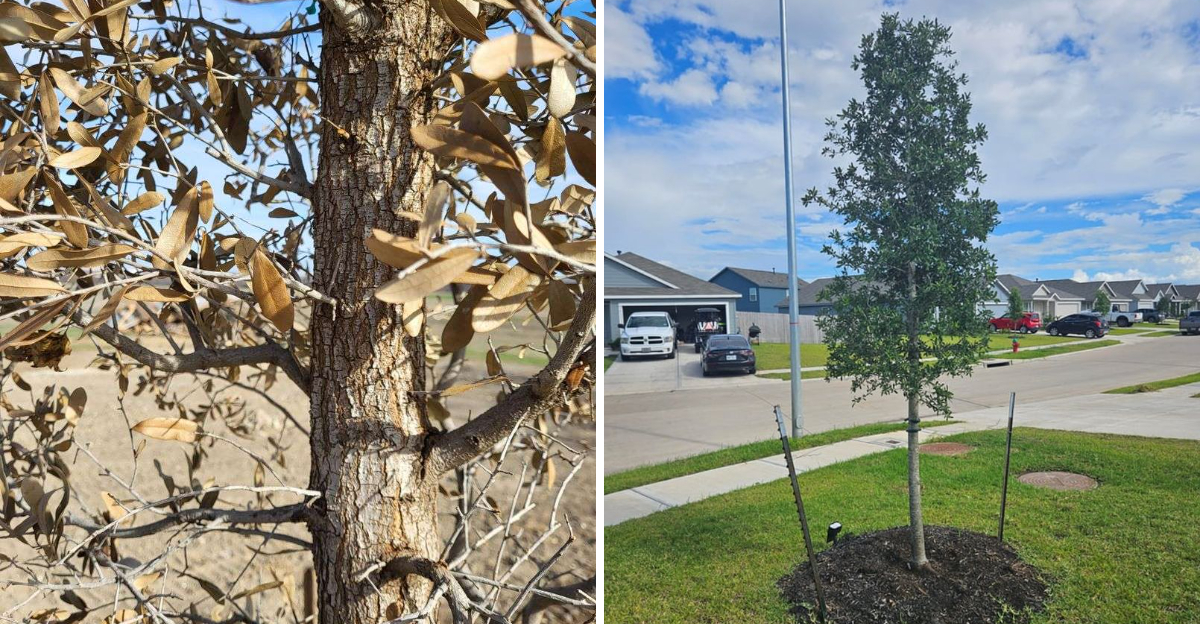
A tree planted in September has a secret advantage that most people never see.
Above ground, it may look like nothing is happening. The leaves are still. The branches are quiet. The young live oak seems like it is simply waiting for cooler days. But underneath the soil, a different story begins.
Have you ever wondered why some trees settle in quickly while others struggle after planting? The answer often starts before the first new leaf appears. Timing matters. The season you choose can shape how a tree handles the years ahead.
Texas heat is tough on new trees. A fresh planting in the wrong month can spend its first season fighting stress instead of building strength.
September changes the game. The soil is still warm. The air is becoming gentler. The tree gets a chance to focus on what matters most before the next summer arrives.
A Texas live oak is a long-term investment. Give it the right beginning, and it can become one of the most valuable features in your landscape. The smartest planting window may be closer than you think.
1. Warm Soil Keeps New Roots Growing
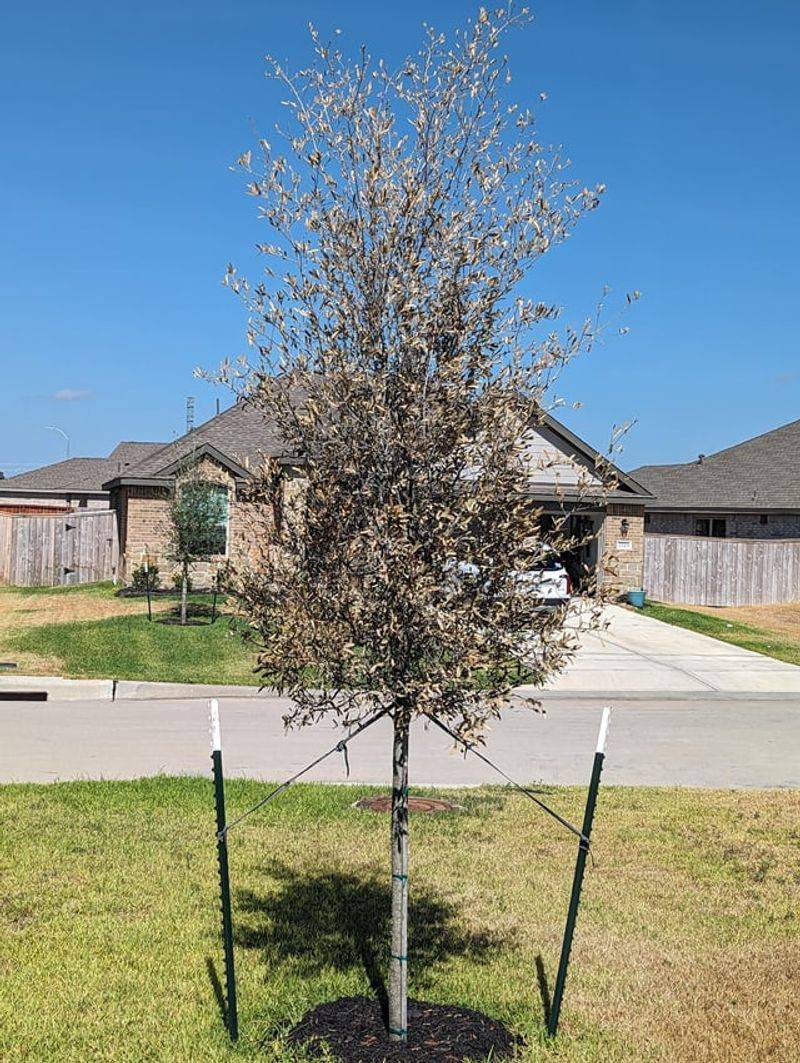
The best work from a young live oak often happens where nobody can see it.
A tree planted in September may not look dramatically different during the first few weeks. The branches are not racing upward. The leaves are not putting on a big show. But below the surface, the roots are busy exploring their new home.
Texas soil holds summer warmth long after the hottest days begin to fade. That stored heat creates a valuable window for root development.
While air temperatures become more comfortable, the ground can remain warm enough to encourage new root growth.
This is exactly what a young live oak needs. The first goal is not a bigger canopy. It is a stronger foundation.
New roots help the tree collect water, absorb nutrients, and anchor itself before future weather challenges arrive. A live oak that spends fall building roots enters spring with a head start.
Many gardeners make the mistake of judging success by what they see above ground. A quiet tree is not always an inactive tree. Sometimes the most important progress is happening underground.
When planting in September, focus on the basics. Good soil contact, proper watering, and mulch around the root zone help those new roots settle in.
The tree is not trying to win a growth race during fall. It is preparing for the years ahead. And that quiet preparation is where a strong live oak begins.
2. Cooler Air Reduces Transplant Stress
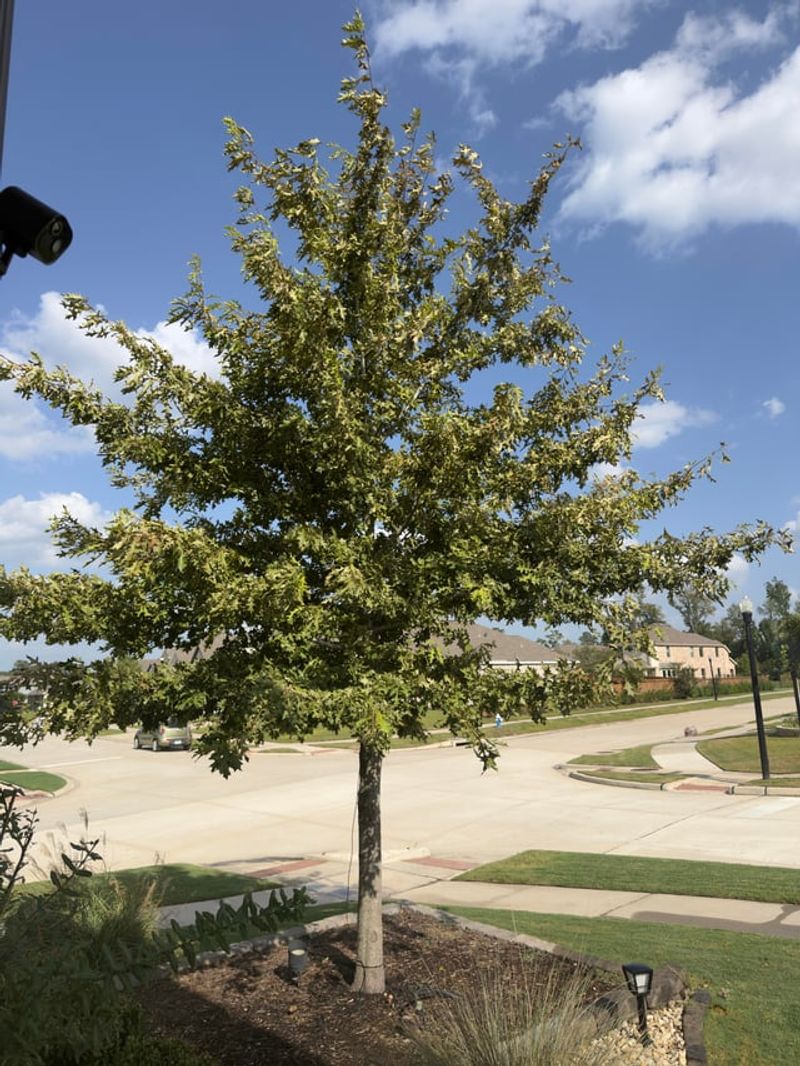
Moving a tree is a big change. A nursery-grown live oak goes from a protected container into a completely new environment. Its roots need time to adjust, and the weather can make that transition easier or harder.
Texas summer heat creates a difficult situation for fresh plantings. Hot air pulls moisture from leaves quickly. A small root system may struggle to replace that lost water fast enough.
September often brings a welcome shift. Temperatures begin easing in many parts of Texas, especially at night. Cooler conditions reduce water loss and give the young live oak more breathing room.
Your Texas Garden Changes Every Week. Your Plan Should Too.
Gardening in Texas changes quickly throughout the season. Every Friday you’ll receive a simple weekly plan showing exactly what to plant, prune, fertilize, harvest, and protect so you never miss the right timing.
That does not mean watering becomes unnecessary. A newly planted tree still needs consistent moisture. The difference is that the tree is not fighting extreme heat while trying to establish roots at the same time.
This is where fall planting creates a better balance. The live oak can spend more energy settling into the soil instead of constantly managing heat stress.
For gardeners, the process becomes easier too. Checking moisture levels, applying mulch, and maintaining irrigation are much more manageable when the weather is not working against you.
A good planting season is not only about what helps the tree. It also helps the person caring for it.
September gives both sides a better chance. The tree gets a calmer introduction, and the gardener gets fewer uphill battles.
Sometimes the smartest gardening decisions are the ones that make everything feel a little easier from the start.
3. Roots Get Months Before Summer Heat
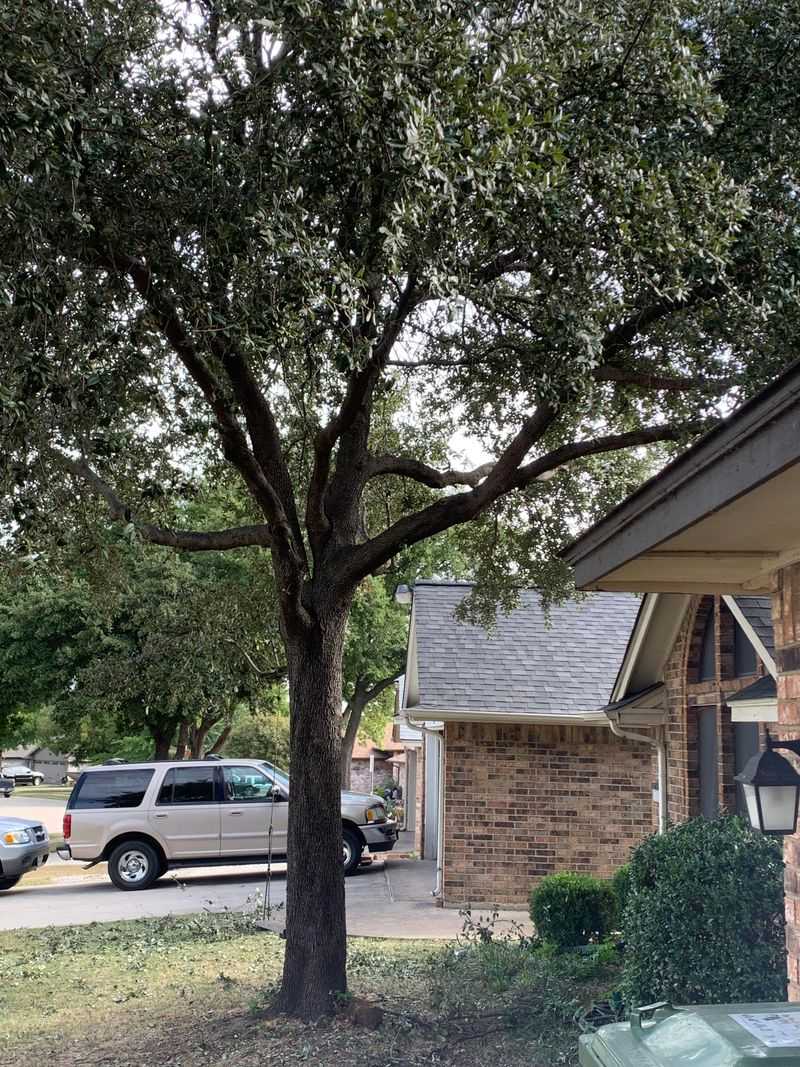
The first Texas summer is often the biggest challenge for a newly planted live oak.
A spring-planted tree may have only a short period to develop roots before temperatures climb. By the time July arrives, the tree is still getting comfortable underground.
A September-planted live oak gets a much longer runway.
Fall, winter, and early spring create months of establishment time before the next intense summer season begins. During that period, roots can spread outward and explore the surrounding soil.
This extra time matters because a larger root system gives the tree more tools when heat returns. More roots mean more opportunities to access moisture and nutrients.
The difference may not be obvious during the first few months. The tree may simply sit quietly. But that underground work creates the foundation for future growth.
Gardeners often want to see immediate results. A taller tree feels like progress. But with live oaks, patience usually wins.
A strong root system is the real prize.
When planting in September, avoid the temptation to push growth with fertilizer. The young tree does not need a growth competition. It needs steady care and time.
Water deeply, protect the soil with mulch, and let the roots do their job.
A live oak planted in fall is not just surviving the season. It is using that season to prepare for everything that comes next.
That is the kind of head start every long-lived tree deserves.
4. Cooler Weather Slows Water Loss
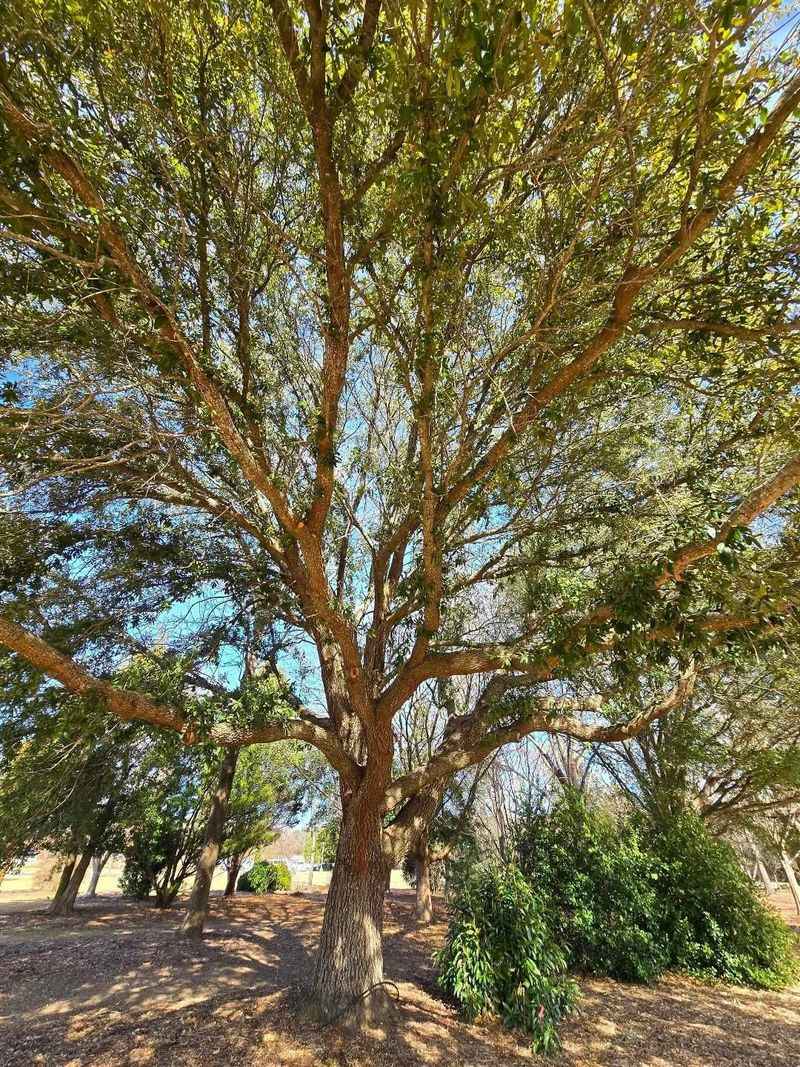
Watering a new tree can feel like a guessing game. Too little creates stress. Too much creates another set of problems. September makes that balance much easier to manage.
Texas summers demand a lot from young trees. Hot temperatures increase evaporation, and dry soil can lose moisture quickly. A newly planted live oak has limited roots, so keeping up with water needs becomes a constant task.
Fall changes the rhythm.
Cooler temperatures slow moisture loss from both the soil and the leaves. Rainfall patterns often improve in many parts of Texas as well. The tree still needs regular watering, but the schedule becomes less demanding.
Deep watering remains the key. A quick splash on the surface does not encourage strong root development. Slow, thorough watering helps moisture move deeper into the soil where roots can follow.
Mulch adds another layer of protection. A three to four inch layer of wood mulch around the tree helps reduce evaporation and keeps soil temperatures more stable.
Just remember one simple detail. Keep mulch away from the trunk. Trees like a cozy root zone, not a mulch sweater wrapped around their bark.
Check the soil before watering instead of following a strict calendar. Weather changes quickly in Texas, and the tree’s needs can shift with it.
September planting does not remove the need for care. It simply gives you better conditions to provide that care.
A live oak that receives steady moisture during its first season gets a much stronger start. And a stronger start can shape the entire future of the tree.
5. Winter Gives Roots More Establishment Time
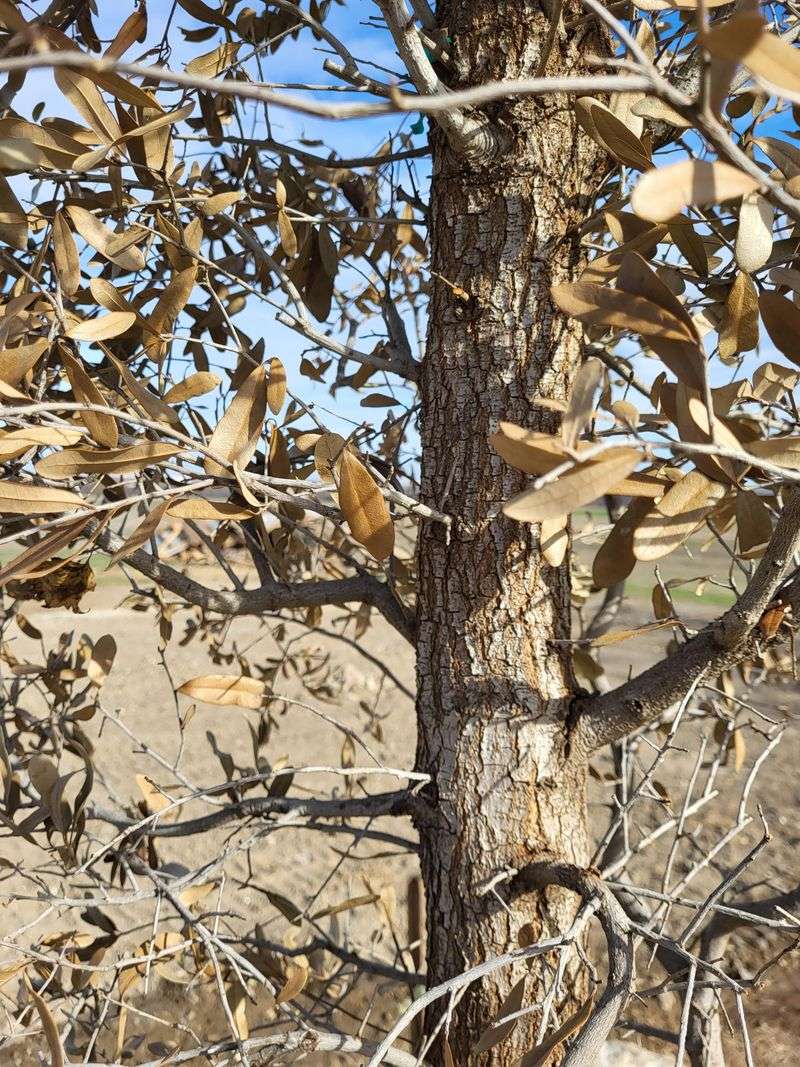
Winter may look like a quiet season in the garden, but a newly planted live oak is not simply sitting around waiting for spring.
Texas winters are different from those in colder regions. The ground often stays workable, especially across Central and South Texas.
That means roots can continue developing during mild stretches even when the tree’s top growth slows.
This hidden winter work is one reason September planting has such a strong advantage. The tree gets months to settle before the next round of intense heat arrives.
A live oak does not need to produce a lot of new branches during this period. The real focus is underground. Roots spread outward, improve their connection with the soil, and build the support system needed for future seasons.
Regional differences matter. A gardener in the Rio Grande Valley may see more active winter growth than someone in the Texas Panhandle.
Colder areas may experience pauses during freezing periods. Even so, a fall-planted tree usually has more establishment time than one planted just before summer.
Protecting the root zone helps during this stage. A layer of mulch can help moderate soil temperatures during sudden cold snaps and reduce moisture swings.
Avoid disturbing the soil around the tree during winter. Those small roots are doing important work, even when there is nothing obvious to see above ground.
This is the part of tree planting that requires patience. The tree is not putting on a show yet. It is quietly building the foundation for future shade, strength, and beauty.
The best beginnings are not always dramatic. Sometimes they happen underground, one root tip at a time.
6. Spring Starts With A Stronger Root System
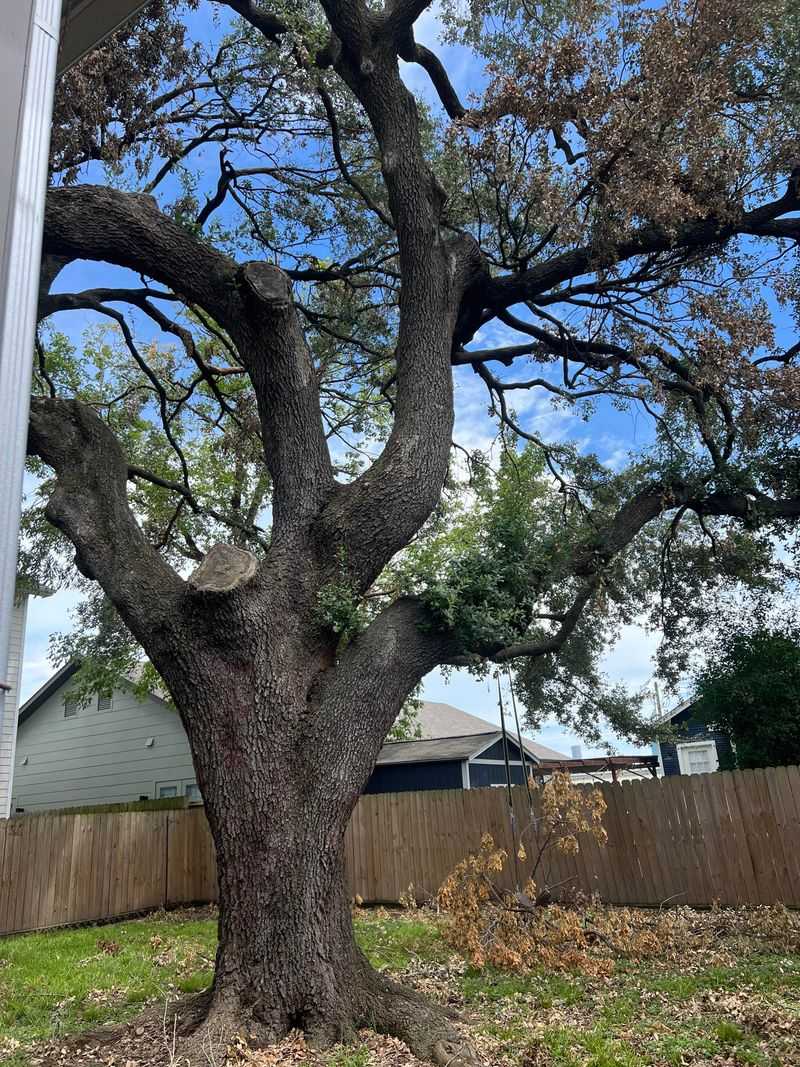
Spring is when many homeowners finally notice their live oak. New growth appears. The tree looks fresh. The landscape starts waking up.
But that spring performance was prepared months earlier.
A live oak planted the previous September has already spent fall and winter adjusting to its new location. Its roots have had time to spread beyond the original planting area and begin creating a stronger support system.
That foundation matters when spring growth begins. New leaves and branches require water and nutrients, and roots play the main role in delivering both.
A spring-planted tree has a different challenge. It enters the growing season while still trying to establish itself. Then Texas heat arrives before the root system has had much time to expand.
Fall planting changes that timeline.
The goal is not to make the tree grow as fast as possible. The goal is to help it grow steadily and naturally. A live oak is a long-term tree, not a quick garden project.
Avoid adding fertilizer during the first year unless there is a confirmed reason. Too much encouragement too soon can create growth that the young root system is not ready to support.
Instead, focus on simple care. Keep moisture consistent. Maintain mulch. Protect the area around the roots.
When spring arrives, the tree gets to spend more energy growing because it already spent previous months getting comfortable.
That is the beauty of planting at the right time. The work begins before the results appear.
7. Fall Makes Irrigation Easier To Manage
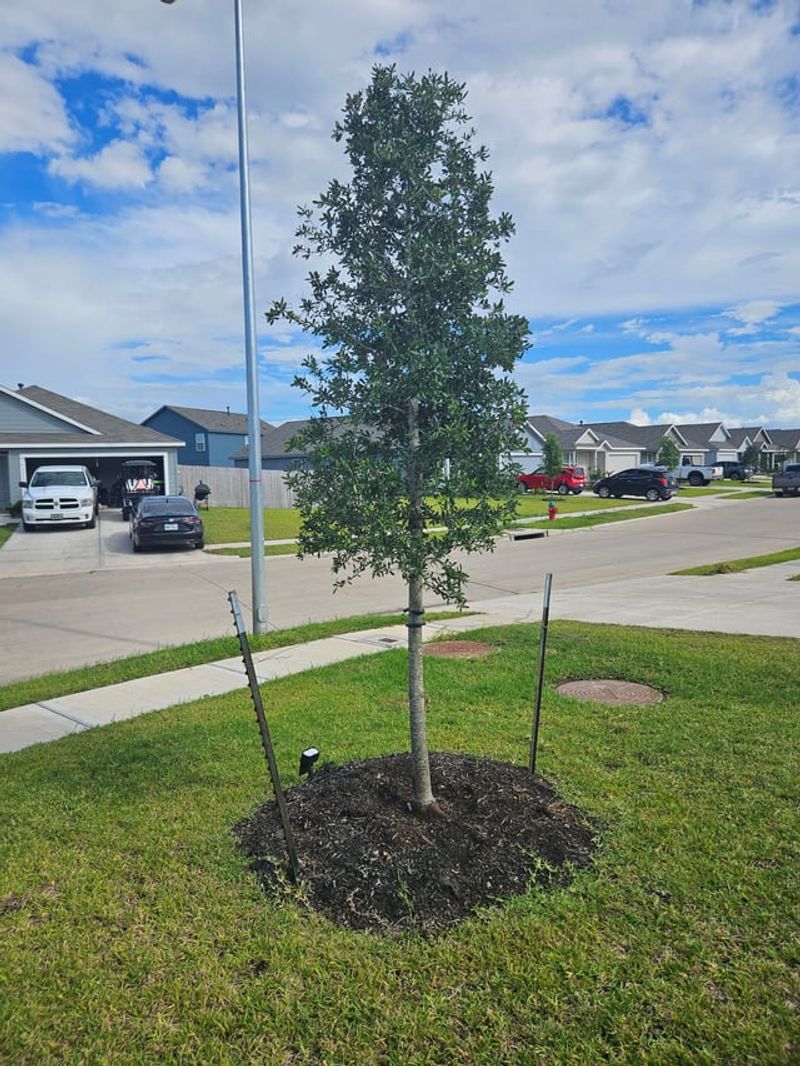
The first year after planting decides a lot for a young live oak. Good care during those months can create a much smoother path ahead.
September helps because the weather is usually more forgiving than summer. The tree still needs attention, but the daily battle against extreme heat becomes less intense.
Watering becomes easier to manage. The soil stays moist longer. Leaves lose water more slowly. Small mistakes are less likely to create immediate stress.
That does not mean the tree can be ignored. A newly planted live oak still depends on consistent care.
Deep watering is one of the most important habits. The goal is encouraging roots to move downward and outward.
Frequent shallow watering can keep roots near the surface, where temperature changes and dry conditions affect them more quickly.
A simple soil check helps. Push a finger or soil probe into the root zone. Dry soil means it is time to water. Moist soil means the tree can wait.
Mulch also becomes your best helper. It protects the soil, reduces evaporation, and creates a more stable environment around the roots.
The first year is not about forcing the tree to grow quickly. It is about helping the tree settle in successfully.
Think of the first season as a welcome period. The live oak is learning the neighborhood. The soil is becoming familiar. The roots are exploring their new space.
Give it a good start, and future care becomes much easier.
A little patience now can create decades of shade later.