The Bermuda Grass Mistake Louisiana Homeowners Keep Making Every Summer
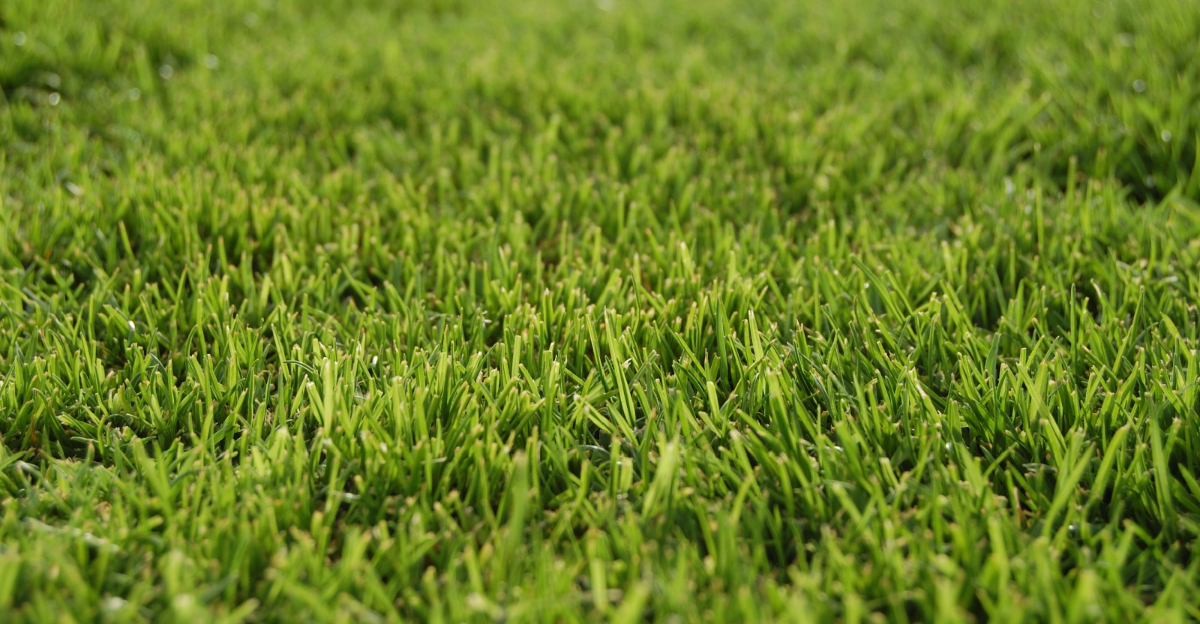
Your mower blade might be quietly ruining your entire lawn. Lower never truly means healthier, especially across humid Louisiana summers.
Bermuda grass handles heat well, yet resents overly short cuts. Cutting it too low drains the plant’s stored energy fast. Suddenly your thick green lawn looks thin and worn down.
Homeowners across Louisiana repeat this habit without ever realizing it. Heat waves reveal weak spots faster than any other season. Roots stop feeding blades once intense sunlight hits bare soil.
Patchy brown areas spread quickly once real stress sets in. Nobody wants to watch their yard decline during peak summer. Recovery feels difficult once this kind of damage takes hold.
Timing matters more than most confident homeowners ever admit. Blade height alone decides whether your lawn thrives or struggles.
Mistakes made now carry consequences through the rest of summer. You cannot afford to guess your way through this one, ever.
Why Scalping Feels Like The Right Move
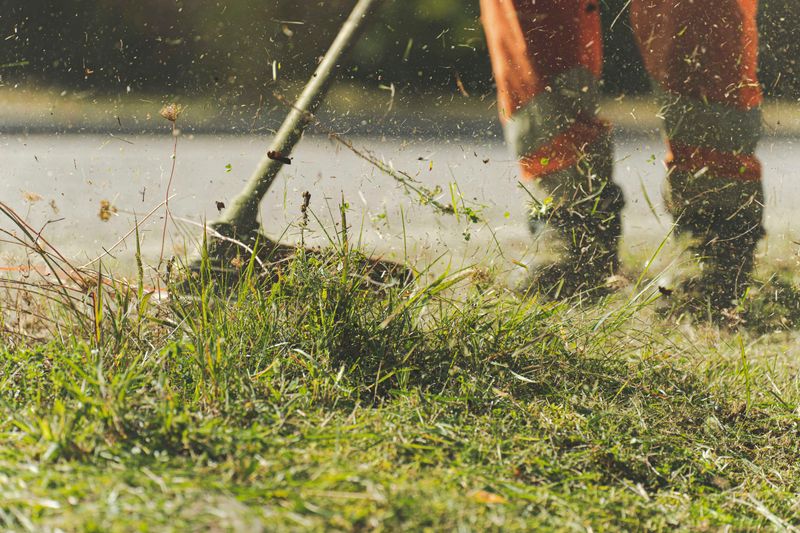
Grabbing the mower and cutting low feels productive. Most people assume shorter grass means less mowing later, which sounds like a total win.
The logic makes sense on the surface. Fewer mowing sessions, a tidy look, and a sense of control over a fast-growing lawn all feel rewarding.
Bermuda grass grows aggressively during summer, sometimes shooting up an inch or more per week. Homeowners respond by dropping the blade, thinking they are staying ahead of the growth.
Cutting short also gives lawns a manicured, golf-course appearance right after mowing. That clean, tight look is hard to resist, especially when neighbors are watching.
There is even some history behind this thinking. Bermuda grass is used on golf courses and sports fields, where it gets cut extremely low with specialized equipment.
Homeowners see those pristine athletic fields and want the same result at home. The problem is that professional turf managers use reel mowers, not standard rotary blades.
Reel mowers cut cleanly and precisely, while rotary mowers tear and shred. Shredding already-stressed grass in peak summer heat is a common cause of lawn damage.
The Bermuda grass mistake Louisiana homeowners keep making every summer starts with good intentions. Understanding why the impulse to cut low feels right is the first step toward breaking the habit for good.
What Happens To Bermuda Grass When It’s Cut Too Short
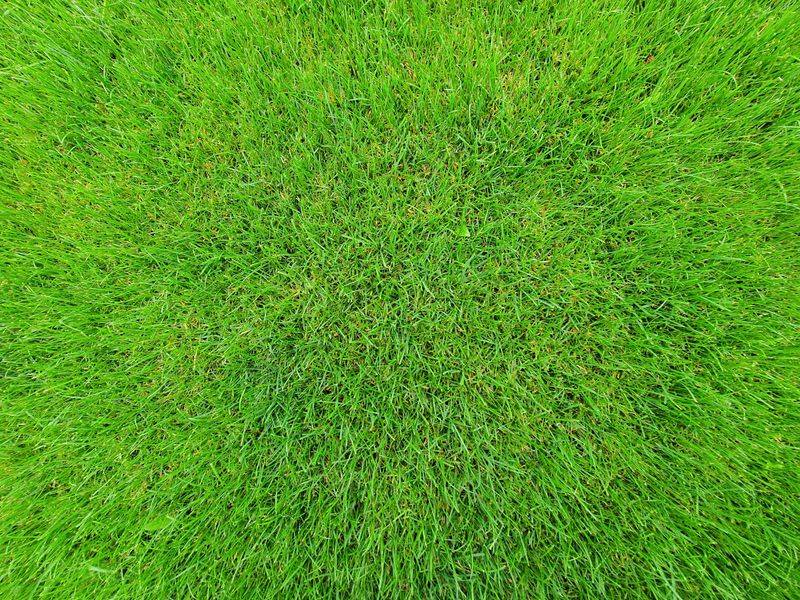
Scalped Bermuda grass looks rough almost immediately. The green canopy disappears, leaving behind pale, yellowish, or even brownish stems that look burned.
When you cut too low, you remove the leaf blades that absorb sunlight for energy. Without those blades, the grass cannot photosynthesize efficiently.
Photosynthesis is how grass feeds itself. Cut away too much of that surface area, and the plant goes into survival mode rather than growth mode.
Roots take a hit too. Turf experts note that root depth is closely connected to the height of the grass blade above ground.
Shorter grass means shallower roots. Shallow roots cannot reach the deeper soil moisture that keeps grass alive during intense summer dry spells.
Your Louisiana Garden Changes Every Week. Your Plan Should Too.
Gardening in Louisiana changes quickly throughout the season. Every Friday you’ll receive a simple weekly plan showing exactly what to plant, prune, fertilize, harvest, and protect so you never miss the right timing.
The stems left behind after scalping are also more vulnerable to sun damage. Exposed crowns, which are the growing centers of each grass plant, can literally get damaged by direct heat.
Once crowns are damaged, recovery slows dramatically. The lawn may go weeks looking thin and patchy before it can bounce back, if it bounces back at all.
Scalping also disrupts the natural insulation that a healthy turf provides. A taller canopy keeps the soil cooler and retains moisture far better than bare, exposed ground.
The Bermuda grass mistake Louisiana homeowners keep repeating every summer causes damage that compounds fast. One bad mow in July can mean a struggling lawn all the way through September.
The Ideal Mowing Height For Louisiana Summers
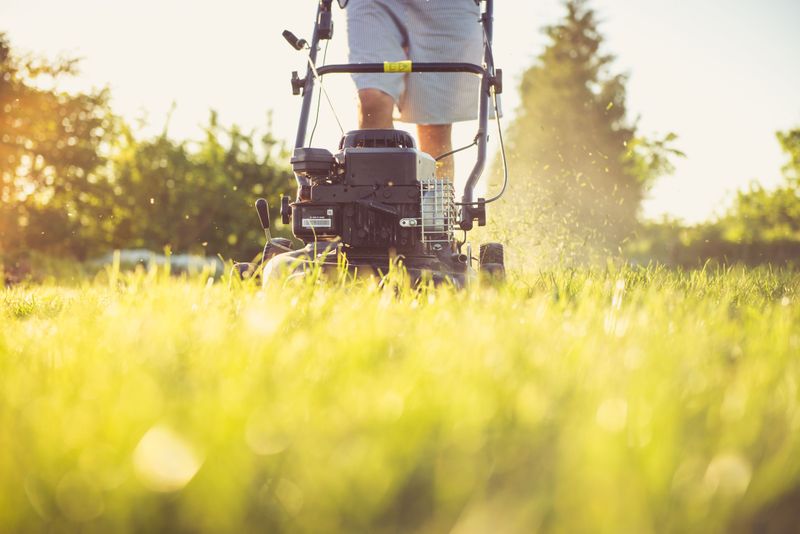
Getting the height right changes everything about how your lawn performs. Common Bermuda grass in residential settings thrives best between one and two inches tall during summer, though hybrid varieties often do best mowed shorter
Most lawn experts recommend staying around one and a half inches for hot, humid climates. That height gives the plant enough leaf surface to feed itself without getting too shaggy.
A simple trick is the one-third rule. Never remove more than one-third of the blade height in a single mowing session.
If your grass is at two inches, cut it back to no shorter than one and a third inches. Cutting more than that stresses the plant immediately.
Mowing frequency matters just as much as height. During peak growing season, Bermuda grass may need cutting every five to seven days to stay within that safe range.
Skipping a week and then cutting aggressively to compensate is one of the most common patterns that leads to scalping. Consistent, moderate cuts keep the lawn in a happy rhythm.
Blade sharpness is another factor homeowners overlook. Dull blades tear grass instead of cutting it cleanly, leaving ragged edges that brown quickly in summer heat.
Sharpening your mower blade at least once per season, ideally twice, makes a visible difference. Clean cuts heal faster and resist disease better than torn ones.
A properly maintained mowing routine is the simplest form of lawn care you can practice. Nail the height, follow the one-third rule, and your Bermuda grass will reward you all summer long.
How Short Cuts Invite Weeds And Water Stress
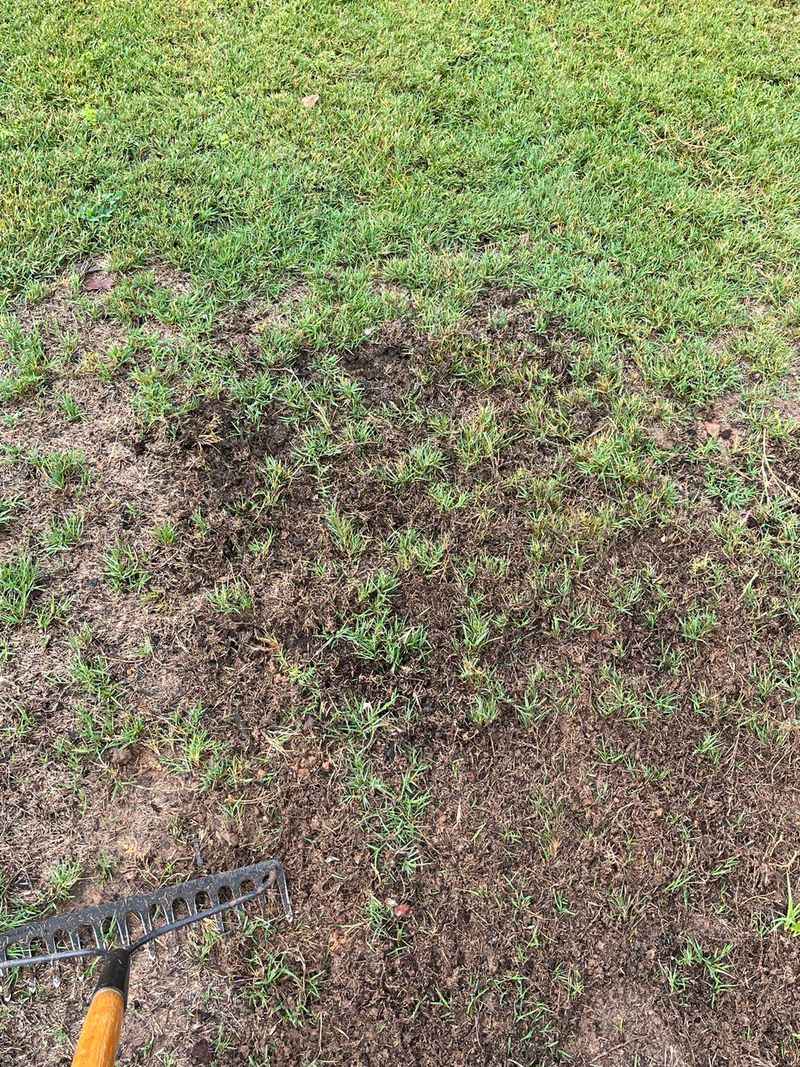
Weeds love opportunity, and a scalped lawn gives them plenty of it. Bare soil exposed by over-mowing is prime real estate for crabgrass, spurge, and other summer weeds.
A dense, properly mowed Bermuda lawn naturally crowds out most weeds. The thick canopy blocks sunlight from reaching the soil, preventing weed seeds from germinating.
Cut that canopy too short, and suddenly the soil gets flooded with sunlight. Weed seeds that were dormant in the ground spring into action almost immediately.
Water stress compounds the problem fast. Short grass has less surface area to capture dew and less canopy to shade the roots from intense afternoon heat.
Soil exposed to direct sun dries out significantly faster than shaded soil. Homeowners end up watering more frequently but still see their lawns decline through the hottest weeks.
Irrigation becomes less effective too. Shallow roots from scalped grass cannot absorb deep soil moisture, so even regular watering fails to prevent stress symptoms.
Weeds, on the other hand, often have deeper root systems. They outcompete weakened Bermuda grass for whatever water and nutrients remain in the soil.
This creates a frustrating cycle where more effort produces worse results. The more you manage weeds and drought stress, the more the scalped lawn continues to decline.
Breaking that cycle starts with raising the mower deck. One simple adjustment stops weeds and water stress before they ever get a foothold in your yard.
Signs Your Lawn Is Already Stressed From Overmowing
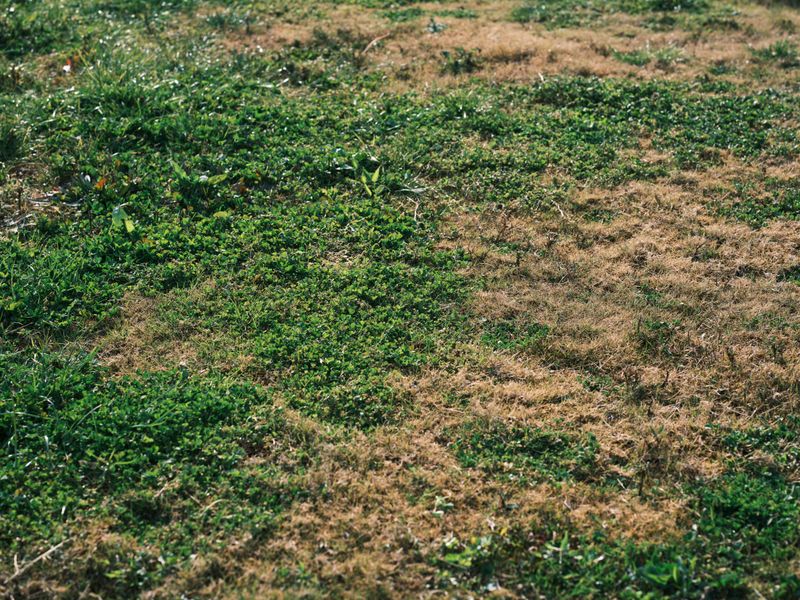
Sometimes the damage has already started before homeowners realize what went wrong. Knowing the warning signs early gives you a fighting chance to turn things around.
One of the first signs is a yellowish or straw-colored tint across the lawn. Healthy Bermuda grass should be a rich, deep green during active summer growth.
Pale color usually means the plant is struggling to produce enough chlorophyll. That struggle is often a direct result of losing too many leaf blades at once.
Thin or patchy areas are another red flag. If you can see soil through the grass in multiple spots, overmowing has likely damaged the turf density.
A spongy or soft feeling underfoot can also signal trouble, though it may also point to grub damage, thatch buildup, or fungal disease rather than overmowing alone.
Healthy Bermuda grass feels firm and springy, not mushy or fragile when you walk across it. Watch for increased weed presence, especially crabgrass showing up in clusters.
Weeds exploit weakened zones faster than most homeowners expect. Another clue is slow recovery after rain or irrigation. Stressed grass takes much longer to perk up after getting water than healthy turf does.
Footprint impressions that stay visible for more than a few seconds are a sign of dehydration and stress. Healthy grass bounces back almost immediately when pressed.
Catching these signs early means you can adjust your mowing habits before the damage becomes permanent. Your lawn is telling you something, and it pays to listen before midsummer turns into a total recovery project.
The Simple Fix for A Healthier Summer Lawn
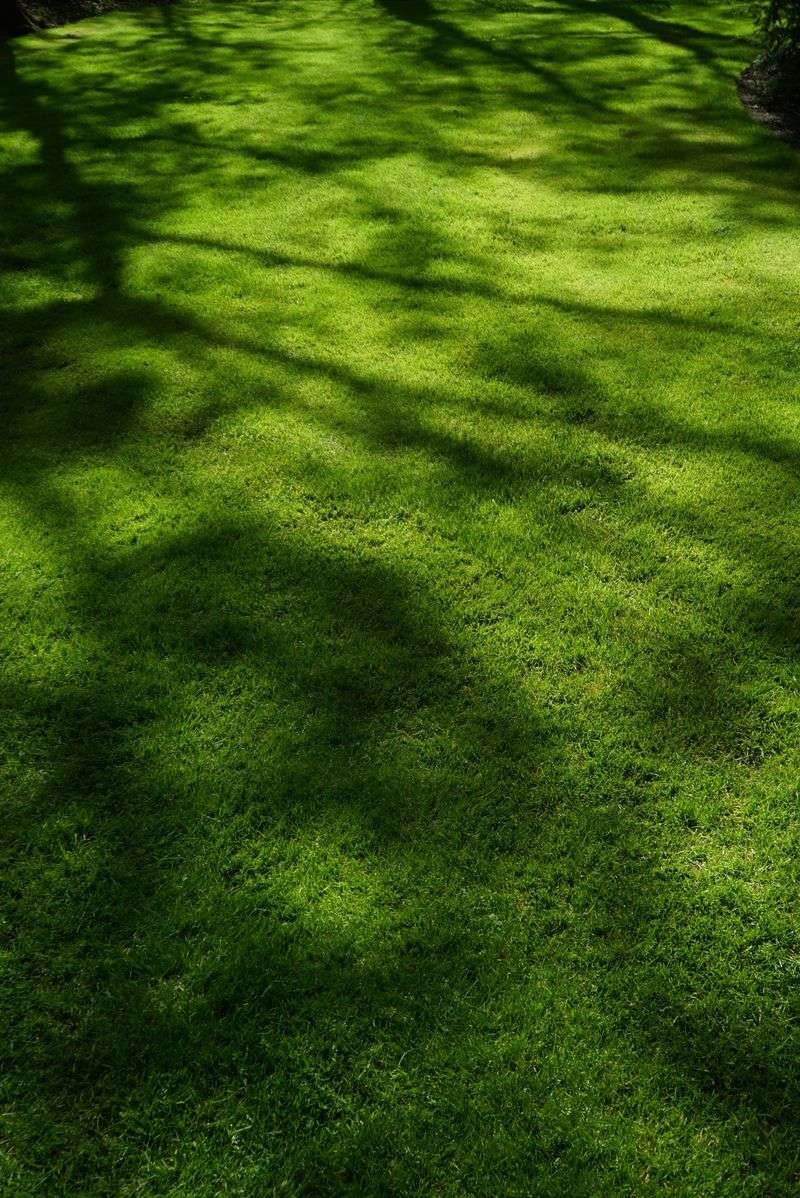
Fixing a scalped Bermuda lawn does not require expensive products or a professional crew. Raising the mower deck is the single most impactful change you can make right now.
Set the blade to cut at one and a half inches and commit to that height for the rest of the season. Resist every urge to drop it lower, no matter how fast the grass grows.
Water deeply but less frequently to encourage deeper root growth. Aim for about one inch of water per week, delivered in one or two sessions rather than daily light sprinkles.
Deep watering pushes roots downward, where soil stays cooler and holds moisture longer. That root depth is what keeps your lawn alive through the peak summer heat.
Fertilizing lightly with a nitrogen-rich product in early summer supports recovery without pushing excessive growth. Avoid heavy fertilization during a heat wave, since it stresses already-stressed turf.
Keep mower blades sharp and clean between uses. A sharp blade makes a clean cut that heals fast, while a dull one tears tissue and opens the door to disease.
Mow in the morning or late afternoon to avoid cutting during peak heat hours. Midday mowing adds stress to both you and the grass at a less than ideal time.
The Bermuda grass mistake Louisiana homeowners keep making every summer is completely reversible. A few smart adjustments to your routine can bring a struggling lawn back to lush, thick, green life before the season ends.