The Meaning Behind Seeing A Firefly In Your Ohio Yard In Late July

Most Ohio firefly sightings happen in early July when the peak display fills backyards and everyone stops to watch. A firefly appearing in late July is a different kind of sighting.
Quieter, more solitary, and worth paying attention to for reasons the main event tends to overshadow. Late July fireflies are not stragglers.
They are telling a different story. What their presence signals about a yard is specific and worth understanding.
Soil health, moisture levels, plant coverage. Each one factors into whether a yard still supports fireflies this late in the season.
A late July sighting is not random. That firefly chose that yard for a reason.
Understanding what that reason likely is changes how the yard gets looked at for the rest of the season and into next year.
1. See The Flash As A Healthy Yard Clue

A blink near the Ohio garden edge after sunset is easy to brush off as pure luck. But that small flash may actually carry a practical message about your yard’s condition.
Fireflies tend to appear more often in spaces that still offer usable habitat. Those spaces often have moisture, low light pollution, shelter, and less pesticide exposure.
Spotting one in late July can suggest your yard is holding on to at least a few of those conditions.
Pay attention to where the flash happens. A firefly near taller grass, a shrub border, a damp low spot, or a darker corner of the yard is giving you location clues.
Those spots may be the parts of your property that are still working for local insect life. OSU Extension resources note that habitat quality, including moisture and vegetation structure, plays a role in where fireflies are found.
One firefly does not prove your entire yard is thriving. Sightings depend on species, nearby habitat, weather, and the season.
But treating that single flash as a hopeful clue rather than a coincidence is a smart place to start. Notice it, track where it appears, and let it guide small choices about how you manage those corners of the yard going forward.
2. Treat Late July Glow As Mating Season Magic
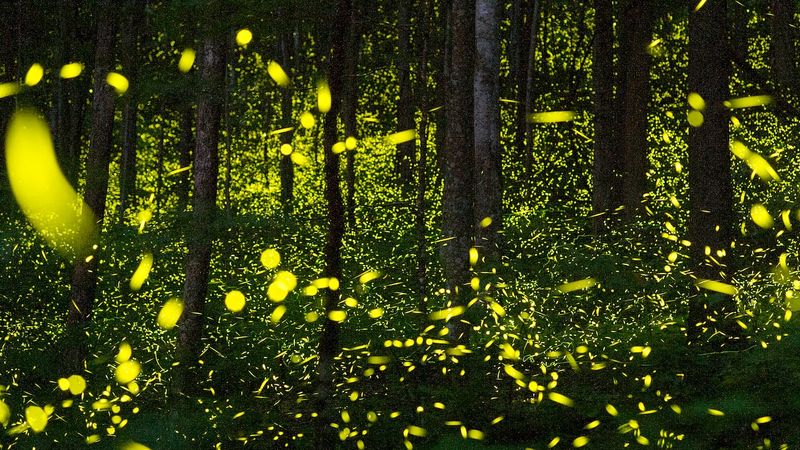
Warm nights, a little humidity, and an Ohio yard that goes dark after dusk create the right stage for one of summer’s best natural performances. Late July is a time when many adult firefly species are still active, and those flashes you see are not random.
For most firefly species, light signals play a role in courtship and communication between adults. Males typically flash while flying, and females may respond from a resting position nearby.
Timing and flash patterns vary by species. Some fireflies peak earlier in summer, while others remain active well into late July depending on location, weather, and local conditions.
The Xerces Society notes that flash timing, color, and pattern help individual species recognize each other. Watching quietly from a distance gives you a chance to observe this behavior without interrupting it.
Practical steps make a real difference here. Avoid pointing bright flashlights into areas where fireflies are active.
Your Ohio Garden Changes Every Week. Your Plan Should Too.
Gardening in Ohio changes quickly throughout the season. Every Friday you’ll receive a simple weekly plan showing exactly what to plant, prune, fertilize, harvest, and protect so you never miss the right timing.
Turn off porch and landscape lights after dusk during peak viewing evenings. Give the yard even a small patch of genuine darkness, and you may notice more activity over time.
Mating season is brief, and the adults you see now will not be around forever. Letting the yard go quietly dark for even a few nights each week can protect this fleeting, fascinating behavior.
3. Know Fireflies Are Beetles Not Flies
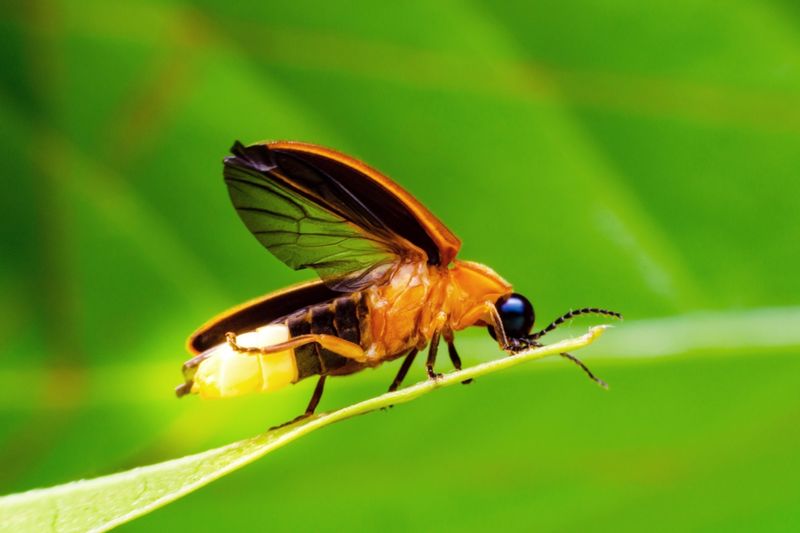
Many Ohioans grow up calling them lightning bugs without ever thinking much about what they actually are. Fireflies are not true flies at all.
They belong to the order Coleoptera, which makes them beetles. Their scientific family is Lampyridae, and entomology resources confirm that the name firefly is a common name, not a biological classification.
Understanding this small fact changes how you see the insect entirely.
Like all beetles, fireflies have hardened wing covers called elytra that protect their wings when they are not flying.
The light-producing organ sits in the lower abdomen and uses a chemical reaction involving luciferin and the enzyme luciferase to create that familiar glow.
Adults and larvae are both capable of producing light in many species, though they use it for different purposes depending on their life stage.
Teaching kids or neighbors this fact is a great way to spark curiosity about local insect life. You do not need to catch fireflies to appreciate them.
Watching from a few feet away is enough to see the elytra lift before flight, the abdomen flash, and the slow drift through the dark. Rough handling can injure these small beetles, so observation beats capture every time.
Knowing what they actually are makes the summer flash feel even more remarkable.
4. Look For Moist Soil Leaf Litter And Shelter
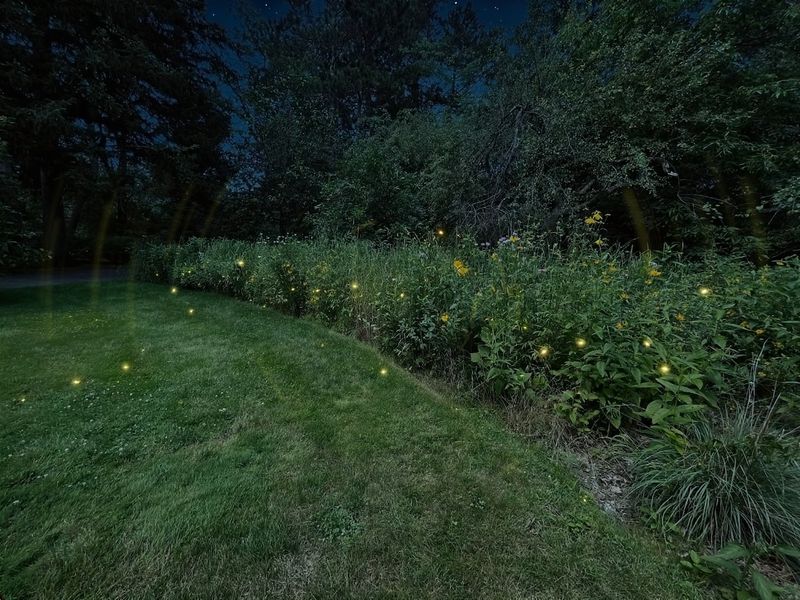
Not every corner of an Ohio yard is equally useful to fireflies. The spots that attract them most share a few traits.
They often have ground-level moisture, shelter from wind and drying heat, and little mowing or foot traffic. University extension sources and conservation guidance point to moist, sheltered areas as likely firefly habitat.
These are places where fireflies may rest or develop.
Firefly larvae live at or near ground level and need protected spaces to survive. Leaf litter plays a real role here.
A layer of leaves left in a low-risk area, such as along a fence line or under shrubs, can provide the kind of cover that supports ground-level insect life.
Larvae in many firefly species feed on small soft-bodied prey like snails and worms, which also prefer moist, sheltered conditions.
You do not need to let the whole yard go wild to help. A small low-disturbance zone near a garden edge or tree line can make a difference.
Avoid blowing out or bagging every leaf from these quieter corners. Keep some ground moisture by reducing excessive raking and leaving natural mulch where it fits safely.
Drying out every inch of the yard removes the kind of microhabitat that fireflies and many other beneficial insects depend on through the season.
5. Turn Off Porch Lights After Dusk
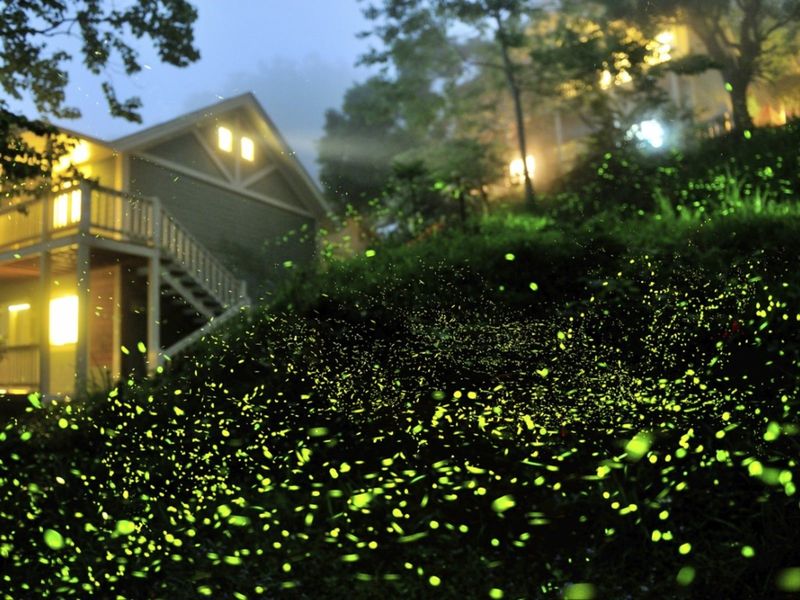
A porch light left on all evening does more than light up the steps. Artificial light after dark can interfere with firefly flash signals, making it harder for adults to find each other during the short mating season.
The Xerces Society and conservation researchers have noted that light pollution is a growing concern for firefly populations. Even moderate artificial light in a yard can reduce the visibility of natural flash patterns.
Turning off unnecessary lights after dusk is one of the simplest actions a homeowner can take. Porch lights, garage lights, path lights, and decorative landscape lighting all contribute to the glow that competes with firefly signals.
Motion-sensor lights are a practical alternative because they only activate when needed. Timers can help you cut lights earlier in the evening without thinking about it each night.
Creating even one darker zone in your yard can help. Shielded fixtures that direct light downward rather than outward reduce sky glow without eliminating safety lighting entirely.
Safety does not have to be sacrificed for firefly-friendly darkness. The goal is to reduce unnecessary light, not to leave the yard completely unlit.
Even a few evenings each week with lower light near the garden edge or back lawn can help local fireflies. It gives them a better chance to find each other before the adult season ends.
6. Skip Pesticides Where Fireflies Rest And Hunt

Broad pesticide use across a lawn or garden can affect far more than the target pest. Insecticides applied to grass, garden beds, and leaf-litter zones can harm non-target insects.
They can also reduce the small prey species that fireflies and their larvae need. Ohio conservation guidance consistently warns that indiscriminate pesticide use is one of the pressures that makes insect habitat less functional over time.
Firefly larvae hunt soft-bodied prey at ground level, and adults rest in vegetation during the day. Both life stages can be exposed to pesticides applied to lawns and garden edges.
Avoiding broad-spectrum insecticide use in areas where fireflies are active or likely to rest gives those insects a better chance of completing their life cycle. This is especially important during late July when adults are still present.
If pest problems in the yard genuinely require action, integrated pest management approaches offer targeted solutions that reduce unnecessary chemical exposure.
OSU Extension provides guidance on identifying actual pest thresholds before reaching for a sprayer.
Spot treatments on specific problem areas cause less widespread harm than blanket lawn applications. Reading and following pesticide labels carefully is always required by law and protects both people and non-target wildlife.
Skipping the routine spray in darker, leafier yard corners is a low-effort step. It may help fireflies and other beneficial insects hold on through the season.
7. Leave A Wilder Edge For Larvae To Grow
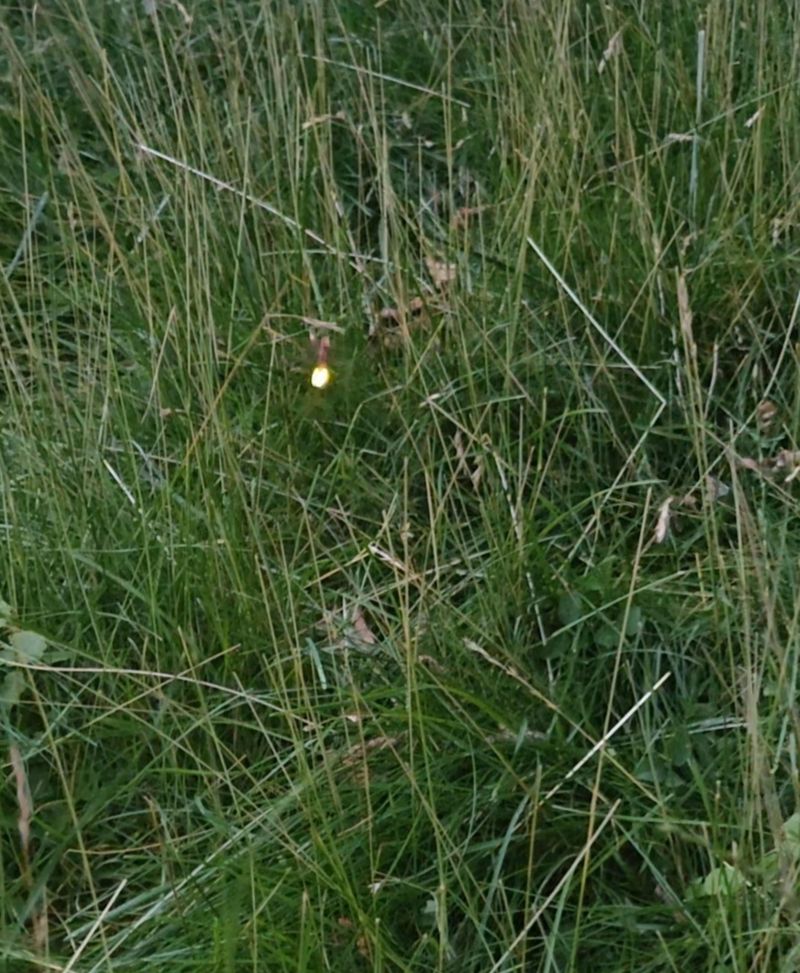
Along the back fence or under the edge of a tree canopy, a strip of yard that gets a little less attention can do a lot of good. Firefly larvae need protected ground-level habitat to develop, and a wilder edge provides exactly that.
Native grasses, low shrubs, leaf litter, small logs, and natural mulch all create layered structure. Larvae can shelter, hunt, and grow there through the warmer months.
Xerces Society guidance recommends leaving intentional low-disturbance zones as part of a yard management plan that supports native insect life. The key word is intentional.
A wilder edge does not mean an abandoned corner that creates safety concerns or neighborhood friction. It means a maintained but less-disturbed strip where mowing is reduced, leaves are left, and soil is not routinely turned or compacted.
Native plants along this edge add value beyond aesthetics. They support the broader food web that firefly larvae depend on, and they provide resting spots for adults during the day.
Keep the wilder edge narrow enough to stay manageable, perhaps two to four feet wide along a fence or garden border. Leaving a small log or two on the ground in that zone adds structure without creating clutter.
A tidy but quieter edge is far more useful to firefly larvae than a perfectly manicured grass border trimmed to the soil.
8. Let One Tiny Flash Change How You Garden

Seeing a firefly blink over the yard in late July is easy to enjoy for a second and then forget. But that tiny flash can actually shift how you think about the space you manage every week.
Small choices in a yard add up over a season, and firefly-friendly habits tend to benefit a wide range of other insects and birds at the same time.
Keeping a few areas dark after dusk, protecting moist shelter, and reducing pesticide use all help. So do planting diverse native vegetation and mowing less aggressively in chosen zones.
Together, these choices move the yard toward supporting local insect life. None of these changes require a dramatic overhaul.
They are adjustments that fit into a regular lawn and garden routine without much extra effort.
One firefly is not proof of a perfect yard. It is a reminder that the yard is still connected to the night life around it.
That includes moths, beetles, toads, and other small creatures that need darkness, moisture, and shelter. The Buckeye State has a rich diversity of firefly species, and even a modest yard in a suburban neighborhood can play a small role in supporting them.
That single flash after a warm July rain is not just a pretty moment. It is a sign that something in your yard is still working, and that is worth protecting.