What Illinois Law Says About Bamboo Before It Crosses Into Your Neighbor’s Yard
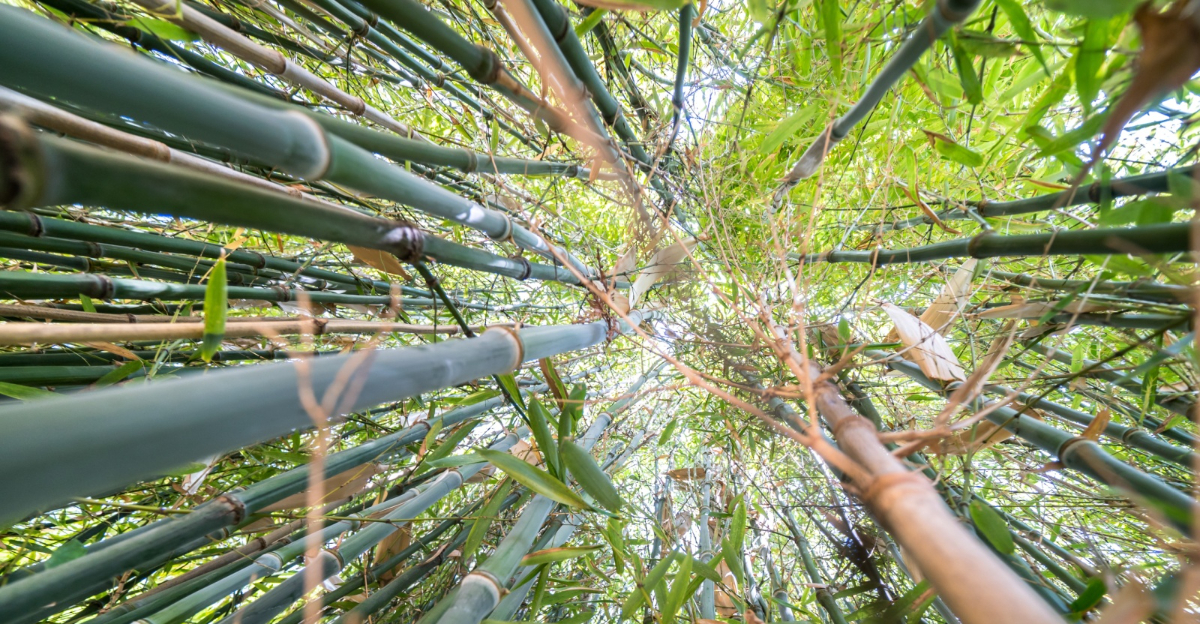
Rhizomes travel underground long before you notice anything unusual. Bamboo tempts homeowners with fast growth and endless green.
Illinois offers no statewide law protecting your fence line. Neighbors often notice invasive roots before homeowners realize it.
Courts across Illinois treat spreading bamboo as a nuisance. Judges weigh negligence, warning, and prevention when deciding outcomes.
Removal costs and legal fees could surprise you quickly. Local ordinances sometimes restrict bamboo planting without much notice.
Associations enforce stricter planting rules than city codes require. Overlooking a spreading rhizome problem rarely makes it disappear.
Property questions arise quickly once roots cross boundary lines. Underground growth spreads faster than most homeowners ever expect.
Patience, money, and time get tested unexpectedly. Conversations between neighbors shift the moment roots appear.
Nothing about this situation stays contained for very long. Fences, property lines, and friendships all face gentle strain. State law decides your bamboo’s future before you plant.
Why Bamboo Rhizomes Are Such A Neighbor Problem
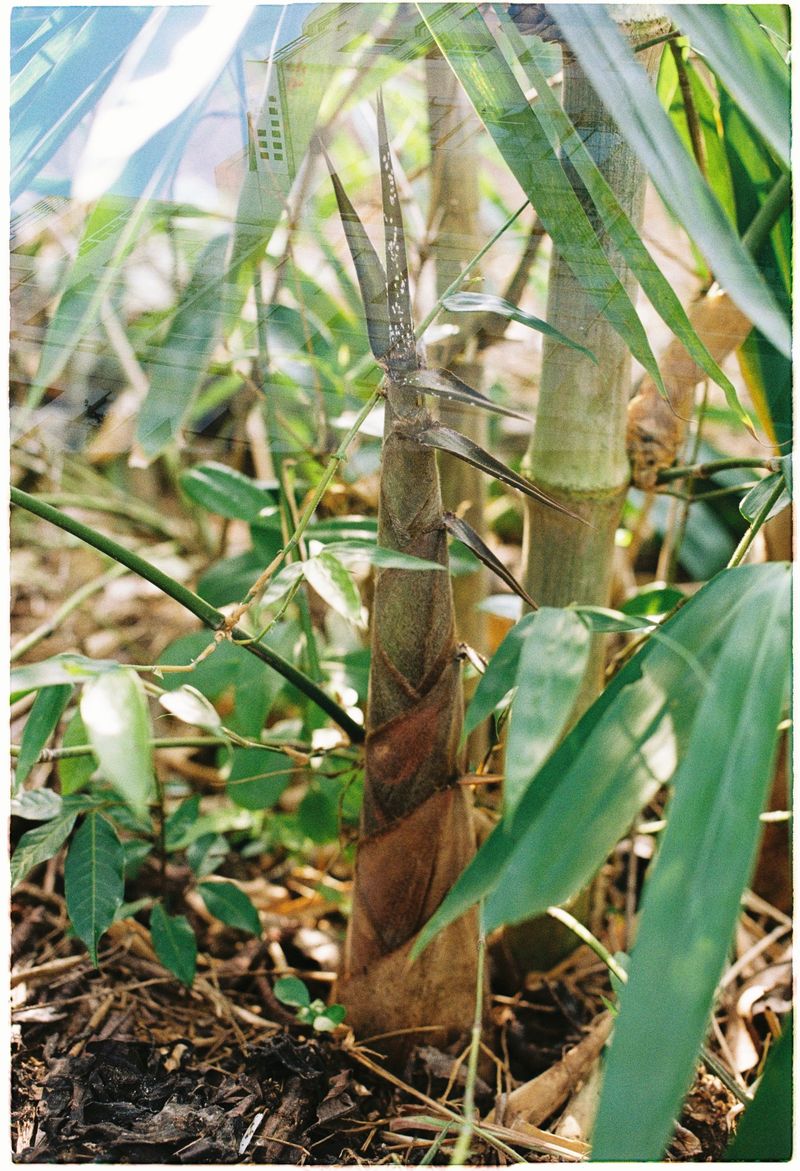
You planted bamboo three years ago, and now your neighbor is on the phone, upset. Bamboo rhizomes can travel several feet or more underground in a single growing season.
A rhizome is basically a horizontal underground stem. It grows sideways, silently, and pops up wherever it finds open soil.
Running bamboo is the most aggressive spreader here. Species like Phyllostachys can spread aggressively, pushing through lawns and sometimes cracking pavement.
Clumping bamboo is calmer and stays closer to its base. But running bamboo? That plant spreads without regard for property lines.
The problem becomes legal fast. Once bamboo crosses a property line, it becomes your financial and legal responsibility in many states.
In nuisance disputes generally, courts tend to side with the affected property owner when damage can be documented.
Rhizomes are hard to see until the damage is done. By the time shoots appear in a neighbor’s flower bed, the roots have already traveled far.
Removing established bamboo is expensive and exhausting. Professional removal can cost thousands of dollars depending on how far the plant has spread.
Knowing this biology is step one before you plant anything. Understanding the enemy underground helps you make smarter choices above ground.
Illinois Laws Governing Invasive Plant Spread
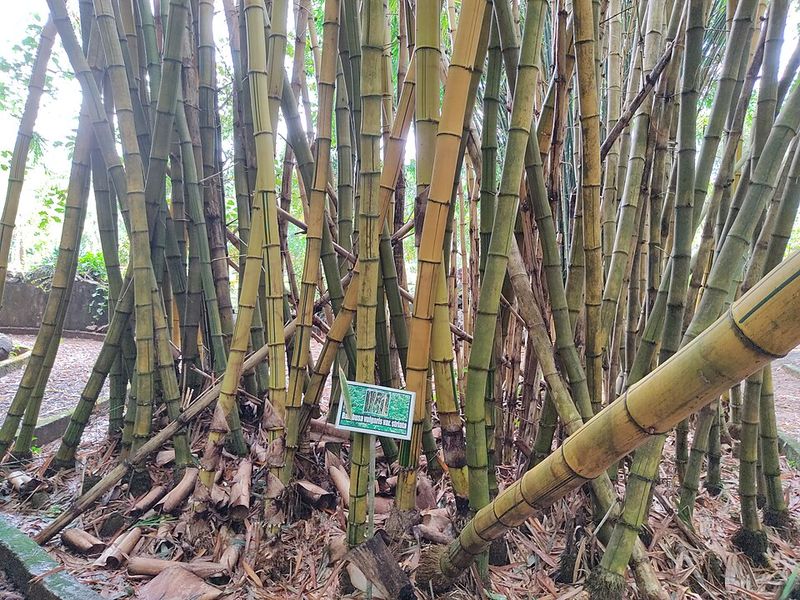
Illinois does not have a single statewide law that bans bamboo outright. But that does not mean you are free to let it roam wherever it wants.
Illinois does regulate certain invasive plants under state law. Bamboo’s status on any specific registry can change, so confirm it with your local extension office or a property attorney before you rely on it.
That said, Illinois property law still applies. Nuisance law is one of the most powerful legal tools a neighbor can use against bamboo spread.
Under nuisance doctrine, a plant that causes damage or interferes with a neighbor’s use of their property can be treated as a legal nuisance. Courts have consistently supported this view.
Illinois property and nuisance law can apply when encroachment causes damage. Bamboo that crosses a line and causes damage fits squarely into that framework.
Your Illinois Garden Changes Every Week. Your Plan Should Too.
Gardening in Illinois changes quickly throughout the season. Every Friday you’ll receive a simple weekly plan showing exactly what to plant, prune, fertilize, harvest, and protect so you never miss the right timing.
Consult a local attorney to confirm the exact statute that fits your situation. An injunction can legally force you to remove the bamboo and install barriers.
What Illinois law says about bamboo before it crosses into your neighbor’s yard is essentially this: prevention is your obligation. Letting it spread is not a gray area.
Courts look at whether the homeowner knew about the spread and failed to act. Ignorance is rarely accepted as a valid defense in these cases.
Talk to a local property attorney if you are unsure. A one-hour consultation can save you from a lawsuit that costs far more.
Local Ordinances And Property Line Requirements
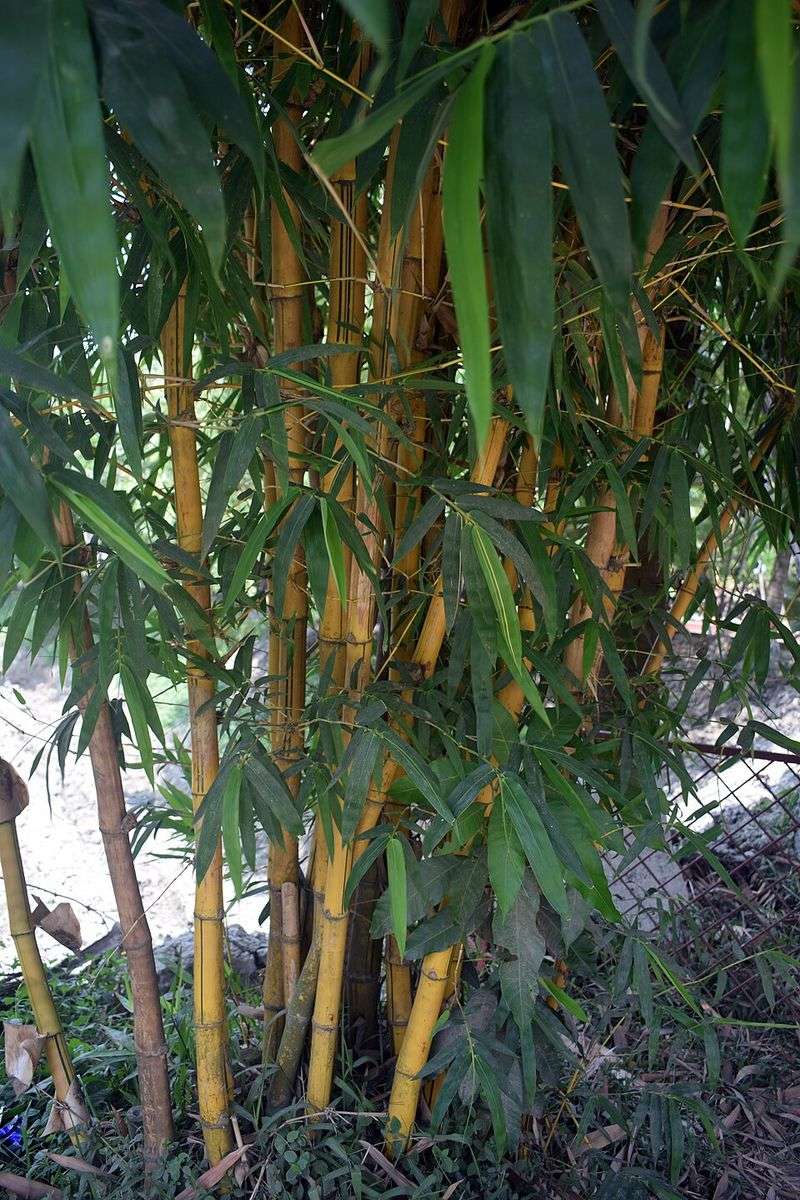
State law sets the floor, but local ordinances can go much further. Many Illinois municipalities have passed their own rules about plants that spread beyond property lines.
Many Illinois municipalities, including larger cities and suburbs, may have local codes addressing vegetation encroachment. Check with your specific town to confirm what applies.
Some ordinances require that bamboo be planted a minimum distance from any property line. Setback distances vary by municipality, so check your local code for the exact requirement before planting.
Other local codes require physical containment barriers before planting. Skipping that step can result in fines or mandatory removal orders from the city.
Check with your local zoning or code enforcement office before planting. A quick phone call or online search of your municipality’s code can save serious headaches.
Property line requirements are not just about bamboo either. They reflect a broader legal principle: your right to landscape ends where your neighbor’s land begins.
Homeowners associations add another layer of regulation. Many HOA agreements in Illinois specifically prohibit running bamboo or require pre-approval before planting.
Violating an HOA rule can result in fines, forced removal, and even liens on your property. Weigh that risk carefully before choosing a bamboo screen.
Knowing your local rules is not optional. What Illinois law says about bamboo is only part of the picture when local codes are stricter.
What Happens If Bamboo Crosses Into A Neighbor’s Yard

Bamboo shoots poking through your lawn are not just annoying. They are often the first sign of a property dispute.
When bamboo crosses a property line, the affected neighbor has legal standing to demand action. That demand can come in the form of a formal letter or a lawsuit.
Illinois courts generally hold the plant owner responsible for controlling spread. Failing to act after being notified makes the situation significantly worse legally.
Damages can include the cost of removing bamboo, repairing cracked pavement, and restoring damaged landscaping. In some cases, courts have awarded additional compensation too.
The neighbor does not have to wait for massive damage either. Even minor encroachment gives them the right to pursue legal remedies under nuisance law.
Some disputes get resolved through mediation. A neutral third party helps both neighbors agree on a removal plan and a cost-sharing arrangement.
Others go straight to small claims court. For damages under $10,000, small claims is fast and does not require a lawyer.
Document everything if bamboo has entered your yard. Photos with timestamps, written notices to the neighbor, and cost estimates from landscapers all strengthen your case.
Acting early matters more than most people realize. The longer bamboo grows unchecked, the more expensive and contentious the cleanup becomes for everyone involved.
Barrier Installation And Containment Rules
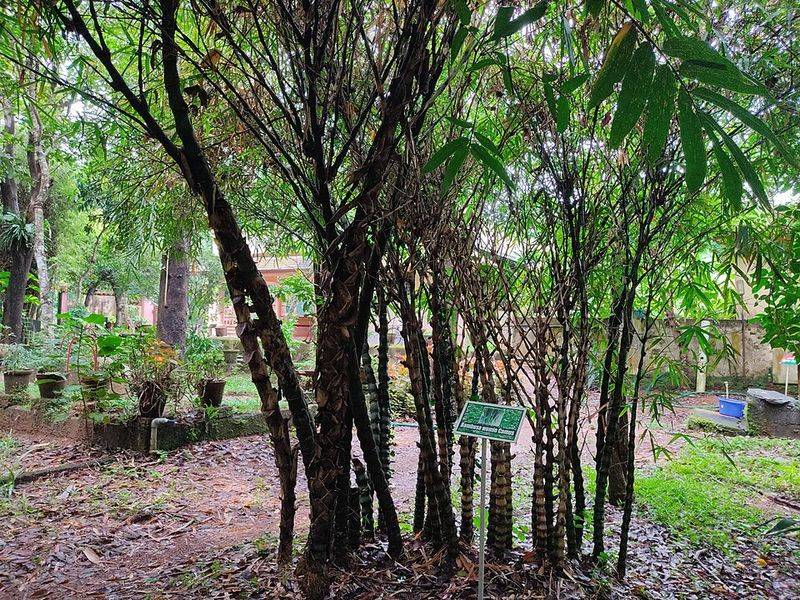
A good barrier is one of your most effective tools when it comes to bamboo. Installed correctly, it keeps rhizomes in check and keeps your neighbor relationships intact.
High-density polyethylene, or HDPE, root barriers are a widely used option for bamboo containment. They need to be at least 60 mils thick to resist aggressive running species.
The barrier should be buried at least 28 to 30 inches deep. Anything shallower and rhizomes will simply slide underneath and keep moving.
Slope the top edge of the barrier slightly outward. This guides rhizomes upward so you can spot and trim them before they escape.
Certain Illinois municipalities may require barrier installation before you can legally plant running bamboo. Check your local code directly to confirm whether this applies and what depth and material are required.
Barriers are not permanent without maintenance. Inspect the perimeter at least twice a year, especially in spring when growth is most aggressive.
Trim any rhizomes that have crept above the barrier edge immediately. Leaving them even for a few weeks gives them time to root beyond the barrier.
Professional installation costs vary by area, so get local quotes before budgeting. That cost is far less than a legal dispute or full removal later
What Illinois law says about bamboo includes an implied duty of care. Installing a proper barrier is the clearest way to show you took that duty seriously.
Steps To Take Before Planting Or Removing Bamboo

Before you drop a single bamboo shoot in the ground, do your homework. A few smart steps now can prevent significant problems down the road.
Start by pulling your property survey. Knowing exactly where your line sits helps you plan placement and barrier installation with precision.
Contact your local zoning office next. Ask specifically about any ordinances governing bamboo, invasive plants, or vegetation setbacks from property lines.
If you belong to an HOA, read your covenants carefully. Many agreements require written approval before planting species known to spread aggressively.
Choose clumping bamboo over running varieties whenever possible. Clumping species like Fargesia stay tight and do not send rhizomes racing across your yard.
If you already have running bamboo and want to remove it, plan for a multi-season effort. One round of cutting rarely removes an established root system.
Hire a licensed landscaper with bamboo removal experience. General contractors often underestimate how deep and wide the root system has traveled.
Notify your neighbor before removal work begins. This shows good faith and helps avoid confusion if rhizome debris shows up near their side during excavation.
Keep records of every step you take. Permits, contractor invoices, and written neighbor notifications all document your responsible behavior.
What Illinois law says about bamboo before it crosses into your neighbor’s yard comes down to one word: accountability. Plan ahead and you will never need a lawyer to sort out your garden.