The Best Time To Water Your Missouri Garden During A Heat Wave
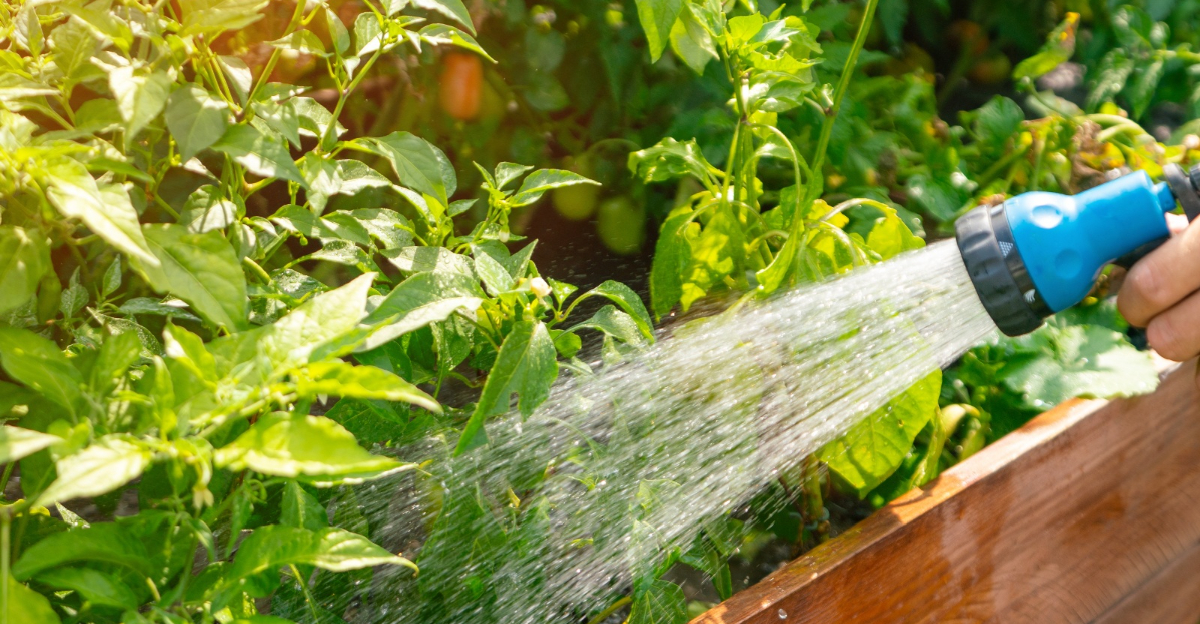
Heat doesn’t wait for you to prepare your garden. Missouri sun turns soil dry and thirsty within hours.
Your plants feel it before you even notice drooping. Roots search for moisture your soil no longer holds.
Humidity traps warmth close to tender leaves. Afternoons drain your garden’s moisture faster than expected.
Dry spells leave lush beds fragile almost overnight. Timing your watering wrong wastes water and tires plants further.
Gardeners across Missouri know timing beats guessing every time. Every drop matters when your garden stays warm after dark. Wait too long and you’ll watch favorite blooms fade fast.
Ignore it and recovery gets harder daily. Smart watering means reading your garden, not just checking clocks.
Nothing about protecting your garden from heat happens by chance. Get the timing right, and your garden keeps growing no matter how intense the season gets.
Why Timing Matters More During Extreme Heat
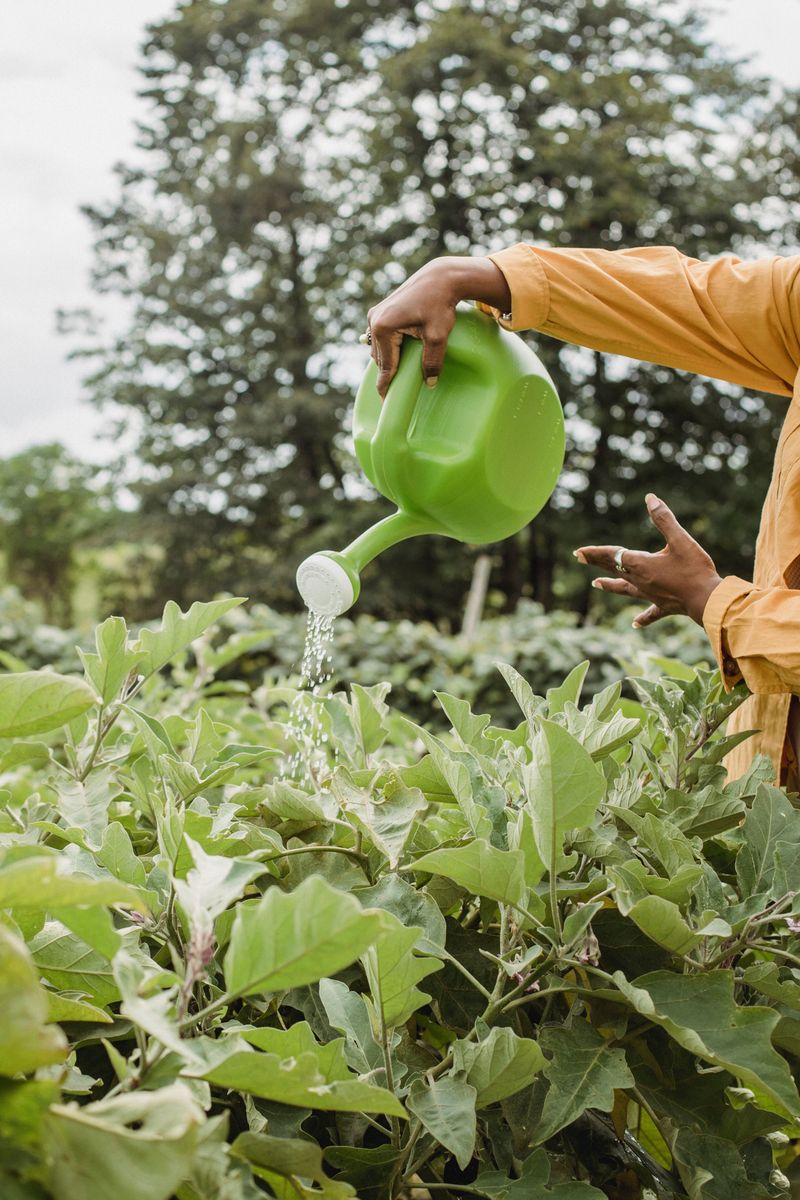
Heat changes everything in a garden. As temperatures climb, water evaporates faster than roots can absorb it.
Your plants are essentially racing against the clock every single day. A poorly timed watering session can waste most of the moisture before it ever reaches the roots.
Soil temperature can spike during peak afternoon hours, especially on bare or dark soil exposed to direct sun. That means shallow watering during the wrong window is nearly pointless.
Roots need consistent moisture to stay functional when the air above them feels like an oven. Without proper hydration timing, even drought-tolerant plants can begin to show stress sooner than expected.
The best time to water your Missouri garden during a heat wave is not a random choice. It is a calculated decision based on sun angle, soil type, and how fast your specific garden dries out.
Clay-heavy soils, found in parts of Missouri, tend to hold moisture longer but can crack and repel water when too dry. Sandier soils drain faster and often need more frequent, targeted attention.
Think of timing as your garden’s first line of defense against heat damage. Get it wrong, and even a generous watering session leaves plants thirsty and scorched by noon.
Early Morning Watering And Its Key Benefits
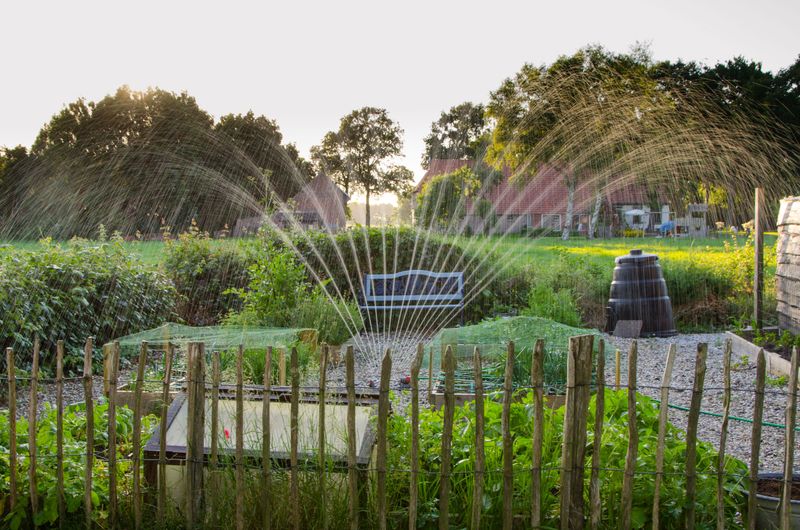
Few things compare to the conditions of a 6 a.m. garden. The air is cool, the sun is low, and your plants are ready to drink deeply without the threat of instant evaporation.
Early morning is widely considered the gold standard for garden watering, especially during intense heat. Moisture has hours to soak down into the root zone before midday heat kicks in.
Leaves that get wet in the morning dry off quickly as temperatures rise. That fast drying time dramatically reduces the chance of fungal diseases taking hold on foliage.
Watering between 5 and 9 a.m. gives your soil the best chance to absorb and hold moisture all day long. Plants use that stored water to stay cool and keep photosynthesis running smoothly.
Early watering also helps plants build stronger cell walls over time. Well-hydrated plants are physically more resistant to heat stress than those that cycle between drought and flooding.
Your Missouri Garden Changes Every Week. Your Plan Should Too.
Gardening in Missouri changes quickly throughout the season. Every Friday you’ll receive a simple weekly plan showing exactly what to plant, prune, fertilize, harvest, and protect so you never miss the right timing.
For Missouri gardeners dealing with high humidity summers, morning watering also prevents the soggy overnight conditions that breed root rot. Your garden stays healthier with every well-timed session.
Set a timer or alarm if you need to. Making early morning watering a daily habit during a heat wave is one of the smartest moves you can make for your entire garden’s survival.
Why Evening Watering Comes With Risks

Evening watering feels convenient after a long workday, but it comes with a hidden cost many gardeners overlook. Wet leaves sitting through a warm, humid Missouri night create favorable conditions for fungal problems.
Powdery mildew, leaf spot, and blight all thrive when foliage stays damp for hours. Once these diseases take hold, they can spread quickly and become difficult to manage.
That said, evening watering is not always a disaster if done carefully. Watering at the soil level with a drip line or soaker hose keeps leaves dry and reduces fungal risk significantly.
The real problem is overhead watering in the evening, especially with sprinklers. Water droplets cling to leaves all night, creating the perfect humid microclimate for disease spores to germinate.
Another concern is slugs and other pests that come out after dark. Moist garden beds at night attract these creatures, and they can do serious damage before sunrise.
If evening is your only option, aim to water no later than 4 p.m. so leaves have some drying time before dark. Adjust your sprinkler heads to avoid direct leaf contact whenever possible.
Evening watering in a heat wave might keep plants alive short-term, but it can create long-term problems that outlast the hot spell. Choose your timing wisely and protect your plants from both heat and moisture damage.
The Problem With Watering In Midday Sun
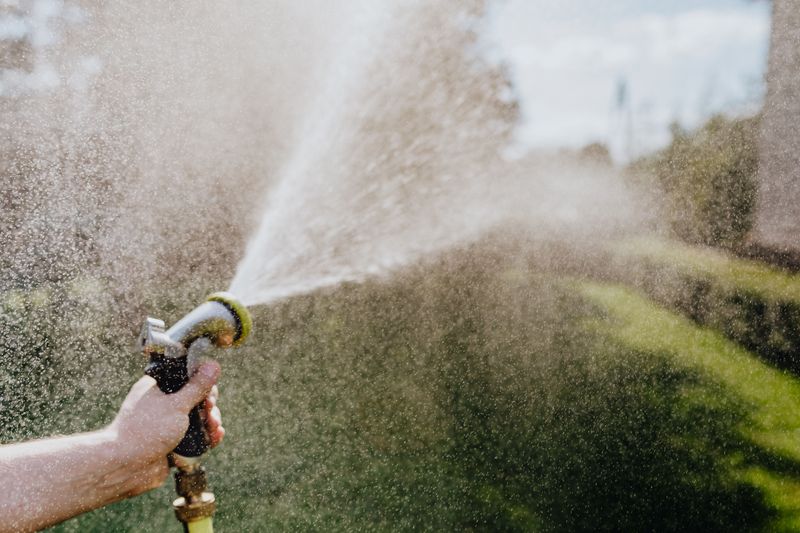
Midday watering during a heat wave is one of the most common garden mistakes people make. The sun is at its peak, temperatures are highest, and water evaporates almost as fast as it hits the ground.
You might think you are helping your plants cool down by hosing them off at noon. In reality, most of that water never reaches the root zone where it actually matters.
Water hitting sun-heated leaves at midday can trigger stress responses that show up as leaf scorch, creating brown patches that weaken the plant further.
Soil that is already hot and dry can become almost hydrophobic, meaning it repels water rather than absorbing it. You end up with runoff instead of deep root penetration, wasting both water and effort.
There is also the issue of plant stress compounding. A plant already struggling with heat does not benefit from the added shock of cold water hitting scorched leaves and hot soil simultaneously.
Some gardeners swear by midday misting to cool foliage, but this is different from full watering. Light misting can offer temporary relief without the waste and damage of a full midday watering session.
Save your water and your energy for the morning hours when it counts the most. Midday watering during a Missouri heat wave is generally an inefficient use of water and effort.
How Often To Water When Temperatures Spike
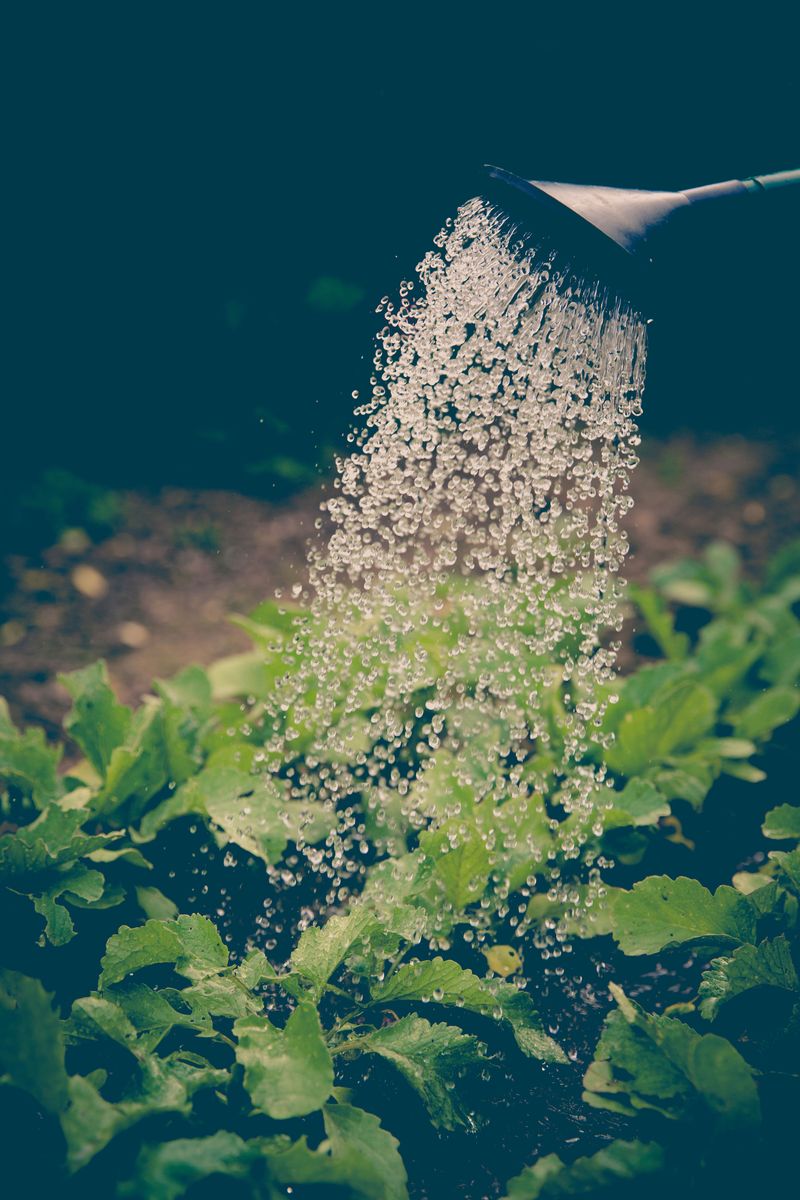
Normal watering schedules fall apart fast when temperatures climb above 95 degrees. What worked perfectly in June can leave your plants visibly stressed by mid-July during a serious heat wave.
Most vegetables need about one inch of water per week under normal conditions. During extreme heat, that requirement can increase significantly depending on soil type and plant size.
Container plants are especially vulnerable because their limited soil volume dries out rapidly. During a heat wave, potted plants may need watering every single day, sometimes even twice daily in small pots.
Raised garden beds also dry out faster than in-ground beds because they have more exposed surface area. Check raised beds daily by pushing your finger two inches into the soil to test moisture levels.
In-ground garden beds with healthy mulch coverage hold moisture much longer and may only need watering every other day. The key is checking the soil rather than following a rigid schedule.
A simple moisture meter is a worthwhile investment for any serious gardener dealing with heat waves. These affordable tools take the guesswork out of knowing exactly when your soil needs attention.
Adjust your frequency based on what the plants tell you, not just the calendar. Plants under heat stress communicate clearly through drooping, color changes, and soil dryness, so pay close attention every morning.
Signs Your Plants Need Water Right Now
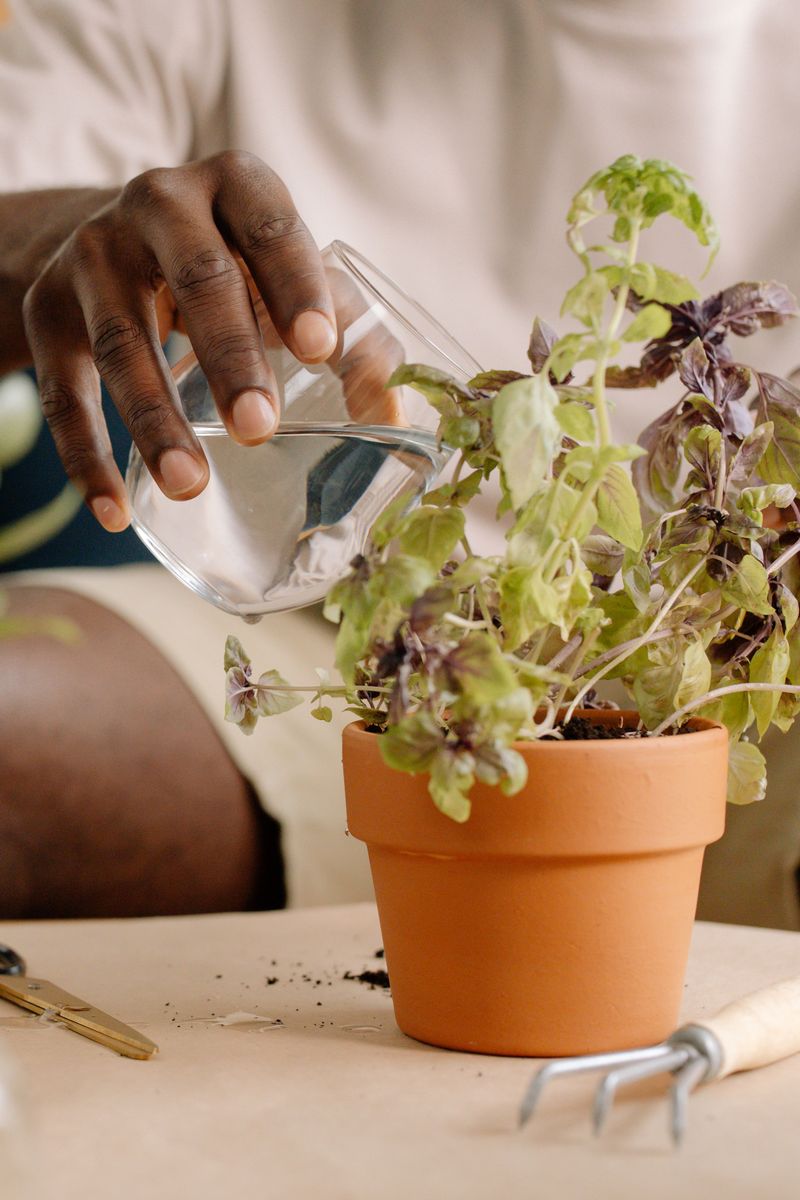
Plants are surprisingly good communicators once you know what to look for. Wilting leaves are the most obvious signal, but they are not always the first sign of trouble.
Curling or cupping leaves are an early warning that a plant is trying to reduce its surface area to conserve moisture. Catch this sign early and you can rehydrate the plant before serious damage sets in.
Leaves that look dull or grayish instead of their normal bright green are signaling stress. Healthy, hydrated plants have a certain sheen to their foliage that fades when moisture levels drop too low.
Soil pulling away from the edges of containers or garden beds is another red flag. That gap between soil and container wall means the root zone has dried out significantly and needs attention fast.
Some plants, like tomatoes and squash, wilt dramatically in afternoon heat even when properly watered. Check them again in the evening after temperatures drop to see if they perk back up on their own.
If the wilting persists into the evening hours, that plant genuinely needs water. Persistent wilting after sunset means the roots have been dry long enough to cause real cellular stress.
Trust your hands as much as your eyes when checking plant health. Dry, powdery soil that crumbles apart is always a more reliable indicator than leaf appearance alone, especially on hot afternoons.
The Role Of Mulch In Keeping Soil Moist
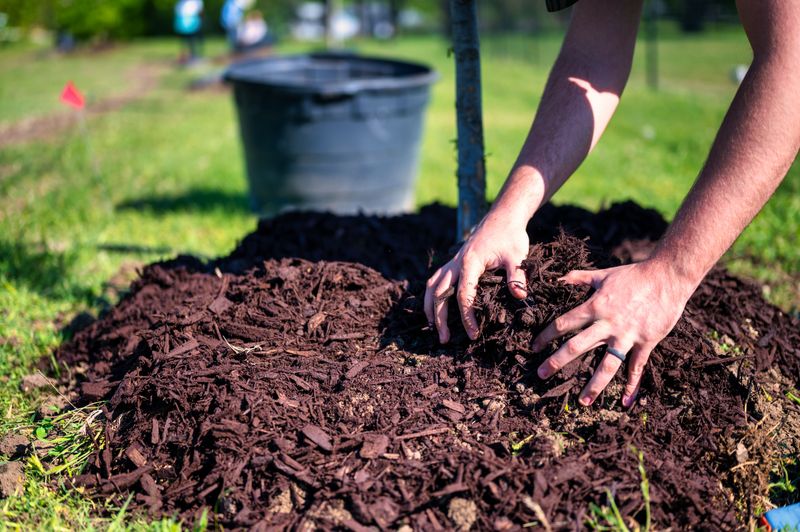
Mulch is an important tool for summer gardening. A three-to-four-inch layer of organic mulch can significantly reduce soil moisture loss on a scorching day.
Straw, wood chips, shredded leaves, and grass clippings all make excellent mulch options for heat wave conditions. Each material works by creating an insulating barrier between the hot air above and the cool soil below.
Bare soil absorbs heat aggressively and can reach temperatures that damage shallow roots. Mulched soil stays dramatically cooler and holds onto the moisture from your early morning watering sessions.
Apply mulch generously around the base of each plant, keeping it a few inches away from the main stem. Direct stem contact can trap moisture and create conditions for rot, which is the opposite of what you want.
Refreshing your mulch layer before a heat wave hits is one of the best proactive steps you can take. Old mulch that has broken down into fine particles loses its insulating ability and should be topped off regularly.
Mulch also suppresses weeds that compete with your plants for water and nutrients. Fewer weeds during a heat wave means more of your careful watering goes directly to the plants that need it most.
Think of mulch as your watering schedule’s best partner. Together, they create a system that keeps roots cool, soil moist, and plants resilient through even the most demanding Missouri summers.