The Texas Fruit Tree That Thrives Through Extreme Heat
Most fruit trees take one look at a brutal summer and start making demands. More water, more shade, more attention, more everything.
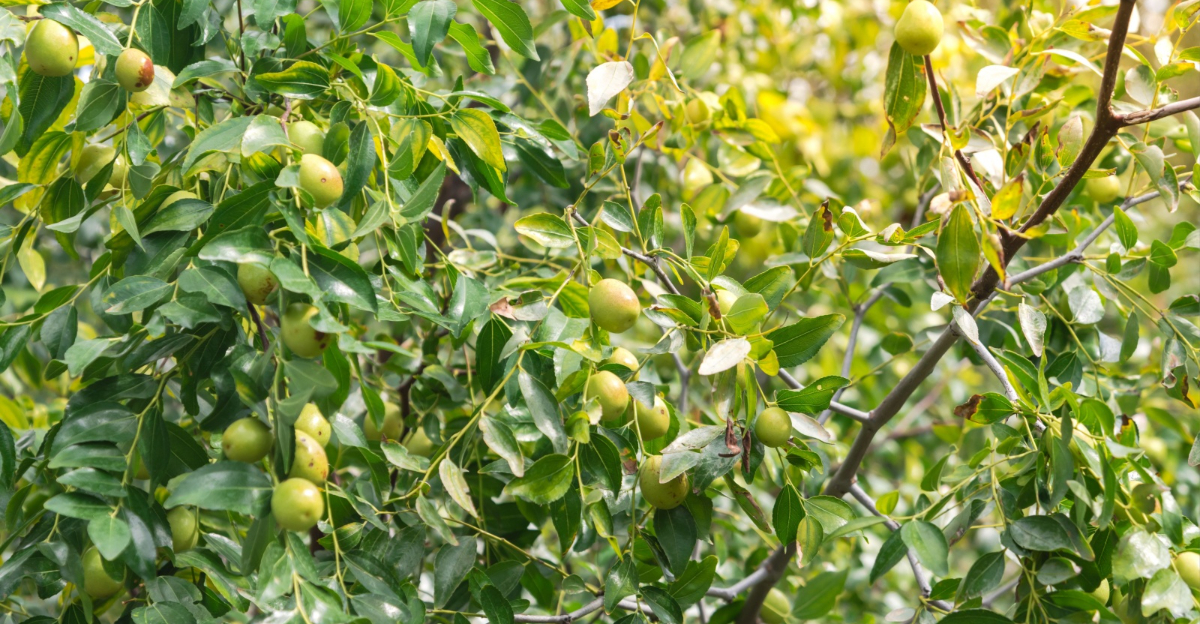
Jujube, on the other hand, seems almost unbothered by the whole situation. This heat-tolerant fruit tree, known botanically as Ziziphus jujuba, has quietly been building a loyal following among Texas home orchardists, and it is not hard to understand why.
Full sun, hot dry conditions, low pest pressure after establishment: jujube handles the kind of growing environment that would stress most other fruit trees without much drama.
That said, heat tolerant does not mean completely hands-off, especially during establishment.
Getting the soil right, watering appropriately while roots are getting settled, and choosing a suitable planting site are still part of the equation for producing quality fruit across different Texas regions.
1. Jujube Handles Hot, Dry Texas Conditions Well
Intense summers test almost every fruit tree planted in a home orchard or backyard.
Jujube stands out because it is genuinely adapted to warm, dry climates and can continue growing and producing fruit under conditions that may cause less heat-tolerant trees to struggle with flowering or fruit set.
Its origins trace back to regions of Asia that experience long, hot, dry summers, which is one reason it tends to perform well in much of Texas.
That said, heat tolerance is not a guarantee that jujube breezes through every challenging weather event without any stress at all. Tree age, soil moisture, variety, root health, and local conditions all influence how well a tree handles extreme temperatures.
A young tree with a shallow root system will respond differently to a stretch of 105-degree days than a well-established tree growing in well-drained soil.
What makes jujube a smart choice for many gardeners is its general ability to keep going when other fruit trees may stall or drop fruit early. Flowering tends to occur in late spring and early summer, which lines up with Texas heat rather than fighting against it.
Choosing jujube means working with the climate instead of struggling against it, which is a practical advantage that gardeners in hot, dry parts of the state will likely appreciate over time.
2. Deep Roots Help Established Trees Manage Drought
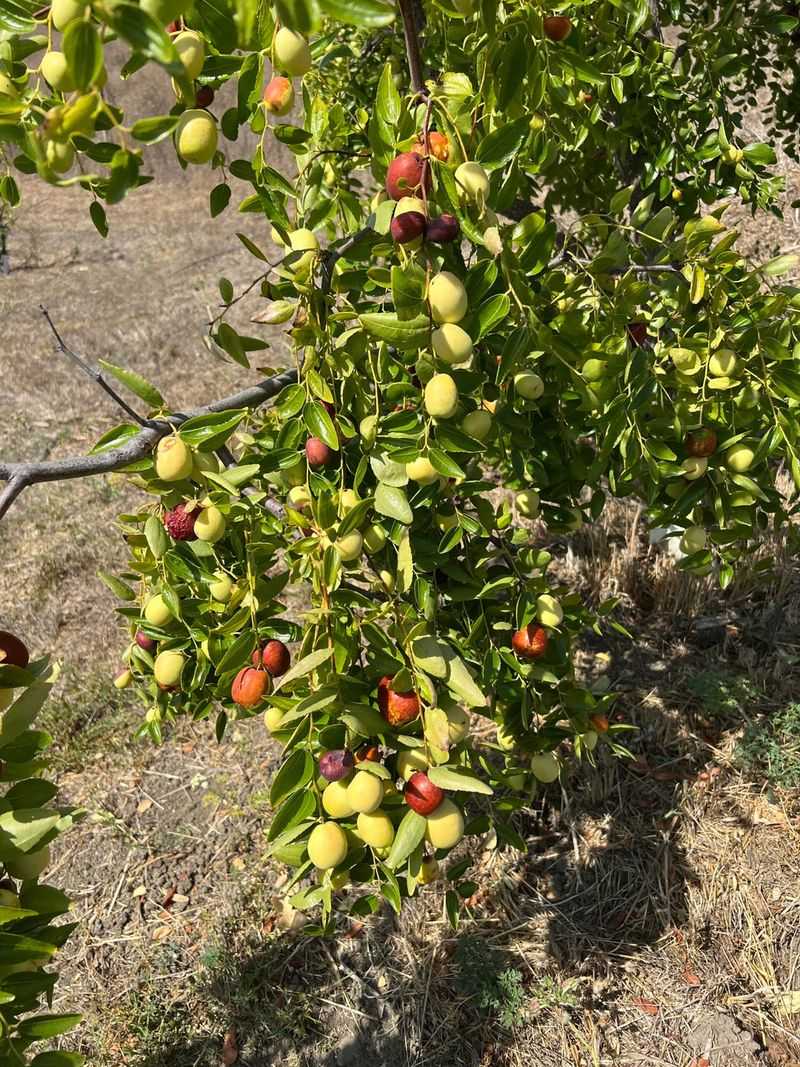
One of the more interesting things about an established jujube tree is how its root system develops over time. As the tree matures in well-drained Texas soil, its roots can extend outward and downward, reaching moisture that exists beyond the immediate surface layer.
This root development is one reason established jujube trees tend to handle dry stretches better than newly planted ones, which are still working to anchor themselves and spread into the surrounding soil.
Soil conditions play a real role in how roots develop. Compacted clay, caliche layers, or poorly prepared planting sites may restrict root growth and limit the tree’s ability to access deeper moisture.
Sandy or loamy soils with good structure tend to allow roots more freedom to spread, which can improve drought response over time.
Preparing the planting site thoughtfully before putting a tree in the ground makes a meaningful difference in long-term root health.
Your Texas Garden Changes Every Week. Your Plan Should Too.
Gardening in Texas changes quickly throughout the season. Every Friday you’ll receive a simple weekly plan showing exactly what to plant, prune, fertilize, harvest, and protect so you never miss the right timing.
Drought tolerance in jujube is something that builds with establishment, not something the tree arrives with from day one. Even a tree that has grown in a Texas yard for several years can still experience stress during an unusually long or severe dry period.
Drought tolerance means the tree can manage better than many alternatives, not that it thrives without any moisture at all. Gardeners should continue monitoring soil conditions and providing supplemental water during extended dry spells when needed.
3. Good Drainage Supports Healthy Growth In Texas Soil
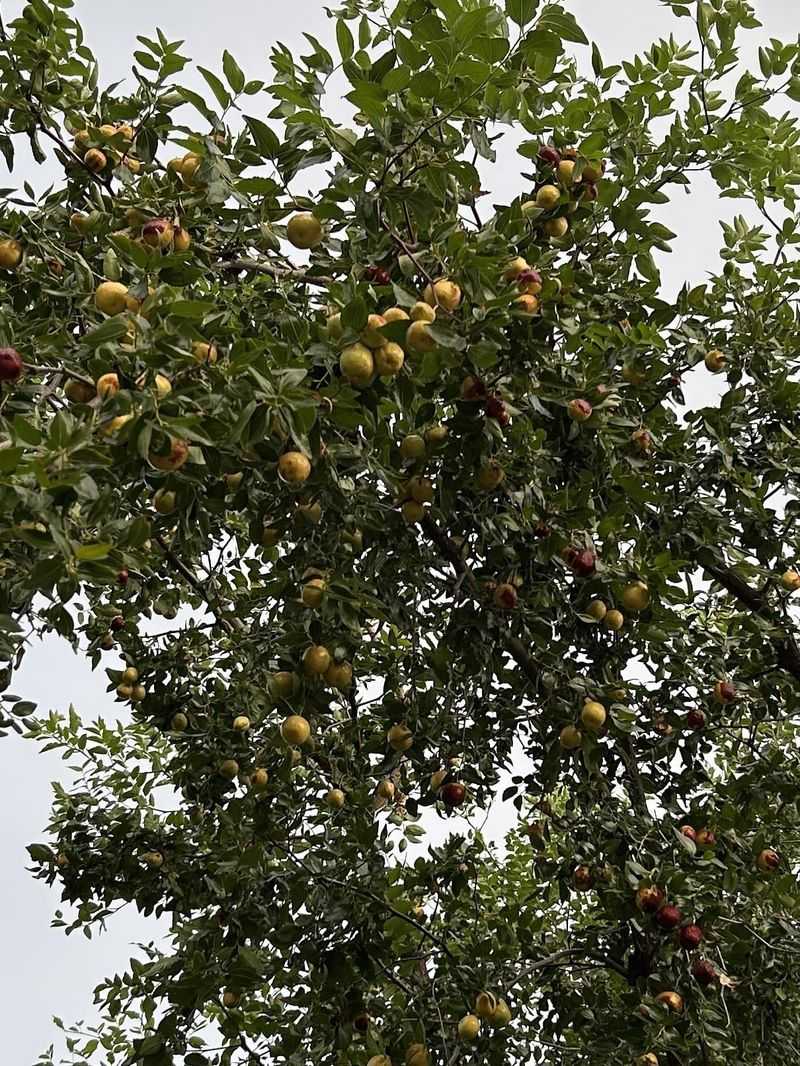
Across Texas, soils vary widely from sandy and rocky in the west to heavy clay and gumbo in parts of the east and south. Jujube grows best when water moves through the soil at a reasonable pace rather than pooling around the root zone.
Standing water near the roots, even for a relatively short period, can create conditions that weaken the tree and make it more vulnerable to root problems, which may be harder to notice until the tree begins showing stress above ground.
Before planting a jujube tree, it helps to assess the drainage at the chosen site. A simple way to check is to dig a hole about twelve inches deep, fill it with water, and watch how quickly it drains.
Sites where water lingers for many hours may need amendment, raised planting beds, or a different location altogether. Low spots in a yard or area near downspouts where water collects regularly are generally not ideal planting sites for jujube.
Texas clay soils can be particularly tricky because they may drain well enough during dry periods but hold moisture much longer after heavy rain. Mixing in organic matter or choosing a slightly elevated planting spot can help in these situations.
Even a tree known for heat and drought tolerance may run into problems when its roots sit in overly wet conditions for extended stretches. Good drainage is a foundational part of a successful jujube planting in any region.
4. Full Sun Encourages Strong Growth And Fruit Production
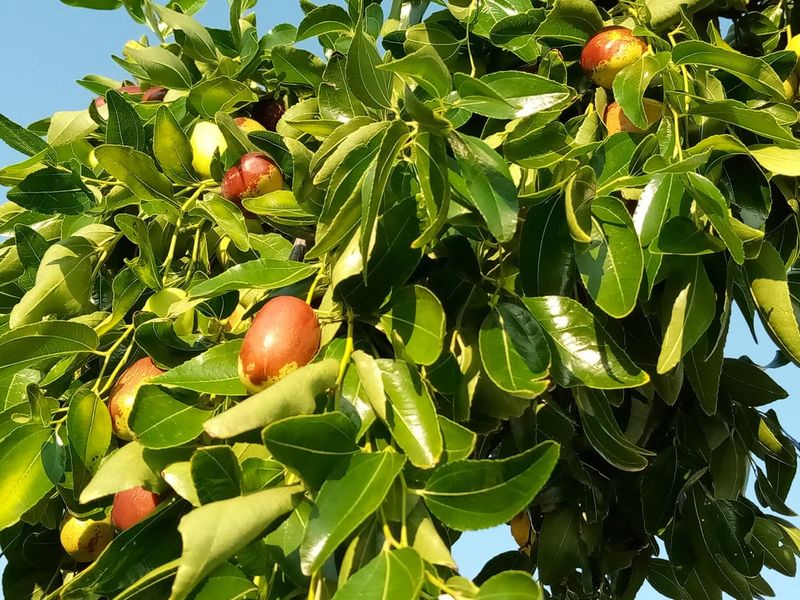
Sunlight is one of the most straightforward requirements for jujube, and getting it right pays off in a noticeable way.
A planting site that receives full sun throughout most of the day gives jujube the energy it needs to flower reliably, develop fruit, and build a healthy canopy year after year.
In Texas, where sunny days are plentiful across much of the state, this is one requirement that is often easy to meet in an open yard or rural property.
Shade from nearby structures, fences, or large established trees can reduce how well jujube performs, even when all other conditions seem right.
A tree receiving only partial sun may still grow, but fruit production often suffers when sunlight hours drop below what the tree needs during the growing season.
Choosing a spot away from tall shade sources makes a real difference, especially during the long summer months when fruit is developing and ripening.
Full sun also supports better air circulation around the tree, which can help reduce the chance of fungal issues developing on leaves or fruit during humid stretches.
In parts of east Texas where summer humidity is higher, a well-placed tree in an open sunny location may handle the season more comfortably than one tucked into a shaded corner.
Evaluating sunlight at a planting site during different times of day, and across different seasons, helps gardeners make a more informed decision before putting a jujube tree in the ground.
5. Newly Planted Trees Need Regular Water During Establishment
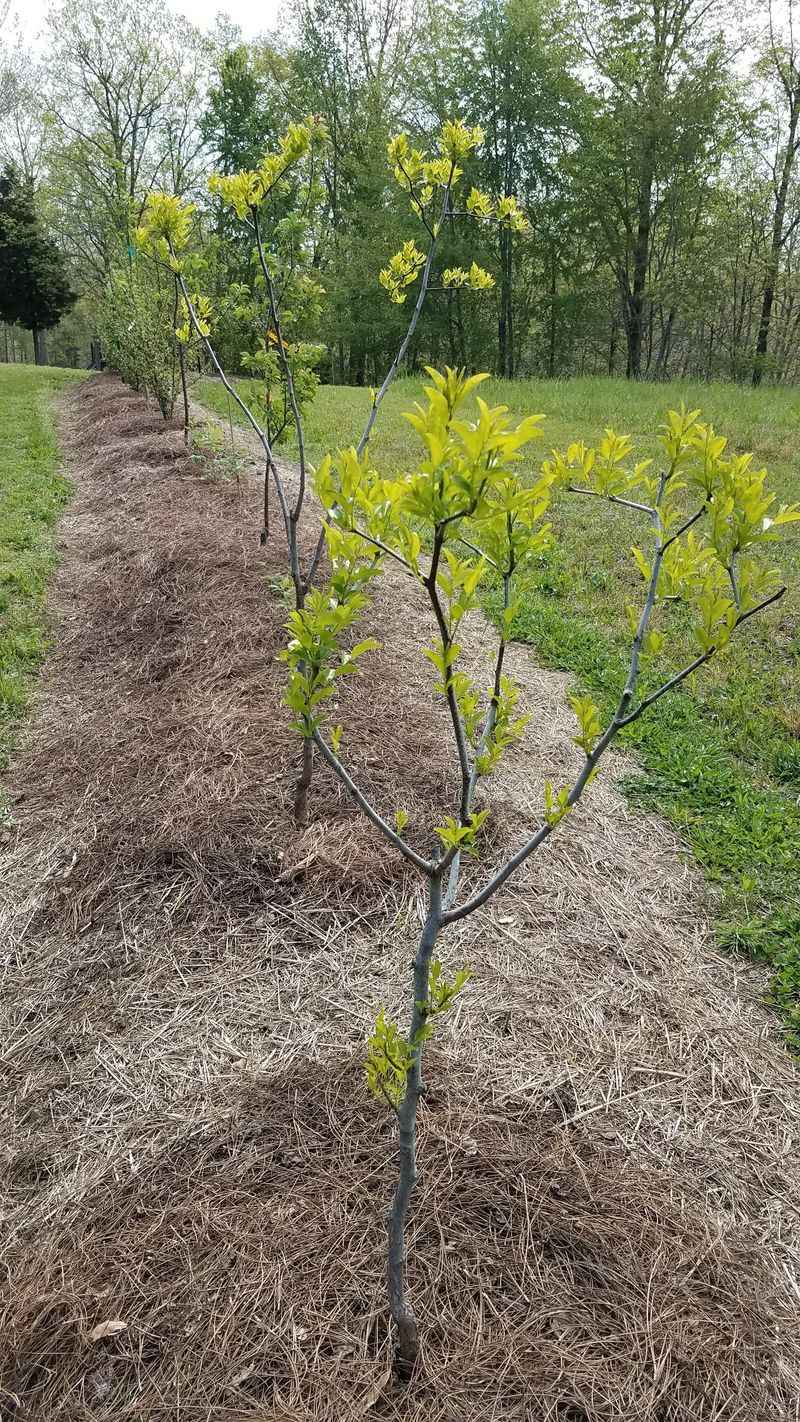
Planting a jujube tree is just the beginning of the process, and the weeks and months that follow are among the most important for long-term success.
A newly planted tree has a limited root system that has not yet spread into the surrounding soil, which means it depends heavily on regular moisture to stay healthy while it gets established.
Skipping water during this period, especially during a hot Texas summer, can set the tree back significantly.
How often to water depends on several factors rather than a single fixed schedule. Soil texture, planting season, recent rainfall, mulch coverage, and tree size all influence how quickly the soil dries out between waterings.
Checking the soil a few inches below the surface gives a more accurate picture of moisture needs than following a rigid calendar. When the soil feels dry at that depth, it is usually time to water again.
Watering deeply and allowing the soil to partially dry between sessions tends to encourage roots to grow downward and outward in search of moisture, which builds a stronger root system over time.
Repeatedly wetting only the very surface of the soil may encourage shallow rooting, which can make the tree more vulnerable to heat and dry spells later on.
Mulching around the base of a newly planted jujube helps retain soil moisture and moderate soil temperature, both of which support healthy establishment in Texas heat.
6. Jujube Has Relatively Few Major Pest And Disease Problems
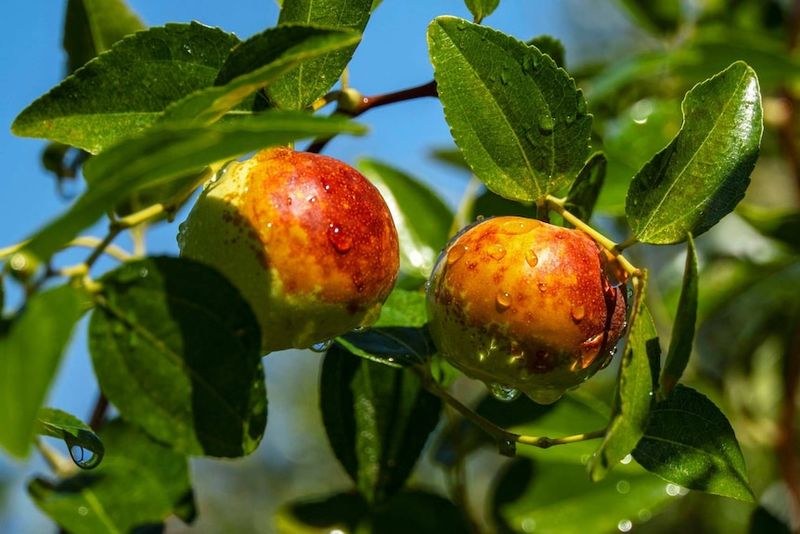
Compared with several other fruit trees commonly grown in Texas, jujube tends to face a relatively smaller number of serious pest and disease challenges.
This is one reason the tree appeals to gardeners who prefer lower-maintenance fruit production or who want to reduce their reliance on repeated spray programs.
Fewer routine pest concerns can make jujube a more manageable option, especially for those new to growing fruit trees.
That said, lower pest pressure does not mean the tree is completely free from every possible issue. Monitoring the tree regularly through the growing season remains a good habit.
Checking leaves for unusual spotting, watching fruit for signs of damage, inspecting bark for anything out of the ordinary, and keeping an eye on overall tree vigor can help catch developing problems before they become more serious.
A tree that looks off for no obvious reason is worth investigating more closely.
Cotton root rot is a soil-borne disease that affects a wide range of plants in certain parts of Texas, particularly in areas with alkaline soils.
Jujube is not immune to this disease, and gardeners in regions where cotton root rot is known to occur should take that into account when selecting a planting site.
Good drainage, healthy soil conditions, and appropriate care practices all contribute to keeping a jujube tree in better overall shape and less vulnerable to stress-related decline over the long term.
7. Variety Selection Influences Fruit Quality And Harvest
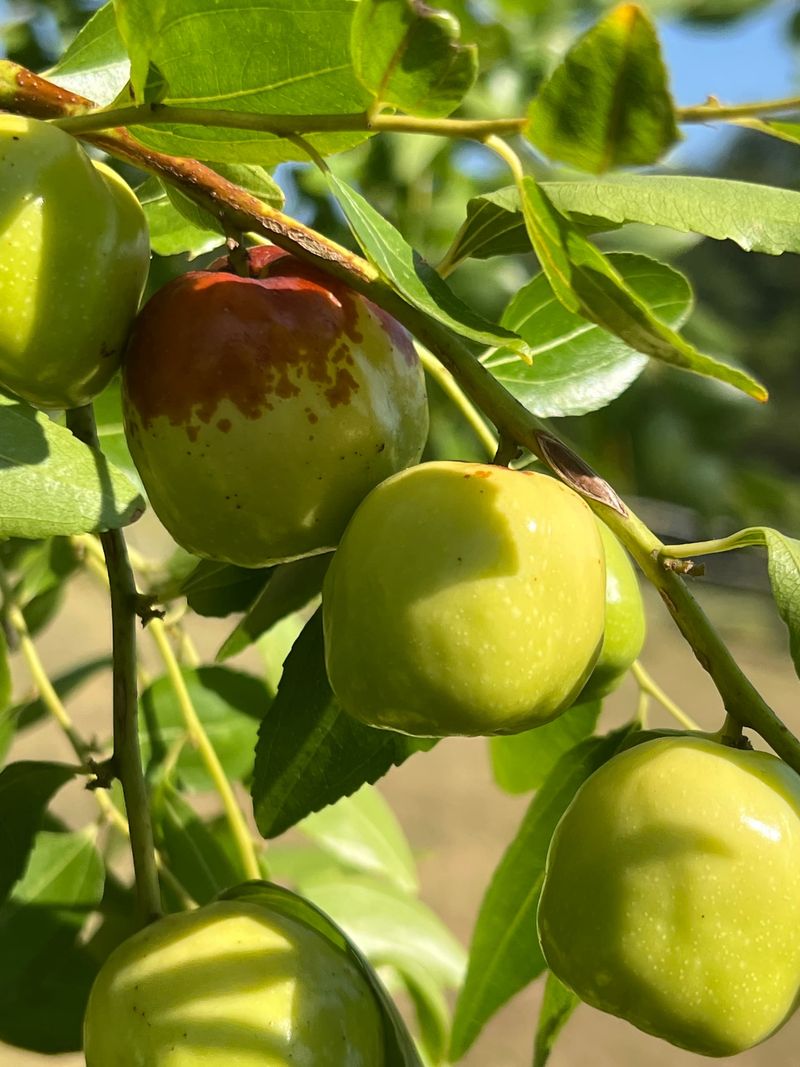
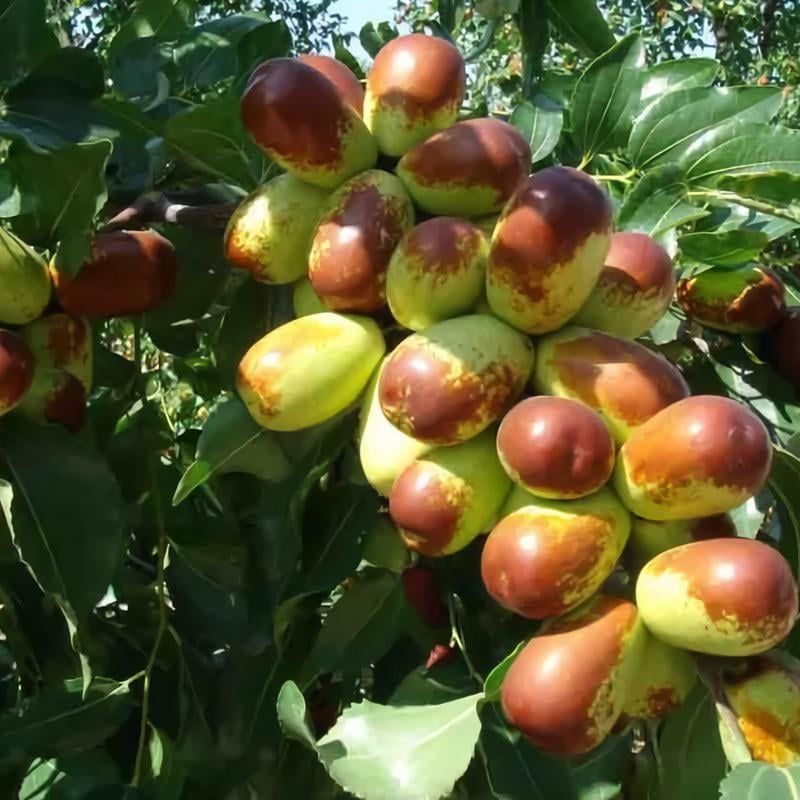
Walking into a nursery or browsing an online fruit-tree catalog reveals something surprising about jujube: there are many named varieties, and they are not all alike. Fruit size can range from small and olive-like to large and apple-sized depending on the variety.
Texture, sweetness, moisture content, and intended use also differ, with some varieties well suited to eating fresh off the tree and others better suited to drying, cooking, or processing into other products.
Ripening time varies across varieties as well, which matters for gardeners who want to plan around local climate patterns or extend the harvest window by planting more than one type. Some varieties ripen earlier in the summer while others continue into fall.
Growth habit and tree size also differ, which can influence how much space a variety needs and how it fits into a suburban yard, rural property, or mixed edible landscape.
Selecting a variety based on local climate, available space, and personal fruit preferences gives a better chance of long-term satisfaction than simply choosing whatever is available at a local garden center.
Consulting with Texas nurseries that specialize in adapted fruit trees, or reaching out to local Master Gardeners and regional Extension offices, can provide useful guidance on which varieties have performed well in specific parts of the state.
No single variety is the best fit for every Texas garden, so taking the time to research before buying is worthwhile.
8. Jujube Performs Best In Hotter, Drier Parts Of Texas
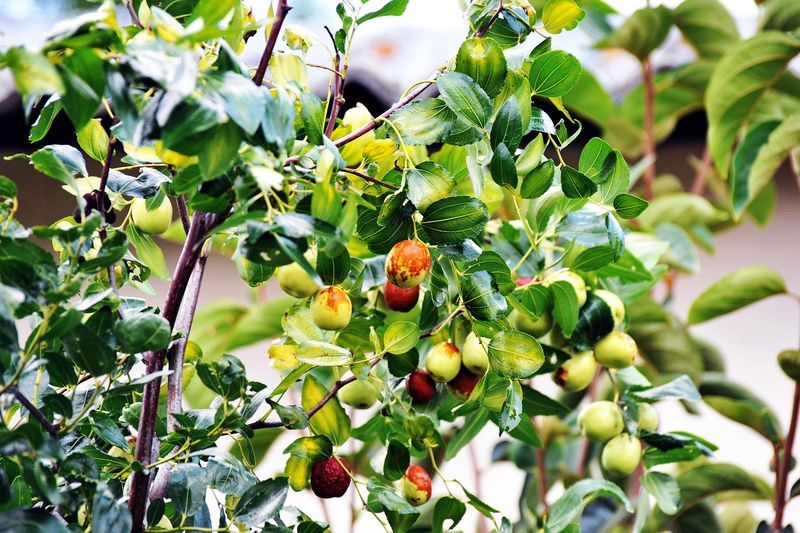
Jujube tends to shine most in regions where summers are long, hot, and dry. West Texas, the Trans-Pecos, and parts of the central region often provide exactly the kind of climate where jujube thrives with fewer complications than in more humid areas.
The combination of heat, low humidity, and well-drained soils suits the tree’s natural preferences in a meaningful way.
In the eastern part of the state, where summer humidity is higher and rainfall more frequent, jujube can still grow and produce fruit, but gardeners may need to pay closer attention to drainage and air circulation.
Higher humidity can create conditions that favor certain fungal issues, and heavy clay soils common in some eastern areas may require more site preparation.
Winter temperatures also vary considerably across the region. Jujube generally tolerates a range of winter cold, but extreme freezes can cause damage, particularly to young or recently planted trees.
Gardeners in the north or areas prone to late cold snaps should factor local winter conditions into their planning.
Before selecting a variety or committing to a planting site, consulting Texas A&M AgriLife Extension resources specific to your county can help match the right tree to the right location.