This Texas Native Shrub Feeds Birds All Winter With Its Fall Berries
Some berries disappear the moment they ripen. Birds strip the branches clean in a few days, and that’s the end of the buffet. This native shrub plays a longer game.
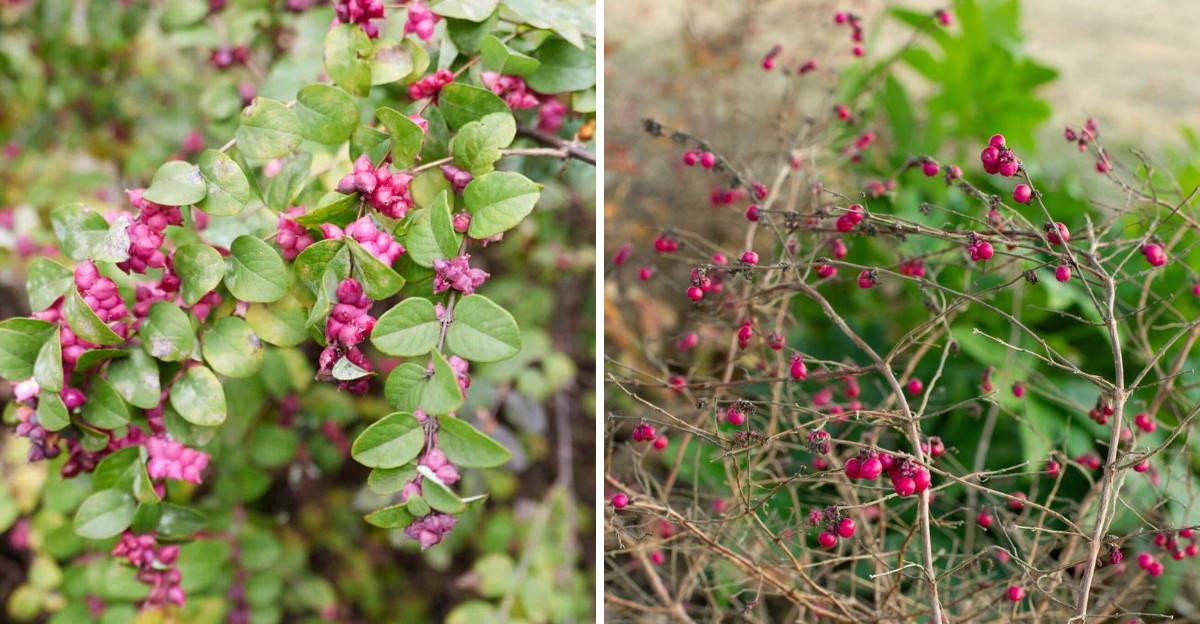
In fall, its arching stems fill up with clusters of small, pinkish-purple berries that cling tightly along the branches.
They stay put for weeks, often lasting deep into winter. By the time other food sources run dry, those berries are still there, waiting for robins, bluebirds, mockingbirds, and quail.
It’s a great fit for Texas yards, too. This tough little shrub grows happily in shade, handles dry spells and clay soil, and spreads into a low thicket that helps hold slopes in place. Birds use that dense cover for shelter as well as food.
If you want to keep wildlife visiting your yard well past the fall rush, this shrub is an easy place to start.
A Native Winter Food Source
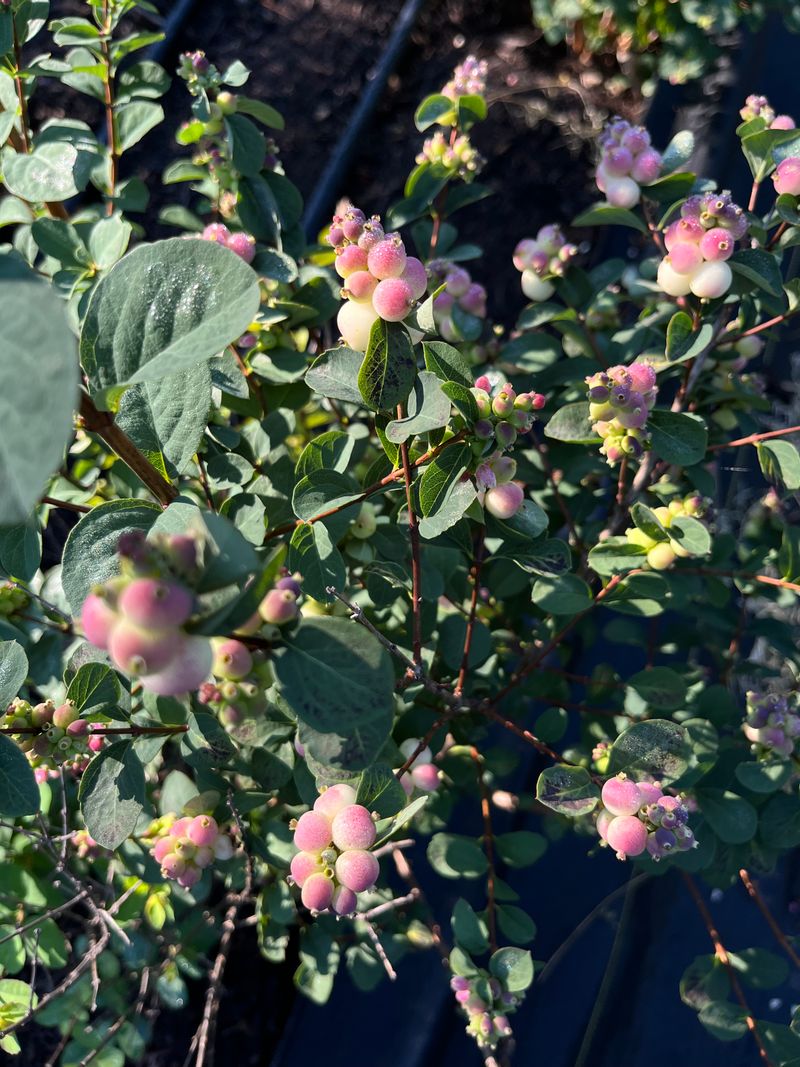
Walk along a quiet creek in Central Texas during November, and you might spot a low shrub dotted with pink beads.
That little plant is coralberry, and it has been part of the Texas landscape for a very long time. Its scientific name is Symphoricarpos orbiculatus, which is quite a mouthful.
Most folks just call it coralberry. Some people know it as Indian currant or buckbrush. All three names point to the same hardy plant with the same big job to do.
Coralberry grows naturally in woodlands, along creek banks, and on shady slopes. You can find it across much of Texas, from the eastern Piney Woods to the Hill Country. It also grows in many other states in the central and eastern United States.
Being a native plant matters a lot. Native plants grew up side by side with local birds, insects, and animals over thousands of years. Because of that long history, wildlife knows how to use them for food and shelter.
Plants from other places can look pretty, but they often do not feed local creatures as well. Some even spread out of control and crowd out native species. Coralberry fits right in without causing trouble.
Here is a fun fact. The word Symphoricarpos comes from Greek words that mean fruits borne together. That makes sense, since the berries grow in tight bunches along the stems.
If you want to help wildlife at home, starting with native plants is a smart move. Coralberry is a great first choice.
Check with a local native plant nursery or your county extension office to find healthy plants grown in Texas. Local seed sources usually adapt best to your area’s weather.
Berries That Last Through Winter
Bright color in the middle of winter feels a little like magic. Coralberry delivers just that, and it does it right when the rest of the yard looks brown and sleepy.
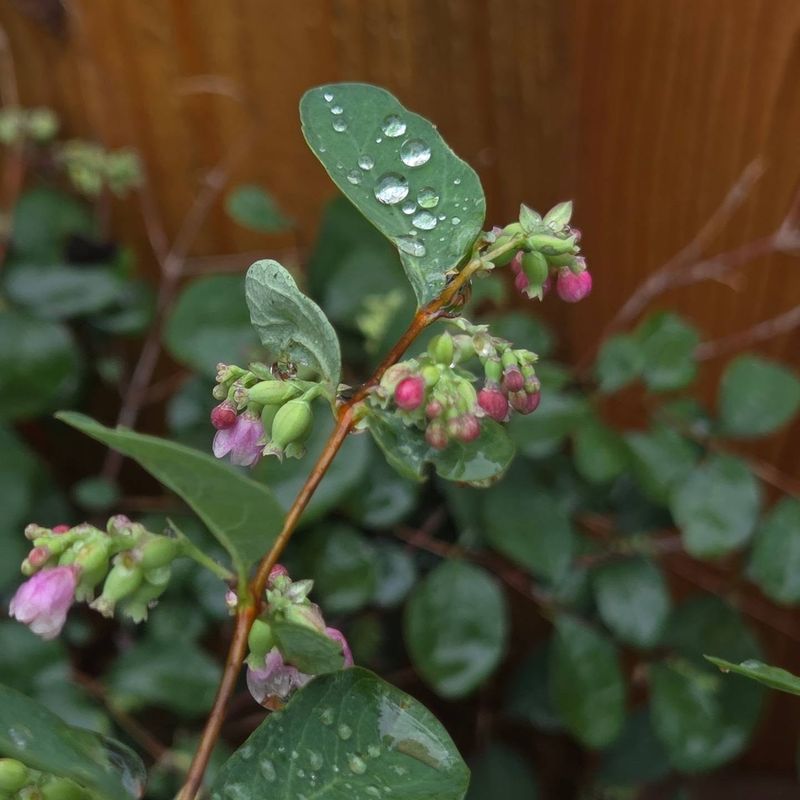
Each fall, the shrub produces thick clusters of tiny berries. They pack tightly along the stems, almost like strings of beads. Their color ranges from coral pink to a deep purplish red.
Your Texas Garden Changes Every Week. Your Plan Should Too.
Gardening in Texas changes quickly throughout the season. Every Friday you’ll receive a simple weekly plan showing exactly what to plant, prune, fertilize, harvest, and protect so you never miss the right timing.
The berries are small, usually about the size of a pea or a little smaller. What they lack in size, they make up for in number. A healthy shrub can be loaded with hundreds of them.
Now for the really special part. Many fruits fall off or get eaten within a few weeks. Coralberry berries often cling to the branches all winter long.
After the leaves drop, the berries stand out even more. The bare stems turn into a colorful display that catches your eye from across the yard. A light frost or dusting of snow makes the scene even prettier.
Gardeners love this long show. It adds interest to the garden during months when few plants bloom or fruit. You get something cheerful to look at while you sip cocoa by the window.
Want to enjoy the show up close? Plant coralberry where you can see it easily from inside your home. A spot near a kitchen or living room window works well.
You might also plant it near evergreen shrubs like yaupon holly. The dark green leaves make the pink berries pop. Together, they create a winter picture that looks great and feeds wildlife at the same time.
A Backup Food Supply for Birds
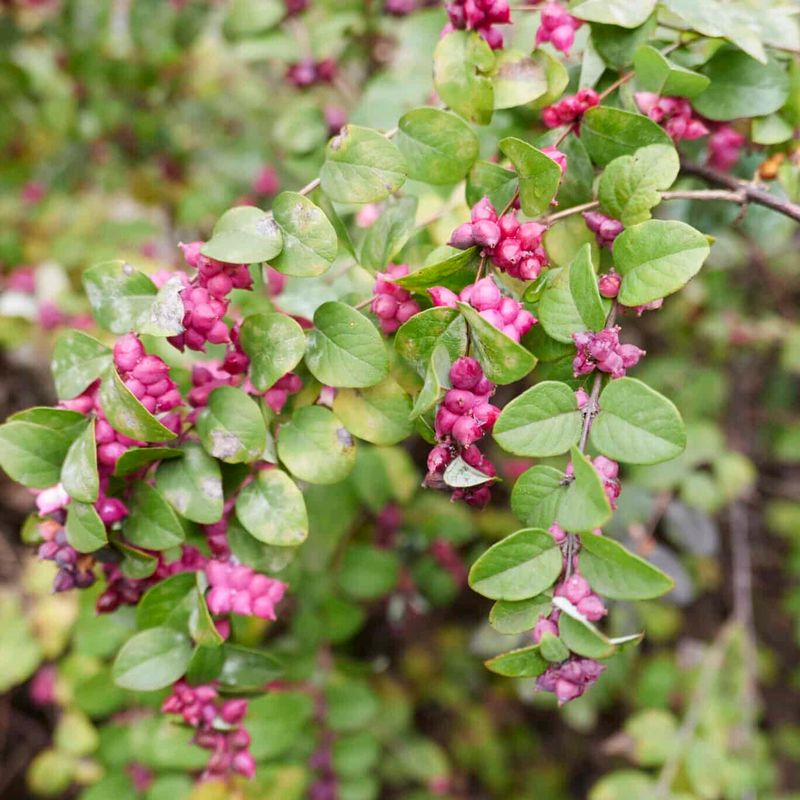
Think of coralberry as the emergency snack drawer of the bird world. It is not the first food birds grab, but it sure comes in handy when everything else runs out.
Birds tend to eat their favorite fruits first. Juicy berries from plants like dogwood or beautyberry often vanish quickly in the fall. Coralberry fruit is a bit less tasty to them, so they usually leave it alone at first.
That turns out to be a very good thing. As winter drags on, other food sources become scarce. Insects hide away, seeds get picked over, and fruit trees stand empty.
Then the birds remember coralberry. They return to the shrub and start eating the berries that have been waiting all season. It is like finding a full pantry in a house that seemed empty.
American robins are common visitors during these lean times. Eastern bluebirds stop by too. Other birds, such as northern mockingbirds, cardinals, and cedar waxwings, may also take a bite.
Birds are not the only ones who benefit. Small mammals like mice and chipmunks may nibble on the fruit as well. Deer sometimes browse the leaves and stems.
Cold snaps are when this backup food matters most. A sudden freeze can make finding food really hard. Having coralberry nearby can help birds get the energy they need to stay warm.
To make your yard even more inviting, add a shallow birdbath close by. Fresh water is hard to find in winter. Food plus water makes your garden a favorite stop for feathered friends.
Thrives In Shade And Tough Soil
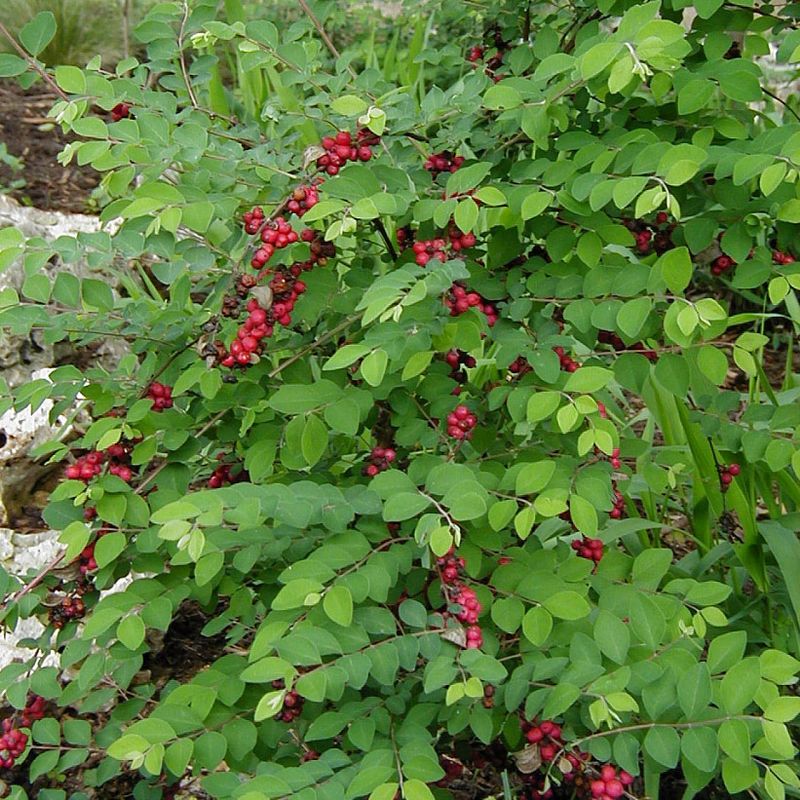
Got a shady corner where nothing seems to grow? Plenty of Texas homeowners face that same headache under big oak or pecan trees. Good news, coralberry might be the answer you have been hunting for.
Many shrubs need full sun to grow well. Put them in shade, and they turn thin and weak. Coralberry is different, since it happily grows in part shade or even full shade.
That makes it a perfect fit under trees. Those spots often have poor soil, roots everywhere, and little light. Coralberry handles all of that with surprising ease.
Soil is another big challenge in Texas. Large parts of the state have heavy clay that gets sticky when wet and hard as a brick when dry. Other areas have thin, rocky soil sitting right on top of limestone.
Coralberry tolerates both kinds. It does not need rich, fluffy garden soil to do its job. You can skip the expensive soil mixes in most cases.
Drought is also part of life in Texas. Once coralberry has settled in, it can handle dry spells pretty well. That means less watering and a lower water bill for you.
Here is a helpful tip. During the first year, water your new shrub about once a week if it does not rain. This helps the roots grow deep and strong.
Fall is the best time to plant in Texas. Cooler weather gives roots a chance to grow before summer heat arrives. A thin layer of shredded mulch will help keep moisture in the soil, too.
Shelter And Erosion Control
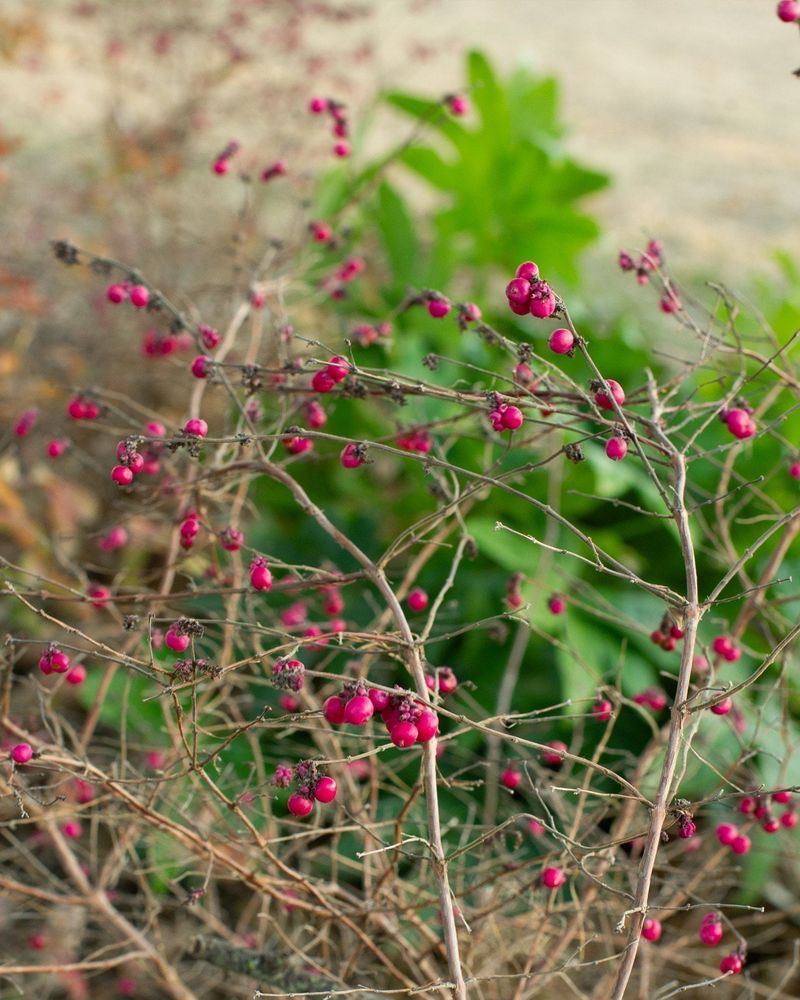
Safety comes first for any small bird. A sparrow out in the open is an easy target for hawks and cats. Coralberry helps by building living hideouts right in your yard.
The shrub spreads through roots that send up new shoots, called suckers. Over time, these shoots fill in the space around the main plant. The result is a low, thick patch of stems known as a thicket.
Most coralberry thickets stand about 2 to 5 feet tall. They stay fairly low to the ground, which is just right for many birds. Sparrows, towhees, and wrens love to dart in and out of them.
Inside the tangle of stems, birds feel protected. Predators have a hard time reaching them. Birds can rest, search for insects, and escape quickly when danger appears.
As a bonus, the thicket also helps the land itself. All those spreading roots act like a net under the ground. They grab the soil and hold it firmly in place.
That is very useful on hillsides and creek banks. Heavy Texas rains can wash bare soil away fast. Coralberry slows the water down and keeps the ground from sliding.
Do you have a sloped yard or a spot that keeps washing out after storms? Planting a few coralberry shrubs there could fix two problems at once. You get less erosion and more bird habitat.
Try spacing plants about 3 feet apart. Within a few seasons, they will knit together into a solid patch. Leaving fallen leaves underneath gives birds even more places to forage.
Easy Care For Wildlife Gardens
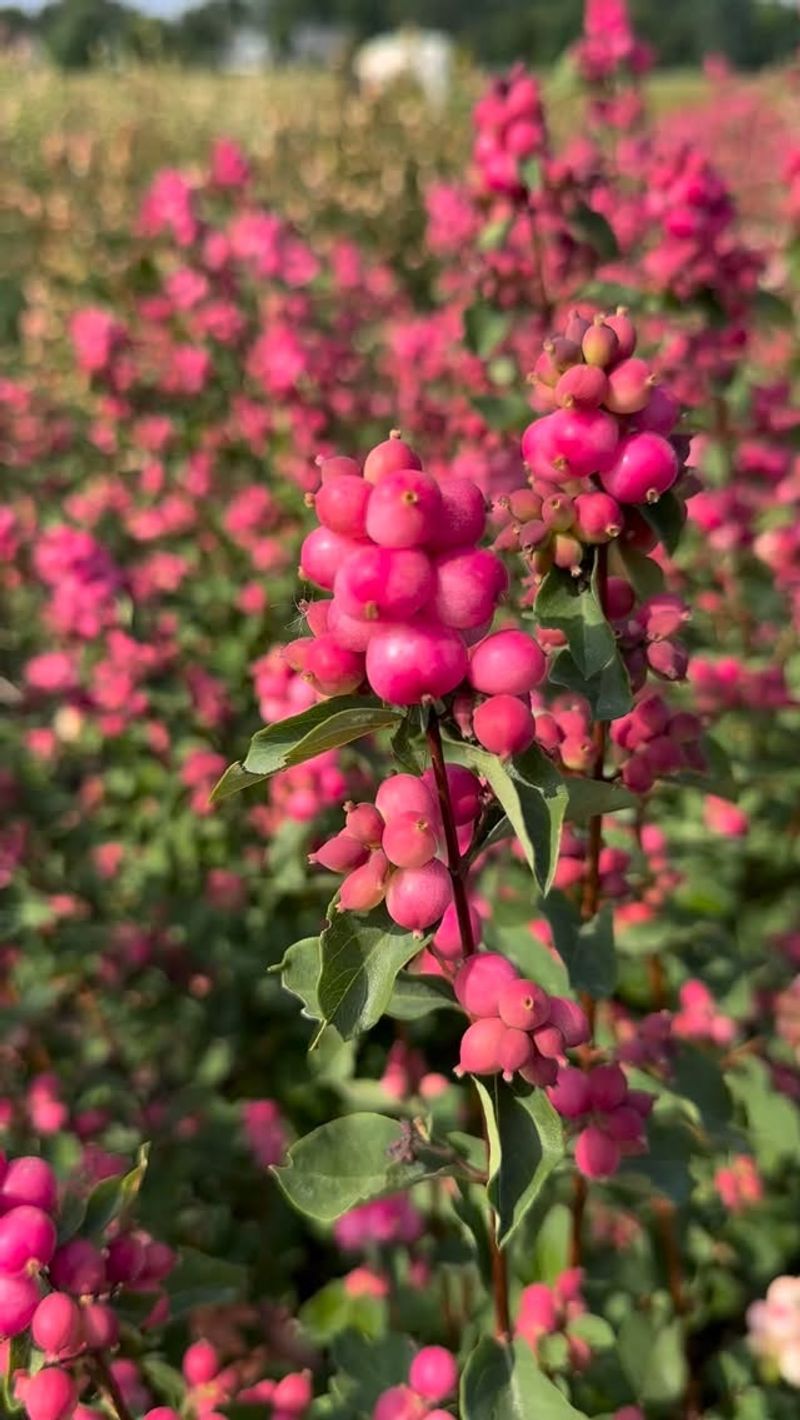
Busy gardeners, rejoice. Coralberry is one of those plants that pretty much takes care of itself once it gets going.
You will not need to fuss with fertilizer, since native plants usually grow fine in local soil. Pests rarely cause big problems either. Most of the time, you can simply let it be.
Pruning is very light. The main job is pulling or cutting extra suckers if the shrub spreads farther than you like. A pair of clean pruning shears works well for this task.
Late winter is a good time for trimming. By then, birds have eaten most of the berries. You can also cut a few older stems near the ground every few years to keep the plant fresh and full.
If you want a tidier border, try planting coralberry next to a sidewalk or edging. These barriers help keep the spreading roots in check. That way, it stays where you want it.
One important safety note. Coralberry berries are mildly toxic to people. Eating them can cause an upset stomach, so they are not a snack for humans.
Teach kids to look at the berries without tasting them. It is also wise to keep an eye on curious pets. Enjoy the plant for its winter color and the wildlife it brings instead.
Overall, coralberry offers a lot for very little work. It feeds birds, shelters them, protects soil, and brightens dull winter days.
For anyone building a wildlife-friendly yard in Texas, few shrubs give more value with less effort.