This One Georgia Yard Feature Is A Magnet For Cockroaches
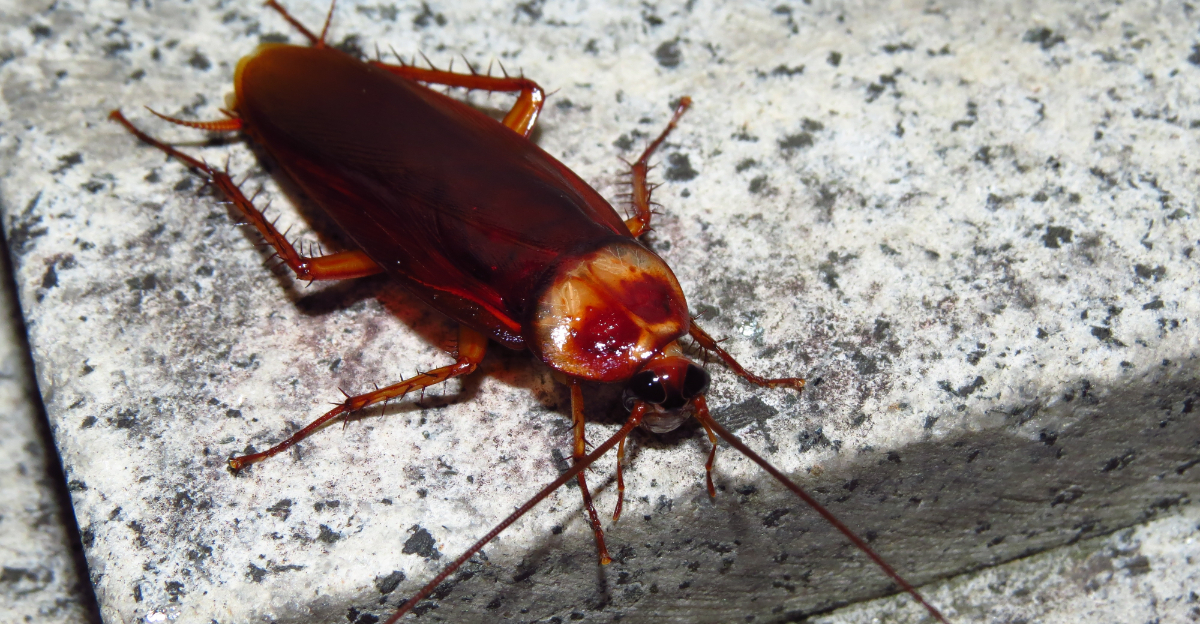
One feature in your Georgia yard could be inviting cockroaches without you realizing it. Most people focus on the house, but the problem often starts outside.
Ignore this common mistake, and those unwanted visitors may keep coming back. Before you reach for sprays or traps, take a closer look around your yard.
One overlooked feature creates the kind of shelter cockroaches love. Fixing it is often much easier than you think.
Keep reading before you spend money on another quick fix. A few simple changes can make your outdoor space far less inviting while helping reduce the chances of cockroaches finding their way toward your home.
Start with this one overlooked yard feature, then let the rest of your summer feel a little more comfortable every single day ahead instead.
1. Thick Mulch Can Become A Cockroach Haven
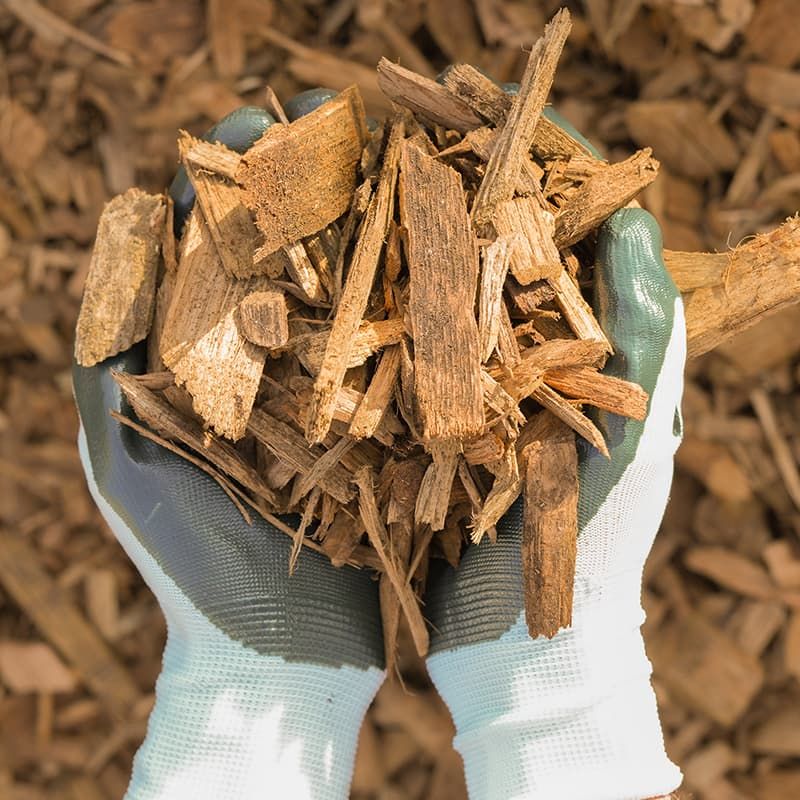
Cockroaches are not picky about where they set up camp. Thick mulch gives them almost everything they need: food, moisture, and cover.
Most people spread mulch for plants and never think twice about what else might be moving in underneath.
Wood chip mulch breaks down slowly over time. As it decomposes, it creates an environment rich in organic material that roaches feed on.
Fungus, decaying wood fibers, and moisture all collect in those lower layers, making thick mulch practically irresistible to them.
Layers deeper than three inches tend to hold more heat and moisture than thinner layers. Roaches prefer dark, tight spaces where they feel hidden.
Mulch packed several inches deep gives them exactly that kind of protected environment right next to your home.
Keeping mulch at a depth of two to three inches is a practical way to reduce those conditions. Thinner layers still protect plant roots but do not create the same dense, damp habitat.
Raking mulch regularly to break up compacted areas also helps reduce hiding spots and discourages cockroaches from settling in close to your foundation.
2. Moist Conditions Help Roaches Thrive
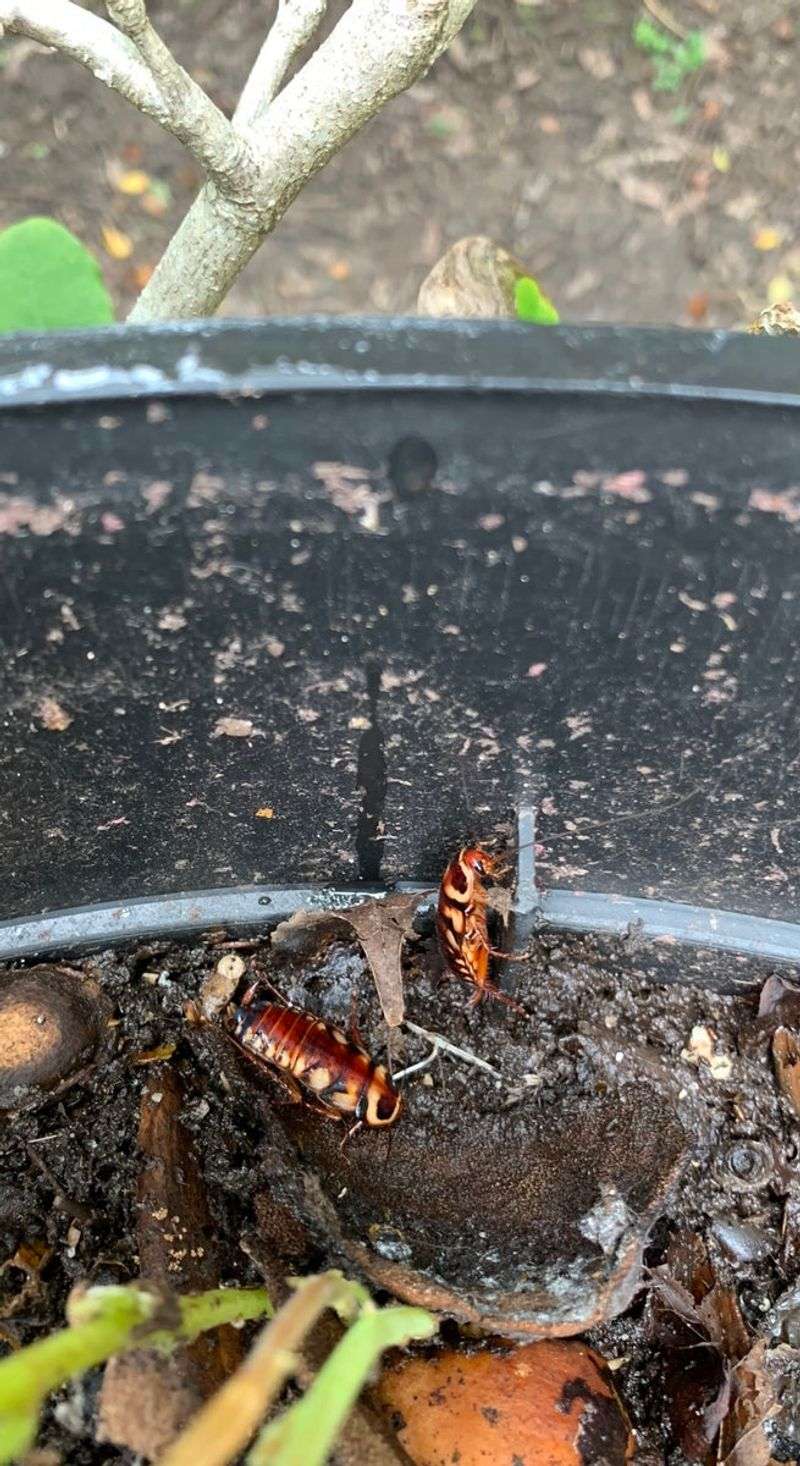
Moisture is probably the single biggest factor that attracts cockroaches to mulched areas. Roaches need water to survive, and damp mulch holds it for hours or even days after rain.
Beds that stay wet are far more likely to attract activity than ones that dry out quickly between waterings.
Overwatering garden beds makes the problem noticeably worse. When irrigation runs too frequently, the mulch never fully dries out.
That constant dampness creates a stable water source that cockroaches can rely on without ever needing to venture far from the yard.
Poor drainage compounds the issue. Low spots where water pools after rain stay wet longer and can become reliable gathering spots for pests.
Checking for areas in your yard where water tends to collect is worth doing, especially near beds close to the house.
Letting mulch dry between waterings reduces moisture levels significantly. Watering in the morning instead of the evening gives the sun time to dry the surface before nightfall, when roaches are most active.
Improving drainage in problem areas, even by adding a slight slope away from the foundation, can also cut down on the moisture that roaches depend on to stay comfortable in your yard.
Your Georgia Garden Changes Every Week. Your Plan Should Too.
Gardening in Georgia changes quickly throughout the season. Every Friday you’ll receive a simple weekly plan showing exactly what to plant, prune, fertilize, harvest, and protect so you never miss the right timing.
3. Thick Layers Provide Shelter During The Day
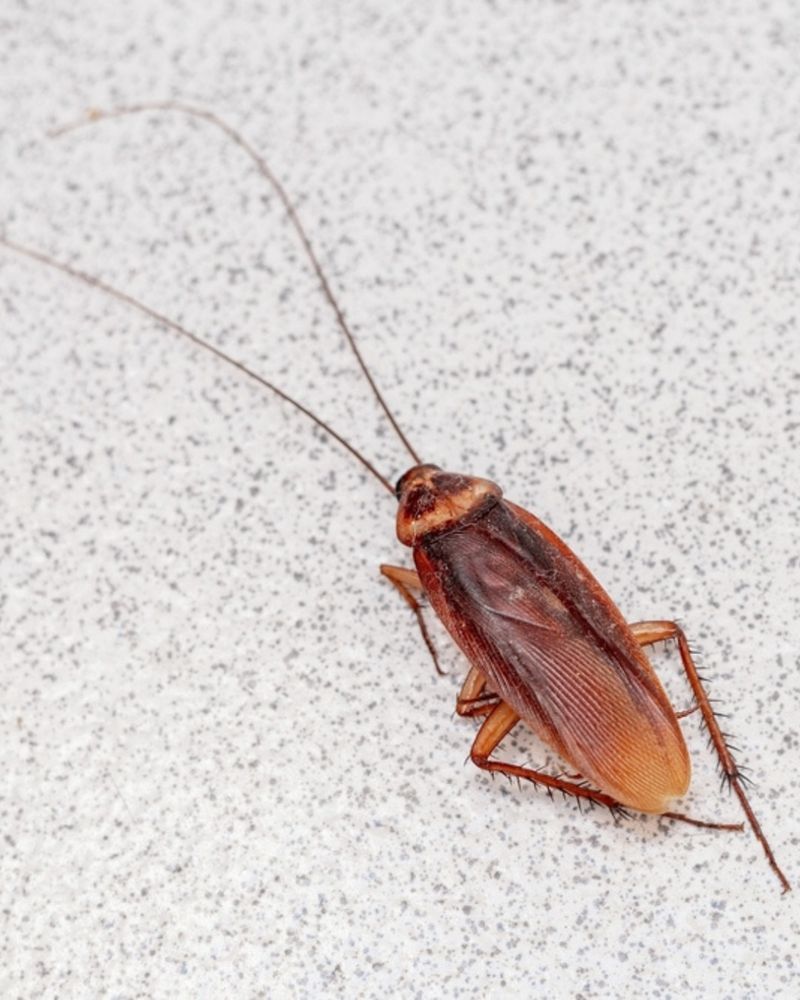
Roaches are nocturnal, which means they spend most of the day hiding. Thick mulch gives them a reliable daytime shelter that is dark, protected, and close to food.
Most people never see cockroaches in their mulch because the pests are buried deep inside it while the sun is up.
Shelter matters as much as food and water for cockroaches. Without a safe hiding spot, they become vulnerable to predators and heat.
Deep mulch beds right next to a house offer exactly the kind of cover that allows roach populations to grow without much disruption.
Flipping or raking mulch during the day can expose hidden roaches and disrupt their routine. It also helps the deeper layers dry out faster, which makes the environment less appealing.
Doing this every week or two can meaningfully reduce how comfortable your mulch beds are for pests.
Switching to thinner mulch layers removes a lot of that shelter. Roaches prefer tight, dense spaces where they feel enclosed.
A two-inch mulch layer still does its job for plants but offers far less cover than a five-inch layer does.
Reducing depth in beds near entry points, windows, and doors is a straightforward way to make those areas less attractive to cockroaches looking for a daytime retreat.
4. Shade Keeps The Area Cool And Humid
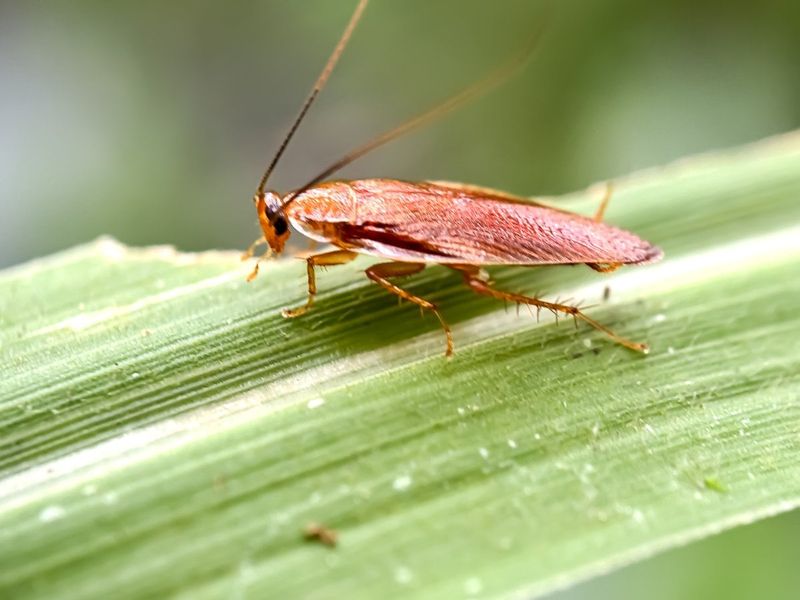
Shaded mulch beds stay cooler and wetter than beds that get full sun. Cockroaches prefer those exact conditions.
Areas tucked under dense shrubs, along fences, or beneath low-hanging tree branches tend to stay damp and dark even on warm days.
Sunlight is one of the natural forces that dries out mulch and makes it less hospitable. Without direct sun exposure, moisture lingers much longer.
Shaded beds near the house can stay damp for days after a single rain event, creating a reliable habitat that roaches return to repeatedly.
Trimming back overgrown shrubs and low branches helps sunlight reach the soil and mulch surface. Better light exposure means faster drying.
Even a small increase in sun penetration can noticeably reduce how long moisture stays trapped in shaded garden beds.
Pruning plants away from the foundation serves two purposes. It improves airflow and light, both of which help mulch dry faster.
It also removes the dense, overgrown cover that roaches use to move around without being exposed.
In Georgia, where summer heat keeps conditions humid for months, managing shade around foundation plantings can make a real difference in how attractive your yard is to cockroaches looking for a cool, damp base of operations.
5. Leave A Mulch Free Gap Around Foundations
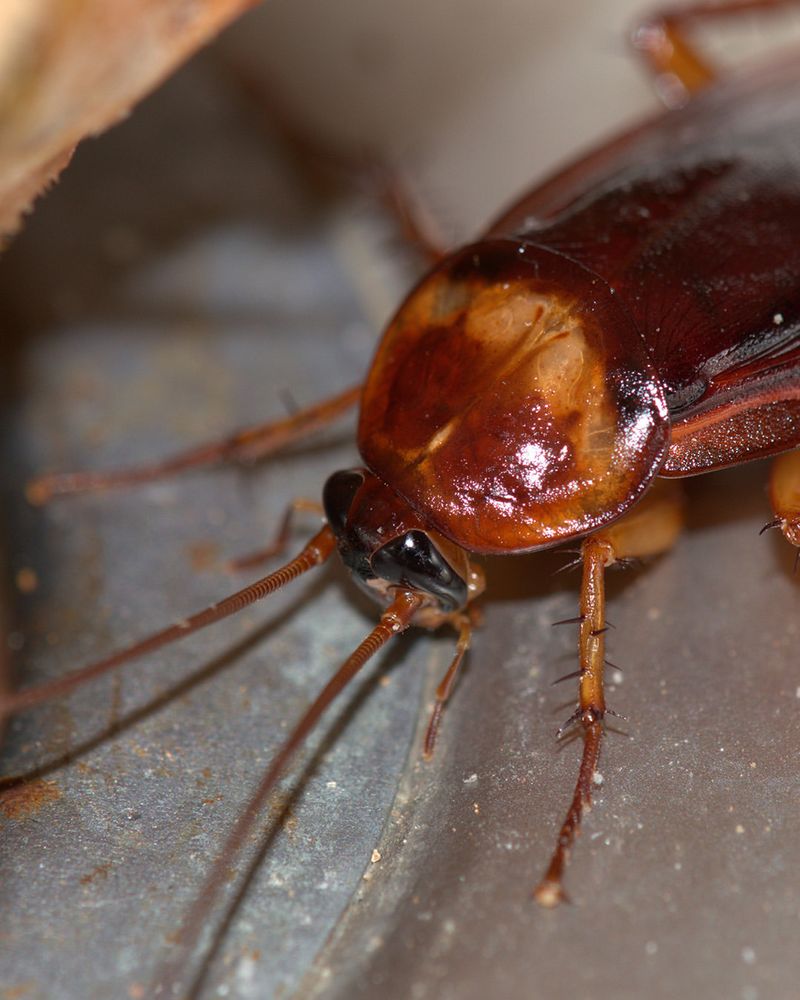
Mulch pressed directly against a house foundation creates a direct pathway for cockroaches to move indoors. Roaches travel along surfaces and through small cracks.
When mulch touches the foundation wall, it essentially bridges the gap between their outdoor habitat and your home.
Keeping a gap of at least six inches between mulch and the foundation is a practical and widely recommended step. That bare strip removes the sheltered travel corridor roaches use.
Without cover right next to the wall, they become more exposed and less likely to make the crossing.
Gravel or bare soil in that gap works better than mulch. Neither retains moisture the same way wood chips do.
Cockroaches are far less comfortable crossing open, dry ground than moving through dense, damp mulch that hides them from view.
Inspect that gap a few times each season to make sure mulch has not crept back toward the foundation. Wind, rain, and regular yard work can push mulch closer over time.
Pulling it back is a quick task that takes only a few minutes but can meaningfully reduce cockroach access to your home’s exterior.
Sealing any small cracks in the foundation while you are out there adds another layer of protection that makes it harder for pests to find a way inside.
6. Replace Old Mulch Before It Compacts
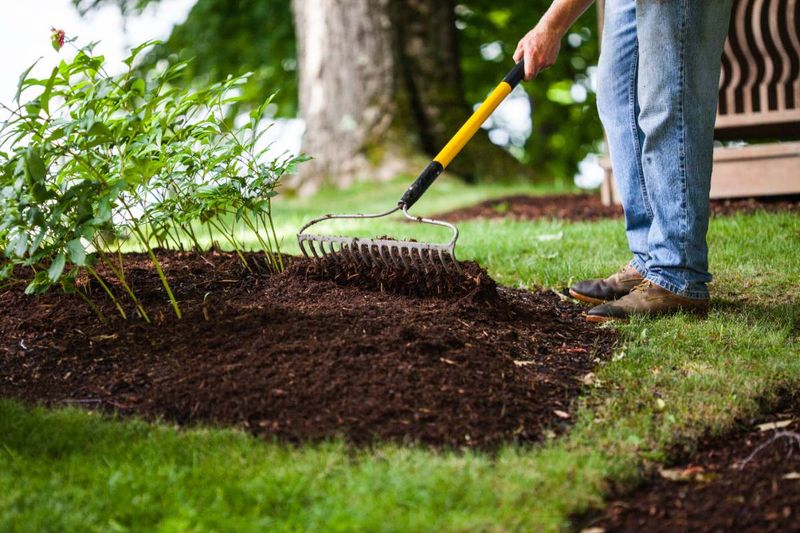
Old mulch that has been sitting for a year or more starts to compact and break down. As it does, the interior becomes dense, dark, and consistently moist.
That aged, compacted layer is far more attractive to cockroaches than fresh, loose mulch that still has good airflow.
Decomposing mulch also produces heat as it breaks down. Roaches are drawn to warmth, especially during cooler months.
Beds with thick, old mulch can actually stay warmer than the surrounding soil, which gives cockroaches a year-round refuge right outside your walls.
Removing old mulch before adding a fresh layer is better than simply topping it off. Topping off adds depth without addressing the compacted material underneath.
Over time, that practice creates very deep beds with a dense, rotting base that is ideal for pest activity.
Replacing mulch every one to two years keeps the material loose and better aerated. Fresh mulch does not hold moisture the same way compacted old mulch does.
Disposing of the old material properly, rather than piling it in a corner of the yard, removes a potential pest habitat entirely.
Staying on a regular replacement schedule is one of the more effective habits for keeping mulch beds from becoming long-term cockroach territory around your home.
7. Clear Away Leaves And Other Yard Debris
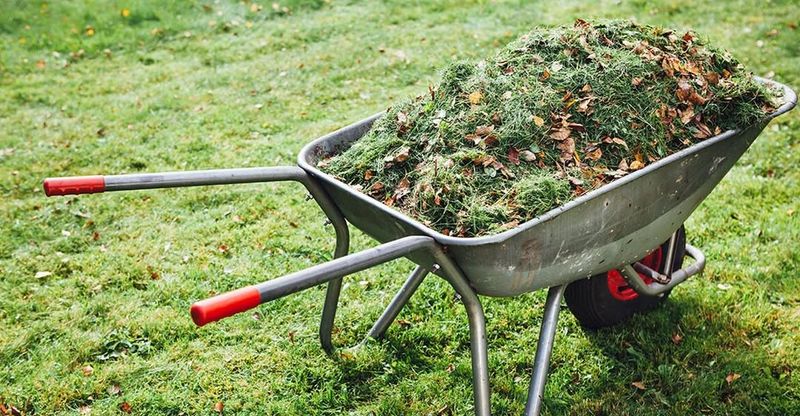
Leaf piles and yard debris create the same conditions as thick mulch. Cockroaches move freely between decomposing leaves, wood piles, and mulch beds.
Letting debris accumulate near the house expands the habitat available to them and makes your yard harder to manage for pests.
Fallen leaves trap moisture underneath them and break down slowly. In Georgia’s humid climate, a pile of wet leaves near a foundation can stay damp for weeks.
Roaches exploit that kind of reliable moisture and shelter without hesitation.
Branches, grass clippings, and old plant material left in beds add to the problem. Organic debris in various stages of decomposition feeds the same fungal growth and moisture retention that cockroaches thrive in.
Keeping beds clean of accumulated organic material reduces the overall attractiveness of your yard to pests.
Raking leaves promptly after they fall and bagging or composting yard waste away from the house are straightforward habits.
Moving compost bins away from the home’s perimeter also helps, since compost is essentially a concentrated pile of exactly what cockroaches find appealing.
Keeping the yard tidy does not require a major overhaul.