The Biggest Pruning Mistake Arizona Homeowners Make During Monsoon Season
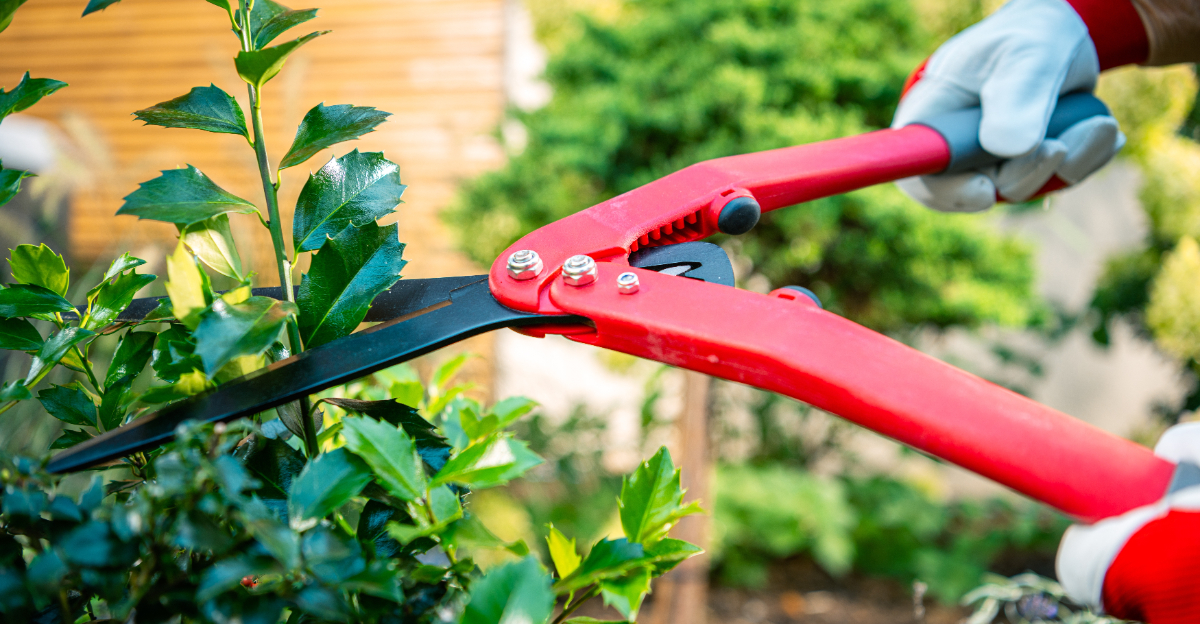
Grab the pruning shears too soon during Arizona’s monsoon season and you may create problems instead of solving them. Storm damage makes trimming feel urgent, but timing matters more than most people realize.
Fresh cuts can leave plants struggling when heat and humidity combine. Slow down before removing branches.
A little patience often protects trees and shrubs far better than rushing. You’ll also avoid mistakes that are difficult to fix later.
Learn which branches deserve attention first and which should stay exactly where they are for now.
Smarter pruning keeps landscapes healthier through unpredictable weather and helps plants recover with less stress.
Give every cut a clear purpose, and let the season work with you, not against you. Your landscape will reward careful decisions long after the storms have passed.
1. Pruning Before Storms Can Leave Branches Vulnerable
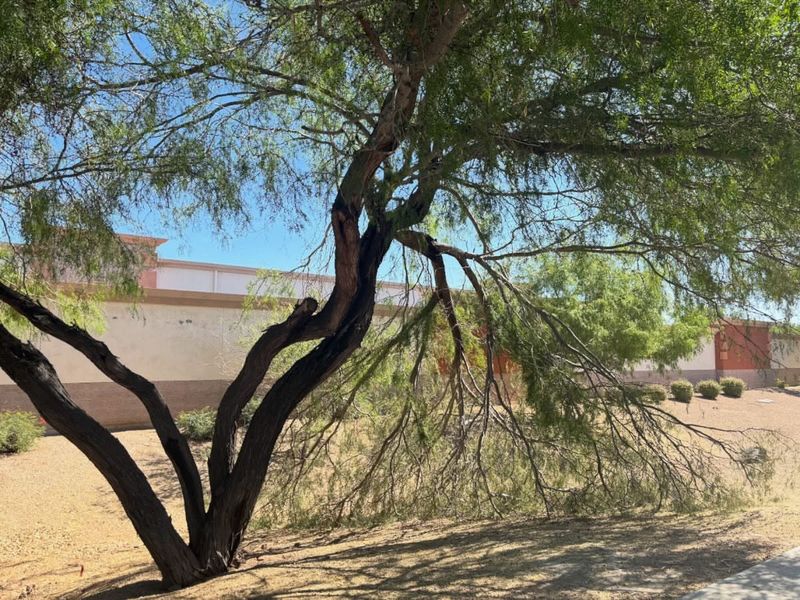
Fresh pruning cuts right before a storm is one of the most damaging things you can do to a tree. Open wounds on branches have not had time to begin sealing, and strong monsoon winds can tear those weakened spots even further.
When a branch is freshly cut, the tissue underneath is exposed and soft. Wind and driving rain put stress on exactly those spots.
A branch that might have stayed intact can snap at or near a fresh cut under storm pressure.
Pruning also removes some of the tree’s natural wind resistance. Counterintuitively, a full canopy can actually help distribute wind load more evenly in some tree types.
Removing too much right before a storm can shift that balance in the wrong direction.
Timing matters more than most people realize. Cuts made at least several weeks before storm season gives tissue time to begin hardening and recovering.
Cuts made days before a storm offer almost no benefit and carry real risk.
If you notice a branch that looks weak or cracked, that is a different situation. Damaged limbs should be addressed quickly.
But healthy branches should not be cut down just because a storm is coming. Wait for the right window, and your trees will handle monsoon season far better.
2. Fresh Cuts Take Longer To Dry During Humid Weather
Monsoon season pushes Arizona’s humidity to levels that feel completely out of place in the desert. Relative humidity can spike dramatically during storm events and linger for hours afterward.
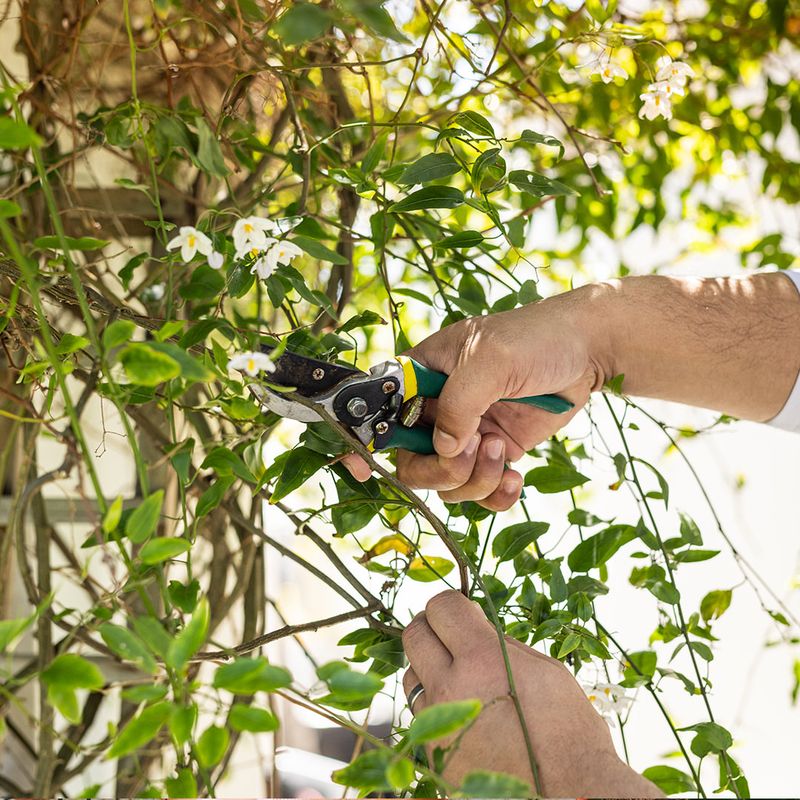
Fresh pruning cuts need airflow and warmth to begin drying and forming a protective callus. When the air is saturated with moisture, that process slows down significantly.
Wet cuts stay open longer, and that creates a problem.
Fungal spores travel easily in humid air. An open wound on a tree branch is an entry point, and during monsoon season, those spores are far more active.
Prolonged moisture on fresh cuts raises the chance of fungal issues taking hold before the tree can respond.
Bacterial infections can also move into wet, exposed wood. Desert trees like palo verde and mesquite are generally tough, but they are not immune to infection, especially when conditions stay damp for extended periods.
Your Arizona Garden Changes Every Week. Your Plan Should Too.
Gardening in Arizona changes quickly throughout the season. Every Friday you’ll receive a simple weekly plan showing exactly what to plant, prune, fertilize, harvest, and protect so you never miss the right timing.
Waiting until humidity drops before making non-emergency cuts gives wounds a better environment for recovery. After a monsoon storm passes and the air dries out, conditions improve.
Timing your pruning around the dry spells within monsoon season, rather than during or right after storms, reduces the risk your trees face from slow-drying wounds. Patience with pruning timing pays off more than most people expect.
3. Broken Limbs Should Be Removed Right Away
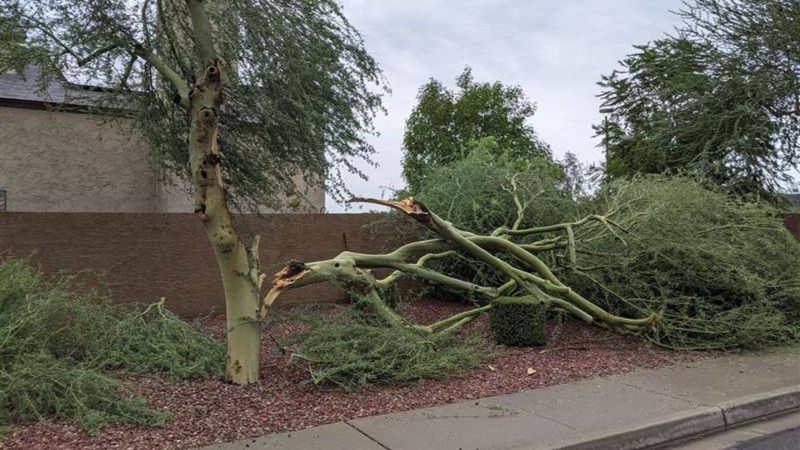
Storm-snapped branches are not something to put off. A partially broken limb hanging from a tree is unpredictable, and the next wind gust can send it crashing down without warning.
Hanging limbs are sometimes called widow makers for good reason. Even a mid-sized branch falling from height carries enough force to cause serious damage to structures, vehicles, and people below.
After every monsoon storm, a quick walk around your yard can catch these hazards early.
Removing broken limbs promptly also protects the tree itself. A torn branch creates a ragged wound that is much harder for the tree to seal than a clean cut.
Leaving it attached keeps that damage active and gives pests and disease an easy opening.
When you remove a broken limb, cut cleanly just outside the branch collar. That raised ring of tissue at the base of the branch is where the tree’s healing response begins.
Cutting too close or leaving a long stub both slow that process down.
Broken branches low enough to reach safely can often be handled with basic pruning tools. Anything higher up, especially near power lines or over a roof, should be left to a licensed arborist.
Trying to remove large overhead limbs without proper equipment puts you at serious risk.
4. Save Major Pruning For Cooler Weather
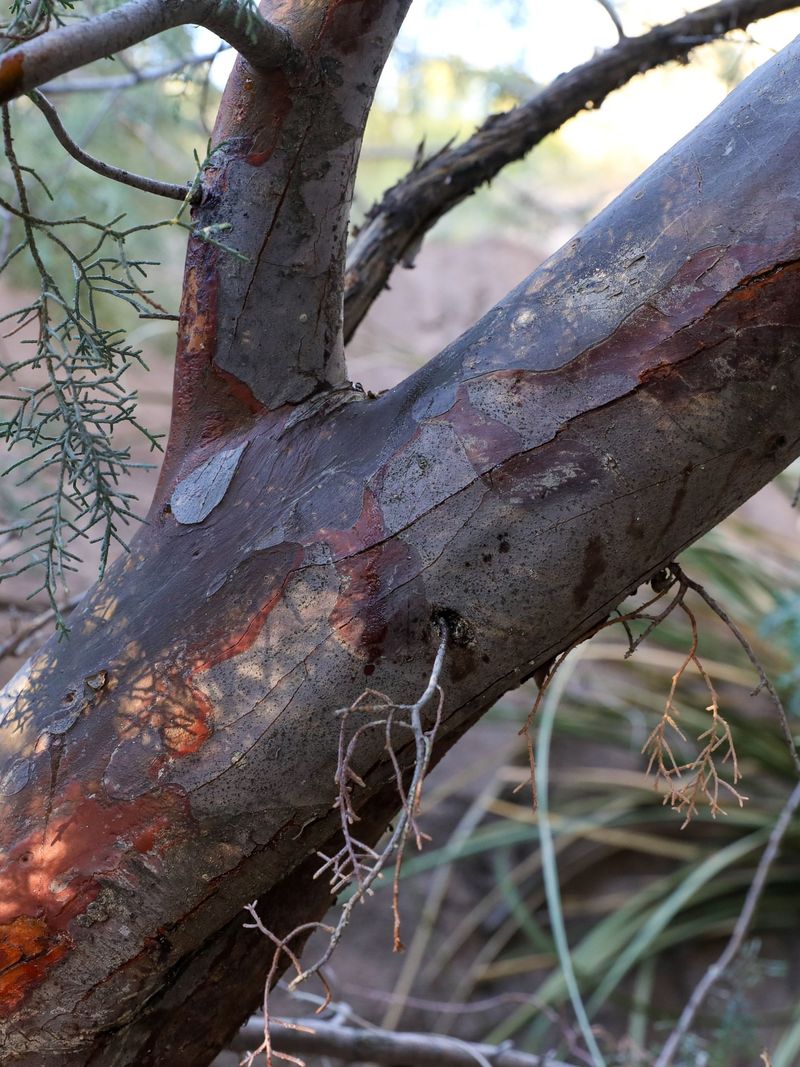
Heavy pruning during monsoon season puts trees under stress at the worst possible time. Storms, heat, and humidity are already working against them.
Adding major cuts to that mix stretches a tree’s ability to recover.
Late fall and early winter are generally the best windows for significant pruning in the desert Southwest. Temperatures drop, humidity fades, and most trees shift into a slower growth phase.
Wounds close more efficiently, and pest activity tends to slow down too.
Pruning large amounts of canopy during summer removes the shade a tree uses to protect itself from intense heat.
Desert trees can experience sunscald on bark that was previously shaded when too much canopy is suddenly removed during hot months.
Roots are also working hard during monsoon season, pulling in moisture and nutrients. Cutting heavily above ground while roots are in high activity mode can create an imbalance that strains the whole tree system.
Small, targeted cuts to remove clearly damaged branches are generally fine year-round. But reshaping, thinning, or lifting the canopy significantly are tasks that can wait.
Homeowners who hold off on major pruning until cooler months tend to see better results and fewer follow-up problems.
Scheduling big pruning jobs for fall gives trees the conditions they need to respond well and recover faster.
5. Remove Only Damaged Or Dangerous Growth
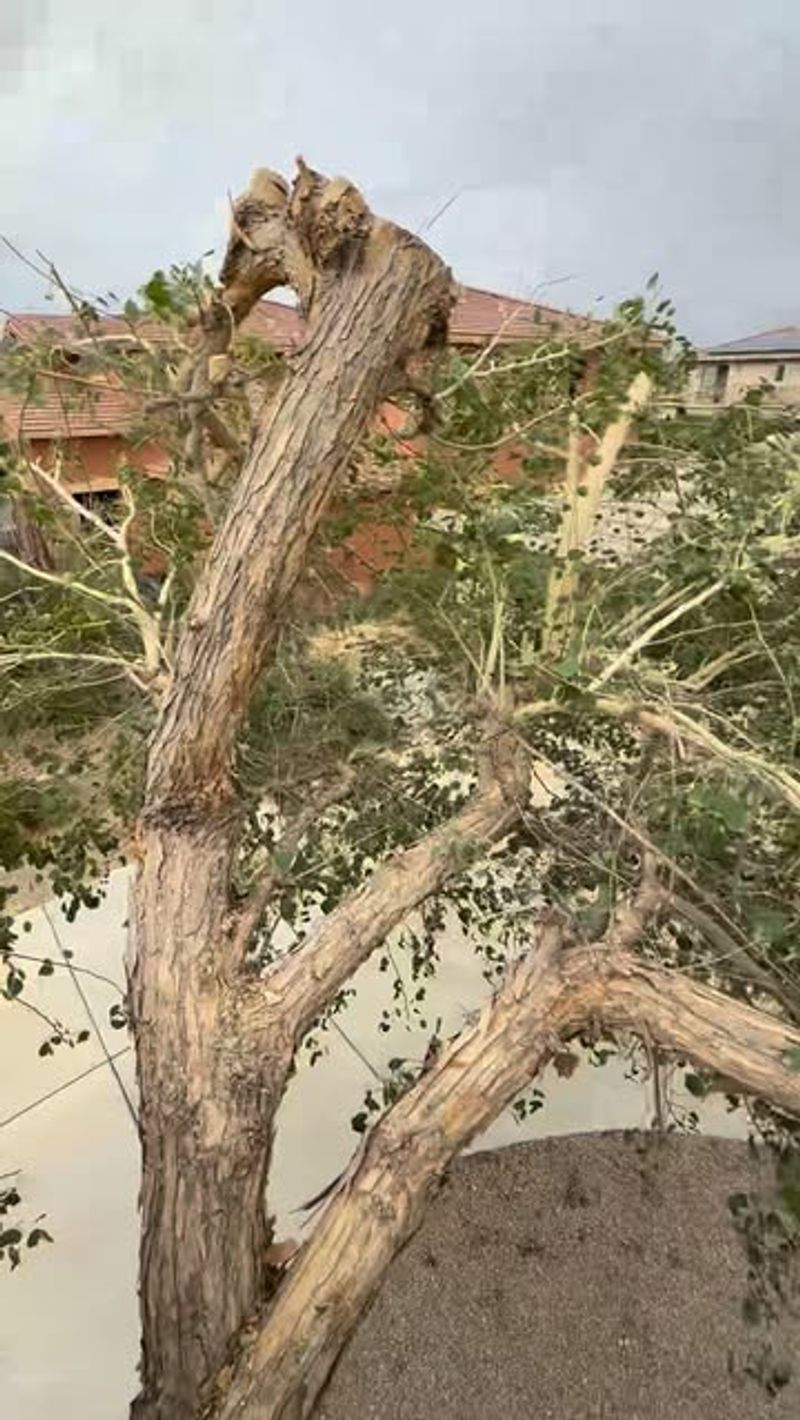
Grabbing pruning shears and going after every branch that looks slightly off is a tempting but risky habit during storm season. Restraint is actually one of the most useful tools you have.
Not every branch that looks awkward is a problem. Some branches may appear slightly angled or irregular but are structurally sound.
Cutting them during monsoon season creates fresh wounds without solving any real issue.
Focus on growth that is clearly cracked, split, or showing signs of rot. Branches rubbing against each other in a way that is breaking bark are also worth addressing.
Crossing branches that create open wounds through friction can invite disease into otherwise healthy wood.
Damaged branches are a priority at any time of year. Dry, leafless limbs on a tree that should have foliage are not waiting to recover.
Removing them promptly prevents them from becoming projectiles during high-wind events common in Arizona storms.
Overgrown suckers and water sprouts, those fast-growing shoots that pop up from the base or along main branches, can be removed without much concern for timing. They are low-priority growth and removing them does not stress the tree significantly.
Targeted removal of genuinely problematic growth keeps your trees safer without overloading them with recovery demands during an already stressful season.
6. Avoid Heavy Pruning During Monsoon Season
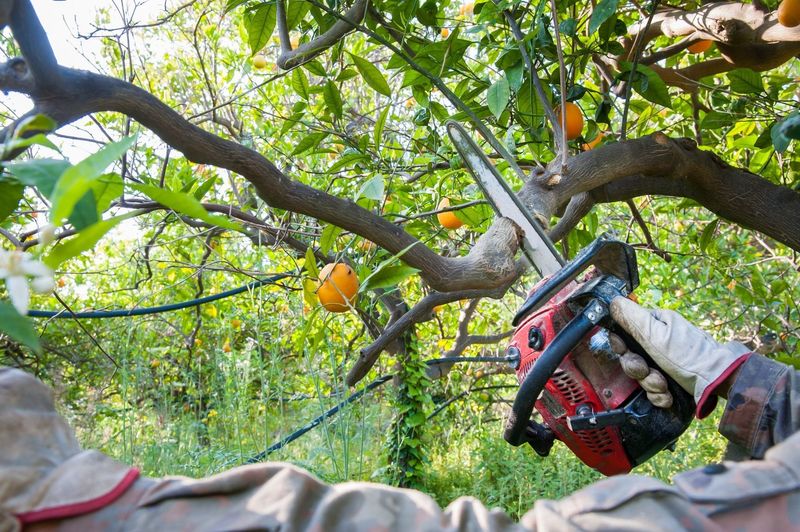
Monsoon season is not the time to reshape your landscape. Heavy pruning stresses trees, and stressed trees are less equipped to handle back-to-back storms that roll through from July into September.
When you remove a large portion of a tree’s canopy, it redirects energy toward producing new growth. During monsoon season, that energy is already being used to manage heat, respond to irregular watering from storms, and maintain root function.
Overloading the system with heavy cuts can push a tree past what it can manage.
Large pruning wounds also take significant time to callus over. In humid monsoon conditions, that timeline stretches even further.
A tree with multiple large open wounds heading into another round of storms is in a weaker position than one left mostly intact.
Pest pressure increases during monsoon season as well. Bark beetles and other wood-boring insects are drawn to the chemical signals released by freshly cut or stressed trees.
Heavy pruning can attract exactly the kind of pest activity you want to avoid during warm, humid months.
Keeping your pruning minimal and purposeful during this season protects the tree’s ability to respond to everything the weather throws at it. Healthy, largely undisturbed trees tend to fare better in storm conditions than heavily pruned ones.
7. Check Trees Again After Every Major Storm
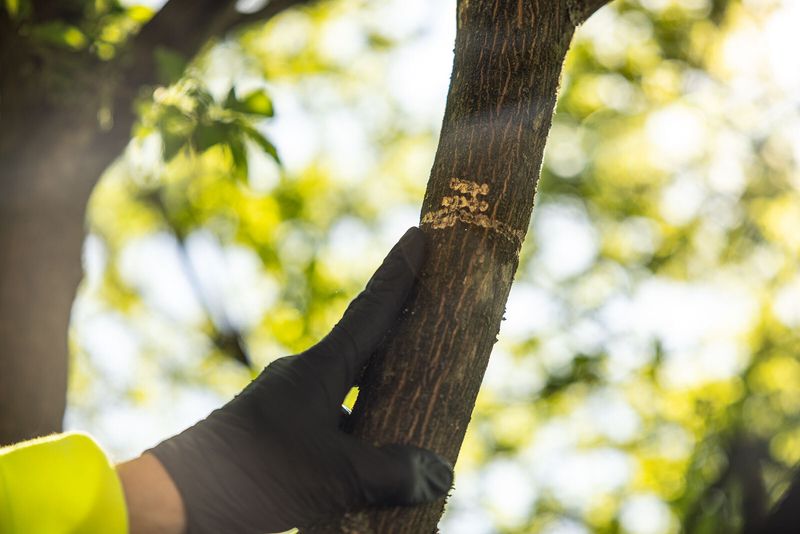
Every major storm is different, and so is the damage it leaves behind. A post-storm walk through your yard is one of the most practical things you can do as a homeowner during monsoon season.
Look for branches that are hanging at odd angles. A limb that survived the wind but is now cracked partway through is under strain.
It may hold through the next storm or it may not, and that uncertainty is worth addressing sooner rather than later.
Check where large branches meet the trunk. Split crotches and included bark, where two branches grow so closely together that bark becomes trapped between them, are weak points that storms can worsen.
Spotting these early gives you time to plan removal before conditions deteriorate again.
Root zone changes are worth watching too. If soil has shifted, heaved, or washed away from around the base of a tree, that can signal root disturbance.
A tree with compromised roots is less stable heading into the next storm event.
After each inspection, make notes or take photos of anything that concerns you. Sharing those with a certified arborist gives them useful context when they come out to assess.
Arborists familiar with desert tree species can spot warning signs that are easy to miss without training.