The Arizona Mulch Choice That Works Better Around Desert Plants
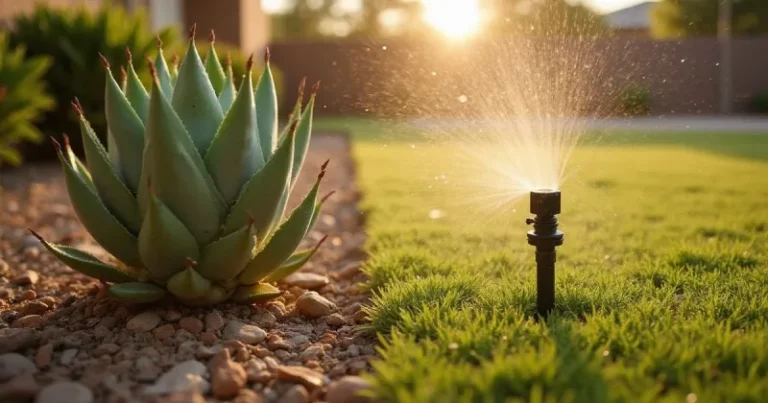
Many Arizona gardens struggle because the wrong mulch holds too much moisture or traps extra heat around desert plants. It seems like a small decision, yet it can affect growth throughout the hottest months.
Plenty of gardeners spread whatever is available without thinking twice. That simple choice often creates problems instead of preventing them.
Your desert plants deserve better. The right mulch helps protect roots while matching the conditions these tough plants naturally prefer.
Choosing wisely also means less maintenance and fewer surprises as summer continues. Don’t settle for a material that works against your landscape.
Learn which mulch gives desert plants the support they actually need.
A smarter choice today can keep your desert plants healthier through the hottest months.
1. Gravel Is Often The Best Choice
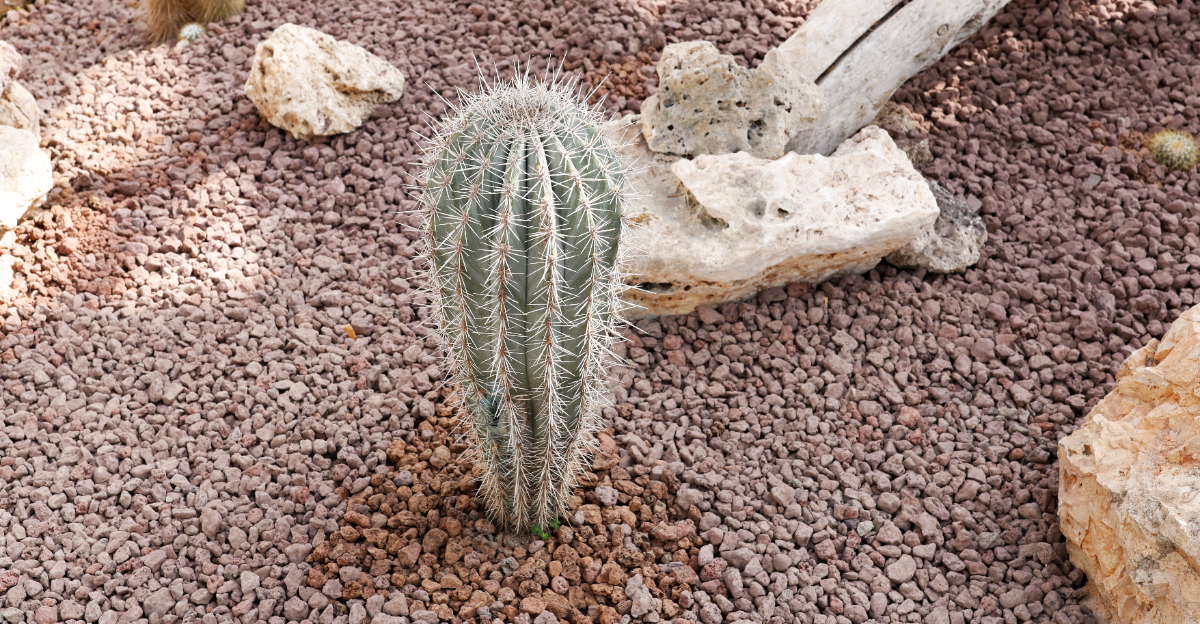
Gravel outperforms organic mulch in most desert settings, and that is not just opinion. Rocks and crushed granite do not break down, do not hold excess moisture, and do not invite fungal problems the way wood chips can.
Around cacti, agave, and other succulents, that is a big deal.
Gravel reflects heat during the day but releases it slowly at night, which helps stabilize soil temperature. In regions where summer temperatures push past 110 degrees, that kind of buffer matters.
Roots stay more protected than they would under bare soil.
Crushed decomposed granite is one of the most popular options among desert gardeners. It blends naturally with the surrounding landscape, drains quickly after monsoon rains, and does not float away the way lighter materials sometimes do.
It also stays in place during strong winds.
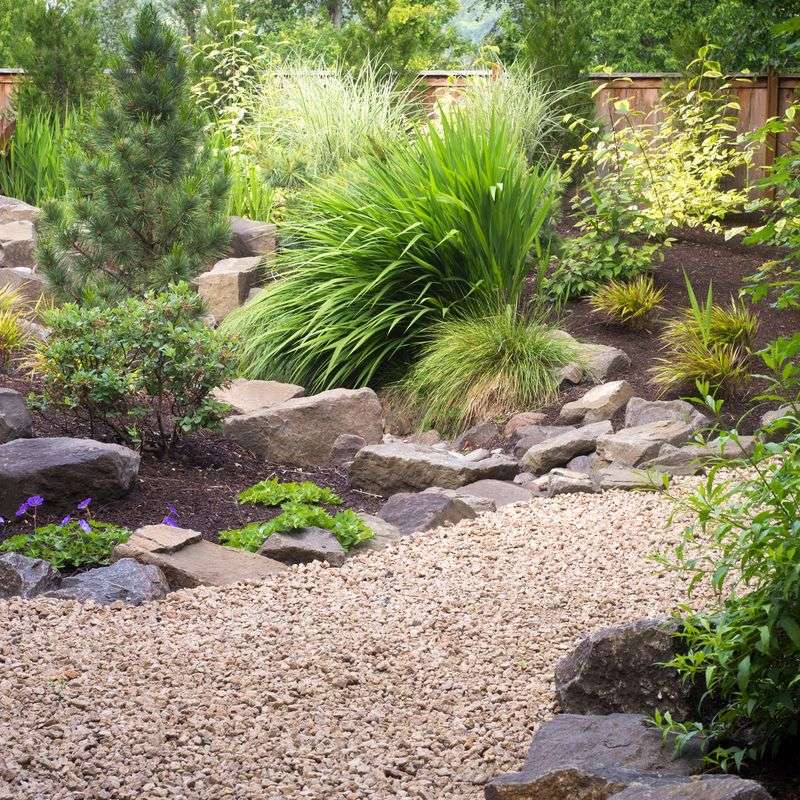
Pea gravel and river rock are solid choices too, depending on the look you want. Pea gravel tends to shift underfoot, so it works better in planted beds than in walkways.
River rock is heavier and stays put, but it can get extremely hot when placed in direct sun all day.
When choosing gravel, think about color as well. Lighter gravel reflects more sunlight, while darker rock absorbs heat and can raise soil temperatures noticeably.
2. Organic Mulch Can Trap Too Much Moisture
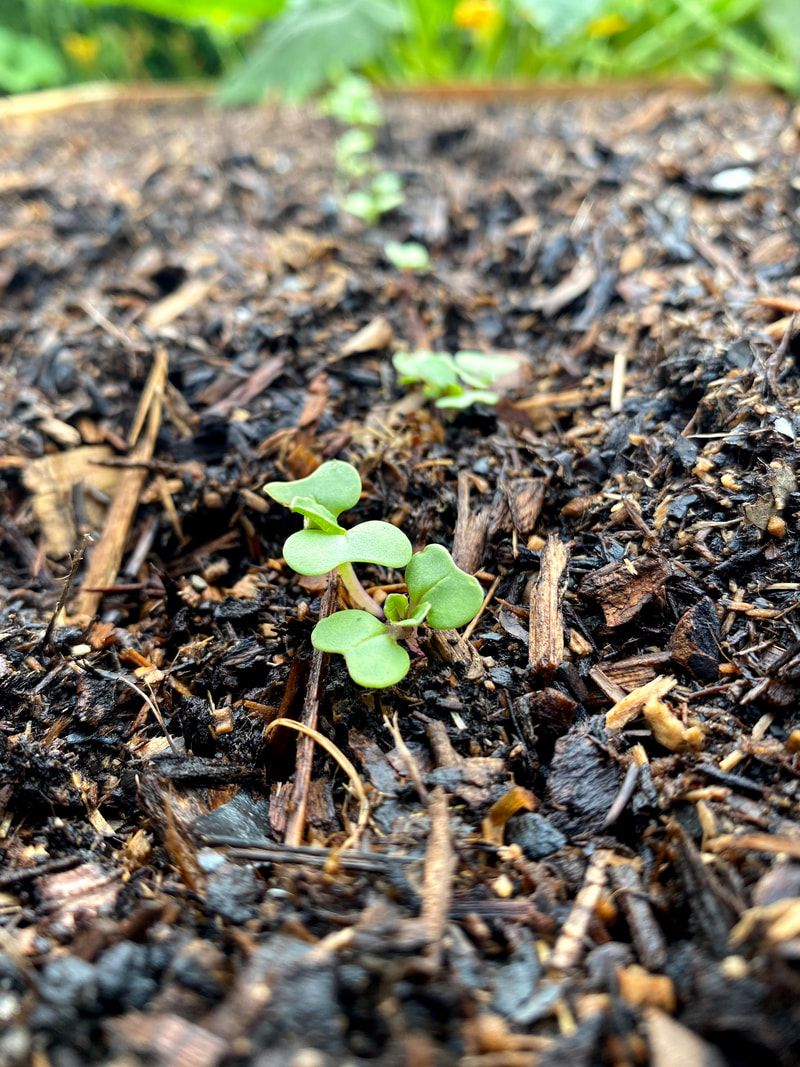
Wood chips and bark mulch are popular in many parts of the country, but they come with real drawbacks in desert conditions. Organic materials hold moisture, and in a climate where drainage is everything, that can become a problem fast.
Succulents and native desert plants evolved in fast-draining, often sandy soils. Their roots are not built to sit in prolonged dampness.
When thick organic mulch traps water around the crown or root zone, those plants can develop rot, especially during the monsoon season when rain comes in heavy bursts.
That does not mean organic mulch is useless in every situation. Around trees like mesquite or palo verde, a light layer of wood chips can help retain soil moisture without causing harm.
The key is using a thin layer and keeping it pulled back from the trunk.
In vegetable gardens or areas with non-native plants that need more consistent moisture, organic mulch can work well. Just watch how the soil responds after watering or rain.
Your Arizona Garden Changes Every Week. Your Plan Should Too.
Gardening in Arizona changes quickly throughout the season. Every Friday you’ll receive a simple weekly plan showing exactly what to plant, prune, fertilize, harvest, and protect so you never miss the right timing.
If it stays soggy for more than a day or two, the mulch layer is likely too thick.
Straw, shredded leaves, and compost break down faster than bark, which means they need replacing more often. In hot, dry air, decomposition can happen quickly.
3. Keep Mulch Away From Plant Crowns
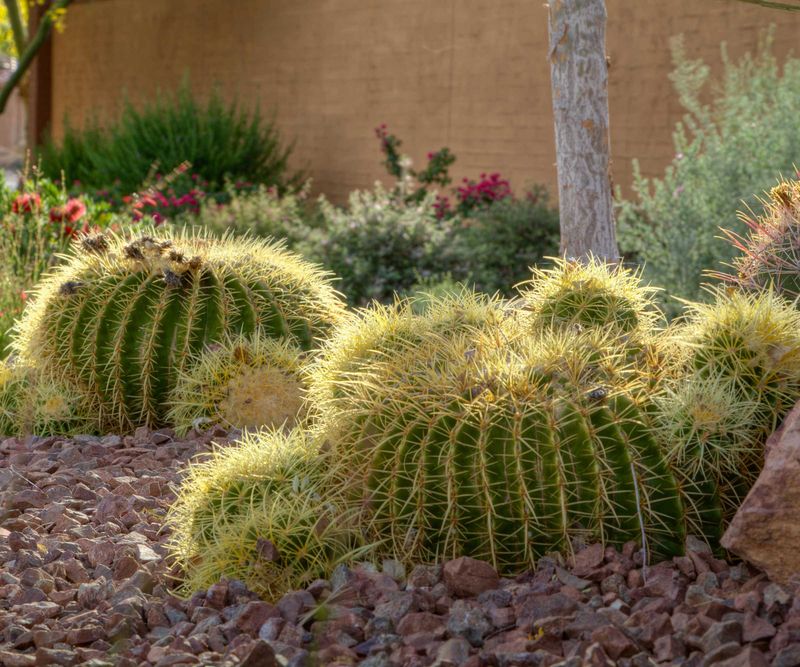
Piling mulch right up against a plant stem is one of the most common mistakes in any garden, and it causes real problems in desert landscapes.
Moisture and heat get trapped at the crown, which is exactly where most desert plants are most vulnerable to rot.
Cacti and succulents are especially sensitive at the base. Even a small amount of trapped dampness near the stem can create conditions where fungal issues develop.
Pulling mulch back just a few inches from the crown makes a noticeable difference in plant health over time.
Native shrubs like brittlebush or desert marigold also benefit from that breathing room. Their stems need air circulation, especially after summer rains.
Leaving a small gap between the mulch and the plant base helps reduce the risk of crown damage during wet periods.
A good rule of thumb is to keep mulch at least two to three inches away from any plant stem or trunk. For larger plants like desert trees, that gap can be even wider.
Think of it as creating a small moat that lets water drain away rather than pool against the bark.
Spreading mulch in a donut shape, with the center kept clear, is a practical approach that many experienced gardeners use.
4. Match The Material To The Plant
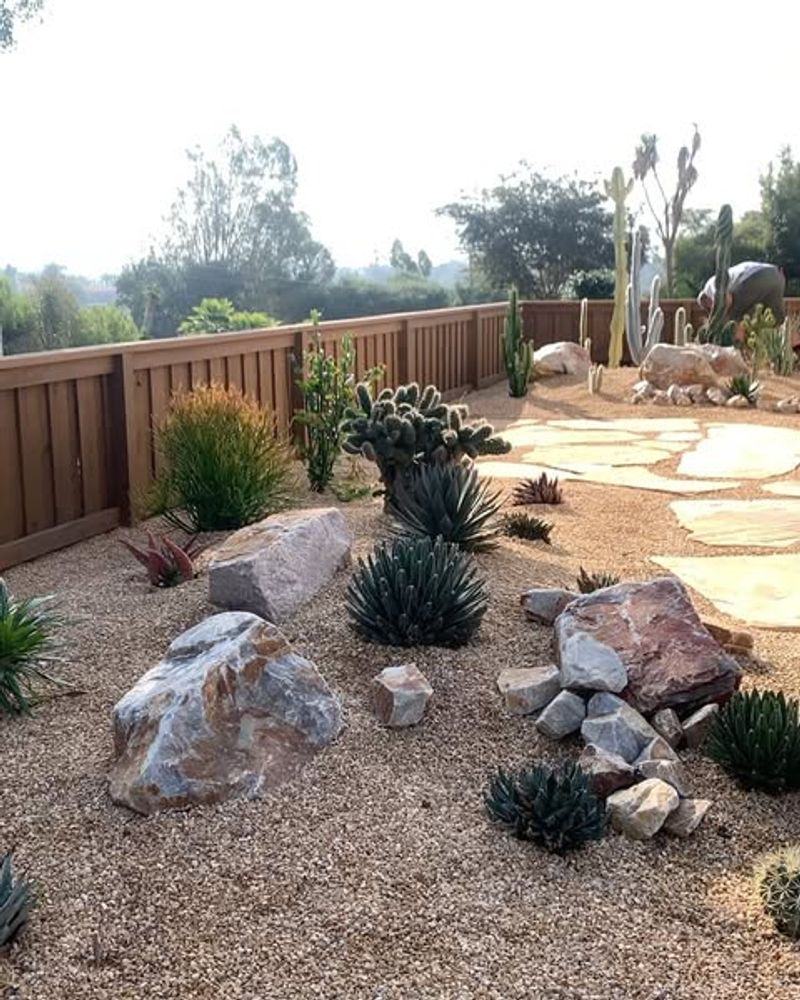
Not every mulch works for every plant, and treating your whole yard the same way is a shortcut that can backfire. Different plants have different needs, and the mulch around them should reflect that.
Cacti and succulents do best with inorganic mulch like gravel or crushed granite. These plants need sharp drainage and good airflow around their roots.
Organic materials that hold moisture, even briefly, can stress them during humid monsoon stretches.
Shade trees and flowering shrubs that are not strictly native may handle organic mulch better. A layer of shredded bark or wood chips around a citrus tree, for example, can help the soil retain moisture between waterings.
Just keep it thin and away from the trunk.
Native perennials like globe mallow or blackfoot daisy tend to be adaptable. They generally do fine with a light gravel layer that matches the natural desert floor.
Heavy mulching around these plants is usually unnecessary and can sometimes crowd out new growth.
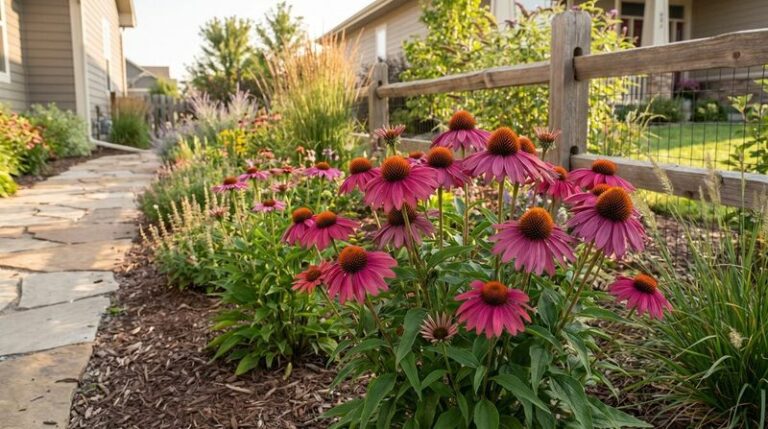
Boulders and flagstone can also serve as functional mulch around certain plants. They shade the soil, reduce evaporation, and look natural in a desert setting.
Pairing them with smaller gravel creates a layered effect that works well visually and practically.
5. Spread The Right Depth For Best Results
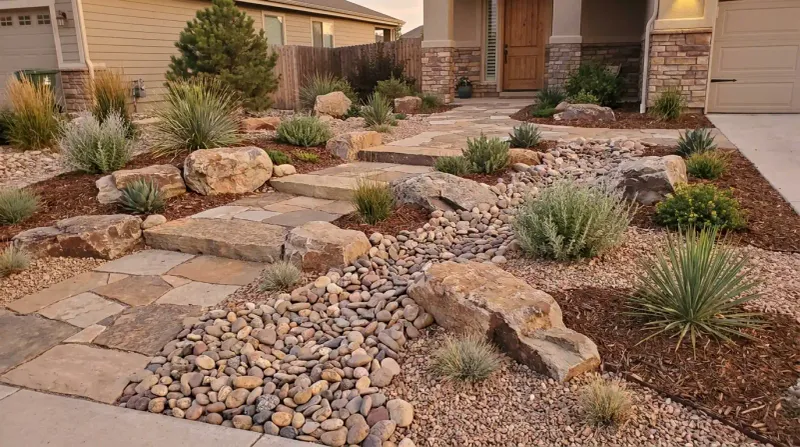
Depth matters more than most gardeners expect. Too thin and mulch does little to protect soil from heat or slow evaporation.
Too thick and it can block airflow, trap moisture, and create conditions that stress plant roots.
For gravel and crushed granite, a depth of two to three inches is generally effective in desert settings. That layer is enough to shade the soil surface, reduce evaporation after watering, and keep weed seeds from getting the light they need to sprout.
Organic mulch, when used, should stay on the shallower end in arid climates. One to two inches is usually sufficient.
Thicker layers can hold too much moisture after monsoon rains, which becomes a concern for plants that prefer dry conditions between waterings.
Spreading mulch evenly matters too. Uneven coverage leaves patches of exposed soil that heat up quickly and dry out fast.
A consistent layer across the bed gives plants more uniform protection throughout the day and into the cooler nights.
Using a rake to level the mulch after spreading helps achieve even depth without much effort. Walking through the bed occasionally to check for thin spots or areas where mulch has shifted keeps things consistent over time.
6. Refresh Mulch When It Starts To Thin
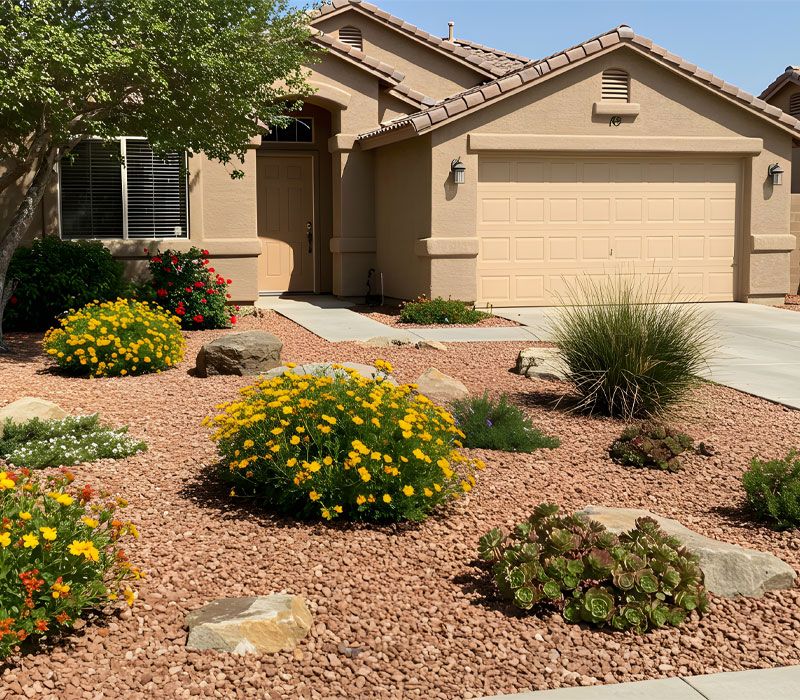
Mulch does not last indefinitely, and ignoring it once it is down is a mistake that catches up with you. Gravel and crushed granite are durable, but they can still shift, compact, or get displaced over time.
Organic mulch breaks down even faster in heat and sun.
Checking mulch depth a couple of times a year is a smart habit. Late spring before peak heat arrives is a good time, and again after monsoon season wraps up in early fall.
Those are the periods when mulch takes the most wear.
When gravel thins out, weeds find it easier to establish. Bare patches also allow soil to heat up more intensely, which stresses shallow root systems.
Adding a fresh inch or so to thin areas restores the protective layer without needing to redo the whole bed.
Organic mulch breaks down and contributes organic matter to the soil, which has some value. But in dry climates, that decomposition happens unevenly.
Some spots break down faster than others, especially where sun exposure is strongest throughout the day.
Keeping a small stockpile of your chosen mulch material makes top-ups easy. Even a half-yard of decomposed granite stored in a corner of the yard means you can refresh beds quickly without making a special trip.
7. Watch For Mulch That Washes Away
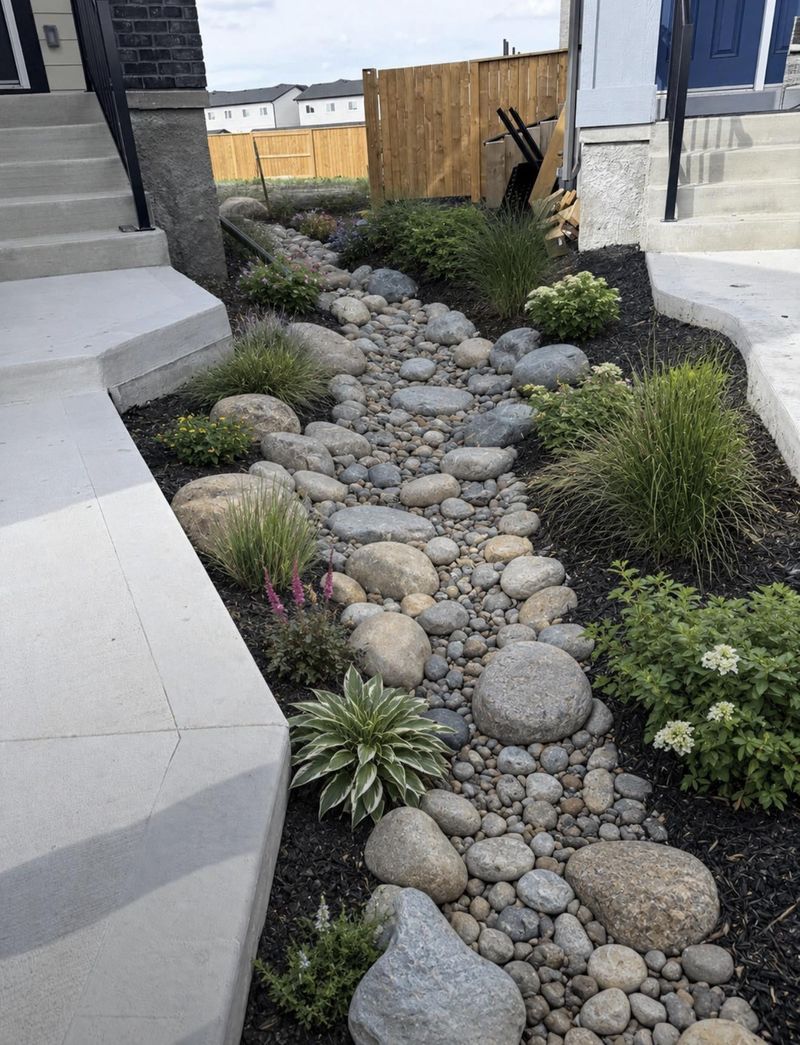
Monsoon season in the Southwest brings fast, heavy rain that can move lightweight mulch in minutes. If your mulch washes out of beds and into walkways or the street after every storm, it is worth rethinking your material choice or how the bed is set up.
Lighter materials like shredded bark, wood chips, and straw are most prone to washing away on sloped ground or in areas where water channels through during storms. Even in flat yards, a strong downpour can scatter them across wide areas.
Heavier gravel and crushed granite hold up much better under monsoon conditions. Larger river rock stays put even when water moves quickly across the surface.
That durability is one reason gravel tends to be the preferred mulch choice in desert landscapes where summer storms are a regular part of life.
Edging around garden beds helps contain mulch during heavy rain. Bender board, metal edging, or even a row of larger rocks along bed borders can slow runoff and keep material from scattering.
It is a simple fix that makes a real difference.
Slopes and hillside plantings need extra attention. On angled ground, even heavier gravel can creep downhill over time.
Terracing or using larger boulders as anchors helps keep mulch in place across the growing season.