What Deeply Cracked Soil Actually Means For Your Michigan Lawn Roots
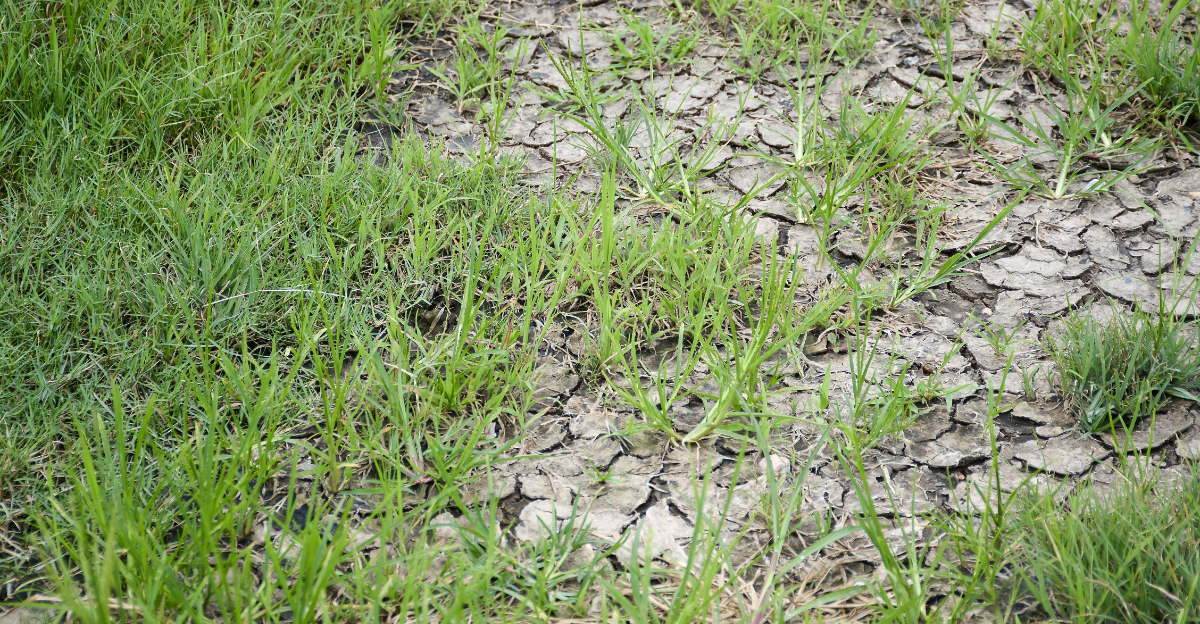
Deep cracks forming across a Michigan lawn usually point to soil that has lost too much moisture during extended dry stretches. Clay heavy soil is especially prone to this kind of cracking, since it shrinks significantly as it dries out.
These cracks can damage root systems by tearing delicate roots apart as the soil contracts. Grass struggling in cracked soil often shows signs of stress like thinning patches or a dull, grayish color.
Deep, consistent watering helps rehydrate soil gradually, reducing the risk of further cracking as conditions improve. Aerating compacted soil also allows water to penetrate more evenly across the lawn.
Adding organic matter over time improves soil structure, making it more resistant to extreme drying. Addressing cracked soil early helps protect root health before more serious lawn damage sets in.
1. Deep Cracks Signal Major Moisture Loss
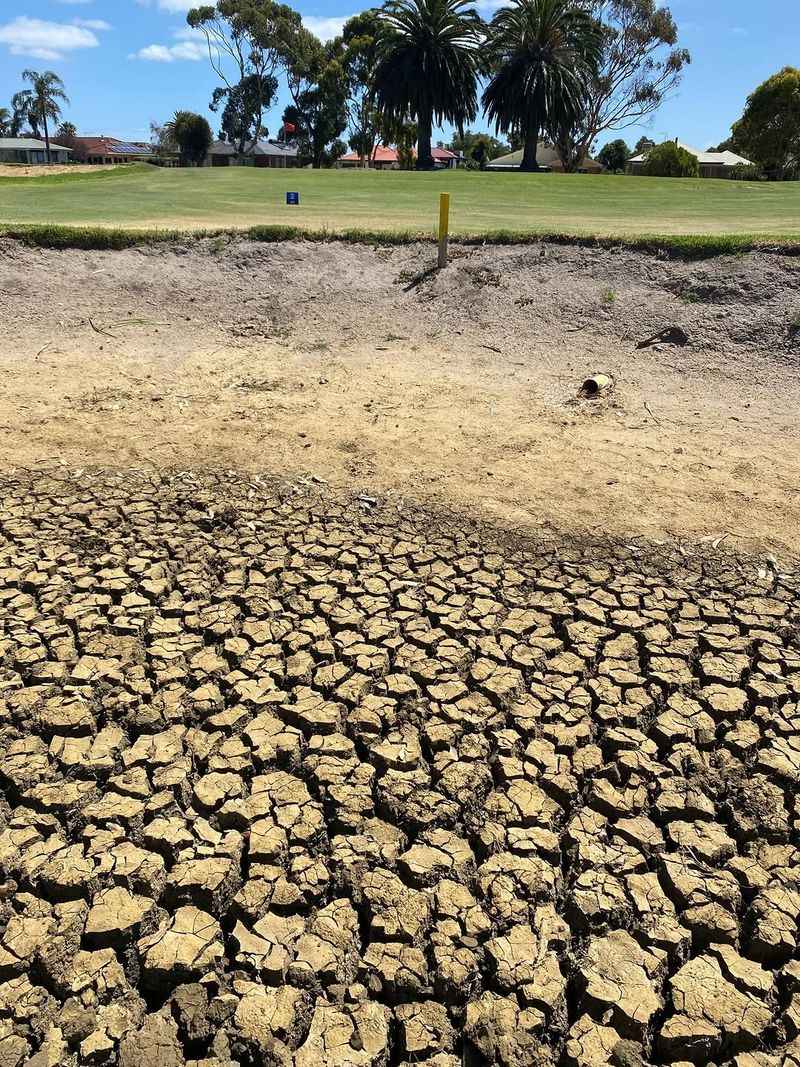
Cracked soil is not just an eyesore sitting in your backyard. Those deep, jagged openings running through your lawn are actually a clear signal that the root zone has become dangerously dry.
Most Michigan homeowners notice these cracks appearing during July and August, and the timing is no coincidence.
Soils with a high clay content are especially prone to dramatic cracking because clay physically contracts as moisture leaves it. Think of it like a sponge that shrinks and stiffens as it dries out.
The wider and deeper the crack, the more moisture has already left the upper soil layers where grass roots live and feed.
Here is something worth understanding right away: the visible crack itself is a symptom, not the main problem. The real issue is the lack of available moisture surrounding the roots, crowns, and growing points of the turf.
Grass roots cannot absorb water that simply is not there, no matter how healthy the plant looked just weeks before.
The crown of each grass plant sits just at or slightly below the soil surface. It is the central hub from which new leaves and new roots grow.
When the soil around the crown becomes bone dry, the entire plant loses its ability to recover quickly. Catching this problem early gives you the best chance of getting your lawn back into good shape before the season ends.
Watching for cracks as an early warning system is one of the most useful habits a Michigan lawn owner can build.
2. Clay Soil Shrinks As It Dries
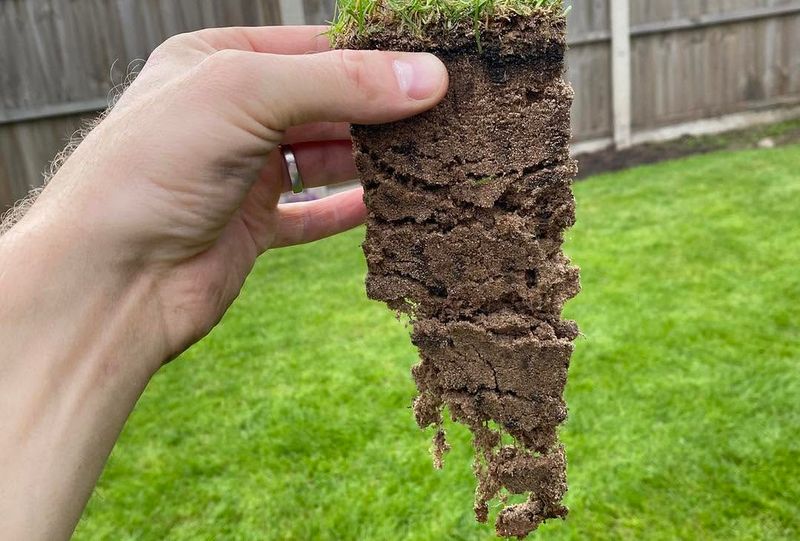
Michigan lawns sit on some of the most clay-heavy soil in the Midwest, and that matters a lot when summer heat arrives. Clay particles are incredibly fine, and they have a unique ability to expand when wet and shrink significantly as they dry.
This swelling and contracting behavior is exactly what produces those dramatic cracks you see splitting through the turf.
Sandy soil drains quickly and rarely cracks the way clay does. Clay, on the other hand, holds onto moisture for a long time, which can actually feel like an advantage during spring rains.
But once that stored moisture is gone, clay becomes hard, dense, and prone to forming cracks that can reach several inches deep into the root zone.
Your Michigan Garden Changes Every Week. Your Plan Should Too.
Gardening in Michigan changes quickly throughout the season. Every Friday you’ll receive a simple weekly plan showing exactly what to plant, prune, fertilize, harvest, and protect so you never miss the right timing.
Many Michigan homeowners are surprised when a lawn that looked lush and green in May starts cracking badly by mid-July.
The spring wet period gave the clay time to swell and stay soft, but the extended summer heat pulled that moisture out faster than rain or sprinklers could replace it. The result is the cracking pattern you see now.
Cracking alone does not automatically mean your soil is poor quality or damaged beyond repair.
Natural soil texture, the amount of organic matter present, drainage patterns, compaction history, and recent weather all shape how severe the cracking becomes.
Understanding that clay is simply behaving according to its nature helps you respond with the right solutions rather than panic.
Improving organic matter over time is one of the best long-term answers for reducing future cracking in Michigan clay lawns.
3. Grass Roots Are Losing Access To Water
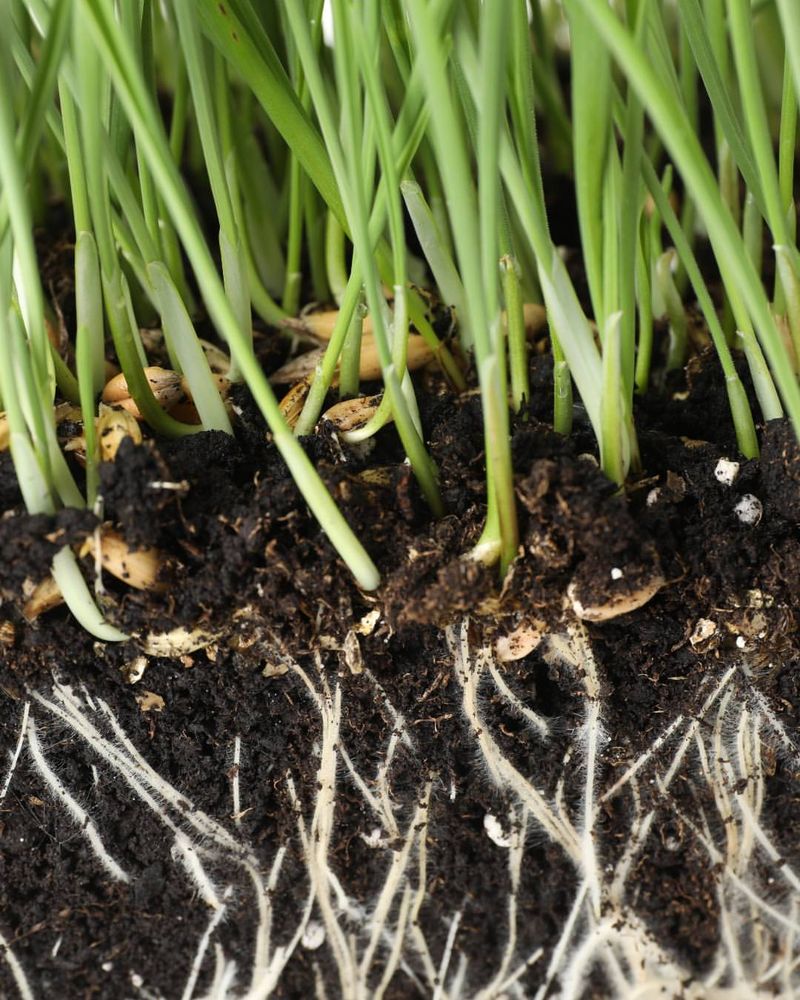
Roots need moisture to survive, but dry soil does not simply run out of water the way an empty glass does.
Instead, the remaining water clings tightly to soil particles, and the drier the soil gets, the harder roots have to work to pull any moisture free. Eventually, the effort becomes too great and roots simply stop absorbing water effectively.
Fine root hairs are the smallest and most important part of the root system when it comes to water uptake.
During extended drought, these delicate structures stop functioning and can shrink back, leaving grass with far less ability to collect whatever moisture remains.
Above ground, you start noticing the signs: grass blades turning a dull blue-green or grayish color, a sign the plant is conserving what little water it has left.
Footprints that stay visible for several minutes after walking across the lawn are one of the most reliable early warnings of root zone drought.
Grass blades that fold lengthwise rather than spring back upright are also telling you that the plant is under serious stress.
Slow growth, a generally dull appearance, and soil that feels bone dry several inches below the surface all point to the same root-level problem.
Catching these signs early makes a real difference. Once you spot blue-green turf color or lingering footprints, the root zone is already stressed and needs attention soon.
Waiting until the grass turns fully brown means the roots have been struggling without moisture for much longer, and recovery will take more time and consistent effort to achieve.
4. Dormant Grass May Still Have Living Crowns
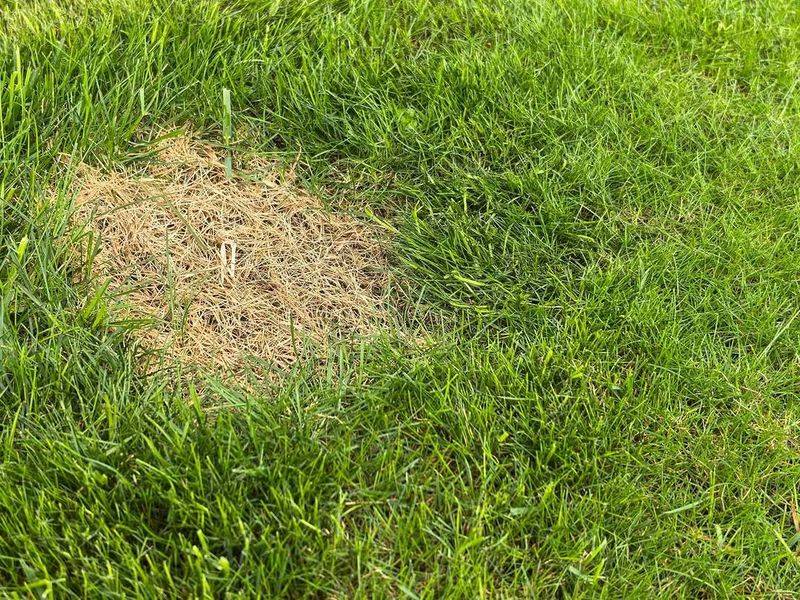
A brown lawn in August can feel alarming, but it does not automatically mean your grass is beyond saving.
Cool-season grasses like Kentucky bluegrass and tall fescue, which are common across Michigan, have a built-in survival strategy called summer dormancy.
When heat and drought become intense, these grasses reduce leaf growth and go brown as a way to conserve energy and moisture.
The crown is the real key to understanding dormancy. Sitting at or just below the soil surface, the crown is the growing hub of the grass plant.
Even when every leaf blade has turned brown and crunchy, the crown can remain alive and ready to push out new growth once cooler temperatures and reliable moisture return.
This is why Michigan lawns often green up again in September without any major intervention.
One mistake homeowners make during dormancy is giving the lawn just enough water to push it out of dormancy and then letting it dry severely again.
That repeated cycle is far more stressful than allowing the grass to stay consistently dormant through the hottest weeks.
If your area has water use restrictions, follow them carefully and focus on occasional survival watering rather than trying to keep the lawn fully green.
Roughly one inch of water every two to three weeks during extended drought is generally enough to keep crowns alive without forcing full growth. Check local Michigan guidelines before watering during any drought-related restrictions.
Patience is genuinely your best tool here, because healthy crowns mean a strong recovery is waiting just around the corner once fall arrives and conditions improve.
5. Compaction Makes The Root Problem Worse
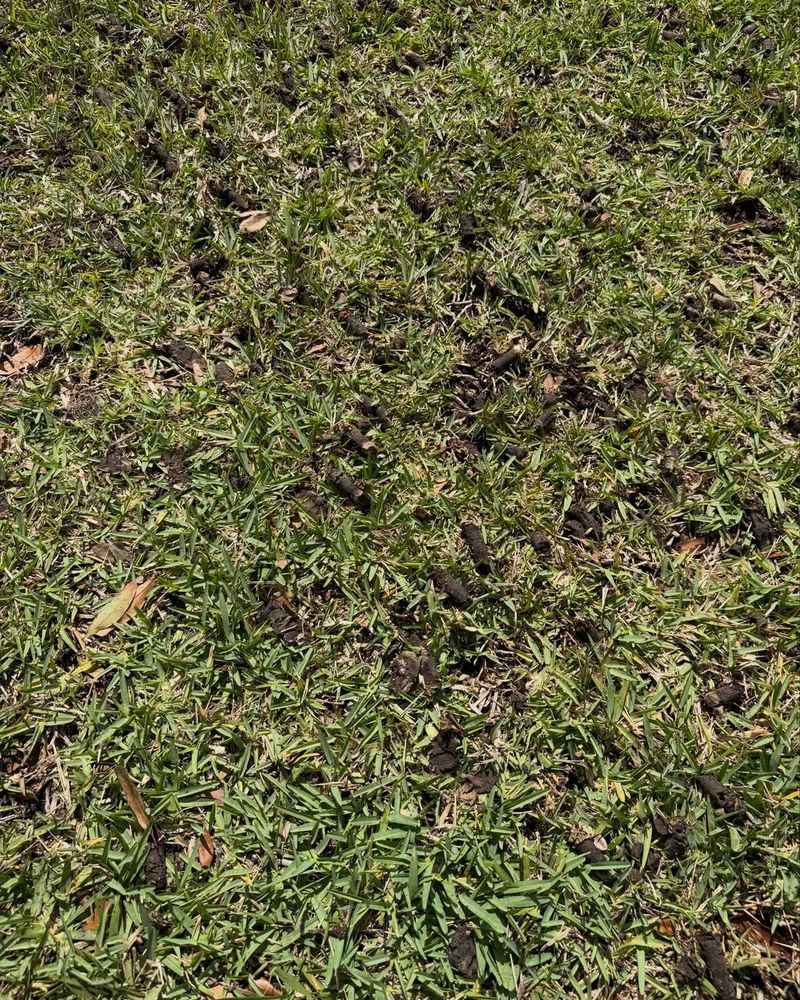
Soil compaction is one of those problems that quietly builds up over time until a summer drought makes it very obvious.
Every time someone walks across the lawn, parks on the grass, or mows while the soil is still wet, the soil particles get pressed closer together.
Over the seasons, this reduces the tiny air spaces that roots, water, and oxygen need to move freely through the soil.
Compacted soil limits how deep roots can grow. Grass with a shallow root system has far less access to moisture stored deeper in the ground, which means it runs out of available water much faster during hot, dry Michigan summers.
Those same compacted areas often crack more dramatically because the soil is already dense and has even less flexibility when moisture leaves. Take a walk around your lawn and pay attention to where the worst cracking appears.
Paths that get heavy foot traffic, areas near play sets, regular mowing routes, and spots where construction equipment or vehicles once sat are all prime candidates for compaction damage.
Comparing these areas to a less-traveled section of the lawn can reveal a clear difference in crack severity and turf health.
The good news is that compaction is fixable. Core aeration, which physically removes small plugs of soil, is one of the most effective ways to open up compacted ground and encourage roots to grow deeper.
Timing matters, though. Fall is generally the best window for aerating Michigan lawns because the cooler temperatures support active grass growth and recovery after the process is complete.
6. Water May Not Reach Roots Even When The Surface Looks Wet
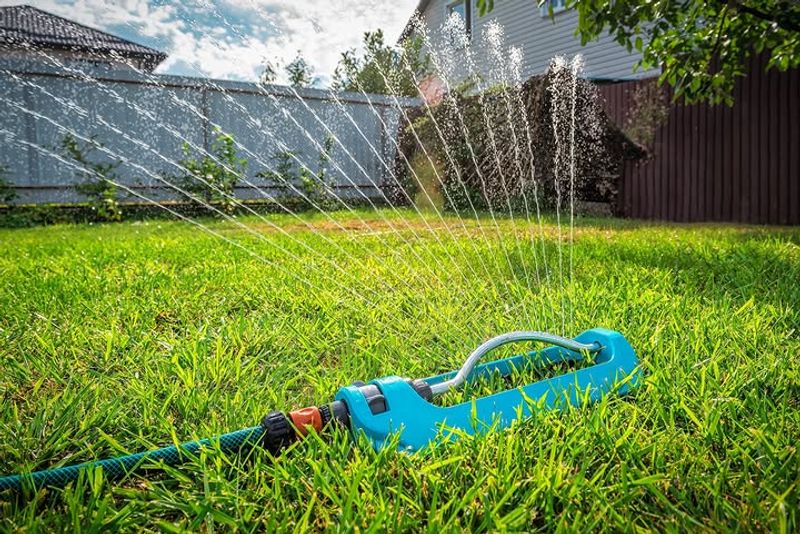
Running the sprinkler for twenty minutes and calling it done is one of the most common watering mistakes Michigan homeowners make during a drought.
Hard, dry clay soil repels water rather than absorbing it, so a quick sprinkler pass often sends most of the water running sideways across the surface or pooling in low spots instead of soaking into the root zone.
Large cracks in the soil create another tricky situation. Water can travel straight down through a wide crack and bypass the upper root zone entirely, making the surface look wet while the actual root area stays dry.
You end up with the illusion of a well-watered lawn without the roots actually getting the moisture they need to function.
Slow, repeated watering cycles work much better on dry clay. Apply water until it starts to pool slightly, then stop and let it soak in before running the sprinkler again.
Repeating this process two or three times in one session allows more moisture to penetrate the soil gradually rather than running off.
Measuring sprinkler output with a simple rain gauge helps you know exactly how much water is actually reaching the ground.
Always push a screwdriver or soil probe into the ground after watering to check how deep the moisture actually reached. If it only penetrates two inches before hitting dry soil, the roots are still thirsty regardless of how wet the grass surface feels.
Flooding the lawn is not the answer either, because saturated soil pushes out oxygen and creates a different kind of root stress. Steady, measured watering wins every time.
7. Root Feeding Insects Can Become More Noticeable
Drought stress and insect damage can look remarkably similar from the surface, which is why it pays to take a closer look before drawing conclusions.
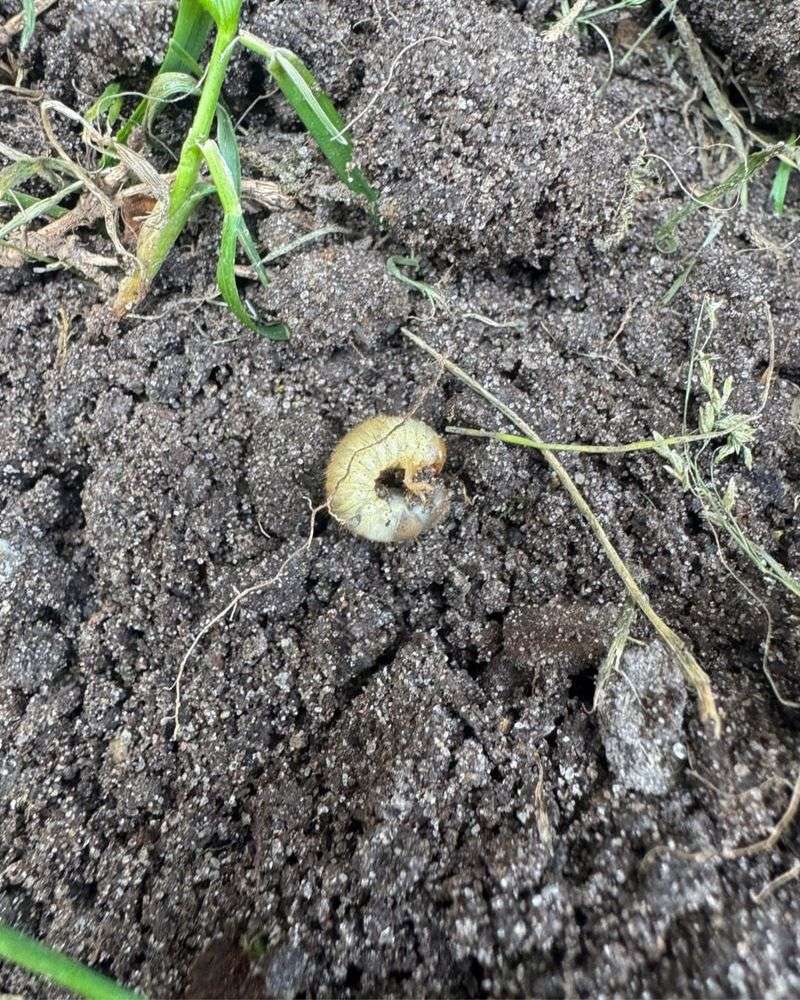
White grubs, the larvae of Japanese beetles and other beetles common in Michigan, feed on grass roots during summer.
A lawn already struggling with dry cracked soil has even less ability to handle that additional root damage at the same time.
When grub feeding combines with drought stress, the symptoms often appear more severe and spread more quickly than drought alone would cause.
Irregular brown patches that do not follow the usual pattern of sun exposure or soil variation are worth investigating.
Turf that feels spongy, loose, or slightly lifted when you push on it is another clue that something may be feeding on the roots beneath the surface.
To check for grubs, cut a square foot of turf about three inches deep in a suspicious area and flip it over. Finding five or more grubs per square foot in Michigan is generally considered a threshold worth addressing.
Fewer than that in a healthy, well-rooted lawn may not cause significant visible damage on its own, though drought stress can lower that tolerance considerably.
Drought symptoms alone never confirm a grub problem, so always examine the root zone before selecting any treatment.
Applying an insect treatment when grubs are not actually present wastes money and disrupts beneficial soil organisms unnecessarily.
A proper diagnosis first saves you effort and keeps your lawn care approach smart, targeted, and genuinely effective for the specific problem you are actually dealing with.
8. Fall Recovery Should Focus On Roots And Soil
Once cooler temperatures arrive and Michigan lawns start actively growing again, fall becomes the single best window for meaningful lawn recovery.
Trying to repair a drought-damaged lawn in the middle of summer heat often leads to more frustration than results.
Waiting for September conditions gives the grass the environment it needs to actually rebuild its root system rather than simply survive. Core aeration is one of the smartest investments you can make in fall lawn recovery.
By pulling small plugs of soil out of the ground, aeration relieves compaction, opens channels for water and oxygen to move deeper, and creates ideal conditions for stronger root development.
If your lawn suffered from cracking and compaction this summer, aeration addresses both problems at once with a single visit from a rental machine or a lawn care professional.
Overseeding thin or bare areas right after aeration is highly effective because the open soil channels give new seed excellent contact with the ground.
Michigan’s best overseeding window generally runs from late August through mid-September, giving new grass time to establish before cold weather arrives.
Choosing a quality seed blend suited to your specific yard conditions, whether sunny, shaded, or mixed, makes a real difference in how well it fills in.
Mowing at a height of three to four inches through fall protects crowns and supports deeper rooting. Avoid heavy fertilizer applications in summer, and always use a soil test before making major changes to nutrients or soil acidity.
Long-term improvement comes from building healthier soil structure and stronger roots, not from patching visible cracks on the surface alone.