Why Texas Tomatoes Are Dropping Their Blooms In This Extreme Heat
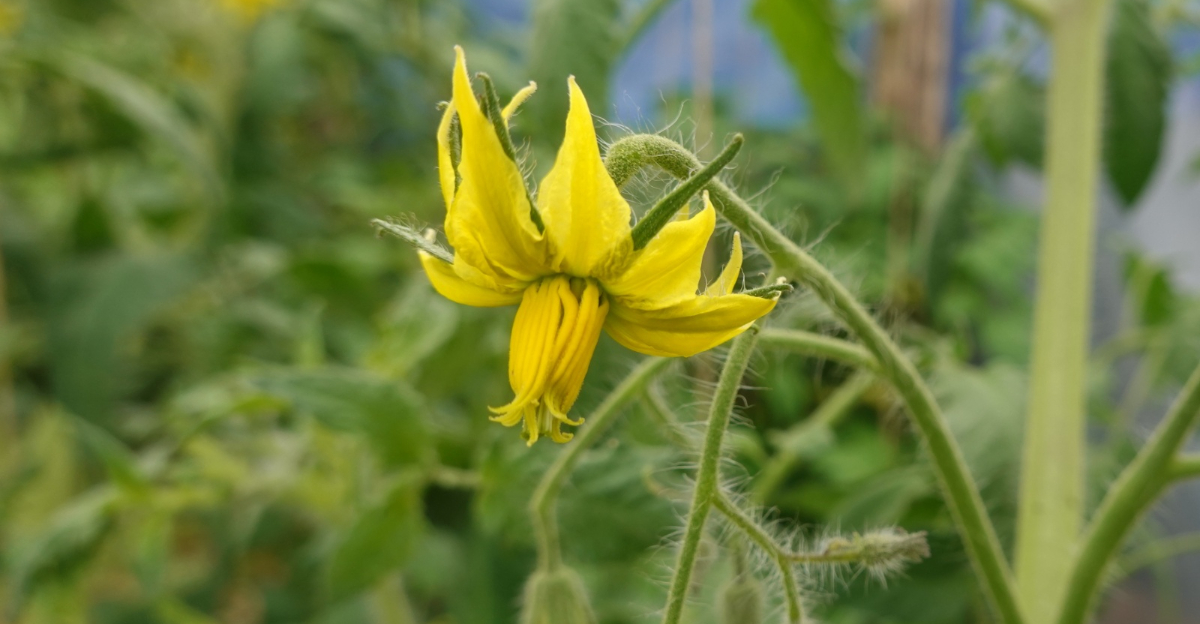
Blossoms disappear overnight, leaving your tomato stems bare and empty. Heat doesn’t wait for permission before it reduces your entire harvest.
Texas summers push temperatures well past what fragile tomato flowers can safely tolerate. Pollen turns sterile once nighttime warmth refuses to drop enough.
Gardeners across Texas suddenly watch their blooms curl, yellow, then fall without warning. Nothing about this sudden shift is random, even though it looks confusing.
Every dropped flower traces back to a specific physiological trigger inside the plant. Humidity, wind, temperature swings, and soil moisture all influence pollination success.
Timing matters more than you might think during a sudden unexpected heat spell. Understanding the underlying mechanism changes how you respond before damage spreads.
Waiting it out rarely helps a plant already under stress. Action now protects the entire tomato harvest you have worked all season long to grow. You cannot afford to skip what happens next.
1. Nights Above 75°F Reduce Pollen Viability
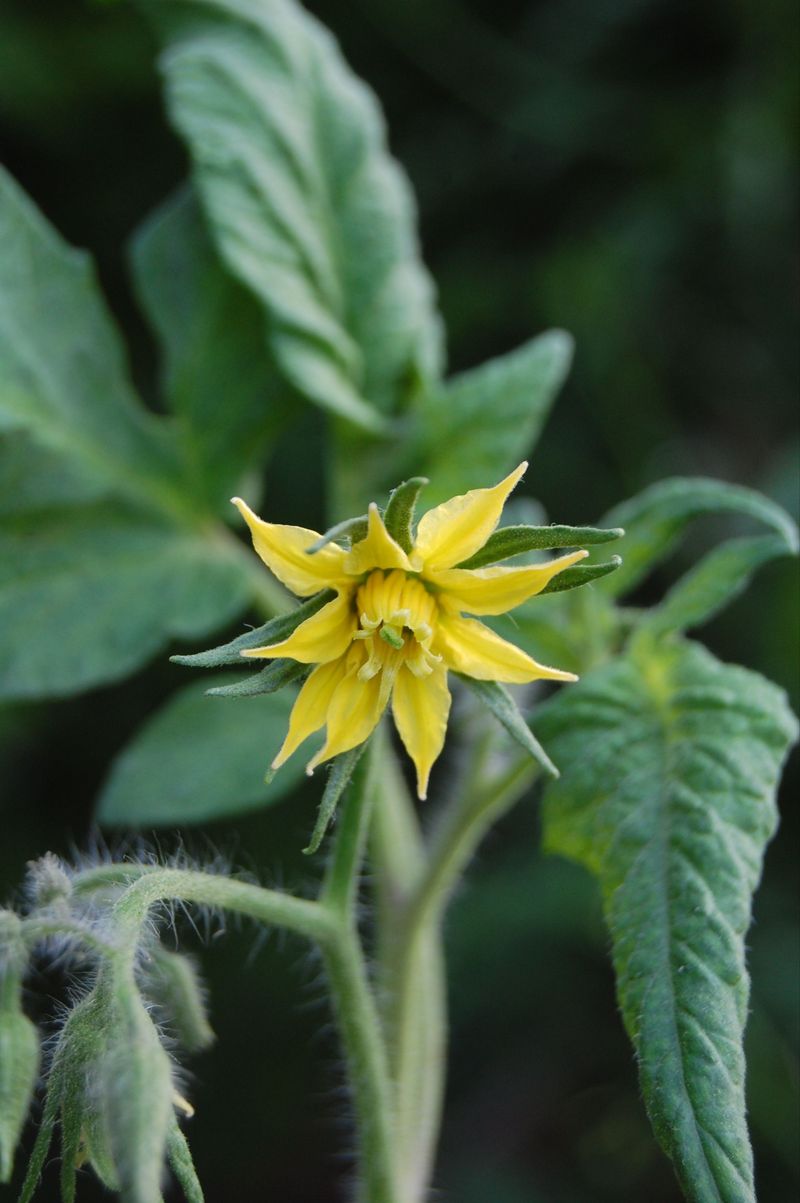
Most gardeners blame the blazing afternoon sun, but the real trouble often starts after dark. When nighttime temperatures stay above 75°F, tomato pollen quietly loses its ability to fertilize.
No fertilization means no fruit, and no fruit means those flowers fall right off the vine. Tomato plants evolved in cooler highland regions of South America.
Their pollen is surprisingly fragile, and warm nights essentially cook it before it can do its job. Think of it like trying to bake bread in an oven that never cools down.
Here in the South, nights above 75°F are common from June through August. That is a long stretch of wasted blooms if you are not paying attention.
Experienced gardeners track overnight lows just as closely as daytime highs. One smart move is planting heat-tolerant varieties bred specifically for warm-night conditions.
Names like Solar Fire and Heatmaster hold up better when the mercury refuses to drop. Seed packets and nursery tags will often list heat tolerance right on the label.
Shade cloth during the day can also help cool the soil, which slightly reduces overnight soil temperatures. Every degree matters when pollen viability hangs in the balance.
If your nights are consistently hot, consider shifting your growing season to spring or fall instead of pushing through midsummer.
Bloom drop tied to warm nights is not a failure on your part. It is simply plant biology doing exactly what it was designed to do. Knowing that makes the problem a whole lot easier to solve.
2. Daytime Heat Sterilizes Pollen Grains
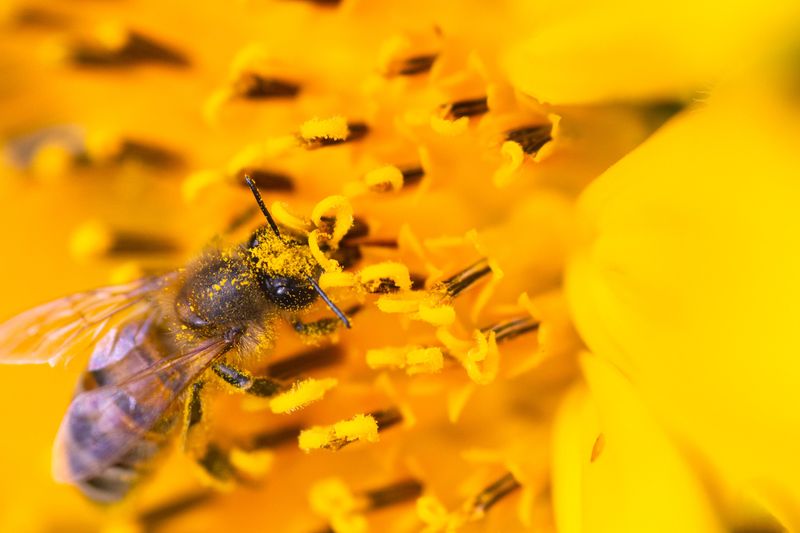
When afternoon temperatures climb past 95°F, something significant happens inside each tiny tomato flower.
The pollen grains literally become sterile, meaning they can no longer fertilize an egg even if they land in exactly the right spot. Bloom drop follows almost automatically after that.
Picture pollen as a tiny living cell carrying half the genetic blueprint for a tomato fruit. Extreme heat scrambles that blueprint beyond repair. Once sterilized, there is no fixing it, and the plant senses the failure quickly.
Your Texas Garden Changes Every Week. Your Plan Should Too.
Gardening in Texas changes quickly throughout the season. Every Friday you’ll receive a simple weekly plan showing exactly what to plant, prune, fertilize, harvest, and protect so you never miss the right timing.
Plants are surprisingly smart about energy conservation. When a flower is not going to produce fruit, the plant withdraws its resources and drops the bloom.
That is not a mistake; it is an efficient survival strategy built over millions of years. Daytime shade can make a real difference here.
A 30 to 40 percent shade cloth draped over your plants during peak afternoon hours reduces leaf temperature noticeably. Cooler leaves mean cooler flowers, which gives pollen a fighting chance.
Watering deeply in the early morning also helps moderate plant temperature throughout the hottest part of the day.
A well-hydrated plant handles heat stress far better than a dry one. The roots stay cooler, and that coolness travels upward through the stem.
Timing your garden tasks around the heat matters too. Hand-pollinating flowers in the early morning, before temperatures spike, can dramatically improve fruit set.
A soft paintbrush or an electric toothbrush gently vibrated against each bloom can work wonders when nature needs a little help.
3. High Humidity Makes Pollen Too Sticky
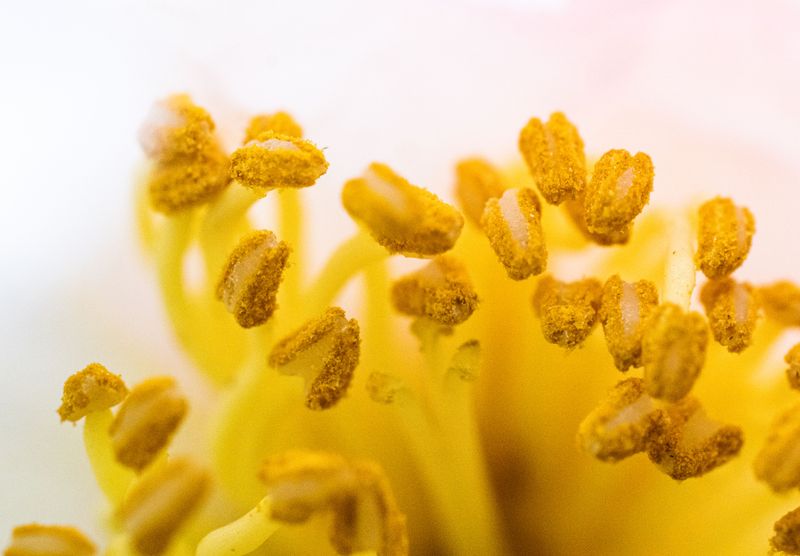
Humidity is an easily overlooked factor in the tomato garden. When relative humidity climbs into the very high range, tomato pollen tends to clump together.
No release means no pollination, and no pollination means flowers fall. Tomato flowers are self-pollinating, but that process still requires pollen to shake loose and land on the stigma. High moisture essentially glues the pollen in place.
The flower waits, the window closes, and the plant gives up on that bloom. Gardeners sometimes notice this pattern after several rainy days in a row.
The plants look healthy and green, yet flowers keep dropping without producing any small green fruits behind them.
That is a classic humidity signature, and it is surprisingly common in Gulf-influenced regions. Improving airflow through your garden helps reduce localized humidity around the blooms.
Spacing plants at least 24 to 36 inches apart allows breezes to move through freely. Pruning excess foliage also opens the canopy so air can circulate rather than stagnate.
Gently shaking the plant or tapping the main stem during dry morning hours can help dislodge stubborn pollen on sticky days.
Do this between 10 a.m. and noon when conditions are slightly less humid. Even a small vibration can trigger enough pollen release to save a bloom.
Raised beds with good drainage also help because wet soil contributes to higher ambient humidity right at plant level.
Keeping the ground around your tomatoes from staying soggy goes a long way. Small adjustments stack up into real results when humidity is working against you.
4. Low Humidity Dries Pollen Out Fast
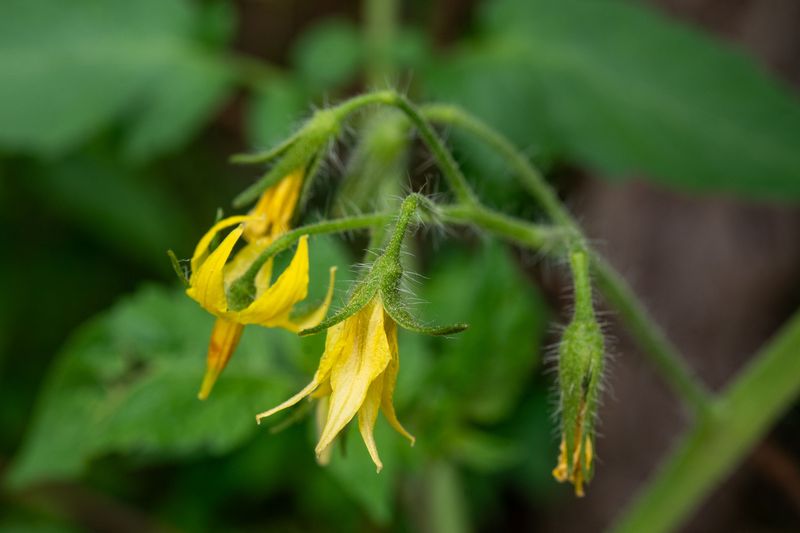
Flip the humidity problem around and you land in equally frustrating territory. When the air becomes very dry, tomato pollen dries out so fast.
West Texas gardeners deal with this constantly during hot, dry stretches. Dry pollen is essentially nonviable pollen.
It cannot germinate, cannot travel down the style, and cannot fertilize the ovule waiting inside the flower. The plant senses the failed pollination attempt and drops the bloom within a day or two.
Hot dry winds make this problem dramatically worse. A single afternoon of strong, arid gusts can desiccate dozens of open flowers before sunset. That is a lot of lost potential fruit in just a few hours of bad weather.
Mulching heavily around the base of your plants helps retain soil moisture and raises the humidity just slightly in the immediate growing zone. Straw, wood chips, or shredded leaves work well and break down into nutrients over time.
A two-inch layer makes a noticeable difference on dry days. Misting the foliage lightly in the early morning can also boost local humidity without waterlogging the soil. Avoid misting in the afternoon because wet leaves in hot sun can scorch.
Morning moisture evaporates gradually and creates a slightly more hospitable pocket of air around your blooms.
Choosing drought-adapted varieties with thicker petals can also help. These plants evolved to handle dryness better and tend to hold their blooms longer under arid conditions.
Pairing smart variety selection with consistent moisture management gives your tomatoes the best possible odds.
5. Stress Hormones Cause Blossom Drop
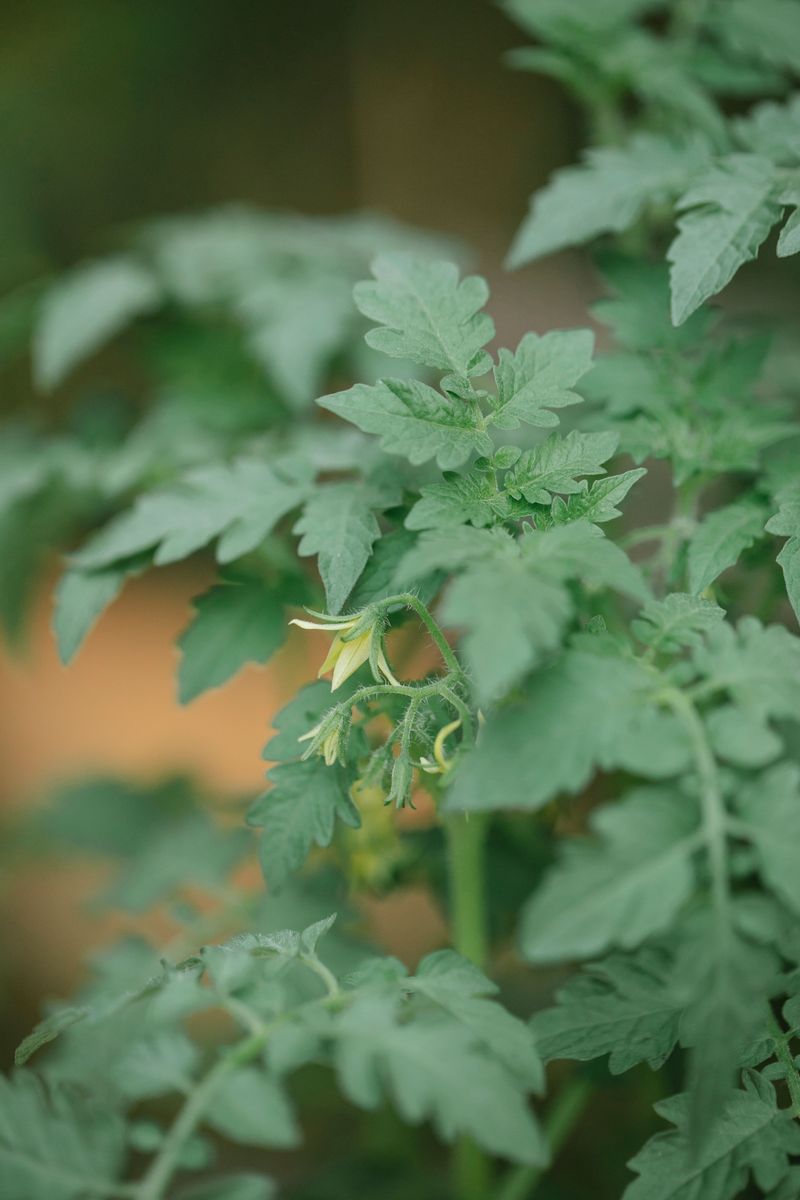
Plants have a built-in stress response that plays out inside every bloom. When tomatoes experience prolonged heat stress, they produce elevated levels of ethylene and abscisic acid.
These natural hormones trigger blossom abortion as a survival mechanism, shedding flowers to conserve energy for the plant itself.
Think of it as the plant making a tough decision: drop the blooms now or risk running out of resources entirely. From the plant’s perspective, that is a rational trade-off. From your perspective standing in the garden, it can feel frustrating.
Stress hormones can build up from multiple sources at once. Extreme temperatures, drought, pest pressure, and nutrient deficiencies all contribute to hormonal imbalance in the plant.
When several stressors hit simultaneously, blossom drop becomes almost inevitable. Reducing overall plant stress is the most effective long-term strategy here.
Consistent watering, balanced fertilization, and pest management all lower the hormonal alarm signals inside the plant. A calm, well-fed tomato holds its blooms far more reliably than a struggling one.
Calcium plays a surprisingly important role in hormonal regulation and cell wall strength. A foliar calcium spray applied early in the season is often used to support the plant’s overall stress resilience.
Many garden centers carry calcium-based sprays specifically formulated for vegetables. Avoiding excessive nitrogen fertilizer during peak heat is also smart.
Too much nitrogen pushes lush leafy growth, which increases water demand and thermal stress on the whole plant.
Balanced feeding, not aggressive feeding, is what a heat-stressed tomato actually needs to keep its blooms.
6. Uneven Watering Worsens Flower Drop
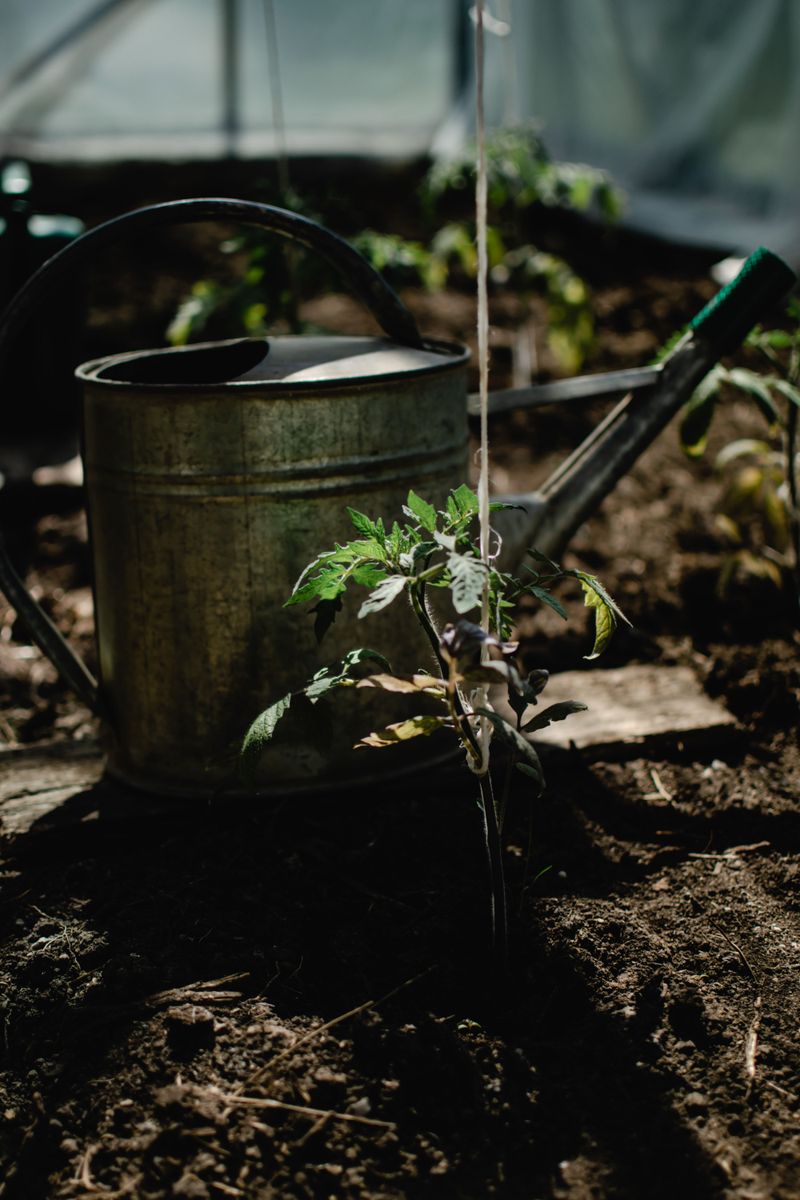
Feast-or-famine watering is one of the most common mistakes home gardeners make, and tomatoes punish it hard.
Letting the soil swing from bone dry to soaking wet confuses the plant’s root system and spikes internal stress hormones. That hormonal chaos triggers the exact same blossom-drop response as heat alone.
Inconsistent moisture also causes a condition called blossom-end rot, which compounds the bloom drop problem.
Calcium uptake depends heavily on steady water availability, and wild swings in soil moisture block that uptake completely. Two problems from one bad watering habit compound quickly.
Drip irrigation is genuinely one of the best investments a Texas tomato grower can make. It delivers water slowly, directly to the root zone, at a consistent rate.
Drip systems reduce soil moisture swings dramatically compared to hand watering or sprinklers.
If drip irrigation is not in your budget right now, deep watering every other day beats shallow daily watering.
Push the moisture down 8 to 10 inches so roots grow deep where soil stays cooler. Shallow roots chase surface moisture and suffer every time the top inch dries out.
Checking soil moisture before each watering session prevents both under-watering and over-watering. A simple, affordable moisture meter takes the guesswork out entirely. Stick it in the root zone and water only when it reads dry.
Consistent watering also makes nutrients more available and keeps root temperature stable. Stable roots support stable blooms.
Once you lock in a steady rhythm, you will likely see noticeably fewer flowers dropping from your plants each week.
7. Poor Airflow Traps Heat Around Blooms
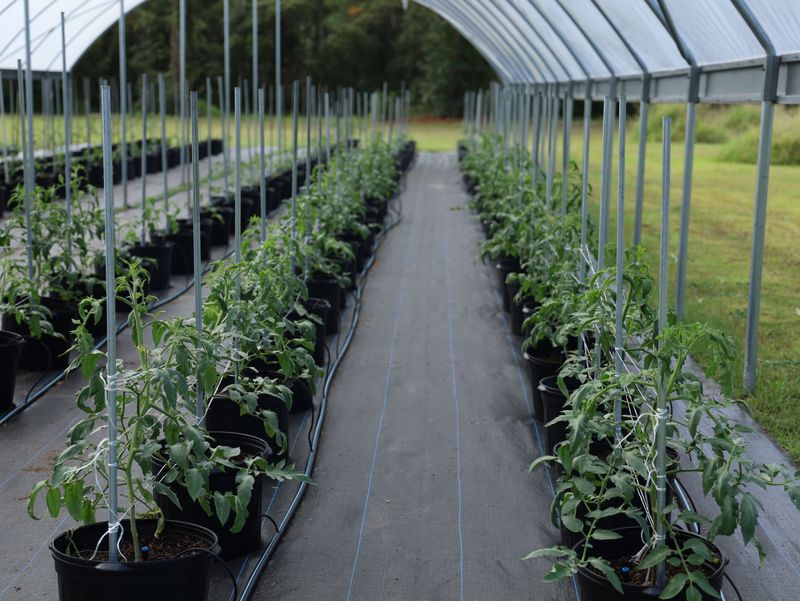
Crowded tomato plants create their own mini heat traps, and most gardeners never realize it. When leaves and stems pack together tightly, hot air stalls between them, and temperatures inside the canopy climb several degrees higher than the surrounding air.
Those extra degrees push pollen past its tolerance threshold fast. Poor airflow also raises humidity around the blossoms, which worsens sticky pollen problems on muggy days.
It creates a double penalty for plants growing too close together. Spacing and pruning are not cosmetic choices; they function as thermal management tools.
Indeterminate varieties, which keep growing all season, become especially problematic if left unpruned. A sprawling, unpruned plant can resemble a small shrub with no airflow at its core by midsummer.
Flowers buried deep inside that canopy rarely set fruit even under decent conditions. Pruning suckers, the shoots that grow between the main stem and a branch, opens the plant up significantly.
Removing lower leaves up to about twelve inches from the ground also improves ground level airflow. These simple cuts make a visible difference in how the plant handles heat.
Orienting rows north to south lets prevailing breezes move more easily along the row instead of hitting a wall of foliage.
This small design choice pays dividends all summer if your layout allows it. Even modest airflow keeps bloom temperatures measurably lower.
Trellising plants vertically instead of letting them sprawl is another powerful move. Vertical growth exposes more surface area to moving air.
Better airflow means cooler blooms, and cooler blooms mean stronger odds of fruit set during extreme heat.
8. Wind Plus Heat Dehydrates Flower Parts
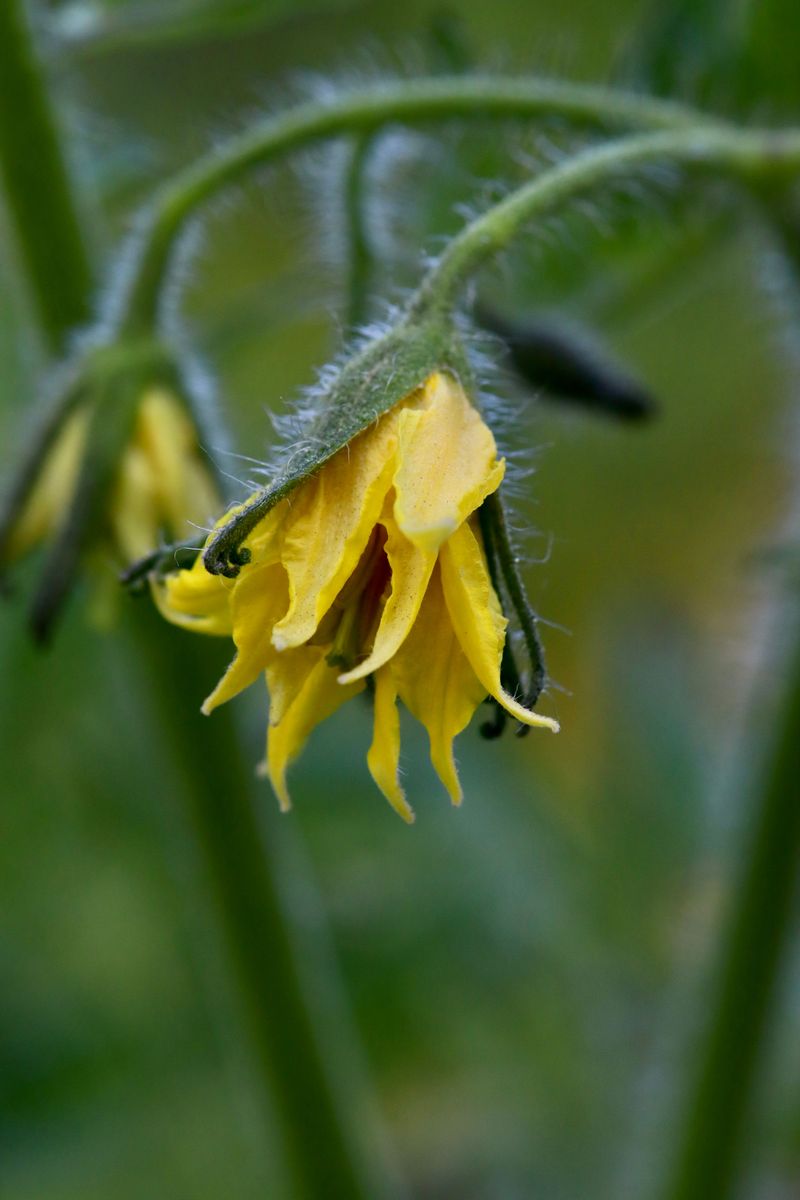
Hot wind and extreme heat form a combination tomato flowers cannot survive for long. Once temperatures climb past ninety five degrees and dry wind picks up, reproductive parts of the flower lose moisture faster than the plant can replace it.
Dehydrated stigmas and stamens fail to complete pollination, and the bloom drops within hours.
This damage hits hardest in central and west regions, where strong southerly winds blow for days during summer.
Wind alone rarely causes harm under cooler conditions, but paired with intense heat, it becomes a serious threat. Gardeners in these areas often lose entire flushes of blooms in a single breezy afternoon.
Windbreaks make a surprisingly large difference in flower survival. A row of tall sunflowers, a wooden fence, or shade cloth on the windward side can cut wind speed significantly.
Reducing wind exposure even modestly can translate directly into stronger fruit set. Mulching earns its place here too, since it slows soil moisture evaporation and keeps the root zone hydrated during windy spells.
A well hydrated root system delivers moisture to stems and flowers faster. That extra buffer helps flower parts resist rapid wind driven drying.
Watering in the morning, before predicted windy afternoons, prepares your plants ahead of stress instead of reacting after damage occurs. Proactive care consistently beats reactive scrambling during a hot summer season.
Managing wind exposure completes the picture behind Texas tomatoes dropping blooms in extreme heat. Combine windbreaks, consistent moisture, and smart variety choices, and your harvest odds improve dramatically.