The Native Ohio Plant Combination That Creates A Natural Tick Barrier
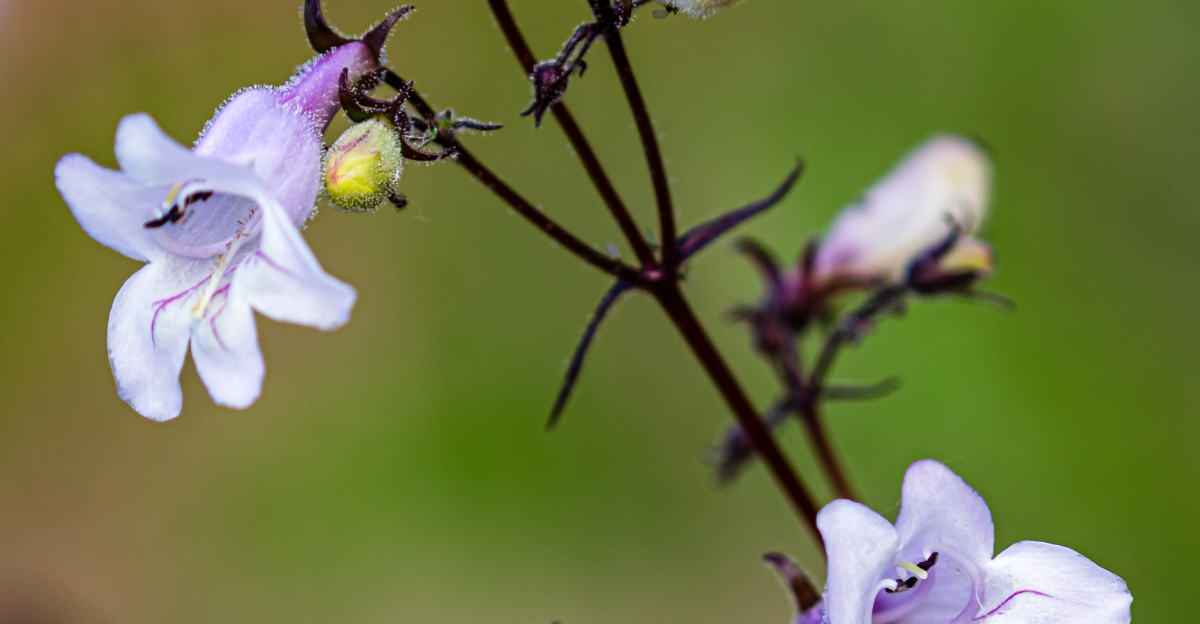
Ohio yard edges can feel a little too wild by midsummer.
The lawn looks fine from the patio, but the brushy fence line tells another story. Damp leaves sit under shrubs.
Tall weeds lean into the grass. Kids chase balls near the border, pets nose through the shade, and suddenly every walk back inside comes with a nervous tick check.
That uneasy feeling is not random.
Ticks prefer shady, humid, overgrown transition zones where lawn meets woods, weeds, or brush.
A better border does not work like a force field, but it can make those edges less comfortable for ticks by adding sun, airflow, cleaner structure, and tougher plant coverage.
So what native Ohio plant combination helps turn a tick-friendly edge into a drier, smarter barrier?
Start with one aromatic spreader, one tidy native grass, and one early bloomer that fills the gaps. Add a dry mulch strip, cleaner leaf management, and regular tick checks, and your yard edge stops acting like a welcome mat.
Start With Mountain Mint
A brushy Ohio fence line needs a plant with fragrance, muscle, and zero interest in being delicate.
Mountain mint fits that job beautifully.
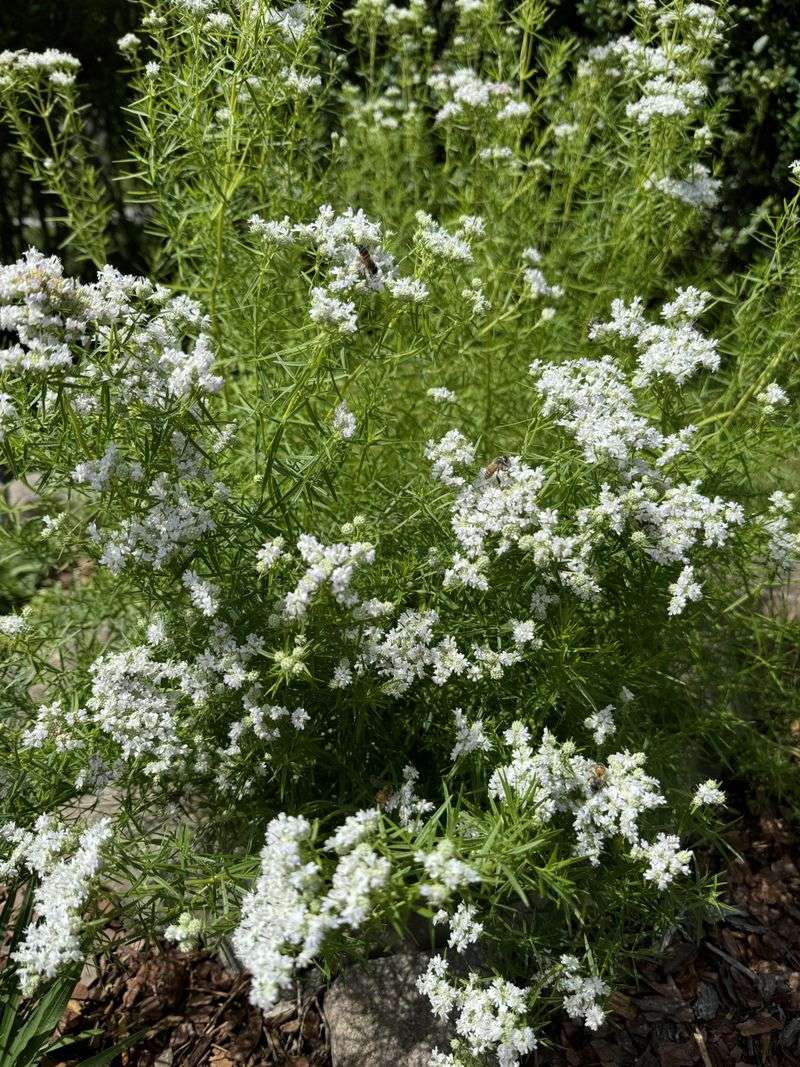
Virginia mountain mint, Pycnanthemum virginianum, is native to Ohio and thrives in sunny borders with dry to medium moisture.
Its silver-green foliage smells fresh and minty when brushed, which gives the whole edge a cleaner, sharper feel during the hottest part of summer.
The real value is in the growth habit.
Mountain mint spreads steadily by rhizomes and forms dense knee-high patches that help crowd out weedy, tangled groundcover. That matters because low, messy vegetation gives ticks more shaded, humid places to wait near the lawn.
This plant does not promise magic.
It changes the mood of the edge. More structure. Less floppy weed chaos. Better airflow around the border. A plant that smells like a garden reset button while doing practical work.
Pollinators also adore it.
From July into September, bees, wasps, butterflies, and tiny beneficial insects work the flowers like they found the best lunch counter in the neighborhood. That makes mountain mint useful beyond tick habitat management.
Plant it in groups of at least three to five for strong coverage.
Space plants about eighteen inches apart and give them a full season to settle in. Once established, they become tough, drought-tolerant, and low-maintenance.
It is mint with manners, but still mint. Give it room to patrol the edge.
Add Prairie Dropseed
A messy lawn-to-woods strip often needs structure more than another random flower.
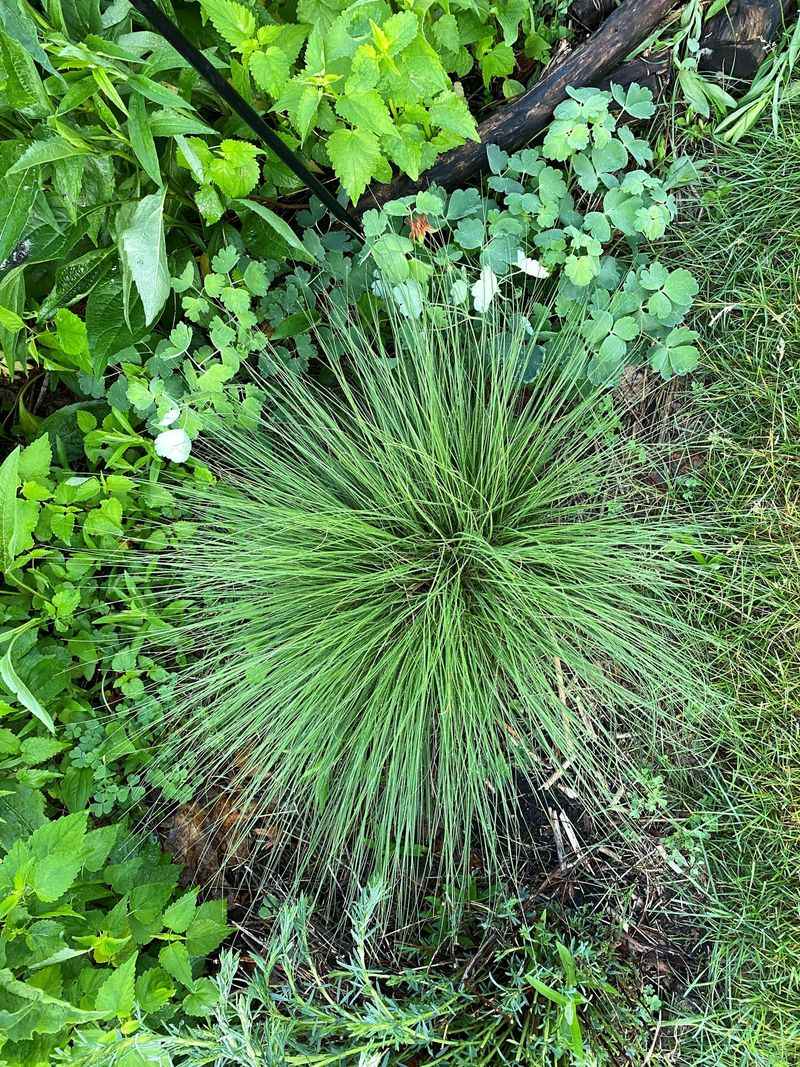
Prairie dropseed, Sporobolus heterolepis, brings that structure with style. This native Ohio grass forms tidy clumps of fine, arching foliage that look polished instead of weedy, which is a major win along visible yard edges.
The clump shape matters.
Prairie dropseed does not create a damp, matted jungle at ground level. Its open, airy habit dries faster after rain, especially in sunny spots. Ticks need humidity to stay comfortable, so a cleaner, drier edge works against the conditions they prefer.
Your Ohio Garden Changes Every Week. Your Plan Should Too.
Gardening in Ohio changes quickly throughout the season. Every Friday you’ll receive a simple weekly plan showing exactly what to plant, prune, fertilize, harvest, and protect so you never miss the right timing.
This grass also plays well with neighbors.
It pairs naturally with mountain mint because the two plants bring different textures to the same border. Mountain mint fills with aromatic upright stems.
Prairie dropseed adds soft movement and tidy clumps. Together, they create a layered edge without turning the border into a shaggy mess.
Late summer brings delicate flower plumes with a surprising fragrance.
Some gardeners compare it to popcorn or cilantro, which makes the plant oddly memorable once it blooms. In fall, the foliage turns warm gold and bronze, giving the border a softer finish as the season cools.
Plant prairie dropseed in groups of three or more.
Space clumps around two feet apart so each one can keep its rounded shape. It may take time to establish, but patience pays off.
This is not instant-gratification grass. It is long-game grass with excellent edge manners.
Use Foxglove Beardtongue
Every barrier planting needs a good gap-filler.
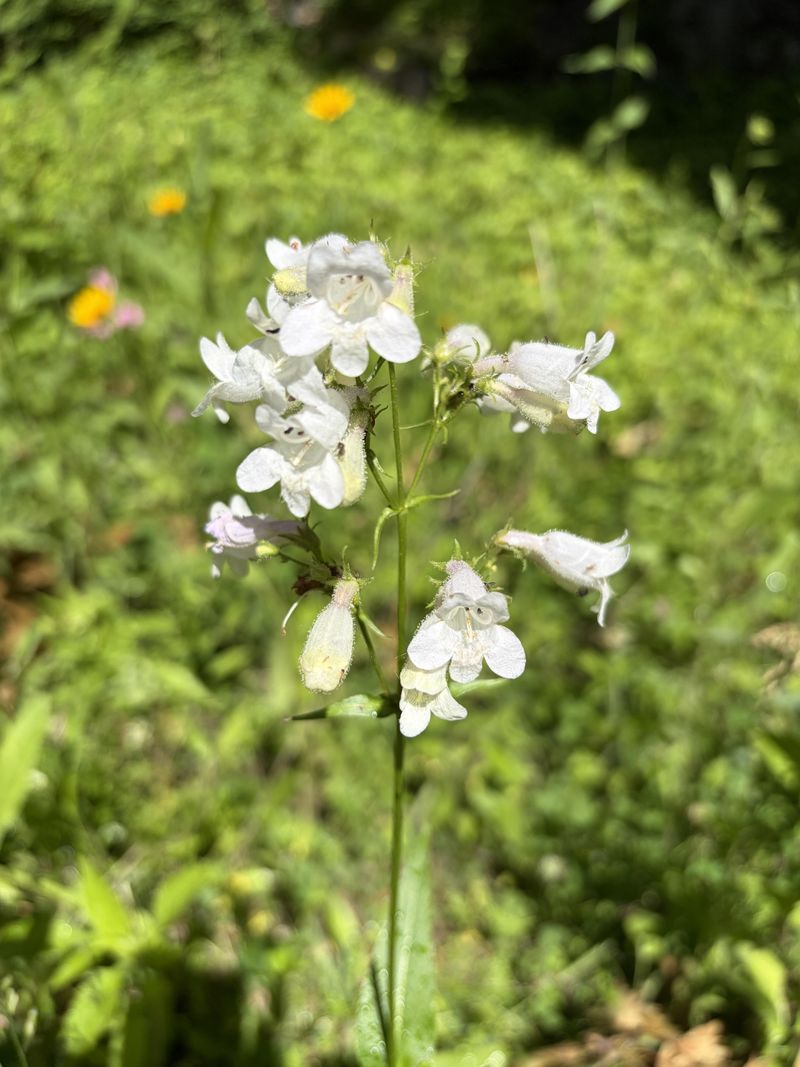
Foxglove beardtongue, Penstemon digitalis, fills open spaces between grasses and aromatic plants while adding early-season flowers that pollinators can use before summer really gets moving.
It is native to Ohio meadows and open woodland edges, which makes it a natural fit for sunny to partly sunny transition zones.
The spring bloom is lovely.
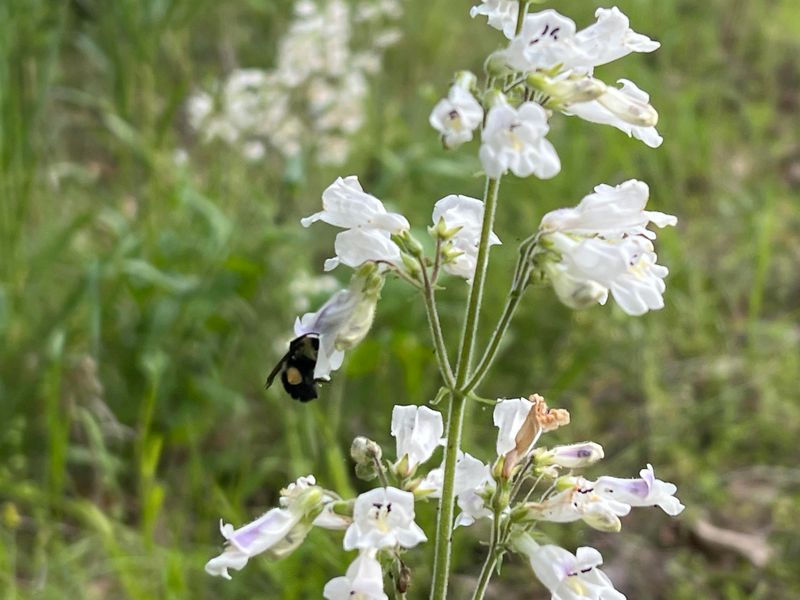
Tall stalks of white tubular flowers rise in May and June, bringing bumblebees and other native bees into the border when many summer natives are still stretching awake.
Hummingbirds may visit too, which always feels like the yard earned a bonus prize.
The plant works even after bloom. Low basal foliage stays near the ground and helps cover bare soil between taller plants.
That coverage matters because disturbed open patches often turn into weed nurseries, and weeds can quickly rebuild the messy edge you were trying to improve.
Foxglove beardtongue tolerates many Ohio soils, including clay-heavy sites.
It grows best with decent drainage and at least some sun. Once established, it can self-seed lightly, helping the border fill itself in over time without much fuss.
Plant it about eighteen inches apart.
Use it between mountain mint and prairie dropseed so the planting has layers from ground level to knee height. That kind of mixed structure looks intentional while reducing the damp, tangled clutter ticks prefer.
This plant is the border’s polite early shift. It shows up before the crowd and keeps the place covered.
Keep A Dry Mulch Strip
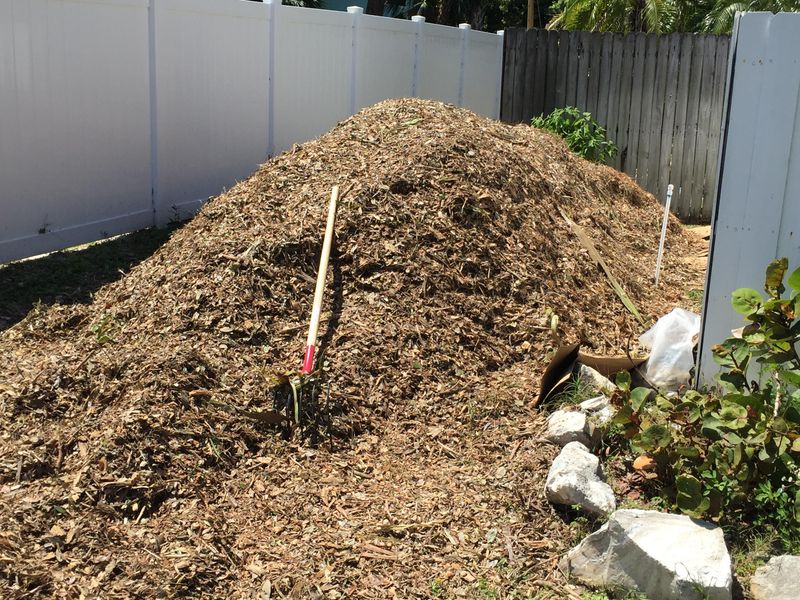
A dry strip between lawn and brush may be the least flashy part of the plan.
It may also be one of the most useful.
Ticks do not move quickly across hot, dry, exposed areas. They are built for humid leaf litter, shaded weeds, and protected stems where they can wait for a passing host. A clean mulch or gravel strip makes the crossing less comfortable.
Think of it as a dry moat.
Wood chips, crushed stone, or gravel can create a visible break between the mowed lawn and the wilder edge. That separation helps define where people and pets should stay, while making the transition zone drier and easier to maintain.
Width matters.
A strip around three feet wide gives the barrier enough presence to function as more than decoration. It also makes mowing easier because the lawn has a clear stopping point and the planted border has a clean start.
Keep the strip tidy.
Refresh wood chips as they break down. Rake away leaves that pile up on top. Stop grass from creeping in. A neglected mulch strip can slowly turn back into the same humid clutter it was meant to interrupt.
Stone or gravel stays drier longer, though wood chips can look softer and more natural.
Either option works best with the native plants behind it.
The strip is not glamorous, but it is practical. Sometimes the best tick-barrier move is giving the edge a clean line and making ticks cross the least cozy hallway in the yard.
Let Sun Reach The Edge
Shade and moisture are tick comfort food.
A dark, damp border under low branches can stay humid long after the rest of the yard dries. That gives ticks a better place to survive near the lawn, especially where brush, leaves, and weeds stack together into one soft hiding zone.
Letting more sun reach the edge changes that.
You do not need to remove every tree or shrub. The goal is to open the border enough for light and air to move through. A few hours of direct sun can help leaves, soil, and mulch dry faster after rain.
Start with the lowest limbs.
Prune branches that hang close to the ground and keep the edge shaded all day. Remove dead brush, tangled vines, and leaning growth that traps moisture near the lawn. Keep sight lines open enough that the border feels clean instead of cave-like.
This also helps your native planting.
Mountain mint, prairie dropseed, and foxglove beardtongue all perform better with sun or part sun. More light means stronger growth, better flowering, and a drier edge with less mildew-prone clutter.
Airflow is part of the win.
A border that breathes dries faster. A border that dries faster becomes less tick-friendly. That is simple, practical yard logic.
The goal is not to turn a woodland edge into a parking lot.
It is to stop the shady border from acting like a damp little tick lounge. Let the sun clock in and do some of the work.
Clear Leaf Litter Nearby
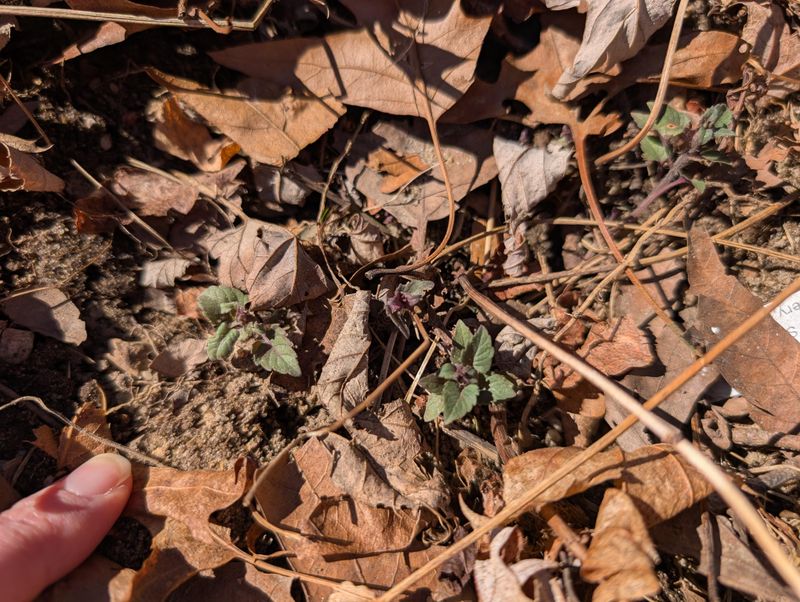
Leaf litter has a useful place in the landscape.
Right beside the lawn where kids, pets, and gardeners pass through all summer is not always that place.
Ticks use damp leaf layers as shelter, especially along brushy edges and wooded borders. Leaves hold moisture, block sun, and create the kind of humid pocket where ticks can wait between hosts.
That makes leaf management one of the simplest ways to make the yard edge less inviting.
Focus on the transition zone. You do not need to strip every leaf from every wild corner. Keep attention on the three to ten feet closest to play areas, paths, patios, dog routes, and the mowed lawn. That is where tick encounters become more likely.
Clear leaves in late spring after winter debris settles.
Do it again in fall after the main leaf drop. Bag, compost, or move the leaves farther back into a true habitat area where people and pets are less likely to wander.
Avoid letting leaves pile on top of the dry mulch strip.
That defeats the whole point of keeping a clean crossing zone. A wood-chip or gravel strip covered in damp leaves quickly becomes less dry and much more tick-friendly.
Native plant borders can still support wildlife without becoming messy at the lawn edge.
It is all about placement.
Leave habitat where it helps. Clear clutter where people move. That is not anti-nature. That is yard diplomacy with a rake.
Cut Brush Back Hard
Overgrown brush is where tick habitat gets bold.
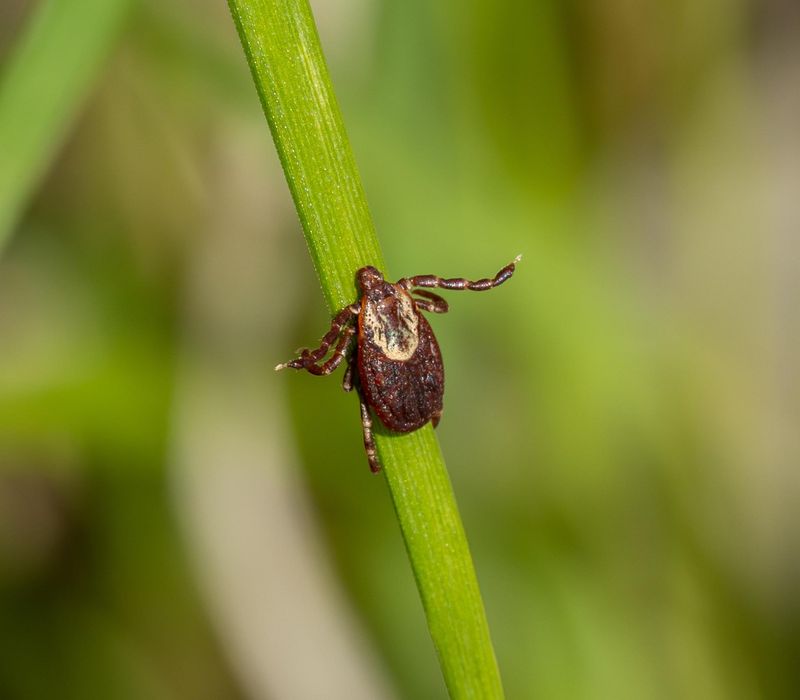
Tall weeds, tangled vines, low shrubs, and grass left waist-high along a fence can create the perfect waiting zone. Ticks climb stems and blades, hold out their front legs, and wait for a person, pet, or deer to brush past.
That is their ambush plan.
Cutting brush back removes some of that vertical structure near the lawn. The edge dries faster, sunlight reaches lower, and the border becomes easier to inspect.
It also gives your native plant combination room to do its job without being swallowed by invasive or weedy growth.
Do this two or three times during the growing season.
Late spring, midsummer, and early fall are useful checkpoints for many Ohio yards. Use loppers, a string trimmer, or a brush mower depending on the size of the area.
Remove cut material instead of leaving it piled at the edge, because piles create fresh shelter.
This is not about making the whole property sterile.
It is about creating a cleaner transition between the places people use and the wilder areas beyond. A mowed lawn, dry strip, native plant border, and trimmed brush line work together better than any one tactic alone.
After cutting, replant the edge with purpose.
Mountain mint, prairie dropseed, and foxglove beardtongue can make the area look intentional while keeping it less tangled.
Brush control is not glamorous work, but it earns its keep. The tick buffet loses a lot of seating when the edge stays open.