Surprising Signs Emerald Ash Borers Have Reached Your Oregon Neighborhood
Something can feel wrong on a tree-lined Oregon street before anyone spots the beetle.
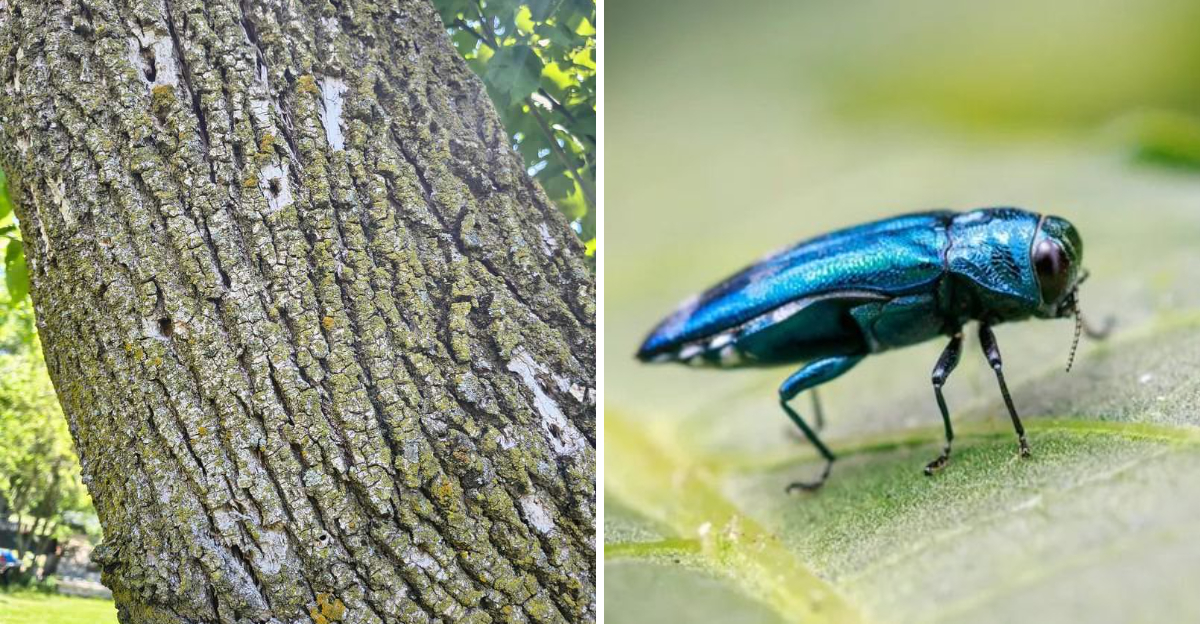
The branches look thinner. A trunk shows odd pale patches. A woodpecker keeps returning to the same tree with suspicious focus. At first, it is easy to blame drought, age, pruning, or a rough winter.
Then the pattern starts to look less random.
Emerald ash borers are small, but the damage they leave behind can reshape a whole neighborhood canopy.
Oregon homeowners now have reason to pay closer attention, especially where ash trees line streets, parks, yards, and wetland edges.
This is a pest problem with clues.
The beetle often works under the bark before the tree looks seriously stressed from the sidewalk. That makes early observation important, not just for one yard, but for nearby trees too.
So what should Oregon homeowners watch for before the damage spreads?
Start with the subtle signs above your head, under the bark, and across the block. The neighborhood detective work begins with looking twice.
1. Upper Canopy Looks Thin
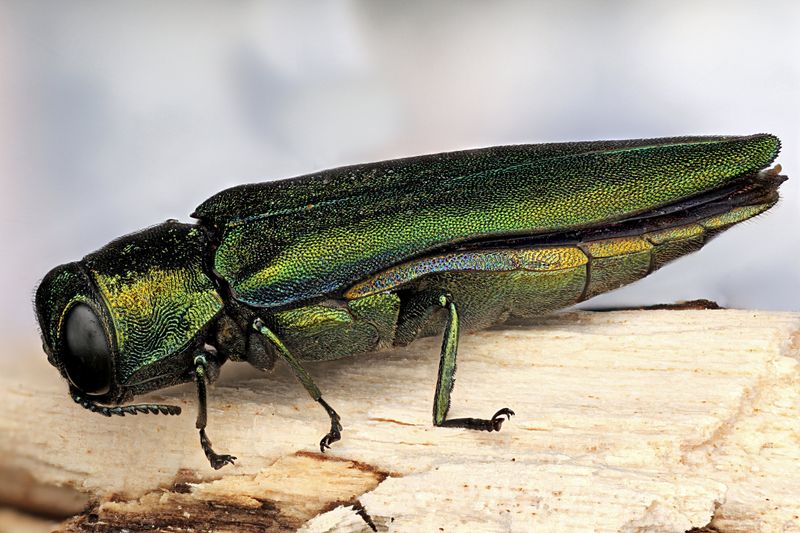
The first clue may be way above eye level.
An ash tree can look mostly normal from the trunk down while the upper canopy starts losing its fullness. The top branches may carry fewer leaves, smaller leaves, or open spaces that were not there the summer before.
That high thinning matters.
Emerald ash borer larvae feed beneath the bark, damaging the tissue that moves water and nutrients through the tree.
As that inner flow becomes disrupted, the upper branches often show stress first. The crown begins to look sparse, uneven, or oddly see-through against the Oregon sky.
One thin-looking tree can be easy to dismiss.
Street trees deal with heat, compacted soil, drought stress, storm damage, and root disturbance.
The pattern becomes more concerning when thinning starts at the top and seems to move downward over time, especially on an ash tree while nearby non-ash trees look fuller.
Compare the tree with older photos when possible.
Even a quick phone picture from last summer can help reveal changes that memory misses. Look from the same angle and notice the top outline of the canopy.
A thinning crown does not confirm emerald ash borer by itself, but it should move the tree onto your watch list.
The treetop often starts telling the story before the trunk gives up any obvious evidence.
2. Tiny D-Holes Appear
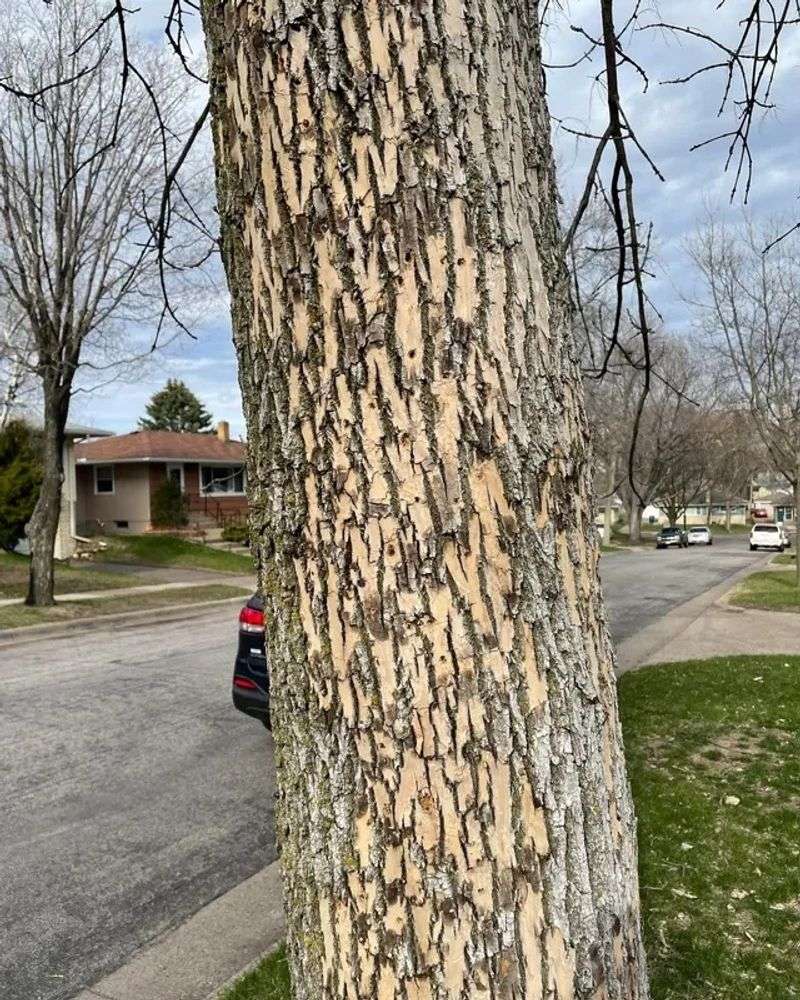
The smallest clue can be the loudest one.
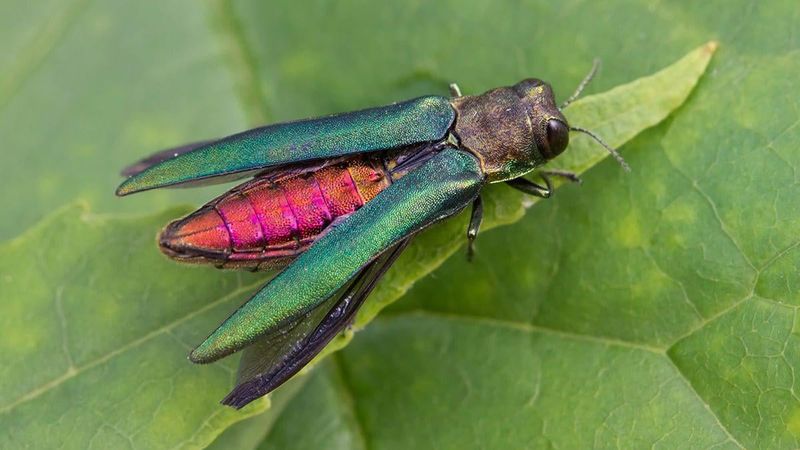
Adult emerald ash borers leave distinctive D-shaped exit holes as they emerge from ash trees. These openings are tiny, usually around one-eighth of an inch wide, so they are easy to miss without a close look.
The shape is the giveaway.
Many insect holes look round or irregular, but this one has a flat side, making it resemble a capital D. That detail separates emerald ash borer activity from plenty of ordinary bark marks, cracks, and other insect damage.
Check the trunk, main limbs, and reachable branches.
Rough bark can hide the holes, so look slowly and use a magnifying glass when needed. Smooth areas of bark may show them more clearly.
Your Oregon Garden Changes Every Week. Your Plan Should Too.
Gardening in Oregon changes quickly throughout the season. Every Friday you’ll receive a simple weekly plan showing exactly what to plant, prune, fertilize, harvest, and protect so you never miss the right timing.
Several D-shaped holes in one area deserve attention, especially when the tree also shows canopy thinning, bark flecking, or unusual sprouts near the trunk.
Do not carve into healthy bark while searching.
A careful visual inspection is enough for homeowners. Clear photos are more useful than extra damage, especially when reporting a suspicious tree to local officials or an arborist.
Tiny holes may not look dramatic.
That is what makes them dangerous as a clue. By the time exit holes appear, larvae have already spent time feeding beneath the bark.
A little D on an ash trunk can signal a much bigger problem hiding inside.
3. Bark Splits In Long Patches
Bark cracks can look harmless at first.
Trees age, weather shifts, and trunks develop texture over time. On an ash tree, though, new vertical splits that grow longer or rougher through the season deserve a closer look.
Emerald ash borer larvae feed under the bark in winding channels.
As those feeding areas disrupt the living tissue beneath, the bark above can begin to loosen, split, or separate from the wood. The cracks may run in uneven vertical patches rather than one clean line.
This is where the tree starts revealing hidden damage.
Loose bark may lift slightly at the edges. Pale wood may show beneath. In some spots, narrow trails or packed sawdust-like material may appear under lifted sections.
Avoid stripping large pieces of bark from a living tree just to investigate.
Check only areas already loose or cracked. Pulling healthy bark away can create extra stress and make the situation worse. A certified arborist can inspect more safely when the tree matters to the yard or street.
Bark splits become more suspicious when they appear with crown thinning or woodpecker activity.
On their own, they can have other causes. As part of a pattern, they become a serious clue.
The trunk may look like it is simply cracking with age, but the real story may be moving just beneath the surface.
4. Serpentine Tracks Hide Under Bark
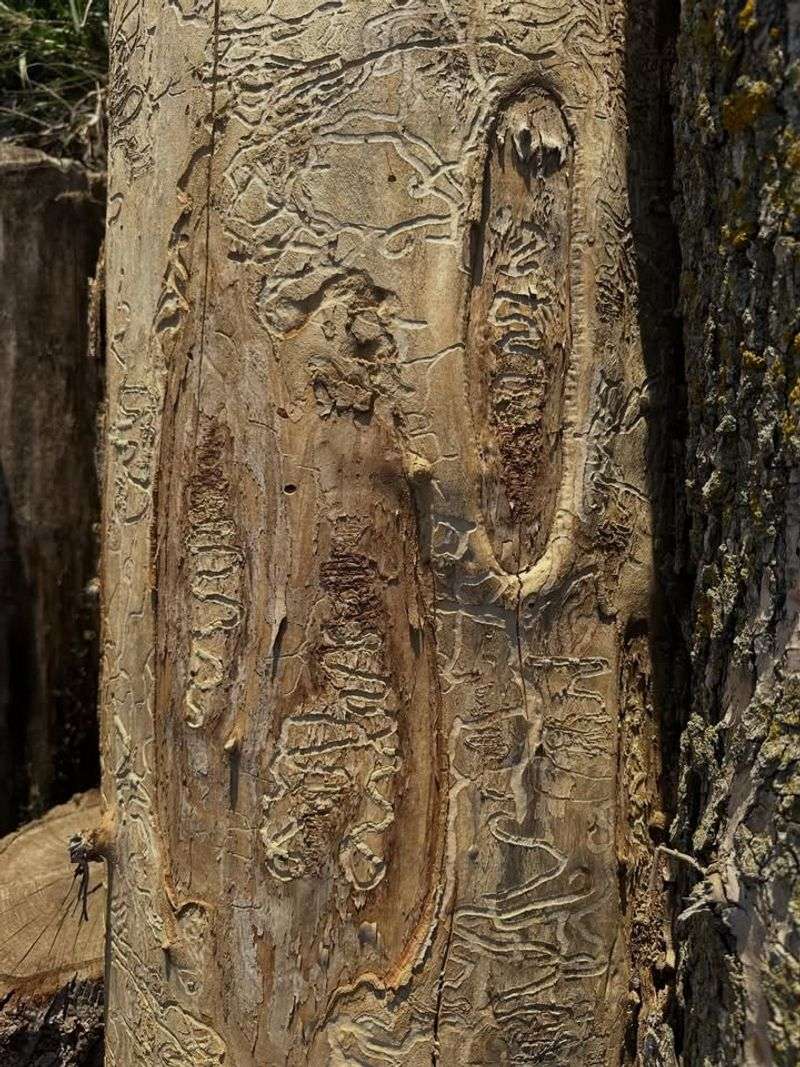
The most convincing clue may sit where homeowners rarely look.
Under loose ash bark, emerald ash borer larvae can leave winding, S-shaped feeding galleries. These tracks look like tiny carved mazes between the bark and the wood.
That maze is damage with a signature.
Larvae tunnel through the inner bark as they feed, leaving channels packed with fine, sawdust-like frass.
Those galleries interrupt the tree’s ability to move water and nutrients, which explains why the canopy above begins to thin and weaken.
The pattern matters.
Straight holes, random cracks, or general decay do not tell the same story. Emerald ash borer galleries usually twist back and forth in a serpentine path. As larvae grow, the tunnels can widen, creating a more obvious trail.
Homeowners should only inspect already loose bark.
A small lifted section can be enough to see what is happening beneath. Large bark removal should be left to trained professionals, especially on a tree that might still be managed.
Take clear photos when tracks appear.
Include a close-up of the winding pattern and a wider image of the tree for context. That documentation can help an arborist or local reporting agency evaluate the concern more quickly.
These hidden tracks are not decorative wood grain.
They are the beetle’s feeding record, and they may explain why an ash tree that looked fine last year suddenly seems to be slipping.
5. Woodpeckers Start Bark Flecking
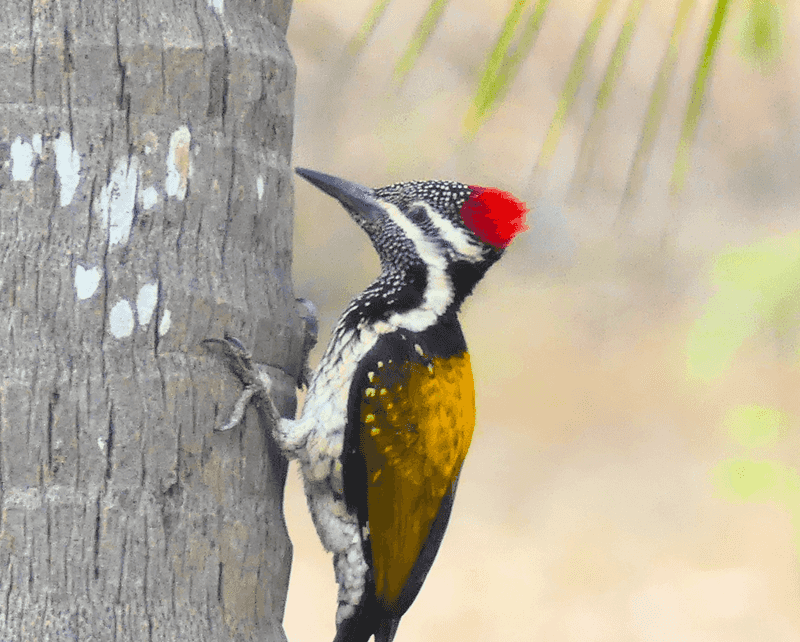
A busy woodpecker may be more than a backyard bonus.
Woodpeckers can detect larvae beneath bark, and an ash tree with hidden insect activity can become a regular feeding stop. Their search leaves behind a visible clue called bark flecking.
It often looks like pale patches on the trunk or larger branches.
As birds chip away outer bark, the lighter inner bark or wood shows through. From a distance, a heavily worked tree may look blotchy, scuffed, or strangely blond in patches.
Woodpecker activity alone does not prove emerald ash borer.
Birds feed on many insects. The warning level rises when heavy flecking appears on ash trees, especially alongside thinning crowns, D-shaped holes, bark splits, or low trunk sprouts.
Timing can make the clue easier to notice.
Late winter and early spring often reveal bark flecking clearly because leaves are absent and trunks are more visible. Walk the street or yard slowly and look up into main branches, not just at the lower trunk.
This sign is easy to overlook because it feels natural.
A woodpecker belongs in the landscape. A woodpecker returning again and again to the same ash tree may be responding to something hidden under the bark.
In neighborhood detective terms, the bird may have found the evidence before you did.
That makes its behavior worth watching.
6. Shoots Sprout Low On Trunks
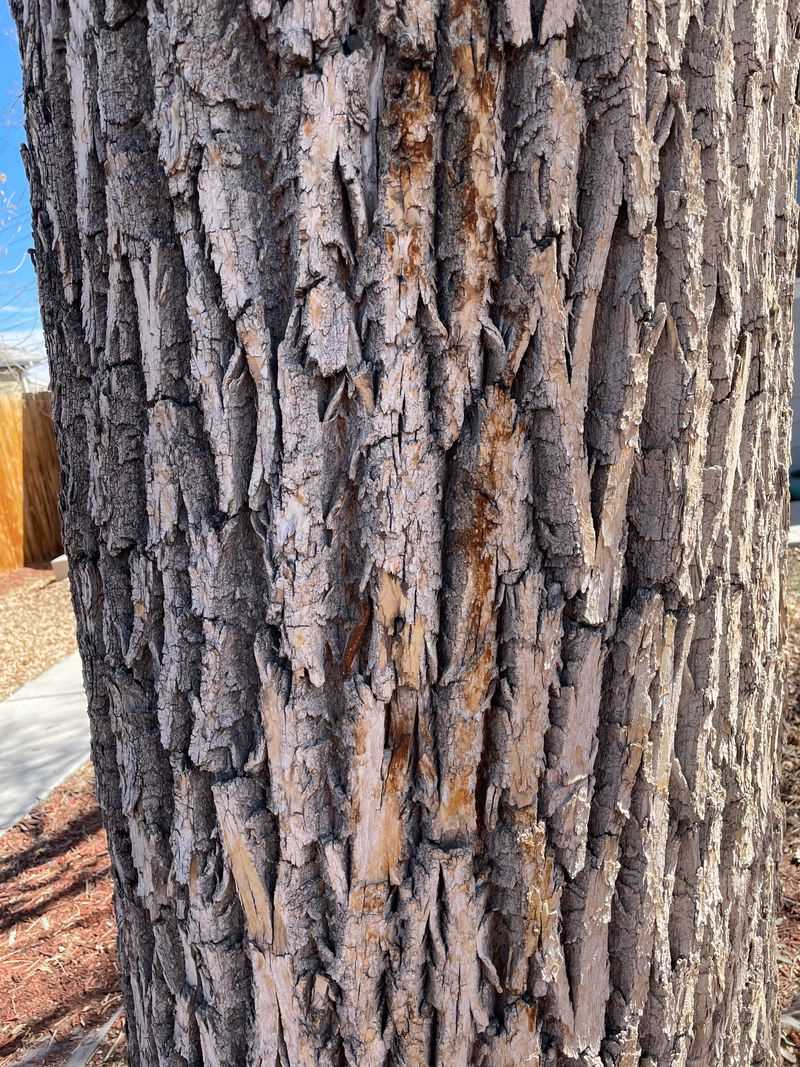
New green shoots on a trunk can look hopeful.
On a stressed ash tree, they may mean the opposite.
Clusters of small leafy sprouts along the lower trunk, root flare, or base are called epicormic shoots. They appear when the tree pushes growth from dormant buds because the upper canopy is under stress.
That response can happen for several reasons.
Storm damage, pruning injury, root stress, or severe canopy decline can all trigger low sprouting. Emerald ash borer damage is one possible cause when other clues appear at the same time.
The location makes the clue stand out.
Healthy ash trees do not usually cover the lower trunk with sudden clusters of soft new shoots. When those sprouts show up beneath a thinning crown, the tree may be trying to compensate for lost function above.
Look for them in late spring and early summer.
Fresh shoots are easiest to spot then, especially around the lower three to six feet of the trunk. They may grow fast, but they are usually weak and do not solve the deeper problem.
Do not celebrate them as recovery without checking the rest of the tree.
Low sprouting paired with D-shaped holes, bark splits, or woodpecker flecking deserves a professional look.
The tree may be sending energy to the bottom because the top is struggling. That is not a comeback story yet.
It is a stress signal with leaves attached.
7. Neighboring Ash Trees Decline Together
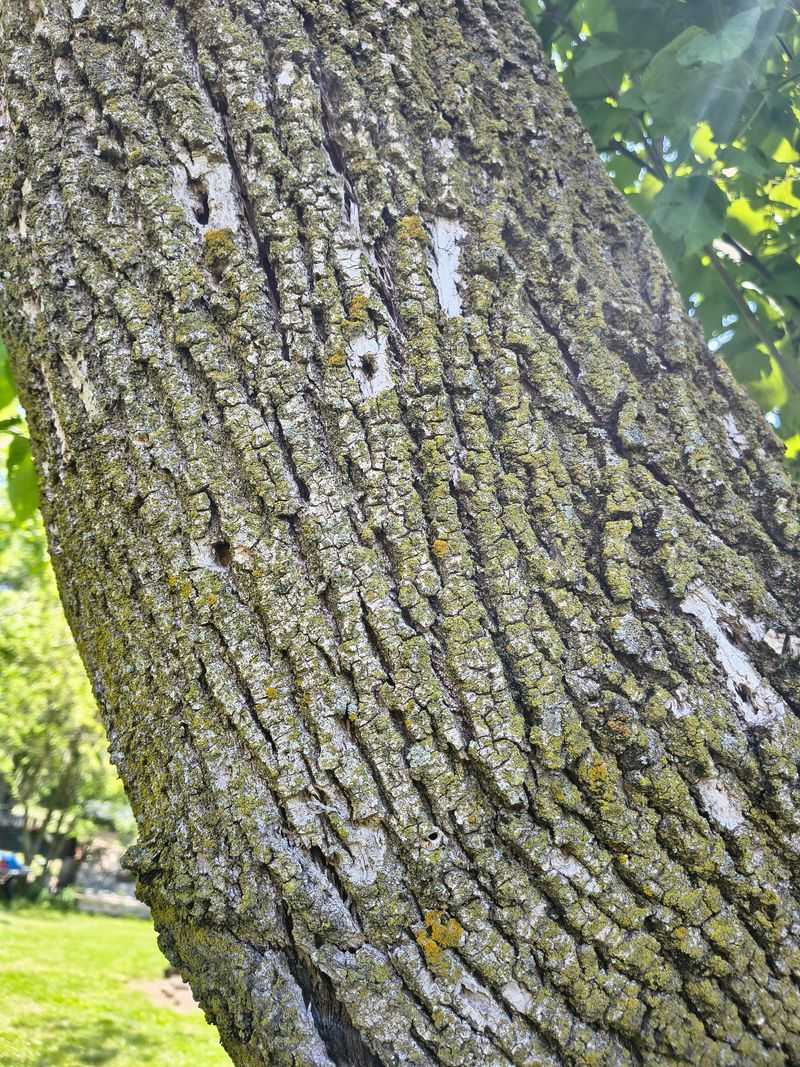
One struggling ash tree can have many explanations.
Several ash trees on the same block showing similar trouble is harder to dismiss.
Emerald ash borers can move from tree to tree, and neighborhood ash plantings can create a connected trail of host trees. Street trees, park trees, and yard trees may begin showing related symptoms around the same time.
That pattern matters more than one tree alone.
Look for repeated crown thinning, bark flecking, trunk sprouts, bark splitting, or D-shaped holes on multiple ash trees nearby.
A single weak tree might be dealing with root damage or drought stress. A cluster of declining ash trees suggests a larger issue worth reporting.
Talk to neighbors.
They may have noticed woodpeckers, falling bark, sparse leaves, or strange holes without knowing what to call them. A short conversation can turn scattered observations into a useful neighborhood pattern.
Photos help here too.
Take images of several trees from the same street or area, noting where each one stands. Patterns across a block can be valuable for arborists and local officials tracking possible spread.
This is not about panic.
It is about paying attention before the problem becomes obvious from every driveway. Emerald ash borer management works best when people notice early and share information quickly.
A neighborhood of trees can tell one story together.
Do not let each ash struggle in silence.
8. Reports Start Nearby First
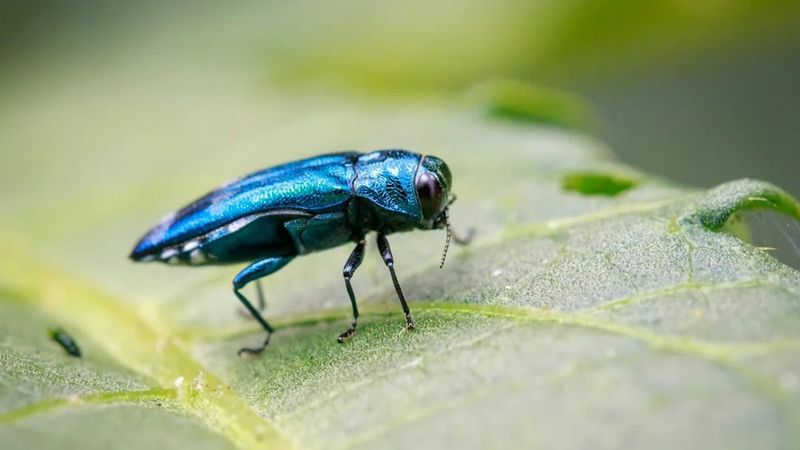
Sometimes the first clue is not on your tree.
It is in a nearby report.
Emerald ash borer detections often become public before homeowners notice symptoms in their own yards. Once a confirmed report appears in or near a community, ash trees in surrounding neighborhoods deserve closer inspection.
Local updates can give homeowners a head start.
State forestry agencies, agriculture departments, invasive species hotlines, extension offices, and city tree programs may share detection maps, alerts, or guidance. Those updates help you understand how close the known risk is to your street.
Check once or twice during the growing season.
That small habit can change how carefully you inspect your own trees. A report several counties away may call for awareness. A report nearby means the ash trees on your block need regular attention.
Community posts can also raise early flags.
Neighborhood groups sometimes share photos of suspicious tree damage before official confirmation. Treat those posts as prompts to look more closely, not as proof by themselves.
Report suspected signs with useful details.
Clear photos, tree location, close-ups of D-shaped holes or bark galleries, and notes about canopy thinning can help the right people respond.
Avoid moving ash wood, branches, or firewood from a suspicious tree, since that can help pests travel.
Emerald ash borer is a neighborhood problem, not just a tree problem.
The earlier people connect the dots, the better chance Oregon communities have to respond before the damage becomes impossible to ignore.