How To Protect Potted North Carolina Porch Plants From Sizzling In This Week’s Heat Wave
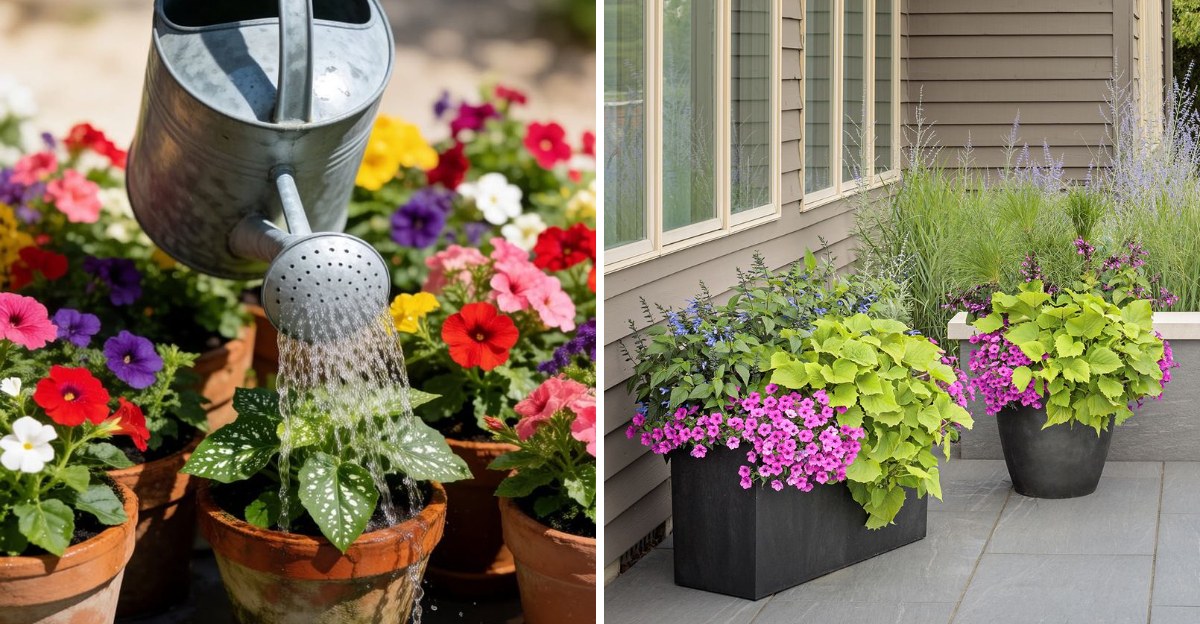
North Carolina porch pots can go from cheerful to crispy before lunch.
The morning starts bright. The flowers look perky. The herbs smell fresh.
Then the sun climbs, the brick steps heat up, the deck boards radiate warmth, and that dark plastic pot by the rail starts acting like a slow cooker with petunias inside.
Container plants have it rough during a heat wave.
Their roots cannot spread into cooler ground. Their soil dries fast into cooler ground. Their soil dries fast. Their pot walls absorb heat.
Reflected warmth from concrete, brick, siding, and decking can push the root zone far beyond what the air temperature suggests.
That is when smart porch moves matter.
You do not need a full garden overhaul to help your containers through brutal heat. A little shade, better timing, cooler pot placement, and less stress can keep plants from spending the week in survival mode.
So what should North Carolina gardeners do before the hottest hours hit?
Start by treating every porch pot like it needs protection from sun above, heat below, and panic decisions from the person holding the hose.
1. Move Pots From Afternoon Sun
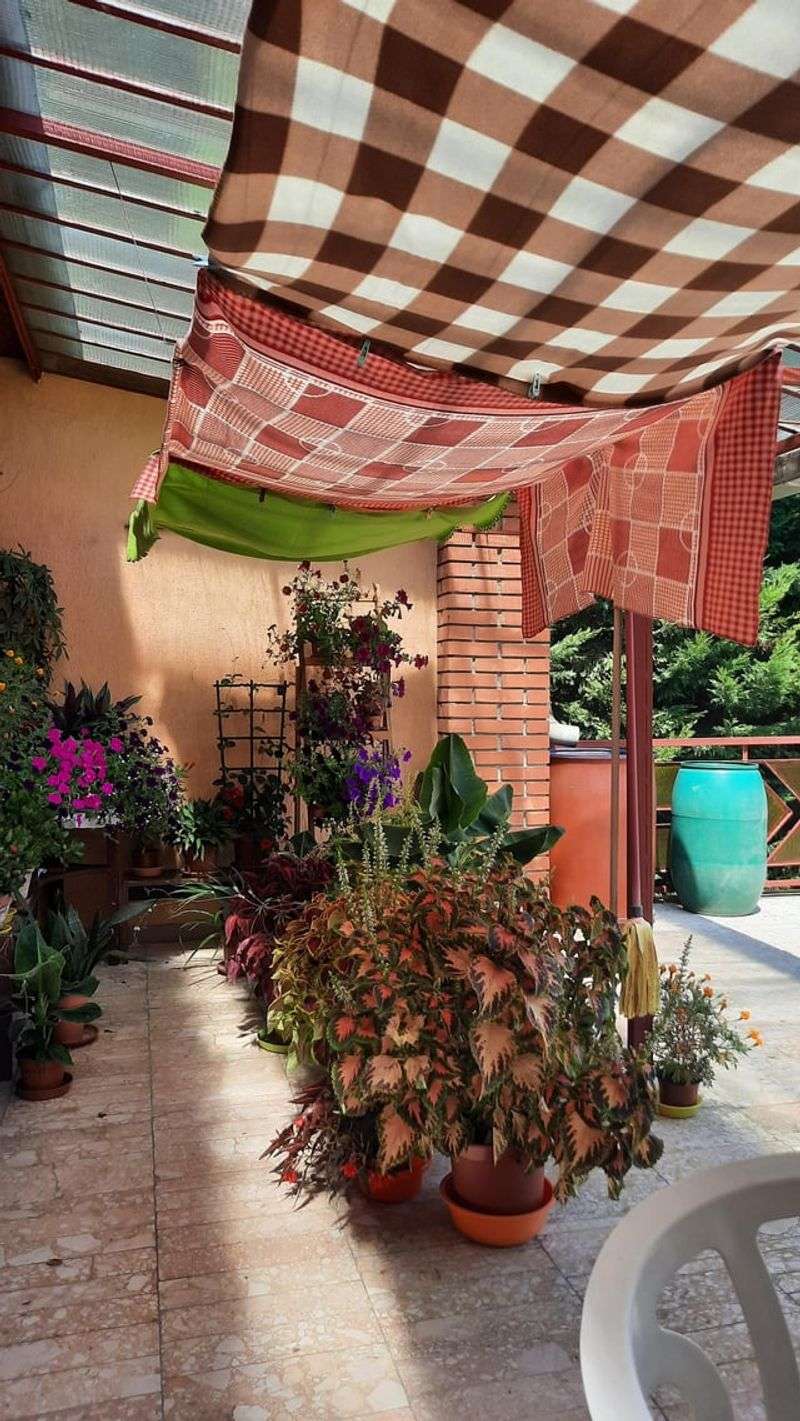
Afternoon sun is where porch plants start losing the argument.
A west-facing North Carolina porch may look gorgeous near golden hour, but during a heat wave it can turn containers into little root-zone ovens.
By early afternoon, direct sun, reflected heat, and warm pot walls can push plants past their comfort zone fast.
Move the most vulnerable pots before the day peaks.
Morning sun is usually easier on container plants. It gives flowers, herbs, and foliage plants useful light without the harshest heat load.
A spot that gets sun before noon and shade later can make the difference between a plant that droops briefly and one that looks completely defeated by dinner.
This does not have to be permanent.
Treat it like a heat-wave evacuation plan. Slide pots under an overhang, shift them to the east side of the porch, tuck them behind a railing, or move them beside a wall that blocks late-day sun.
Rolling caddies make heavy containers much easier to manage.
No one needs a back injury over a geranium rescue mission.
Shade cloth can help when moving pots is not practical. Hang it along the south or west side of the porch to soften the worst rays while keeping light bright enough for growth.
The goal is not darkness.
It is relief. Give the plants fewer hours of brutal exposure, and they have a much better chance of looking alive after 3 p.m.
2. Lift Containers Off Hot Floors
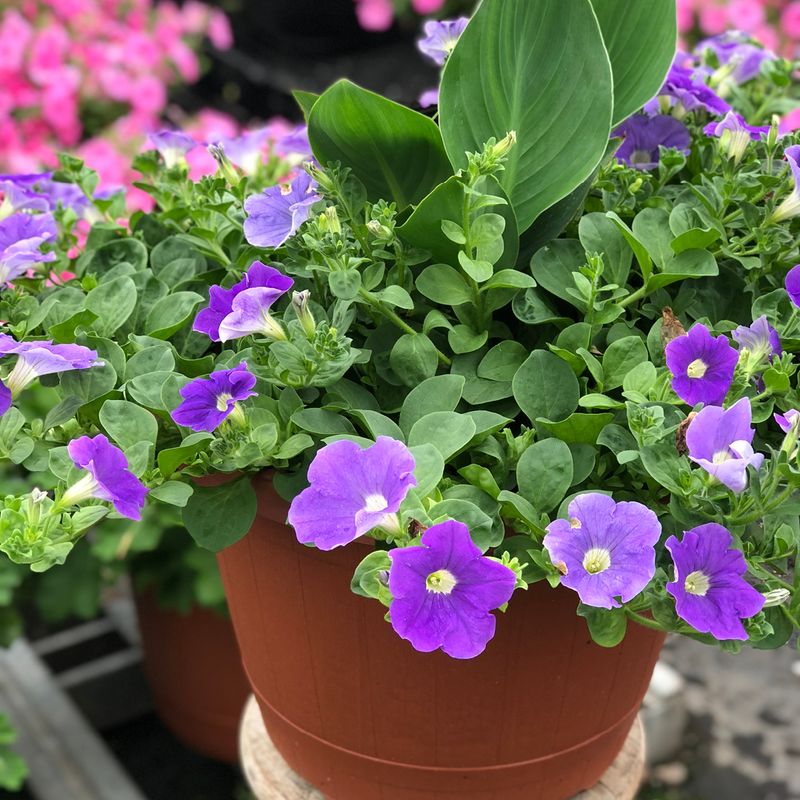
A porch floor can roast the bottom of a pot.
Concrete, brick, composite decking, and dark-stained wood can absorb serious heat during a North Carolina summer afternoon.
When a container sits flat on that surface, heat moves straight into the base of the pot and warms the lower root zone.
Roots do not appreciate the floor treatment.
Pot feet are a quick fix. They lift containers slightly, creating an air gap between the pot and the hot surface below. That small space helps reduce heat transfer and lets drainage holes work better after watering.
Your North Carolina Garden Changes Every Week. Your Plan Should Too.
Gardening in North Carolina changes quickly throughout the season. Every Friday you’ll receive a simple weekly plan showing exactly what to plant, prune, fertilize, harvest, and protect so you never miss the right timing.
No fancy supplies are required.
Bricks laid flat, wood slats, wire trivets, sturdy plant stands, or even old tiles can lift pots enough to make a difference. The setup just needs to stay stable. A wobbly pot in a wind gust is a different kind of porch drama.
Dark plastic and glazed ceramic pots need this help most.
They absorb heat from the sun and from the hot floor beneath them, creating a double hit. Light-colored containers stay cooler, but they still benefit from airflow underneath during extreme heat.
For rows of pots, place a light-colored mat, outdoor rug, or piece of burlap under the group.
That buffer can keep the floor surface cooler and reduce the heat bouncing back into the containers.
Lifting pots is not decorative fuss.
It is root rescue with tiny legs.
3. Double Pot Dark Containers
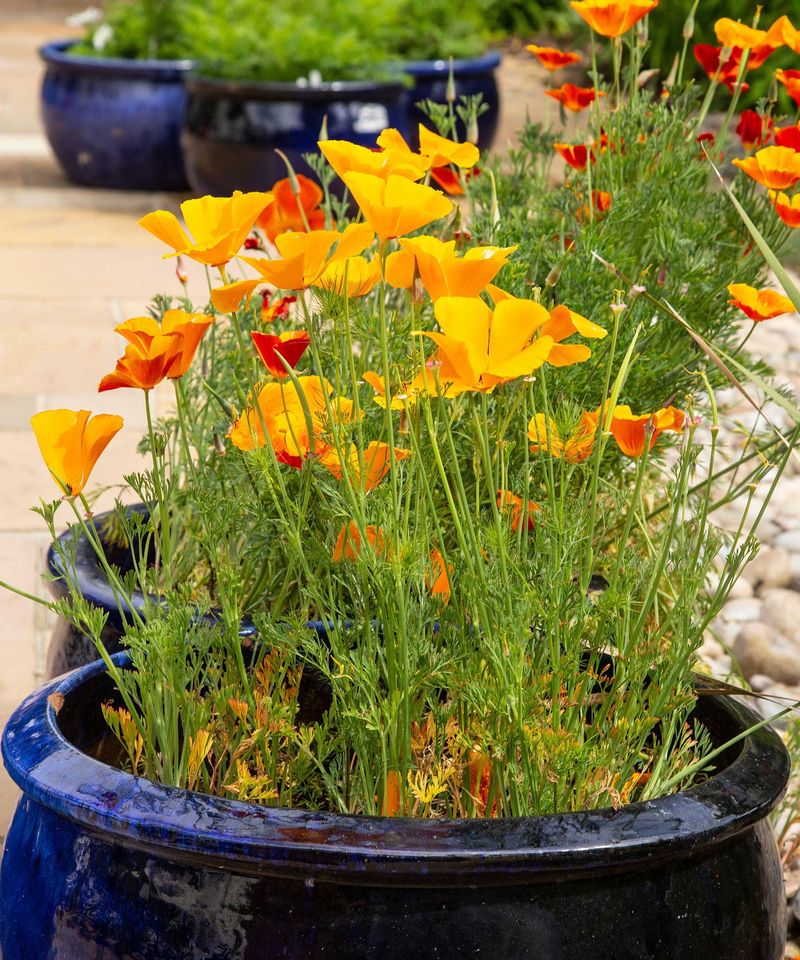
Dark containers are heat magnets with drainage holes.
Black nursery pots, deep green plastic tubs, and dark resin planters can absorb enough afternoon heat to make the soil inside stressful for roots.
During a North Carolina heat wave, that extra heat can push already thirsty plants into full porch panic.
Double potting gives those roots insulation.
Place the dark pot inside a larger, lighter-colored container. Leave a small air gap between the two pot walls. That gap slows heat transfer, so the inner container stays cooler than it would sitting exposed in the sun.
Light outer pots work best.
White, cream, tan, pale gray, or light terracotta shades reflect more heat than dark colors. Even a plain nursery pot can get a temporary glow-up inside a larger basket, ceramic planter, or decorative cachepot.
The gap can work even harder with a little help.
Tuck damp newspaper, coconut coir, burlap, or moss loosely between the two pots for added insulation. Keep it airy, not packed tight and swampy. The point is cooling, not creating a soggy sleeve.
Wrapping dark pots can also help.
A light cloth, burlap strip, reed screen, or old towel around the outside can block direct sun from hitting the container wall during the worst hours.
This trick is especially useful for herbs and annuals you cannot repot right now.
Think of it as a summer jacket for the pot, except it keeps heat out instead of in.
That is container fashion with survival value.
4. Water Before Heat Peaks
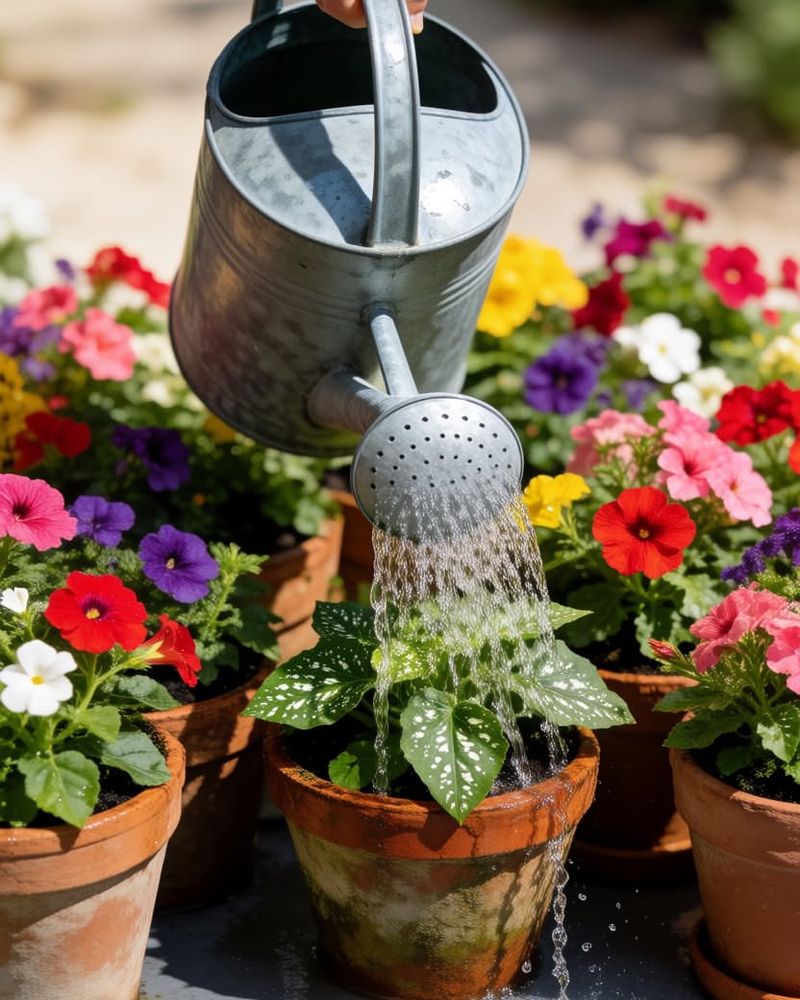
The best heat-wave watering starts before the garden looks desperate.
Morning is the moment. Watering before breakfast gives container soil a moisture reserve before the sun gets high, the porch heats up, and the plants start pulling hard from their roots.
Dry soil heats faster.
Moist soil stays cooler longer, which helps roots handle the afternoon stretch with less stress. That does not mean drowning every pot. It means checking each container early and watering the ones that actually need it.
Use the finger test.
Push a finger about an inch into the soil. Dry at that depth means the pot likely needs a thorough drink. Damp soil means wait and check again later. Container plants can suffer from too much water too, especially in heavy mixes or pots with poor drainage.
Water deeply until liquid runs from the bottom.
That tells you moisture reached the lower root zone instead of just wetting the surface. Empty saucers that stay full, because hot roots sitting in warm water can turn ugly fast.
Midday panic watering is not ideal.
A plant may droop during peak heat as a temporary defense, then perk up by evening. That does not always mean the soil is dry. Check again the next morning before deciding the plant needs more water.
Morning watering is calm, useful, and much less dramatic.
It gives the plant a head start before the day starts throwing fireballs.
5. Check Small Pots Twice
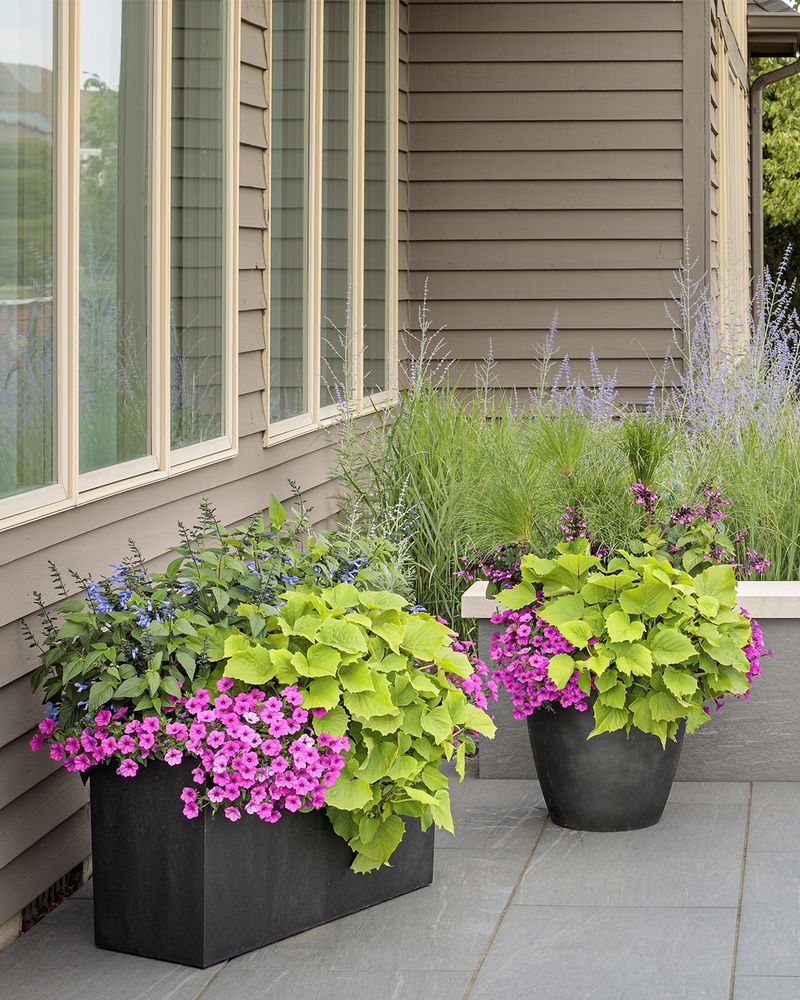
Small pots are the first containers to get into trouble.
They hold less soil, less moisture, and less root protection. A tiny herb pot on a sunny porch rail can go from fine to crunchy during one North Carolina afternoon, especially when hot wind or reflected heat joins the party.
Check them twice during a heat wave.
The first check should happen in the morning before heat builds. The second can happen late afternoon, after the worst hours have passed but before evening settles in. That routine catches trouble early without turning the whole day into plant babysitting.
Lift the pot.
A light pot usually means dry soil. A heavy pot usually still has moisture. This simple habit is faster than guessing by the surface, which can look dry while the lower mix still holds water.
Group small pots together for protection.
Tuck tiny containers near larger pots so they get shared shade and less airflow. Small pots on exposed railings, steps, and sunny ledges need the most help because they heat from every side.
Bottom watering can help in emergencies.
Set a small pot in a shallow saucer of water for a short time so the mix absorbs moisture from below. Remove it after the soil feels evenly damp, and do not leave it sitting in water overnight.
Small containers are cute, but cute does not mean tough.
During a heat wave, they need VIP attention. Very Important Pot, obviously.
6. Group Plants For Shared Shade
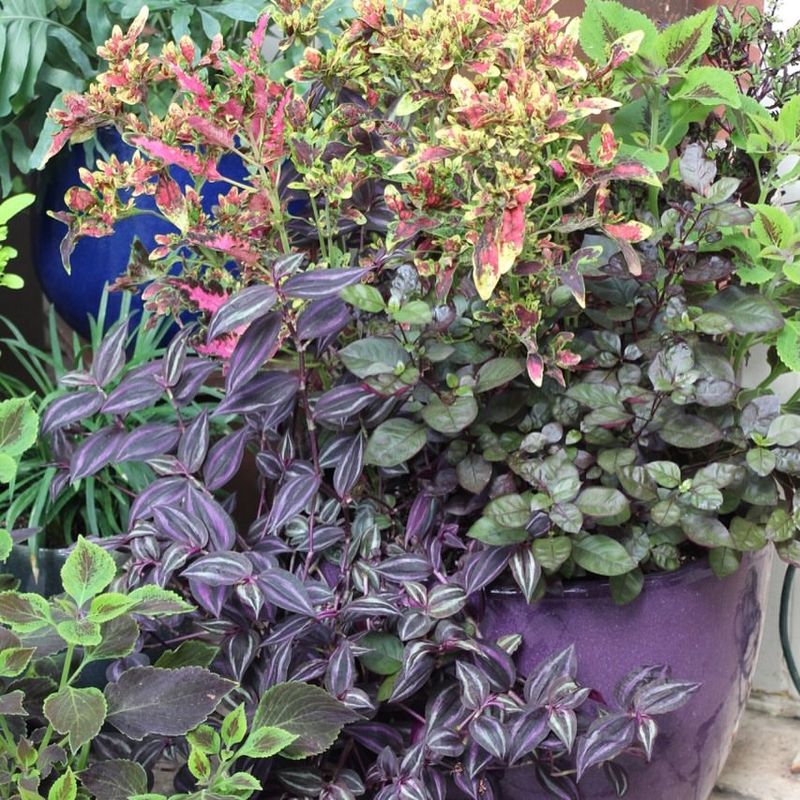
Plants handle heat better when they stop standing alone.
A scattered porch collection looks airy, but each pot takes the full hit from sun, wind, and reflected heat. Grouping containers creates a small shared microclimate that can help everyone hold moisture a little longer.
The leaves do some of the work.
When plants sit close together, their foliage shades nearby pots and slows air movement through the group. That reduces moisture loss from soil and leaves.
The space around the containers can become slightly cooler and more humid than the open porch.
Use the strongest plants as shields.
Put taller, tougher containers on the south or west side of the group. Tuck tender flowers, smaller herbs, ferns, coleus, or young transplants behind them where they get filtered light and less direct heat.
Leave enough room for airflow.
The goal is cozy, not crowded. Plants pressed together too tightly can trap humidity at night and invite leaf trouble. A few inches between pots keeps the group protective without turning it into a foliage traffic jam.
This strategy costs nothing.
You are simply rearranging what you already have so the porch works more like a team. It also makes watering easier because thirsty containers sit together instead of hiding all over the steps.
Grouped pots look intentional too.
That is the sneaky bonus. Your porch gets styled while the plants get backup.
Heat wave defense with curb appeal is hard to beat.
7. Skip Fertilizer During Stress
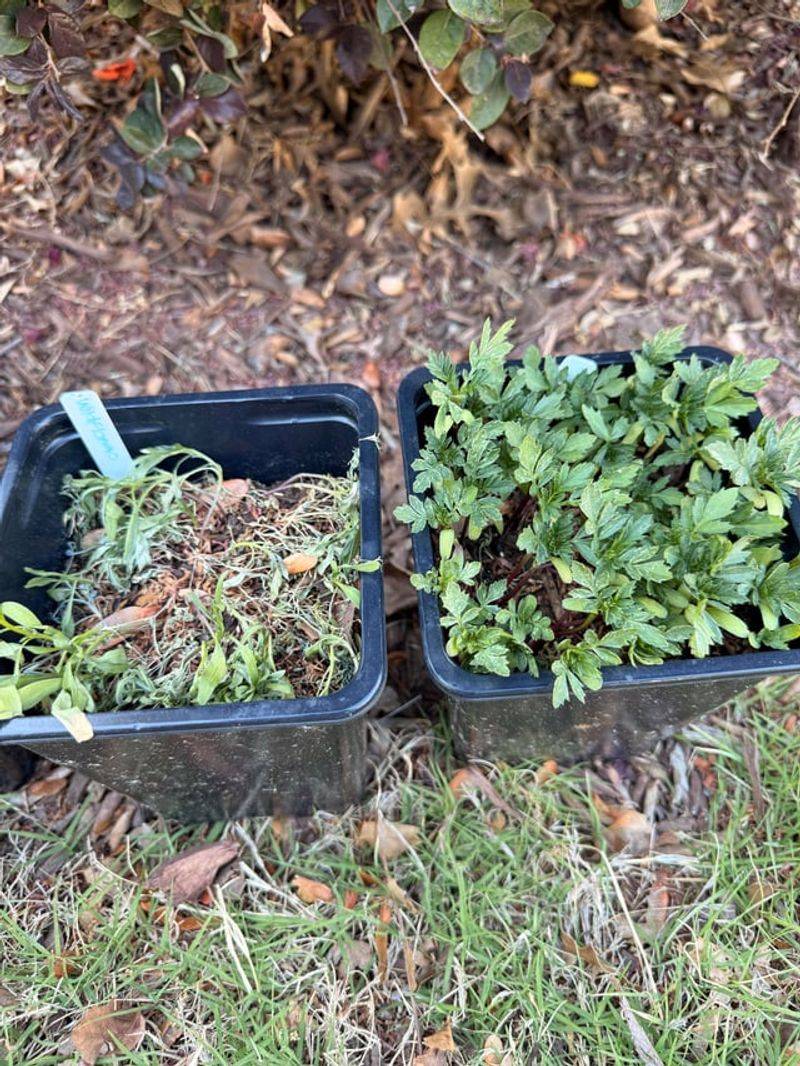
Fertilizer is not a heat-wave pep talk.
When porch plants look pale, droopy, or tired during extreme heat, feeding them can feel like the helpful thing to do. It usually is not. Heat-stressed plants are focused on survival, not pushing fresh growth.
Extra fertilizer can make the situation worse.
Concentrated salts in the potting mix can pull moisture away from roots, which is exactly what a stressed container plant does not need. Liquid fertilizers act quickly, so they can cause problems fast when roots are already hot and strained.
Wait until the heat breaks.
Plants should be watered properly, shaded when needed, and given time to recover before feeding resumes. Look for signs of active new growth after temperatures settle. That is a much better signal that the plant can use nutrients again.
Recent fertilizer deserves attention too.
A pot fertilized right before the heat wave may need a deep watering to move excess salts through the soil. Make sure water drains freely from the bottom, and empty any saucer afterward.
A plant that looks rough this week may not be hungry.
It may simply be hot, thirsty, or sitting in a container that feels like a toaster. Shade and steady moisture are kinder than pushing it to perform.
Save the fertilizer for recovery mode.
Right now, your porch plants need a cooling strategy, not a buffet. No one wants a salad bar during a sauna session.
8. Wait On Big Pruning
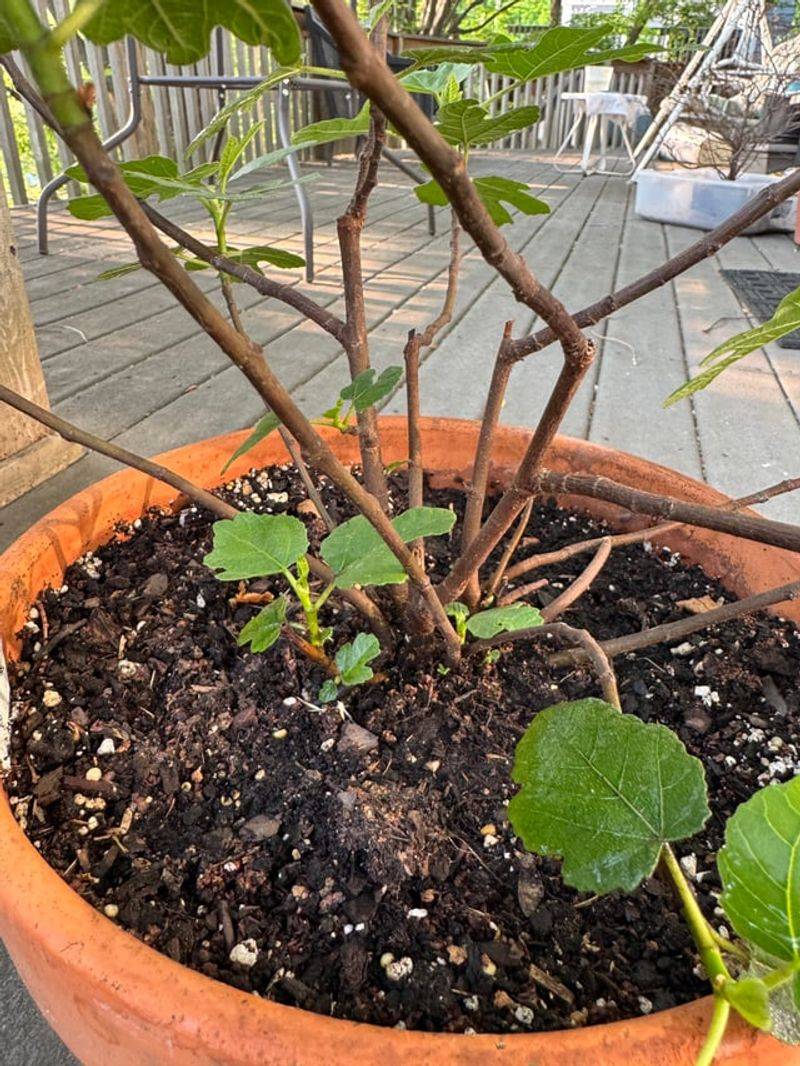
A heat wave is not the moment for a dramatic porch plant makeover.
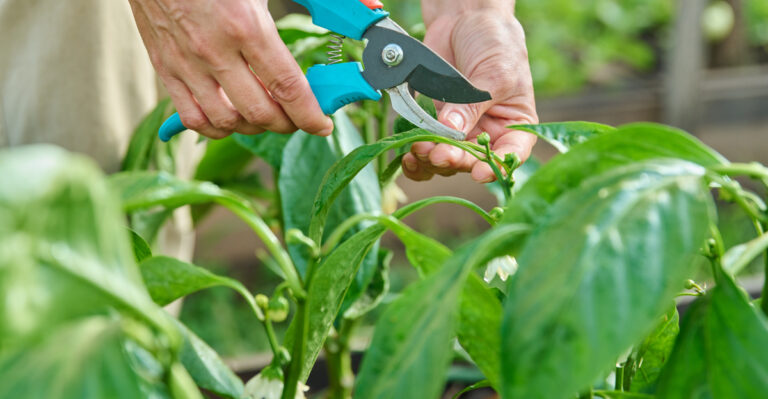
Heavy pruning removes leaves, and leaves help plants cool themselves through transpiration. Cutting away too much foliage during extreme heat can take away part of the plant’s natural cooling system right when it needs every bit of help.
Fresh cuts also require energy to heal.
A plant already stressed by hot roots, dry air, and intense sun does not need another job. New growth that follows heavy pruning is often tender, and tender growth can scorch quickly during a North Carolina heat wave.
Do only the necessary cleanup.
Remove completely brown, crispy, or broken stems. Snip off leaves that are clearly finished. Leave healthy foliage alone, even when the plant looks a little messy. A fuller canopy can shade the soil and protect the pot’s surface from direct sun.
Hold off on shaping.
Save major trimming, hard cutbacks, and big deadheading sessions for after the heat eases and nighttime temperatures become more forgiving.
Once the plant starts perking up and pushing new growth again, pruning becomes safer and more useful.
Patience may look untidy for a few days.
That is fine. A slightly shaggy plant that survives the heat is better than a neat one that struggles to rebound.
Let the plant keep its leafy umbrella.
After the heat wave passes, you can bring out the scissors and restore order. For now, the best cut is often the one you do not make.