The Real Reason Green Anoles Are Showing Up In Mississippi Yards
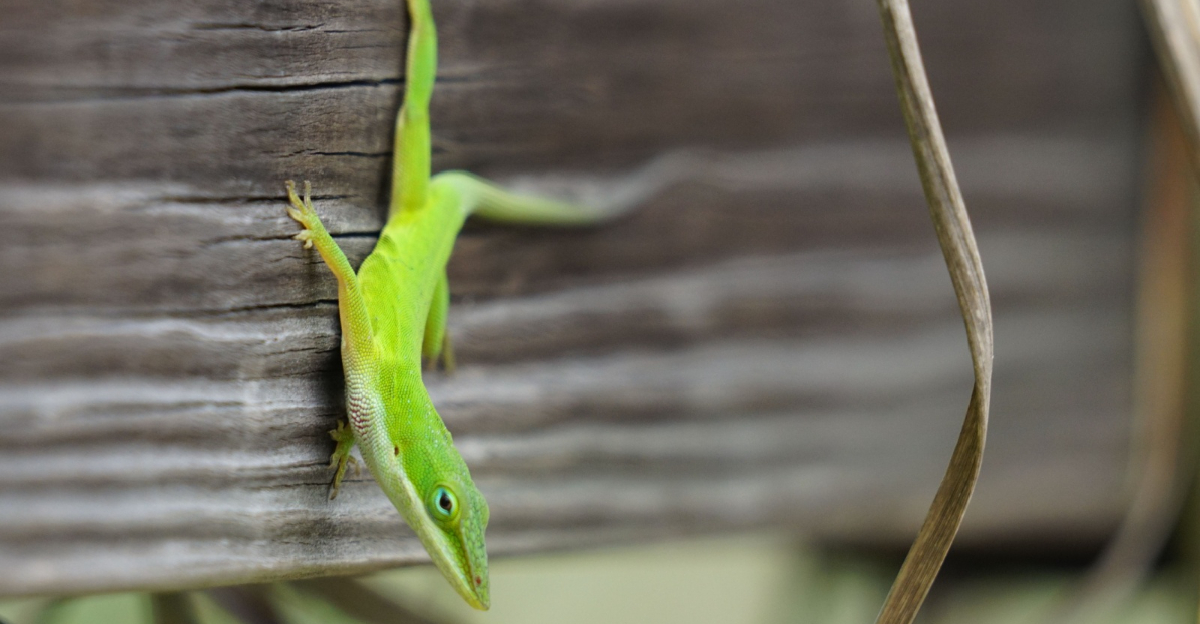
You step outside and catch a flicker near the porch. Blink, and it slips away before you can react. Mississippi yards are filled with tiny green lizards you didn’t invite.
Populations have surged near you past anything biologists expected. Warmer winters now let far more hatchlings make it through. Clutches hatch earlier near you and more often each season.
Suburban sprawl hands these reptiles endless hiding spots near you. Bugs gather under your porch lights, and anoles follow. Neighbors across Mississippi tell you they see dozens more than before.
Territorial males flash bright throats to guard fences near you. Meanwhile, females slip quietly between shrubs close to you. Scientists say a mix of climate, food, and shelter came together around you.
None of this happened to you by chance. Everything unfolding in your yard points toward something bigger. Once you understand why they came, you won’t want to look away.
What A Green Anole Takeover Really Means
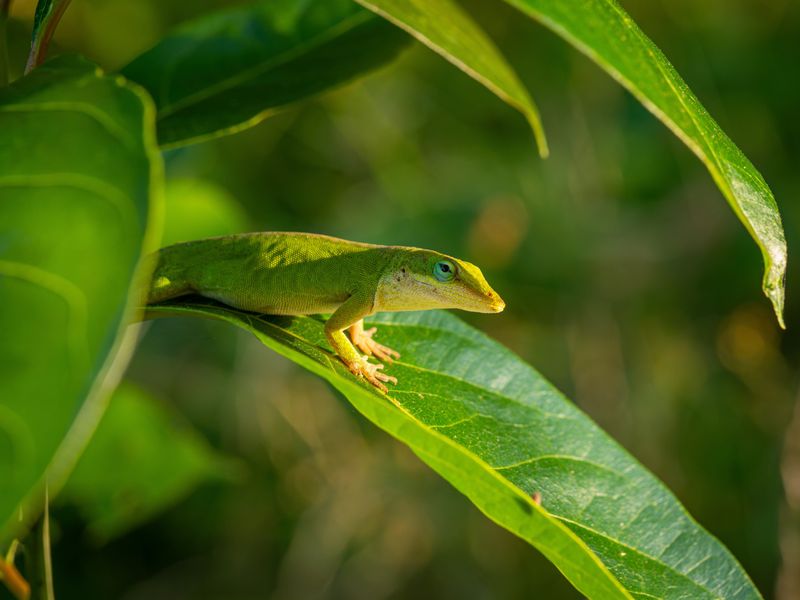
Tiny lizards are becoming impossible to overlook in Southern backyards. Green anoles have been around for millions of years, but lately their numbers are increasingly noticeable.
A green anole takeover does not mean something is wrong with your Mississippi yard. It actually signals something surprisingly right about your outdoor environment.
When anole populations spike in one location, ecologists pay attention. These lizards can act as a rough signal of local insect abundance and habitat quality, though not a precise measure of ecosystem health.
A yard packed with anoles usually has healthy insect populations, good plant cover, and minimal pesticide use. Those are all signs of a thriving, balanced outdoor space.
Some homeowners panic when they spot dozens of these creatures. The reaction is understandable, but the alarm is almost never necessary.
Anoles are harmless to humans, pets, and plants. They do not bite aggressively, they do not damage landscaping, and they carry no known diseases transferable to people.
What they do carry is an appetite for insects that most gardeners despise. A single anole can consume a large number of small insects each day.
The real reason green anoles are multiplying has more to do with your yard than with the lizards themselves. Your space has become exactly what they need to survive and reproduce.
Recognizing a takeover for what it truly is changes everything. Your Mississippi yard is not facing a problem; it has become a welcoming habitat.
Reasons Anole Populations Surge In Summer
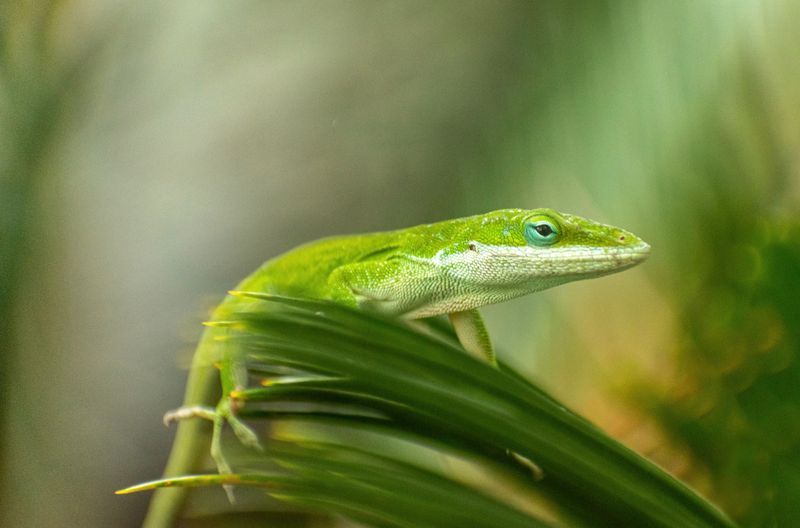
Summer in Mississippi feels like it was designed for cold-blooded creatures. Warm temperatures, high humidity, and long daylight hours create perfect breeding conditions for green anoles.
Anoles are ectothermic, meaning they rely on outside heat to regulate body temperature. A Mississippi summer essentially turns your yard into an ideal environment for them.
Breeding season kicks off in late spring and runs straight through August. Females lay one egg at a time, roughly every two weeks, tucking them into moist soil or leaf litter.
That steady reproductive pace adds up fast. One female can produce several offspring across a single warm Mississippi season.
Your Mississippi Garden Changes Every Week. Your Plan Should Too.
Gardening in Mississippi changes quickly throughout the season. Every Friday you’ll receive a simple weekly plan showing exactly what to plant, prune, fertilize, harvest, and protect so you never miss the right timing.
Food availability also increases sharply during summer months. Mosquitoes, beetles, moths, and flies all peak right when anoles need the most energy for reproduction and growth.
Juvenile anoles hatch within five to seven weeks and immediately begin hunting. A modest anole population in spring can grow noticeably larger by late summer in Mississippi yards.
Rainfall patterns also play a huge role in population spikes across Mississippi. Wet summers produce more insects, which directly fuels anole numbers in your outdoor space.
Urban heat islands in suburban neighborhoods also help. Pavement, brick walls, and rooftops absorb heat and keep temperatures elevated even at night.
That extra warmth extends the active period for each lizard, allowing more feeding and more mating. Summer is simply the most active period in an anole’s yearly cycle.
Signs Your Yard Has Become Anole-Friendly
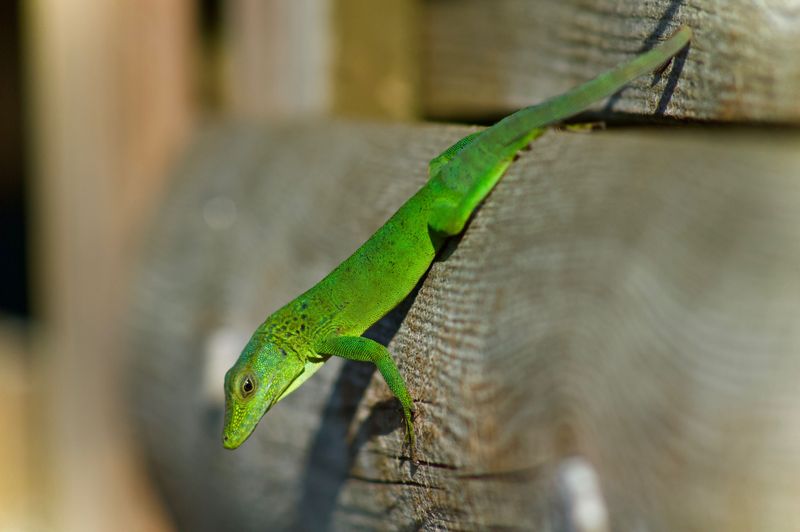
Spotting one anole is a coincidence. Spotting ten before breakfast is a message your yard is sending you loud and clear.
Dense vegetation is the number one attractant for these lizards. Shrubs, climbing vines, and layered plantings offer the shelter and hunting grounds anoles absolutely love.
Wooden fences, tree bark, and garden trellises are prime real estate for them. The textured surfaces give anoles easy grip and excellent camouflage against predators.
If your yard has a compost pile, leaf litter, or mulched garden beds, you have essentially built an anole nursery. Females prefer loose, moist soil for egg-laying, and mulch checks every box.
A water source nearby also matters more than most people realize. Birdbaths, dripping hoses, or even puddles near downspouts attract the insects that anoles chase relentlessly.
Minimal pesticide use is another strong signal. Yards sprayed heavily with insecticides lose insect populations, which drives anoles away quickly.
If your neighbors treat their lawns heavily and yours stays chemical-free, the lizards will naturally migrate toward your property. You become the neighborhood refuge without even trying.
Sunny spots mixed with shaded areas create the temperature variety anoles need to thermo-regulate throughout the day. A yard with both sun and shade patches is basically an anole paradise.
Look for small droppings on patio furniture or garden walls as another confirmation. Your yard is not just anole-friendly; it has become their permanent address.
Benefits Of Having Anoles In Your Garden
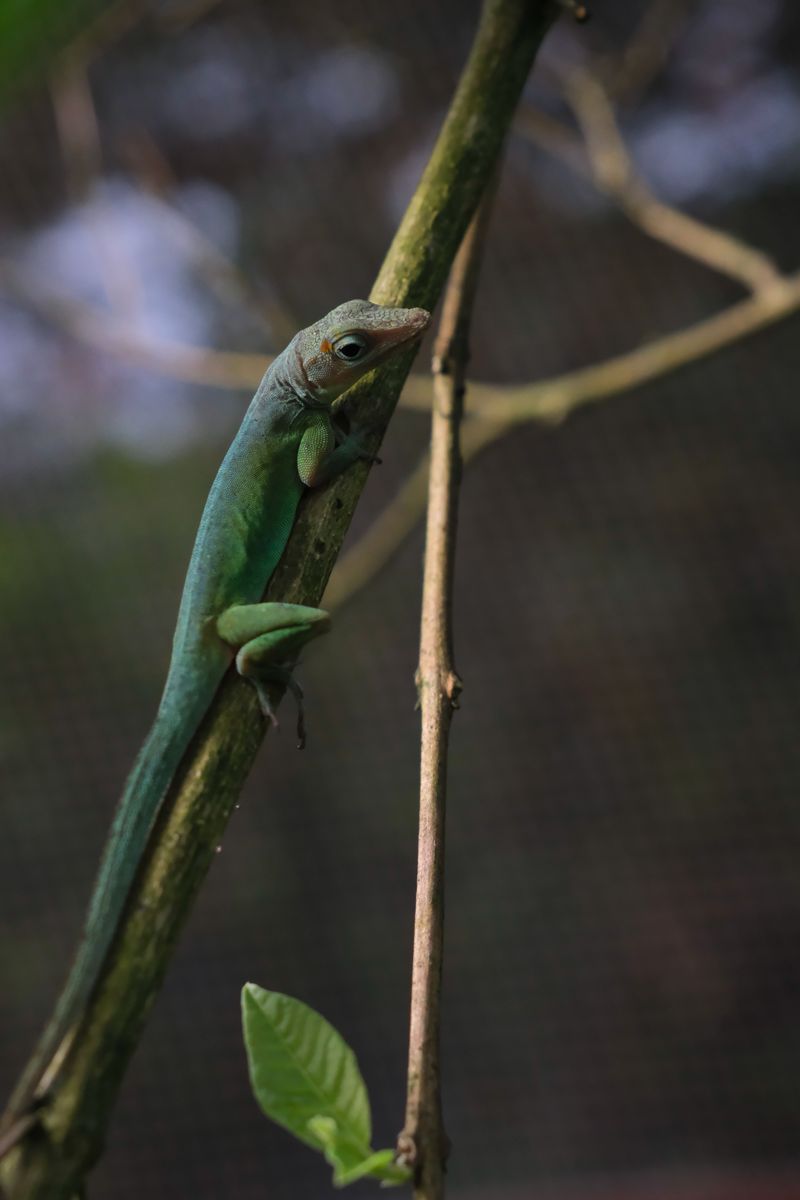
Forget expensive pest control for a moment and consider what is already working in your yard. Green anoles are one of nature’s most efficient and completely free pest management systems.
Each lizard consumes a wide variety of insects daily. Crickets, grasshoppers, roaches, ants, and mosquitoes all end up on the menu without any effort from you.
Gardeners who grow vegetables report fewer aphid and caterpillar problems in Mississippi yards where anole populations are healthy. The lizards patrol plant stems and leaf undersides with impressive consistency.
Beyond pest control, anoles contribute to the local food web in meaningful ways. They serve as prey for hawks, snakes, and larger birds, supporting biodiversity right in your backyard.
Their presence also signals that your soil and plant environment are chemical-free. That matters if you grow herbs or vegetables your family eats.
Watching anoles is genuinely entertaining, and that is not a small benefit. Their territorial displays, color changes, and acrobatic hunting make them fascinating backyard companions.
Male anoles flash their bright pink dewlap to attract mates and warn rivals. That little pink fan-shaped flap under the chin is one of the most striking behaviors you can witness up close.
Children who grow up observing anoles develop an early curiosity about the natural world. Backyard wildlife like this builds environmental awareness in ways no classroom lesson can replicate.
Healthy anole numbers mean your garden is genuinely balanced and thriving. That is a win worth celebrating with every cup of morning coffee.
Attracting More Anoles To Your Yard
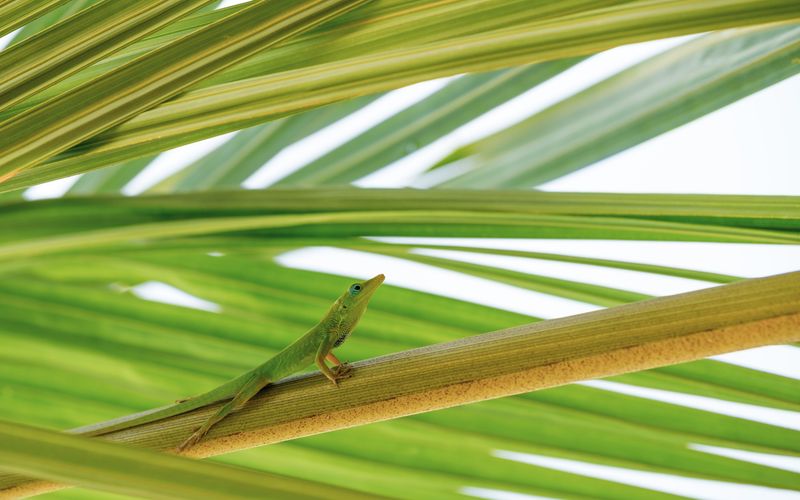
Some gardeners want more of these lizards, and honestly, that is a completely reasonable goal. Attracting anoles takes surprisingly little effort when you work with what they already want.
Start by adding native plants with layered structure. Shrubs like beautyberry, coral honeysuckle, and American beautyberry give anoles vertical space to hunt, hide, and bask.
Avoid trimming every branch into submission. Overly manicured yards offer little cover, which sends anoles searching for messier, more welcoming spaces down the street.
Leave some leaf litter in garden corners rather than raking everything bare. That organic layer hosts the small insects that feed your local anole population through the season.
A shallow water dish placed near ground-level plants can make a noticeable difference. Change the water every two days to prevent mosquito breeding while keeping the source fresh.
Flat rocks positioned in sunny spots give anoles a warm surface for morning basking. A lizard that basks efficiently hunts more effectively throughout the rest of the day.
Reduce or eliminate broad-spectrum insecticide applications near garden beds. Spot-treat specific problems instead of blanketing your yard, which reduces the insect population anoles depend on.
Wooden garden structures, stacked stones, and rough-textured bark mulch all add texture that anoles love to navigate and cling to throughout the day.
Patience matters more than any single change you make. Build the habitat, reduce chemical interference, and the green anoles will find your yard on their own timeline.
Common Myths About Green Anoles Debunked
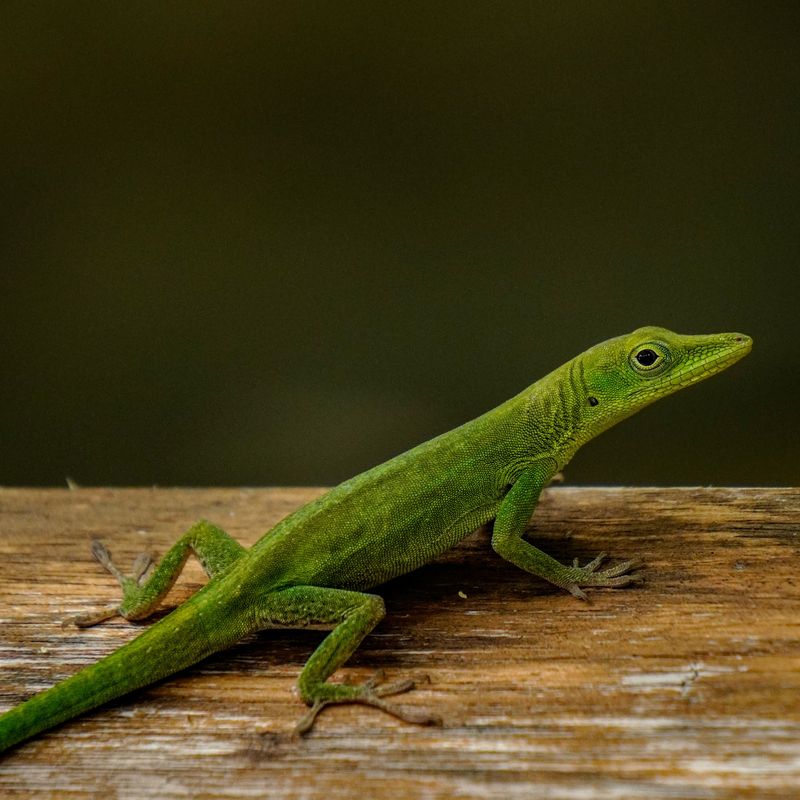
Few backyard creatures carry more misinformation than the humble green anole. Clearing up the most common myths makes it easier to appreciate what these lizards actually do.
Myth one: anoles are chameleons. They are absolutely not. Anoles change color based on temperature, stress, and social signals, not to match their surroundings like true chameleons do.
Myth two: anoles are invasive pests. The green anole is actually native to the southeastern United States and has lived in this region far longer than most suburban neighborhoods have existed.
Myth three: they spread disease. No credible evidence supports the idea that green anoles transmit illness to humans or household pets in any meaningful way.
Myth four: anoles damage plants. These lizards are strictly carnivorous and have zero interest in chewing leaves, stems, or garden produce. Every meal they eat is made of insects.
Myth five: brown anoles and green anoles are the same species. They are not. Brown anoles are an invasive species from Cuba that has pushed green anoles higher into tree canopies across much of the South.
That competition is actually a real concern for native populations. Supporting green anoles in your Mississippi yard helps balance the pressure from their non-native rivals.
Myth six: a large anole population means an infestation. No wildlife agency classifies green anoles as pests, and no intervention is recommended or necessary when populations grow.
The green anole takeover in your yard is not a problem to fix. It is a story of nature doing exactly what it should.