The Underrated Texas Native That Blooms Through 100° August Heat
August in Texas is when most garden color waves the white flag. Flowers that were performing beautifully through June and July start fading, dropping petals, and retreating until conditions improve.
By the time the thermometer is regularly pushing past one hundred degrees, a lot of Texas gardeners have mentally written off the rest of the summer as a waiting game. But one native Texas plant didn’t get that message.
While everything else in the garden is either surviving or surrendering, this underrated native hits one of its best flowering stretches of the entire year right in the middle of August heat. It doesn’t just tolerate triple digit temperatures.
It seems to draw energy from them, pushing out bloom after bloom at precisely the moment you need garden color most desperately.
It’s native, which means it evolved for exactly this. The heat, the drought, the relentless Texas summer.
It handles all of it without drama and without demanding much in return. Here’s the underrated Texas native that keeps blooming when everything else gives up.
Flame Acanthus Is Built For Hot, Exposed Texas Landscapes
Some plants just look uncomfortable in Texas summers. Flame acanthus looks completely at home.
Native to the Texas Hill Country and surrounding regions, this heat-tolerant shrub has spent thousands of years adapting to the state’s harshest growing conditions. It knows how to handle the heat because it was literally born into it.
Flame acanthus performs best in full sun, which is easy to find in most Texas yards. Plants that get at least six hours of direct sunlight daily tend to grow stronger, produce more stems, and push out more flowers.
Shaded spots lead to weak, stretched growth that never looks quite right. One of its standout qualities is how well it handles poor soil.
Established plants grow happily in rocky ground and limestone-heavy soil, which is exactly what a lot of Texas gardeners are working with. You do not need to amend or improve your soil much to make this shrub happy.
Its loose, informal shape gives it a relaxed, natural look that fits right into native plant borders and xeriscape designs. It does not look stiff or formal, which actually works in its favor when you want a garden that feels wild and effortless.
The plant typically reaches 3 to 5 feet tall and wide at maturity. Flame acanthus is also a smart choice for slopes and exposed areas where other plants struggle to establish. Its root system anchors well in dry, uneven terrain.
For Texas gardeners tired of replacing plants every season, this native shrub offers something rare: genuine staying power without constant attention.
Red-Orange Flowers Continue From Midsummer Until Frost
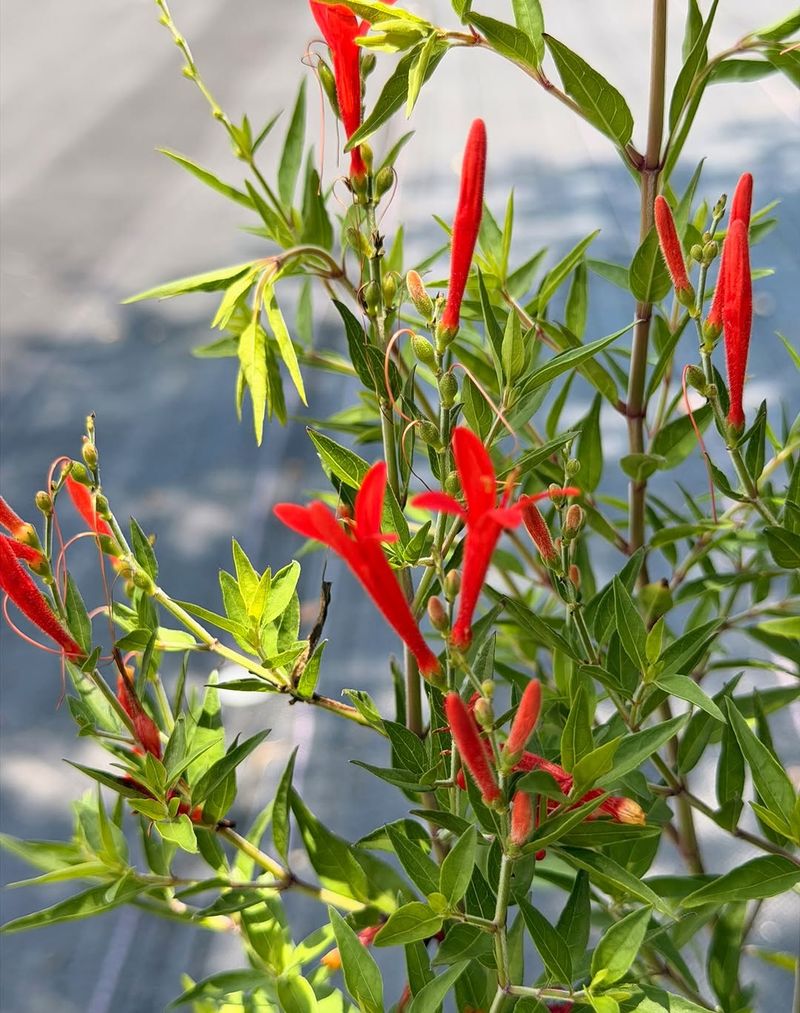
When most spring perennials have already called it quits, flame acanthus is just getting started.
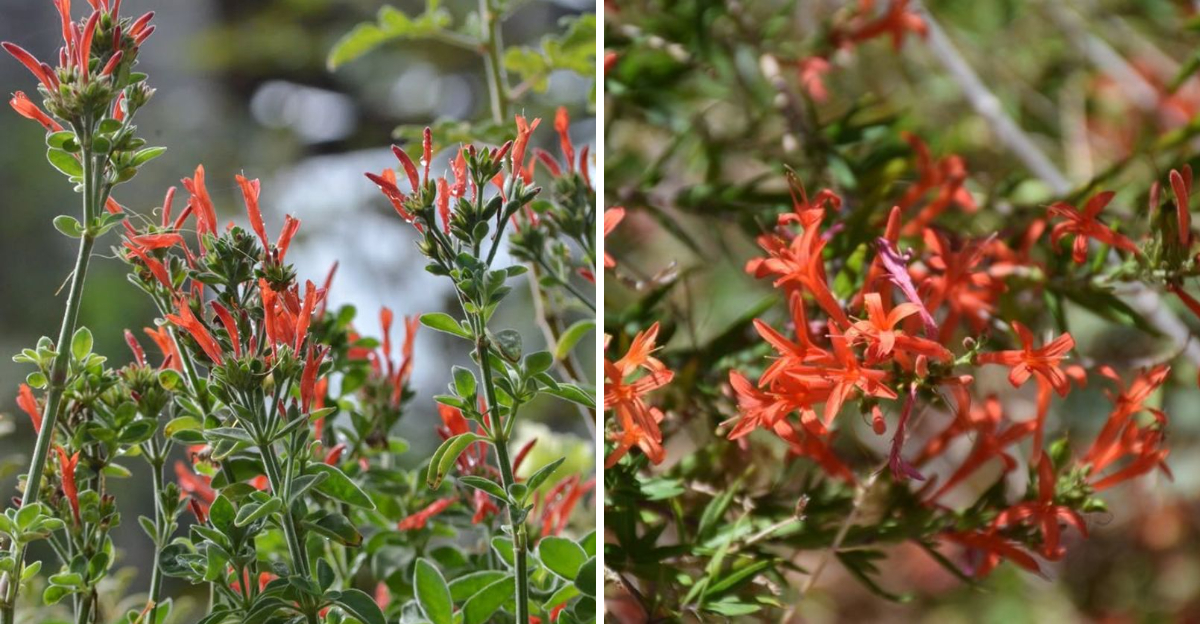
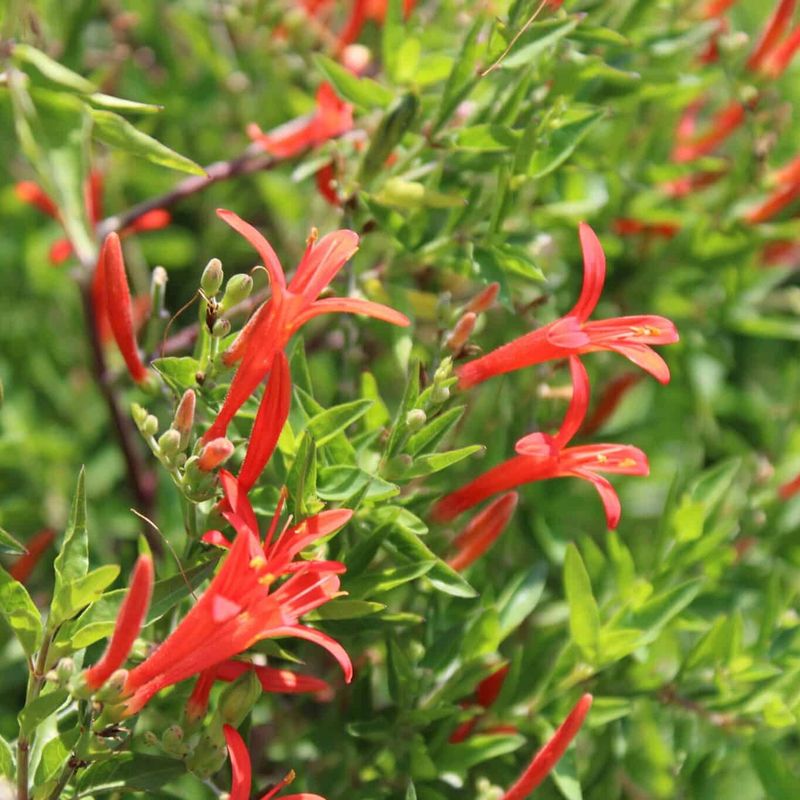
The tubular red, orange, and scarlet flowers typically begin appearing during the hottest stretch of summer, right around July and August, and they keep coming without much fuss.
What makes this bloom period so valuable is the timing. There is a frustrating gap in many Texas gardens between when spring bloomers fade and when fall plants kick in.
Your Texas Garden Changes Every Week. Your Plan Should Too.
Gardening in Texas changes quickly throughout the season. Every Friday you’ll receive a simple weekly plan showing exactly what to plant, prune, fertilize, harvest, and protect so you never miss the right timing.
Flame acanthus fills that gap beautifully. It holds the garden together visually during the weeks when heat has burned out nearly everything else.
Blooming can continue well into fall and may even last until the first hard frost arrives. That is an impressively long flower show for any plant, let alone one that asks for almost nothing in return.
Gardeners who plant it once often find themselves wondering why they waited so long.
It is worth knowing that extreme, prolonged drought can reduce flower production even on established plants. If your area goes weeks without rain and temperatures stay brutal, some slowdown in blooming is normal.
A deep watering here and there during the worst dry spells can help keep the flowers coming.
The color of the flowers is genuinely eye-catching. The warm red-orange tones stand out against the shrub’s green foliage, and they photograph beautifully if you enjoy garden photography.
Planted in groups, flame acanthus creates a bold, fiery display that draws attention from across the yard. Few native plants offer this kind of late-summer drama with so little effort required from the gardener.
Full Sun Produces The Strongest August Display
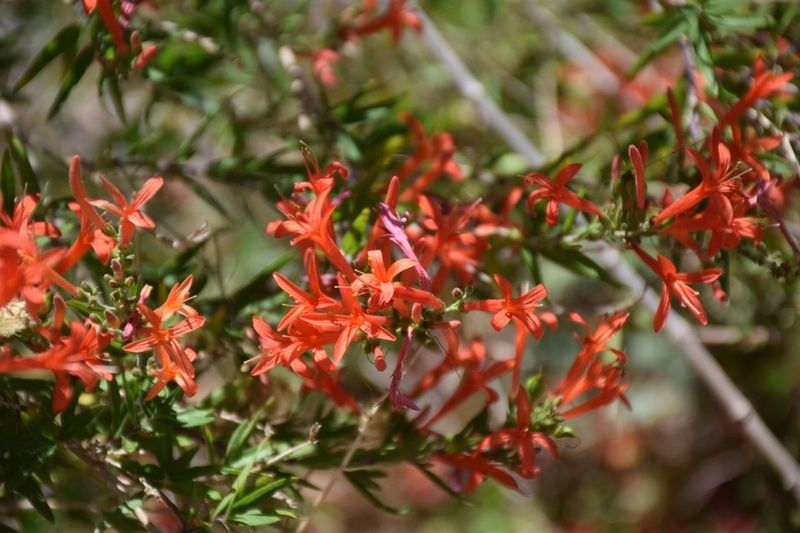
Picking the right spot matters more than almost anything else when it comes to flame acanthus. A location that receives at least six hours of direct sunlight each day is the sweet spot.
More sun is usually even better, especially in Texas where the light is intense and reliable for most of the year.
Plants grown in too much shade tend to become open, leggy, and sparse. They stretch toward whatever light they can find, which weakens the overall structure and leads to fewer flowers.
If your garden has a bright, exposed area that bakes in the afternoon sun, that is actually the perfect place to put this shrub.
Soil drainage is just as important as sunlight. Flame acanthus does not like sitting in wet or waterlogged soil.
Constantly moist roots can cause the plant to decline, especially during cooler months when it is not actively growing. Raised beds, slopes, and naturally sandy or rocky areas all provide the kind of drainage this plant prefers.
Give it enough space to spread out comfortably. Mature plants can reach roughly 3 to 5 feet in both height and width, so crowding it against a fence or other plants limits airflow and can reduce flowering. A little breathing room goes a long way.
Planting in late spring or early fall gives new plants time to settle in before facing extreme conditions. Once the roots get established, the shrub handles whatever August throws at it.
Choosing the right location from the start saves a lot of trouble and sets the plant up for years of strong summer performance.
Drought Tolerance Begins Only After The Roots Establish
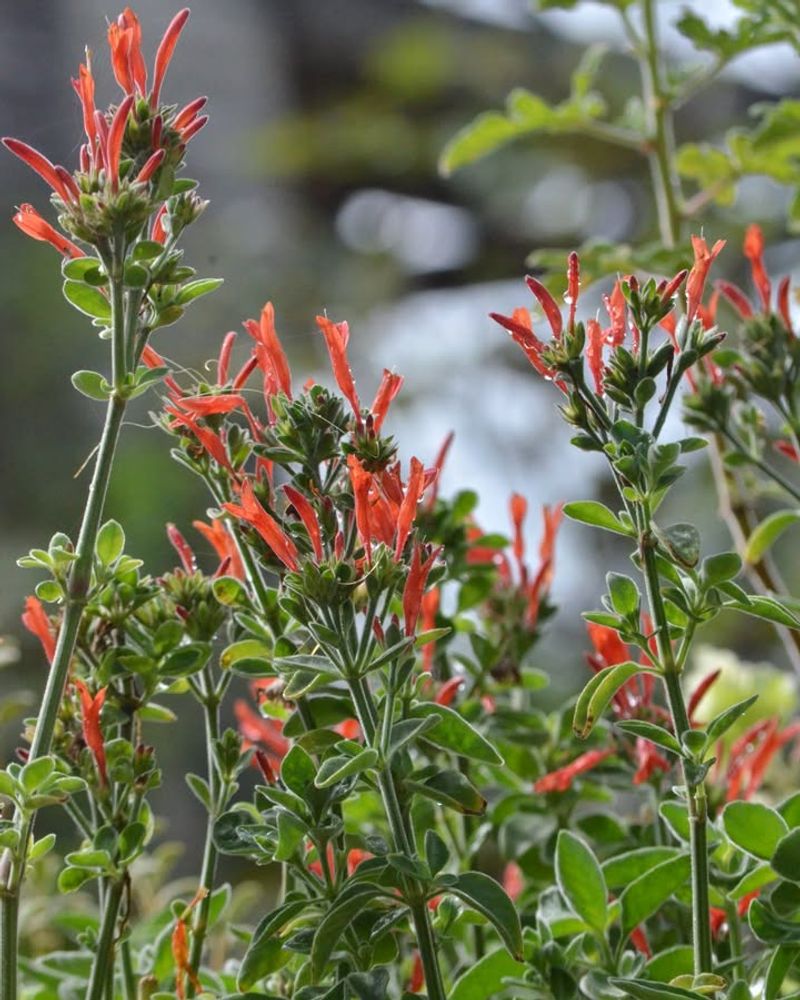
Here is something new gardeners sometimes get wrong about drought-tolerant plants: they are not automatically drought-proof from day one.
Flame acanthus earns its tough reputation over time, but only after its root system has had a chance to spread out and anchor itself in the soil. That process takes at least one full growing season.
During that first year, regular watering is genuinely important. Aim to water deeply once or twice a week, depending on how hot and dry the weather is.
The goal is to encourage roots to grow downward in search of moisture, rather than staying shallow near the surface where they are vulnerable to drying out quickly.
Once the plant is established, the story changes completely. You can cut back significantly on watering, and the shrub will handle dry stretches that would stress other plants.
Deep, occasional watering is much better than frequent, shallow watering. Keeping the soil constantly wet after establishment can actually do more harm than good.
A thin layer of mulch around the base of the plant helps hold moisture in the soil and keeps root temperatures more stable during hot spells. Just be careful not to pile the mulch directly against the stems, which can trap moisture and cause problems at the crown of the plant.
Patience pays off with flame acanthus. It might look a little slow during its first summer while it focuses energy on root development underground.
By the second season, the difference is noticeable. Growth picks up, flowering improves, and the plant starts showing off the heat and drought toughness it is known for across Texas.
Hummingbirds And Butterflies Find The Flowers Irresistible
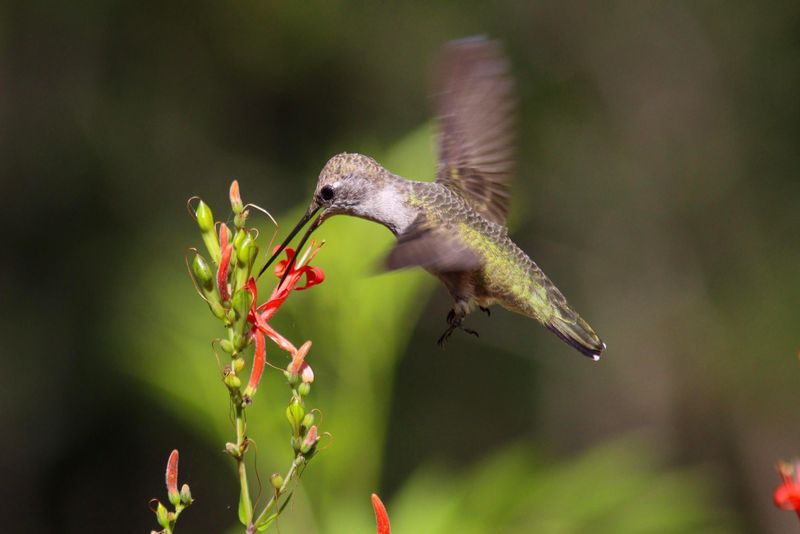
Watching a hummingbird hover at a flame acanthus flower is one of those small backyard moments that never gets old. The narrow, tubular shape of the blooms is practically designed for hummingbird feeding.
The bird hovers, dips its long bill into the tube, and gets rewarded with nectar. It is a perfect match between plant and pollinator.
Ruby-throated hummingbirds are the most common visitors in Texas, especially during their late-summer migration period. Flame acanthus blooms right when these birds need high-energy food sources to fuel their journey south.
Planting this shrub is essentially setting out a welcome mat for one of the most exciting backyard visitors in the state.
Butterflies are also frequent guests. Several species visit the flowers, drawn in by the nectar and the warm color of the blooms.
The late-summer bloom period is especially helpful because heat often reduces flowering on other plants, leaving pollinators with fewer options. Flame acanthus steps in and fills that role reliably.
Planting several shrubs together creates a more visible and attractive nectar destination. A single plant will attract visitors, but a small grouping creates something closer to a feeding station that wildlife notices from a distance.
Even two or three plants side by side make a noticeable difference in pollinator activity. Beyond hummingbirds and butterflies, beneficial insects also visit the flowers.
Supporting pollinators has real value for the broader garden ecosystem, since many of these insects also help with pest control and plant reproduction.
Flame acanthus quietly does a lot of ecological heavy lifting while looking stunning through the hottest months of the Texas summer.
One Late-Winter Pruning Keeps It Compact And Flower-Filled
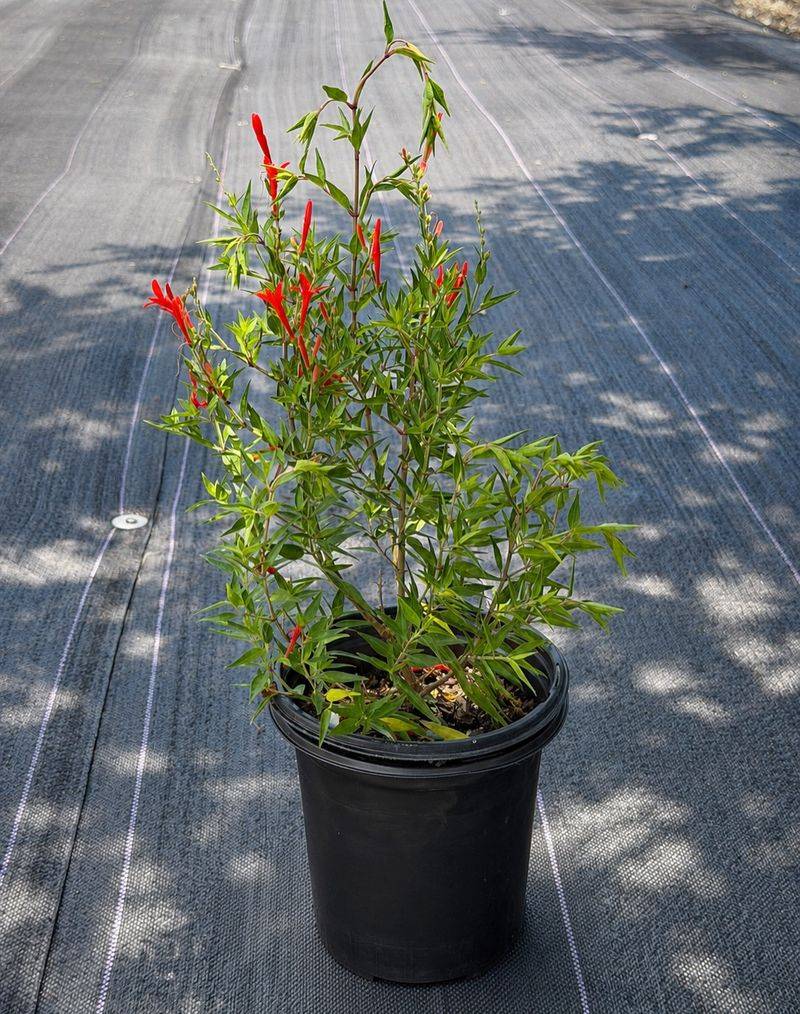
By late winter, flame acanthus can look a little rough. The stems may appear sparse, twiggy, or just plain tired after going dormant for the season.
New gardeners sometimes worry the plant is finished for good. It is not. It just needs a good haircut to get ready for the season ahead.
Cutting the shrub back in late winter, before new spring growth begins, is the single most useful thing you can do for it all year.
Prune the stems down fairly hard, leaving just a few inches of growth above the ground. This might feel drastic, but flame acanthus responds to pruning with enthusiasm.
Fresh new stems emerge from the base after pruning, and those new stems are the ones that carry the season’s flowers. Older, woody growth produces far fewer blooms.
By removing that old wood, you are essentially giving the plant a fresh start and setting it up for its best possible summer display.
Pruning also keeps the overall size in check. Without an annual cutback, flame acanthus can get a bit unruly over the years, spreading wider than you might want.
Regular pruning helps maintain a tidy, compact form that fits better in smaller garden spaces.
One thing to watch for after pruning is seedling growth nearby. Flame acanthus can spread by seed, and you may find small plants popping up around the parent shrub.
In a naturalistic garden, that kind of spreading is welcome. In a more structured space, simply pull the seedlings while they are small and easy to manage. Either way, the parent plant rewards your late-winter effort with months of vibrant color.