The Meaning Behind Seeing A Hummingbird Hovering Near Your Pennsylvania Windows
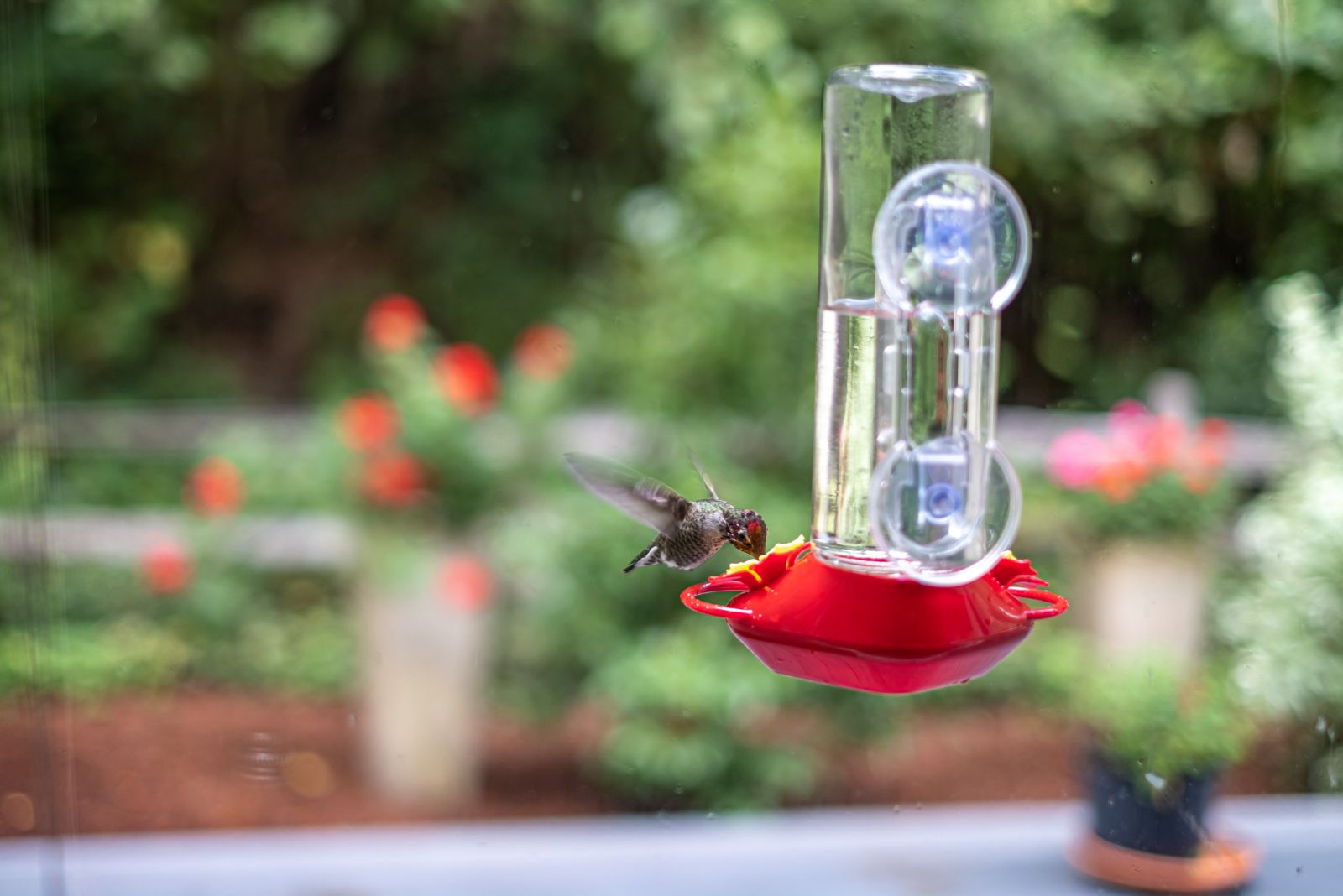
There’s something almost surreal about a hummingbird hovering just outside your window. Those wings moving faster than the eye can properly follow, that tiny body suspended perfectly still in midair, its attention directed at the glass as if it’s looking straight at you.
Most people stop whatever they’re doing and just watch until it’s gone. And then they wonder what it meant. Hummingbirds hovering near windows in Pennsylvania is not as random as it might seem.
There are real behavioral and environmental reasons why a hummingbird would pause in that specific location, and understanding those reasons reveals something interesting about both the bird and your immediate environment.
But beyond the practical explanation, hummingbirds carry deep symbolic meaning across many cultures and traditions, and a bird hovering at a window holds particular significance for a lot of people.
Whether you’re curious about the biology, the folklore, or simply why this keeps happening outside your particular window, the answer is more layered and more interesting than most people expect.
1. It May Be Challenging Its Reflection
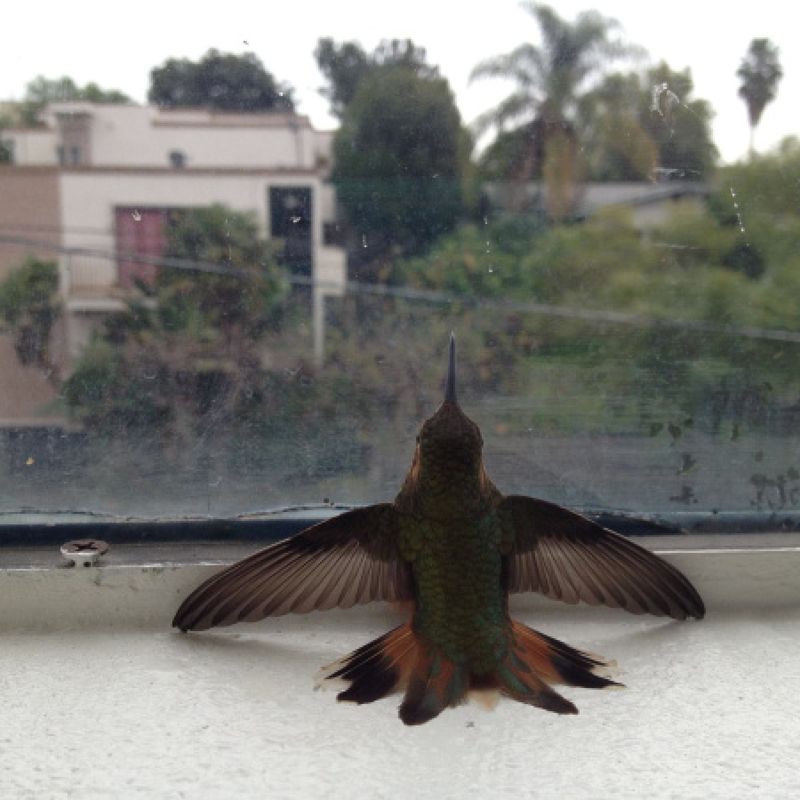
Picture a tiny bird, no bigger than your thumb, repeatedly darting at the same window pane like it has a personal grudge. That is exactly what happens when a hummingbird mistakes its reflection for a rival.
The glass acts like a mirror, and to the bird, that shimmering image looks like another hummingbird invading its space.
Ruby-throated hummingbirds are fiercely territorial, especially the males. They will defend their favorite feeders and flowers with surprising aggression.
When a male sees what appears to be another bird in his territory, his first instinct is to chase it away. The reflection does not retreat, so the bird keeps coming back, sometimes for hours.
You might notice the bird hovering in place, then darting forward, then backing up and repeating the whole routine. It may even tap the glass with its bill.
This behavior is more common during spring and summer when territorial instincts are at their strongest in Pennsylvania.
Watching this can feel entertaining, but it is actually stressful for the bird and wastes precious energy it needs for feeding and migration. The good news is that there are simple ways to help.
Try hanging a piece of fabric or a wind chime just outside the window to break up the reflection. You can also move a nearby feeder to a different location so the bird has less reason to patrol that particular spot.
Small changes can make a big difference in redirecting the bird’s attention away from the glass and back toward finding real food and rest.
2. A Nearby Feeder Or Flower Has Become A Reliable Food Source
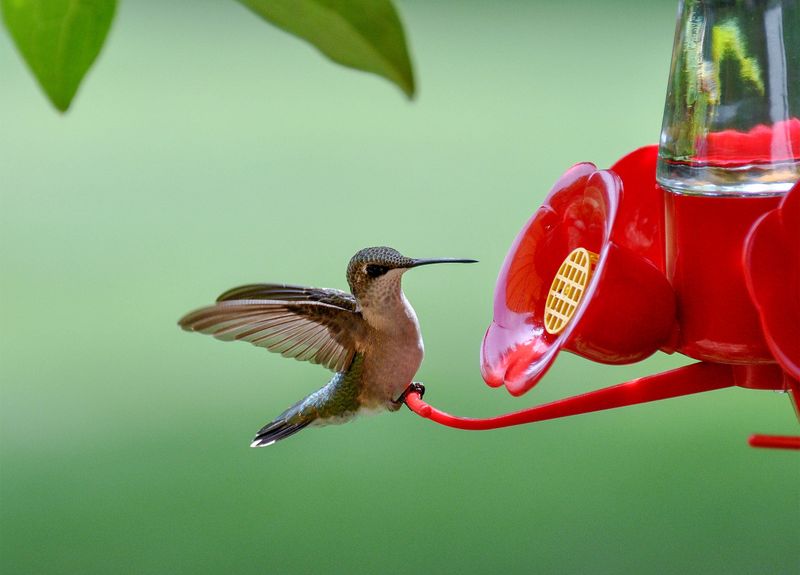
Hummingbirds have an impressive memory for food locations. Once one discovers that your window area offers a reliable meal, expect to see that bird back again and again throughout the day.
A feeder hanging from a bracket near the glass, a window box filled with petunias, or a hanging basket of fuchsia can all turn your window into a hummingbird hotspot.
Your Pennsylvania Garden Changes Every Week. Your Plan Should Too.
Gardening in Pennsylvania changes quickly throughout the season. Every Friday you’ll receive a simple weekly plan showing exactly what to plant, prune, fertilize, harvest, and protect so you never miss the right timing.
In Pennsylvania, ruby-throated hummingbirds are active feeders from late April through early October. During that stretch, they need to consume enormous amounts of nectar to fuel their fast metabolism.
A single hummingbird may visit hundreds of flowers and feeders every single day. If yours happens to be convenient and consistently stocked, you have basically opened a popular restaurant for the neighborhood birds.
To keep them coming back safely, make sure your feeder is clean and filled with fresh nectar. A simple mixture of one part plain white sugar dissolved in four parts water works perfectly.
Skip the red food dye since it is unnecessary and potentially harmful. Change the nectar every few days, especially during hot summer weather, to prevent fermentation.
Planting native nectar-rich flowers near your windows is another fantastic way to attract hummingbirds naturally. Cardinal flower, bee balm, and trumpet vine are all excellent choices that thrive in Pennsylvania gardens.
Positioning plants or feeders slightly to the side of a window, rather than directly in front of it, can help reduce the chance of the bird flying into the glass. A little thoughtful placement goes a long way toward keeping your feathered visitors happy and safe.
3. It May Be Hunting Tiny Insects Around The Glass
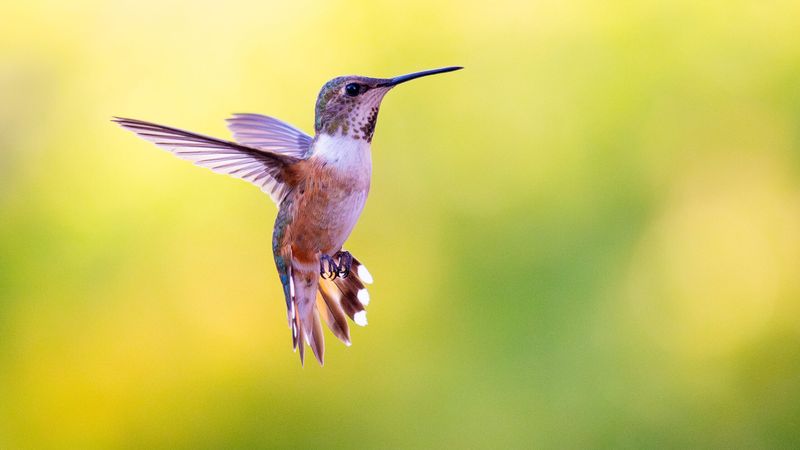
Most people think of hummingbirds as pure nectar drinkers, but that is only part of the story. Protein is just as important to these birds, and they get it by hunting tiny insects and spiders.
Windows, screens, and porch lights create surprisingly good hunting grounds by attracting small flying bugs that hummingbirds love to snatch out of the air.
Gnats, fruit flies, aphids, and small spiders are all fair game. A hummingbird hovering near your window without showing interest in any nearby feeder or flower is often doing exactly this: scanning the glass and surrounding surfaces for a quick protein snack.
You might notice it moving in short, precise bursts, pausing, then darting sideways or forward with pinpoint accuracy.
Insects tend to gather near light sources and warm surfaces, which is why windows are particularly attractive hunting spots.
If you have a porch light that stays on at night, it may be drawing bugs during the evening hours, and the hummingbirds learn to check those spots in the morning when leftover insects are still nearby.
This hunting behavior is especially important during nesting season. Female hummingbirds building nests and feeding young chicks rely heavily on insects to provide the protein needed for healthy growth.
Seeing a hummingbird repeatedly patrol the same window area could mean a nest is hidden somewhere close in the yard. Spiders are particularly valued because their silk is used to build and stretch the nest as the chicks grow.
If you want to support this behavior, avoid using pesticide sprays near your windows and let a small population of harmless insects thrive in your garden naturally.
4. It Could Be Guarding A Feeder From Other Hummingbirds
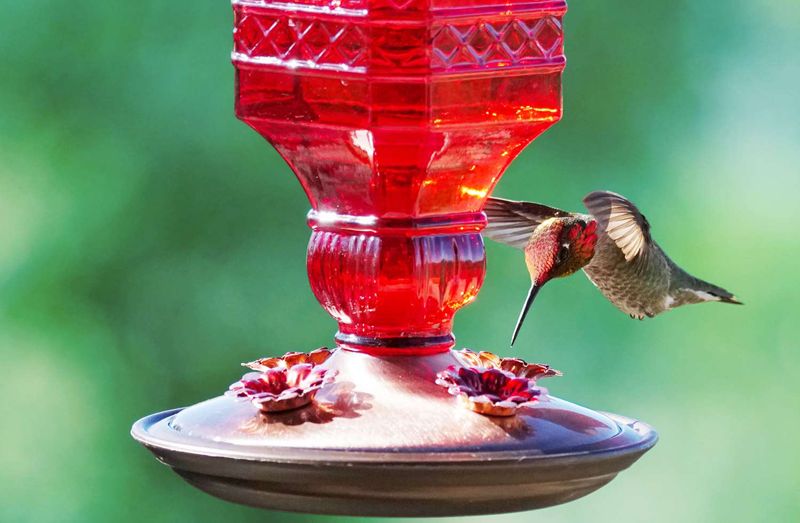
Here is something that surprises a lot of backyard bird watchers: one very determined hummingbird can monopolize an entire feeder and make it look like several birds are visiting.
A territorial male will hover near the window, perch on a nearby branch, and launch aggressive chases the moment another hummingbird dares to approach. That constant motion near your glass may actually be just one bird on patrol duty.
Ruby-throated hummingbirds are not naturally social at feeders. In fact, they are notoriously aggressive toward members of their own species when food is involved.
A dominant bird will claim a feeder as its own and spend a huge portion of its day defending that claim. Watching closely, you may notice the same iridescent green back and red throat every single time, confirming it is the same individual returning repeatedly.
This behavior can actually reduce the number of hummingbirds you see overall, because other birds get chased off before they can feed. A simple solution is to add more feeders and spread them out so they are not all visible from one perch.
Place feeders around corners or on different sides of the house so no single bird can watch all of them at once. Using multiple smaller feeders instead of one large one tends to work better for this reason.
Pennsylvania gardeners often report this territorial dynamic peaking in late summer when young birds from the season’s nests start competing for food before migration.
Adding extra feeders during August and September can make a real difference in helping all your visiting hummingbirds fuel up for the long journey south ahead of them.
5. A Young Hummingbird May Be Exploring The Yard
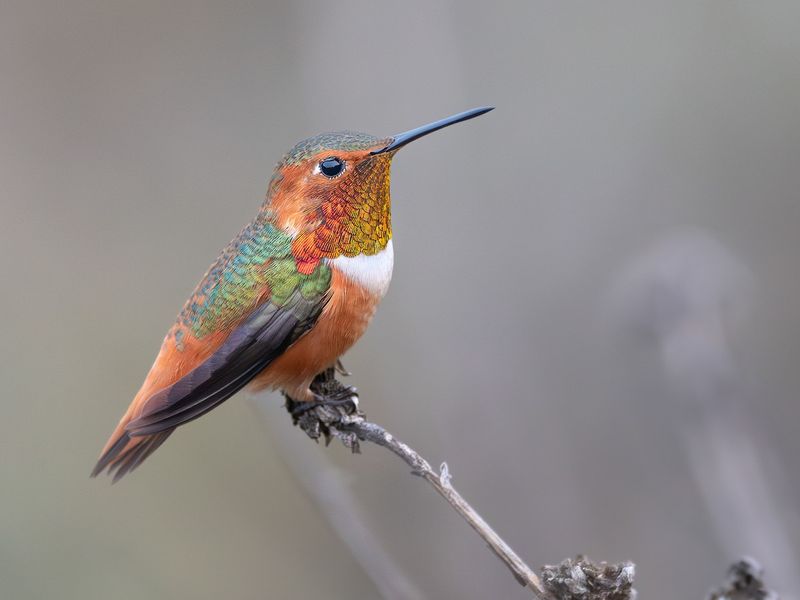
Late July and August bring a whole new wave of hummingbird activity to Pennsylvania yards. By midsummer, the season’s first batch of young hummingbirds has fledged and is learning how to navigate the world on its own.
These juveniles look similar to adult females but often have a slightly speckled throat and a more cautious, exploratory flying style that sets them apart from experienced adults.
Young birds have not yet learned which flowers and feeders are reliable food sources, so they investigate everything that looks promising. A window with a reflection, a colorful wind chime, or even a shiny garden ornament can all catch a juvenile’s eye.
Their curiosity leads them to hover near windows longer than an adult bird typically would, simply because they are still figuring out what is safe and worth approaching.
Watching a young hummingbird explore your yard is one of the real joys of a Pennsylvania summer garden. They tend to be less skittish than adults and may hover remarkably close to you if you stand still near a feeder or flower bed.
Their boldness comes from inexperience rather than confidence, which makes their visits feel especially personal and charming.
You can support these young explorers by keeping feeders clean and full through the end of September.
Native plants like jewelweed, which grows naturally in many Pennsylvania woodlands and stream edges, are excellent natural food sources that young birds can find without needing human help.
Leaving a patch of natural habitat near your garden gives juveniles a safe place to rest and refuel as they build the strength needed for their very first migration south.
6. The Window May Pose A Collision Risk
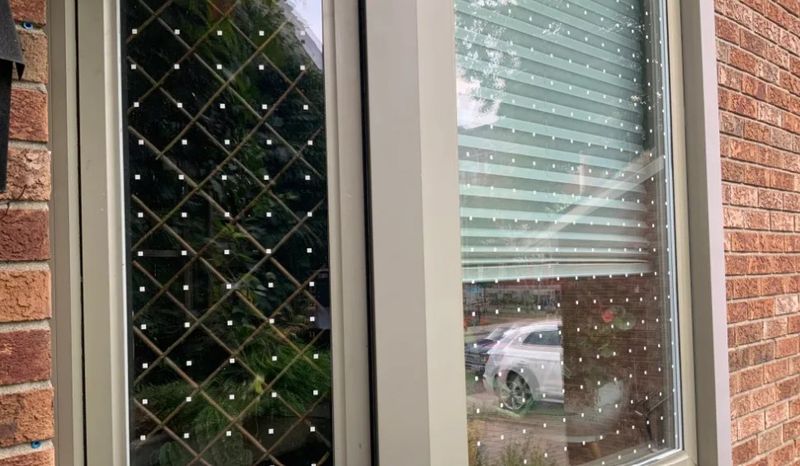
A hummingbird hovering near your window is not always cause for alarm, but repeated pecking, fast approaches, or actual impacts are warning signs worth taking seriously.
Windows are one of the leading causes of bird injury in North America, and hummingbirds are not immune to this danger.
Their small size and fast speed make collisions especially risky when glass reflects sky or vegetation and looks like open space.
The key to preventing window strikes is making the glass visible to birds from the outside. Many people hang a single decorative decal on the inside of the glass, but this rarely works well enough.
Birds need to see markers on the outside surface, and those markers need to be spaced closely together. Experts recommend placing dots or stripes no more than two inches apart horizontally or four inches apart vertically to be effective.
Several products on the market are designed specifically for this purpose. UV-reflective decals are invisible to humans but show up clearly to birds, which can see ultraviolet light.
Tempera paint dots, tape strips, or even soap applied directly to the outside of the glass are low-cost options that work surprisingly well. Window screens, when kept in place, also dramatically reduce strike risk by softening the reflection.
If a hummingbird does strike your window and appears stunned, place it gently in a small cardboard box with air holes and set it somewhere quiet and warm. Give it thirty minutes to recover before opening the box outdoors.
Most birds recover fully from mild impacts when given calm and quiet rest time. Checking your windows now can prevent a problem before it starts.