The First Things Georgia Homeowners Should Check Before Pruning Summer Shrubs
Before you start cutting back summer shrubs, slow down and take a closer look at what your plants are showing you first. A quick trim may seem harmless, but the wrong timing can change how your shrubs handle the rest of the season.
Georgia landscapes need thoughtful care during the hottest months, and your pruning plans should begin with more than a pair of shears.
Before making that first cut, give your shrubs the attention they deserve and notice the details that matter most.
Do not rush into trimming because a branch looks out of place. Take a moment to make a smarter choice for your landscape and avoid mistakes that can set your plants back.
The right preparation can make all the difference when you prune shrubs this season.
1. Make Sure The Shrub Has Finished Flowering
Cutting too early is one of the most common pruning mistakes homeowners make. If your shrub is still showing blooms, put the shears down and wait.
Pruning during peak bloom removes flowers that haven’t had a chance to finish their cycle.
Some shrubs, like gardenias and crepe myrtles, bloom in waves throughout summer. Cutting mid-bloom can interrupt that pattern and reduce flowering for the rest of the season.
Watch the plant for a full week before making any decisions.
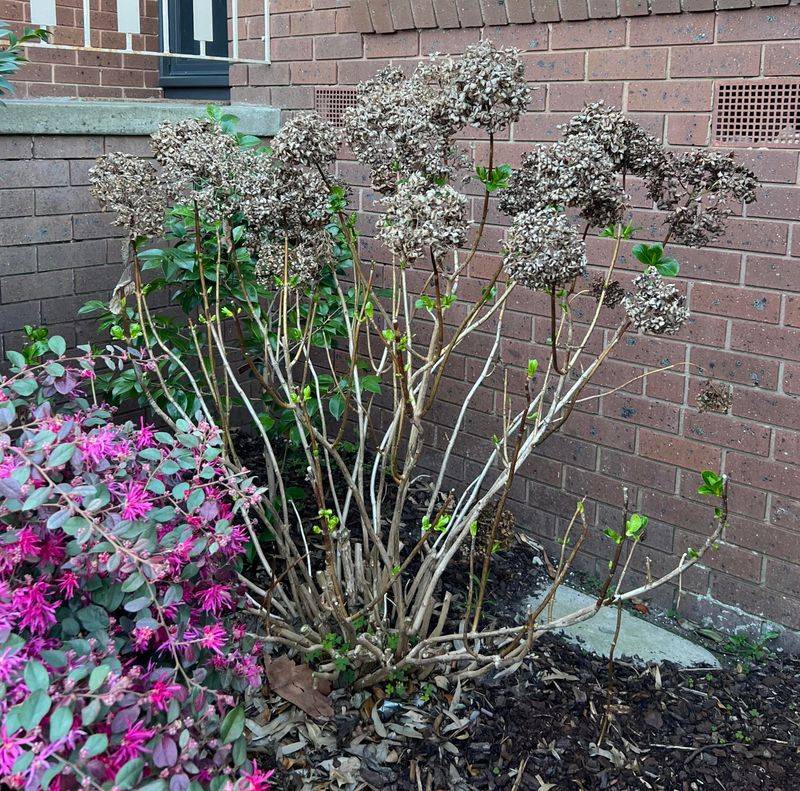
Spent blooms are your clearest signal that the shrub is ready. Look for flowers that have browned, wilted, or dropped petals.
That’s the window when pruning causes the least disruption to the plant’s natural rhythm.
Not every shrub in your yard follows the same schedule. Some finish early in June while others push blooms well into August.
Checking each shrub individually takes only a minute and saves you from cutting at the wrong time.
Rushing this step can reduce next season’s bloom count on certain varieties. Patience pays off here.
Give the plant time to complete its flowering before you shape it up for the rest of summer.
2. Identify Whether It Blooms On Old Wood Or New Wood
Old wood or new wood? That question should be the first thing on your mind before pruning any flowering shrub.
Getting it wrong can cost you an entire season of blooms.
Old wood bloomers set their flower buds the previous fall or winter. Azaleas are a classic example.
Pruning them in summer removes buds that are already forming for next spring, so you end up with a nicely shaped shrub that barely flowers.
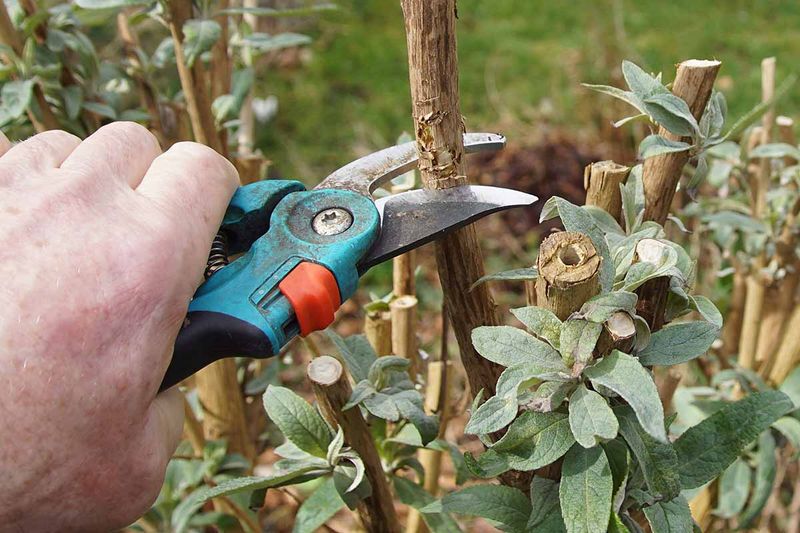
New wood bloomers are a different story. Butterfly bush and crape myrtle produce blooms on growth they push out during the current season.
Pruning these in summer can actually encourage fresh growth and more flowers, depending on how much you remove.
Look up your specific shrub variety before cutting. A quick search by plant name will tell you which category it falls into.
Skipping this step is where most pruning regrets start.
When you’re not sure, a light trim is safer than heavy cutting. Remove only the obvious problem branches and leave the rest alone until you can confirm the bloom type.
Your Georgia Garden Changes Every Week. Your Plan Should Too.
Gardening in Georgia changes quickly throughout the season. Every Friday you’ll receive a simple weekly plan showing exactly what to plant, prune, fertilize, harvest, and protect so you never miss the right timing.
Being cautious here protects the plant’s flowering potential without leaving it completely untouched.
3. Remove Only Broken Or Damaged Branches First
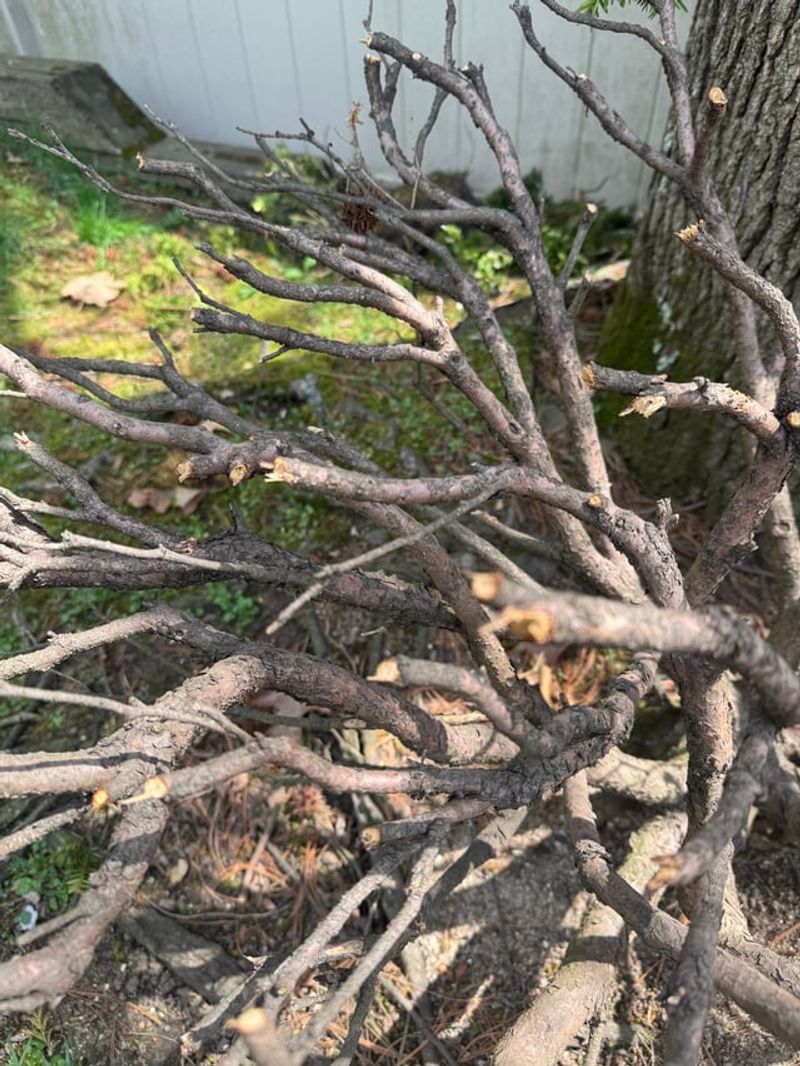
Before shaping anything, walk around the shrub and look for branches that are already broken, bent, or hanging. Removing these first gives you a cleaner picture of what you’re actually working with.
Damaged branches aren’t doing the plant any favors. They can become entry points for fungal infections, especially in humid summer conditions.
Getting rid of them early is a practical first step, not just a cosmetic one.
Start at the bottom of the shrub and work your way up. Broken wood is usually easy to spot because it hangs at an odd angle or shows exposed inner wood.
Snap or cut these off cleanly at the nearest healthy junction.
Once the damaged material is cleared, step back and reassess. You might find the shrub needs less shaping than you originally thought.
Removing the rough stuff first often reveals a naturally good structure underneath.
Don’t rush into heavy shaping until this step is done. Jumping straight to trimming for appearance can leave damaged wood hidden inside the canopy where it continues to cause problems.
Pruning tools should be sharp and clean before you start. Ragged cuts from dull blades create larger wounds that take longer to seal.
4. Avoid Pruning During Extreme Heat
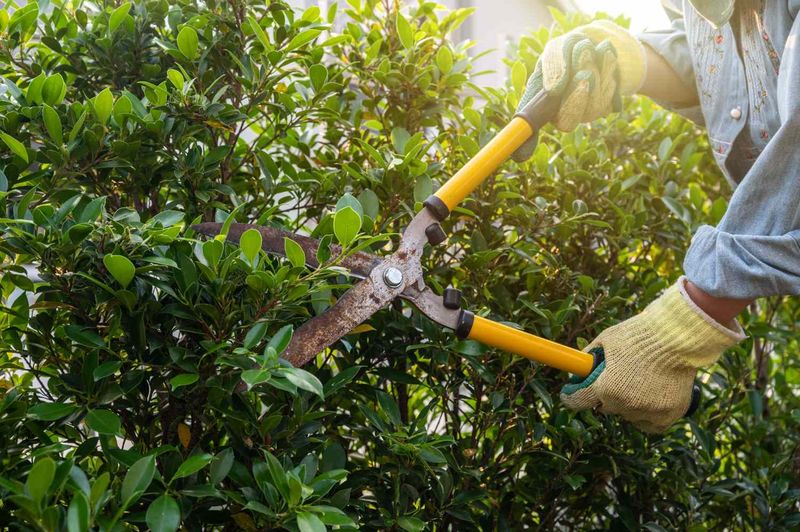
Summer heat in Georgia can push temperatures well past 95 degrees for days at a stretch. Pruning during a heat spike puts extra stress on shrubs that are already working hard to stay hydrated.
Fresh cuts expose plant tissue to direct sun and dry air. During extreme heat, that exposed tissue can dry out faster than the plant can respond.
The result is often browning around the cut edges.
Check the forecast before you plan a pruning session. A stretch of days above 90 degrees is not the right window.
Waiting even a few days for cooler conditions can make a real difference in how well the shrub bounces back.
Morning hours are generally better than midday even on moderate days. Temperatures are lower, the plant is better hydrated from overnight humidity, and the sun isn’t beating directly down on fresh cuts.
Aim to finish before 10 a.m. if possible.
Heavy pruning during a heat wave can slow recovery significantly. Shrubs use a lot of energy to seal wounds, and that process competes with everything else the plant is doing to manage heat.
Lighter cuts are safer when temperatures are elevated.
5. Check For Active Bird Nests Before Cutting
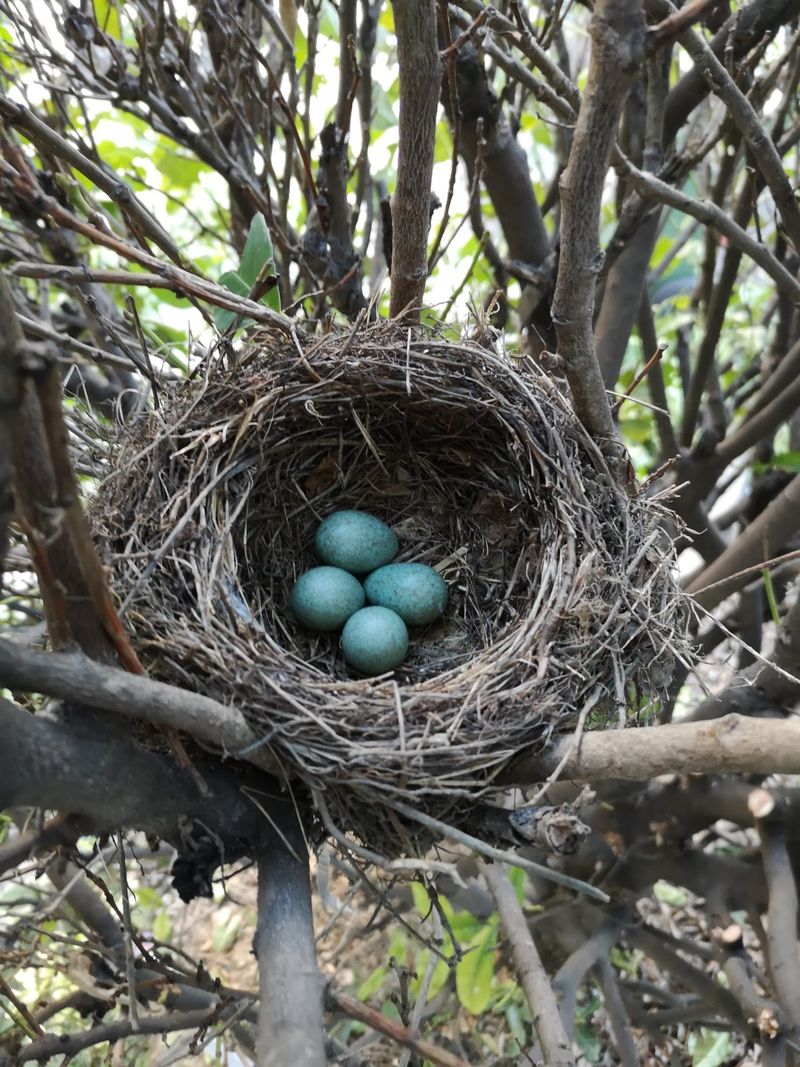
Shrubs are prime nesting spots for many backyard birds during summer. Before you cut a single branch, take a slow and careful look through the canopy for any signs of nesting activity.
Look for small cup-shaped structures woven from grass, twigs, or plant fibers. Some are tucked so far inside the shrub that you have to gently pull branches apart to spot them.
A flashlight can help in dense foliage.
Mockingbirds, cardinals, and sparrows are common nesters in residential shrubs across the Southeast. Disturbing an active nest with eggs or young birds in it can cause the parents to abandon the site.
It’s worth taking a few extra minutes to check thoroughly.
If you find an active nest, the right move is to wait. Most songbird nesting cycles run three to six weeks from egg-laying to fledgling departure.
Mark the area and come back once the nest is empty and the birds have moved on.
Pruning around an inactive nest is fine. Old, abandoned nests with no eggs or birds present aren’t a reason to delay your work.
Just confirm the nest is truly empty before you start cutting nearby branches.
Being thoughtful here costs you very little time.
6. Inspect Leaves And Stems For Disease Or Insect Damage
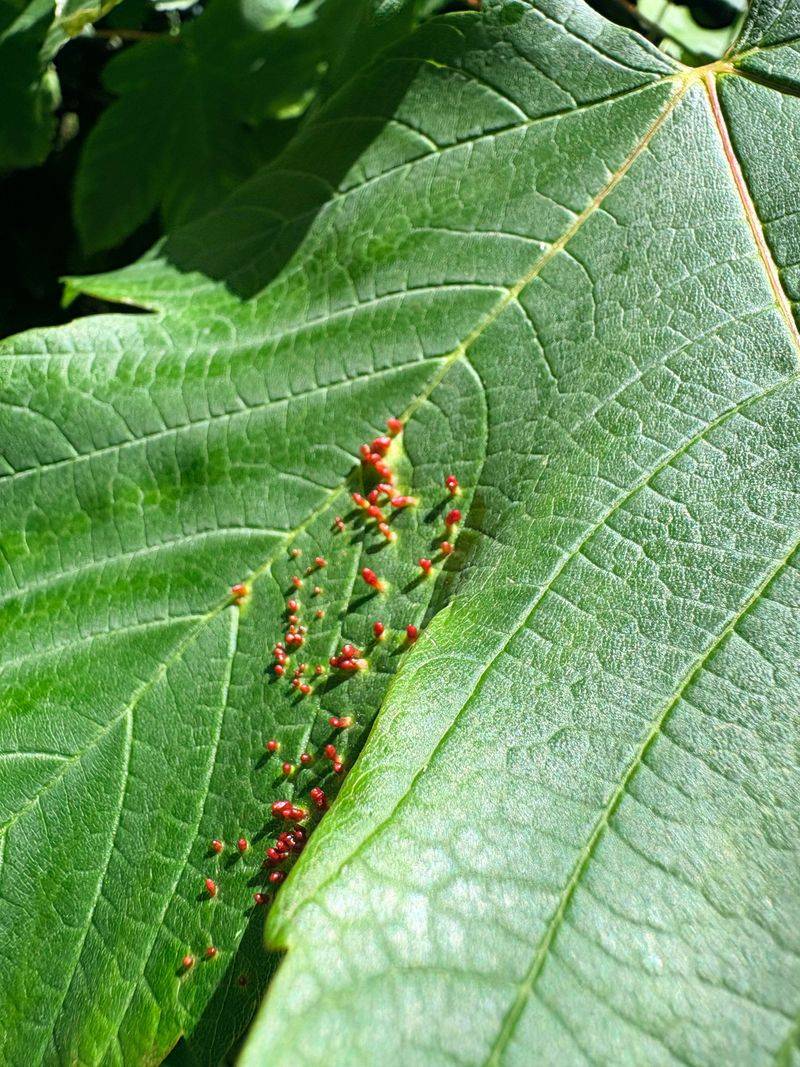
Pruning a shrub that’s already dealing with disease or pests without checking first can spread the problem further. A quick inspection before you start is worth every second it takes.
Look for spots, lesions, or unusual discoloration on leaves. Powdery white coating, yellowing that doesn’t match drought stress, or sticky residue on stems are all signs something is off.
Catching these early changes what you do next.
Check under the leaves too. Many common insects, including aphids and spider mites, cluster on the undersides of foliage where they’re easy to miss.
A hand lens or even a phone camera zoomed in close can reveal what the naked eye might overlook.
If you find disease, disinfect your pruning tools between cuts. Spreading infected plant material from one branch to another is a fast way to turn a small problem into a bigger one.
Wiping blades with a diluted bleach solution between cuts is a practical precaution.
Insect damage that’s isolated to a few branches can sometimes be resolved through pruning alone. Remove the affected sections and dispose of them away from your garden beds.
Don’t leave diseased or pest-ridden clippings on the ground nearby.
7. Look For Signs Of Drought Stress First
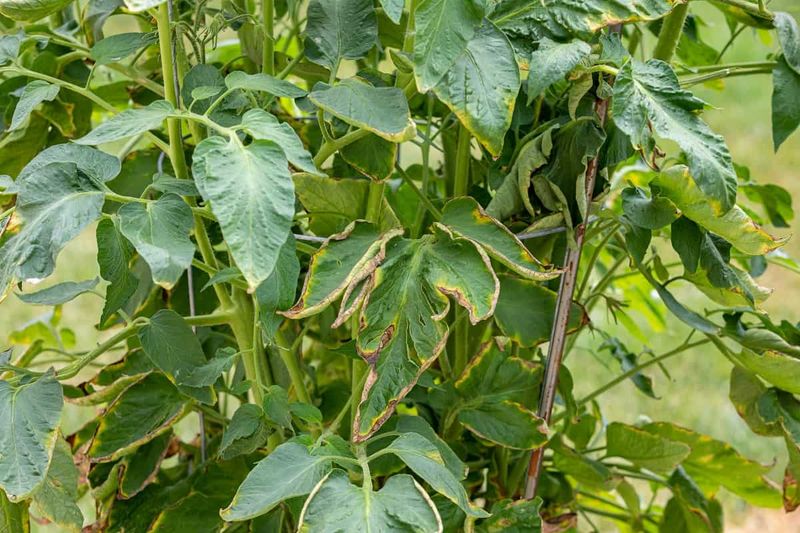
A shrub showing drought stress is already under pressure. Adding the additional strain of pruning on top of that can push it past the point where recovery comes easily.
Curling or wilting leaves during the morning hours are a clear warning sign. Most shrubs look a bit tired by afternoon on a hot day, but morning wilting suggests the plant isn’t getting enough water to function normally.
That’s not the right time to prune.
Check the soil at the base of the shrub before grabbing your tools. If the top two inches are bone dry and the leaves look dull or droopy, water first and give the plant a day or two to recover.
Pruning a hydrated shrub is much safer than cutting one that’s already struggling.
Drought stress can also mimic disease symptoms. Yellowing, leaf drop, and browning edges can look like a fungal problem when the real cause is simply lack of water.
Ruling out drought before assuming disease saves you from treating the wrong issue.
Watering deeply before pruning is a good habit in general. A well-hydrated shrub seals cuts faster and pushes new growth more reliably than one that’s been running dry.
In Georgia’s summer heat, soil moisture drops quickly, so checking it regularly matters.
8. Choose A Day With Mild And Dry Weather
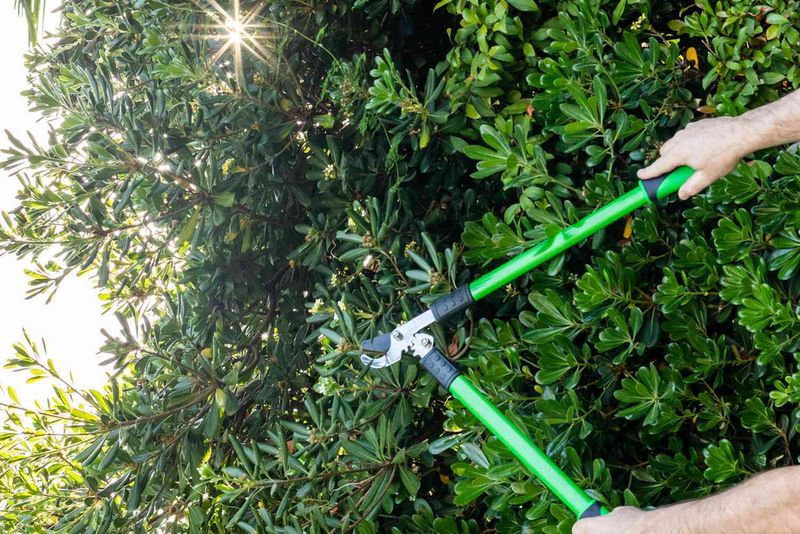
Weather matters more than most people realize when it comes to pruning. Cutting on the right day gives shrubs a real advantage in how quickly and cleanly they recover.
Humid, overcast days with rain in the forecast are not ideal. Moisture sitting on fresh cuts creates conditions where fungal issues can take hold more easily.
Dry air helps cut surfaces close faster and reduces that risk.
Look for a day when temperatures sit somewhere between the upper 60s and low 80s if possible. That range gives the plant comfortable conditions to begin sealing its wounds without the added pressure of intense heat.
In summer, those windows can be short, so watch the forecast a few days out.
Avoid pruning right before or after heavy rain. Wet foliage and saturated soil make the work messier and can stress the root zone further when branches are removed.
Waiting for a dry stretch of two or three days is worth it.
Windy days are also worth skipping. Strong wind can dry out fresh cuts faster than the plant can respond, especially on younger or smaller shrubs.
Calm, mild conditions give the best results across the board.
Planning your pruning session around the weather is a small habit that makes a noticeable difference.