Why Arizona Gardeners Paint Citrus Tree Trunks White Before August
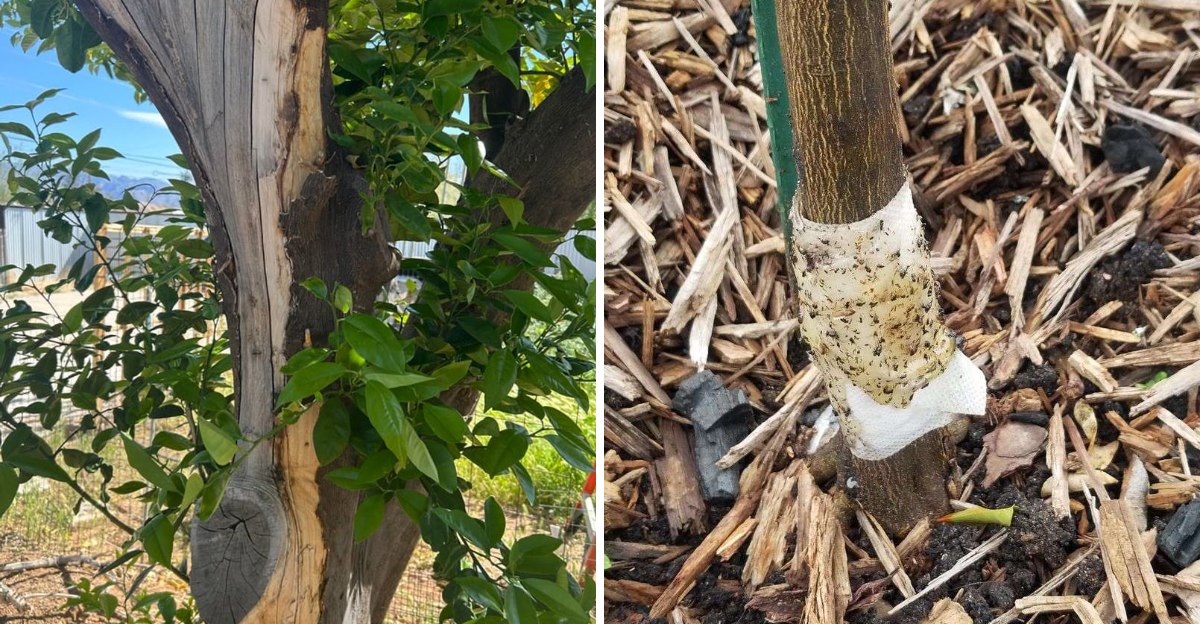
Arizona summer does not just stress leaves. It can punish bark.
By late July, the sun hits hard from morning into evening, patios throw heat back upward, gravel landscapes radiate warmth, and exposed trunks sit in the blast zone with no escape.
A tree may look fine from across the yard while its bark quietly takes the worst of the season.
That is why many desert gardeners reach for white paint before August. Not for looks. Not for tradition. For protection.
A thin coat of diluted white water-based paint can reflect harsh sunlight, keep bark cooler, and help prevent the kind of trunk damage that can set a tree back for years.
Young trees, recently pruned trees, and trunks suddenly exposed after branch loss are especially vulnerable during the hottest stretch.
So why does this simple white coating matter so much before August arrives?
Start with the desert sun. Once bark is exposed, prevention is much easier than repair, and a few careful brushstrokes can save the trunk from a brutal summer lesson.
1. Sunscald Is The Reason
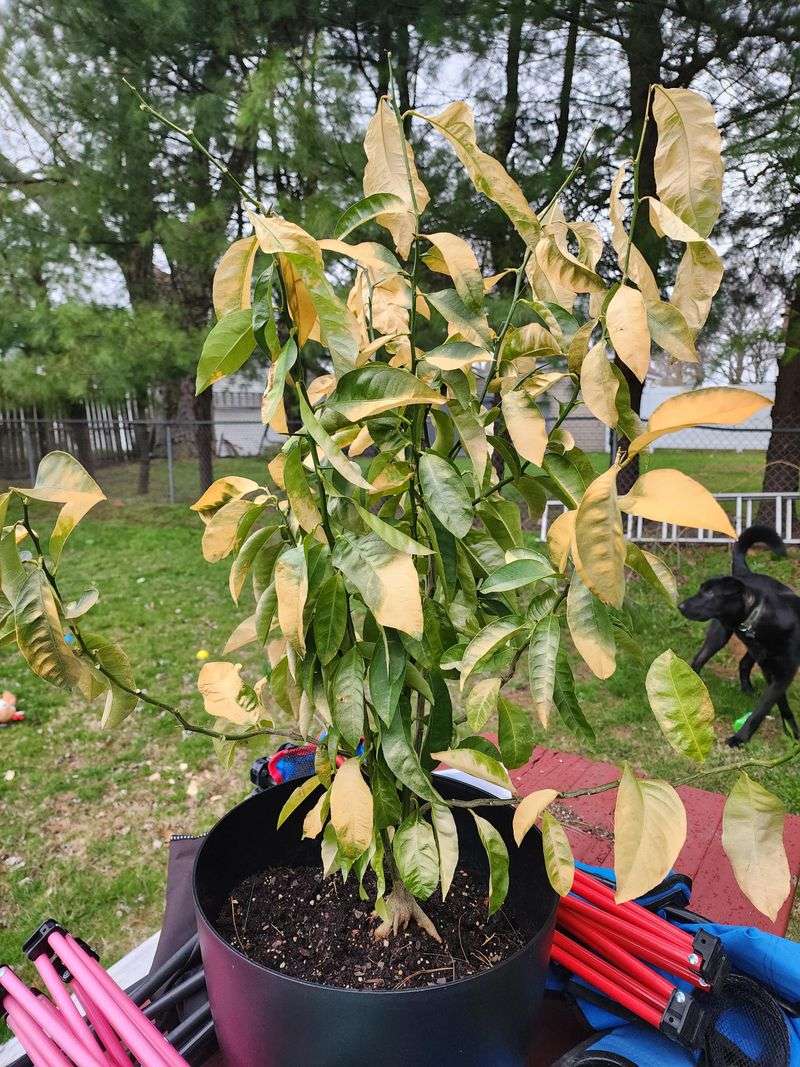
Arizona bark can get sunburned.
On citrus trees, that problem is usually called sunscald. It happens when intense sunlight heats exposed bark beyond what the tissue can tolerate. The outer bark can crack, peel, discolor, or separate from the wood beneath it.
That damage is more than cosmetic.
Bark protects the living tissue that helps move water and nutrients through the tree. Once that protective layer is injured, the trunk becomes more vulnerable to heat, pests, disease issues, and long-term stress.
White paint helps by reflecting sunlight.
A pale trunk surface absorbs less heat than bare, darker bark. During an Arizona afternoon, that temperature difference can matter a lot.
The paint acts like sunscreen for the trunk, bouncing away some of the rays before they build into damaging heat.
This is especially important on the south and west sides.
Those sides often take the strongest afternoon exposure, which makes them common places for sunscald to appear. A full trunk coating is safer than trying to guess exactly which side will suffer most.
The key is acting early.
Once bark damage appears, the tree cannot simply patch itself overnight. Recovery is slow, and the trunk may stay vulnerable for a long time.
A paintbrush before August is not overkill.
It is desert common sense with bristles.
2. Exposed Bark Takes The Hit
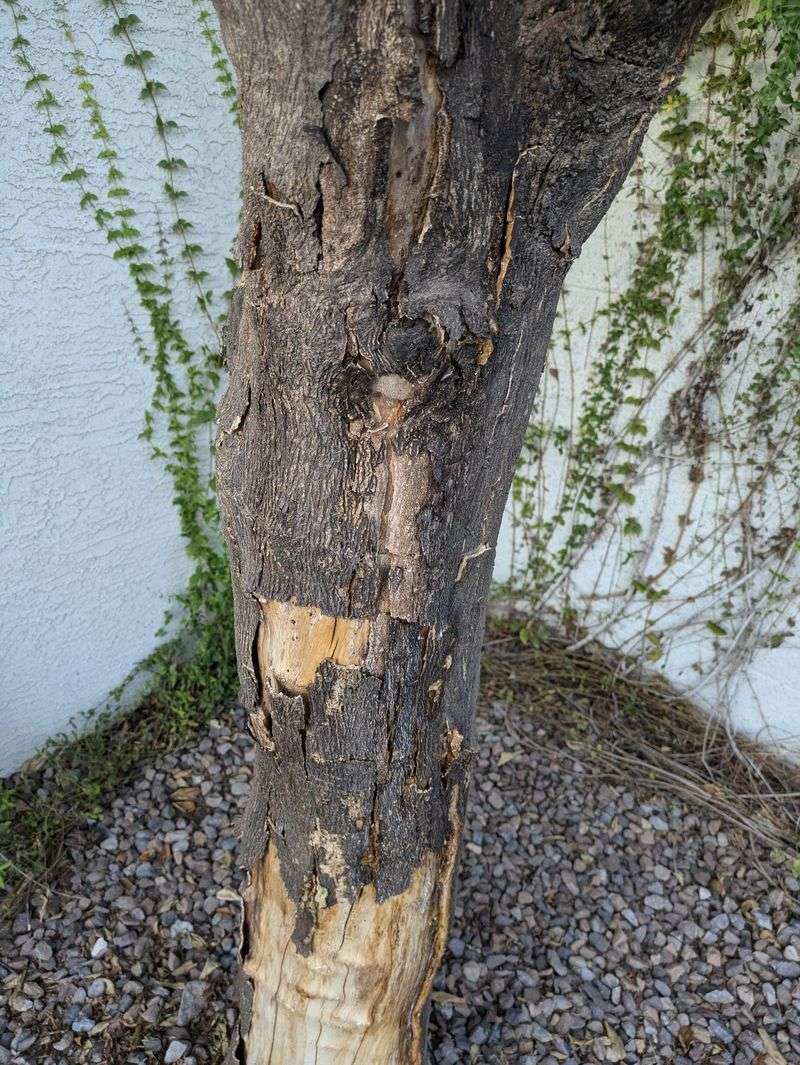
Bark that used to be shaded is not ready for full Arizona sun.
That is the problem after pruning, limb breakage, or planting a young tree with a small canopy. One day the trunk has leaf cover. Then suddenly, the bark is sitting in direct sunlight during the harshest part of summer.
That sudden exposure is risky.
Trunk tissue that developed under shade has not toughened against intense sun. It can scorch quickly, especially during late July and August when heat, reflected light, and dry air stack together.
Freshly pruned trees need attention right away.
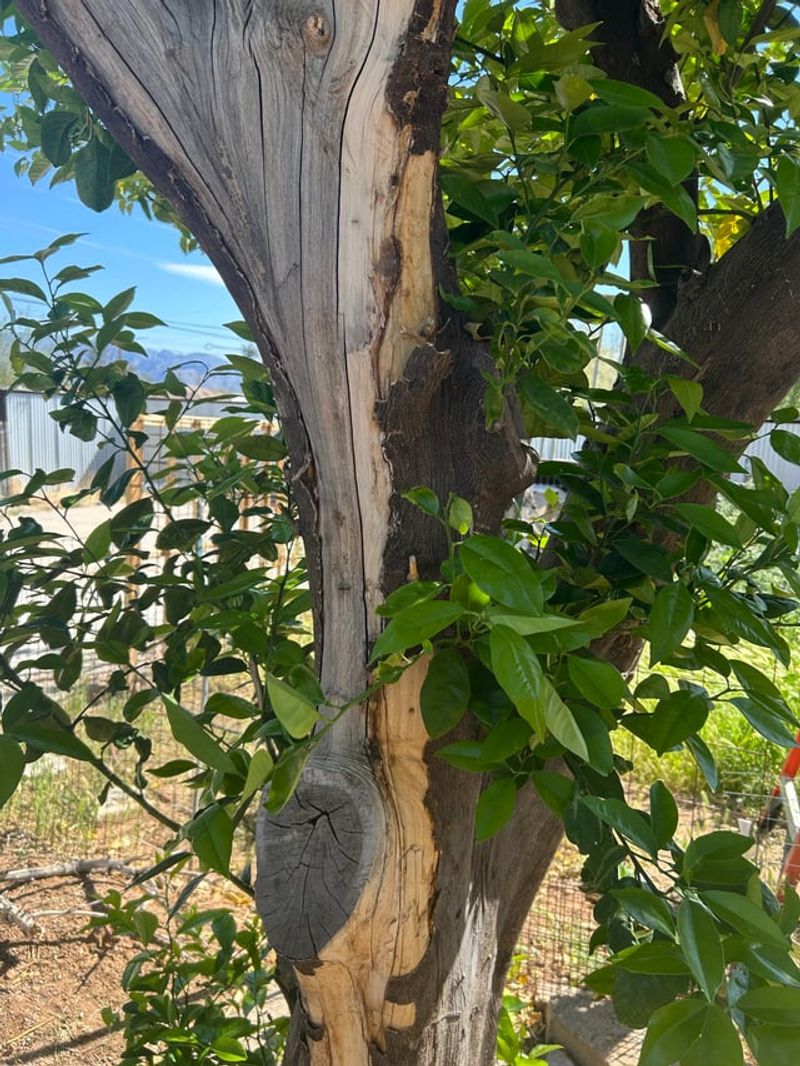
Removing branches can make the tree look cleaner, but it also removes shade. A cut that opens the canopy may expose bark that has been protected for years. That newly revealed area should be painted before it spends days under direct sun.
Your Arizona Garden Changes Every Week. Your Plan Should Too.
Gardening in Arizona changes quickly throughout the season. Every Friday you’ll receive a simple weekly plan showing exactly what to plant, prune, fertilize, harvest, and protect so you never miss the right timing.
Young trees are even more vulnerable.
Their bark is thin, and their canopies are not large enough to shade the trunk well. A nursery tree planted in winter or spring may look comfortable at first, then struggle once summer sun shifts overhead and blasts the trunk directly.
Wind damage can create the same issue.
A broken branch may leave one side of the trunk suddenly exposed. Paint the exposed section as soon as possible after cleanup.
The tree does not need a dramatic rescue later.
It needs protection at the moment shade disappears. Arizona sun wastes no time, so gardeners should not either.
3. White Paint Reflects Harsh Sun
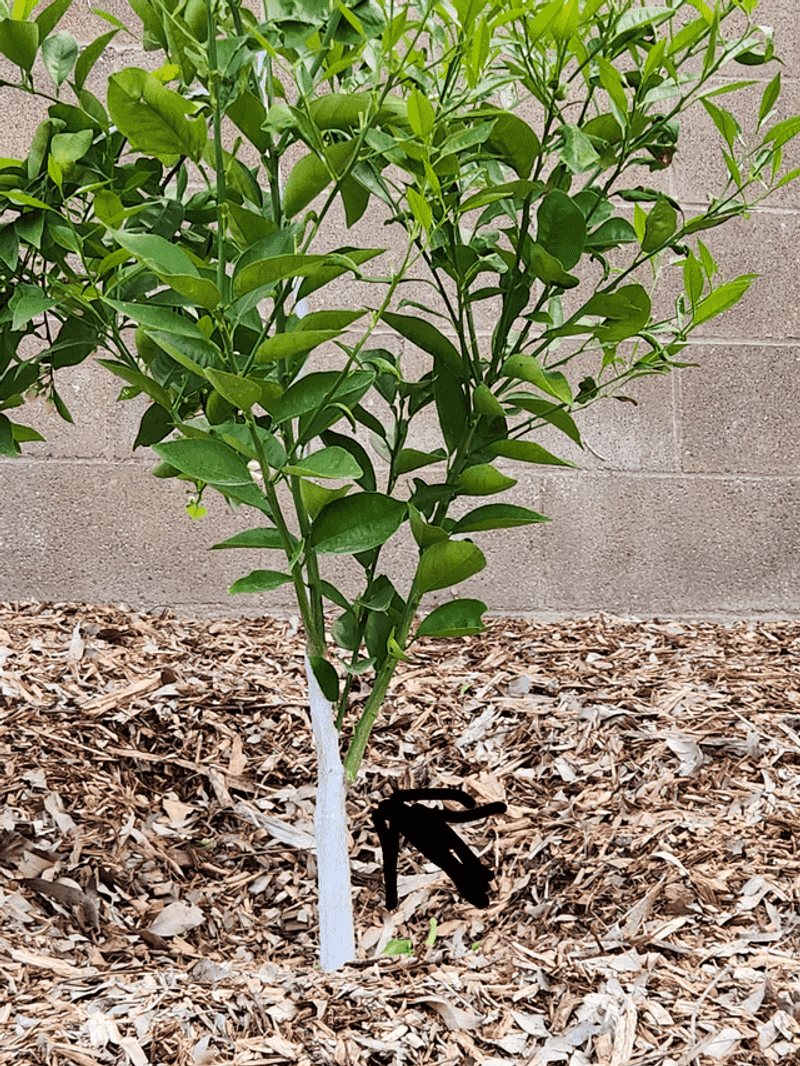
White paint is practical desert armor.
Dark bark absorbs heat. White paint reflects it. That simple color difference can keep trunk surfaces much cooler during peak summer sun, which is exactly what citrus trees need in Arizona landscapes.
The goal is reflection, not decoration.
A painted trunk may look unusual to someone from a cooler climate, but in desert yards and groves, it is a smart protective habit.
The white surface reduces heat buildup on bark, especially during long afternoons when sunlight strikes the trunk at a punishing angle.
This matters most near gravel, walls, and patios.
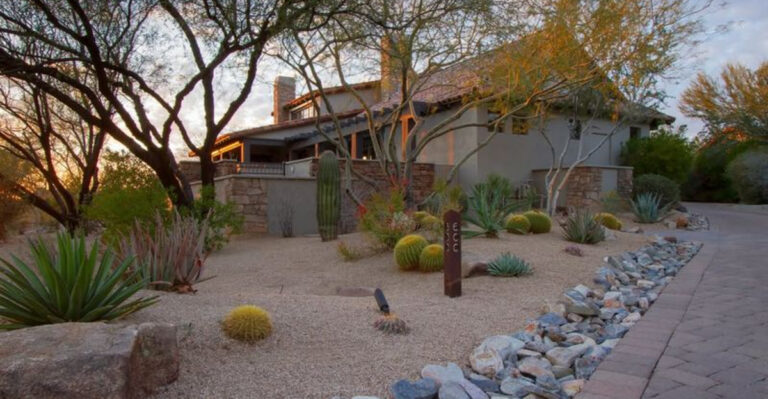
Rock mulch, block walls, stucco, concrete, and pavers can bounce heat and light back toward the tree. That reflected heat can make bark exposure worse, even when the air temperature alone is already brutal.
Paint the trunk from the soil line upward.
Cover the main trunk and any large exposed limbs that receive direct sun. Focus on bark that lacks natural shade from leaves. The south and west-facing areas deserve extra attention, but full coverage is usually the safer move.
A thin coat is enough.
The bark does not need to disappear under thick paint. It needs a breathable, reflective layer that lowers heat stress without sealing the tree too heavily.
White paint may not look glamorous.
Neither does sunscald. Between the two, the paint wins every Arizona summer.
4. Water Based Paint Is The Choice
Use the right paint or skip the project until you have it.
Citrus trunks should be painted with white water-based latex paint, usually diluted with water. The key word is water-based.
Oil-based paint does not belong on tree bark because it can trap heat and moisture in ways that create new problems.
Plain white latex is enough.
A basic interior or exterior latex paint can work. Specialty wound sealers and heavy coatings are not needed for sun protection, and many are less useful than gardeners expect. Simple is better here.
Dilution helps the bark breathe.
A common mix is roughly equal parts white latex paint and water. That creates a thinner coating that spreads easily, reflects sunlight, and avoids going on like a heavy shell. Stir it well before brushing it onto the trunk.
Avoid dark colors.
Even light beige or gray is not as effective as white. The whole point is maximum reflection. Arizona sun is not the place for subtle trunk fashion.
Apply with a brush.
A brush lets you work the mixture into bark texture and cover exposed sides evenly. Sprays can miss grooves, drift in wind, and coat nearby leaves or soil. A simple brush gives better control.
Do not paint leaves, buds, or green tender growth.
Stick to exposed woody bark. Let the paint dry, then check coverage from several angles.
The right paint protects.
The wrong paint creates a new headache. Citrus trunks deserve sunscreen, not a sealed plastic jacket.
5. Young Trees Need Extra Cover
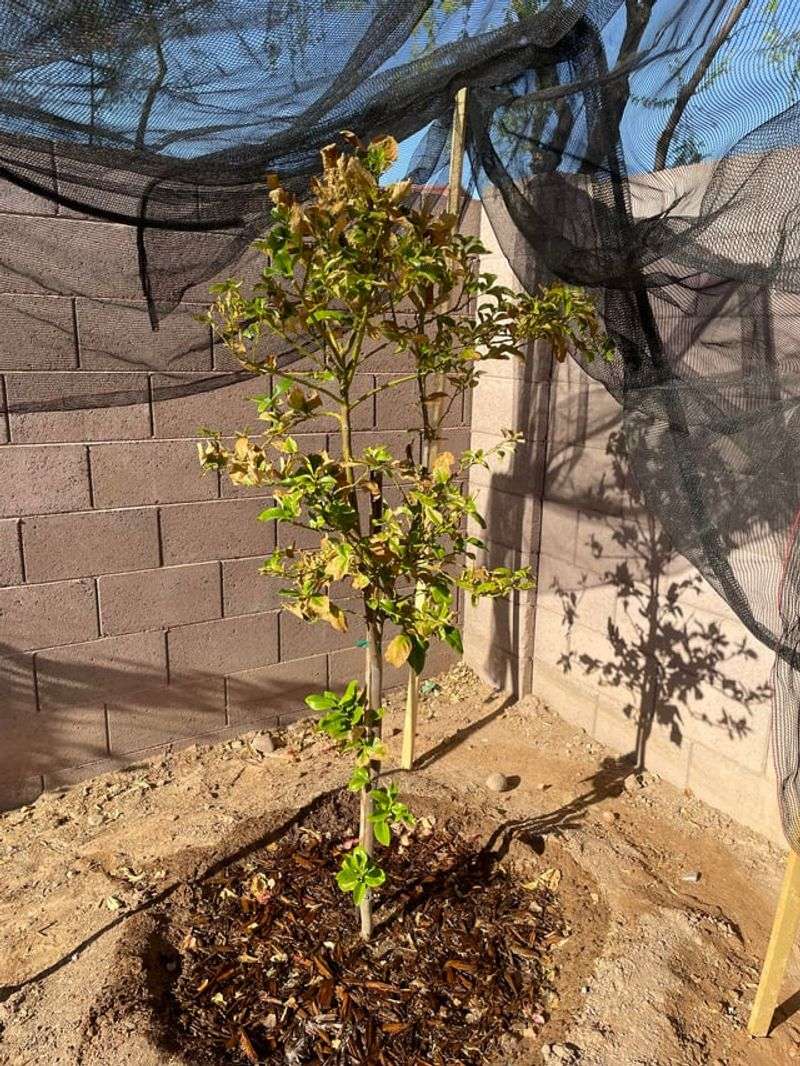
Young citrus trees need trunk protection from the start.
They do not have enough canopy to shade themselves well, and their bark is still thin. That makes newly planted trees especially vulnerable during their first Arizona summers.
Paint right after planting.
Do not wait for the first heat wave to make the decision. Cover the trunk from the soil line up to the lower canopy, and include any exposed scaffold limbs that receive direct sun.
Those first seasons matter.
A young tree is already working to establish roots, manage water, and adjust to its new site. Sunscald adds stress at the worst possible time. Preventing bark damage gives the tree a better chance to focus on growth instead of recovery.
Check coverage through summer.
Irrigation splash, dust, rain, rubbing, or natural bark growth can wear the coating thin. A quick inspection every few weeks helps you catch faded or cracked paint before the hottest stretch does damage.
Container citrus needs protection too.
Potted trees on patios can face intense reflected heat from walls, tile, stone, or concrete. Their trunks may be just as exposed as in-ground trees, sometimes more.
Shade can help, but paint is still useful.
A young tree may not always stay in the perfect spot, and sun angles shift through the season. Paint gives steady protection even when shade moves.
Young citrus has plenty of growing to do.
A white trunk coating helps make sure the desert sun does not write the first hard chapter.
6. Pruning Timing Matters First
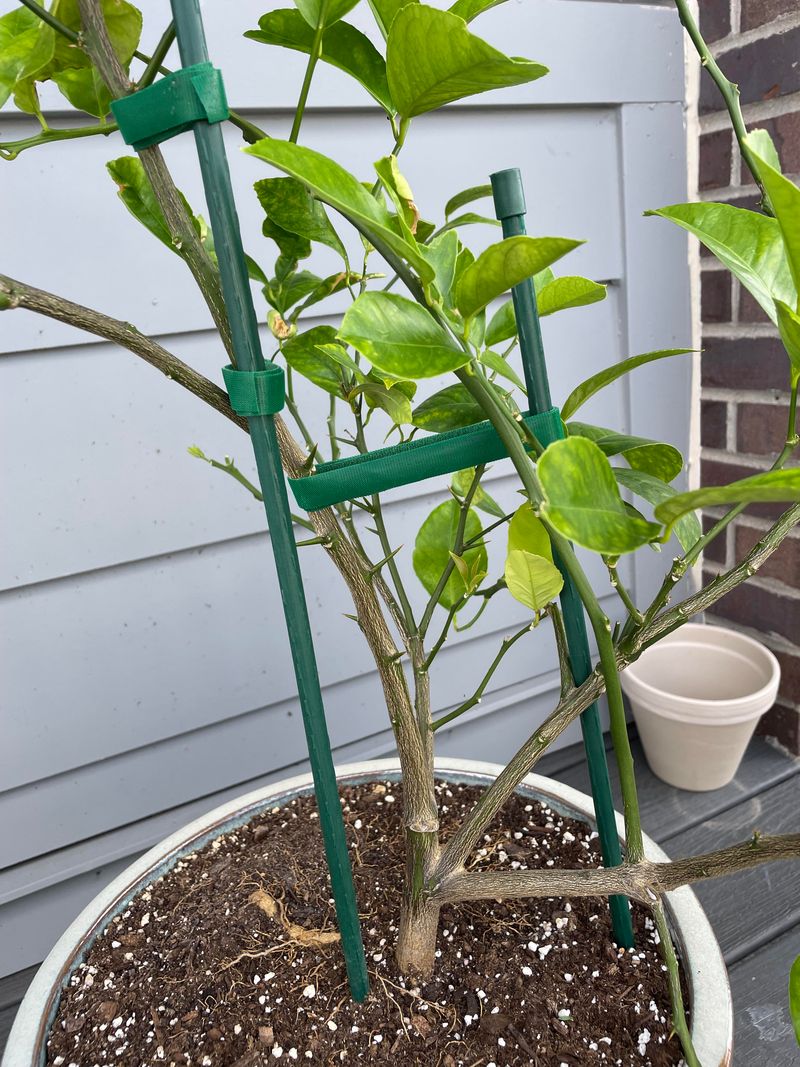
The best sunscald prevention starts before pruning.
Heavy summer pruning can expose bark right before the most punishing heat arrives. That is a rough combination for Arizona citrus. A tree may look tidy afterward, but the trunk and major limbs may suddenly lose the shade they depended on.
Avoid major canopy removal before peak heat.
Late spring and early summer are risky times for aggressive pruning because the tree is heading straight into the harshest sun. Removing too much foliage then can leave bark exposed for weeks of extreme temperatures.
Light cleanup is different.
Removing broken, diseased, or badly crossing branches can be necessary. Just avoid opening the canopy dramatically during the heat season. Citrus trees need their leaves for food and shade.
Pruning and painting should work together.
When cuts expose previously shaded bark, paint that bark promptly. Do not wait to see whether damage appears. By then, the trunk has already taken the hit.
Late winter or early spring is usually a better window for bigger pruning.
The tree has more time to recover and produce shade before summer arrives. Even then, any newly exposed limbs may still need paint before hot weather builds.
Step back before cutting.
Ask which branches are shading the trunk. Removing them may solve one shape issue while creating a sun problem.
Arizona citrus pruning is not just about structure.
It is about shade management. The best cut is sometimes the one that keeps the trunk covered.
7. Wraps Can Trap Problems
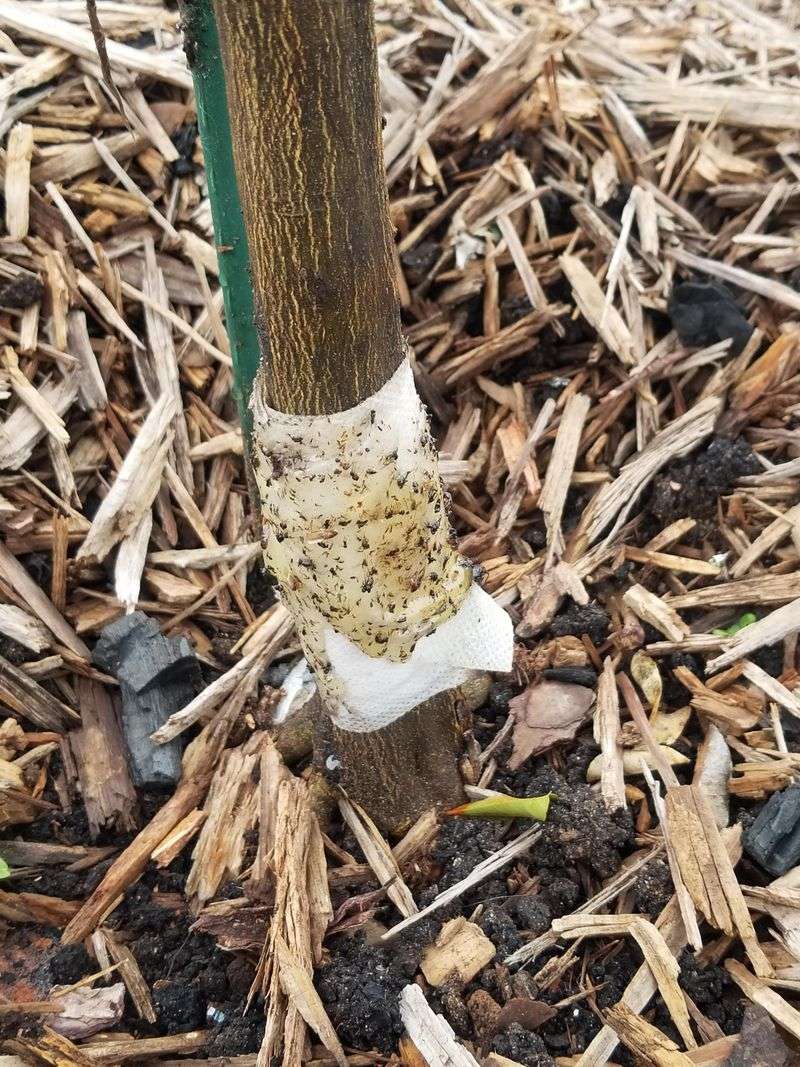
Tree wraps sound helpful, but Arizona makes them tricky.
A wrap can block sun, but it can also trap heat, moisture, insects, and hidden bark problems. In a desert climate with extreme heat and monsoon humidity swings, that covered space can become a place where trouble starts unnoticed.
Paint is usually simpler.
A thin coat of white water-based latex reflects sunlight while leaving no loose space for pests to hide. It also allows gardeners to see the trunk clearly during inspections.
Wraps can shift or tighten.
As a young tree grows, a wrap that once fit well may press against the bark. Wind can loosen it. Irrigation can wet it. Dust and debris can collect underneath. All of that makes regular checking necessary.
Hidden damage is the biggest concern.
A gardener may think the trunk is protected, while insects, moisture, or bark injury sit under the wrap out of view. By the time the wrap comes off, the problem may be more advanced.
Temporary wraps can have limited uses.
They should be checked often, removed for inspection, and never forgotten. A permanent wrap in Arizona heat is rarely the low-maintenance solution it appears to be.
White paint does not create a secret compartment.
That is part of its charm. You can see the bark, monitor the coating, and reapply when needed without unwrapping anything.
The goal is protection, not mystery.
Citrus trunks have enough challenges without wearing a hidden problem sleeve through August.