Georgia Homeowners Keep Making This Zoysia Mowing Mistake All Summer Long
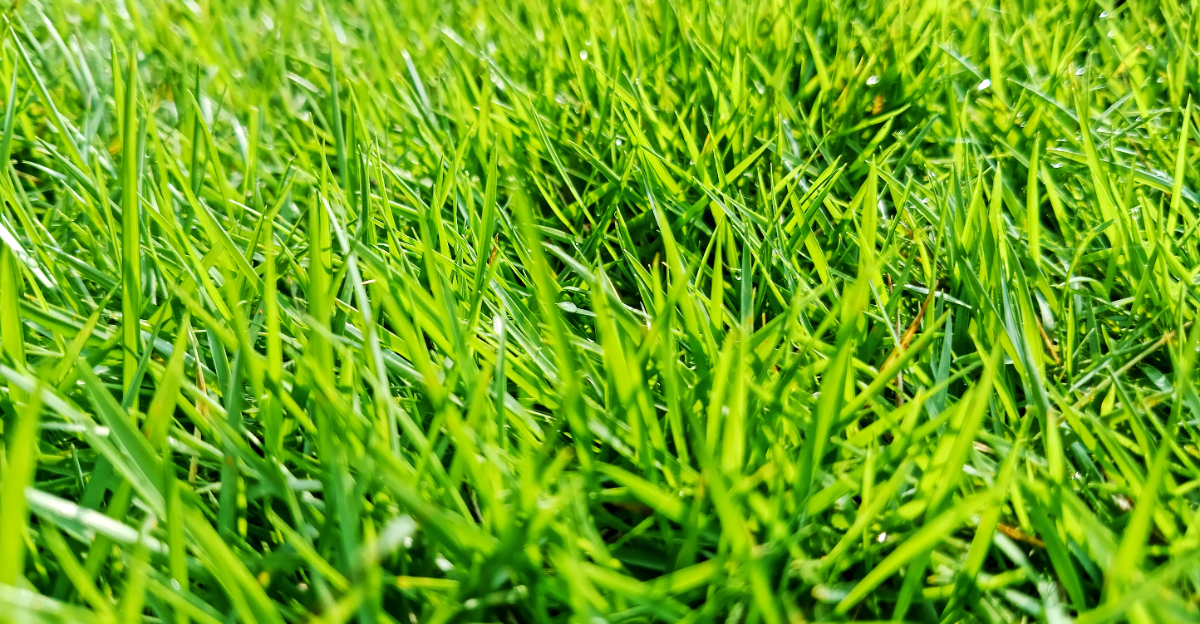
Your zoysia might be thinning out for one reason you haven’t considered: the blade height on your mower. Georgia lawns take this hit every summer, and most homeowners never trace the damage back to its actual source.
Zoysia grows dense and slow, which makes it forgiving in almost every way except one. Cut it too low, and you strip away the growing points that keep the grass thick and green.
The scalped patches that follow don’t heal fast, either. Recovery can drag on for weeks, especially once the heat sets in and the soil dries out.
The fix isn’t complicated, but it does require breaking a habit most people picked up mowing other grass types. A few adjustments to your routine now can protect your lawn through the hottest stretch of the season.
Cutting Zoysia Too Short Is Doing More Harm Than Good
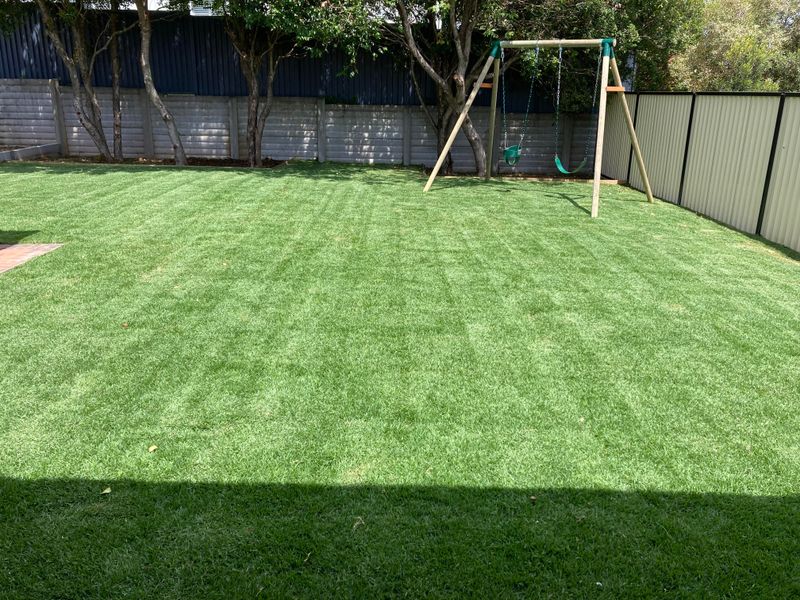
Your mower deck might be set way too low right now. Many Georgia homeowners cut their zoysia grass as short as possible, thinking it looks cleaner and saves time between mows.
That logic feels right, but it backfires fast. Zoysia grows differently than other grasses, and cutting it too short removes the green, living tissue that powers the whole plant.
What gets left behind is the brown, woody stem layer called the thatch. That layer cannot photosynthesize, so the lawn struggles hard to bounce back.
This zoysia mowing mistake happens in nearly every neighborhood across the state each summer. Homeowners see a scalped lawn and assume it just needs water, but moisture alone cannot fix what the mower already removed.
Zoysia thrives best when kept between one and two inches tall. Below that range, the grass loses its ability to shade its own roots from brutal afternoon heat.
Shaded roots stay cooler and hold moisture longer. Exposed roots bake quickly and create the kind of drought stress that turns a lawn from green to tan within days.
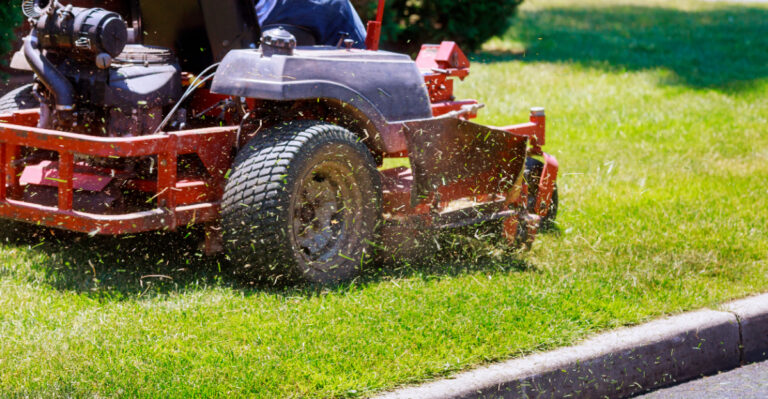
The fix starts with raising the mower deck before your next cut. Even a half-inch adjustment makes a measurable difference in how well zoysia handles Georgia summers.
Your lawn is not struggling because of the heat alone. It is struggling because the mower keeps setting it up to fail every single week.
Scalped Grass Loses Its Natural Defense Against Heat And Drought
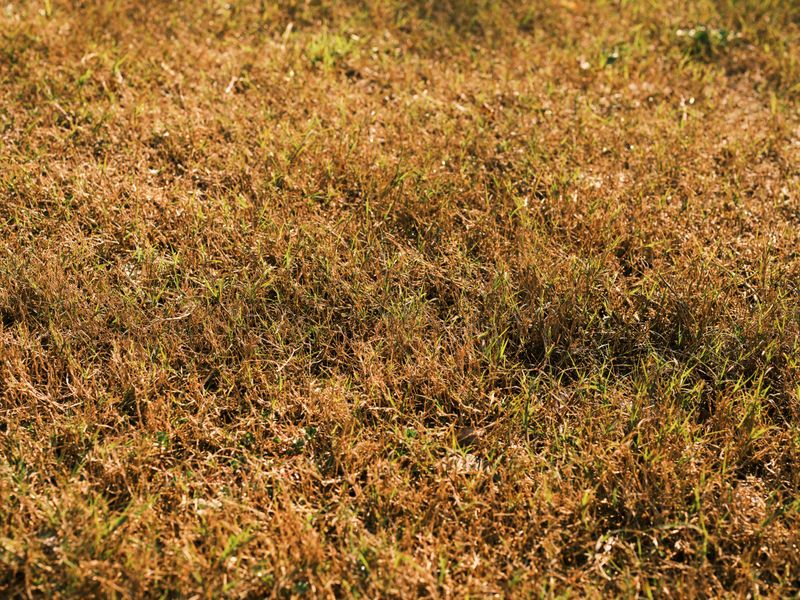
Zoysia grass is basically built for Southern summers. It handles heat, humidity, and dry spells better than most turfgrass options available to Georgia homeowners.
But that toughness depends on one key condition: the grass blades must be tall enough to protect the soil beneath them. When blades get cut too short, the natural defense system breaks down fast.
Think of grass blades like a tiny umbrella over your soil. They block direct sunlight, trap moisture near the roots, and keep ground temperatures from spiking during peak afternoon hours.
Scalped zoysia loses that umbrella effect instantly. Soil temperatures under short-cut grass can run noticeably hotter than soil under properly maintained turf.
Your Georgia Garden Changes Every Week. Your Plan Should Too.
Gardening in Georgia changes quickly throughout the season. Every Friday you’ll receive a simple weekly plan showing exactly what to plant, prune, fertilize, harvest, and protect so you never miss the right timing.
That extra heat accelerates moisture loss at a shocking rate. Roots that would normally stay hydrated for days can dry out much faster when the blades above them disappear.
This is why scalped lawns turn brown so fast after a mow. The grass is not responding to the heat outside, it is responding to the heat generated right at ground level.
Drought stress from scalping also weakens the plant’s immune system. Weak zoysia becomes a welcome mat for fungal disease, insect pressure, and weed invasion.
Keeping grass blades at the right height is the simplest form of lawn protection available. Few things do more for your zoysia each summer than simply keeping the blade length right.
Removing Too Much Blade At Once Shocks The Whole Lawn
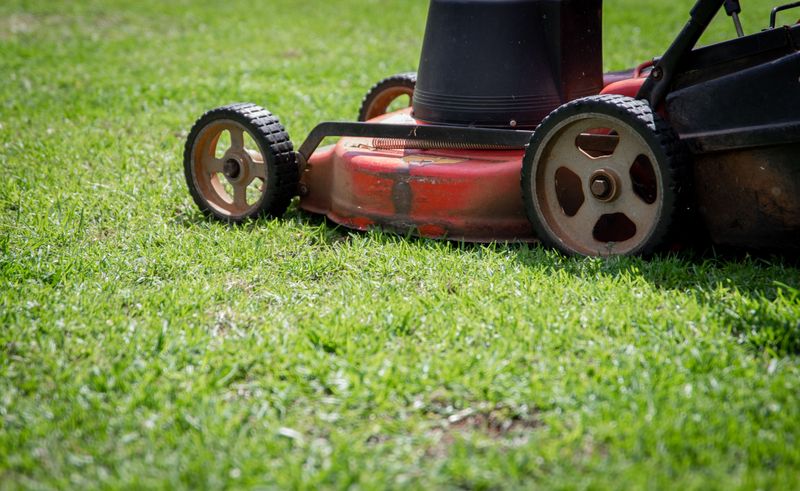
Skipping a mow or two feels harmless at the time. Life gets busy, rain keeps falling, and suddenly the zoysia is four inches tall and looks like a small meadow.
The instinct is to fire up the mower and cut it all down in one pass. That single decision sends the entire lawn into shock, and recovery can take weeks in peak summer heat.
Grass plants produce energy through their leaf tissue. When you remove a large portion of that tissue at once, the plant has almost nothing left to fuel new growth.
This kind of shock hits zoysia especially hard during hot months. The grass redirects all its remaining energy into survival mode instead of spreading and growing strong.
Yellowing usually appears first, within a few days after the cut. Then thinning starts, and bare spots open up where the grass simply cannot keep pace with recovery demands.
Weeds love these bare spots. Crabgrass, nutsedge, and other summer weeds move in fast when zoysia thins out from shock-related stress.
The smart approach after missing mows is to cut in stages. Raise the deck and take off just a portion of the height, then wait a few days before cutting again.
Gradual reduction lets the plant adjust without losing its energy supply. Patience here pays off with a lawn that stays thick, green, and weed-resistant all season long.
The One-Third Rule Keeps Zoysia Healthy Through Summer
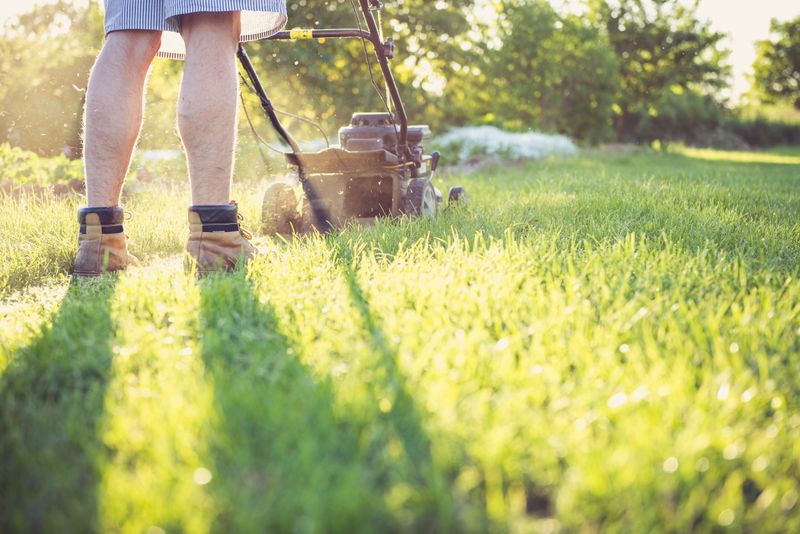
There is one mowing guideline that lawn professionals repeat constantly, and it works every single time. Never remove more than one-third of the grass blade in a single mowing session.
For zoysia kept at two inches, that means mowing before it reaches three inches tall. Simple math, but it changes everything about how the lawn handles summer stress.
The one-third rule exists because of how grass plants store and use energy. The upper portion of each blade holds the most active, photosynthesis-ready tissue in the plant.
Cutting into the lower third removes mostly older tissue and approaches the thatch layer. That is where scalping begins, and where the zoysia mowing mistake cycle kicks into full gear.
Following this rule requires mowing more frequently during peak growing season. Zoysia grows fastest between late spring and midsummer, sometimes pushing half an inch of new growth within a week.
Mowing every five to seven days during that window keeps growth inside the safe zone. Once August heat slows growth down, mowing every ten days or so becomes perfectly adequate.
A consistent schedule also reduces the temptation to cut extra short to buy more time between sessions. Short cuts always create more problems than the time they supposedly save.
The one-third rule is one of the most effective habits any Georgia homeowner can build. Master it, and zoysia rewards you with a dense, self-protecting turf that handles summer like a champion.
Dull Blades Make The Mistake Even Worse
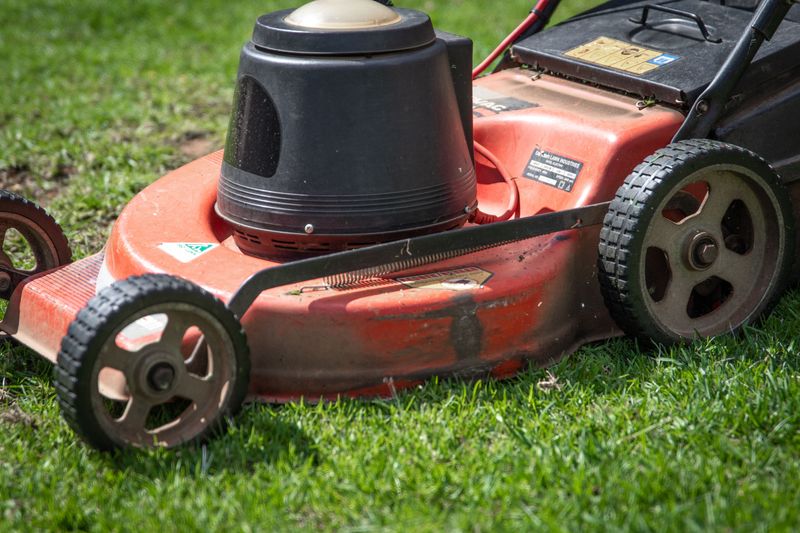
A sharp mower blade cuts clean. A dull one tears, shreds, and bruises every single grass blade it touches, and most homeowners never think to check blade sharpness.
Dull blades turn an already stressful mow into a damaging event. Torn grass tips turn white or tan within hours, making the lawn look like it was mowed with a butter knife.
Those ragged cuts are not just ugly. They create open wounds across thousands of grass blades, and each wound becomes an entry point for fungal pathogens and bacterial problems.
Summer heat and humidity in Georgia create ideal conditions for lawn disease. Dull-blade damage combined with high moisture levels is practically an invitation for brown patch and other fungal issues to spread.
Sharpening mower blades is one of the most overlooked steps in lawn care. Most homeowners sharpen once a season, if at all, but blades should be sharpened every twenty to twenty-five hours of mowing time.
For a typical Georgia lawn, that translates to sharpening roughly two to three times across the active growing season. A sharp blade costs nothing but a little time at a hardware store.
The difference in lawn appearance after switching to a sharp blade is immediate and striking. Grass tips stay green and intact, stress recovery speeds up, and the overall cut looks professional rather than ragged.
Pair sharp blades with proper cutting height, and the zoysia mowing mistake becomes almost impossible to repeat.
Simple Adjustments That Bring A Scalped Lawn Back
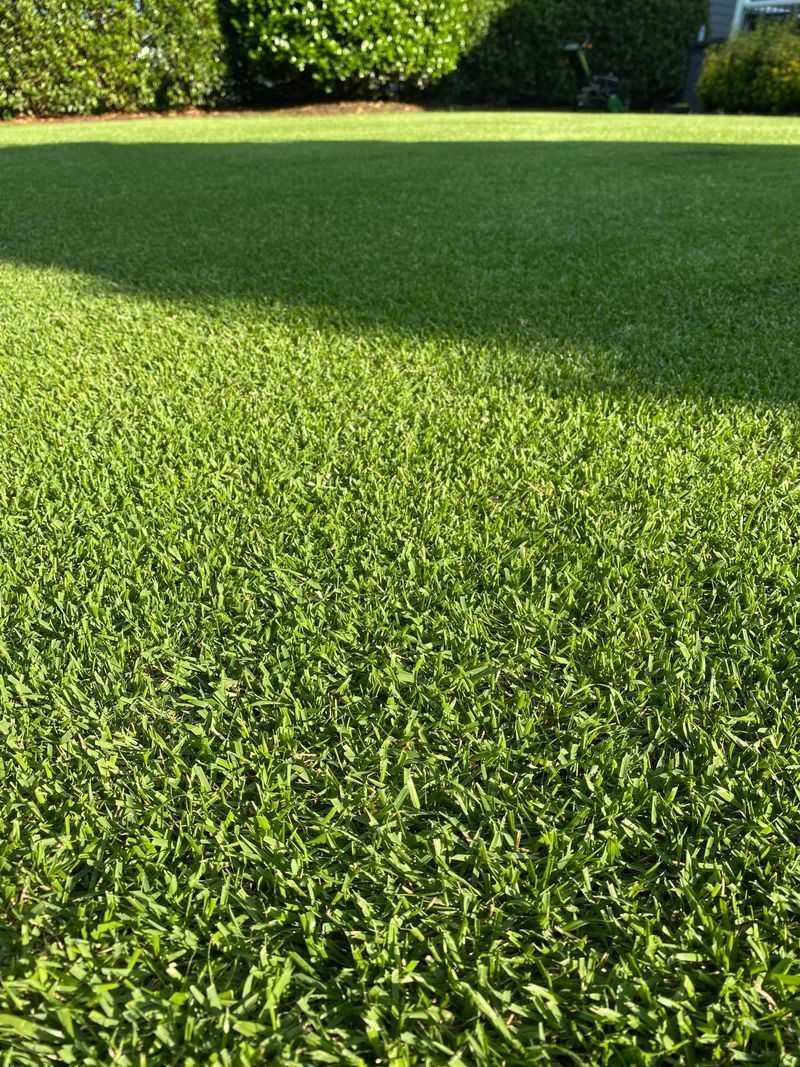
A scalped zoysia lawn is not a lost cause. With the right steps taken in the right order, most lawns recover fully within a few weeks during active growing season.
Start by raising the mower deck immediately. Do not mow again until the grass has visibly started pushing new green growth above the damaged layer.
Light, frequent watering helps the recovery process move faster. Zoysia roots need consistent moisture to fuel new blade production, but standing water encourages fungal growth, so balance is key.
Water early in the morning so blades dry before afternoon heat arrives. This simple timing habit reduces disease pressure while keeping roots adequately hydrated through the hottest part of the day.
Avoid fertilizing a scalped lawn right away. Nitrogen pushes rapid top growth, and a stressed plant cannot handle that demand when it is already struggling to rebuild its energy reserves.
Wait until the lawn shows clear signs of recovery before applying any fertilizer. A light application of a balanced, slow-release product works well once new growth is actively spreading across bare areas.
Patience is the most important ingredient in this recovery process. Rushing the mower back out before the lawn is ready just restarts the damage cycle from the beginning.
Avoiding the zoysia mowing mistake going forward is the best thing you can do for long-term lawn health. Small, consistent changes to height and frequency protect what Georgia summers would otherwise take away.