The Best Time Of Day To Water Tomatoes In Maryland To Prevent Blossom End Rot
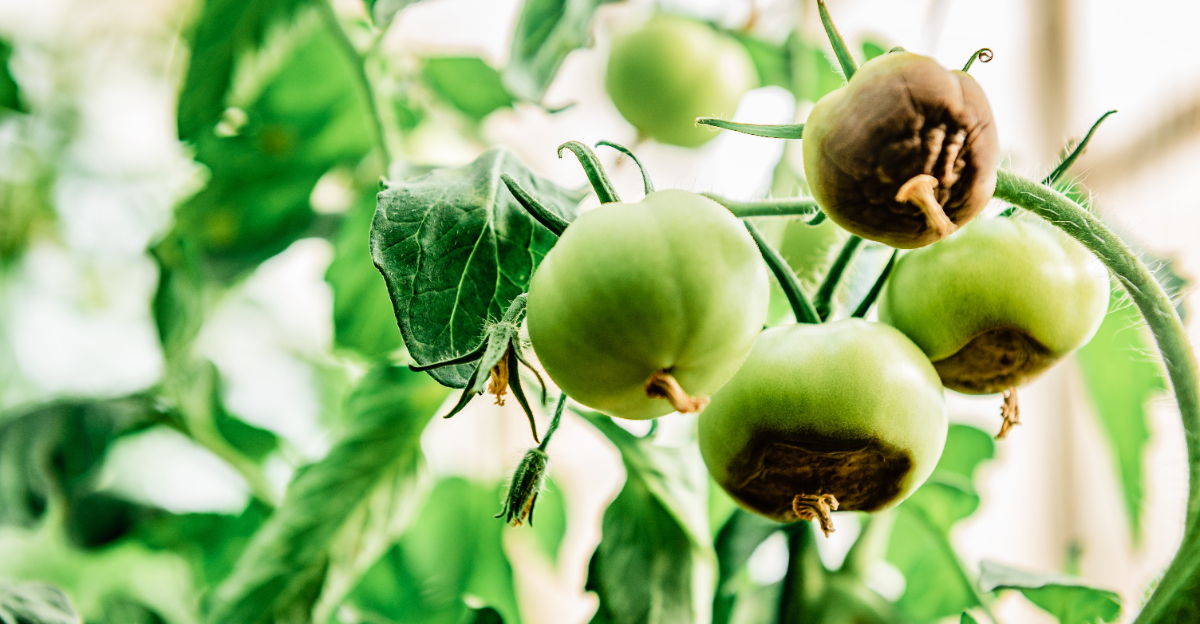
That soft, leathery bruise spreading across the base of your ripest tomato isn’t a random accident. It’s a signal your plant sent weeks before the fruit ever showed a mark.
Maryland’s clay-heavy soil and unpredictable summer downpours create the exact conditions blossom end rot thrives on. Most gardeners miss the warning until the damage is already done.
The culprit isn’t disease or pests. It’s a calcium shortage triggered by uneven watering, and the pattern often traces straight back to when you reach for the hose.
Get the timing wrong, and even healthy, well-fed plants start dropping fruit with those sunken, discolored patches.
One Simple Timing Habit Helps Prevent This Common Tomato Problem
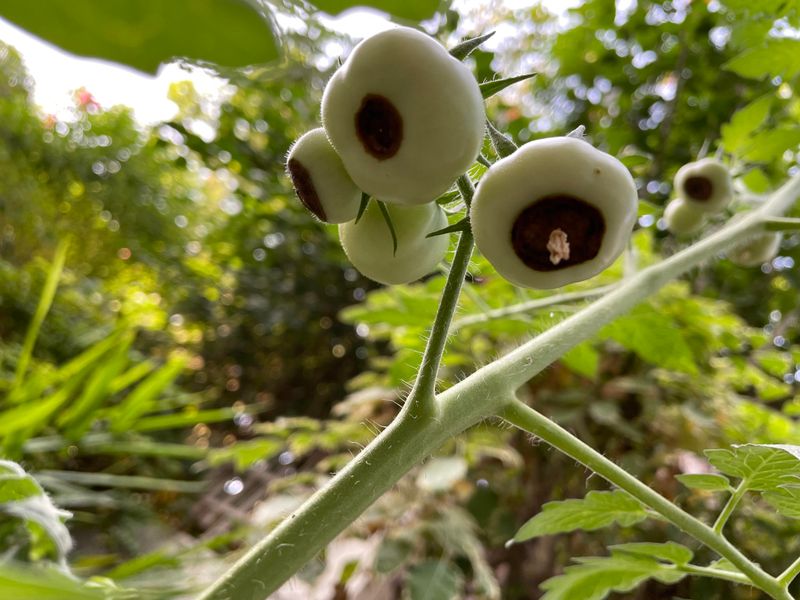
Your tomatoes are telling you something. When you see dark, leathery spots forming on the bottom of your fruit, that is blossom end rot showing up uninvited.
Most gardeners assume it is a soil problem or a fertilizer issue. The real culprit is usually an inconsistent watering schedule disrupting calcium movement inside the plant.
The best time of day to water tomatoes in Maryland to prevent blossom end rot is early morning, ideally between 6 and 9 a.m. Watering at this hour gives roots time to absorb moisture before afternoon heat arrives.
Maryland summers get brutal fast. Temperatures regularly climb into the upper 80s and 90s, putting serious stress on tomato plants that are not properly hydrated.
When plants experience moisture swings, their ability to pull calcium from soil collapses. Calcium is what keeps fruit tissue firm and healthy at the blossom end.
Morning watering also lets foliage dry out before evening. Wet leaves sitting overnight invite fungal diseases that compound your tomato troubles quickly.
Think of your watering schedule like a daily alarm clock for your plants. Consistency trains roots to expect moisture and keeps the internal delivery system running smoothly.
One small timing adjustment, done daily, can protect weeks of gardening effort. Your tomatoes are worth that extra five minutes of morning routine.
Blossom End Rot Comes From Inconsistent Calcium Delivery Too
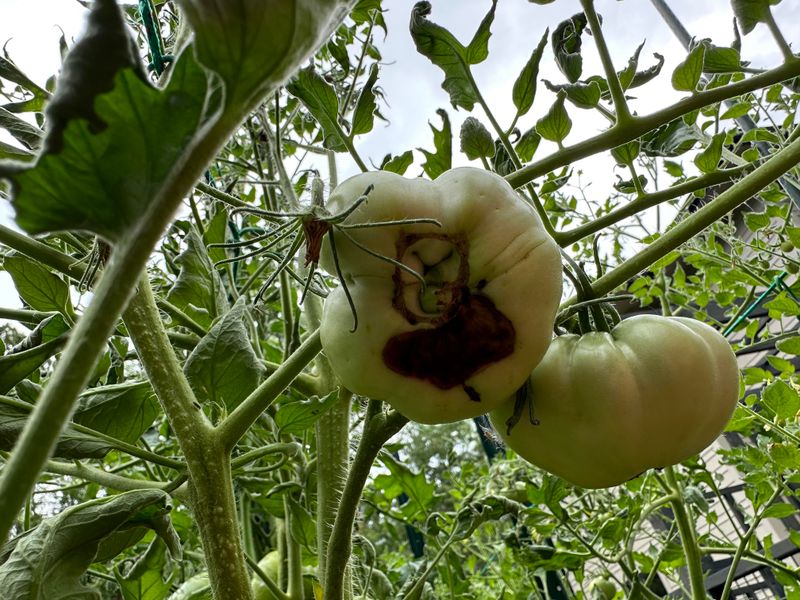
Here is the thing most gardening guides get wrong. Blossom end rot is rarely caused by a calcium shortage in your soil.
Maryland soils vary widely, but calcium availability often depends more on soil pH than on total calcium content. The problem is that your plants cannot access what is already there when moisture levels are unsteady.
Calcium does not move through a plant the way water does. It travels slowly through a process called transpiration, riding moisture from roots up through stems and into developing fruit.
When soil dries out between waterings, that slow calcium highway gets blocked. New fruit forming at the blossom end receives less and less of what it needs.
Think of it like a garden hose with a kink. Water is in the hose, but nothing reaches the end until the kink is removed.
The tissue at the bottom of a tomato is the last stop on that delivery route. It suffers first when the system gets interrupted, showing up as that telltale dark spot.
Your Maryland Garden Changes Every Week. Your Plan Should Too.
Gardening in Maryland changes quickly throughout the season. Every Friday you’ll receive a simple weekly plan showing exactly what to plant, prune, fertilize, harvest, and protect so you never miss the right timing.
Adding calcium supplements to already calcium-rich soil rarely solves the issue. Fixing the watering pattern is what actually restores consistent delivery to developing fruits.
Soil tests in home gardens often show adequate calcium levels, even when blossom end rot appears. The delivery problem, not the supply problem, is what growers need to address.
Understanding this distinction helps you stop chasing the wrong fix. Steady moisture is the real solution your tomatoes have been waiting for.
Fluctuating Soil Moisture Is What Actually Blocks Calcium Uptake
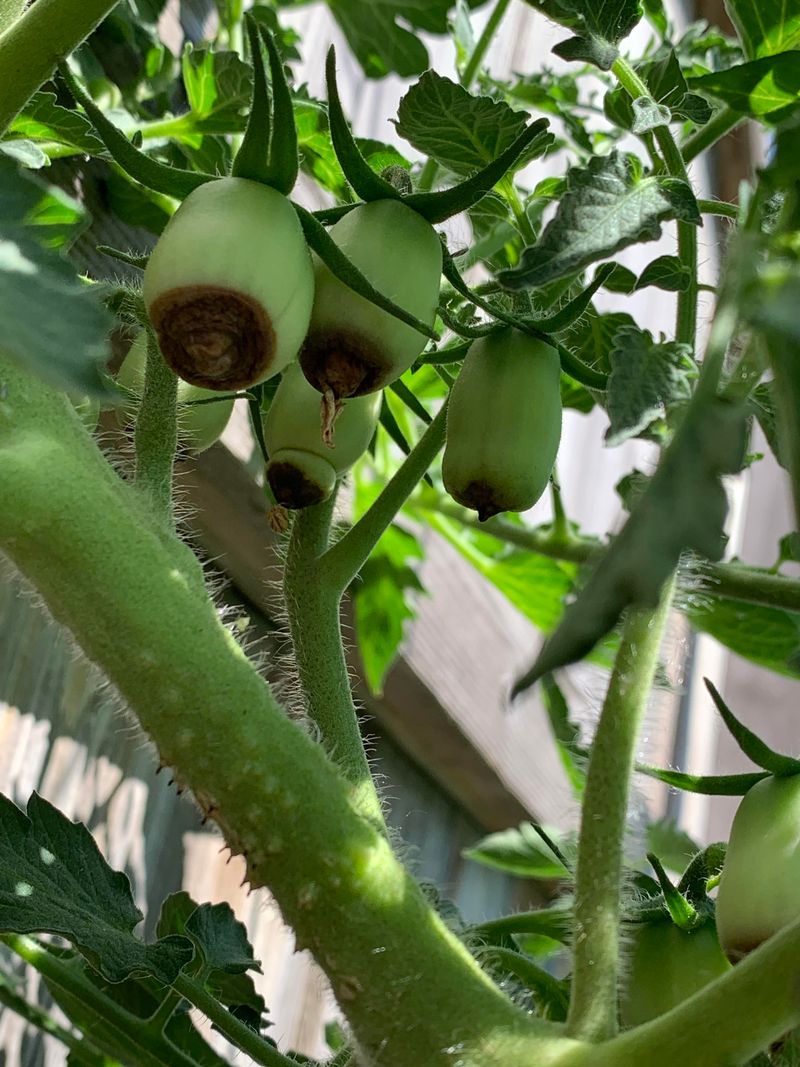
Picture your garden soil going from bone dry to soaking wet and back again every few days. That roller coaster is exactly what triggers blossom end rot in tomatoes.
Roots need a consistently moist environment to function at full capacity. When soil swings between extremes, roots get stressed and slow down nutrient absorption dramatically.
Maryland weather adds a layer of challenge here. The state gets hot, humid stretches followed by dry spells, making natural rainfall largely unreliable for tomatoes.
A tomato plant developing fruit has enormous calcium demands during that growth phase. Even a short dry period at the wrong moment can cause lasting damage to young fruit tissue.
Gardeners often water heavily after noticing dry soil, thinking they are catching up. That sudden flood after a dry stretch actually shocks the root system rather than helping it recover.
Roots absorb calcium most efficiently when moisture levels stay in a steady middle range. Not soggy, not dry, just consistently damp like a wrung-out sponge.
Checking soil moisture before watering each morning helps you avoid both extremes. Stick a finger two inches into the soil and water only when it feels dry at that depth.
Keeping a watering log for just one week can reveal patterns you never noticed before. Spotting those dry gaps is the first step toward eliminating the moisture swings that deprive your fruit of calcium.
Morning Watering Keeps The Root Zone Steady Through The Heat Of The Day
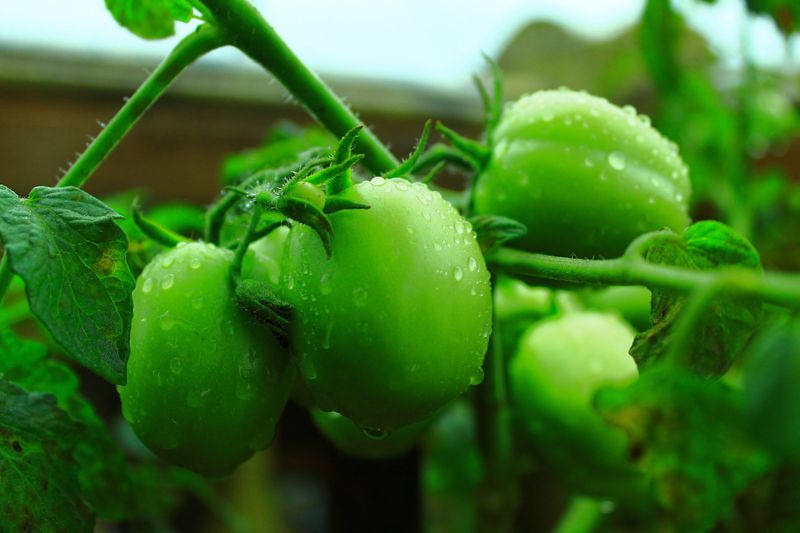
Morning watering is not just a preference, it is a strategy. Giving your tomatoes a deep drink at sunrise sets them up to handle Maryland’s punishing afternoon heat.
When soil is fully moistened before temperatures peak, it holds that moisture longer through the hottest part of the day. Root zones stay cooler and more stable during those brutal midday hours.
Afternoon watering, by contrast, hits soil that is already hot and partially dry. Water evaporates faster from warm soil, meaning less of it actually reaches the deeper roots where it matters most.
Evening watering creates its own problems. Moisture sits in the soil overnight without the sun’s help drying foliage, encouraging fungal growth and rot that weaken plants over time.
Morning is the sweet spot because plants are naturally beginning their active transpiration cycle. They are primed and ready to pull moisture upward, carrying calcium along for the ride.
A consistent morning routine also makes it easier to spot trouble early. You will notice wilting, yellowing, or soil issues while you have time to act before heat stress compounds the problem.
Set a reminder on your phone if needed, because skipping mornings and watering mid-afternoon undoes the benefit. Regularity matters as much as timing when it comes to protecting developing fruit.
The best time of day to water tomatoes in Maryland is when dew still clings to nearby grass. That early window is your best safeguard against blossom end rot all season long.
Mulch And Deep Watering Reinforce Consistent Moisture
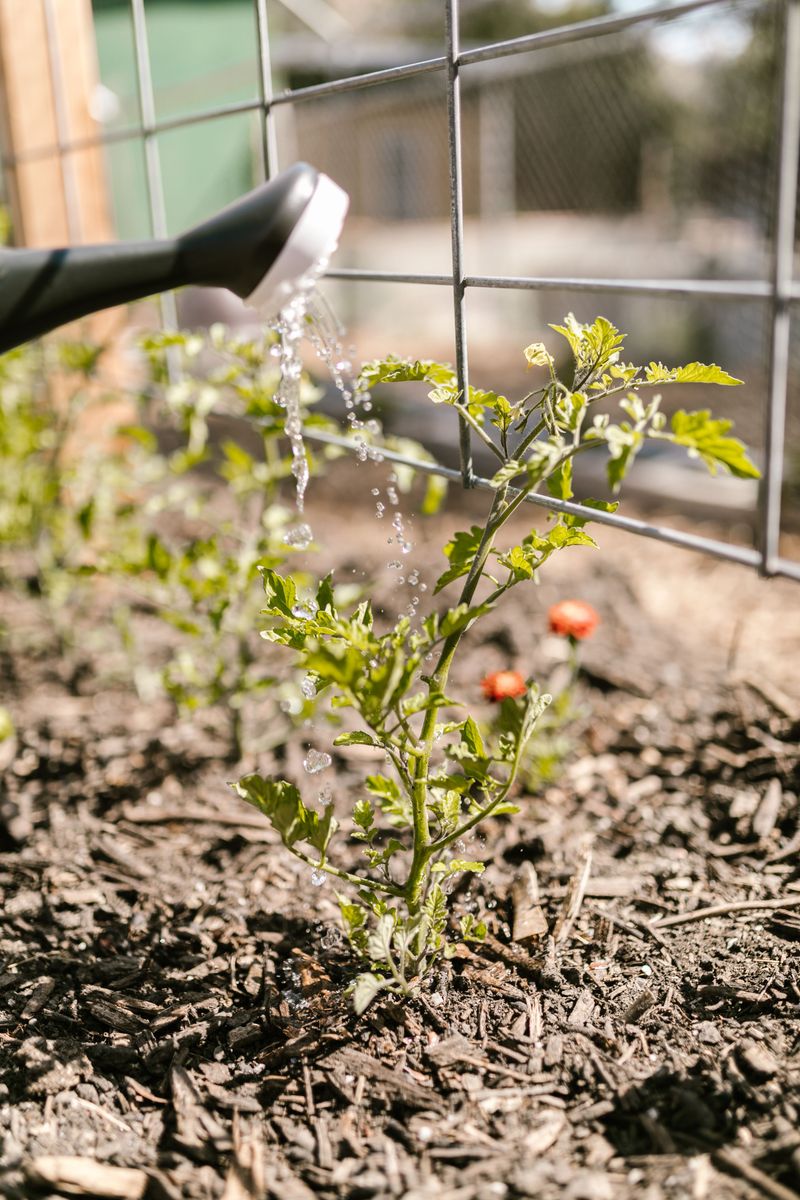
Timing your watering correctly is a great start, but mulch is the partner that locks in your hard work. A thick layer of organic mulch around tomato plants slows evaporation dramatically during hot Maryland afternoons.
Straw, shredded leaves, and wood chips all work well. Apply two to three inches around the base of each plant, keeping mulch a few inches away from the main stem to prevent rot.
Mulch acts like a blanket for your soil, keeping moisture levels more stable between watering sessions. That stability is exactly what roots need to keep calcium moving efficiently into developing fruit.
Deep watering is the other half of this equation. Shallow watering only wets the top few inches of soil, encouraging roots to stay near the surface where they dry out fastest.
Watering deeply, about six to eight inches down, trains roots to grow deeper. Deep roots access more stable, consistently moist soil layers that hold up better through dry spells.
A soaker hose or drip irrigation system makes deep, consistent watering much easier to manage. These tools deliver water slowly at ground level, reducing runoff and ensuring moisture reaches where it counts.
Combining morning watering with mulch and deep irrigation creates a three-part system for managing moisture swings. Each element supports the others, giving your tomatoes the steady environment calcium delivery requires.
Small investments in mulch and proper watering depth pay off enormously by harvest time. Fewer spotted fruits means more of your garden’s effort ends up on your dinner table.
Signs Your Watering Routine Still Needs Adjusting
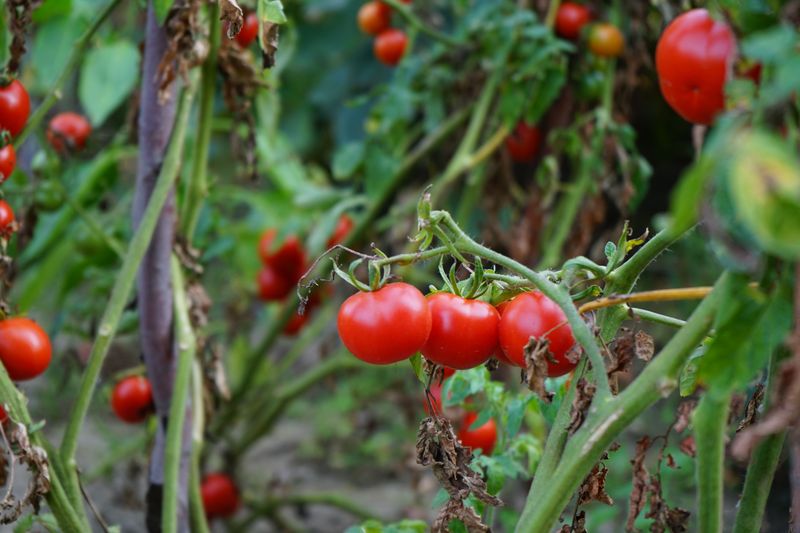
Even with morning watering in place, your plants will tell you when something is still off. Knowing how to read those signals helps you fine-tune your routine before more fruit is damaged.
Wilting in the early morning, before heat builds, is a red flag. Healthy tomatoes should look perky and upright at sunrise, not drooping before the day even gets started.
Soil that feels dry more than an inch down by mid-morning means you are not watering deeply enough. Increase your watering duration and check again the following day to see if moisture retention improves.
Cracked fruit is another clue that moisture is swinging between too dry and too wet. Cracks form when a plant absorbs water rapidly after a dry period, causing fruit skin to split under pressure.
New blossom end rot spots appearing on fruit that formed after you adjusted your schedule signal the routine still needs work. Give any changes at least two weeks to show results before making another adjustment.
Yellow lower leaves sometimes indicate overwatering rather than drought stress. Soggy soil is just as disruptive to calcium uptake as dry soil, so balance matters on both ends.
Check your mulch depth regularly through the season. It breaks down and thins out, reducing its ability to buffer soil moisture the way it did when you first applied it.
The best time of day to water tomatoes in Maryland stays constant, but the amount you apply may need seasonal adjustment. Staying observant keeps your routine matched to what your plants actually need.