What It Means When An Indigo Bunting Shows Up In Your Maryland Garden This Summer
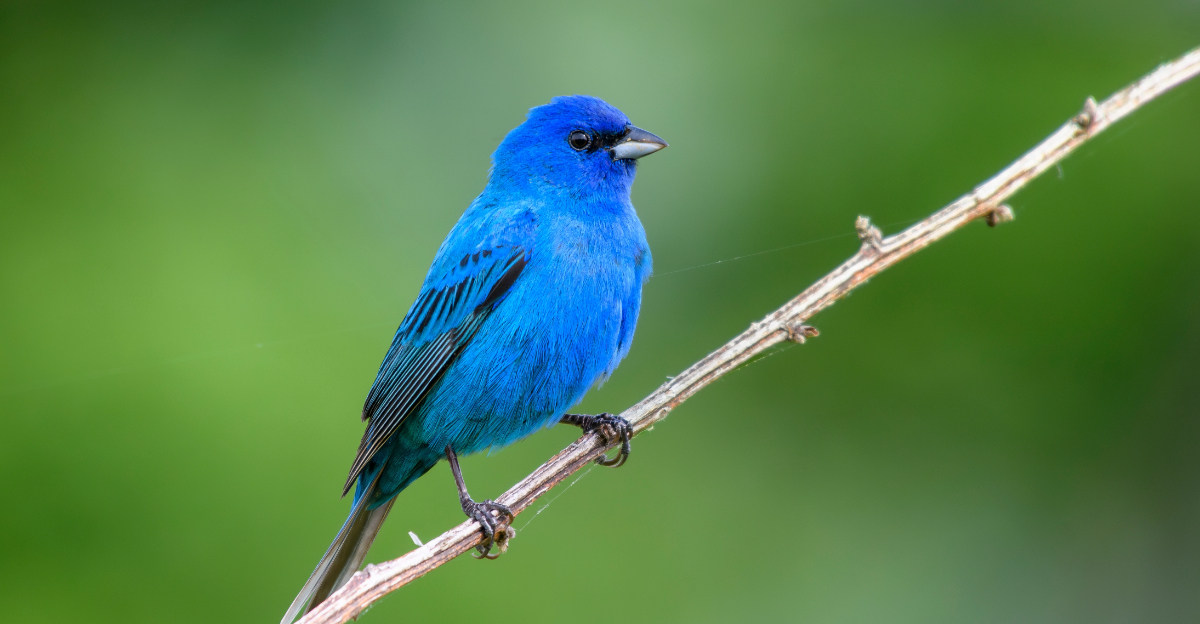
You are pulling weeds along the fence line when a flash of color stops your hand mid-motion. It is an indigo bunting, perched on your tomato stake like it owns the place, and that shade of blue looks like something out of a paint chip labeled “impossible.”
This tiny bird does not show up in just any backyard. Its presence hints at something specific happening in your soil, your shrubs, and the seed mix you have been putting out.
Indigo buntings are picky about where they settle, and that pickiness works in your favor once you understand it. A few small changes to your garden can turn one lucky sighting into a summer-long visit.
A Flash Of Brilliant Blue Signals One Of Maryland’s Most Striking Summer Visitors
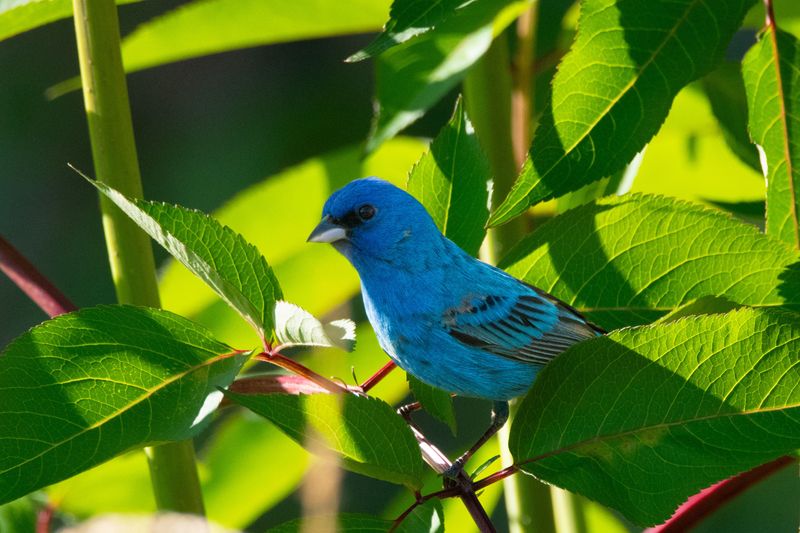
That flash of blue is not a trick of the light. When an indigo bunting shows up in your Maryland garden, you have just spotted one of summer’s most dazzling wild visitors.
Male indigo buntings arrive in the mid-Atlantic region each May. They stay well into fall, often through September, singing loudly from exposed perches like fence posts and shrub tops.
Their song is bright and repetitive, almost like a conversation starter. Locals often hear them before spotting them.
Spotting one means you are in the right place at the right time. Maryland sits squarely in the heart of this bird’s summer breeding range.
These birds travel thousands of miles from Central America each spring. That kind of dedication makes every sighting feel genuinely earned.
The male’s color is so saturated it almost looks digital. Females, by contrast, wear soft brown tones that help them blend into nesting areas.
Males stay close to the nesting area, defending it with constant song while the female works largely on her own. Watching both together gives you a fuller picture of their world.
Birdwatchers across the state consider an indigo bunting sighting a summer highlight. Your garden just made the short list of great habitat spots.
If you saw one this summer, pay attention to where it landed. That spot is telling you something important about your yard’s setup.
Indigo Buntings Favor Brushy Edges And Overgrown Garden Borders
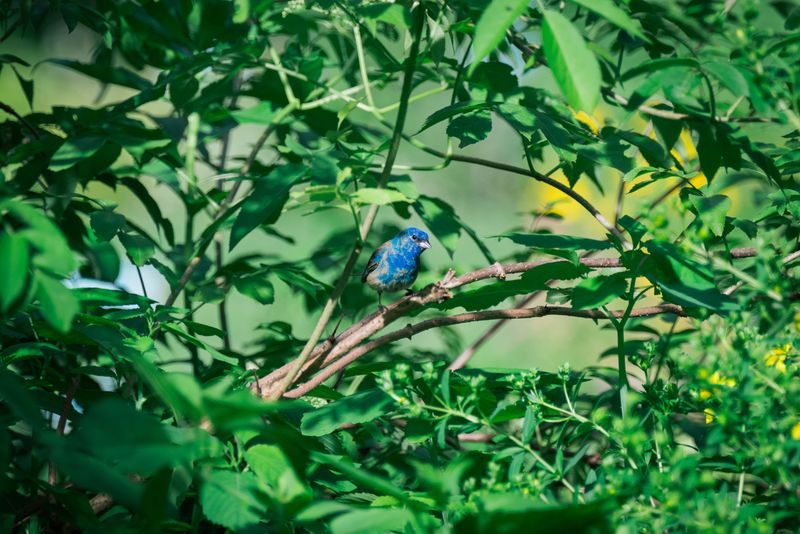
Forget the perfectly manicured lawn for a moment. Indigo buntings are drawn to messy, overgrown edges where shrubs meet open ground.
These birds love what ecologists call “edge habitat.” That means the transition zone between a wooded area and a more open space.
If your yard backs up to a tree line or has a brushy fence row, you have prime bunting territory. That overgrown corner you keep meaning to clean up might actually be an asset.
Tall grasses, wild blackberries, and native shrubs all attract these birds. They nest low to the ground, often tucked into dense vegetation.
Females weave cup-shaped nests from grasses and plant fibers. They prefer spots one to three feet off the ground in thick brush.
Keeping a section of your yard a little wild is one of the best things you can do for local wildlife. Buntings reward that choice almost immediately.
Your Maryland Garden Changes Every Week. Your Plan Should Too.
Gardening in Maryland changes quickly throughout the season. Every Friday you’ll receive a simple weekly plan showing exactly what to plant, prune, fertilize, harvest, and protect so you never miss the right timing.
Garden borders that include native plants like dogwood, elderberry, or wild rose are especially appealing. These plants offer both cover and food sources.
A tidy, open yard with no structure gives them nothing to work with. Layers of vegetation at different heights are the real draw.
Think of your garden’s untamed edges as welcome mats for summer visitors. The more texture and cover you offer, the longer they will stay.
Their Blue Color Comes From Light Scattering, Not Actual Pigment
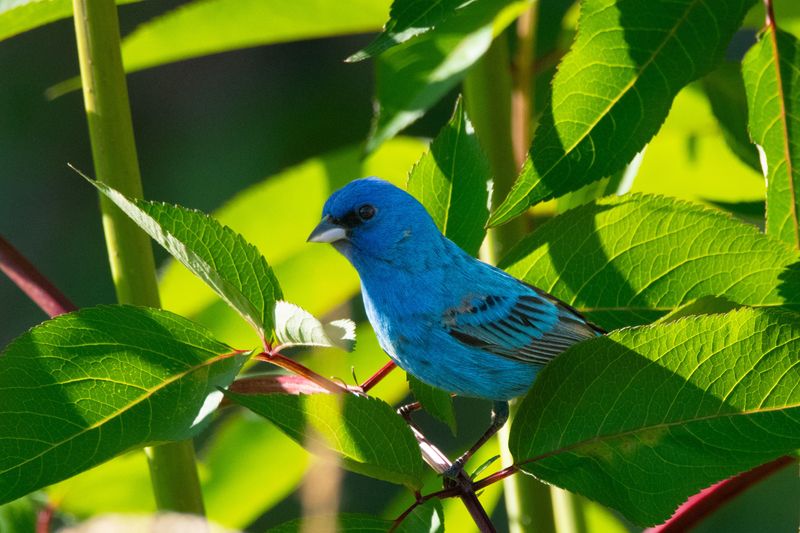
Here is a fact that will change how you look at blue birds forever. Indigo buntings have no blue pigment in their feathers at all.
That stunning color you see is entirely produced by light. Tiny structures in each feather scatter and bend light wavelengths in a way that creates blue.
Scientists call this structural coloration. It is the same basic physics behind why the sky looks blue on a clear day.
On an overcast day or in deep shade, a male indigo bunting can look almost black. Step into direct sunlight, and that same bird blazes electric blue.
This explains why the color seems to shift as the bird moves. The angle of light changes constantly, and so does the intensity of that blue.
Knowing this makes every sighting feel a little more magical. You are essentially watching a living prism do its job in real time.
The female’s brown feathers do contain actual pigment, which gives her consistent coloring. Her look is less flashy but perfectly suited for staying hidden.
Evolution shaped each bird’s appearance around its specific role. The male’s dazzle attracts mates, while the female’s camouflage protects her nest.
Next time you spot an indigo bunting, try watching it from different angles in the sun. The color show it puts on is one of nature’s most underrated light tricks.
Seed And Insect Availability Draws Them Into Home Gardens
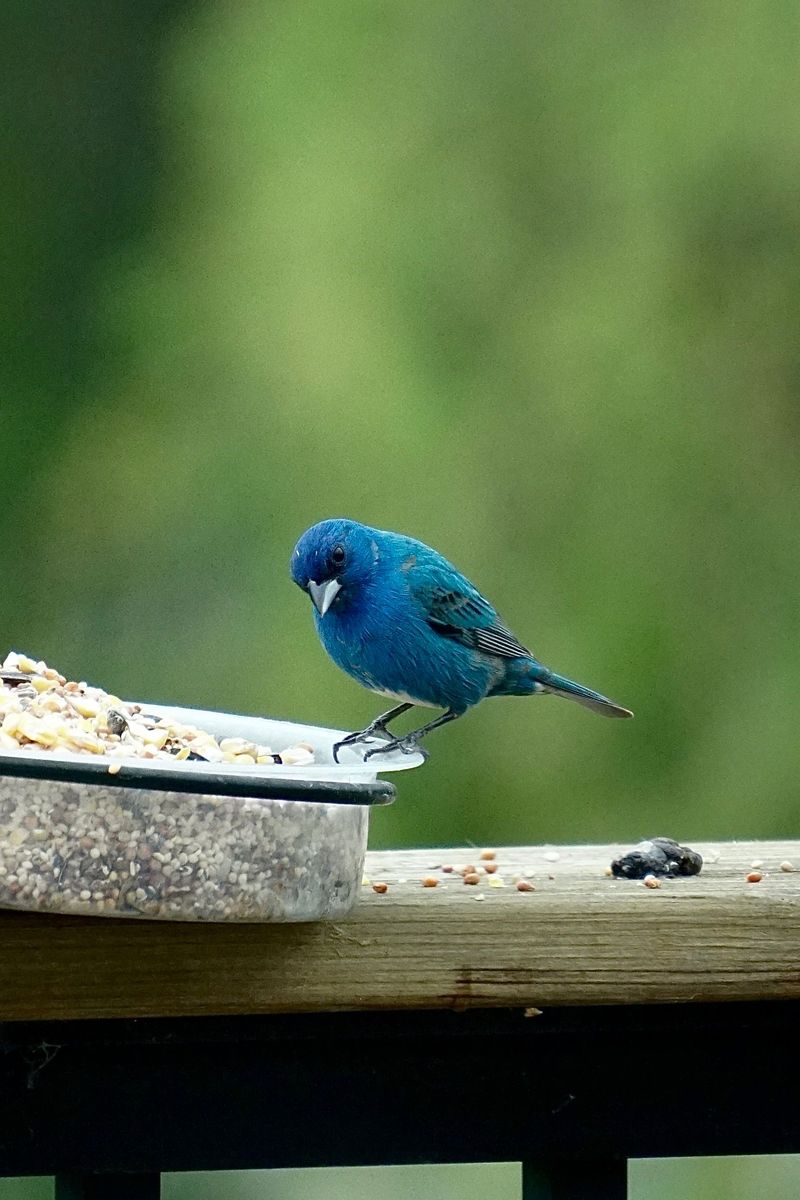
Food is the first reason any wild bird stops at your yard. For indigo buntings, two things matter most: small seeds and protein-rich insects.
White millet is their favorite feeder food by a wide margin. Scatter it on a low platform feeder or directly on the ground for best results.
Nyjer seed also works well and attracts other finch-family birds at the same time. A feeder stocked with both options covers your bases nicely.
Beyond feeders, buntings forage heavily on wild seeds from grasses and weeds. Leaving seed heads standing in your Maryland garden gives them a natural buffet.
During nesting season, insects become equally important. Parent birds feed their chicks almost entirely on caterpillars, beetles, and grasshoppers.
A yard with healthy insect activity is a yard that supports the full bunting life cycle. Cutting back on pesticide use makes a real difference here.
Native flowering plants support the insect populations that buntings depend on. Coneflowers, black-eyed Susans, and native grasses are all excellent choices.
Water also plays a role in attracting these birds. A shallow birdbath with fresh water can be just as effective as a feeder in peak summer heat.
When seed, insects, and water come together in one space, your garden becomes a destination. An indigo bunting showing up is proof that your setup is working.
A Visit Often Signals Healthy, Diverse Habitat Nearby
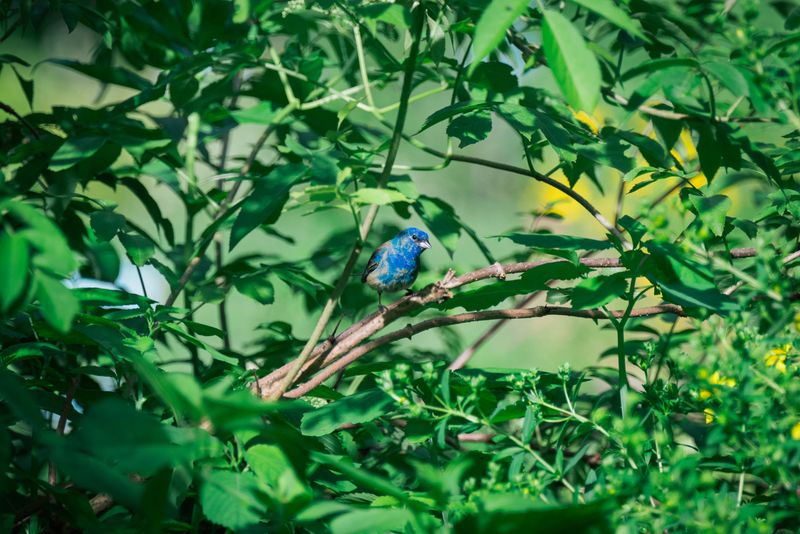
When an indigo bunting lands in your Maryland garden, it is delivering a quiet compliment. These birds are selective about where they spend their summer.
They tend to avoid heavily developed areas with little plant diversity. A bunting’s presence suggests your neighborhood still has enough green infrastructure to support wildlife.
Ecologists sometimes use sensitive species like buntings as informal indicators of habitat quality. Seeing one means your local environment is doing something right.
Healthy bird communities depend on connected green spaces. A bunting traveling through your yard likely has access to parks, tree corridors, or natural areas nearby.
If your neighborhood has stream buffers, mature trees, or preserved open land, those features are probably part of the equation. Buntings follow habitat, not fences.
Your garden is one piece of a larger ecological puzzle. Even a small yard with native plants contributes to a network that supports migrating and breeding birds.
Paying attention to which birds show up is a low-effort way to monitor local habitat health. A diverse visitor list usually means a thriving local ecosystem.
Indigo buntings are not rare, but they are choosy. Their appearance suggests your corner of the world offers what they need to survive and raise young.
That is something worth protecting and building on. A bunting visit is both a reward and a gentle nudge to keep doing the right things for your yard.
Simple Ways To Encourage Indigo Buntings To Stick Around
Getting a bunting to visit once is exciting. Getting one to stay for weeks takes a small amount of intentional effort.
Start with food by adding a platform feeder stocked with white millet close to shrubby cover. Buntings prefer feeding near shelter rather than in wide-open spaces.
Plant native grasses like little bluestem or switchgrass along your garden borders. These provide seed through summer and attract the insects buntings crave for their young.
A clean, shallow water source matters more than most people expect. Change the water every two days to keep it fresh and mosquito-free.
Reduce or eliminate pesticide use in areas where buntings are active. A yard with a healthy bug population is far more valuable than a bug-free one.
Leave some areas of your yard slightly unkempt through the breeding season. Tall weeds and dense shrubs give nesting females the cover they need to feel safe.
Avoid heavy pruning of shrubs from May through September. Disturbing dense vegetation during this window can disrupt active nests.
Position feeders within ten feet of natural cover so birds can retreat quickly if a predator appears. Placement is just as important as what you put in the feeder.
With the right setup, an indigo bunting that found your Maryland garden this summer may well return next year. These birds show strong site fidelity, meaning your yard could become a regular stop on their annual journey.