Native Ohio Plants To Grow Instead Of Ornamental Grasses In Full Sun
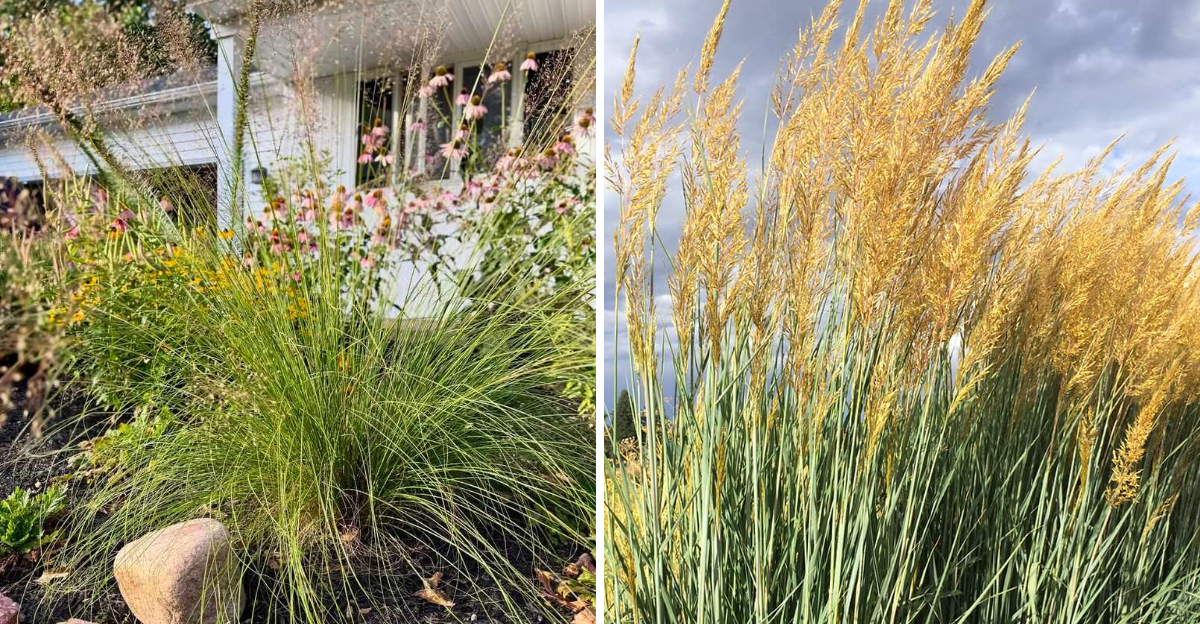
Ornamental grasses have had a long run in Ohio landscapes and honestly they earned it. The movement, the texture, the way they catch late afternoon light in fall: genuinely hard to argue with.
But a growing number of Ohio gardeners are starting to ask a pretty compelling question: what if those same visual qualities could come from plants that actually belong here?
Native grasses and grass-like plants bring everything people love about traditional ornamental grasses and then quietly do a whole lot more on the side, supporting local insects, birds, and ecosystems in ways that imported varieties simply cannot match.
The best part is that Ohio has some stunning options that thrive in full sun, handle summer heat without drama, and look spectacular through every season.
Worth exploring? Absolutely.
1. Little Bluestem Brings Color To Sunny Beds
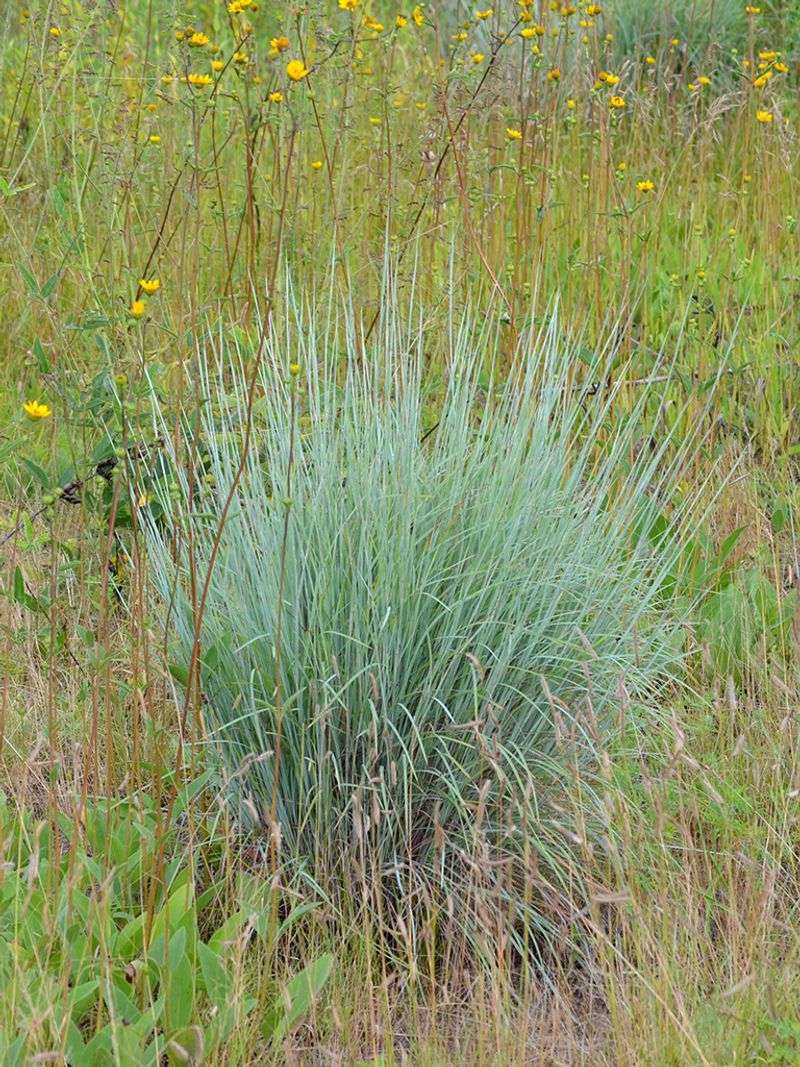
Few native grasses earn as much attention in an Ohio garden as little bluestem, especially once September rolls around and the foliage shifts from blue-green to shades of copper, orange, and reddish-brown.
This clump-forming grass is one of the most reliable full-sun performers available to Ohio gardeners, and its manageable size makes it a natural fit for residential beds of nearly any scale.
Little bluestem typically reaches two to four feet tall at maturity, though cultivar selection and growing conditions can influence the final height. It prefers well-drained soil and handles dry, sandy, or lean conditions better than many garden plants.
Rich, overly moist soil can actually cause the clumps to flop open, so lean soil tends to produce a tidier, more upright form.
The silvery seed heads that follow the summer bloom add another layer of seasonal interest and catch the light beautifully in afternoon sun. Some seed heads persist into winter, giving the garden structure even after the growing season ends.
Birds have been documented visiting the seed heads during colder months, adding a small but meaningful ecological bonus.
For gardeners replacing a compact ornamental grass in a sunny border or foundation bed, little bluestem fits the scale well. Old stems are commonly cut back before new spring growth begins, which keeps the clumps tidy without much effort.
Color variation between plants and cultivars is normal, so results may differ slightly from one garden to the next.
2. Prairie Dropseed Adds Soft Texture And Graceful Form
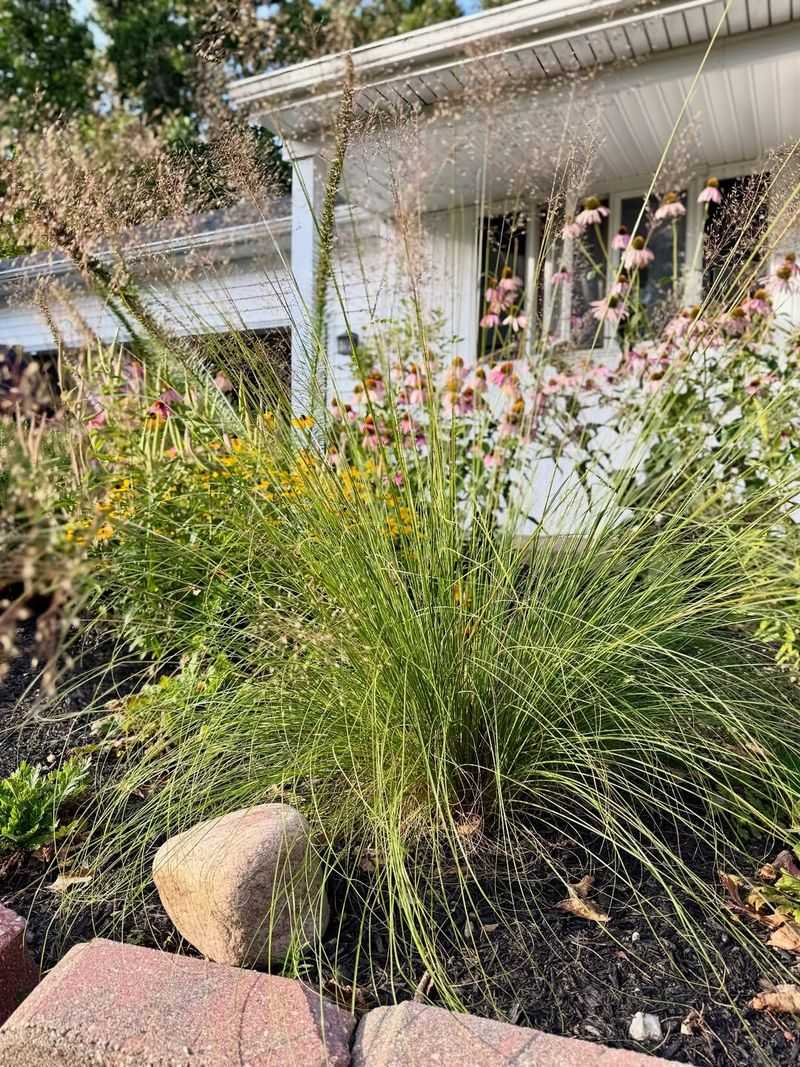
Gardeners who appreciate the soft, fountain-like shape of ornamental grasses like blue fescue or Japanese forest grass often find prairie dropseed to be a compelling native option for sunny Ohio beds.
The foliage is remarkably fine in texture, arching outward from a central crown in a way that feels almost delicate compared to coarser prairie grasses.
Prairie dropseed performs well in full sun and generally prefers well-drained, even dry soil.
It is a slower-growing grass, which means it takes a season or two to reach its full potential, but patience pays off with a tidy, long-lived clump that rarely needs dividing or heavy management.
Its smaller size, often reaching one to two feet tall and slightly wider, makes it easier to use in residential beds than some of the taller prairie species.
Your Ohio Garden Changes Every Week. Your Plan Should Too.
Gardening in Ohio changes quickly throughout the season. Every Friday you’ll receive a simple weekly plan showing exactly what to plant, prune, fertilize, harvest, and protect so you never miss the right timing.
In late summer, prairie dropseed sends up airy flower panicles with a fragrance that some gardeners describe as sweet or slightly spicy. The foliage shifts to warm golden and orange tones in fall, carrying seasonal interest well into autumn.
Winter brings a softer tan color that still adds some visual structure to the garden.
Placement near a path or patio edge lets visitors appreciate both the texture and the late-season fragrance up close.
This grass works well as a border edging plant, a small accent in a prairie-inspired bed, or a low-maintenance addition to a sunny slope where erosion control is also a concern.
3. Switchgrass Adds Upright Form And Seasonal Interest
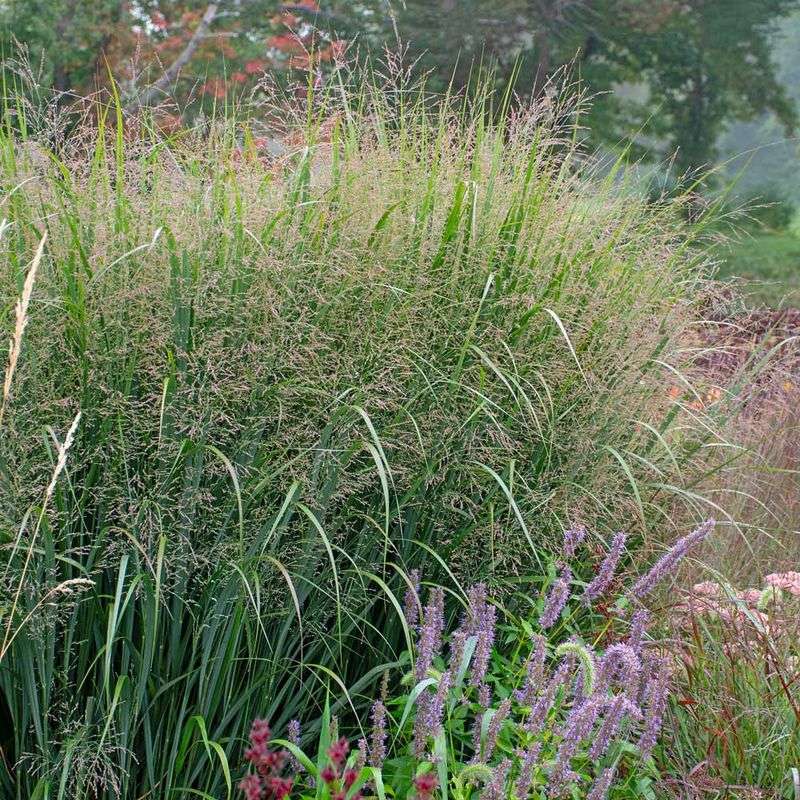
Upright structure is one of the qualities gardeners most often seek when choosing grasses for a sunny border, and switchgrass delivers that quality reliably across a wide range of Ohio growing conditions.
Unlike many dry-site prairie grasses, switchgrass can tolerate a broader range of soil moisture, from moderately dry ground to occasionally wet areas, which makes it one of the more flexible native grasses available.
Mature height varies considerably depending on the cultivar chosen. Straight species plants can reach four to six feet or taller in favorable conditions, while several compact cultivars stay closer to three to four feet.
Reading plant tags carefully and selecting a cultivar sized for the available space will help avoid surprises at maturity.
Airy seed panicles emerge in mid to late summer and catch the light in a way that feels similar to what many gardeners appreciate in popular ornamental grasses.
Foliage color in fall can shift to yellow, orange, or reddish tones depending on the cultivar and site conditions.
The upright stems hold their shape reasonably well into winter, providing some structure even after the growing season.
One consideration worth keeping in mind is that some forms of switchgrass may spread through short rhizomes or produce seedlings in favorable spots. Selecting named cultivars and monitoring nearby areas can help manage unwanted spread.
For larger borders, meadow-style plantings, or rain garden edges in Ohio, switchgrass is a strong and adaptable native option that earns its place.
4. Indiangrass Brings Golden Color And Tall Structure
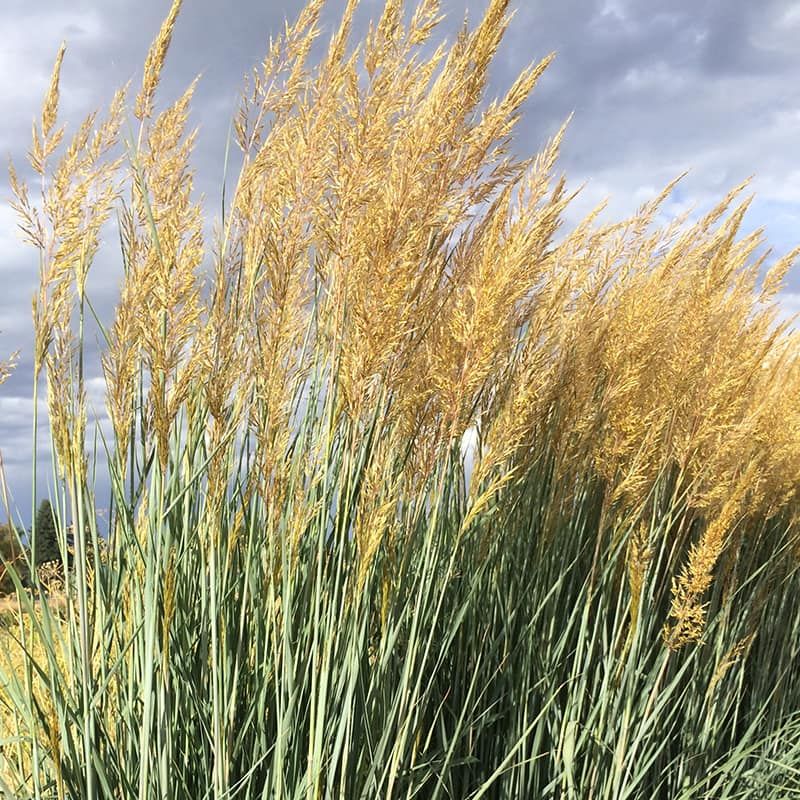
Walking past a stand of Indiangrass in late summer is a memorable experience. The warm golden or bronze flower clusters catch the afternoon light and sway gently with any breeze, creating the kind of movement that makes prairie-inspired plantings feel alive.
This is a tall grass with a bold presence, and placing it thoughtfully in an Ohio landscape makes all the difference.
Indiangrass generally reaches four to seven feet at maturity depending on growing conditions, though cultivar height can differ from the straight species.
It performs best in full sun and adapts to a range of well-drained soils, including lean, dry, or rocky ground where other plants may struggle.
Rich, moist soil can encourage taller, less structured growth, so site selection matters.
Because of its height, Indiangrass fits most naturally into the back of a large border, a meadow-style planting, or an open naturalized area where its scale reads as an asset rather than a problem.
Using it near a foundation, path, or window where the full height becomes a visual barrier is worth reconsidering before planting.
The seed heads that follow the flowers attract some bird species during fall and winter, adding a modest ecological benefit to the visual appeal.
Foliage shifts to warm orange and copper tones as the season progresses, carrying seasonal interest from late summer through autumn.
For Ohio gardeners with the space to accommodate a tall, dramatic grass, Indiangrass is a compelling native choice.
5. Big Bluestem Adds Height To Spacious Plantings
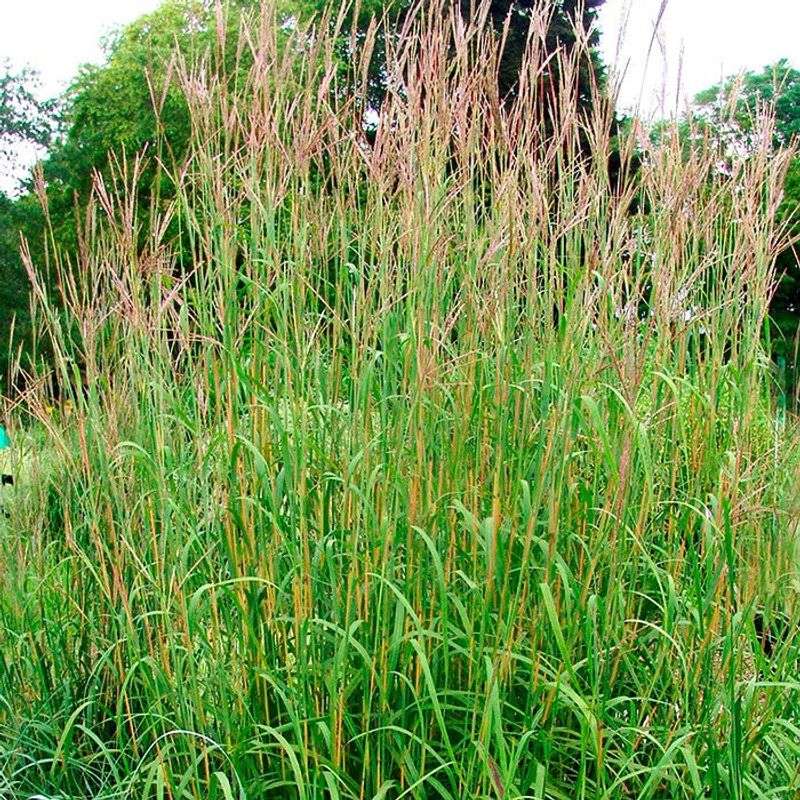
Known historically as one of the defining grasses of the North American tallgrass prairie, big bluestem has a presence in the landscape that few other native grasses can match.
Its distinctive seed heads, sometimes called turkey foot because of the way the three-branched clusters spread outward, are one of the most recognizable features of any Ohio prairie planting.
Big bluestem is among the tallest native grasses commonly used in Ohio landscapes, reaching anywhere from four to eight feet under favorable growing conditions. Full sun and well-drained to moderately moist soil suit it well.
The upright form holds through most of the growing season before relaxing slightly as the plants mature and the seed heads develop.
Fall color on big bluestem can be striking, shifting from blue-green summer foliage to shades of reddish-purple, copper, and bronze as temperatures drop.
The stems and seed heads persist into winter, offering structure during months when most other garden plants have little to show.
This winter interest is one reason prairie-style gardens using big bluestem often look appealing even in the colder Ohio months.
The scale of this grass means it works best in spacious borders, meadow gardens, privacy screens, or open naturalized areas.
Compact garden spaces, small foundation beds, or areas near walkways may not provide enough room for big bluestem to reach its mature size comfortably.
Giving it adequate space from the start avoids the need to move an established clump later.
6. Sideoats Grama Offers Distinctive Seeds And Compact Height
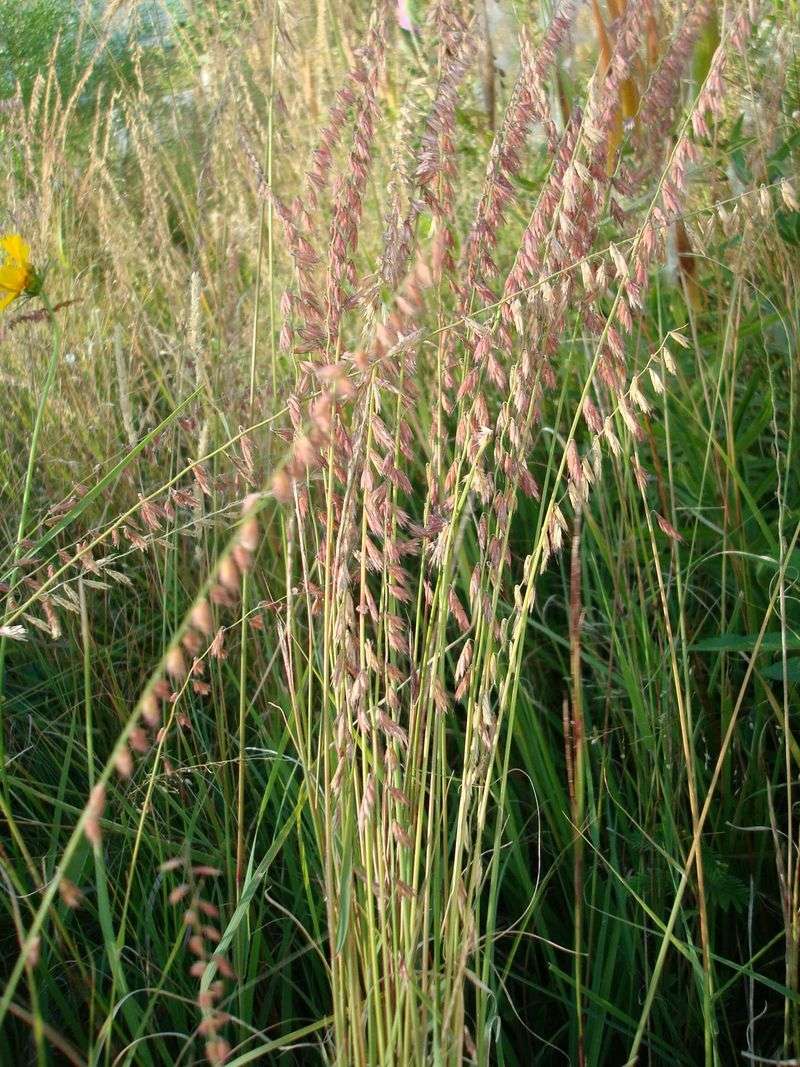
There is something genuinely charming about sideoats grama, and it often comes down to the seeds.
Small, flag-like seed structures dangle along one side of each stem in a neat, repeating pattern that catches the eye in a way that few other native grasses can replicate.
For gardeners who enjoy plants with interesting details, sideoats grama rewards a closer look.
This is a medium-height native grass, typically reaching one to three feet tall depending on growing conditions, which makes it one of the more manageable options for smaller Ohio gardens and residential beds.
It performs well in full sun and is particularly well suited to dry, well-drained, or even rocky soils. Sandy and lean soil types tend to produce compact, tidy growth rather than floppy clumps.
The small flowers that precede the seed structures carry orange and purple tones that add a subtle but appealing color note to the garden in mid to late summer.
Foliage shifts to warm tan and orange in fall, blending naturally with other native grasses in a prairie-style planting.
The dried stems hold through much of the winter with reasonable structure.
For Ohio gardeners who want a native grass that fits a smaller sunny border, a dry slope, or a prairie-inspired bed without overwhelming nearby plants, sideoats grama is a practical and visually interesting option.
Its compact nature makes it easier to combine with other natives like little bluestem and prairie dropseed in mixed plantings without one grass crowding out another.
7. Broomsedge Bluestem Brings Copper Color To Natural Areas
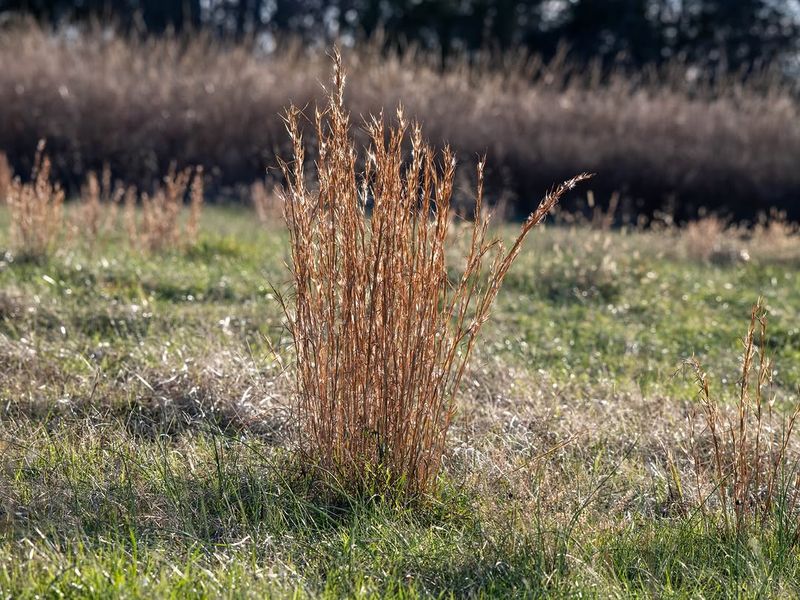
Copper, rust, and warm bronze tones can transform a naturalized Ohio landscape in fall, and broomsedge bluestem is one of the native grasses most likely to deliver that kind of seasonal color in open, sunny areas.
It is a common sight along Ohio roadsides, field edges, and sunny clearings, which gives a clear picture of the conditions where it thrives.
Broomsedge bluestem grows naturally in low-fertility, well-drained, and sometimes disturbed soils. It does not require rich garden soil to look attractive, and planting it in heavily amended beds may actually encourage less interesting growth.
Full sun is essential, and the plant tends to look its best when grown in lean, open conditions that mirror its native habitat.
The growth habit is somewhat informal compared to clump-forming grasses like little bluestem or prairie dropseed.
Broomsedge bluestem can spread by seed, so it fits most naturally into meadow-style plantings, naturalized areas, or larger open spaces where some spreading is welcome rather than problematic.
Formal garden beds with precise edging may not be the best match for its casual character.
That said, the warm fall color it produces is genuinely beautiful and can hold through much of the winter, giving naturalized areas a rich, textured look even during colder Ohio months.
For gardeners working on a low-maintenance meadow project or a large sunny slope where a relaxed, native-feel planting is the goal, broomsedge bluestem is worth serious consideration as part of the plant mix.
8. Eastern Gamagrass Fills Moist Areas With Bold Texture
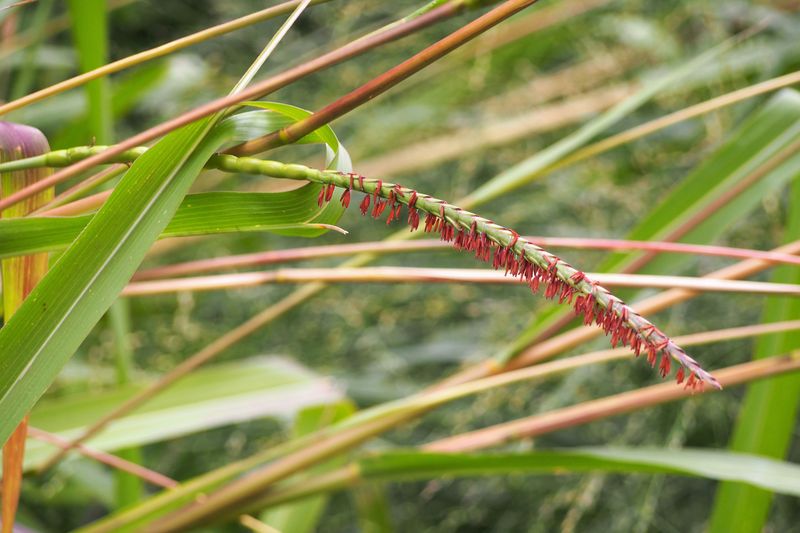
Bold texture is the defining quality of Eastern gamagrass, and once you see a mature clump of it growing near a pond edge or in a rain garden, the impression stays with you.
The broad, coarse leaves and substantial clumping form give it a presence in the landscape that feels closer to a large ornamental grass than a typical prairie species, which makes it a strong candidate for wet or moisture-retentive spots in full sun.
Unlike most of the native grasses on this list, Eastern gamagrass genuinely prefers moist, fertile, or moisture-retentive soil. It is not suited to dry, sandy, or droughty sites, and placing it in those conditions will likely result in disappointing performance.
Rain gardens, pond margins, low-lying borders, and moist meadow areas in Ohio are where this grass truly excels.
Mature clumps can reach four to nine feet tall and spread several feet wide depending on growing conditions, so available space is an important consideration before planting.
The large size makes Eastern gamagrass a better fit for spacious landscapes, naturalized moist areas, or large-scale plantings rather than small residential borders.
The seed structures that develop in summer are interesting and distinctive, adding another visual layer beyond the foliage.
For Ohio gardeners dealing with a consistently wet, sunny area where other plants have struggled, Eastern gamagrass offers a native solution with real visual impact.
Its scale and moisture needs simply need to be matched carefully to the site before committing to a planting.