What It Really Means When Florida Spiny Lizards Take Over Your Yard This Summer
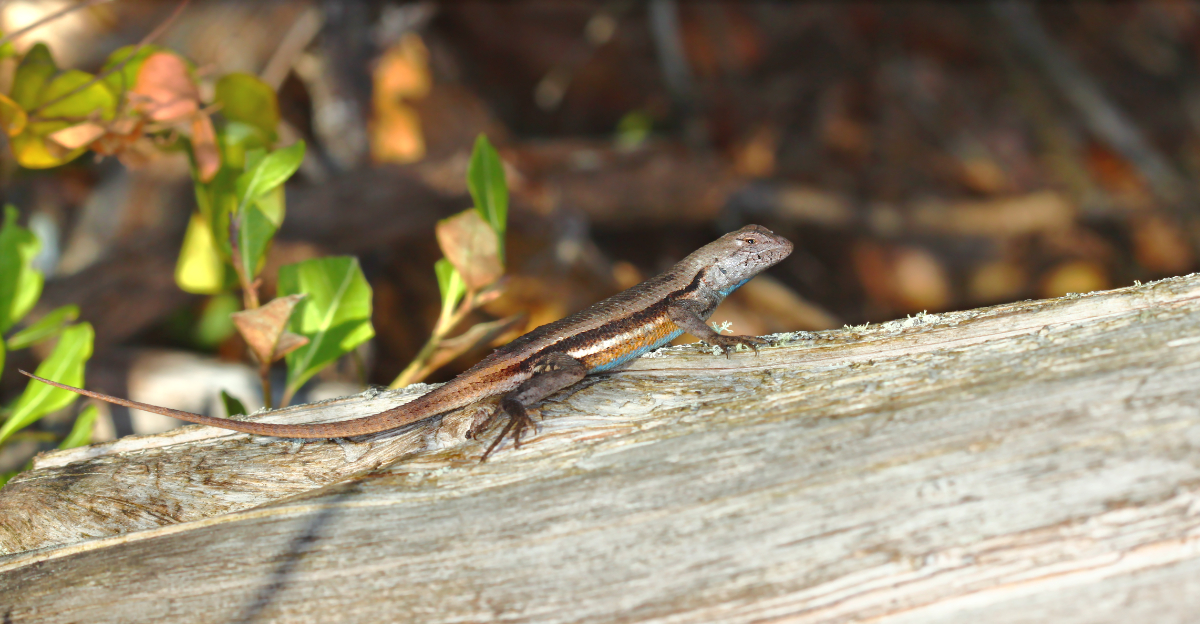
A spiny lizard on the fence post is easy to overlook. A yard suddenly full of them is something else.
That shift from occasional visitor to apparent takeover tends to happen fast in Florida summer, and it is not random. Spiny lizards do not congregate without reason.
A yard that draws them in numbers is offering something specific. Food sources, basking surfaces, shelter, and a habitat that checks enough boxes to make the space worth claiming.
What a spiny lizard population says about a Florida yard is genuinely interesting. Their presence points to an insect population that most homeowners never see directly.
It signals something real about plant structure, sun exposure, and the overall health of the outdoor space they have moved into. A yard full of spiny lizards is telling a story.
Here is what it actually means.
1. Your Yard Has The Sunny Bare Spots They Like
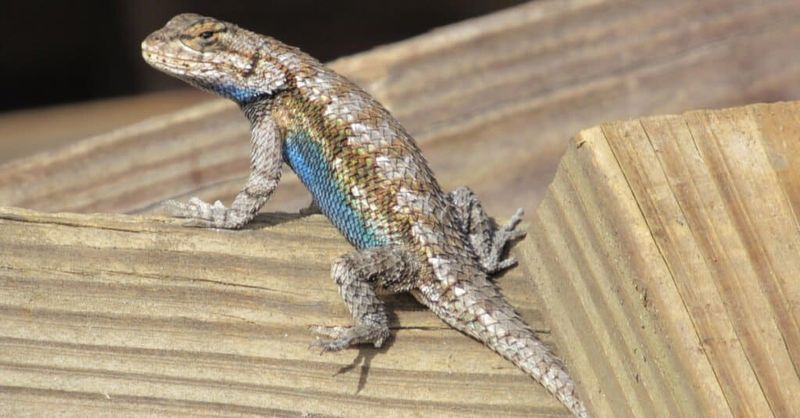
Bare patches of warm, sandy soil in a sunny yard are not a sign of neglect. For small native lizards like the Florida scrub lizard, open sunny ground is prime real estate.
These lizards are ectotherms, so they rely on outside heat sources to regulate body temperature. A sun-warmed patch of sand helps them get moving each morning.
When you spot a small spiny-looking lizard frozen on a bare patch, it is almost certainly basking. Basking raises body temperature fast, which helps with digestion, movement, and watching for prey.
Open ground also gives them a clear view of approaching predators, so they can sprint to safety quickly.
Bare spots are not automatically bad if they are part of a natural sandy habitat. However, homeowners should still manage open soil responsibly.
Loose, bare soil on slopes can wash away during heavy rain, and sandy patches near walkways should stay firm enough to be safe underfoot.
If your yard has natural, well-drained sandy areas with good sun exposure, you may simply have habitat that suits these small lizards. Observe the area from a comfortable distance.
Notice where the sunny patches are, how big they are, and whether the lizards return to the same spots each day. That pattern tells you a lot about how your yard functions as a small local ecosystem.
2. Open Sand Gives Them Room To Hunt
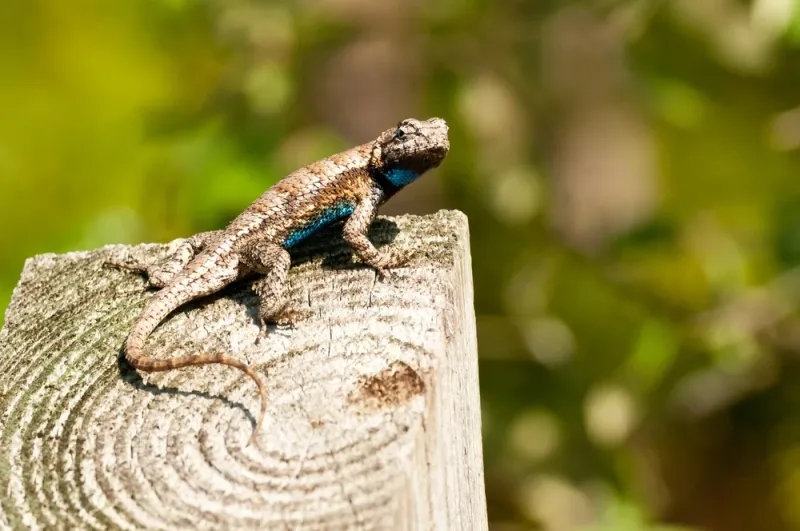
Sandy open ground does more than just offer a warm surface. For small native lizards, it also creates hunting space.
A lizard at the edge of an open sandy patch can scan a wide area for movement. It can spot a small insect crossing the sand, chase it down, and retreat to cover.
The Florida scrub lizard is one species associated with open, sandy, well-drained habitat, particularly in scrub ecosystems found across central regions of the state.
According to the Florida Museum and UF/IFAS resources, this species prefers open sandy areas with scattered low shrubs and minimal leaf litter.
Not every sandy yard will have this specific species, and identification should never be assumed from a quick glance alone.
If you see a small lizard with spiny-looking scales, side stripes, and a preference for open ground, take note before drawing conclusions. Record its size, color, and behavior.
Your Florida Garden Changes Every Week. Your Plan Should Too.
Gardening in Florida changes quickly throughout the season. Every Friday you’ll receive a simple weekly plan showing exactly what to plant, prune, fertilize, harvest, and protect so you never miss the right timing.
Many species can look similar at a casual glance, including brown anoles, fence lizards, and others.
Sandy habitat in a yard should be managed with care. Open sand is not the same as neglected or eroded soil.
Responsible management means keeping sandy areas stable, avoiding unnecessary grading, and letting native groundcovers fill in where erosion is a concern. Observe what lives there before making changes.
3. More Lizards Usually Means More Insects Nearby
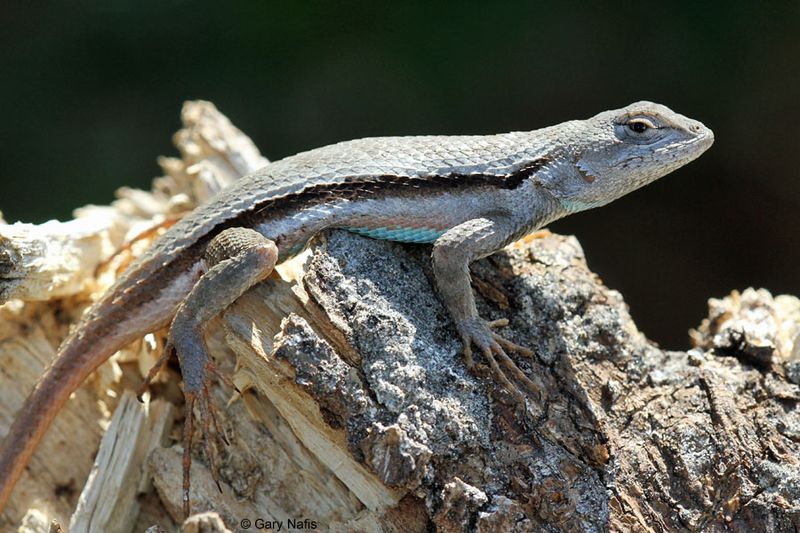
Lizards do not show up in large numbers without a reason, and one of the biggest reasons is food. Small native lizards eat insects and other invertebrates, including beetles, ants, spiders, and caterpillars.
Where insects are active, lizards tend to follow.
Seeing more lizard activity in your yard during summer can be a sign that insect populations are also high. Summer warmth drives insect activity up significantly, which in turn attracts the small predators that feed on them.
It is a natural chain of events that plays out in yards, gardens, and natural areas across the state every year.
Lizards are part of a food web, not a pest-control service. They will eat what they can catch, but they will not clear your yard of mosquitoes, roaches, ants, or termites on their own.
Expecting them to solve a pest problem is unrealistic and unfair to the animal.
If you have a genuine pest issue, the right move is proper identification and a targeted, source-supported management approach. County extension offices connected to UF/IFAS can help with pest identification and safe management options.
Treating an insect problem correctly is better for your yard, your family, and the small wildlife that depends on a functioning insect community to survive. Reducing insects carelessly can leave lizards and other small wildlife without enough food.
4. Low Shrubs Give Them Quick Escape Cover
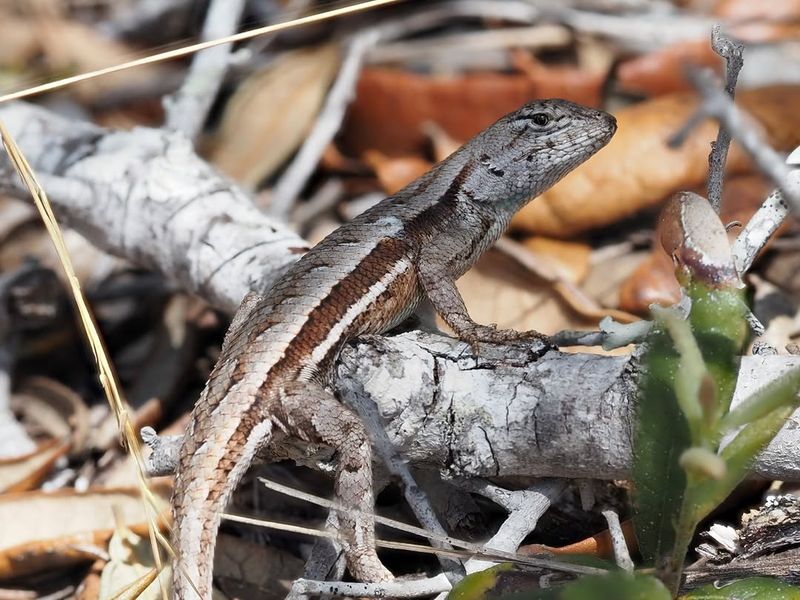
Watch a small lizard in an open yard for more than a few seconds and you will notice something consistent: it never strays far from cover. Low shrubs, groundcovers, plant bases, logs, and leaf litter edges all serve as escape routes.
The moment a shadow passes overhead or a footstep lands too close, the lizard is gone in a flash, tucked safely out of sight.
A yard that has both open sunny patches and nearby low cover is exactly the kind of mixed habitat that supports small native lizards. The open ground gives them space to bask and hunt.
The shrubs and plant bases give them shelter from hawks, cats, and other predators. Without both elements, the habitat is less suitable.
Homeowners can keep a yard tidy while still leaving intentional cover in place. Low native shrubs near garden edges can serve as useful wildlife habitat.
So can a small brush pile away from the foundation or a border of groundcover plants.
Damp, dense debris piled directly against the house foundation is a different matter. Thick piles against the structure can trap moisture, attract other unwanted pests, and create maintenance headaches.
Keep cover intentional and well-placed rather than accidental. A few low shrubs in a sunny garden bed do real ecological work without creating problems for the home itself.
5. Summer Heat Makes Basking Easier To Notice
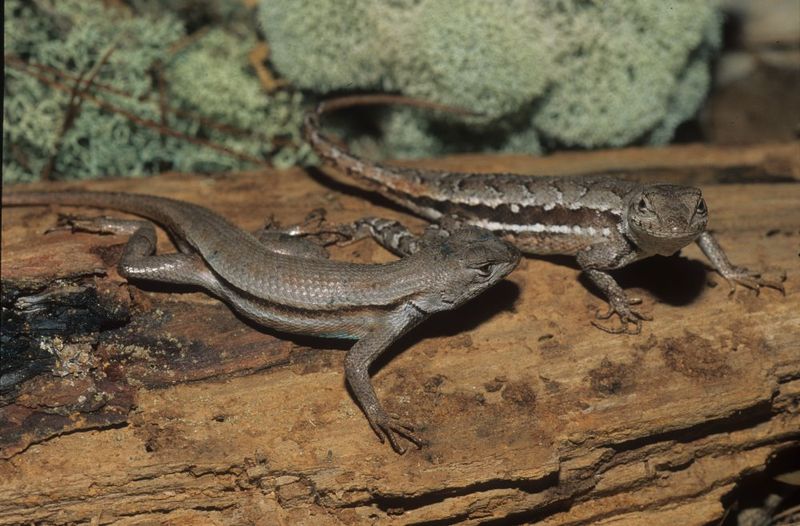
Hot pavement, warm concrete edges, and sun-soaked walkways become prime basking spots when summer temperatures peak.
Small lizards that might have been harder to spot in cooler months suddenly seem to be everywhere, sitting still in plain view while they soak up heat.
The population did not explode overnight. What changed is visibility.
Lizards are more active in warm weather, and they spend more time in exposed spots to regulate their temperature quickly. They also tend to stay still longer on warm surfaces because the heat is doing exactly what they need.
That stillness makes them much easier for people to notice.
Morning and late afternoon tend to be peak activity times. Midday heat can become too intense for small lizards.
They may retreat to shaded cover during the hottest hours and return to open spots as temperatures ease. Watching for this pattern can help you understand your yard’s daily wildlife rhythm.
Increased insect activity in summer also plays a role. More insects near walkways, patios, and garden edges means more hunting opportunities in those spots, which draws lizards closer to areas where people spend time.
The combination of warm surfaces and nearby prey makes patios, path edges, and sunny garden borders particularly active spots during summer months. None of that means the yard has a problem; it means the season is working as it should.
6. They Are Not Taking Over The House
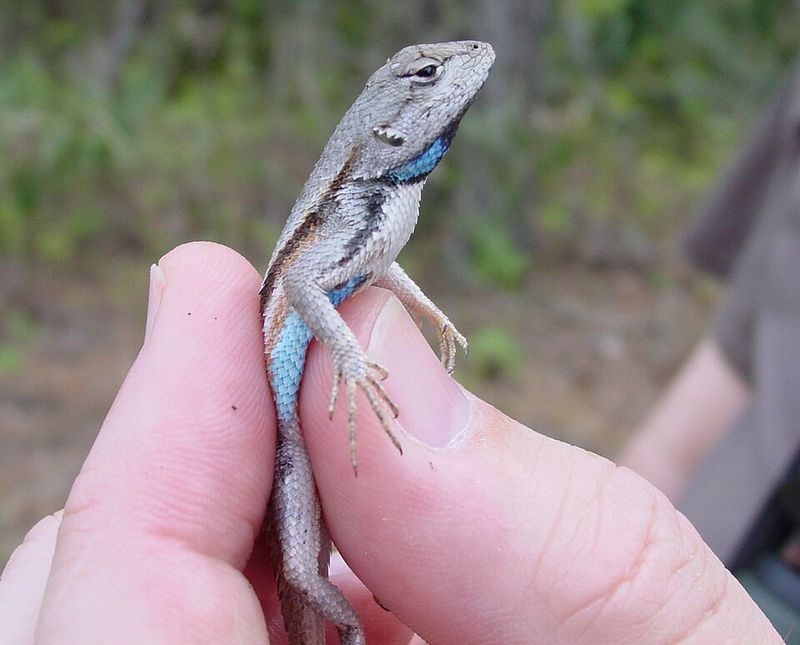
Seeing a small lizard near your back door or porch does not mean the house is under siege. Small native yard lizards are not trying to move indoors permanently.
They follow warmth, light, and insects, and entryways can sometimes concentrate all three things in one convenient spot.
Porch lights attract insects at night, which can draw lizards to the area around doors and windows.
A gap under a door or a torn screen gives any small animal an accidental entrance, but that is a home maintenance issue rather than a wildlife behavior problem.
Lizards that wander inside are almost always there by accident and would prefer to be outside.
Practical steps make a real difference. Repairing torn screens, adding a door sweep to doors with gaps at the threshold, and keeping entryways less cluttered can reduce accidental entries significantly.
Motion-sensor lights or shielded bulbs that attract fewer insects near doorways can also help.
Do not attempt to trap, handle, or relocate lizards found near the house. If one wanders indoors, open a door or window and guide it out gently using a piece of cardboard or a light broom sweep along the floor.
Handling wild lizards stresses the animal and is not recommended. A little patience and an open door usually solve the problem faster than any other approach.
7. Pesticides Can Remove The Food Web They Need
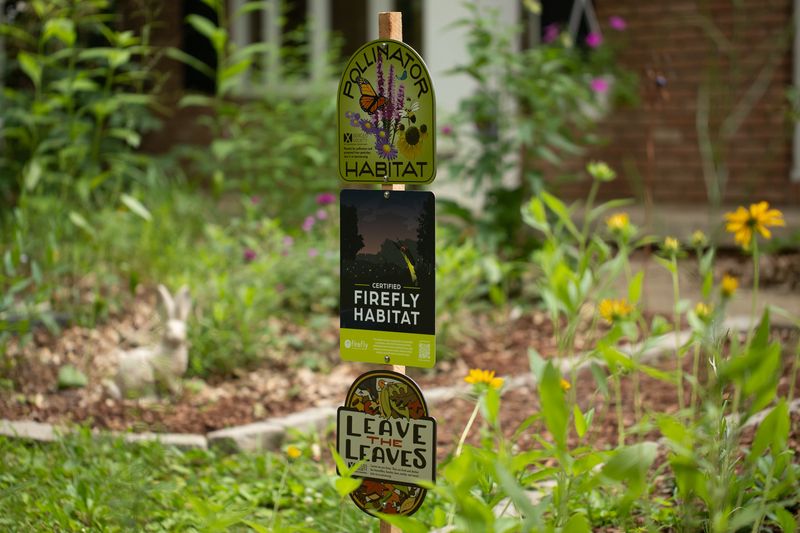
Broad pesticide applications across a yard may seem like a simple fix for pest problems, but the effects reach further than the target pest. Insecticides applied widely can reduce the overall insect population in a yard.
That includes beetles, ants, caterpillars, and other small invertebrates that lizards eat.
When insect prey drops sharply, the small predators that feed on them have less reason to stay in the area. A yard that once supported visible native lizard activity can become noticeably quieter after repeated broad pesticide use.
That shift is a signal worth paying attention to.
Cautious pest management is the smarter path. Correct pest identification, spot treatment, and UF/IFAS guidance can help homeowners manage real pest problems.
Those steps can also avoid disrupting the wider food web. Extension offices across the state offer free or low-cost advice on integrated pest management approaches that are safer for the yard environment.
No one is suggesting that a homeowner ignore a dangerous or damaging pest problem to protect lizards. The point is to avoid unnecessary broad treatments when a targeted approach would work just as well.
A yard that keeps its insect community reasonably intact also keeps its small wildlife community active, visible, and functioning as part of a healthy local food web. That balance is worth protecting when possible.
8. A Lizard Friendly Yard Is Usually Working
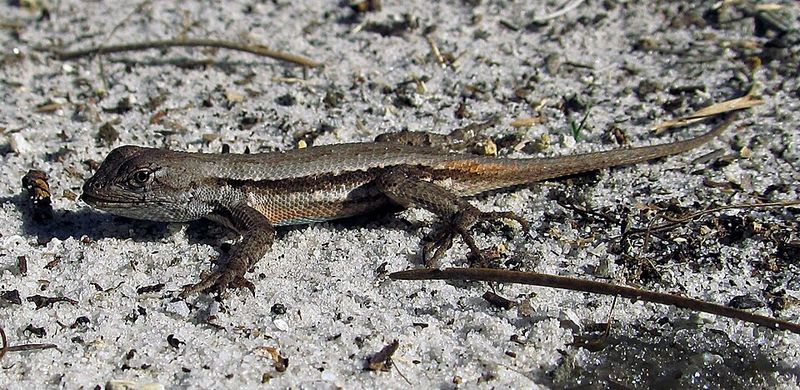
When small native lizards are active and visible in a yard, it usually means several things are going right at once. There is enough sunlight reaching open ground.
There are insects present. There is cover nearby.
And the habitat has enough variety to support a small but real food web. That is not a yard out of control; it is a yard that is working.
The phrase “take over” is really just a summer observation hook. Homeowners are noticing several things at once.
These include peak lizard activity, warm surfaces, more insects, and warm-weather routines that bring people outside more often. More eyes outside means more lizard sightings, even when the actual population has not changed dramatically.
Responsible enjoyment of a wildlife-active yard means observing from a distance. Avoid handling lizards or attempting to interact with them directly.
Keep cats indoors or supervised when possible, since domestic cats are a significant threat to small native wildlife.
Learn the species carefully before drawing conclusions, and use credible identification resources like the Florida Museum or FWC guides when uncertain.
A yard with visible native lizards, intentional habitat, controlled pesticide use, and maintained screens and doors can balance human comfort with local ecology. Spiny-looking lizards sprinting across sunny patches are not a problem to solve.
They are a sign that your outdoor space has something worth paying attention to this summer.