How To Keep Red Yucca Blooming Nonstop Through Arizona Summer
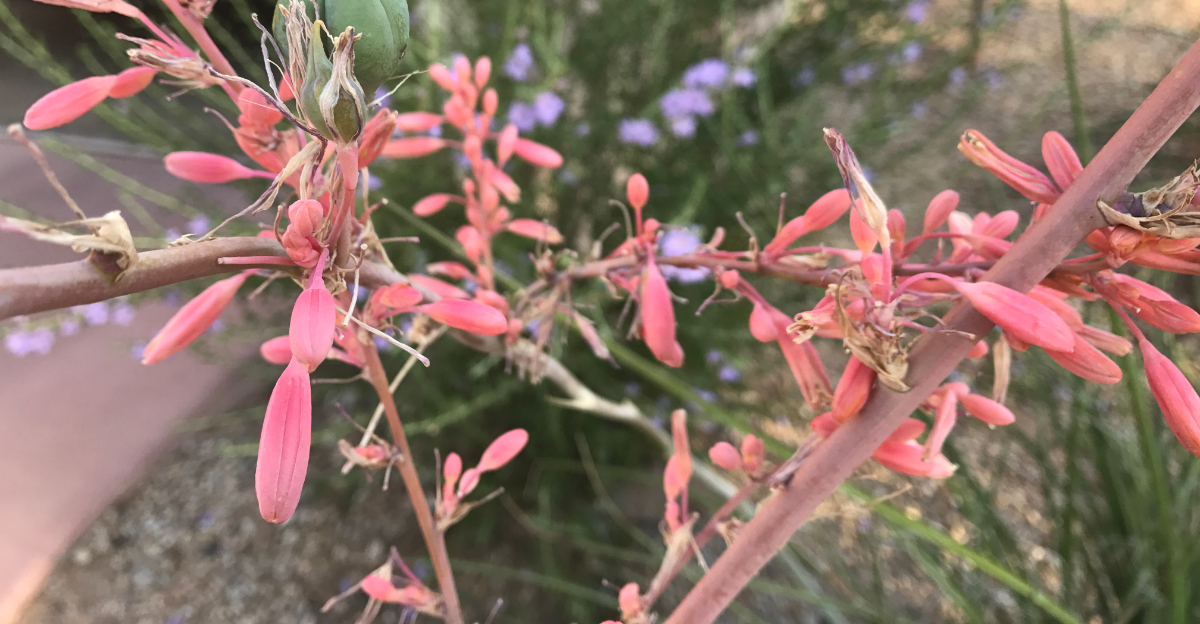
Red yucca does not need perfect conditions to put on a colorful show, but that does not mean it will keep blooming all summer without a little attention. If your plant started strong and then slowed down, do not assume the heat is to blame.
A few overlooked habits often make the biggest difference.
Arizona gardens are full of red yucca for a reason. It thrives in the desert, asks for very little, and rewards good care with bright flower spikes that last for months.
Before you accept fewer blooms, take a closer look at how you are caring for it.
Keeping red yucca looking its best is often easier than people expect. A few simple adjustments can help it stay colorful and continue blooming through the hottest part of the Arizona summer.
1. Plant It Where It Gets Full Sun
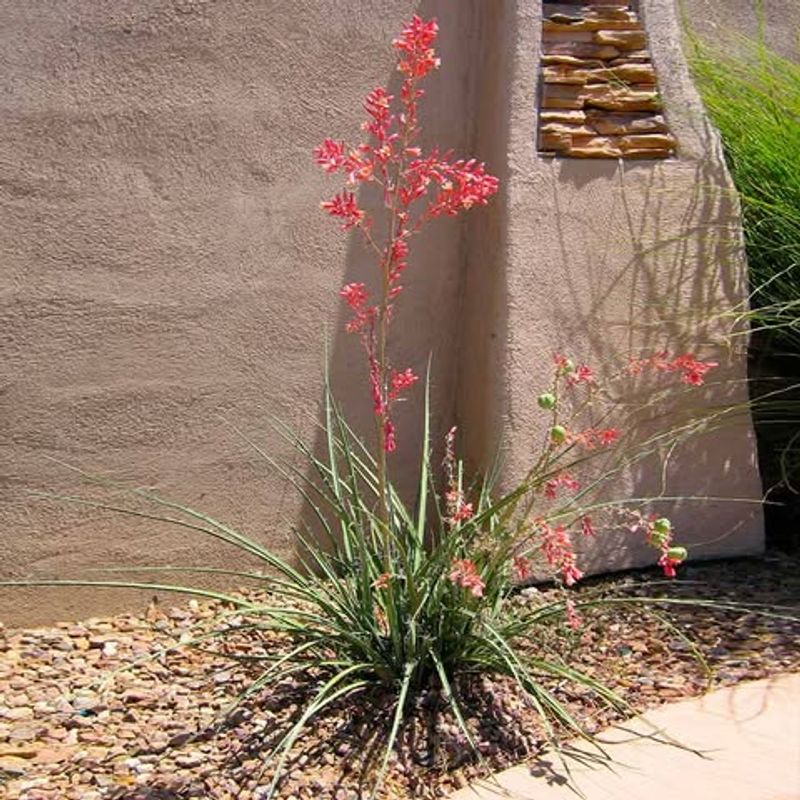
Shade is the enemy of red yucca blooms. Put this plant in a spot that gets six or more hours of direct sun each day, and it will reward you with long flower spikes that keep coming back.
Partial shade might seem harmless, but it often cuts bloom production significantly. Less sun means less energy for flowering.
It is that straightforward.
In hot desert regions, afternoon sun can feel extreme, but red yucca handles it well. It evolved in open, sunny environments and actually performs better under full exposure than in filtered light.
When choosing a planting spot, avoid placing it near walls that block morning sun. East or south-facing spots tend to work best in most yards.
Reflected heat from concrete or rock can add extra warmth, which red yucca generally tolerates.
Just make sure the soil drains well in that area, because standing water is far more damaging than heat.
If your plant has been blooming poorly for a season or two, check how much sun it actually receives throughout the day. Sometimes nearby trees or structures gradually reduce light without you noticing.
Relocating a struggling plant to a sunnier spot in fall can lead to noticeably improved flowering the following spring and summer.
2. Remove Spent Flower Stalks Promptly
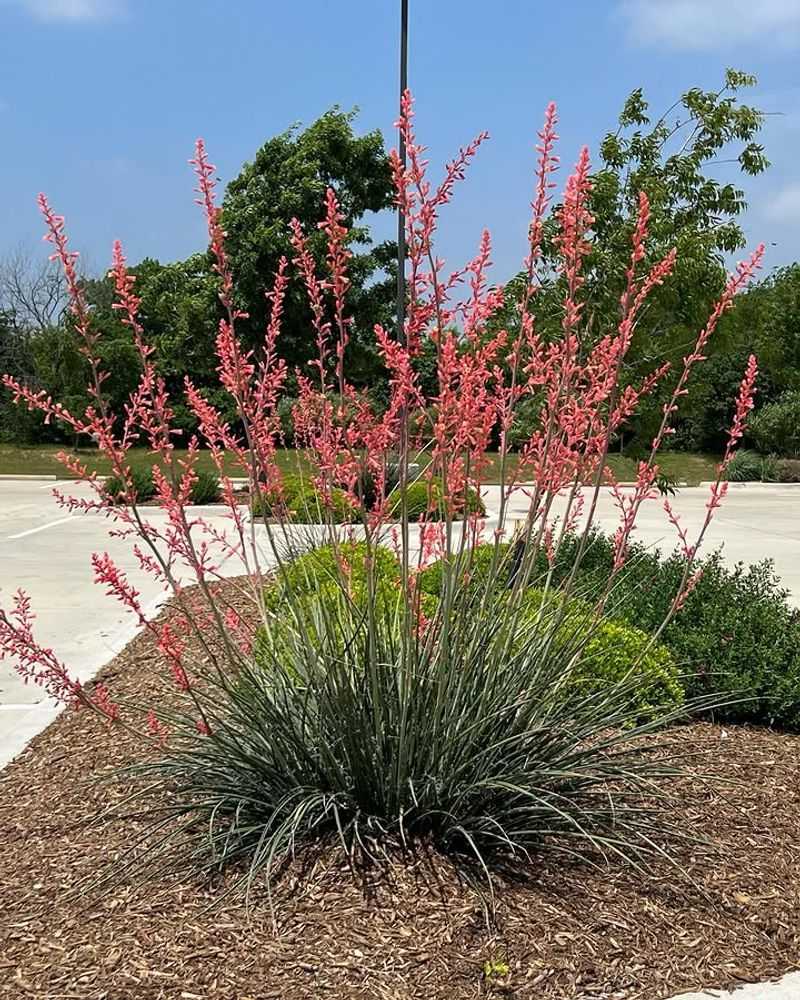
Leaving old flower stalks on the plant is one of the most common mistakes red yucca growers make. Once a spike finishes blooming, it shifts the plant’s energy toward seed production instead of new flowers.
Cutting spent stalks off at the base redirects that energy. It signals the plant to push out fresh growth and, in many cases, new bloom spikes follow within weeks during the growing season.
Use sharp, clean pruning shears for this job. A clean cut heals faster and reduces the chance of introducing any disease into the plant’s core.
Timing matters too. Cut the stalks as soon as the flowers fade rather than waiting until the stalk turns completely brown.
Earlier removal tends to produce a faster response from the plant.
Some gardeners hesitate because the stalks look tall and dramatic even after blooming. It is tempting to leave them for structure, but doing so consistently can reduce your overall flower count across the season.
Your Arizona Garden Changes Every Week. Your Plan Should Too.
Gardening in Arizona changes quickly throughout the season. Every Friday you’ll receive a simple weekly plan showing exactly what to plant, prune, fertilize, harvest, and protect so you never miss the right timing.
Red yucca is capable of producing multiple bloom cycles in a single summer under the right conditions.
Prompt deadheading is one of the easiest ways to encourage that kind of extended performance without adding fertilizer or changing your watering schedule.
It takes less than five minutes and the results are often noticeable within a few weeks.
3. Water Thoroughly During Extended Dry Spells
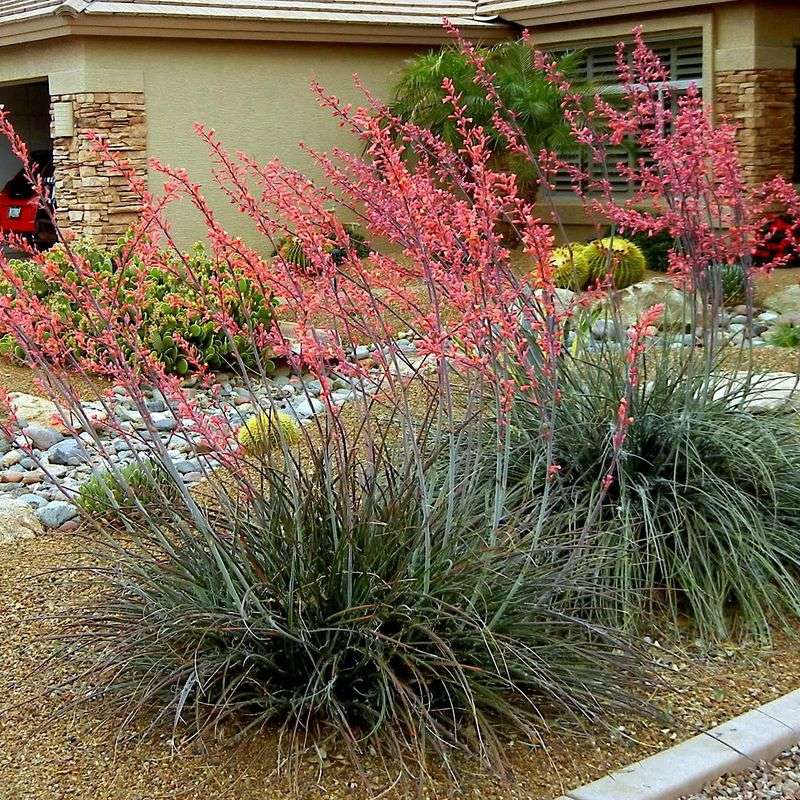
Red yucca is drought-tolerant, but drought-tolerant does not mean drought-proof. During long stretches without rain, even established plants can show stress that cuts into their blooming potential.
A deep, slow watering every two to three weeks during summer dry spells is often enough. Shallow, frequent watering encourages weak roots and does less to support flowering than a single thorough soak.
Drip irrigation works well for this plant. It delivers water directly to the root zone without wetting the crown, which is where moisture problems tend to start.
Watch for subtle signs of water stress. Slightly curling leaves or a dull, grayish leaf color can indicate the plant needs a drink.
Waiting until the plant looks dramatically wilted is waiting too long.
Overwatering is just as problematic as underwatering. Soggy soil causes root issues that affect the plant’s ability to send up flower spikes.
Good drainage is non-negotiable.
In Arizona, monsoon season can provide helpful supplemental moisture from July through September. During that window, you may not need to water at all, depending on how much rain actually falls in your area.
Pay attention to your local conditions rather than following a fixed schedule. Adjusting your watering based on actual weather patterns is more effective than sticking to a rigid routine regardless of what the sky is doing.
4. Keep The Crown Free Of Excess Mulch
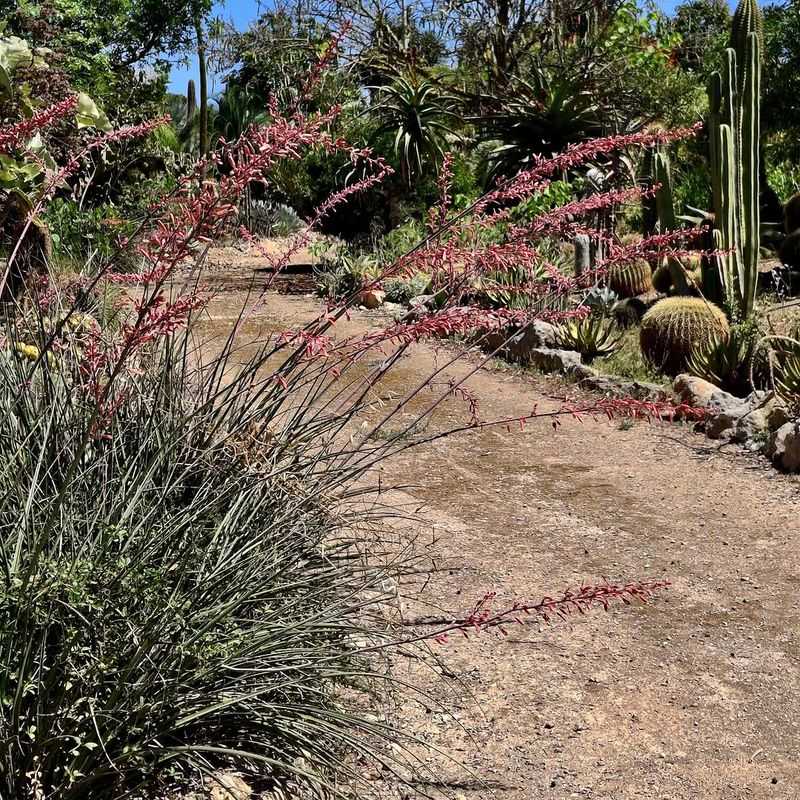
Mulch piled against the crown of a red yucca is a quiet problem. It holds moisture against the base, and that trapped dampness can cause rot that weakens the plant over time.
Gravel mulch is a better choice around red yucca than organic mulch. It allows the soil surface to dry quickly between waterings, which matches what this plant prefers naturally.
If you use organic mulch elsewhere in your yard, keep it at least six inches away from the yucca’s center. A small cleared zone around the base makes a noticeable difference in plant health and long-term vigor.
Excess mulch can also hide pests and create habitat for insects that feed on the plant’s base. Keeping that area open and visible makes it easier to spot any issues early.
Some gardeners apply mulch with the best intentions, thinking it will protect the plant from summer heat. Red yucca roots actually prefer warm, well-drained soil rather than cool, moist conditions, so heavy mulching can work against the plant’s natural preferences.
Check the crown area a couple of times during the growing season. If mulch has shifted or accumulated from wind or rain, pull it back.
A few minutes of maintenance here helps the plant focus its energy on producing flowers rather than fighting off moisture-related stress at its base.
5. Avoid Too Much Nitrogen Fertilizer
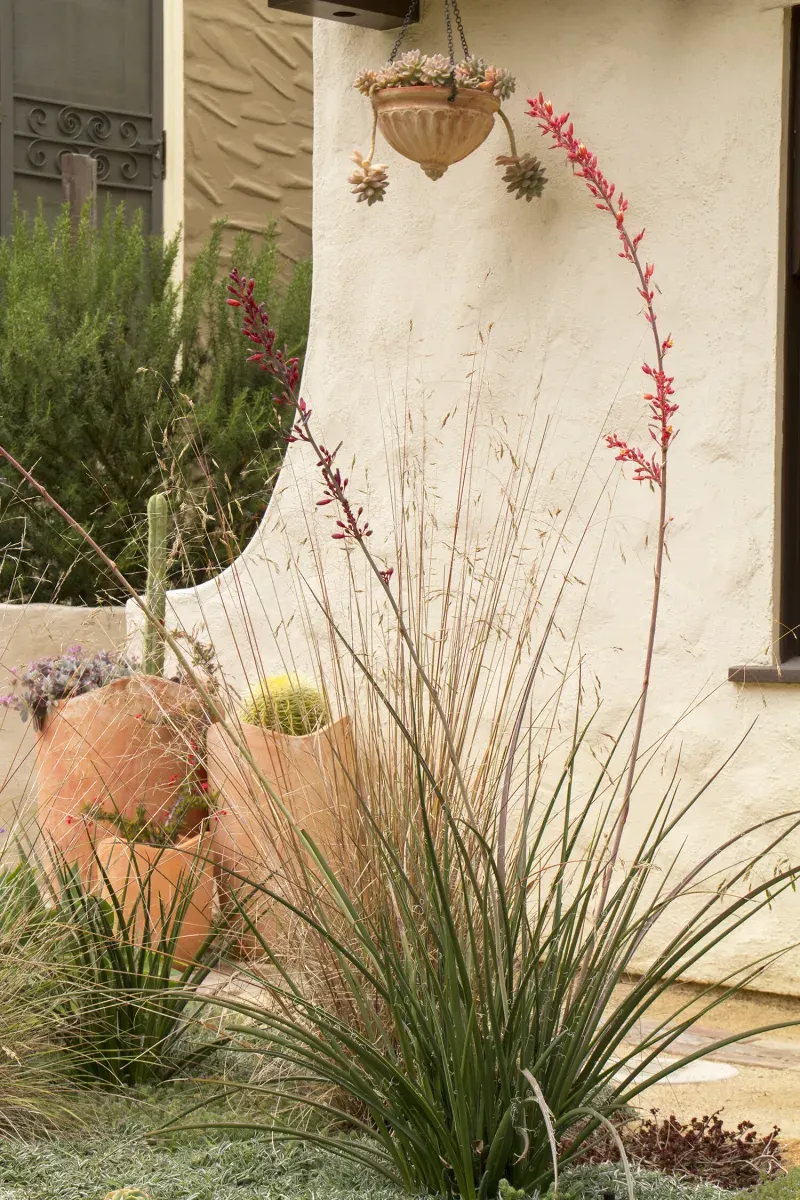
Nitrogen pushes plants to grow leaves. That sounds helpful, but for red yucca, too much of it means lush green foliage and far fewer flower spikes than you were hoping for.
Heavy feeding with nitrogen-rich fertilizers can shift the plant’s energy toward vegetative growth at the expense of blooming. It is a common mistake, especially with gardeners used to feeding ornamental plants aggressively.
Red yucca does not need much fertilizer at all. In native desert soils, it grows well with minimal inputs.
A light application of a balanced, low-nitrogen fertilizer in early spring is usually sufficient for most established plants.
If you choose to fertilize, look for a product with a lower first number in the N-P-K ratio. Something like a 5-10-10 or similar blend supports root health and flowering without overloading the plant with nitrogen.
Skip the fertilizer entirely during summer heat. Feeding a plant during extreme temperatures can stress it rather than help it.
Wait until conditions cool slightly before applying anything.
Young plants that are still establishing may benefit from occasional feeding in their first year. After that, most red yuccas in reasonably decent soil do fine without regular fertilization.
Focus on sun, drainage, and proper watering before reaching for a fertilizer bag. Those basics drive blooming more reliably than any supplement can.
6. Leave Healthy Leaves In Place
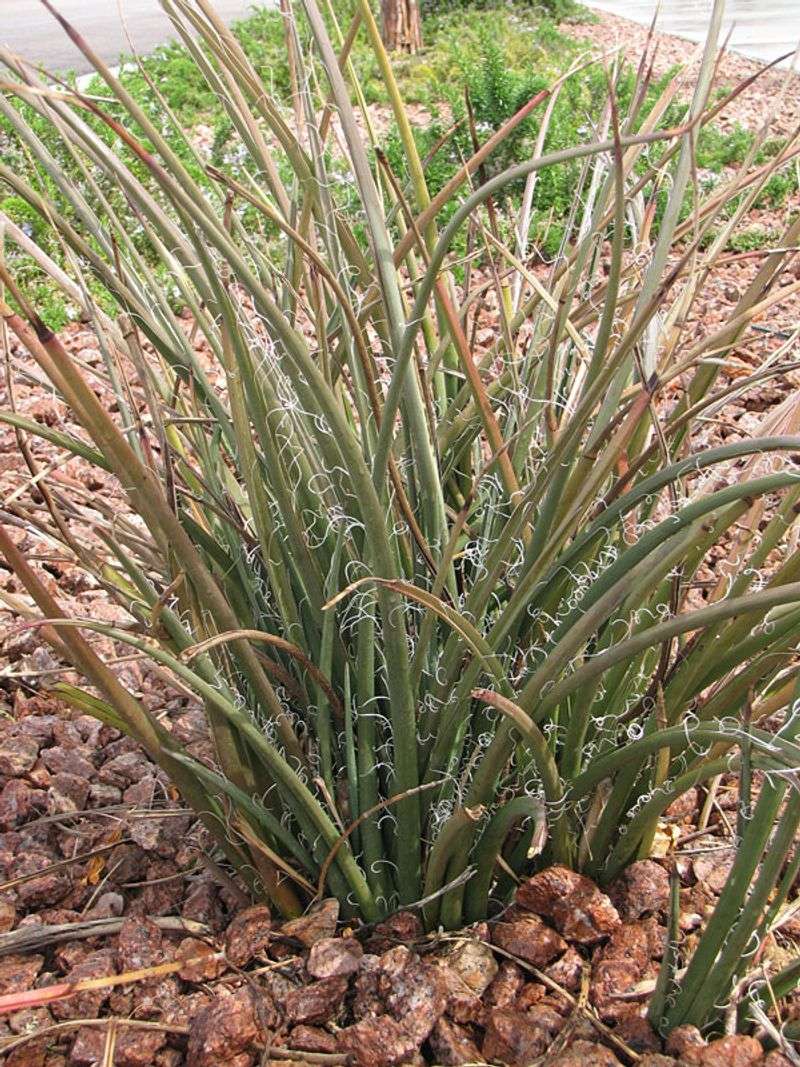
Trimming back healthy yucca leaves might seem like a way to tidy up the plant, but it often backfires. Those leaves are where the plant stores energy, and removing them can reduce its ability to produce flowers.
Only remove leaves that are clearly brown, damaged, or showing signs of disease. Green leaves, even ones that look slightly ragged, are still working for the plant and should stay put.
Red yucca has a natural arching shape. Cutting into that form to make it look neater can actually weaken the plant’s overall energy reserves heading into the bloom season.
Some gardeners trim the tips of leaves that have dried out or sharpened. That is reasonable.
Just avoid removing entire healthy leaves unless there is a clear reason to do so.
Leaf removal also creates open wounds on the plant. In summer heat, those cuts can dry out quickly, but they still represent stress points that take energy to manage.
Think of the leaves as solar panels. More healthy leaf surface means more sunlight captured, more energy stored, and more fuel available for those tall flower spikes you want to see.
Keeping the plant’s foliage intact through the growing season supports stronger and potentially longer bloom cycles. It is a simple habit that requires no tools, no products, and no extra time in the garden.
7. Remove Weeds Before They Compete For Water
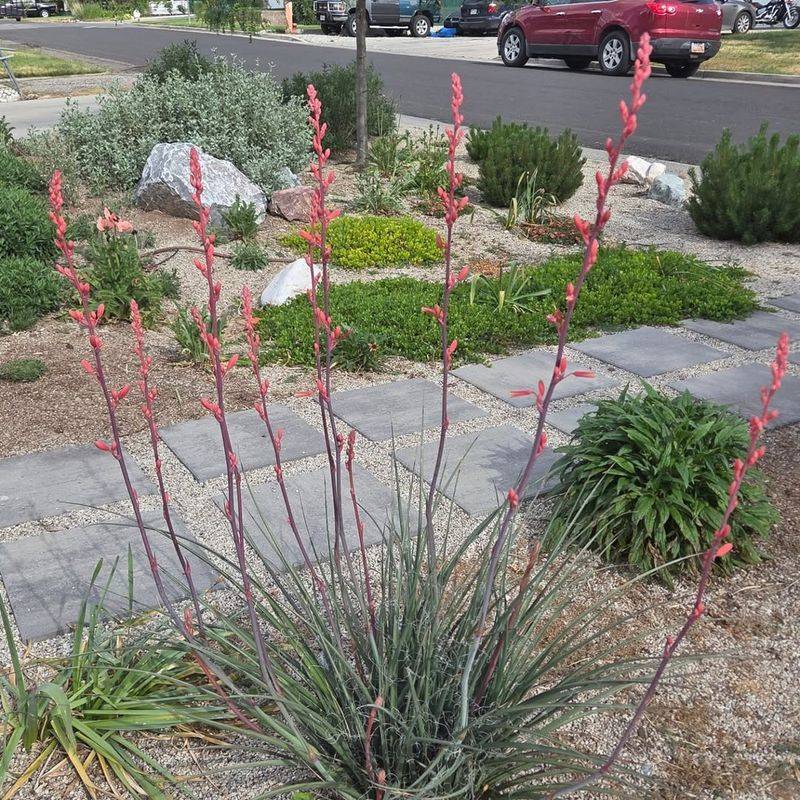
Weeds are surprisingly aggressive competitors in desert gardens. Even in dry, rocky soil, they find ways to grab moisture and nutrients before your red yucca can access them.
Pulling weeds early, before they establish deep roots, is far easier than dealing with them later. A quick pass through the garden once a week during the monsoon season can prevent a major weed problem from developing.
Gravel mulch helps reduce weed pressure around red yucca. It is not a perfect barrier, but it slows germination and makes hand-pulling much easier when weeds do appear.
Weeds that grow close to the crown are the most problematic. They create shade, trap moisture, and sometimes harbor insects that can stress the plant.
Clear that zone around the base as a priority.
Avoid using chemical weed controls near red yucca without careful attention to label directions. Some products can harm nearby desirable plants if they reach the root zone or are applied during hot, windy conditions.
During Arizona summers, fast-growing annual weeds can pop up quickly after monsoon rains. Staying ahead of them protects the moisture that red yucca needs for sustained blooming.
A plant that is not competing for resources tends to put more energy into flowering. Consistent, light weeding throughout the season is more manageable than tackling an overgrown bed all at once.