The Blue Tailed Lizard Georgia Gardeners Keep Spotting This Summer
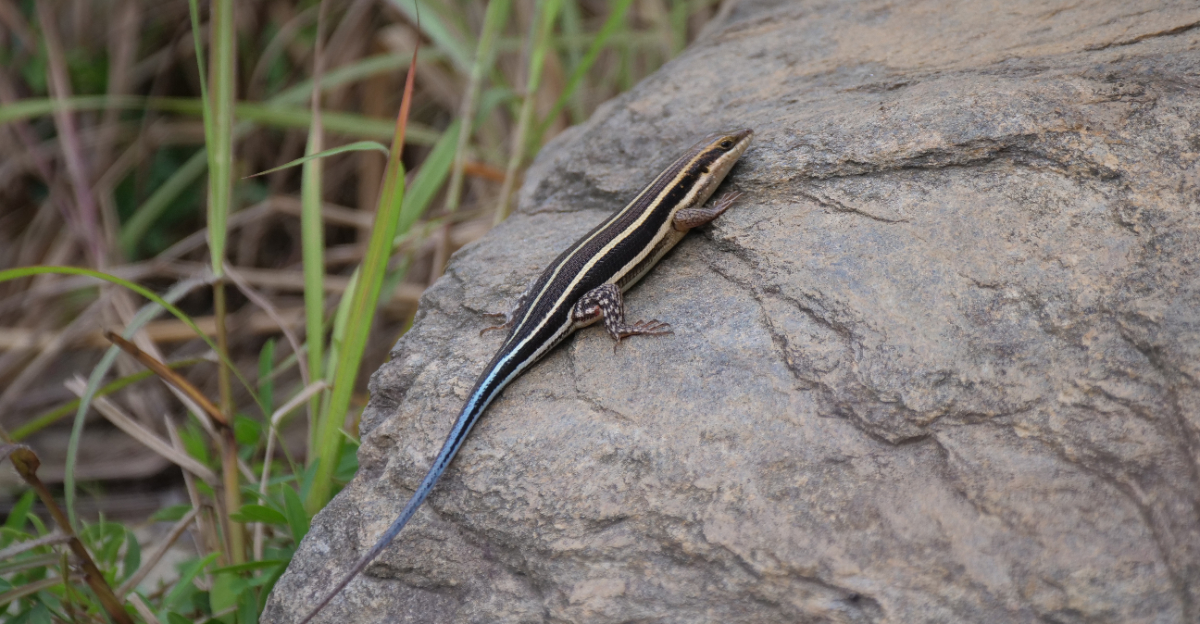
Bright blue flashes through the garden are hard to ignore, especially when they disappear almost as quickly as they appear. Before you assume you spotted something unusual, take a closer look at this tiny visitor.
Georgia yards are full of places where these colorful lizards can hide, hunt, and stay out of sight until the perfect moment.
Knowing what makes them different helps you appreciate every unexpected encounter instead of wondering what just raced past your feet.
Do not rush to chase one away if it slips beneath mulch or a pile of leaves. These quick reptiles spend their days searching for insects and avoiding danger, not causing trouble.
Once you recognize why they keep appearing during summer, every sighting becomes a fascinating part of your backyard instead of a mystery.
1. It Is Usually A Young Five Lined Skink
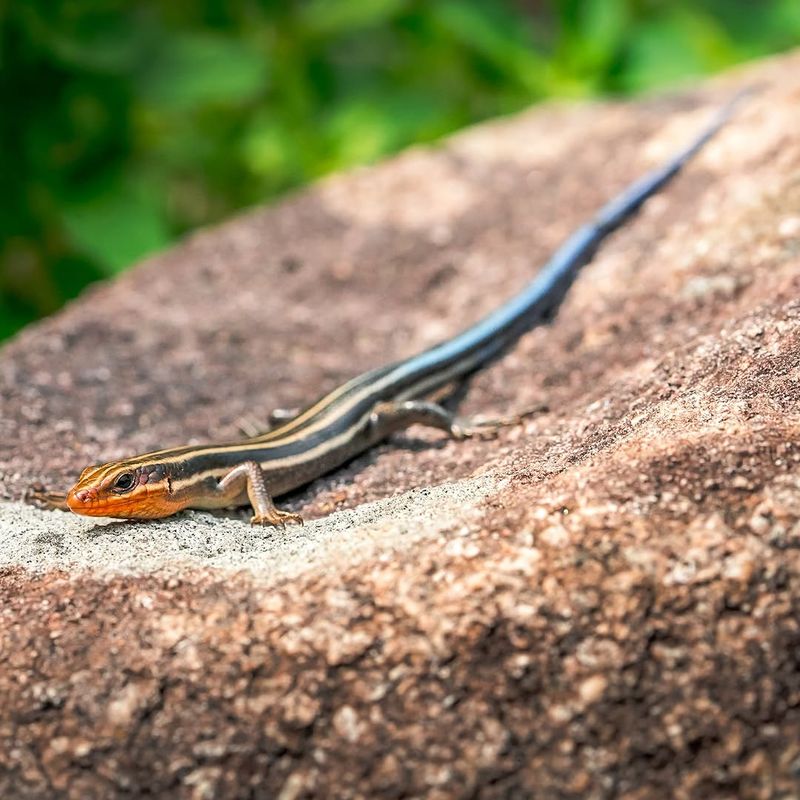
That flash of blue you spotted near your garden bed is almost certainly a juvenile five-lined skink. Young skinks carry that striking blue tail as a natural defense tool.
When a predator grabs for them, the tail detaches and keeps wriggling, giving the skink a chance to escape.
As they grow older, the blue color fades. Adult five-lined skinks shift toward a brownish or olive tone, and the stripes become less sharp.
So if you are seeing a lot of bright blue tails, you are likely looking at youngsters born earlier in the season.
Five-lined skinks are one of the most common lizards found in the southeastern United States. Georgia yards, especially ones with trees, logs, and garden beds, are perfect habitat for them.
Spotting several in one yard is not unusual during summer months.
People sometimes confuse them with other species, but the combination of five pale stripes and that vivid blue tail is a reliable identifier for juveniles. No other common backyard lizard in this region has quite that same look.
If you see one, take a second to appreciate it rather than shooing it away.
2. Leave Rock Piles And Fallen Logs In Place
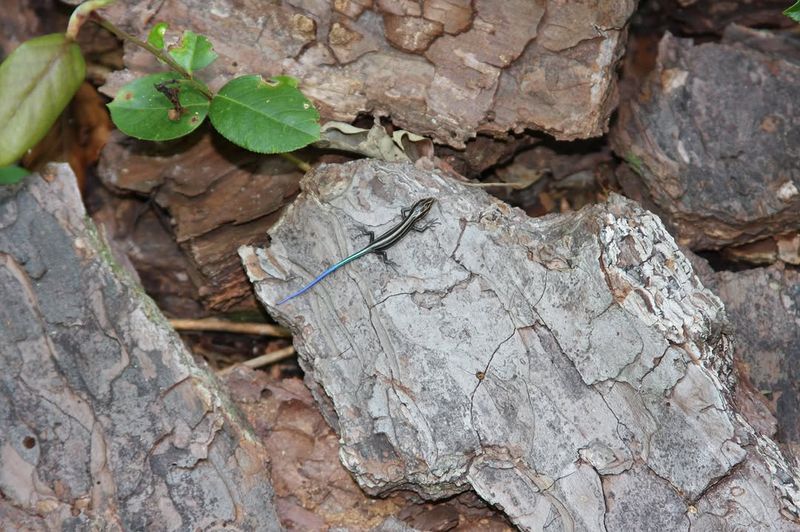
Rock piles and fallen logs are not eyesores. For five-lined skinks, they are prime real estate.
Skinks use these spots to warm up, hide from predators, and search for insects hiding in the crevices underneath.
Removing every log or stone from your yard strips away the shelter these lizards depend on. A tidy garden might look clean, but it often supports far less wildlife than one with a few natural features left intact.
Stacking a few flat stones near a garden border takes almost no effort. Leaving a small log to decompose near a shaded bed costs nothing.
Both of those simple choices can make your yard noticeably more welcoming to skinks over a single season.
Rotting wood also attracts beetles, grubs, and other insects that skinks actively hunt. So the log does double duty: it provides cover and draws in food at the same time.
Skinks in Georgia are active hunters, and having reliable food sources close to shelter keeps them coming back.
Your Georgia Garden Changes Every Week. Your Plan Should Too.
Gardening in Georgia changes quickly throughout the season. Every Friday you’ll receive a simple weekly plan showing exactly what to plant, prune, fertilize, harvest, and protect so you never miss the right timing.
You do not need to turn your yard into a nature preserve to make a difference.
Even one or two well-placed logs or rock clusters can support a small population of skinks through the warmer months.
3. Broad Spectrum Insect Sprays Can Reduce Their Food Supply
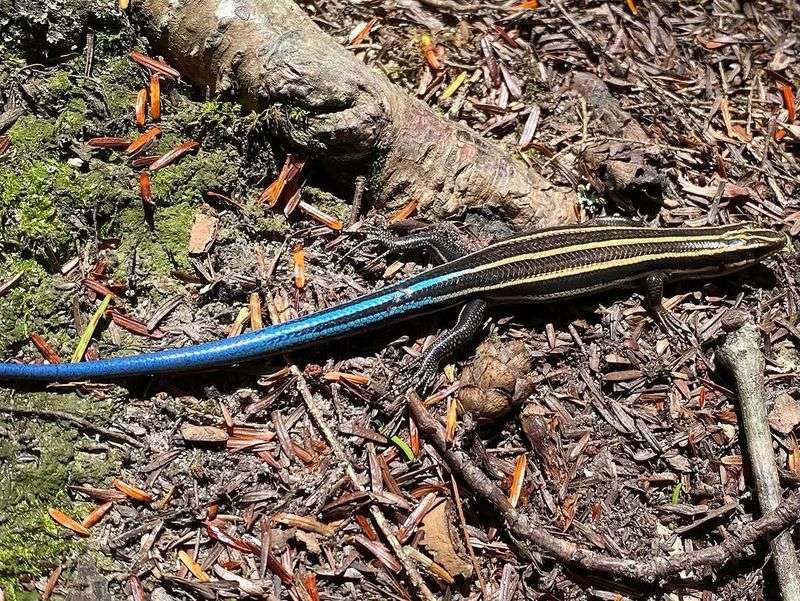
Skinks eat insects. Beetles, crickets, grasshoppers, and similar bugs make up a big part of their diet.
When broad-spectrum insecticides are applied across a yard, they can reduce the insect population that skinks rely on for food.
Fewer insects means less food available for skinks and other insect-eating wildlife. Over time, that kind of reduction can make a yard less suitable for them to stick around in.
It is not an overnight change, but it adds up across a season.
Targeted pest control is usually a better approach for gardeners who want to manage specific problem insects without affecting everything else.
Spot treatments on particular plants or problem areas tend to have a narrower impact than spraying a whole yard.
Natural pest management strategies can also help. Encouraging skinks, birds, and other insect eaters to visit regularly can reduce pest pressure on its own.
A yard with healthy insect diversity tends to regulate itself better than one that relies heavily on chemical control.
Worth keeping in mind: no single approach works perfectly in every situation. Soil type, plant variety, and local pest pressure all play a role.
4. Keep A Few Shady Hiding Spots
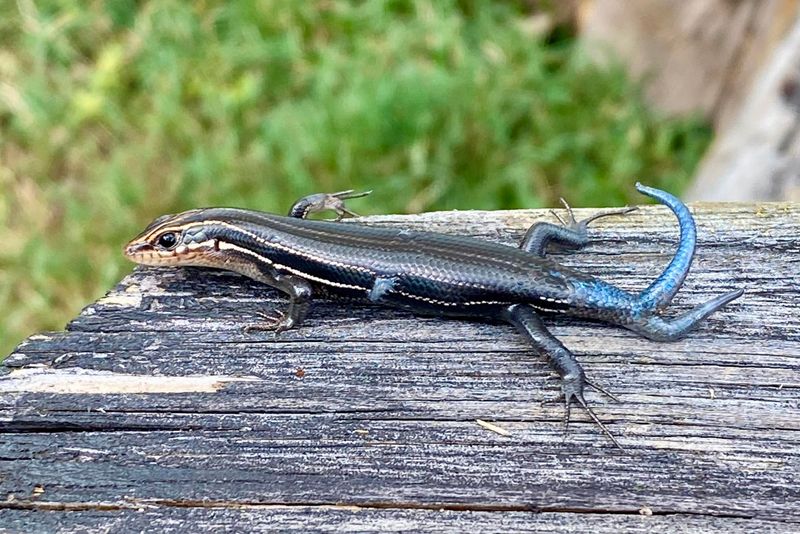
Skinks do not spend all day baking in direct sun. Young ones especially need shady spots to cool off, hide from birds, and rest between hunting runs.
Without shade, a yard can feel exposed and unsafe to them.
Dense plantings near the ground level work well.
Low-growing shrubs, ground cover plants, and even stacked clay pots turned on their sides can create the kind of sheltered microhabitats skinks actively seek out during the hottest parts of summer days.
Overplanted garden beds with thick mulch layers are also attractive to skinks. The mulch stays cooler than open soil, and the loose material gives them something to burrow under when they need a quick escape route.
Shady spots near a water source are especially useful. Skinks need to stay hydrated, and areas near a dripping hose, a shallow birdbath, or a moist garden bed tend to attract more activity.
A small, shallow dish of water placed near a shaded area is a low-effort addition that can make a noticeable difference.
Yards in Georgia get intense summer heat. Creating a few cool, sheltered zones is not just good for skinks.
5. Leaf Litter Gives Them Extra Cover
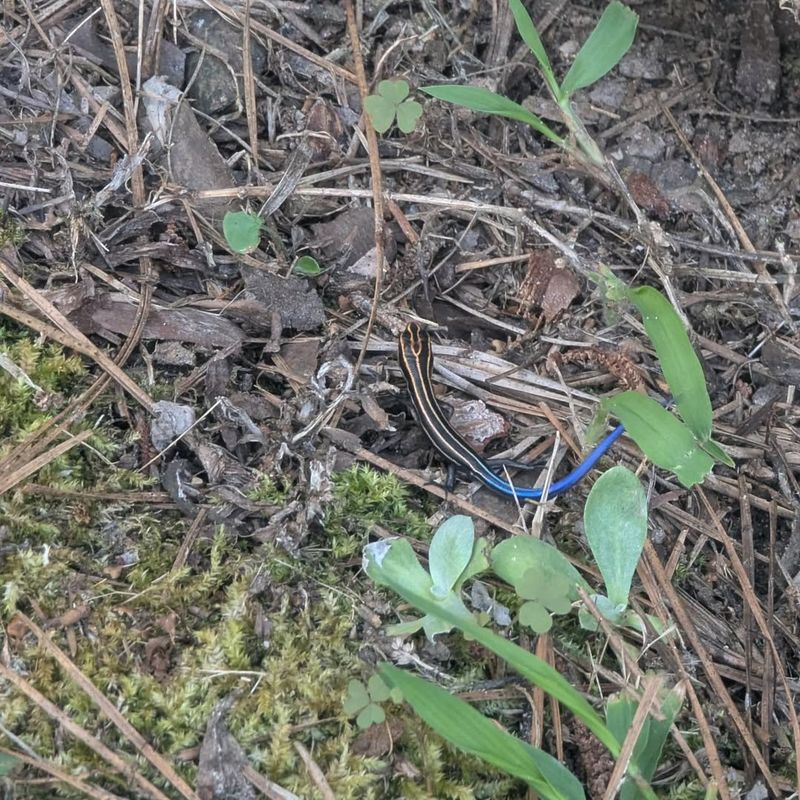
Leaf litter might look messy to some gardeners, but to a skink it is one of the most useful things in a yard. Skinks forage through leaf litter constantly, flipping bits of debris to find beetles, spiders, and other small invertebrates hiding underneath.
A thin layer of fallen leaves near a fence line or under a tree is enough to make a difference. It does not need to be a thick pile.
Even a modest amount of natural debris gives skinks a place to hunt and a surface to blend into when they feel threatened.
Raking every leaf out of every corner of the yard removes a resource that supports not just skinks but also fireflies, small frogs, and beneficial beetles.
Leaving some areas undisturbed through summer is a practical way to support local wildlife without much extra effort.
Partially decomposed leaves are especially attractive. They hold moisture longer and tend to harbor more insect activity than fresh, dry ones.
Placing a small accumulation of leaf litter near a rock pile or log creates a layered habitat that skinks find hard to resist.
If keeping the whole yard natural is not realistic, just pick one or two spots to leave alone.
6. Leave Part Of The Yard A Little Wild
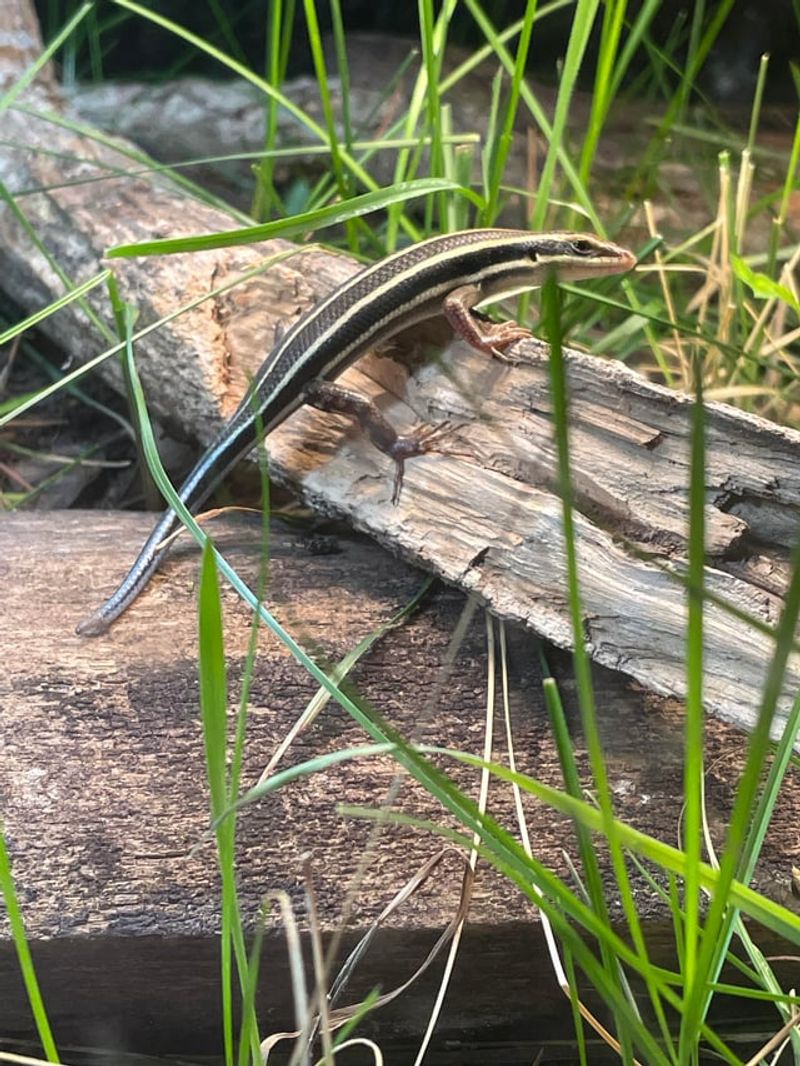
Not every inch of a yard needs to be manicured. Skinks and other small wildlife tend to avoid open, closely cropped spaces where they have no cover.
A section of yard left to grow a little freely can become one of the most active wildlife corridors in the whole property.
Native plants work especially well for this. Plants that naturally grow in the southeastern United States tend to attract local insects, which in turn draw skinks into the area.
A small patch of native grasses, wildflowers, or low shrubs near a fence can create that kind of activity surprisingly fast.
Wild sections also tend to develop their own leaf litter and debris over time, which builds the layered habitat skinks use for foraging and shelter.
It becomes self-sustaining without much input from the gardener beyond occasionally letting things grow.
Neighbors sometimes raise eyebrows at an unmowed corner, but a small, intentionally designed naturalized section looks different from an abandoned yard.
Framing it with a simple border or a garden sign can help communicate that it is a deliberate wildlife space.
Across much of Georgia, natural habitat loss has pushed small reptiles closer to residential areas. Giving them even a small foothold in your yard helps fill a gap that matters to local ecosystems.
7. Give Them Space If You Spot One
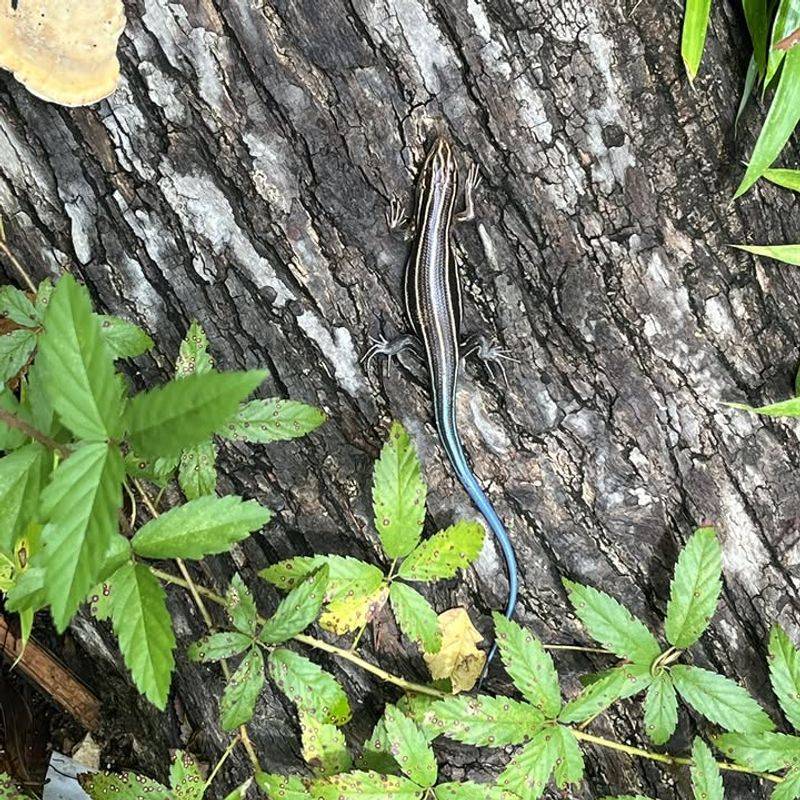
Spotting a skink up close is genuinely exciting, but the best thing you can do is stay calm and keep your distance. Skinks startle easily.
A sudden movement or an attempt to pick one up will send it sprinting under the nearest cover in about half a second.
Chasing or handling skinks stresses them out and can cause them to drop their tails.
Tail loss is not immediately harmful to the skink, but it does cost energy to regrow and leaves the animal more vulnerable for a period of time while the new tail develops.
Children are naturally curious about these lizards, which is a wonderful thing.
Teaching kids to observe without grabbing is a good habit that protects both the skink and the child, since skinks can bite if they feel cornered, though the bite is minor and not venomous.
Watching quietly from a short distance often rewards patience. Skinks are active hunters and will resume their normal behavior quickly once they decide a nearby presence is not a threat.
You might even get to watch one catch an insect if you stay still long enough.
Skinks are a natural part of the summer garden ecosystem across Georgia and the broader Southeast.