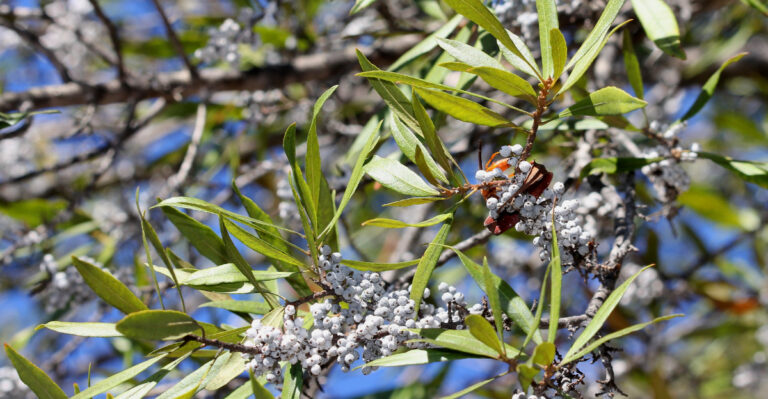
6 Native Florida Groundcovers To Plant Instead Of Chinch-Bug-Prone Turf
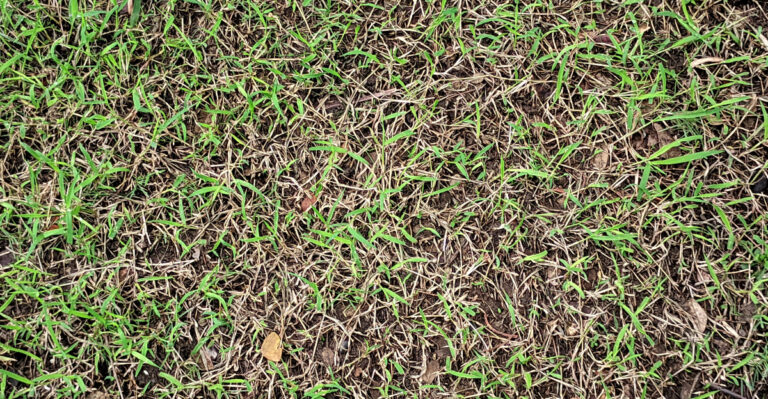
Chinch bugs and St. Augustine grass have an arrangement that Florida homeowners did not agree to. The turf invites them in, and the damage spreads fast.
The treatments that push them back create their own complications in a lawn already working too hard. Some homeowners have stopped playing that game entirely.
Not by treating more aggressively, but by replacing the turf sections that keep failing with something chinch bugs have no interest in. Florida native groundcovers do not attract chinch bugs.
They cover the same ground, handle the same heat, and ask considerably less in return than a St. Augustine lawn demands through the hardest months of the Florida season.
Several native options have proven themselves in exactly the spots where turf keeps struggling.
Low maintenance, visually strong, and completely off the chinch bug radar. The turf that keeps failing is optional.
What replaces it does not have to be.
1. Sunshine Mimosa Replaces Weak Sunny Turf
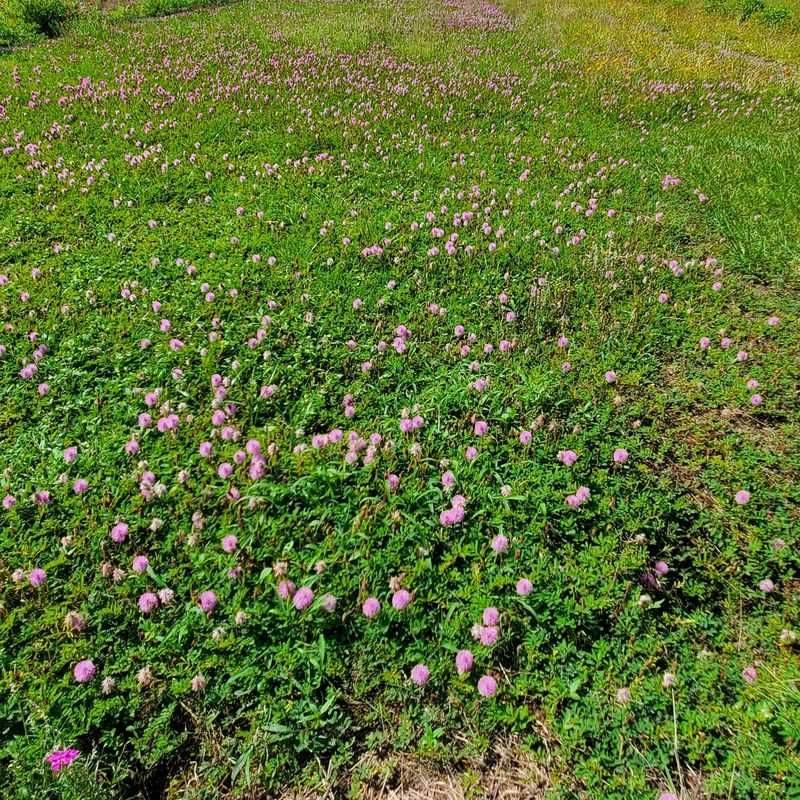
Picture a sunny patch in your yard where St. Augustinegrass just refuses to fill back in, no matter how many times you resod or water.
Sunshine mimosa, also called powderpuff mimosa (Mimosa strigillosa), is a native Florida groundcover worth considering for exactly that kind of spot.
It spreads low across the ground, roots as it goes, and produces cheerful pink powderpuff blooms that pollinators genuinely love.
To be clear, sunshine mimosa does not repel chinch bugs or solve any active turf pest problem.
Its value here comes from replacing some of that vulnerable St. Augustinegrass with a low-growing native plant that is better suited to warm, sunny, well-drained conditions.
Less turf in those stressed spots means less lawn area that needs turf-specific pest management over time.
Sunshine mimosa works best in full sun with good drainage. Sandy or average soils suit it well.
It does not perform well in soggy areas or deep shade, so check your site before planting. Space plants about two to three feet apart and water regularly during the first growing season until roots are established.
Early weed control matters a lot with this plant. Weeds can easily outcompete new mimosa before it fills in, so pull them consistently during the first few months.
Once established, sunshine mimosa is relatively low-maintenance and can handle light foot traffic, but it is not a durable replacement for high-traffic lawn areas. Use it along sunny borders, open beds, or lightly used front-yard spaces where turf keeps thinning.
Always check HOA rules and local ordinances before replacing turf areas.
2. Frogfruit Handles Tough Spots With Low Growth
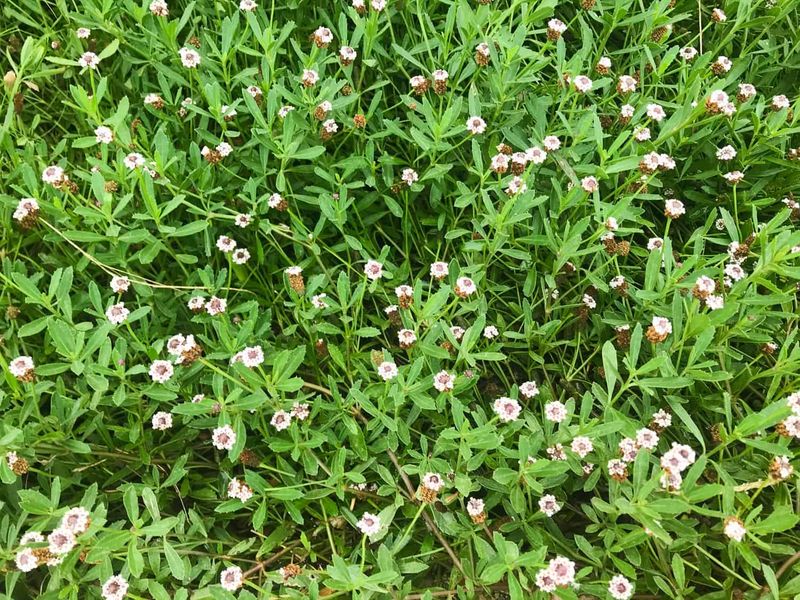
Some lawn areas are just plain tough to keep green: sidewalk strips, sunny slopes, spots under the drip edge of a roof. Frogfruit (Phyla nodiflora) is a Florida native, mat-forming groundcover.
It can move into difficult spaces and create low, living cover where turf struggles to stay healthy. Its tiny white-to-lavender flowers are small but mighty when it comes to attracting native bees and butterflies.
Frogfruit grows very low to the ground and spreads by stolons, which means it fills in gradually without becoming a towering mess. It tolerates full sun to part shade and moist to moderately dry soils.
Your Florida Garden Changes Every Week. Your Plan Should Too.
Gardening in Florida changes quickly throughout the season. Every Friday you’ll receive a simple weekly plan showing exactly what to plant, prune, fertilize, harvest, and protect so you never miss the right timing.
That makes it one of the more adaptable native groundcovers on this list. That said, it performs best with some moisture during establishment and does not thrive in deep, dry shade.
Keep in mind that frogfruit is not a pest repellent. Replacing struggling turf with frogfruit simply reduces the area of chinch-bug-vulnerable St. Augustinegrass you are managing.
If you have an active pest problem in nearby turf, address that separately using guidance from UF/IFAS or your county extension office.
For establishment, water new plants consistently for the first few weeks. Keep edges clean so the planting looks intentional rather than weedy.
Frogfruit can handle very light foot traffic but is not built for regular heavy use. Use it in sidewalk borders, sunny bed edges, or low-use areas where turf has repeatedly failed.
Start with a small test area before committing to a large replacement project. Check local ordinances before removing existing turf.
3. Twinflower Covers Open Beds With Native Color
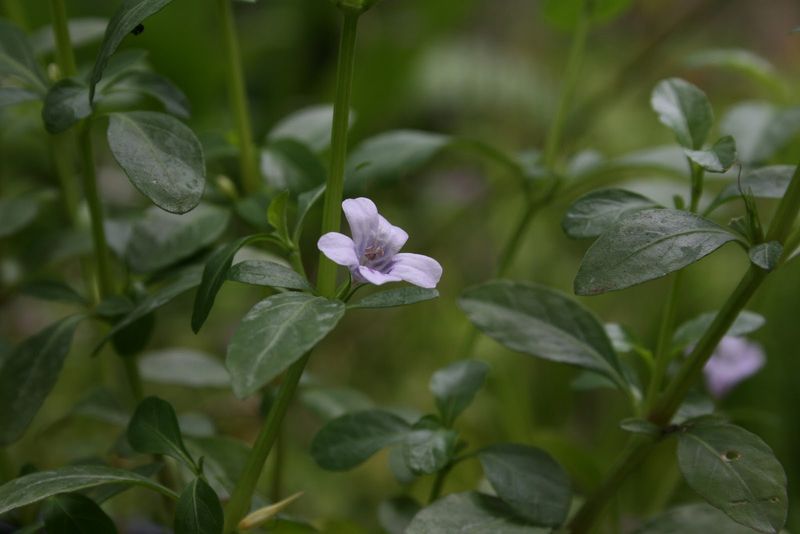
Open bed spaces and sunny lawn edges can look bare and weedy when turf gives up on them. Twinflower (Dyschoriste oblongifolia) is a native groundcover with soft color and low coverage.
It suits spaces where turf gives up and needs little fuss once settled. Its small lavender-purple blooms appear in spring and summer, adding a naturalistic look to borders and bed edges.
Twinflower works best in full sun to light shade with well-drained soil. It spreads gradually and stays low, making it a good fit for open beds, lightly used front-yard spaces, or edges where you want a living cover instead of bare mulch.
Treat it as a bed plant or groundcover, not a high-use lawn replacement. It is not built to handle regular foot traffic, and it will not repel any lawn pests.
Spacing plants about one to two feet apart gives them room to fill in without overcrowding. During the first growing season, water new plants regularly until they show strong new growth.
Mulching lightly between plants at establishment helps hold moisture and keeps weeds from taking over before the twinflower fills in.
Weed control in the early weeks is critical. Without it, fast-growing weeds can crowd out new twinflower before it has a chance to establish.
Once the planting fills in, maintenance drops significantly. Keep bed borders clean with edging so the planting looks cared for rather than accidental.
Twinflower reseeds lightly, which can help it spread naturally over time. Verify local plant availability through a Florida native plant nursery before purchasing, and always check HOA guidelines before replacing turf areas.
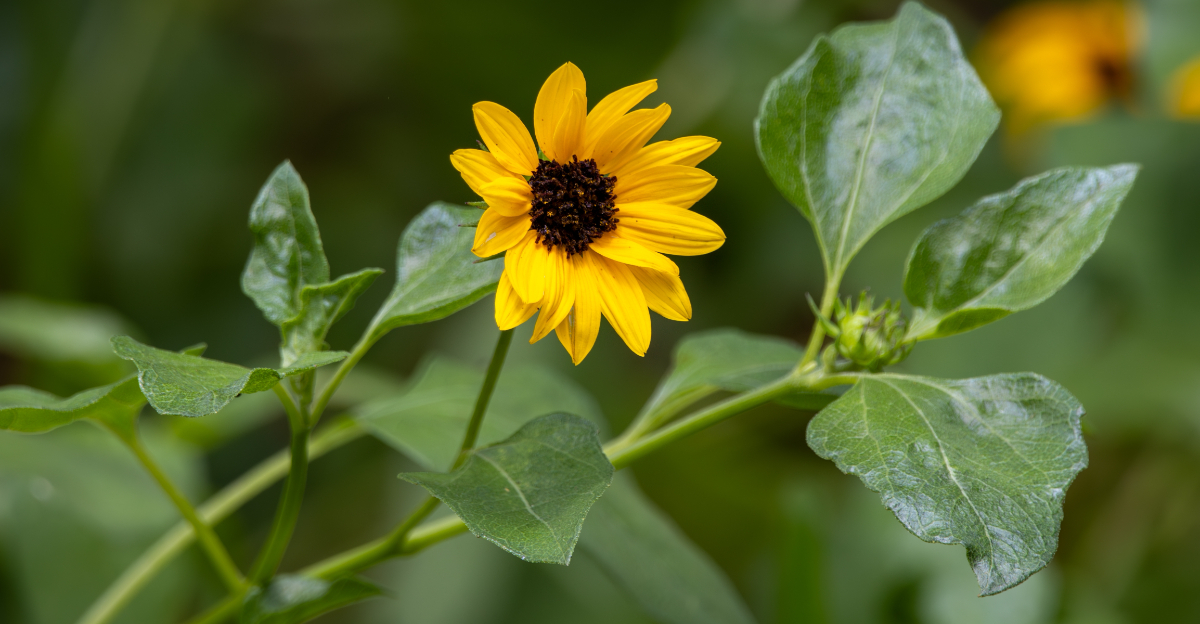
4. Beach Sunflower Fills Sandy Sunny Edges
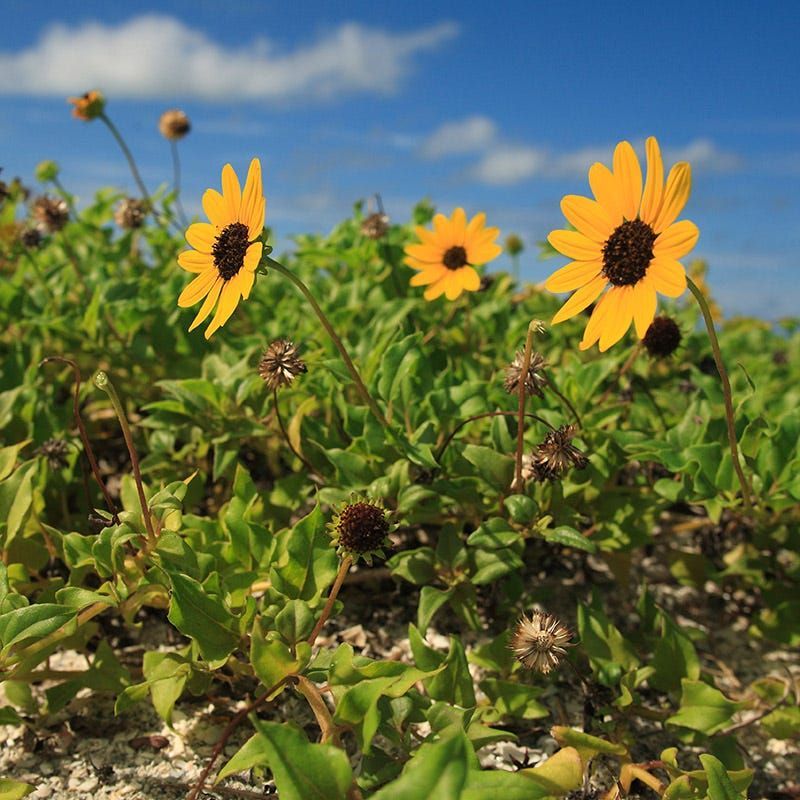
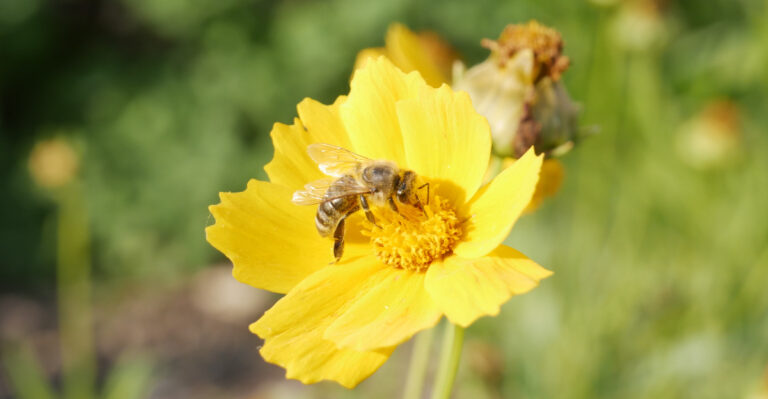
Bright yellow blooms, a spreading habit, and a love for sandy soil make beach sunflower easy to recognize. Helianthus debilis works well in warm-weather yards near the coast and inland.
If you have a dry, sunny edge where St. Augustinegrass keeps thinning no matter what you do, this plant might be worth a closer look.
Beach sunflower thrives in full sun and well-drained, sandy soil. It spreads by trailing stems and can cover a good amount of ground fairly quickly once established.
That spreading habit works well in open edges and borders. It also means you will need to trim or edge it occasionally so it looks intentional rather than overgrown.
Do not plant it near areas where you need a tidy, formal edge without regular maintenance.
This plant is not suited for wet or poorly drained soil, and it does not perform well in deep shade. Planting it in the wrong spot will lead to weak, struggling growth.
Match the site carefully before committing. Coastal areas, sandy inland neighborhoods, and dry sunny borders are where it tends to do best.
Water new plants regularly for the first few weeks after planting, then taper off as the plant establishes. Once roots are settled, beach sunflower is relatively drought-tolerant, which makes it a practical choice for low-irrigation edges.
It supports pollinators with its cheerful blooms, adding wildlife value to the yard. Keep expectations realistic: it is a sunny-edge groundcover, not a durable lawn surface.
Check HOA rules before replacing any turf areas with this or any other groundcover.
5. Lyreleaf Sage Softens Lightly Shaded Lawn Gaps
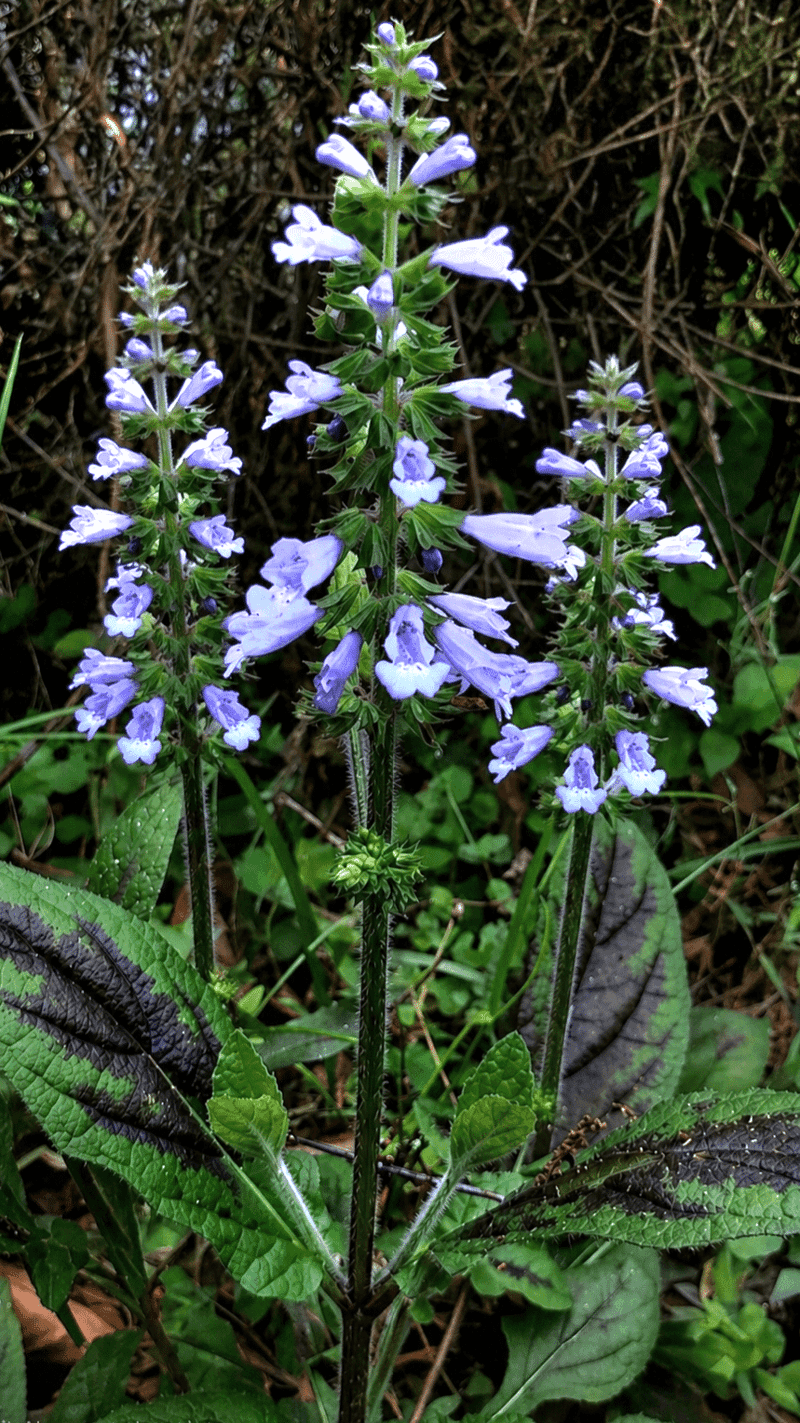
Not every struggling turf area is baking in full sun. Some of the most persistent thin spots appear under the canopy of a large tree or along the shadier side of the house, where St. Augustinegrass slowly fades without enough light to recover.
Lyreleaf sage (Salvia lyrata) is a native plant that can soften those lightly shaded gaps with low rosettes and upright purple flower spikes that bloom in spring.
Lyreleaf sage grows naturally in part sun to light shade and tolerates a range of soil types, including average to slightly dry conditions.
It forms a low rosette of lobed leaves close to the ground, then sends up flower spikes that attract native bees and other pollinators.
After flowering, it reseeds and can spread gradually over time, which helps it fill in naturalized areas without replanting.
Because it reseeds, manage seedlings if you want to keep the planting contained. In more naturalized areas or informal beds, the self-spreading habit is actually useful.
Keep the planting looking intentional by maintaining clean edges and removing seedlings that stray into unwanted spots.
Lyreleaf sage is not a formal lawn substitute. It does not handle heavy foot traffic, and it will not give you a uniform turfgrass look.
Think of it as a soft, naturalistic cover for shaded lawn gaps, tree rings, or informal bed edges rather than a replacement for a working lawn. Water new plants during establishment, then allow them to adjust to natural rainfall.
If you want a tidier look in a formal landscape, this plant may feel too casual. It fits best in relaxed, naturalized yard settings.
6. Creeping Sage Works Where Turf Keeps Thinning
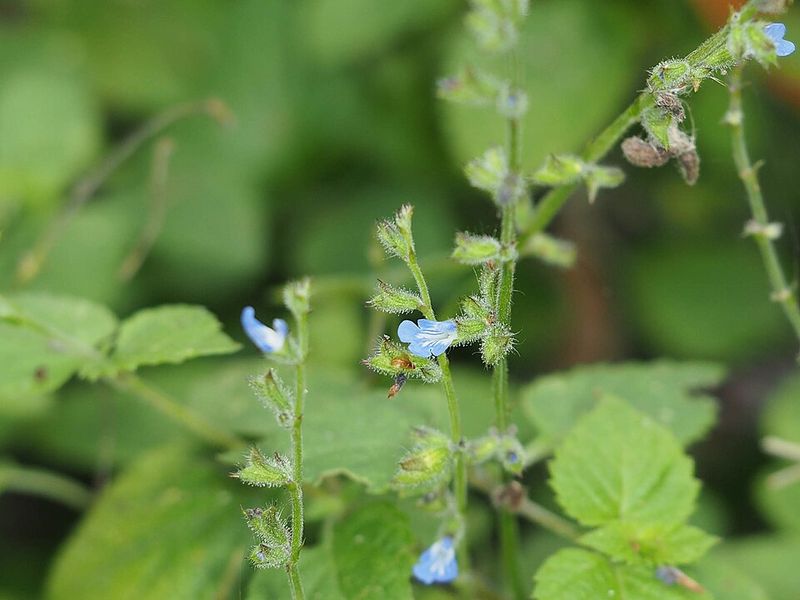
The name creeping sage can refer to more than one plant, depending on the region and nursery. Always check the botanical name on the plant label before buying.
In Florida landscapes, Salvia misella is sometimes referenced as a low-growing or creeping sage. Some native plant resources note it as a groundlayer option for warm, humid conditions.
Verify availability with a local native plant nursery before planning around it.
If you find a correctly identified creeping or low-growing native sage suited to your region, ask the key groundcover question first. Does the site match?
Low-growing sages generally prefer good drainage and at least partial sun. They are not built for soggy soil, deep shade, or areas with heavy foot traffic.
Use them in spots where turf has repeatedly thinned and where a low, spreading plant can fill in without competing with regular lawn use.
Establishment care matters regardless of species. Water new plants consistently during the first growing season.
Keep weeds pulled early so they do not crowd out the new planting before it fills in. Mulching lightly between plants can help with moisture and weed suppression during that first season.
Creeping sage options, where correctly identified and locally available, offer a low-maintenance alternative to struggling turf in the right spot. They do not repel chinch bugs or any other lawn pest.
Their role here is simply to replace some of that vulnerable turfgrass with a native plant better suited to a site where the turf is not thriving. Always check HOA rules and local ordinances first.