The Invasive Pest Showing Up On Florida Palms While Most Gardeners Still Have No Idea
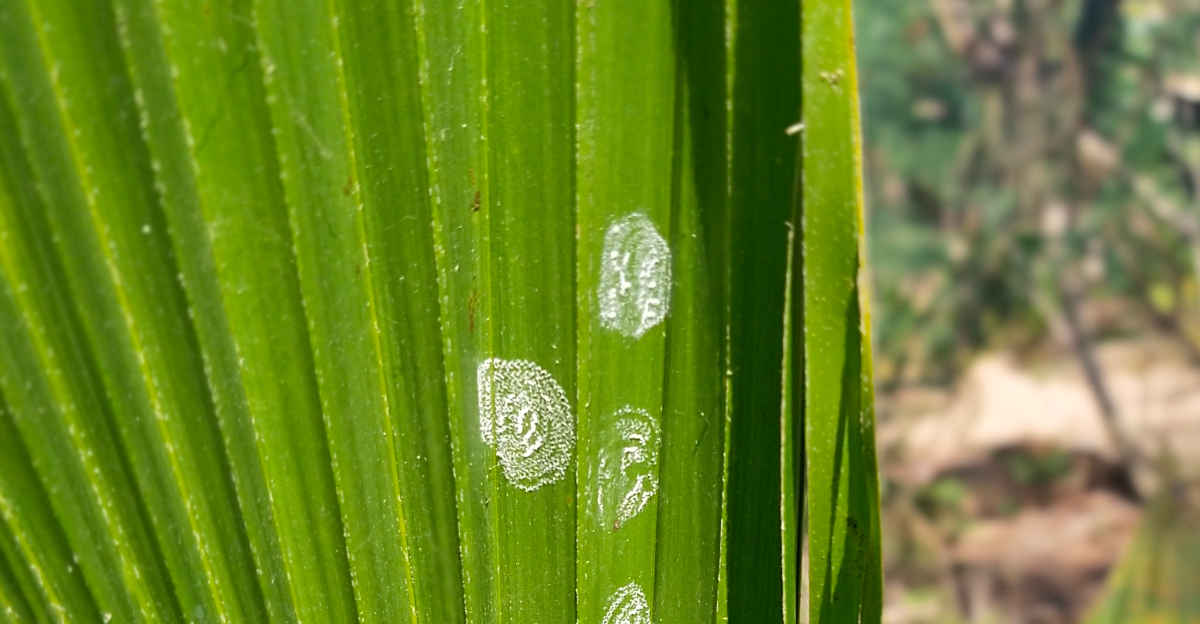
Something has been showing up on Florida palms that a lot of homeowners are walking past without recognizing. White, waxy, spiral-shaped deposits on the underside of fronds.
Easy to dismiss as a natural coating or a minor fungal issue. Not easy to deal with once the population has had a full season to establish.
This invasive pest arrived in Florida not long ago and has been spreading through residential landscapes at a pace that caught researchers and extension services off guard. It targets palms, but it does not stop there.
Ornamentals, fruit trees, and a wide range of landscape plants are all on its list. The damage it causes accumulates quietly.
By the time the fronds start declining visibly, the infestation has been active long enough to make control significantly harder. Florida palms with white spiral markings on the fronds need a closer look.
This week, not next month.
1. Rugose Spiraling Whitefly Hides Under Palm Fronds
Most Floridians never think to flip over a palm frond and look at the underside. That is exactly where rugose spiraling whitefly tends to settle, feed, and lay eggs.
Because palms can grow quite tall, those lower fronds are sometimes the only ones a homeowner can safely inspect from the ground.
Rugose spiraling whitefly is an invasive species that has been documented on palms and many other landscape plants across Florida. It was first detected in Miami-Dade County and has since been found in many additional counties.
Adult whiteflies are small, pale, and easy to overlook unless you are specifically searching for them.
Early infestations often develop above eye level, which is why the mess below a palm is frequently noticed before the insect itself. White waxy material and sticky residue tend to draw attention first.
Safely checking the undersides of any fronds you can reach without climbing is a smart first step. If you see unusual white deposits or small insects clustered on leaf surfaces, photograph them clearly.
Then contact your county extension office or a licensed landscape professional for identification.
2. White Spirals Are The First Clue
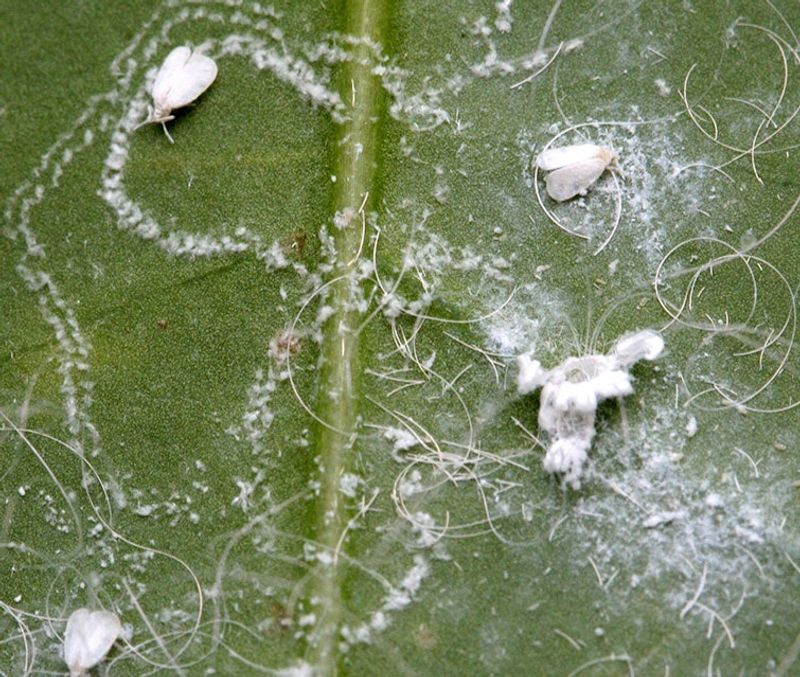
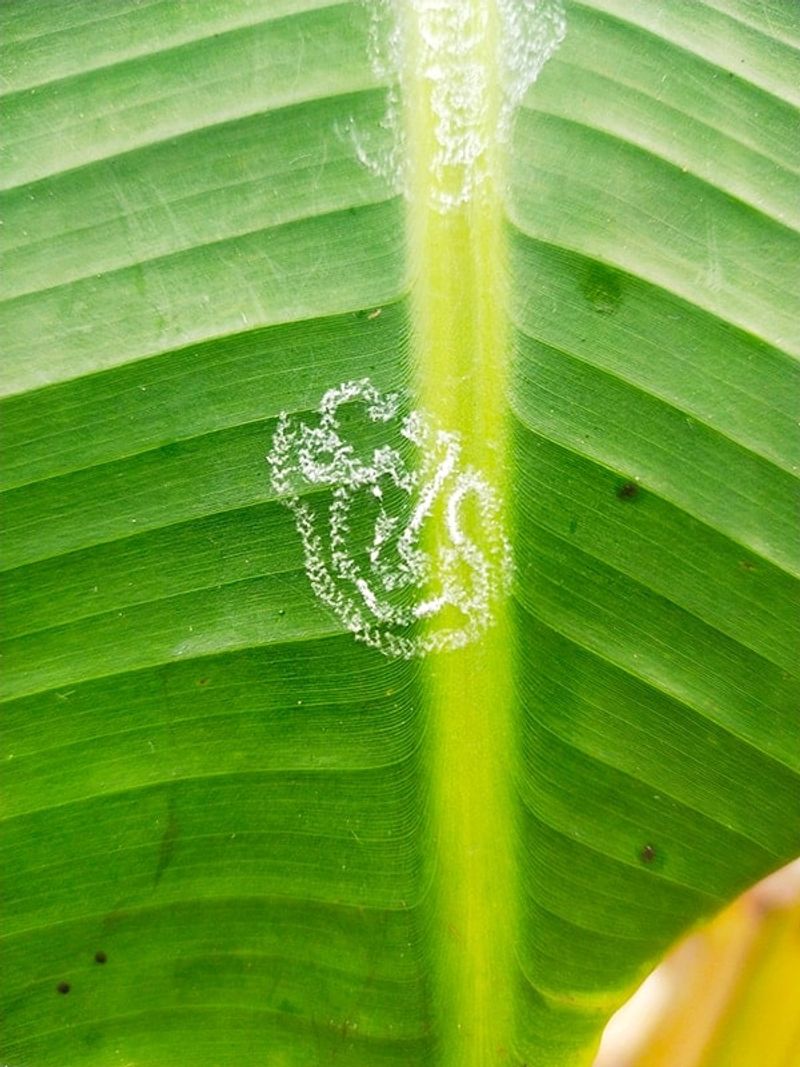
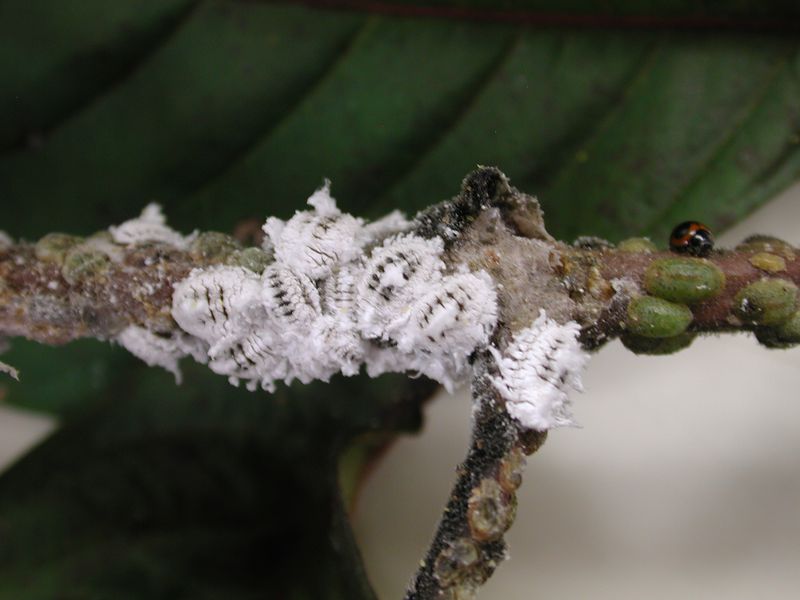
Picture tiny white swirls drawn in wax, looping across the underside of a leaf like a miniature fingerprint. That spiral pattern is one of the most recognizable signs linked to rugose spiraling whitefly activity.
Females lay eggs in a curved, spiraling arrangement and coat them with waxy white material that stands out clearly against green leaf tissue.
The waxy deposits can look fluffy or powdery depending on the stage of the infestation. You might also notice small, flat nymphs clustered near the spirals as the insects develop.
Both the egg spirals and the waxy coating are visible signs that something is actively feeding on the plant.
Keep in mind that other whitefly species and pests can also appear on palms and tropical ornamentals. Not every white deposit or small insect you find will be rugose spiraling whitefly.
Correct identification matters before any management decision is made. Photograph the spiral patterns clearly, including close-up shots of the leaf underside.
Your Florida Garden Changes Every Week. Your Plan Should Too.
Gardening in Florida changes quickly throughout the season. Every Friday you’ll receive a simple weekly plan showing exactly what to plant, prune, fertilize, harvest, and protect so you never miss the right timing.
Those details help extension agents and professionals confirm what you are dealing with. When in doubt, reach out to your local UF/IFAS extension office for guidance.
3. Sticky Honeydew Makes The Mess Worse
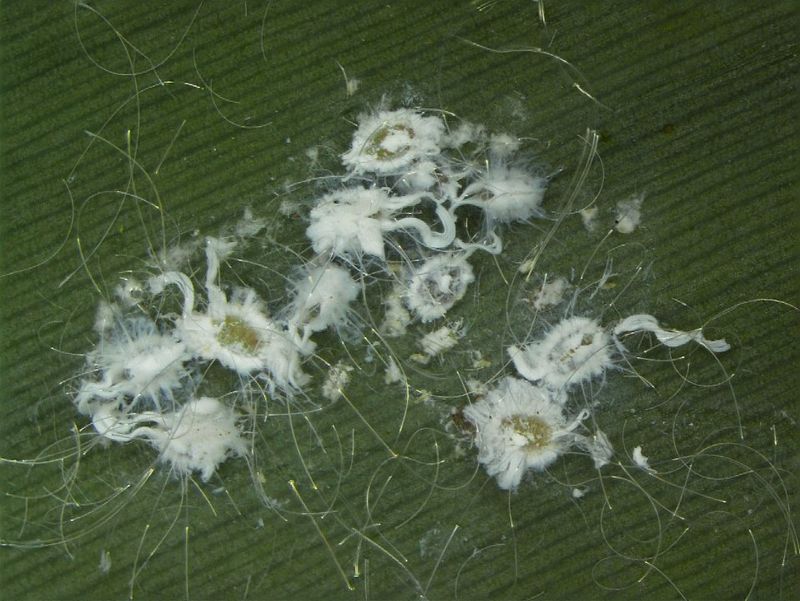
Before most Florida homeowners ever spot a single insect, they notice the mess. Patio chairs feel tacky.
Car hoods parked under palms develop a strange sheen. Walkways look damp even when it has not rained.
That stickiness is honeydew, a sugary liquid that whiteflies and similar sap-feeding insects excrete as they feed.
Honeydew drips from infested fronds onto whatever sits or grows below. Outdoor furniture, potted plants, garden tools, and even pets that rest in the shade of a palm can end up coated in it.
The volume of honeydew can be surprisingly heavy when a large palm is heavily infested.
Noticing sticky surfaces is a useful clue, but honeydew alone does not confirm rugose spiraling whitefly. Several other insects, including aphids, scales, and other whitefly species, also produce honeydew.
The next step after noticing stickiness is to look upward and inspect the undersides of fronds or nearby plant leaves. Check carefully for white spirals, waxy deposits, or small insects.
Then inspect surrounding landscape plants, since honeydew can drip onto lower shrubs and groundcovers too. Proper identification should always come before any treatment decision is made.
4. Black Sooty Mold Follows The Dripping Sugar
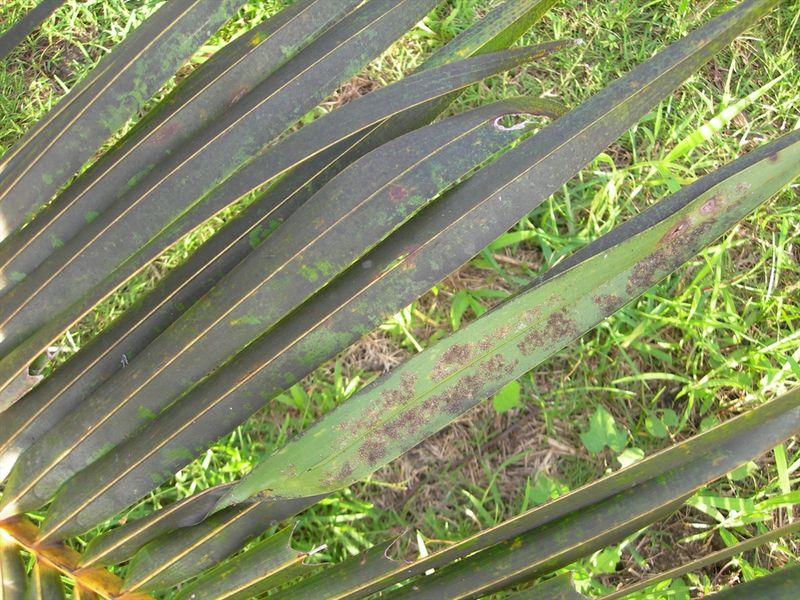
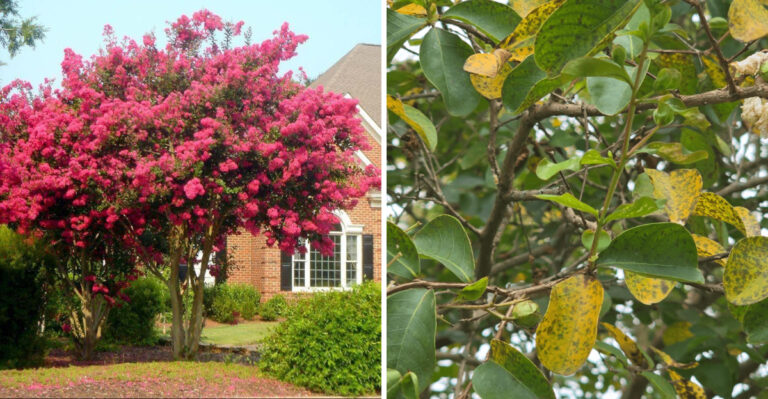
That black coating spreading across leaves, furniture, and walkways is not dirt, and it is not paint. Sooty mold is a dark fungal growth that feeds on honeydew left behind by sap-sucking insects.
When honeydew drips steadily from infested palms, sooty mold can develop quickly on any surface below.
Leaves coated in heavy sooty mold can look almost completely black. Beyond the visual impact, thick mold coverage can reduce the amount of sunlight reaching leaf surfaces, which can affect how well a plant grows over time.
Plants growing beneath infested palms are especially vulnerable to this secondary problem.
Washing surfaces can remove some sooty mold temporarily, but the mold will return as long as honeydew keeps falling. Managing the insect source is the more effective approach.
Sooty mold is a symptom of an underlying pest problem, not a disease that started on its own. If you see black staining spreading across your Florida landscape, look upward at nearby palms and other plants for signs of insect activity.
Photograph what you find and seek a confirmed identification before attempting any treatment. Addressing the honeydew source is what ultimately reduces sooty mold buildup in the landscape.
5. Palms Are Not The Only Plants At Risk
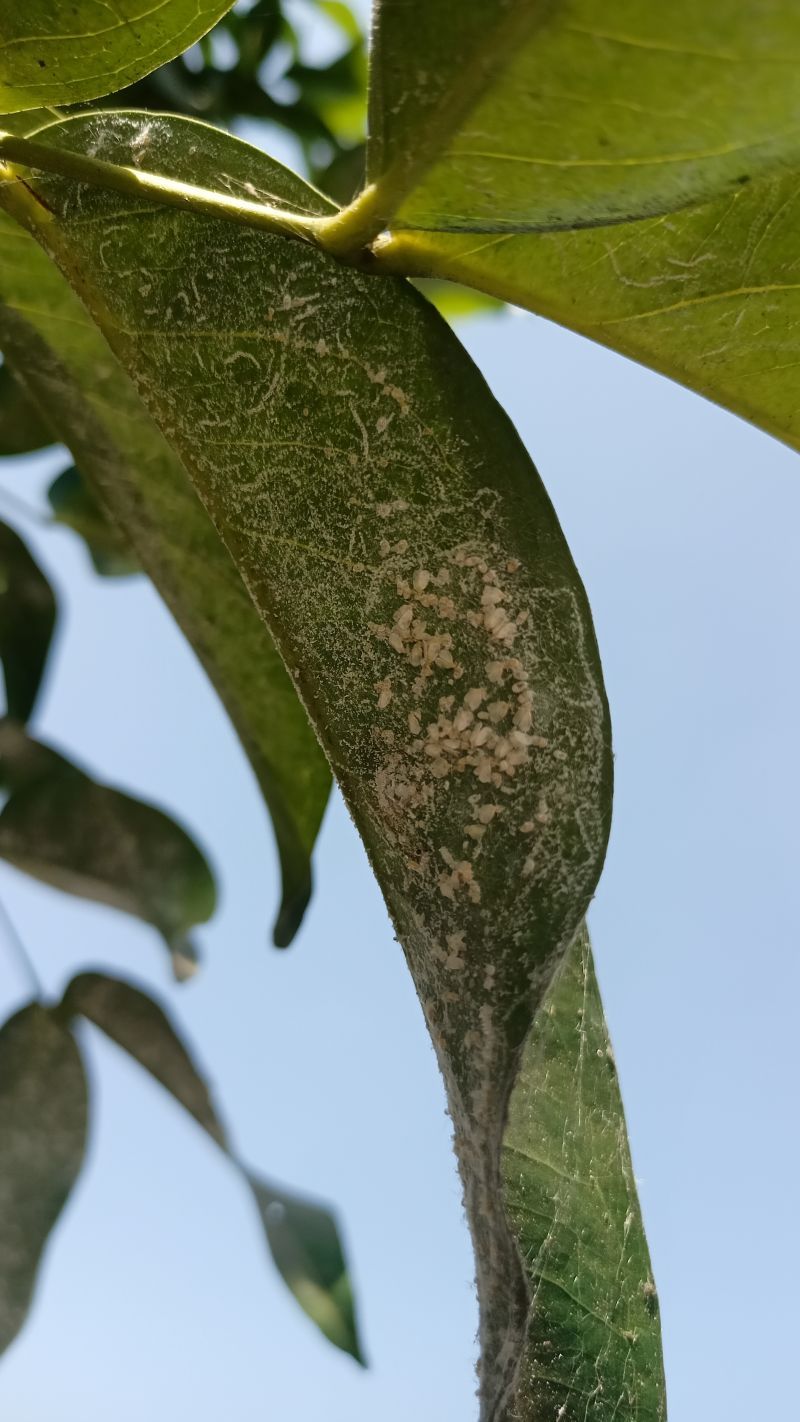
Many people assume a whitefly problem on a palm stays on that palm. Rugose spiraling whitefly has a wide host range, and that makes it a broader landscape concern.
According to UF/IFAS, this pest has been documented on many plant species beyond palms. These include cocoplum, gumbo limbo, bird of paradise, avocado, black olive, and many ornamental, native, invasive, and fruit-bearing plants.
When a palm is heavily infested, honeydew and sooty mold can affect the plants growing directly below it. Nearby shrubs, groundcovers, and ornamentals may show sticky leaves or black mold even if they are not directly infested themselves.
That visual spillover can make it harder to trace the original source of the problem.
Inspecting the surrounding landscape rather than focusing only on one palm gives you a clearer picture of how widespread the infestation may be. Check leaf undersides on nearby shrubs and trees for white spirals or waxy deposits.
A thorough inspection helps professionals recommend a more effective management approach for the whole landscape rather than treating one plant in isolation.
Your county extension office can help you identify which plants in your yard may be at risk based on confirmed host records.
6. Natural Enemies Can Help Calm Outbreaks
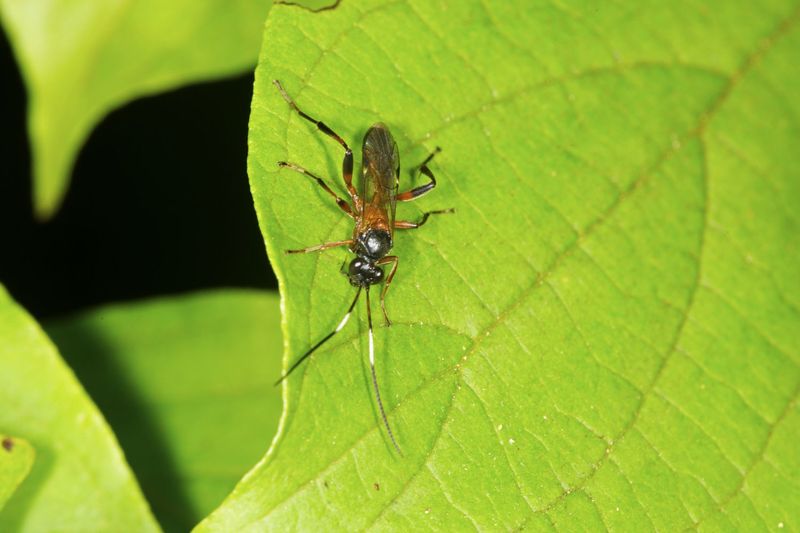
Nature does not always wait for a homeowner to intervene. Several predators and parasitoids are known to attack whiteflies, including some that specifically target invasive species as populations build up.
Tiny parasitic wasps, lacewing larvae, and certain lady beetles are among the natural enemies that can help reduce whitefly numbers over time.
UF/IFAS and other research institutions have documented the presence of natural enemies associated with rugose spiraling whitefly populations in this state. Biological control is not an instant fix, and it does not guarantee that every outbreak will resolve on its own.
However, protecting beneficial insects gives natural suppression the best chance to work.
Broad-spectrum insecticide sprays can reduce or eliminate the very predators and parasitoids that help keep whitefly populations in check. Disrupting that balance can sometimes lead to bigger pest problems later.
Patience, regular monitoring, and avoiding unnecessary sprays are all part of an integrated pest management approach. If you are unsure whether natural enemies are present, ask a licensed landscape professional or county extension agent.
They can help assess the situation and decide whether intervention is needed or monitoring is smarter.
7. Random Sprays Can Make The Problem Worse
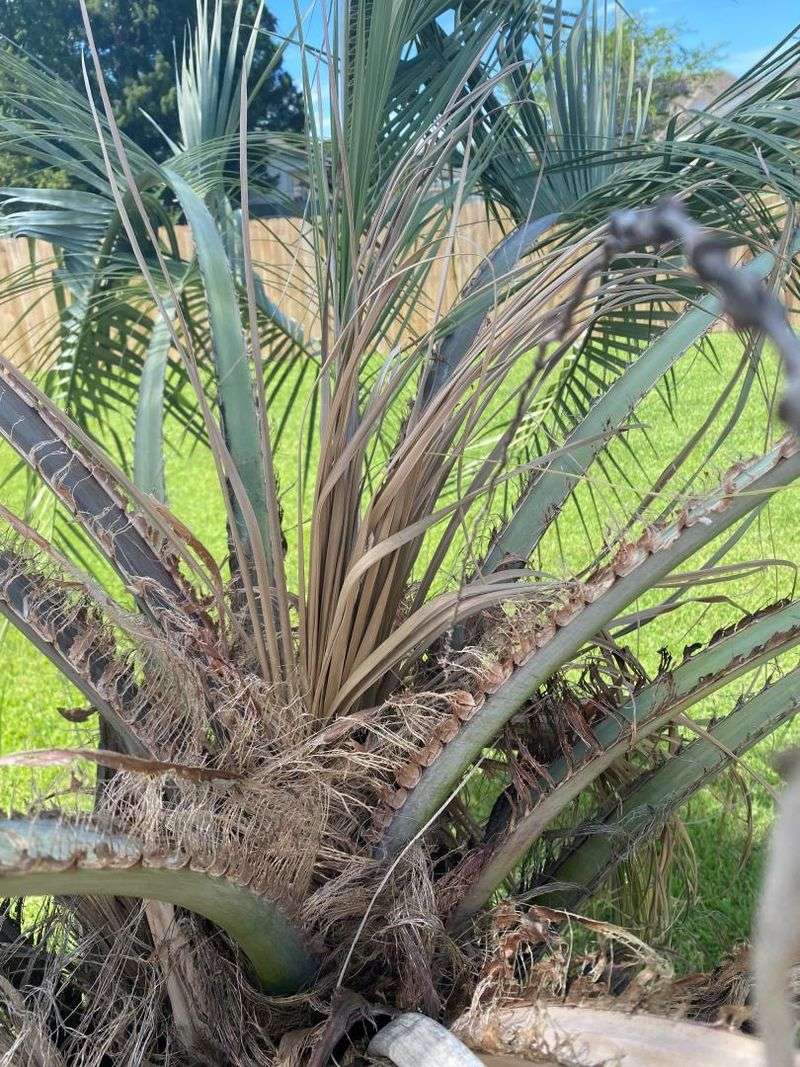
Grabbing a spray bottle and dousing a palm the moment you notice white deposits is a very common reaction, and it is usually the wrong one. Spraying before you know what pest you are dealing with wastes time, money, and product.
It can also harm beneficial insects that would otherwise help manage the problem naturally.
Tall palms present a real physical challenge too. Most homeowners cannot safely reach the fronds where rugose spiraling whitefly actually feeds.
Spray coverage that does not reach the underside of infested fronds is unlikely to be effective anyway. Repeated applications of the wrong product can also leave residue on surrounding plants, soil, and surfaces.
Label directions exist for important reasons, and applying any pesticide in a way that is not consistent with the label is both illegal and potentially harmful.
If treatment is genuinely needed after a confirmed identification, seek guidance from your county extension office.
You can also consult a UF/IFAS publication or a licensed pest management professional. They can recommend products and application methods that are appropriate for the situation, the plant size, and the surrounding environment.
Correct identification always comes before treatment, not after a few random sprays have already made things more complicated.
8. Early Identification Keeps Palms From Becoming A Mess
Catching rugose spiraling whitefly early is far easier than managing a landscape already coated in honeydew and sooty mold. The good news is that early signs are visible if you know where to look.
Start by checking the undersides of any fronds or nearby plant leaves you can safely reach from the ground without climbing.
Look for white waxy deposits, spiral egg patterns, or clusters of small pale insects. Notice whether any surfaces below the palm feel sticky.
Watch for black sooty mold spreading across lower plants, furniture, or walkways. Any of these signs together should prompt a closer look and a quick call to your local extension office or a licensed landscape professional.
Photographing what you find is one of the most helpful things you can do. Clear photos of the underside of a leaf, including any spirals or waxy material, give experts the detail they need for a faster identification.
Early action does not mean panicking or spraying immediately. It means recognizing the clues, confirming the pest, protecting beneficial insects, and making smart management decisions with expert support.
A small problem caught early is much easier to handle than a whole landscape buried under layers of sticky black mold.