That Brown Patch In Your Pennsylvania Lawn Actually Means This Pest Is Hatching
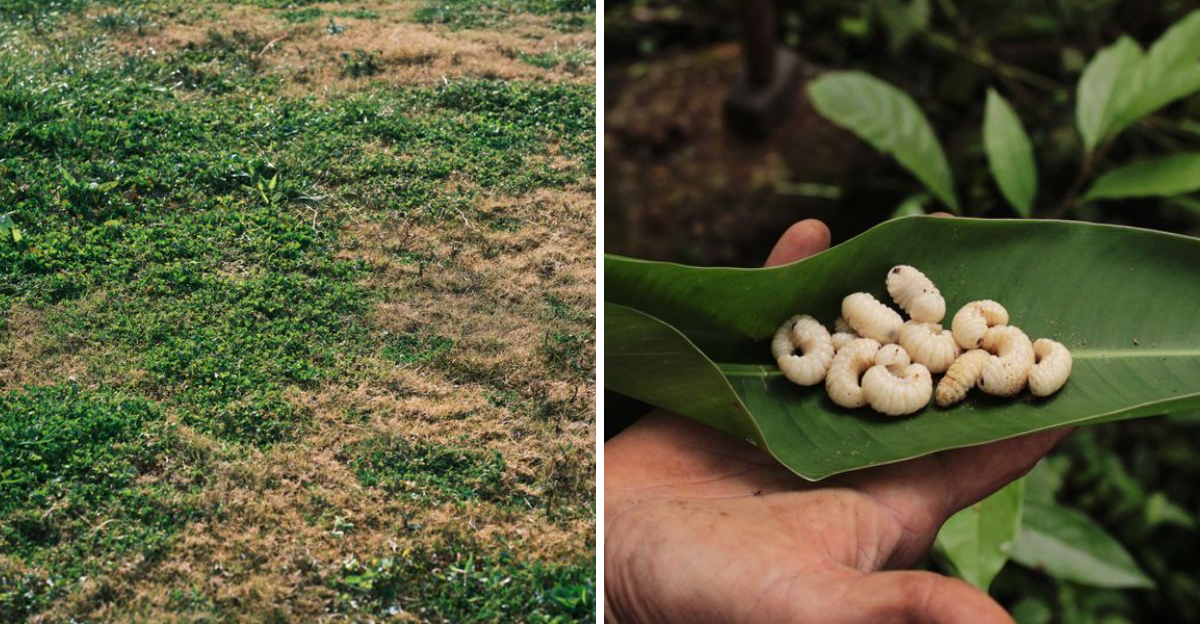
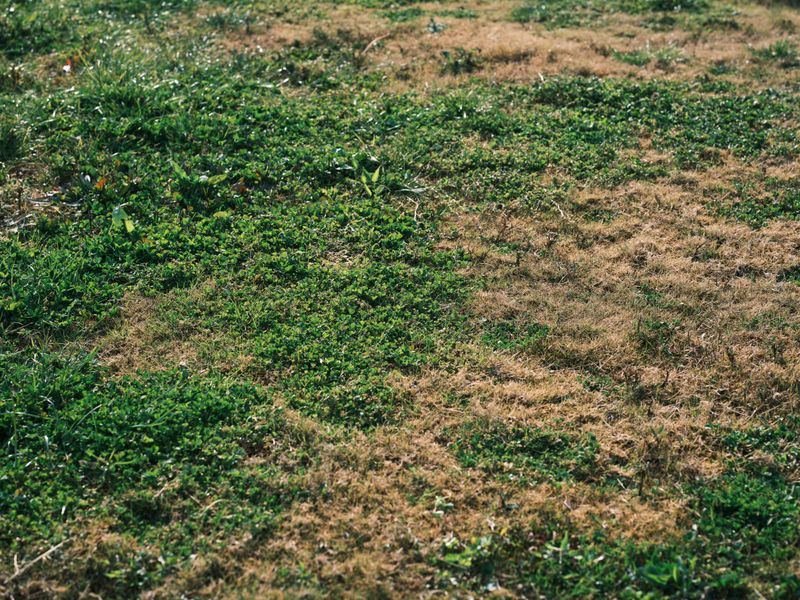
That brown patch spreading across your lawn hides a bigger problem. Drought seems obvious, but drought rarely explains this damage.
Fungus gets blamed, yet fungus rarely explains everything happening. None of those excuses hold up under inspection. Beneath the soil, larvae are steadily eating through your grass roots.
Pennsylvania lawns are quietly changing beneath the surface this week. White grubs hatch early, feed constantly, and spread quickly. Your grass becomes their meal before symptoms appear above.
Roots weaken first, then blades yellow, then entire patches thin out. Time passes quickly once grubs settle beneath the surface. Ignoring this problem only guarantees a bigger mess later.
Every faded patch hides a story people never notice. Homeowners across Pennsylvania are learning this the hard way. Damage spreads underground before anything shows above the surface.
Nothing about grub season waits for your schedule. You deserve to know what’s changing your lawn from below.
What’s Really Causing That Brown Patch
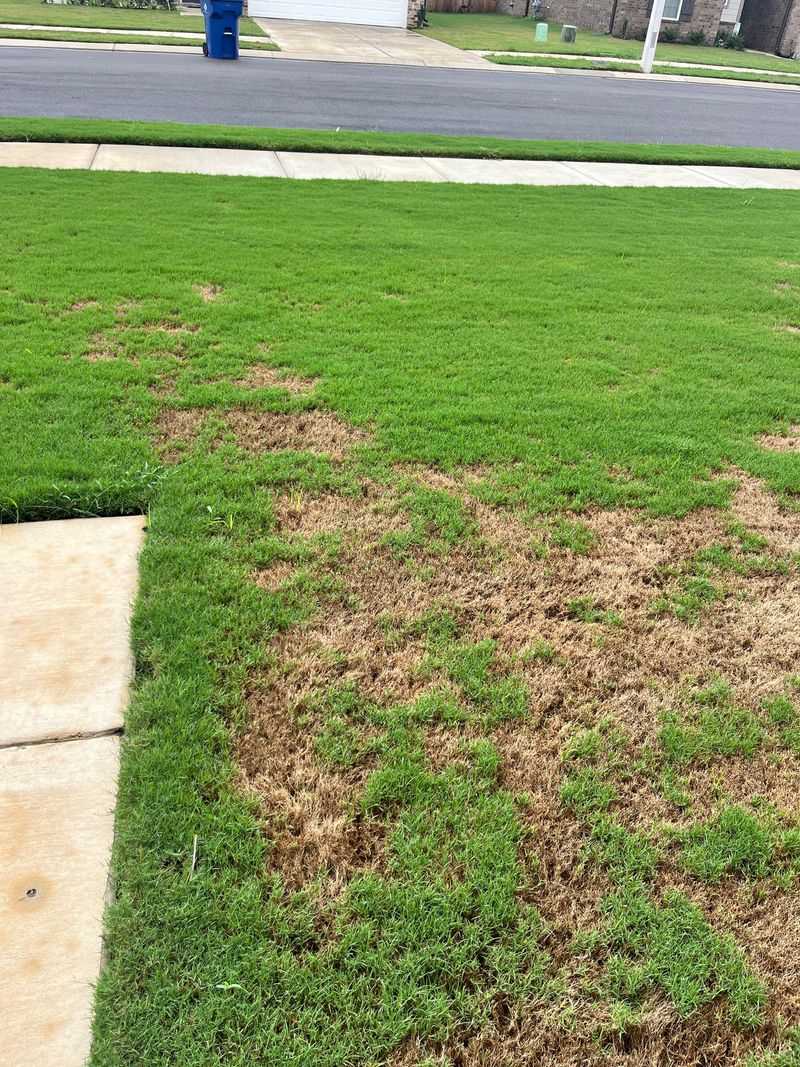
Your lawn looked perfect in June. Then July hit, and a weird brown patch showed up out of nowhere.
That brown patch in your Pennsylvania lawn is not random bad luck. White grubs are almost certainly feeding on your grass roots below the surface.
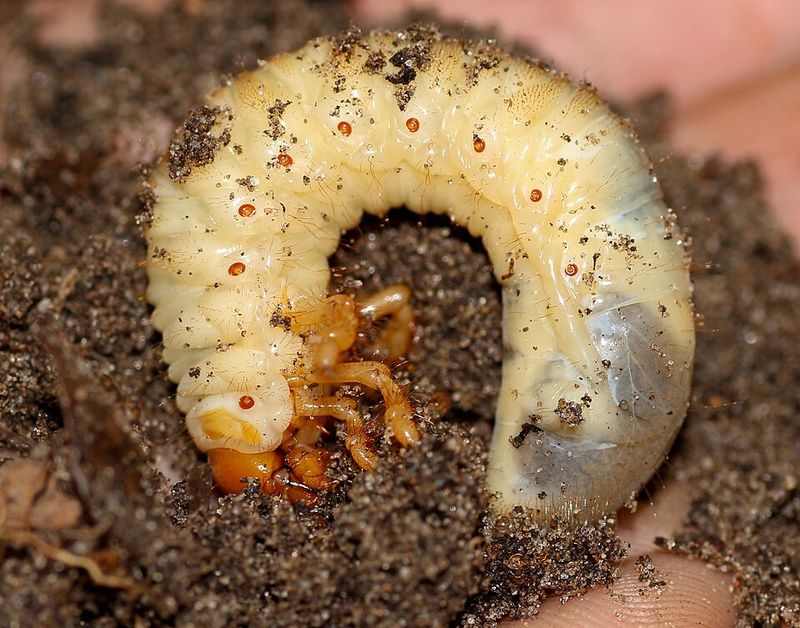
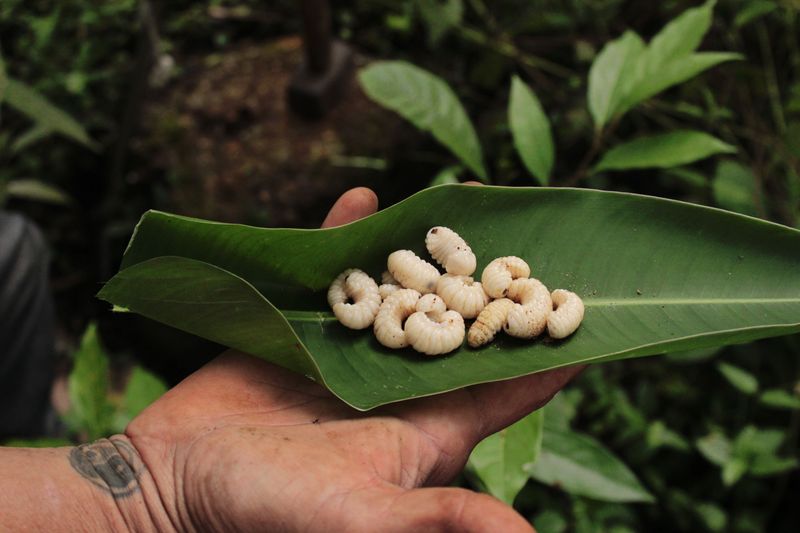
Grubs are the larval stage of beetles, including Japanese beetles and masked chafers. They curl up in a C-shape and feed steadily on grass roots beneath the surface.
When roots get severed, grass cannot pull water or nutrients from soil. The turf above turns brown fast, almost overnight in hot weather.
You can actually lift affected turf like a loose carpet. If it peels back easily and you spot fat, white, C-shaped larvae underneath, your diagnosis is confirmed.
Many homeowners assume the culprit is drought or fungus. Both can cause similar discoloration, but grubs leave a very specific clue: spongy, rollable turf.
Patches caused by grubs tend to appear in irregular shapes. They usually start small, then expand steadily through late summer as larvae grow bigger and hungrier.
Birds pecking aggressively at your lawn are another tip-off. Starlings, robins, and crows all love digging up grubs for a protein-packed meal.
Skunks and raccoons may also tear up turf overnight searching for the same snack. Waking up to flipped sod is a classic sign of grub activity.
Now that you know the real culprit, the next step is understanding exactly how these pests got there in the first place.
The White Grub Life Cycle In Pennsylvania
Knowing what you’re dealing with is half the solution. White grubs do not just appear magically; they follow a very predictable seasonal schedule.
Adult beetles emerge in late June and early July in Pennsylvania. They feed on ornamental plants and trees, then mate and lay eggs in sunny, well-irrigated lawns.
Each female beetle deposits around 40 eggs just a few inches below the soil surface. Warm, moist soil is ideal for these newly laid eggs.
Eggs hatch within two weeks, releasing first-instar larvae. These babies are tiny but start feeding on grass roots almost immediately after hatching.
Your Pennsylvania Garden Changes Every Week. Your Plan Should Too.
Gardening in Pennsylvania changes quickly throughout the season. Every Friday you’ll receive a simple weekly plan showing exactly what to plant, prune, fertilize, harvest, and protect so you never miss the right timing.
By August, larvae reach their second instar, growing larger and more destructive. This is the stage when that brown patch in your Pennsylvania lawn starts becoming impossible to ignore.
September brings the third and most damaging instar. Grubs are now fat, hungry, and feeding heavily on root systems.
As temperatures drop in October, grubs migrate deeper into the soil. They overwinter safely below the frost line, essentially hibernating until spring warmth calls them back up.
In spring, they feed briefly again before pupating. Adult beetles emerge by early summer, and the whole cycle repeats each year.
Japanese beetles are the most common species causing lawn damage across the state. Masked chafers and Oriental beetles also contribute to the grub population in many counties.
Understanding this cycle tells you exactly when to act for maximum impact against these root-feeding grubs.
How To Tell Grubs Apart From Lawn Disease
Misdiagnosing your lawn problem wastes time and money. Treating for fungus when grubs are the real issue won’t solve the problem.
Lawn diseases like brown patch fungus tend to show up in circular or ring-shaped patterns. Grub damage is more irregular, spreading in jagged, unpredictable patches without clean edges.
Fungal disease often leaves a yellowish or tan border around the affected zone. Grub-damaged turf looks uniformly brown and feels noticeably spongy when you walk across it.
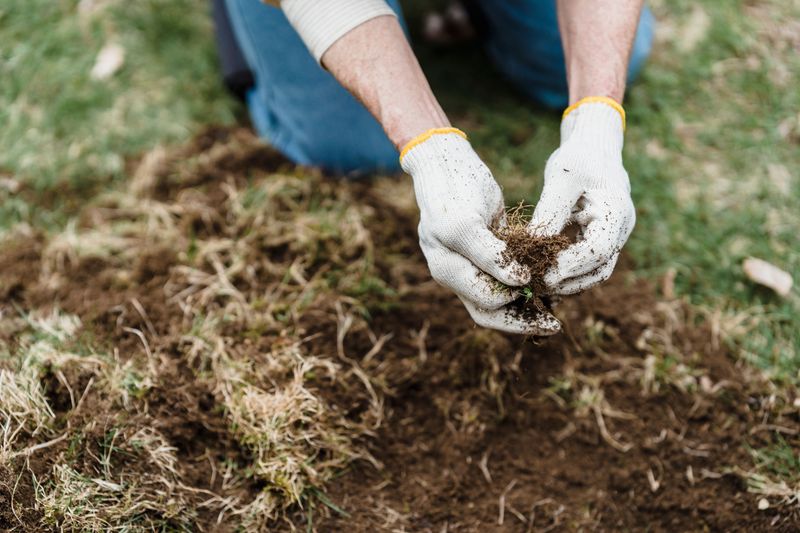
Here is the easiest field test you can do right now. Grab a section of suspicious turf and tug it firmly upward like you are pulling back a rug.
If the grass lifts easily without resistance, grubs have eaten the roots holding it down. Healthy grass, or even fungus-damaged grass, will resist pulling because roots remain intact.
Dig about three inches into the soil within a damaged area. Count how many grubs you find in a one-square-foot section.
Finding five to ten grubs per square foot generally signals an infestation worth treating, though the exact threshold depends on which grub species is present. Fewer grubs than that usually means your lawn can recover on its own with good care.
Drought stress is another common misdiagnosis. Drought damage follows sun exposure patterns and usually affects the whole lawn somewhat evenly.
Grub damage pops up in isolated patches regardless of sun or shade patterns. It also does not improve with watering, which is a major clue that roots are the problem.
Once you confirm grubs are the culprit, identifying the exact signs of an active hatch gives you the best chance of stopping damage early.
Signs Your Lawn Is Hatching A Grub Problem
Some lawns show subtle symptoms. Others show obvious ones, and a hatching grub infestation definitely falls into the second category.
The most obvious early sign is that spongy, soft feeling underfoot. If walking across your lawn feels like stepping on a wet sponge, root damage is already happening below.
Watch for unusual bird activity as an early indicator. When starlings or crows start probing your lawn aggressively, they are detecting grubs before you even see surface damage.
Overnight animal damage is another strong signal. Skunks and raccoons have an incredible nose for grubs and will shred your lawn searching for them between dusk and dawn.
Brown patches that do not respond to watering are an important clue. Grass wilts from drought but perks back up after rain; grub-damaged grass stays brown no matter how much water you apply.
Check your lawn edges near driveways and sidewalks first. These areas dry out faster, making them prime egg-laying territory for adult beetles in summer.
Pull back a one-foot square of suspicious turf and examine the soil beneath. Fat, white, C-curled larvae ranging from a quarter-inch to an inch long confirm an active hatch.
Grubs found in August are young and close to the surface. This makes late summer the optimal window for treatment, when larvae are most vulnerable to control products.
Catching these signs early makes a massive difference in how much damage your lawn sustains before fall arrives.
Best Timing For Grub Treatment
Timing your grub treatment is everything. Hit the window right and treatment is far more effective; miss it and control becomes much harder.
Preventive treatments work best when applied between late June and mid-July. This targets eggs and newly hatched first-instar larvae before they cause visible damage.
Preventive products containing imidacloprid or chlorantranilliprole are widely available at garden centers. Apply them before adult beetles finish laying eggs for the strongest protective effect.
Chlorantranilliprole has a longer application window and is considered lower-risk for beneficial insects. It works best when applied in May or June, giving it time to move through the soil.
Curative treatments are your option if grubs are already active and damage is visible. Products containing trichlorfon or carbaryl work faster but must be applied when grubs are still near the surface.
Always water in granular treatments immediately after application. Grub control products need to move down through the soil to reach larvae feeding on roots.
Late August and early September represent the last practical window for curative treatment. After that, grubs migrate too deep for most surface-applied products to reach effectively.
Avoid treating in October or November when grubs are already deep underground. Waiting until spring is better than wasting product on unreachable larvae.
That brown patch in your Pennsylvania lawn will not heal itself after grubs have been active. Acting within the right treatment window gives your grass the best shot at a full recovery.
Preventing Grub Damage Next Season
Stopping grubs before they start is always smarter than chasing damage across your lawn every August. Prevention is genuinely the most satisfying strategy in lawn care.
A thick, healthy lawn is naturally more grub-resistant. Dense turf makes it harder for adult beetles to lay eggs and gives grass better ability to tolerate minor root feeding.
Raise your mowing height to three or three-and-a-half inches during beetle season. Taller grass is less attractive to egg-laying females, reducing how many eggs get deposited in your yard.
Avoid overwatering your lawn in late June and early July. Dry soil during egg-laying season discourages beetles from choosing your turf as a nursery.
Nematodes are a natural, chemical-free prevention option worth exploring. Beneficial nematodes are microscopic organisms that parasitize grub larvae and are safe for kids, pets, and pollinators.
Apply nematodes in late August when soil is warm and moist. They need moisture to survive, so water your lawn thoroughly before and after application.
Milky spore is another biological option specifically targeting Japanese beetle grubs. It takes a few seasons to build up in soil, but once established it provides long-term protection.
Mark your calendar every May as a reminder to schedule preventive treatment. Getting ahead of the beetle cycle before eggs are laid is far easier than repairing a damaged lawn in fall.
That brown patch in your Pennsylvania lawn does not have to recur every year. Smart prevention habits make your lawn a place grubs simply do not want to call home.