The Most Useful Native Wildflower You Can Plant In Pennsylvania
Pennsylvania gardeners are discovering that native wildflowers do far more than add color to a yard.
They support local wildlife, reduce maintenance needs, and connect home landscapes to the natural plant communities that have shaped the region for centuries.
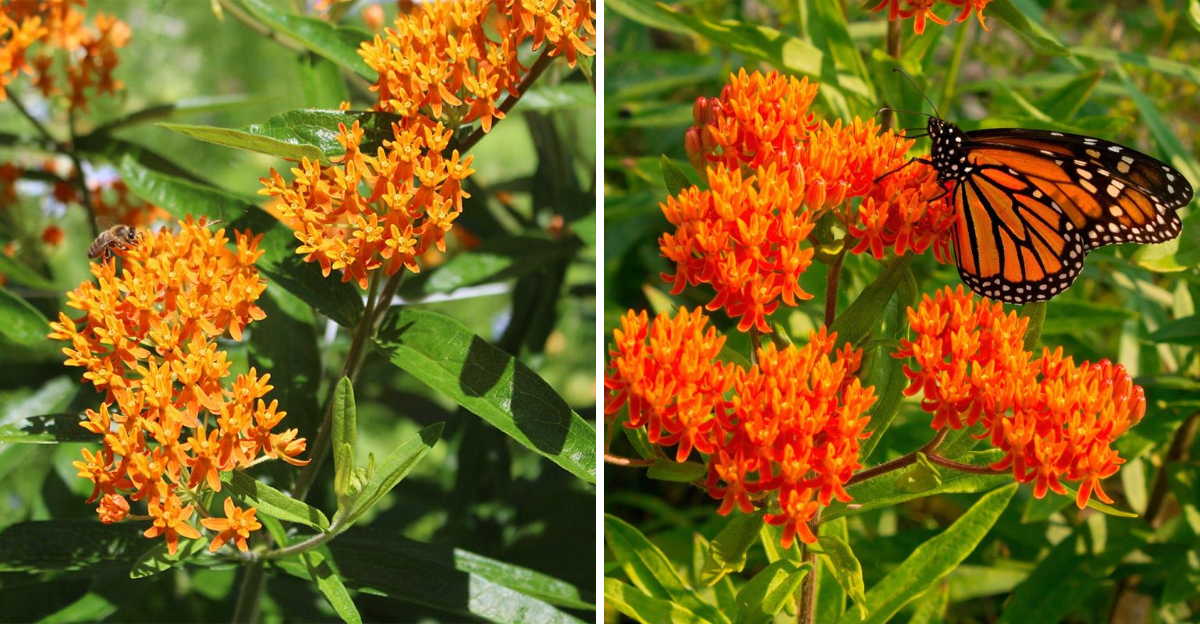
Among the many native wildflowers worth considering, butterfly weed (Asclepias tuberosa) stands out for its combination of ornamental beauty and ecological value.
With its bold orange blooms, ability to host monarch caterpillars, and appeal to a wide range of pollinators, this native wildflower offers something genuinely useful for sunny, well-drained garden spaces.
No single plant is the right fit for every landscape, but butterfly weed brings together visual interest and wildlife benefits in a way that few other wildflowers can match, making it one of the more rewarding choices for Pennsylvania gardeners ready to go native.
1. Butterfly Weed Creates A Home For Native Pollinators
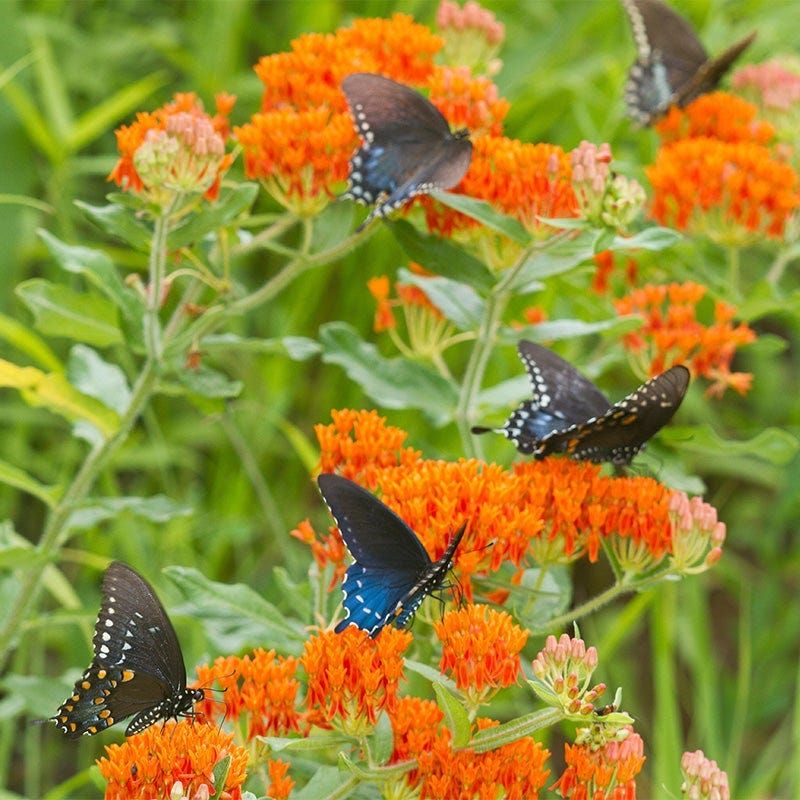
A patch of butterfly weed can do more than add orange flowers to a sunny bed.
Asclepias tuberosa is native to Pennsylvania, and Penn State includes it among plants for sunny pollinator gardens because its flowers provide nectar for butterflies, bees, and other insects.
The plant also serves as a larval host for monarch butterflies, giving it value at more than one stage of the insect life cycle. That combination is one reason butterfly weed fits so well into habitat-minded gardens.
It does not need to stand alone, though. Penn State recommends using a diversity of flowering plants with different shapes and bloom periods so pollinators have resources across the growing season.
In practice, butterfly weed works well alongside other Pennsylvania natives that flower before or after its main summer display. This kind of layered planting can help extend the period when nectar and other resources are available in the garden.
It can also make a pollinator bed feel more visually varied as different plants come into bloom. Penn State lists its bloom period around June and July, while Flora Of Pennsylvania records flowers from late June into August.
Gardeners can also plant several butterfly weed plants together rather than scattering single plants far apart. Penn State notes that drifts of flowers can be easier for pollinators to find.
Choose a sunny, well-drained location, then let butterfly weed become one part of a broader planting rather than treating it as a complete pollinator habitat by itself.
2. Bright Orange Blooms Bring Monarch Support To Summer Gardens
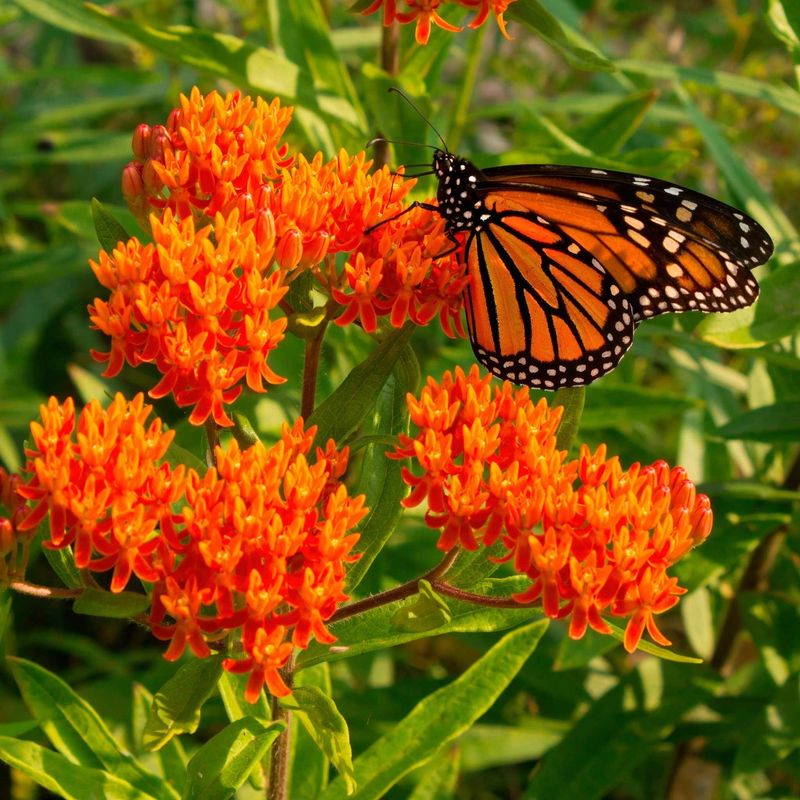
Few Pennsylvania natives make a summer bed stand out quite like butterfly weed. Its clustered flowers are typically bright orange, and Penn State lists the main bloom period in June and July.
Flora Of Pennsylvania extends the observed flowering window from late June through August, showing why the plant can be such a noticeable part of the summer landscape. The color is only part of the story.
Because butterfly weed belongs to the milkweed genus, Asclepias, it can serve as a host plant for monarch caterpillars. Female monarchs seek milkweeds for egg laying, and the caterpillars feed on milkweed after hatching.
Your Pennsylvania Garden Changes Every Week. Your Plan Should Too.
Gardening in Pennsylvania changes quickly throughout the season. Every Friday you’ll receive a simple weekly plan showing exactly what to plant, prune, fertilize, harvest, and protect so you never miss the right timing.
Adult monarchs have different needs and can take nectar from many flowering species, including milkweeds. That distinction matters for gardeners.
A butterfly weed plant may provide both host foliage and nectar, but a stronger monarch garden also includes a sequence of native nectar plants that bloom at different times. Penn State recommends that kind of seasonal diversity in pollinator plantings.
For a Pennsylvania homeowner, the practical approach is simple – use butterfly weed for its summer color and host-plant value, then surround it with compatible native flowers that extend the bloom season.
The result can be attractive to people while also supplying useful resources to visiting insects.
3. A Sunny Spot Helps Butterfly Weed Thrive In Pennsylvania Landscapes
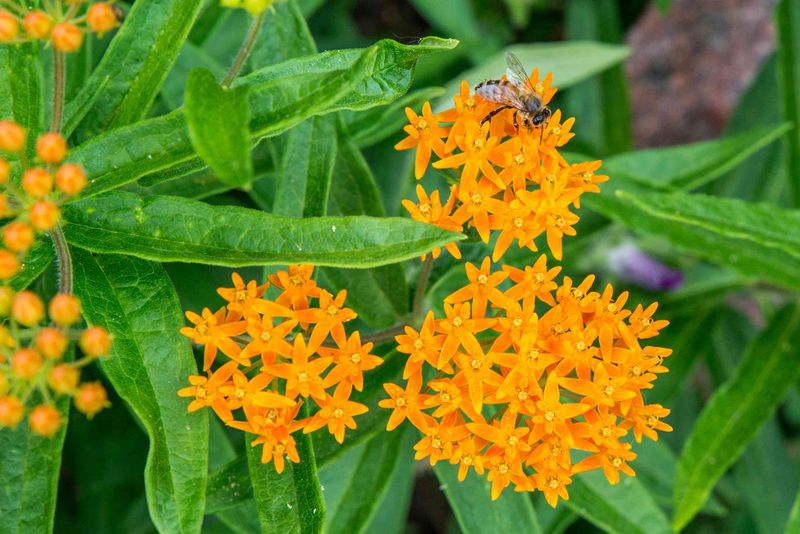
Sun exposure is one of the first things to check before planting butterfly weed in your yard. Penn State commonly recommends Asclepias tuberosa for sunny sites with dry or well-drained soil, and its native-plant lists place it among species suited to sunny, dry areas.
A little partial shade can be tolerated according to some Penn State guidance, but a bright, open position is generally the stronger choice when planning a bed around this species. Drainage matters just as much.
In the wild, Flora of Pennsylvania records butterfly weed in dry fields, roadsides, and shale barrens, habitats that help explain its preference for sites where water does not linger around the roots.
Penn State also notes that mature plants develop a substantial taproot, which contributes to their ability to handle dry conditions after establishment.
That deep root also makes established plants less suited to frequent moving, so choosing the location carefully can save trouble later. Butterfly weed can be slow to emerge in spring, so gardeners may want to mark its location and give it time to reappear.
For everyday landscape use, think sunny border, pollinator bed, meadow-style planting, or another open spot with good drainage. Matching the plant to those conditions is more useful than trying to force it into a damp or heavily shaded corner.
4. Native Garden Beds Gain Color From Butterfly Weed Flowers
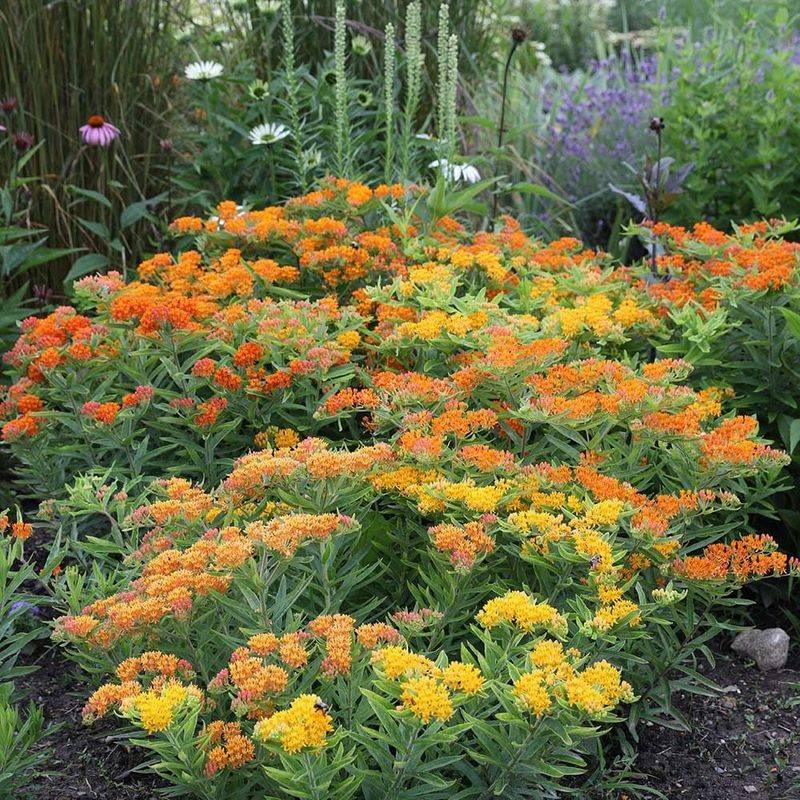
Orange is not a color that disappears quietly in a perennial border, and butterfly weed uses it especially well.
Penn State describes Asclepias tuberosa as an orange-flowering native that generally reaches about 1 to 2 feet in garden recommendations, while Flora of Pennsylvania notes that plants in natural habitats can range from roughly 1 to 3 feet.
That moderate size makes it easier to work into mixed native beds without relying on it as a towering background plant.
The flowers are held in compact, fairly flat clusters above narrow green foliage, giving the plant a clean shape that works in both naturalistic and more traditional garden layouts.
Bloom typically arrives in summer, when many spring flowers are giving way to warm-season perennials.
For design purposes, butterfly weed can be repeated through a sunny border or planted in a small drift where the orange flowers read as a stronger block of color.
Penn State’s pollinator guidance also favors planting flowers in groups because larger drifts can be easier for pollinators to locate. Good companions should share similar light and drainage needs rather than being chosen by color alone.
Butterfly weed prefers well-drained to dry conditions, so pairing it closely with plants that require consistently wet soil can make care unnecessarily complicated. A site-based combination creates a more coherent Pennsylvania native planting.
5. Dry, Open Areas Can Benefit From Butterfly Weed Plantings
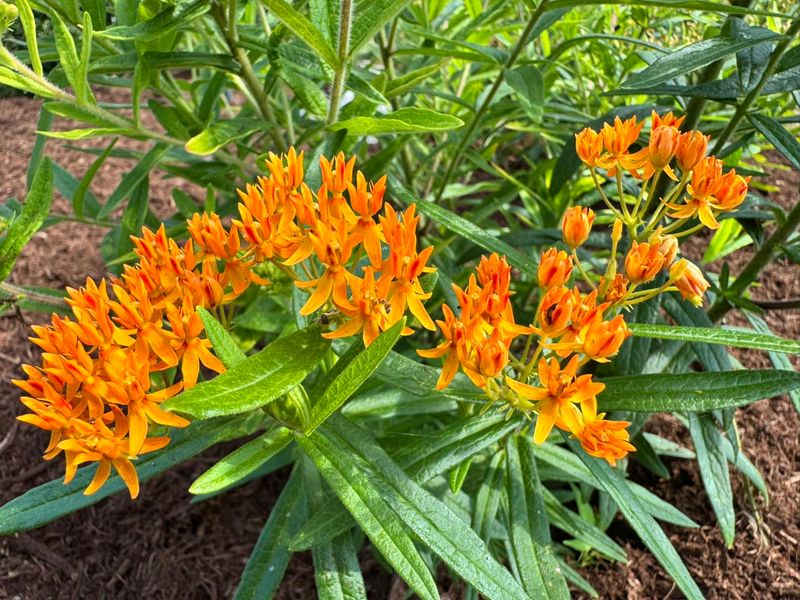
Dry parts of a yard can be frustrating if the plant list is built around species that prefer consistently moist soil. Butterfly weed offers a native option for some of those brighter, better-drained spaces.
Penn State lists Asclepias tuberosa for dry soil and sun, and Flora Of Pennsylvania reports it naturally in dry fields, roadsides, and shale barrens.
Those habitats make it a sensible candidate for open beds where drainage is quick and the soil does not stay saturated after rain.
Penn State also describes mature butterfly weed as drought tolerant because of its long taproot, which can extend a foot or more. That does not mean a newly planted specimen should be ignored.
New plants still need appropriate attention while their root systems establish, and site conditions can vary widely across Pennsylvania. The key is to avoid treating drought tolerance as permission to put butterfly weed in any difficult corner.
Compacted soil, deep shade, or persistently soggy ground do not match the conditions described by Extension sources. Instead, look for a sunny bed, slope, meadow-style area, or another open planting where excess water can move away.
Once established in a suitable site, butterfly weed can bring summer color and pollinator value to a part of the landscape where plants adapted to higher moisture may require more attention.
That makes it useful without overstating what the plant can handle.
6. Monarch Caterpillars Rely On Milkweed For Food And Shelter
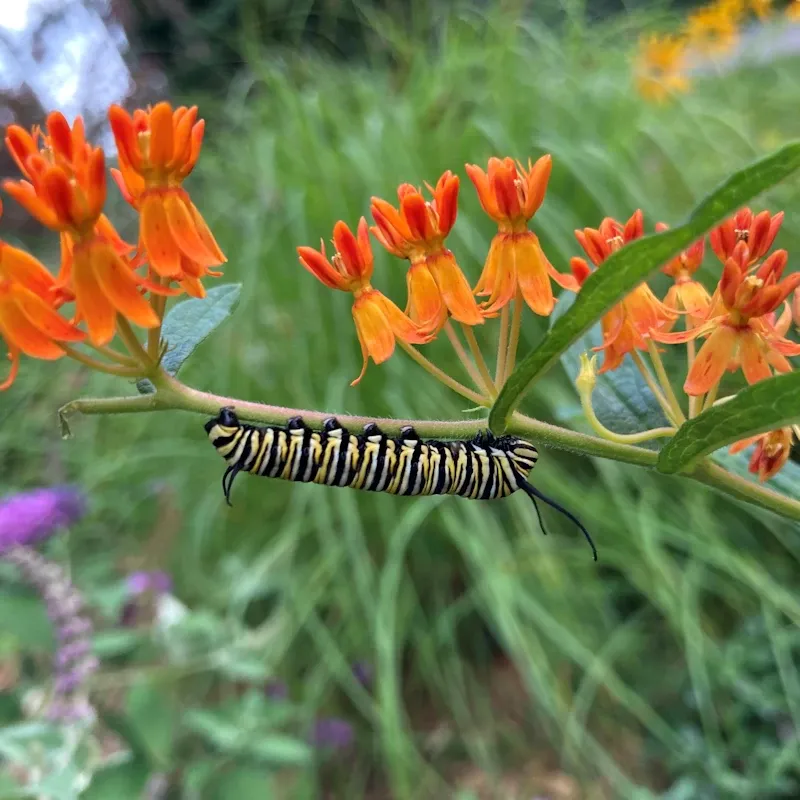
Monarch caterpillars have a much narrower menu than adult monarch butterflies. In North America, they rely on milkweeds in the genus Asclepias and a few closely related plants for food, which is why milkweeds are known as monarch host plants.
Butterfly weed, Asclepias tuberosa, is one of those native milkweeds and is documented by Penn State as a larval host for monarchs. Female monarchs locate milkweed and place eggs on the plant, then the caterpillars feed on the foliage after hatching.
Gardeners who plant butterfly weed for monarchs should expect some leaf chewing. Penn State’s pollinator guidance points out that holes in host-plant leaves can simply show that caterpillars are using the plant as intended.
It is also important to distinguish caterpillar food from adult food. Adult monarchs drink nectar from many kinds of flowers, so a habitat planting benefits from more than milkweed alone.
A mix of native nectar plants flowering from spring through fall can provide resources beyond butterfly weed’s summer bloom period. Pesticide choices matter, too.
Penn State and Xerces advise caution with insecticides, particularly systemic products used on milkweed and nectar plants, because these treatments can harm the insects gardeners are trying to support.
When buying butterfly weed, asking how nursery plants were treated can be a useful part of creating a monarch-friendly Pennsylvania garden.
7. Summer Pollinators Visit Butterfly Weed For Nectar Resources
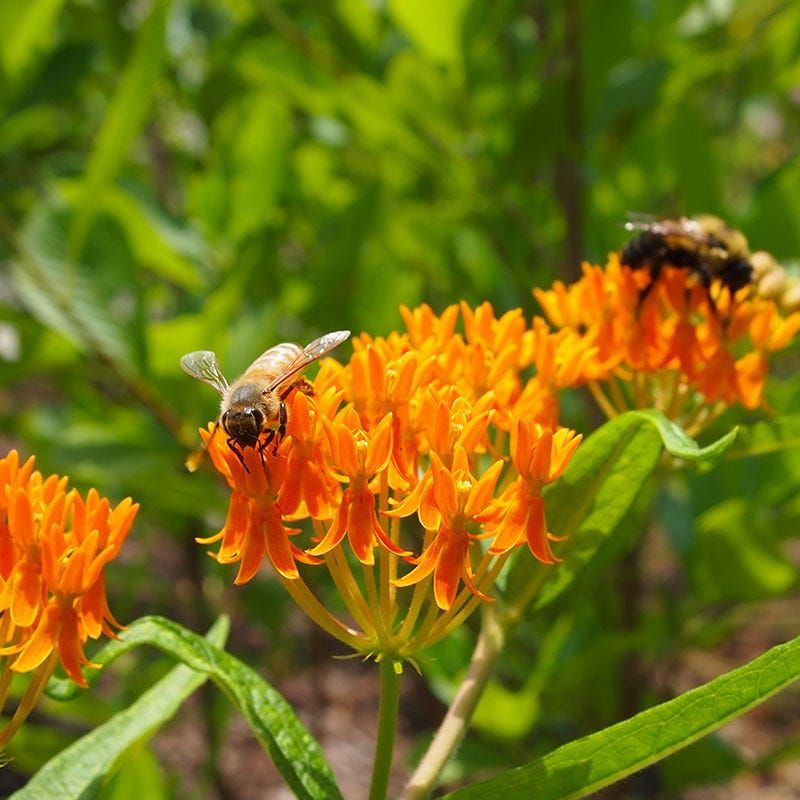
Summer activity around butterfly weed can involve far more than monarchs.
Penn State describes the flowers of Asclepias tuberosa as a nectar source for many butterflies and other insects, and its Pennsylvania pollinator lists also note visits from native bees, bumblebees, and additional flower visitors.
The plant’s small flowers are packed into conspicuous clusters, creating a concentrated feeding area during its summer bloom. That makes butterfly weed useful in a pollinator planting, but it works best as part of a larger seasonal plan.
Penn State recommends choosing flowers with different shapes and colors and providing a succession of bloom from spring through fall.
A garden that offers only butterfly weed may have a strong burst of flower resources in summer but fewer options before or after that period.
Pennsylvania gardeners can use butterfly weed as the orange summer anchor, then combine it with native species suited to the same site that flower at other times.
Planting several butterfly weed plants in a drift can also make the display easier for pollinators to locate, according to Penn State guidance.
Limiting unnecessary insecticide use around flowering and host plants further helps protect the insects drawn to them.
The practical value is straightforward – butterfly weed brings nectar into the garden while also helping connect a sunny ornamental bed with the broader food web.
Its flowers look decorative, but their role is functional as well.
8. Pennsylvania Gardens Gain Lasting Value From This Native Wildflower
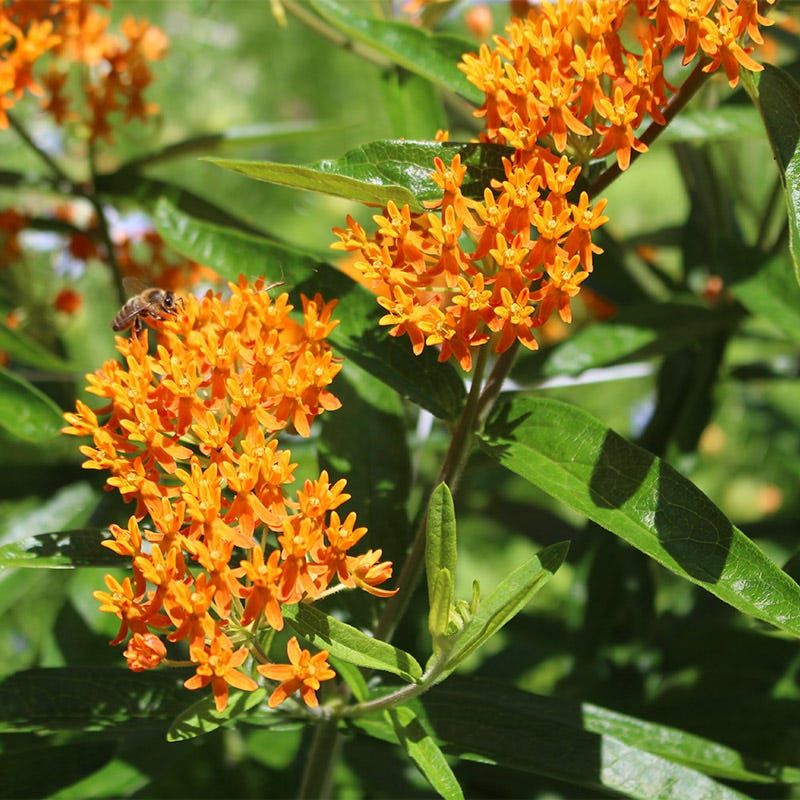
A useful native plant earns its place by fitting the site and contributing something beyond a brief flower display. Butterfly weed checks several of those boxes for sunny, well-drained Pennsylvania gardens.
It is native to the state, occurs spontaneously in dry fields, roadsides, and shale barrens, and produces orange summer flowers that supply nectar to a range of visiting insects. As a milkweed, it also provides host foliage for monarch caterpillars.
Penn State generally places the plant around 1 to 2 feet tall in garden recommendations, so it can fit into perennial borders, pollinator beds, and meadow-style plantings without demanding the space of a large shrub.
Mature plants develop a substantial taproot and are considered tolerant of dry conditions once established.
They can also self-seed, and Penn State notes that the plant may emerge relatively late in spring. Those traits are worth knowing before choosing its position.
Butterfly weed is not a universal answer for every Pennsylvania yard – damp soil, heavy shade, or a need for flowers across the entire growing season would call for additional plants.
Its greatest value comes when it is matched to the right site and combined with other native species that broaden seasonal resources and garden structure.
Used that way, butterfly weed becomes more than a colorful perennial. It becomes one useful piece of a diverse Pennsylvania garden.