This Native Michigan Wildflower Spreads Aggressively In Wet Soil (And That Can Be A Good Thing)
Swamp milkweed has a reputation for spreading quickly in wet Michigan soil, but this aggressive growth actually solves more problems than it creates.
This native wildflower thrives in consistently moist areas where many other plants struggle to establish or survive at all.
Its spreading habit helps stabilize soggy soil, reducing erosion in low lying yards prone to standing water after storms. Swamp milkweed also serves as a critical host plant for monarch butterflies, supporting their entire life cycle from egg to adult.
Its clusters of pink blooms attract a wide range of pollinators throughout the summer months. Gardeners dealing with persistently wet problem areas often find this plant thrives where others simply cannot.
Occasional thinning keeps its spread manageable without losing the ecological benefits it provides. Embracing this aggressive grower can turn a frustrating wet spot into a thriving pollinator habitat.
1. Michigan’s Deceptively Named Wildflower
The name “obedient plant” sounds like a gardener’s dream, but there’s a twist worth knowing right away.
The common name actually refers to a quirky trait of the individual flowers: if you gently push one sideways, it stays in that new position rather than snapping back.
That’s the obedient part. The plant itself, however, is a whole different story once it gets comfortable in your garden.
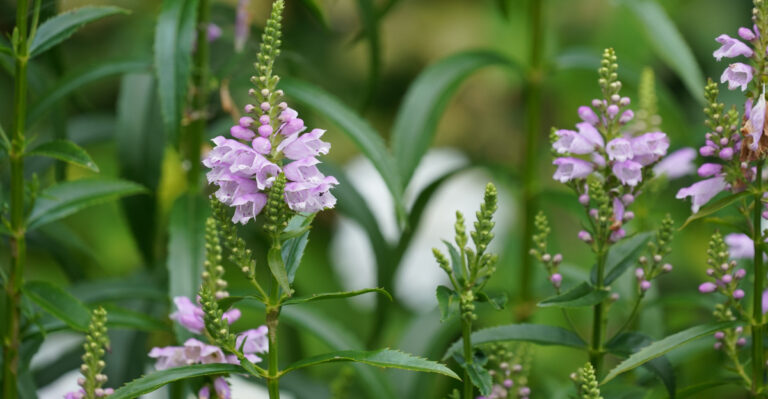
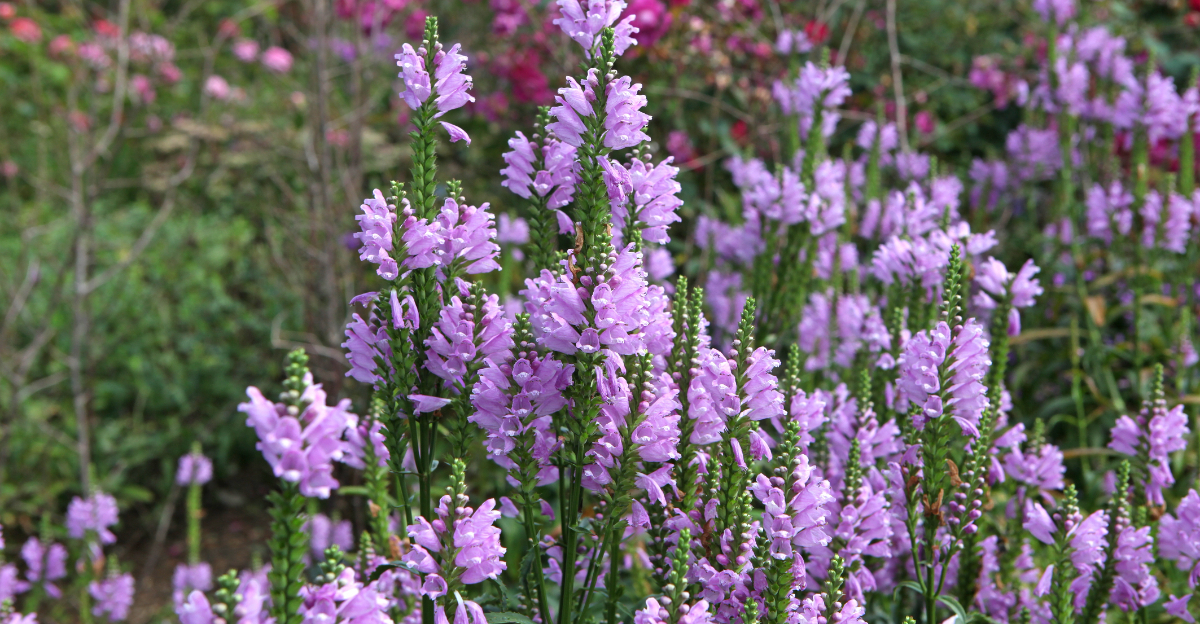
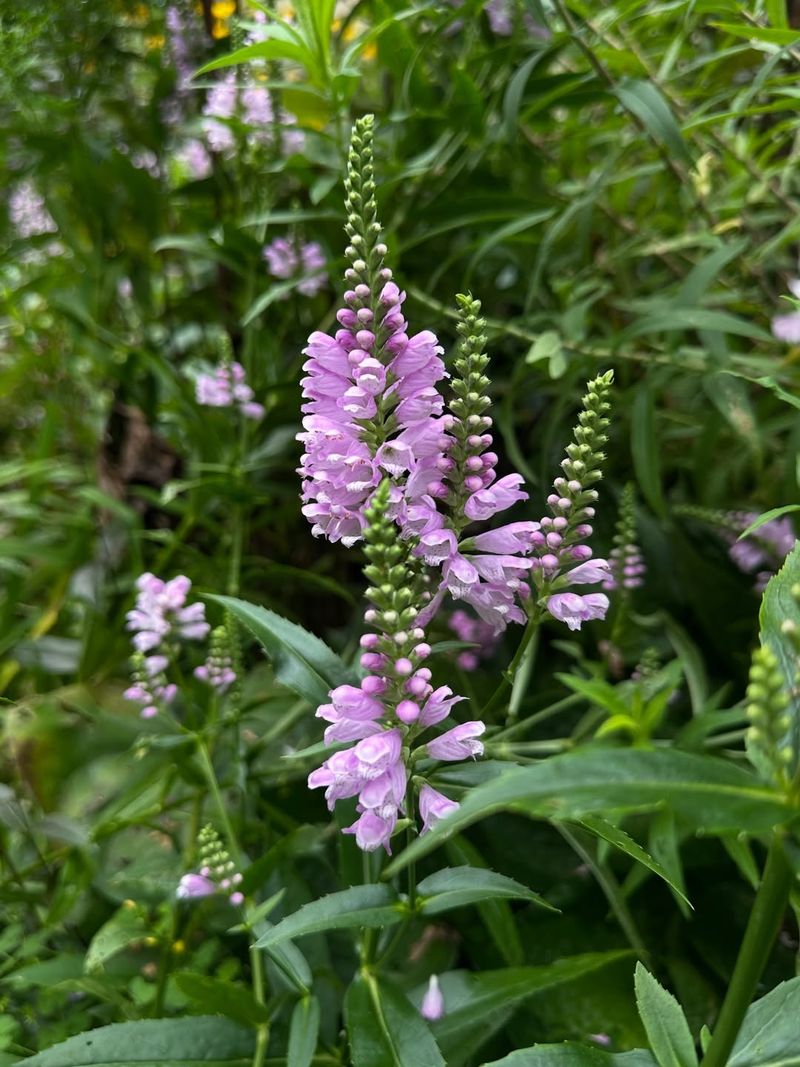
Physostegia virginiana is also called false dragonhead, a name that fits its bold, upright personality far better. The plant grows tall, straight stems lined with narrow, toothed leaves that give it a clean, architectural look throughout the growing season.
At the top of each stem, a dense spike of tubular flowers opens in shades of pink, purple, or occasionally white, creating a striking vertical display that catches the eye from across the yard.
Native to Michigan and much of eastern North America, this wildflower evolved in moist meadows, stream edges, and damp thickets. It thrives where many garden plants struggle.
The straight species, meaning the original wild form rather than a cultivated variety, can spread vigorously when planted in rich, consistently moist garden soil.
Knowing that upfront helps you plan smarter and put this plant exactly where its energy becomes an asset rather than a headache. It is a genuinely beautiful wildflower with real garden value when sited correctly.
2. Shallow Rhizomes Are The Engine Behind Its Rapid Spread
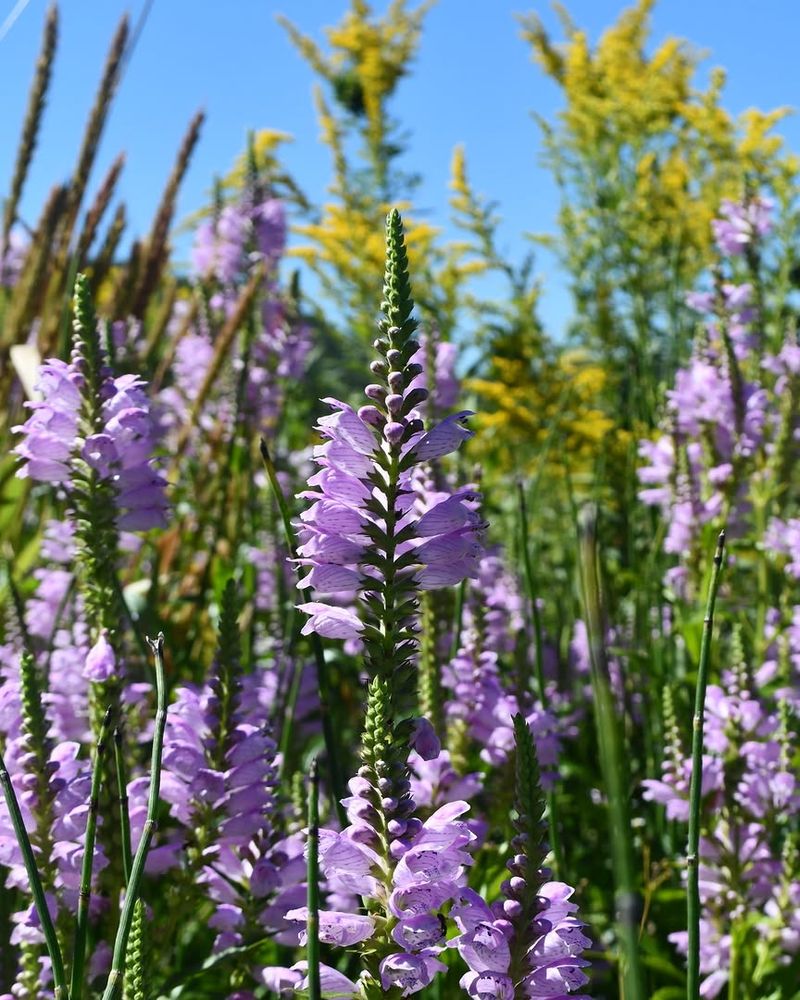
Picture a network of underground highways spreading quietly beneath your garden beds. That’s essentially what Physostegia virginiana builds as it settles into a new spot.
The plant expands through rhizomes, which are horizontal underground stems that push outward from the original clump, sprouting new roots downward and new shoots upward as they travel.
Over a single growing season, a small nursery plant can produce a noticeably wider colony.
What makes these rhizomes especially interesting is how shallow they grow. Unlike some aggressive perennials that anchor themselves several inches down, obedient plant rhizomes tend to stay close to the surface.
That’s actually good news for gardeners who need to manage the spread. Lifting unwanted shoots from moist soil takes far less effort than wrestling with deep, stubborn root systems.
Your Michigan Garden Changes Every Week. Your Plan Should Too.
Gardening in Michigan changes quickly throughout the season. Every Friday you’ll receive a simple weekly plan showing exactly what to plant, prune, fertilize, harvest, and protect so you never miss the right timing.
A garden fork and a bit of patience during spring or fall cleanup can remove a surprising amount of new growth quickly.
One common misconception is worth clearing up right here. Cutting off spent flower spikes after blooming will reduce the number of seeds the plant produces, and that’s a helpful step.
However, it will not stop the underground rhizomes from continuing to spread outward. The rhizomes work independently of the flowering cycle, pushing new shoots outward regardless of what happens above the soil surface.
Managing obedient plant effectively means addressing both the seeds and the underground stems, not just one or the other. Understanding this distinction saves a lot of future frustration in the garden.
3. Wet, Rich Soil Supercharges The Colony’s Growth
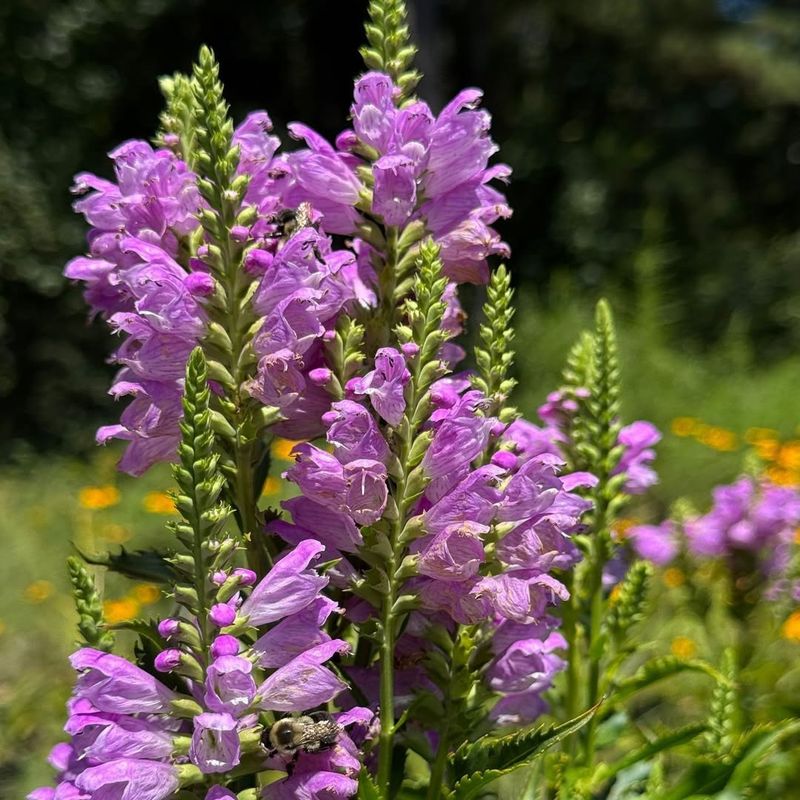
Not all garden soil brings out the same intensity in obedient plant, and the difference between a manageable clump and a fast-expanding colony often comes down to moisture and fertility.
When the soil stays consistently damp and carries a good supply of nutrients, the rhizomes push outward faster, the stems grow taller, and the colony covers ground more quickly than most gardeners expect.
Fertile, moist conditions are essentially the ideal fuel for this plant’s natural growth engine.
Physostegia virginiana naturally grows in wet meadows, damp thickets, seep areas, and along stream banks across Michigan. These habitats share two things: steady moisture and enough organic matter to support vigorous plant growth.
Recreating those conditions in a garden bed, even unintentionally, tells the plant it’s exactly where it wants to be. Full sun or partial sun both work well as light conditions, giving gardeners flexibility in how and where they use this species.
One important clarification belongs here, though. Consistent moisture is not the same as prolonged flooding.
Obedient plant prefers soil that stays moist but still holds usable oxygen around the roots. Ground that sits under standing water for weeks at a time is not the right match for this plant.
Think of a rain garden that drains within a day or two, a low meadow area that stays damp but not waterlogged, or a pond border where the soil is reliably moist without being fully saturated.
Those are the sweet spots where this wildflower truly performs at its best and spreads with the most energy.
4. Aggressive Growth Becomes A Genuine Advantage In The Right Spot
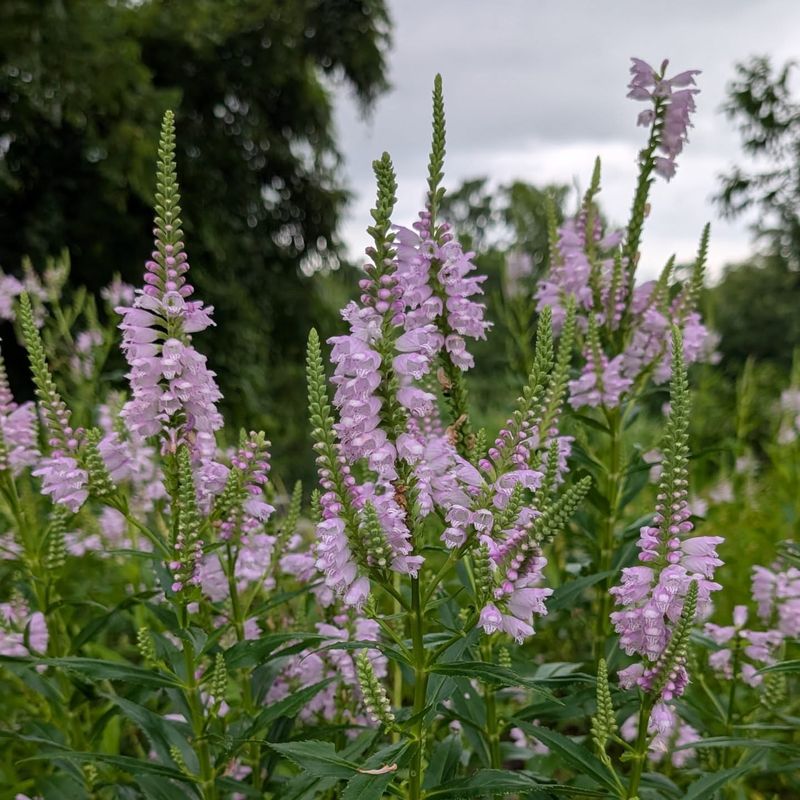
Most gardeners hear the word “aggressive” and immediately think of a problem plant. With obedient plant, that reaction is understandable but not always accurate.
The key is matching the plant’s energy to the right kind of space, and when that match works, the results are genuinely impressive.
A connected colony of Physostegia virginiana creates a substantial mass of upright foliage and colorful flower spikes, covering ground that smaller, less vigorous plants simply cannot hold.
Rain gardens, moist meadows, pond borders, broad drainage plantings, and naturalized beds are all places where this plant’s spreading habit becomes an advantage rather than a liability.
Open, wet, or hard-to-establish areas often stay patchy and weedy when planted with well-behaved, slow-growing species.
Obedient plant moves in, fills the gaps, and holds the space with a carpet of vegetation that suppresses weeds and adds seasonal beauty at the same time.
Planting it as one component of a diverse native mix works even better than using it alone.
Combining Physostegia virginiana with other Michigan natives like blue flag iris, swamp milkweed, Joe-Pye weed, or cardinal flower creates a layered planting that supports more wildlife and looks more natural over time.
A word of honesty belongs here, too: no single plant, including this one, can fix contaminated runoff, correct a failed drainage system, or solve severe flooding on its own.
Obedient plant is a great garden tool in the right conditions, not a cure-all for complicated landscape problems. Use it strategically and it will reward you generously.
5. The Flower Spikes Feed Pollinators Deep Into Fall
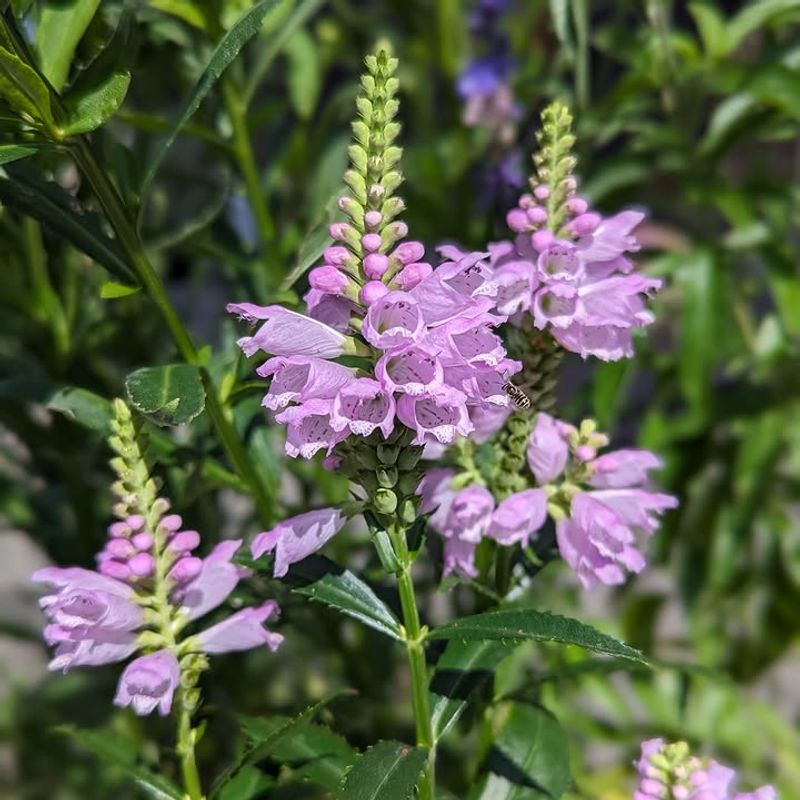
One of the most exciting things about growing a large colony of obedient plant is watching it become a buzzing, fluttering hub of activity as summer winds down.
When many other garden flowers have already finished blooming, the tall pink and purple spikes of Physostegia virginiana are just hitting their stride.
The flowers open gradually from the bottom of each spike upward, which stretches the blooming period and keeps the food supply coming for weeks rather than just a few days.
Bees, butterflies, hummingbirds, and other nectar-seeking visitors are regularly drawn to the tubular flowers, which are shaped in a way that suits longer-tongued pollinators especially well.
A larger colony means more flowers, and more flowers mean a more reliable and abundant food source during a season when late-blooming plants are genuinely hard to find.
That’s a meaningful contribution to local pollinator populations, especially in Michigan where late-season nectar sources can be scarce.
Wildlife use always varies depending on location, weather patterns, colony size, and the surrounding habitat, so results won’t look identical in every yard. Still, the general pattern is consistent: bigger colonies attract more visitors and sustain them longer.
To get the most out of this benefit, avoid applying insecticides to open flowers during the blooming period.
Pairing obedient plant with native species that bloom in spring and early summer, like wild geranium or golden Alexanders, creates a continuous seasonal food chain that supports pollinators from one end of the growing season to the other.
That kind of layered planting is a genuine win for Michigan’s native insects and birds.
6. Formal Borders Are The Wrong Home For This Wildflower
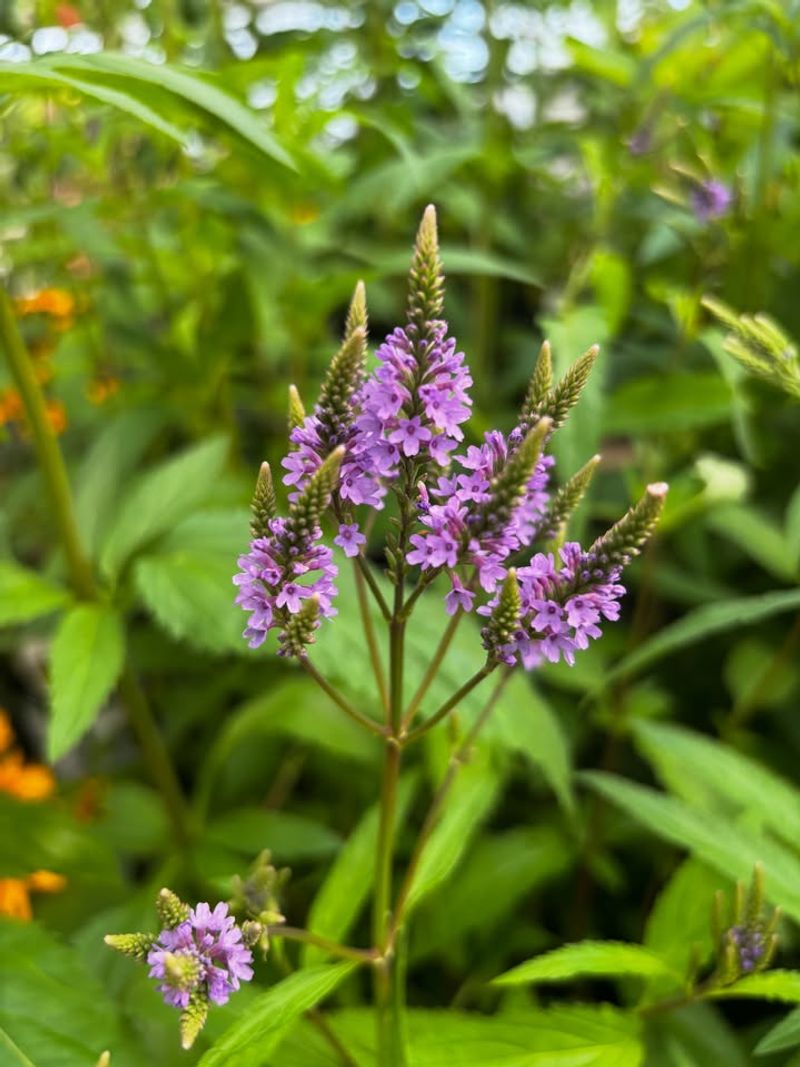
Imagine spending a weekend carefully arranging a tidy perennial border, only to find a year later that one plant has quietly consumed a third of the bed.
That scenario plays out regularly when obedient plant gets placed in a formal or tightly designed garden space.
Its rhizomes don’t recognize property lines within a planting, and they will push through gaps between small perennials, creep toward pathway edges, and show up in spots you definitely didn’t plan for.
Narrow foundation beds, small rock gardens, carefully spaced mixed borders, and any area that requires frequent access or a precise, controlled look are not good matches for this plant.
The same goes for spots near septic equipment, drainage structures, or other infrastructure where uninvited root growth could become a maintenance issue.
The plant isn’t doing anything wrong; it’s just doing what it evolved to do. Placing it where that behavior conflicts with the garden design creates ongoing work and frustration that could have been avoided with smarter initial placement.
A broad rain garden, an open moist meadow section, or a naturalized bed with plenty of room gives obedient plant the space it needs to spread without overwhelming the entire design.
The most important mental shift a gardener can make before planting is this: don’t judge the plant by the size of the nursery pot.
That small container holds a plant that could spread several feet in each direction within just a few growing seasons. Plan for the colony it will become, not the clump it is today, and placement decisions will be much more satisfying in the long run.
7. Dividing The Colony Every Year Or Two Keeps It In Check
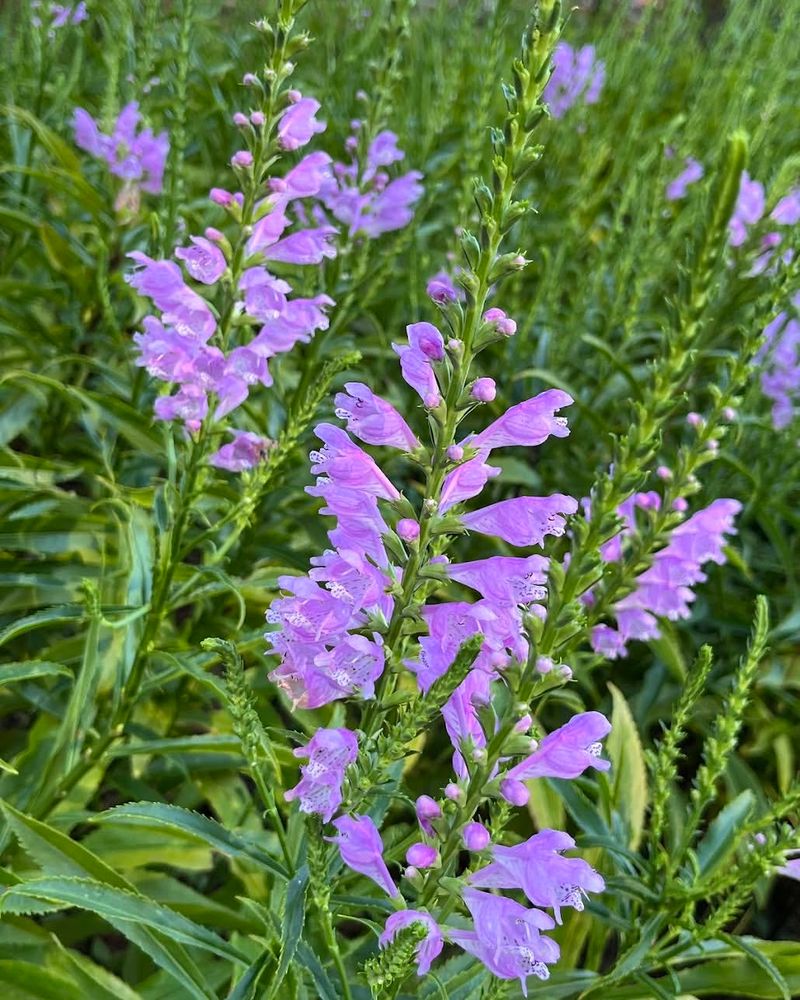
Good news for gardeners who love this plant but worry about losing control: managing obedient plant doesn’t require removing it entirely.
Regular division is one of the most practical and effective tools for keeping the colony within its intended boundaries.
Think of it less like a chore and more like an annual check-in that keeps the planting looking its best while preventing it from overrunning neighboring areas.
Spring and fall are both good times to inspect the colony’s edges. Look for shoots that have crossed the boundary you set, and lift them with a garden fork while the soil is moist but not waterlogged.
Moist soil makes the shallow rhizomes much easier to trace and remove cleanly.
Dividing expanding clumps every one to two years also keeps the center of the colony vigorous and prevents the middle from becoming sparse and woody, which is a common issue with older, undivided perennial colonies.
Choosing the right planting location from the start makes all of this much easier. When obedient plant sits beside a lawn, a wide paved path, or a maintained garden edge, those hard boundaries naturally limit how far the rhizomes can travel.
The lawn mower takes care of any shoots that cross into the grass, and the pavement stops underground spread at the edge. Thin landscape fabric, on the other hand, is not a reliable long-term solution.
Rhizomes find gaps, edges lift over time, and the fabric often creates more problems than it solves.
Clear physical boundaries and consistent seasonal attention are the most dependable management strategies available to Michigan gardeners working with this species.
8. Match The Plant To The Purpose Before You Put It In The Ground
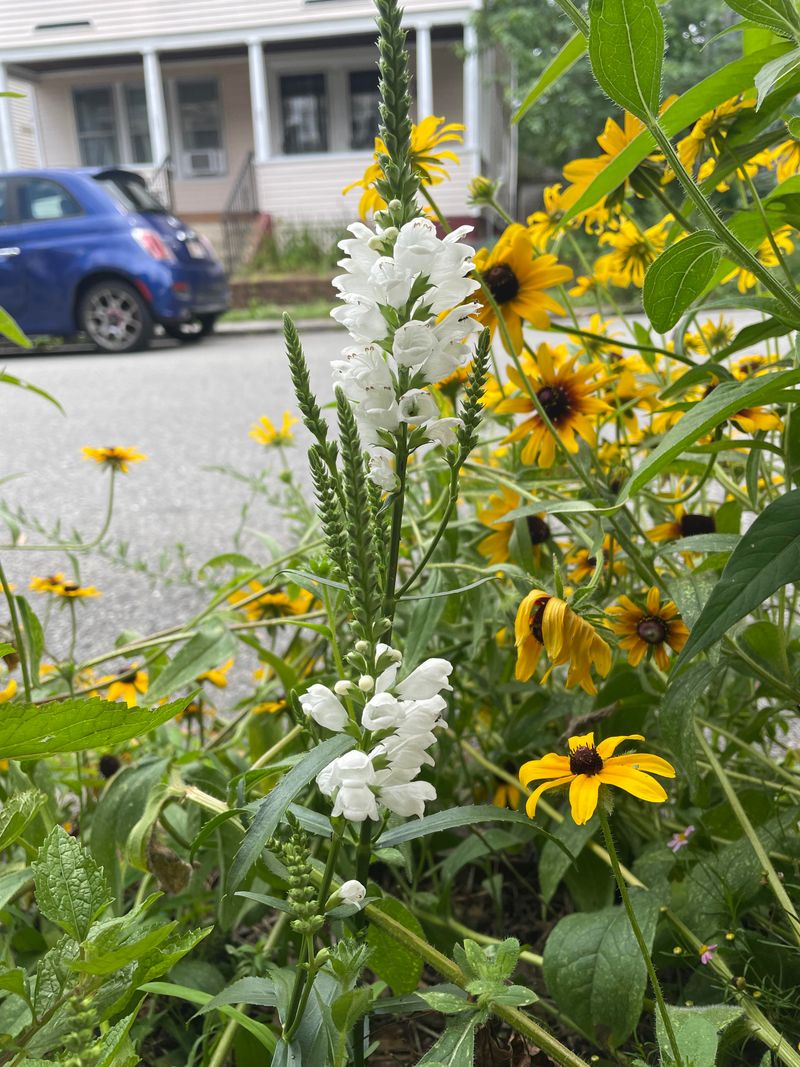
Before buying a single plant, the most valuable question a Michigan gardener can ask is simple: what am I actually trying to accomplish here?
Physostegia virginiana is a strong, vigorous native with real landscape value, but it performs best when the site genuinely suits its habits.
A large, moist naturalized area where you want reliable native coverage is exactly the kind of place where the straight species, meaning the original wild form, can work beautifully without becoming a management burden.
If space is more limited, compact cultivars are worth exploring. Varieties like ‘Miss Manners’ or ‘Crystal Peak White’ are known for a more restrained spreading habit and work better in smaller garden spaces than the straight species.
That said, always read the actual plant label carefully before purchasing. Cultivar names can vary between nurseries, and height, flower color, and spread can differ significantly from one variety to the next.
Verifying what you’re actually buying saves a lot of guesswork later.
When planting, set each plant at the same soil depth it was growing at in the nursery container. Water consistently during the first season to help the roots establish before the plant starts expanding on its own.
Spacing plants with enough room between them for good airflow reduces the chance of fungal issues in humid Michigan summers. Watch the colony closely during the first several growing seasons and adjust boundaries as needed.
Obedient plant’s aggressive growth is genuinely beneficial when the site is large enough and the gardener stays actively involved in guiding the colony.
Get those two things right and this native wildflower will reward you with years of beautiful, wildlife-friendly blooms.