7 Michigan Shrubs That Grow Better When Planted In Fall
Most people assume spring is the obvious season for planting shrubs, packing away that idea until winter finally breaks and warmer weather returns.
But several shrubs actually establish far better when Michigan gardeners plant them in fall instead, taking advantage of conditions spring simply cannot offer.
These particular shrubs don’t just tolerate a fall start, they genuinely thrive because of it, developing stronger roots before summer heat ever becomes a factor next year.
It sounds counterintuitive, especially with cooler weather already settling in, but the timing actually works in these shrubs’ favor.
Gardeners who plant now, rather than waiting for spring, often end up with noticeably healthier, more established plants by the following summer.
Understanding exactly which shrubs benefit from this fall timing could completely change how you plan your next planting project. It turns out patience, in this specific case, actually gets rewarded.
1. Ninebark Gets A Head Start Before Summer
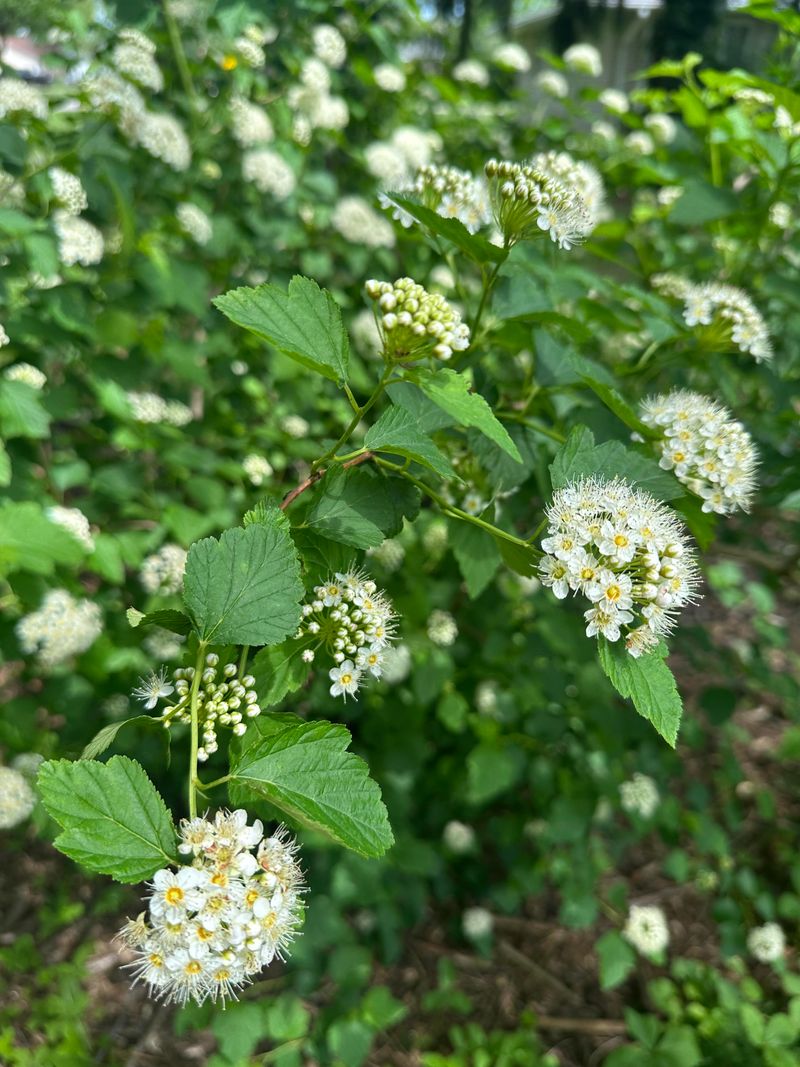
Tough as they come, ninebark shrugs off almost anything you throw at it. When you tuck one into the ground in fall, the roots get busy right away while the soil is still warm and the air feels crisp.
That early root growth matters more than most people realize. By the time next summer rolls around, your ninebark already has a strong underground network ready to pull in water and food.
This head start means less stress when the hot months arrive and the plant can focus on pushing out leaves and flowers instead of scrambling to survive.
Michigan soils can be tricky, ranging from sandy patches to heavy clay. Ninebark handles this mix better than many shrubs, and it does not fuss over perfect conditions.
Give it a spot with some sun, and it will reward you with peeling bark, colorful foliage, and clusters of tiny flowers that bees adore.
Fall planting also lets you take advantage of cooler days that are easier on both you and the plant. Water it well after planting, add a layer of mulch to protect the roots, and let nature do the rest through the quiet months ahead.
One fun detail is the name itself. People believed the bark peeled back in nine layers, which is how ninebark earned its title.
Whether that number is exact or not, this hardy shrub is a low-effort, high-reward pick for any Michigan yard.
2. Red Osier Dogwood Settles In During Cool Weather
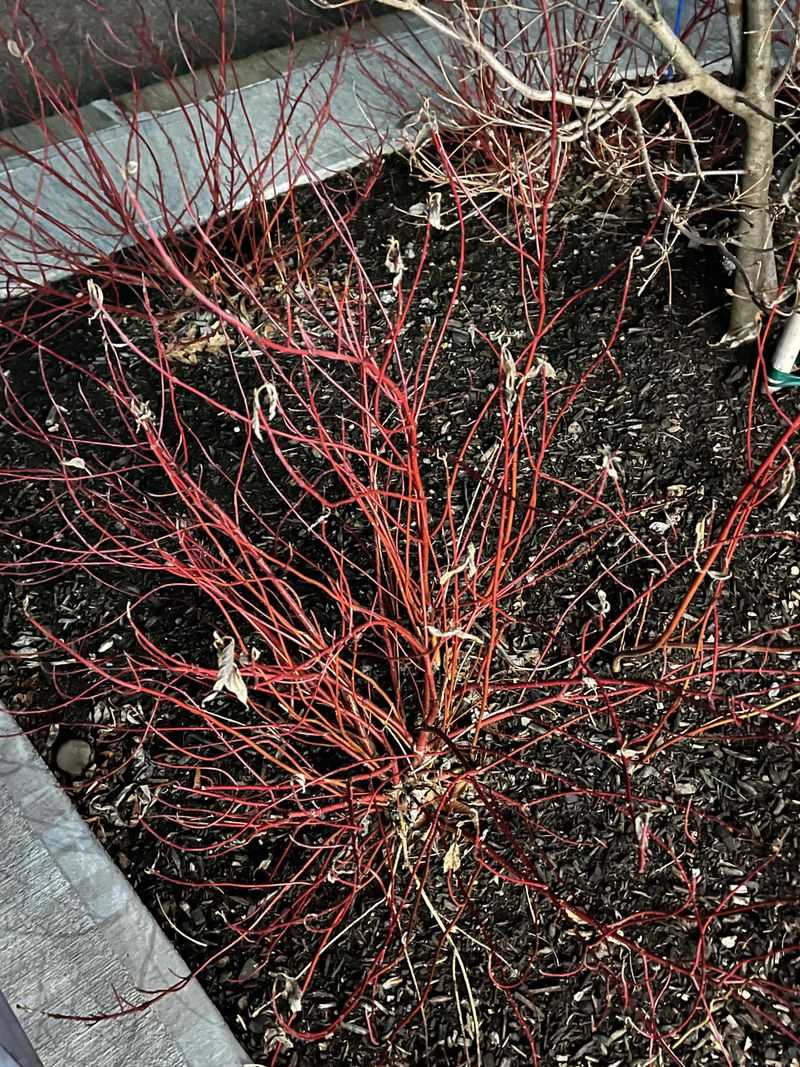
Bright red stems that glow against winter snow make red osier dogwood a standout, and fall is the smart season to plant it. Cool weather keeps the shrub calm while its roots stretch out and grab hold of the soil.
Because summer heat can be rough on new plantings, autumn gives this dogwood a gentler start. The mild days and steady moisture help it settle without the stress that comes from baking sun and dry ground.
What makes red osier dogwood especially handy in Michigan is its love for damp spots. If you have a low corner of the yard that stays soggy or an area near a pond or ditch, this shrub will feel right at home.
Your Michigan Garden Changes Every Week. Your Plan Should Too.
Gardening in Michigan changes quickly throughout the season. Every Friday you’ll receive a simple weekly plan showing exactly what to plant, prune, fertilize, harvest, and protect so you never miss the right timing.
Many plants sulk in wet soil, but this one thrives there. Beyond its usefulness, the plant simply looks great.
Spring brings clusters of small white flowers, summer offers green leaves, and winter delivers those famous fiery red twigs that brighten a gray landscape.
To plant it well, dig a hole a little wider than the root ball, set the shrub level with the ground, and water it deeply. A ring of mulch helps lock in moisture and shields the roots as temperatures drop.
Birds appreciate the white berries that appear later in the season, so you get a wildlife bonus too. With so little effort required and so much color in return, red osier dogwood earns its spot in wetter Michigan gardens year after year.
3. American Cranberrybush Handles Michigan Winters
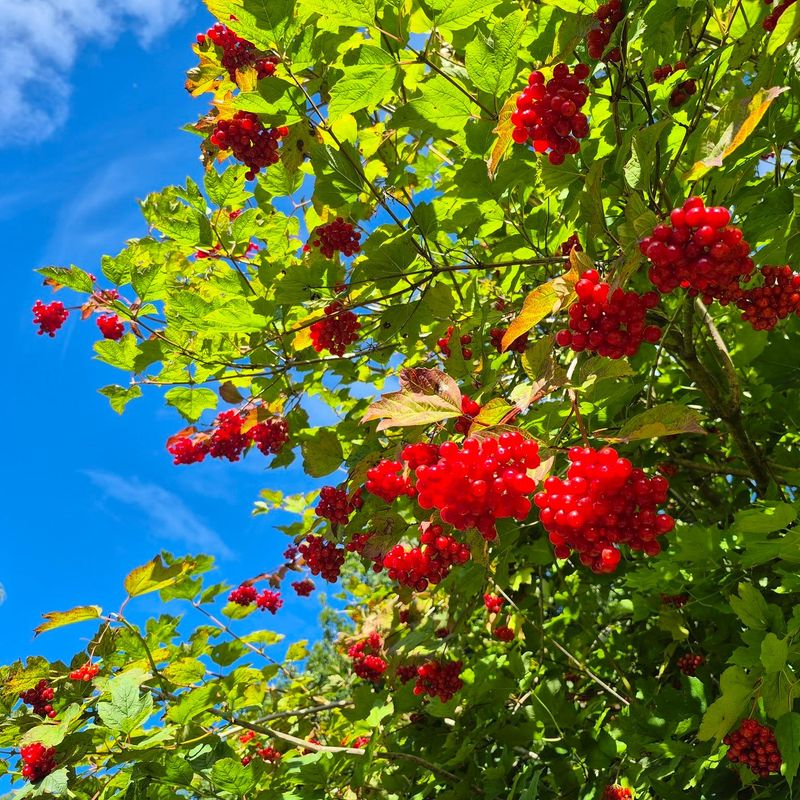
Loaded with glossy red berries and topped with lacy white flowers, American cranberrybush viburnum puts on a show through several seasons. Planting it in fall lets those roots dig in before the busy growth of spring and the heat of summer.
Cold weather is no problem for this shrub. It is built for northern climates and takes Michigan winters in stride, which makes it a reliable choice for gardeners who want beauty without worry.
The autumn planting window works in your favor because the soil stays warm even as the air turns cool.
Roots keep growing quietly underground, so by summer the plant already has a firm foundation and can handle dry spells much better than a spring-planted shrub.
Its berries hang on well into the cold months, giving birds a food source and giving your yard a splash of red when everything else looks bare. The leaves also turn lovely shades in fall, adding another layer of interest.
When you plant, pick a spot with full sun to part shade and soil that drains reasonably well. Water it after planting and mulch around the base to protect the roots from freezing and thawing.
Despite its name, this plant is not the same as the cranberries you eat at holidays, though the tart fruit does look similar.
Its toughness, wildlife value, and multi-season charm make American cranberrybush a smart addition that fits right into Michigan landscapes with very little fuss.
4. Winterberry Benefits From Moist Fall Soil
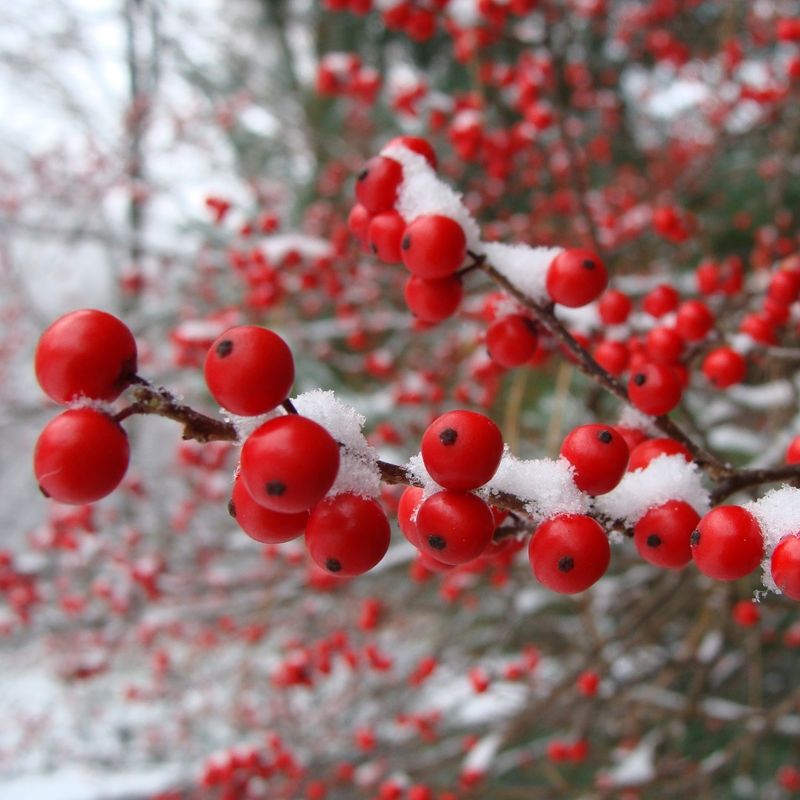
Few sights beat winterberry branches covered in bright red fruit while snow falls around them. This native holly loses its leaves, so the berries really steal the spotlight during the coldest stretch of the year.
Fall planting suits winterberry nicely because the season often brings steady rain and cool, damp soil. That moisture helps the roots settle in and gives the shrub a calm start before it has to face summer.
Here is a key tip that trips up a lot of gardeners. Winterberry needs both male and female plants to produce those famous berries.
The female shrubs make the fruit, but they need a male nearby to pollinate the flowers, so plan to plant at least one of each.
Choose a spot that stays moist, since this plant dislikes dry ground. Low areas or spots near downspouts often work well, and slightly acidic soil helps it thrive.
Water your new winterberry deeply after planting and spread mulch to hold in moisture and guard the roots through winter. Once established, it becomes a dependable performer with very little upkeep.
Birds flock to the berries in late winter when other food grows scarce, making this shrub a favorite for wildlife lovers. The contrast of red fruit against a white background turns an ordinary yard into a scene worth photographing.
With a little planning for pollination and a moist home to grow in, winterberry brings cheerful color to Michigan gardens exactly when it is needed most.
5. Red Chokeberry Has Time To Build Roots
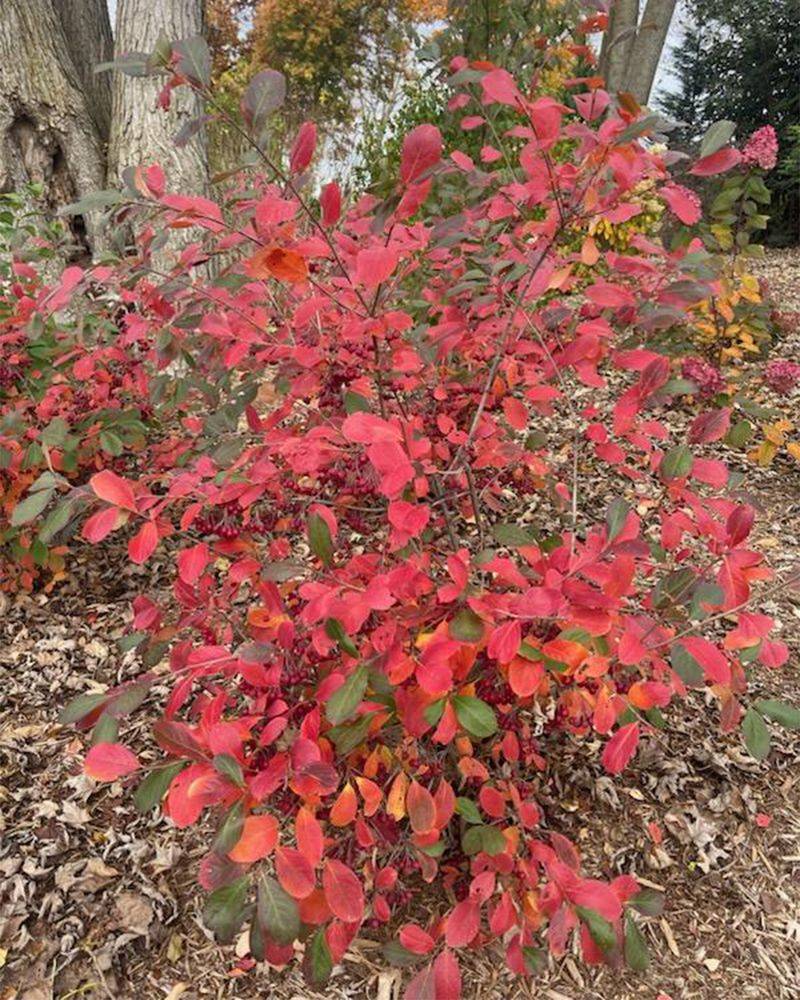
Three seasons of interest packed into one hardy shrub is what makes red chokeberry such a treat. Spring flowers, summer berries, and blazing fall leaves keep this plant working hard all year long.
Cool autumn weather is a gift to newly planted chokeberry. With less heat pressing down, the shrub can spend its energy building roots instead of fighting to stay hydrated, so it slides into your garden with hardly any stress.
The soft white flowers arrive first in spring, drawing in pollinators with their delicate blooms. Then come clusters of red berries that hang on through fall and often into winter, feeding hungry birds when snacks are hard to find.
By autumn the leaves catch fire with brilliant shades of red and orange, giving your yard a warm glow. Few shrubs offer this much visual payoff for so little effort.
Red chokeberry is not picky about soil and tolerates both wet and dry spots, which makes it flexible for many Michigan yards. Give it some sun for the best berries and brightest fall color.
After planting, water it in well and add mulch to keep the roots comfortable as the ground cools. Once settled, it asks for very little attention and keeps giving back season after season.
The berries taste quite tart, which is where the name comes from, but they make cheerful cooked treats and jellies. For gardeners who want beauty with almost no fuss, red chokeberry is a rewarding fall planting choice.
6. Common Witch Hazel Makes The Most Of Fall
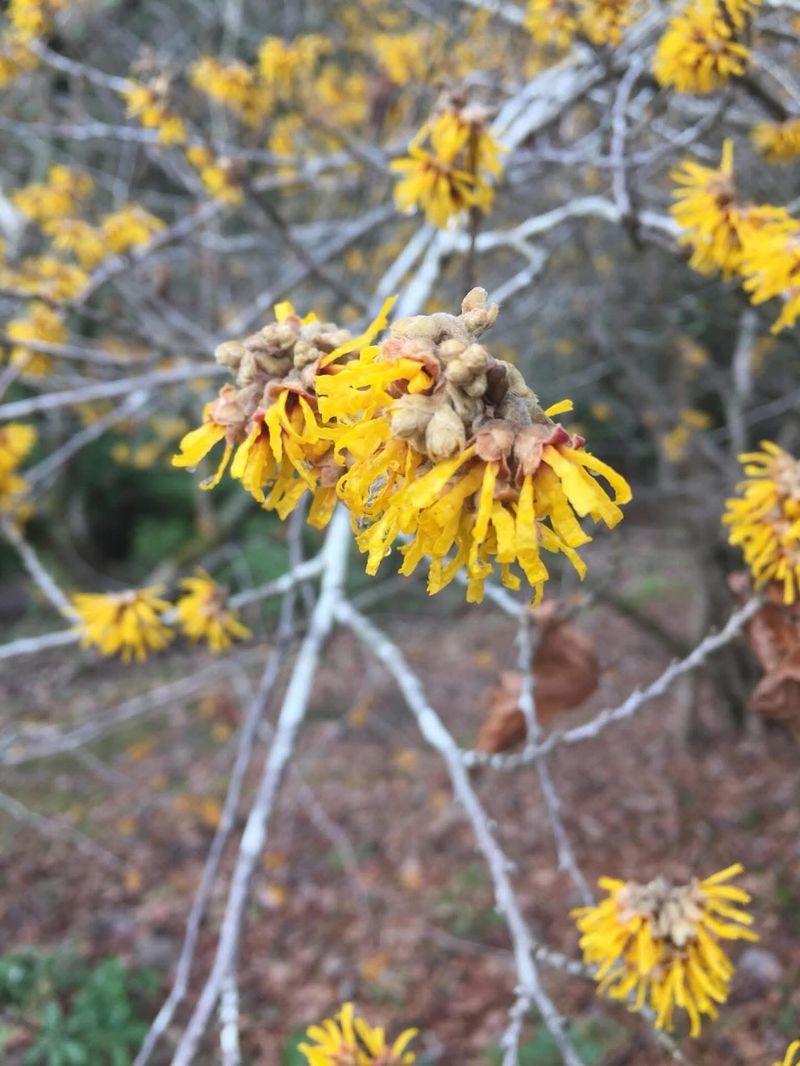
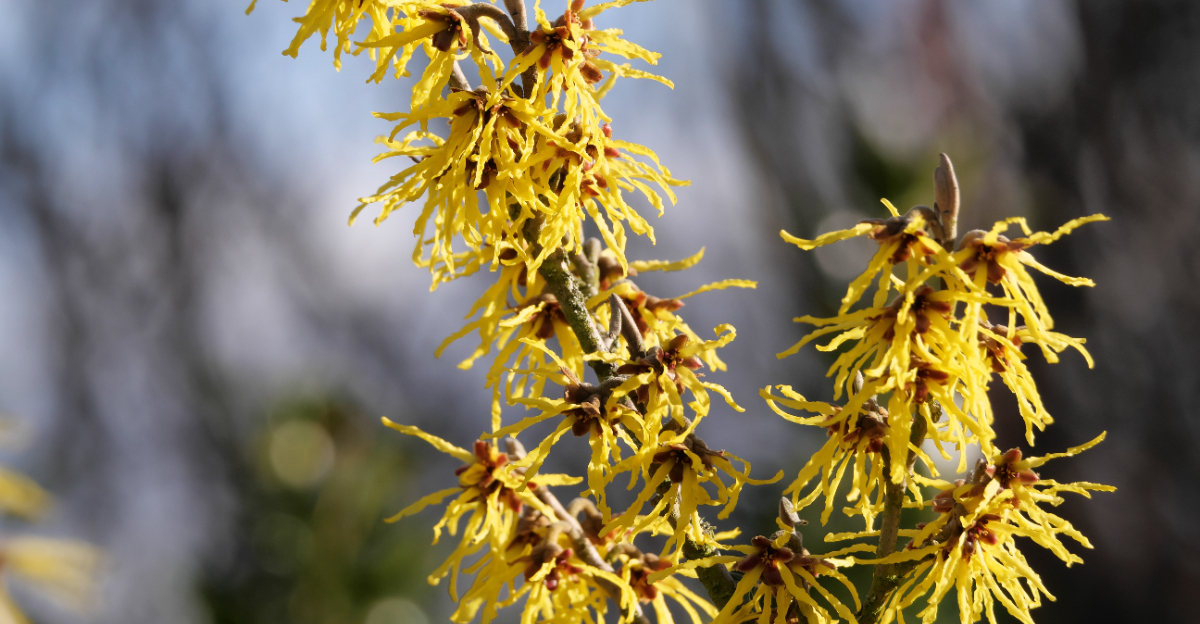
Just when most plants are winding down, common witch hazel bursts into bloom with spidery yellow flowers. This late show makes it one of the most surprising shrubs you can grow in Michigan.
Planting it in fall makes a lot of sense. The mild weather helps the roots establish without the strain of summer heat, and the plant can focus on getting comfortable in its new home before winter sets in.
Size is something to think about before you dig. Witch hazel can grow into a large shrub or small tree, sometimes reaching fifteen feet or more across, so give it plenty of room to spread out.
It prefers a spot with moist, well-drained soil and does best in full sun to part shade. Along the edge of a woodland or in a roomy garden bed, it has space to reach its full potability and shine.
After you plant, water it deeply and spread mulch around the base to protect the roots and hold in moisture during the cold months ahead.
Native Americans and early settlers used witch hazel branches to make soothing skin remedies, and you can still find witch hazel in drugstores today. That long history adds a bit of charm to an already interesting shrub.
The fragrant fall flowers bring color and scent to the garden when little else is happening, and pollinators appreciate the late-season treat. For patient gardeners with space to fill, witch hazel is a rewarding and unusual pick.
7. Blackhaw Viburnum Starts Strong Before Spring
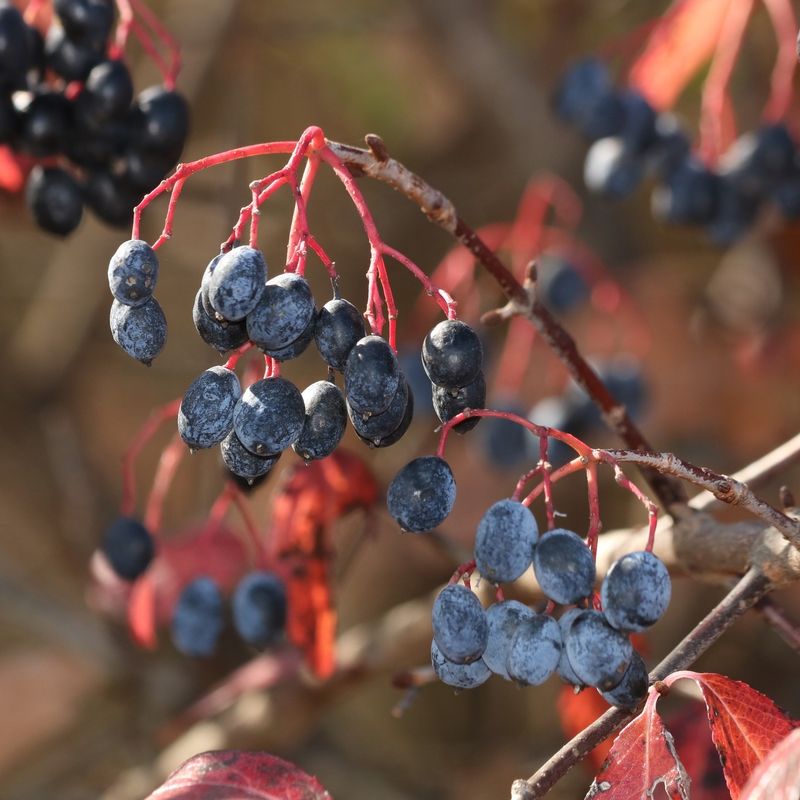
Blackhaw viburnum is a quiet overachiever that rewards patient gardeners with flowers, fruit, and fiery fall color. Getting it in the ground during autumn gives the shrub a chance to begin settling before spring growth kicks into gear.
The cool season keeps the plant relaxed while its roots stretch into the soil. When warm weather finally arrives, the shrub is ready to grow instead of struggling to catch up.
In late spring, flat clusters of white flowers cover the branches and draw in bees and butterflies. These blooms later turn into dark blue-black fruit that birds happily gobble up as the season changes.
Come autumn, the leaves shift to deep shades of red and purple, giving your yard a rich, warm look. This mix of features means the shrub earns its keep through much of the year.
Blackhaw viburnum handles a range of conditions, tolerating both sun and part shade along with different soil types. That flexibility makes it a dependable choice for many Michigan landscapes.
When planting, dig a wide hole, set the root ball level with the ground, water it thoroughly, and finish with a layer of mulch to shield the roots as temperatures drop.
Some people once used the fruit in preserves because of its mildly sweet flavor once fully ripe. Whether you grow it for the wildlife, the color, or its easygoing nature, blackhaw viburnum is a smart shrub to plant in fall for years of reliable beauty.