The Secret Meaning Behind A Northern Cardinal Visiting Your Pennsylvania Garden At Dawn
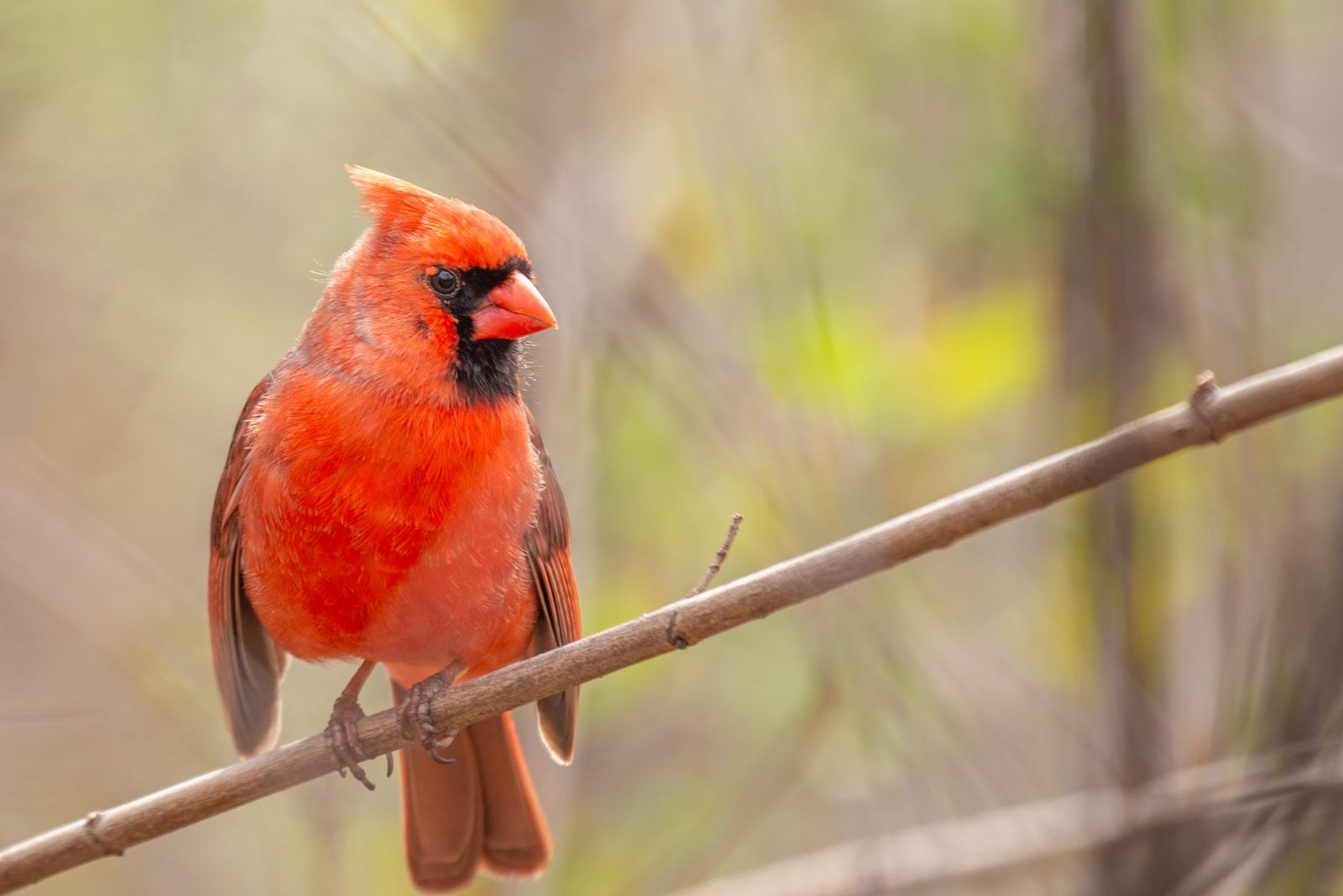
There’s something quietly powerful about a cardinal appearing in your Pennsylvania garden at dawn. That brilliant red against the soft early morning light, the bird perched and perfectly still before the yard has fully come alive for the day.
Most people who experience it find themselves pausing longer than they expected, held by a moment that feels somehow significant without being able to immediately explain why. You’re not imagining that feeling.
Cardinals have carried deep meaning across cultures, generations, and spiritual traditions for centuries.
A dawn visit in particular holds specific significance in many belief systems, tied to themes of new beginnings, messages from loved ones who have passed, and the kind of quiet reassurance that arrives when you need it most.
For many Pennsylvania families, a cardinal sighting at dawn is not just a beautiful moment. It’s a deeply personal one.
Whether you hold spiritual beliefs or simply appreciate the rich folklore behind one of the most beloved backyard birds in the state, the stories behind a dawn cardinal visit are worth knowing.
Here’s what people believe it means and why this particular moment carries so much weight.
1. Your Garden May Be Part Of Its Established Territory
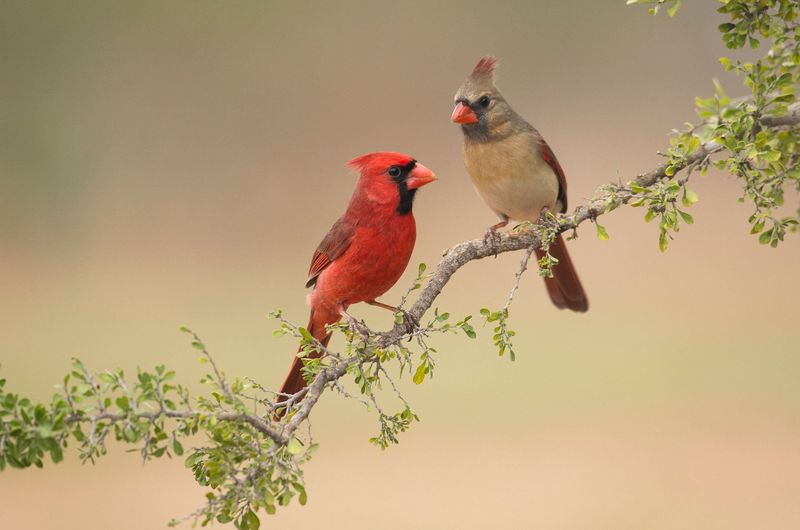
Picture this: a bold red bird appears in your garden every single morning, almost like clockwork. That kind of routine is not random.
Northern cardinals are year-round residents of Pennsylvania, meaning they do not fly south when temperatures drop. Instead, they stake out territories and stick with them through every season.
A territory for a cardinal is not just one tree or one feeder. It can cover a fairly wide area that includes places to eat, rest, and eventually nest.
Your garden may be one piece of a larger puzzle the bird has already figured out. If it keeps showing up at dawn, that is a strong sign your yard has earned a regular spot on its daily route.
Male cardinals are especially well known for defending their chosen areas with energy and consistency. They will return day after day to check on their space, look for food, and make sure no rivals have moved in.
Females also maintain strong attachments to familiar areas, particularly when nesting season approaches.
Noticing a cardinal visit your garden repeatedly at the same time each morning is actually a compliment to your outdoor space. It means the bird feels comfortable enough to include your yard in its home range.
Gardens with good food sources, dense plants, and minimal disturbance are especially likely to become regular stops.
If you want to encourage this behavior, try to keep your yard calm and welcoming, especially in the early morning hours when the bird is most active and alert.
2. Its Morning Song Is Probably A Territorial Announcement
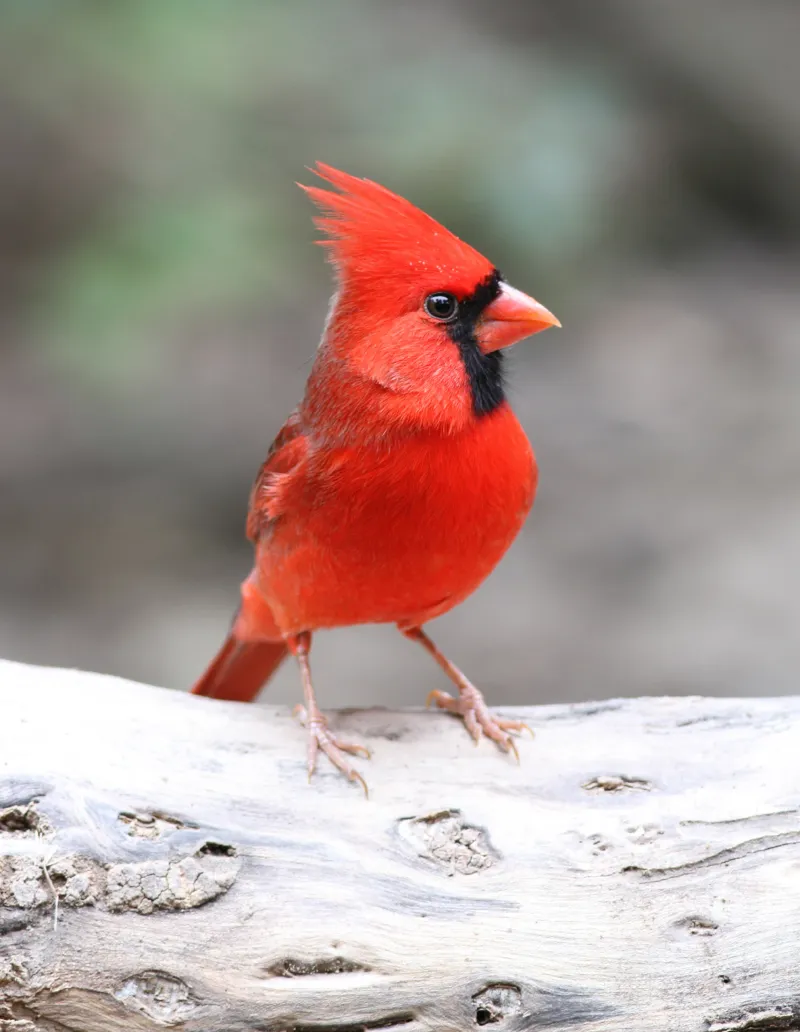
Few sounds in a Pennsylvania morning are as clear and cheerful as a cardinal’s song. That loud, whistling melody you hear right around sunrise is not just pleasant background noise.
It is a message, and it is meant for other birds to hear loud and clear. Dawn is one of the most important singing periods for songbirds. Scientists even have a name for it: the dawn chorus.
Your Pennsylvania Garden Changes Every Week. Your Plan Should Too.
Gardening in Pennsylvania changes quickly throughout the season. Every Friday you’ll receive a simple weekly plan showing exactly what to plant, prune, fertilize, harvest, and protect so you never miss the right timing.
Cardinals join in eagerly, with males singing to announce that a territory is taken and that rivals should look elsewhere. The song carries well in the still morning air, making it an efficient way to communicate across a wide area without any physical confrontation.
Here is something that surprises a lot of people: female cardinals sing too. While male singing is strongest and most frequent during spring and early summer, females are perfectly capable of producing their own songs.
Pairs sometimes even sing back and forth to each other, which researchers believe may help them coordinate nesting activities.
Neighboring males will often answer one another across yards and tree lines, creating a kind of musical conversation that can go on for quite a while after sunrise.
If you hear a cardinal singing in your garden and then notice another song coming from a nearby yard or tree line, you are witnessing this exchange firsthand.
Paying attention to the timing and direction of these songs can tell you a lot about how many cardinals are living in your neighborhood and how they are dividing up the available space around your home.
3. The Bird Has Found A Reliable Source Of Food
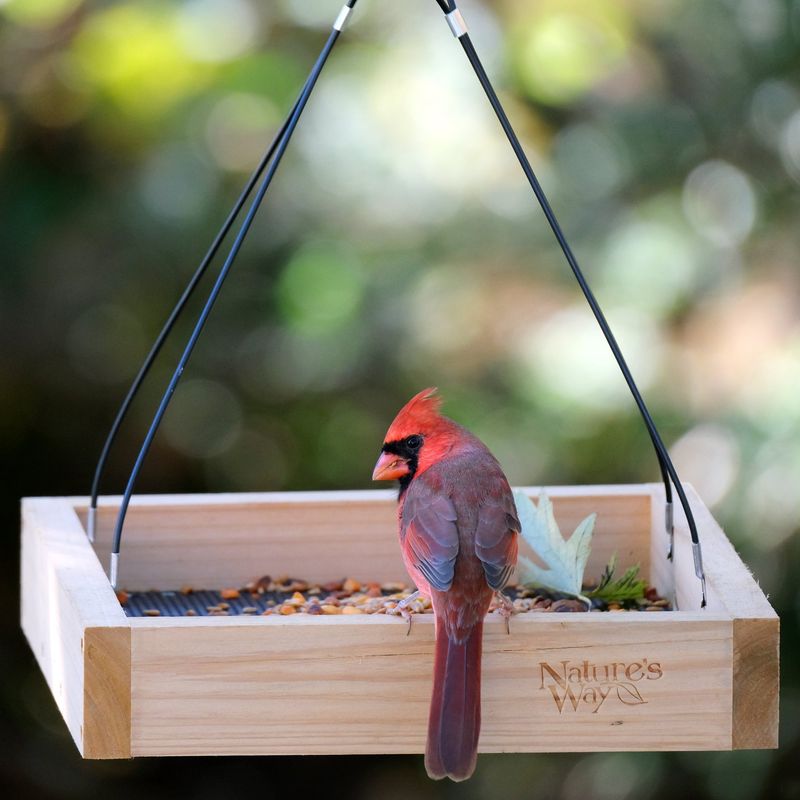
A cardinal that keeps coming back to your garden has almost certainly found something worth eating. These birds are not picky in the way you might expect, but they do have clear preferences that are worth knowing about if you want to keep them around.
Sunflower seeds are probably the number one draw at backyard feeders. Cardinals have strong, thick beaks built for cracking open hard shells, and black-oil sunflower seeds are especially easy for them to handle.
Safflower seeds are another favorite that many cardinals prefer, and as a bonus, squirrels tend to avoid them. Offering either option in a feeder with a wide tray gives cardinals a comfortable place to perch and eat at their own pace.
Beyond feeders, your garden itself may be offering a natural buffet. Fruiting shrubs like winterberry, dogwood, and native viburnums hold berries well into the colder months, giving cardinals something to snack on even when seeds are harder to find.
Garden insects hiding in leaf litter and soil are also an important protein source, especially when adults are raising young.
Seeds that fall beneath plants and scatter across the ground are not wasted either. Cardinals are perfectly happy foraging at ground level, hopping through leaf cover and loose soil in search of fallen seeds or small insects.
If your garden has a mix of feeders, fruiting plants, and some natural ground cover, a dawn-visiting cardinal has probably already mapped out every food option you offer.
Keeping feeders stocked and leaving some plant debris in place through winter makes a real difference.
4. Dense Shrubs Are Making The Garden Feel Safe
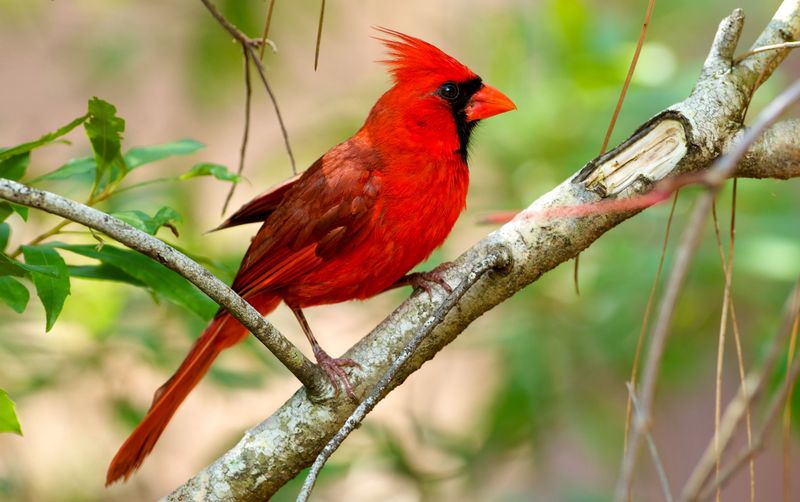
Safety matters a lot to a small bird. Cardinals are eye-catching, especially the males with their vivid red feathers, which means they can be easy targets for hawks, cats, and other predators.
A garden with good hiding spots is far more attractive to them than one that is wide open and exposed.
Dense shrubs are exactly what cardinals look for when choosing a safe space to spend time. Thick vegetation gives them somewhere to duck into quickly if a threat appears overhead or from the ground.
Native shrubs like spicebush, hawthorn, and holly are particularly useful because they grow in tangled, layered ways that create excellent cover. Evergreen shrubs are especially valuable in winter when leafy cover disappears from most plants.
Beyond just hiding, dense shrubs can eventually become nesting spots. Cardinals build their cup-shaped nests in thick tangles of branches and foliage, usually between three and ten feet off the ground.
A garden that already offers good cover is a strong candidate for future nesting activity, particularly if food and water are also nearby.
You do not need a large property to create this kind of habitat. Even a few well-placed shrubs along a fence line or garden border can make a meaningful difference.
Grouping shrubs together rather than spacing them far apart creates the kind of layered, bushy effect that cardinals find most appealing.
Avoid trimming shrubs too aggressively during early spring and summer, as this can disturb birds that may already be using the vegetation for shelter or early nesting.
Letting shrubs grow a little wild is actually one of the kindest things you can do for your backyard visitors.
5. A Mate Or Nest Could Be Nearby During Breeding Season
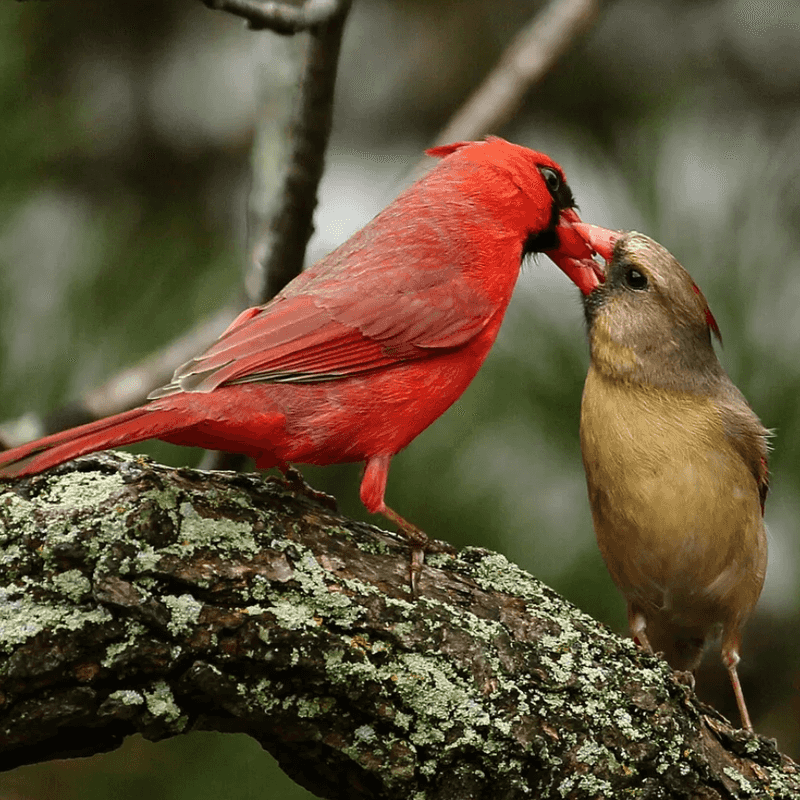
Spring mornings in Pennsylvania bring a noticeable change in cardinal behavior, and it is worth paying close attention if you want to spot some of the most interesting moments these birds have to offer.
A single cardinal at dawn may not mean much on its own, but a pair of adults together tells a more exciting story.
Courtship feeding is one of the most charming behaviors cardinals display. The male picks up a seed and passes it directly to the female, beak to beak.
This behavior strengthens the bond between the pair and is a reliable sign that breeding season is underway. If you see this happening in your garden, you are witnessing something genuinely special.
Sharp, quick chip calls are another clue worth listening for. Both males and females use these short, metallic notes to stay in contact with each other, especially when one bird is hidden in vegetation or moving through the garden.
Hearing repeated chip calls near thick shrubs or low branches can suggest that a pair is actively using that area for nesting or raising young.
Spotting an adult repeatedly carrying insects rather than seeds is another strong signal. Adult cardinals feed their nestlings a diet heavy in protein-rich insects, so a bird making frequent trips with food in its beak is likely visiting young birds somewhere nearby.
Keep in mind that a single dawn visit alone is not enough to confirm nesting. But a combination of paired sightings, chip calls, and food-carrying behavior together builds a convincing picture that your garden is playing an active role in a cardinal family’s breeding season this year.
6. Your Garden Is Providing Useful Wildlife Habitat
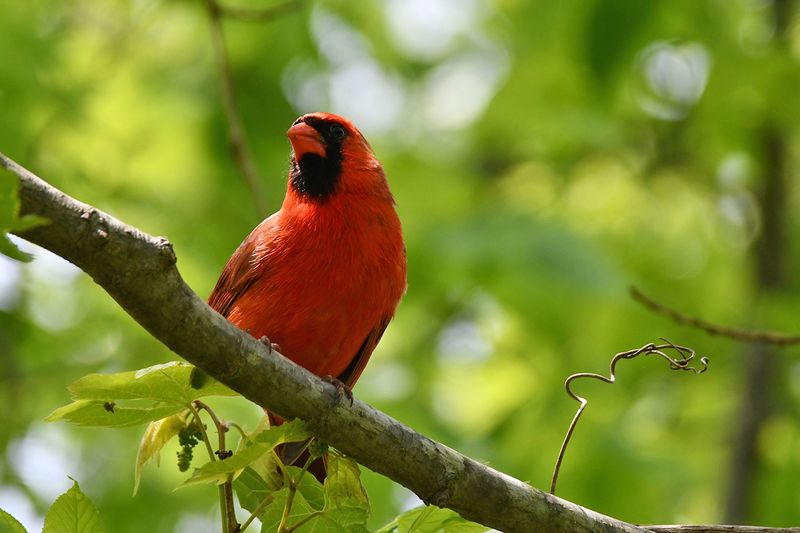
When a cardinal visits your garden regularly, it is essentially giving your outdoor space a glowing review. These birds are selective about where they spend their time.
Regular activity from a cardinal suggests your yard is already doing several things right, even if you have not made any intentional changes to attract wildlife.
Native plants are one of the most powerful tools a Pennsylvania gardener has for supporting birds like cardinals. Native fruiting shrubs such as serviceberry, elderberry, and native viburnums produce food that cardinals and dozens of other bird species rely on.
Unlike ornamental plants bred for appearance, native species also support the insects that birds need, especially during nesting season when protein-rich caterpillars and beetles are critical for raising young.
Water is another element that makes a garden significantly more attractive to wildlife. A simple birdbath kept clean and filled, especially in dry or frozen periods, can bring cardinals and other birds to your yard more consistently than almost any other single addition.
Moving water, like a small dripper or fountain attachment, is even more effective because birds can hear it from a distance.
Retained undergrowth and leaf litter also play a bigger role than most people realize. Leaving some fallen leaves and natural debris in garden beds through winter creates foraging habitat for cardinals hunting ground-level insects and seeds.
Resisting the urge to clean up every corner of your yard is actually a wildlife-friendly choice.
A garden that balances some tidiness with patches of natural growth gives cardinals and other backyard birds the combination of food, cover, and shelter they need to thrive throughout the year in Pennsylvania.