Why Late July Fruit Drop Is Hitting Texas Tomato Gardens So Hard
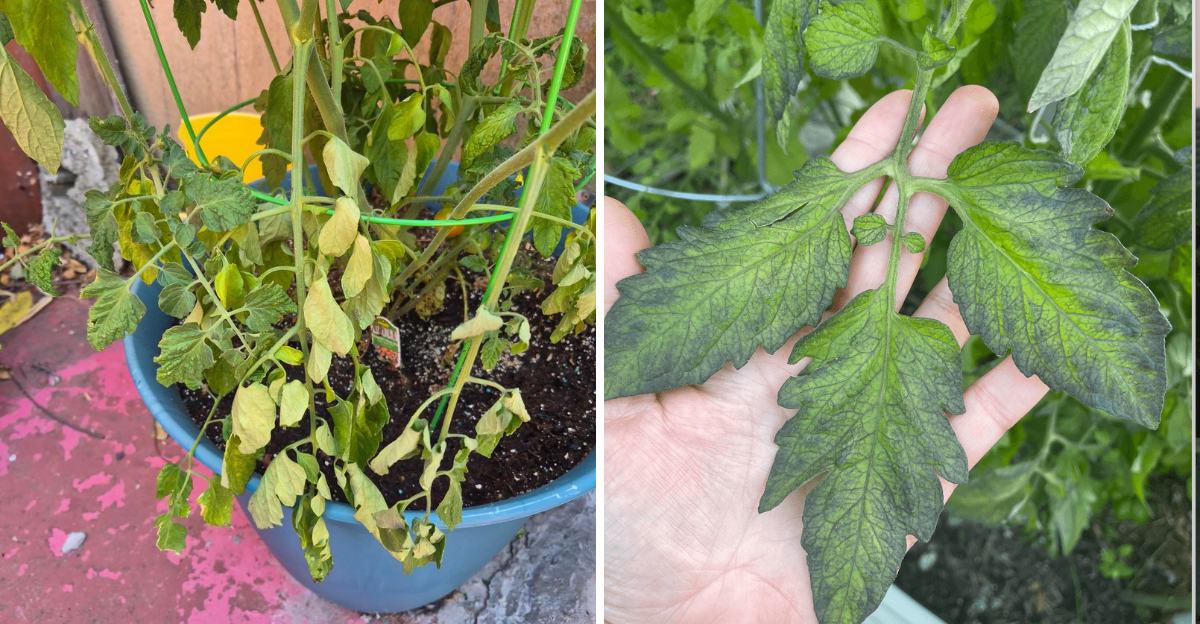
Texas tomato plants can look hopeful right before they start letting go.
The vines are green. The flowers came. Tiny fruit formed. Then late July arrives with blazing afternoons, sticky nights, dry soil, and heat that seems to press down on the whole garden.
Suddenly, little green tomatoes are on the ground.
They look like marbles scattered under the plant, and every one feels like a sandwich that never got its chance.
The frustrating part is that the plant may not look completely ruined. It may still have leaves, stems, and flowers. It just keeps dropping fruit before the harvest ever builds.
That is not random.
Tomatoes hit a hard biological limit when Texas heat refuses to ease, especially when warm nights, weak pollen, water swings, bare soil, and stressed roots all pile on at once.
So why is late July fruit drop hitting Texas tomato gardens so hard?
Start with the heat after sunset. Then look at moisture, mulch, fertilizer, shade, and the fall crop window that may give gardeners a better shot than midsummer ever could.
1. Nights Stayed Too Warm
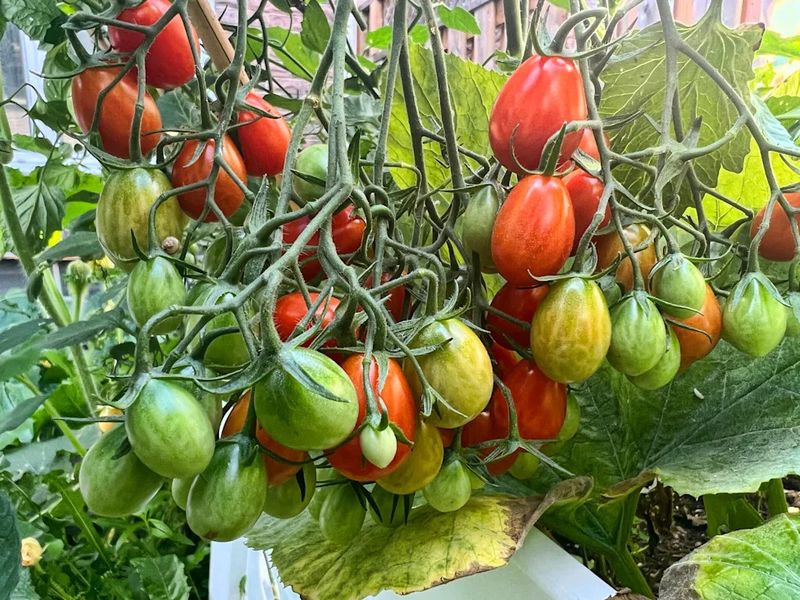
A hot night can ruin tomorrow’s tomato hopes.
Tomato plants need cooler nights to recover from daytime heat and keep fruit development on track. When nighttime temperatures stay too high, the plant loses that recovery window. It stays stressed around the clock.
That matters for fruit retention.
Small tomatoes require steady water, sugars, and hormonal signals to stay attached and keep growing. Warm nights disrupt that balance. The plant begins shedding fruit it cannot afford to support through another scorching day.
This is why fruit drop can happen even when the plant looks green.
From a distance, the vine may seem fine. Up close, the evidence sits on the soil: pea-sized or marble-sized tomatoes that formed, held briefly, then dropped before they could size up.
Warm nights also affect energy movement.
The plant uses more energy just to maintain itself through the heat. Less energy remains for fruit. Late July turns into a survival budget, and the smallest fruits are often the first expenses cut.
Gardeners cannot cool a Texas night.
They can reduce every other stress around the plant. Keep soil moisture steady. Avoid heavy pruning. Skip big fertilizer pushes during peak heat. Add shade where plants still carry fruit.
Sometimes the best response is not forcing the summer plant harder.
It is helping it hold what it can while preparing for a better fall window.
Texas nights can be beautiful. Tomatoes prefer them a little less sweaty.
2. Pollen Lost Its Power
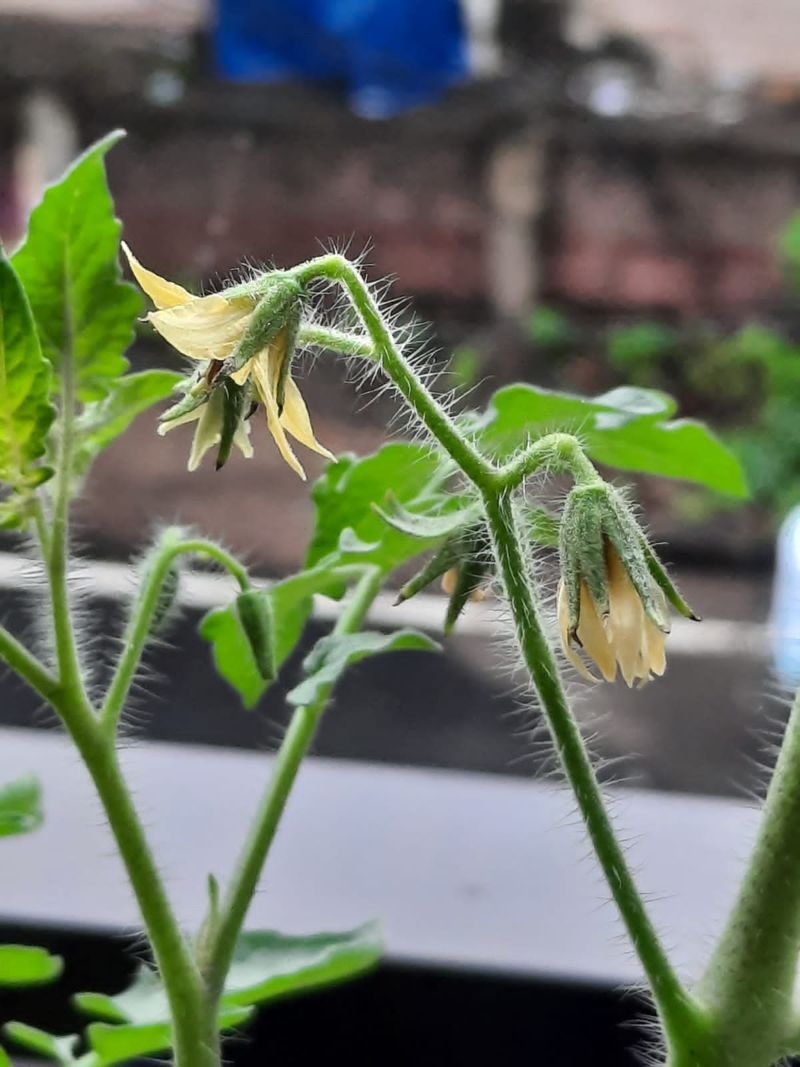
Flowers do not guarantee tomatoes.
During extreme heat, tomato pollen can become weak, dry, sticky, or nonviable. The flower may open perfectly, but the pollination process fails before fruit development can begin properly.
That is why blossoms vanish.
A plant can be covered in yellow flowers one week and bare at those same points the next. The gardener sees bloom. The plant sees a failed opportunity and drops what it cannot develop.
Your Texas Garden Changes Every Week. Your Plan Should Too.
Gardening in Texas changes quickly throughout the season. Every Friday you’ll receive a simple weekly plan showing exactly what to plant, prune, fertilize, harvest, and protect so you never miss the right timing.
Heat damages pollen quickly.
Daytime temperatures in the mid-90s and above can interfere with pollen quality. Several hot days in a row make the problem worse. High humidity can cause pollen to clump. Very dry air can make it less effective in a different way.
Texas gives tomatoes both versions.
Sticky Gulf-influenced humidity one week, dry heat the next. Neither mood is especially kind to pollen during late July.
Morning is the only useful window.
Gently shaking tomato cages or tapping flower clusters early in the day can improve pollen movement when conditions are slightly more forgiving. The goal is to help the flower before heat shuts the whole operation down.
Variety choice matters too.
Heat-tolerant tomatoes such as ‘Heatmaster,’ ‘Solar Fire,’ ‘Celebrity,’ and similar types often perform better during hot stretches than varieties bred for cooler climates. They are not invincible, but they handle Texas pressure with more grace.
A tomato flower is a promise, not a guarantee.
Late July heat is very good at breaking promises.
3. Water Swings Hit Hard
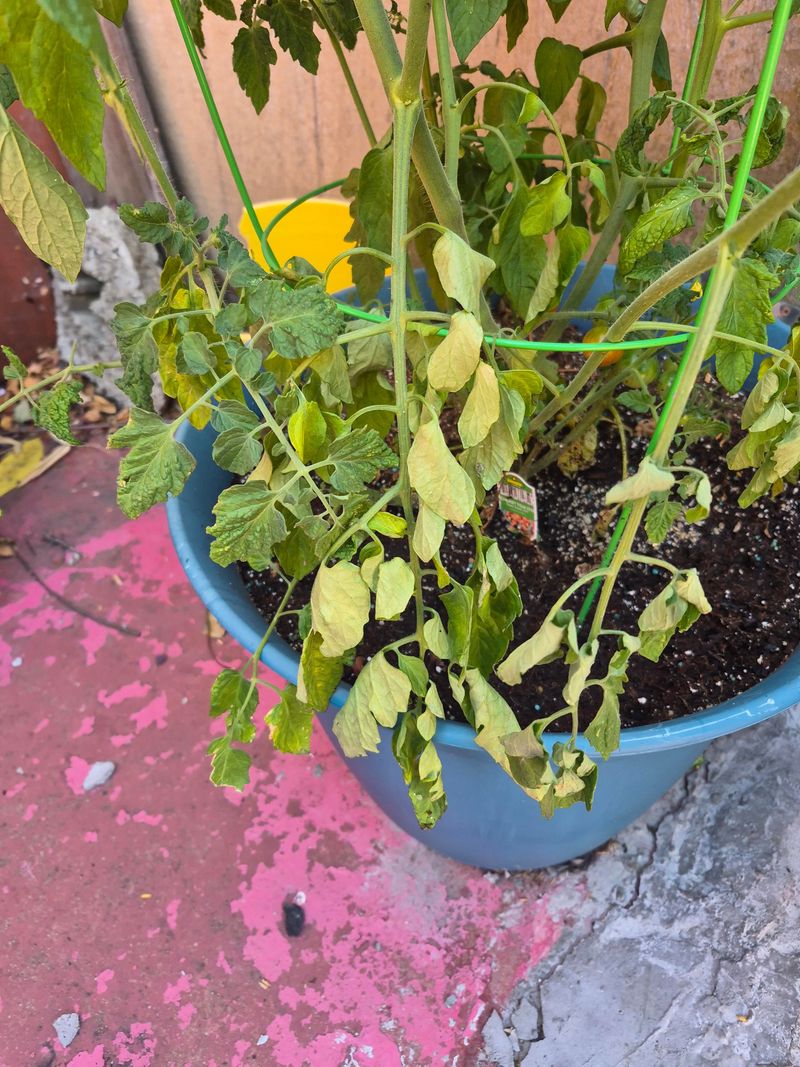
Tomatoes hate the moisture roller coaster.
Dry soil for days, then a heavy thunderstorm. A missed watering, then a long soak. A cracked bed, then a hose session that turns the root zone soggy. That swing from thirsty to flooded can trigger fruit drop fast.
Small fruits are especially vulnerable.
During dry stress, the plant starts shedding what it cannot support. When water suddenly rushes back, the plant may absorb moisture unevenly. Developing tomatoes can crack, stall, or drop from the sudden pressure shift.
Consistency is the goal.
Texas weather rarely provides it, so gardeners have to build it into the bed. Deep, regular watering gives roots access to moisture without creating constant soggy conditions near the surface.
Water should reach several inches down.
A quick sprinkle wets the top layer and evaporates fast. A slow soak encourages roots to reach deeper, where soil temperatures and moisture levels stay more stable.
Morning watering works best.
It gives roots water before the hottest part of the day and reduces the chance of wet foliage sitting through the night. Drip irrigation or soaker hoses are ideal because they deliver moisture directly to the root zone.
Check before watering.
Push a finger or soil probe a few inches down. Dry soil at that depth means water is needed. Damp soil means wait.
A tomato plant can handle heat better with steady roots.
What it cannot handle well is being asked to survive July on surprise drinks and weather chaos.
4. Mulch Was Missing Protection
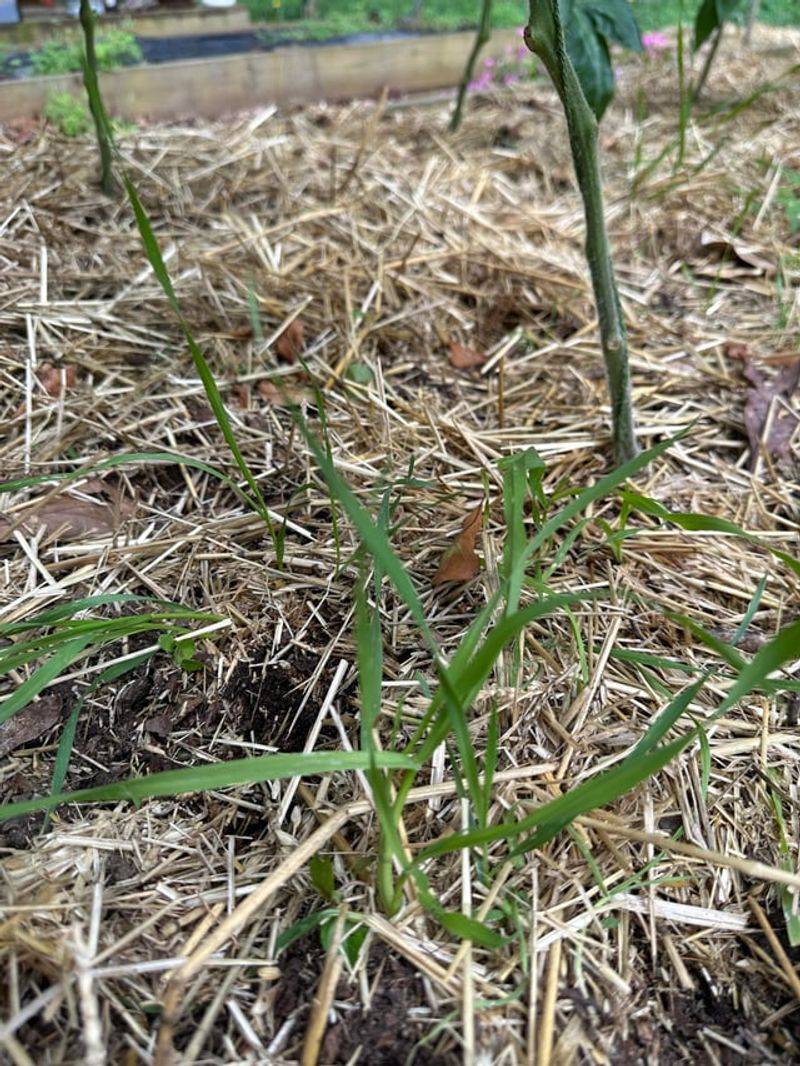
Bare soil in Texas July is not neutral. It is a heat plate.
Without mulch, the soil surface warms fast, moisture evaporates quickly, and roots sit closer to extreme temperature swings. Tomato plants feel that stress underground long before fruit drops above ground.
Hot roots struggle.
They absorb water and nutrients less efficiently, which means the plant has fewer resources to hold developing fruit.
When the root zone overheats and dries, the plant starts cutting back. Small tomatoes often end up on the ground first.
Mulch changes the root environment.
A three to four inch layer of straw, shredded leaves, wood chips, or other organic mulch shades the soil and slows moisture loss. It also helps soften the impact of heavy rain and reduces splash onto lower leaves.
Apply it wide.
The root zone extends beyond the main stem, so a tiny ring of mulch is not enough. Cover the bed around the plant, but keep mulch a few inches away from the stem so moisture does not sit against the base.
Midseason mulch still helps.
Even late July is not too late. Adding mulch now can reduce ongoing stress and help the plant hold remaining fruit through the hardest stretch.
Mulch also helps watering work better.
Each deep soak lasts longer because less moisture escapes from the surface. That steadier soil moisture can reduce the swings that cause fruit drop.
Think of mulch as shade for the roots. In Texas, even roots deserve a break from the sun.
5. Heavy Fruit Stressed Plants
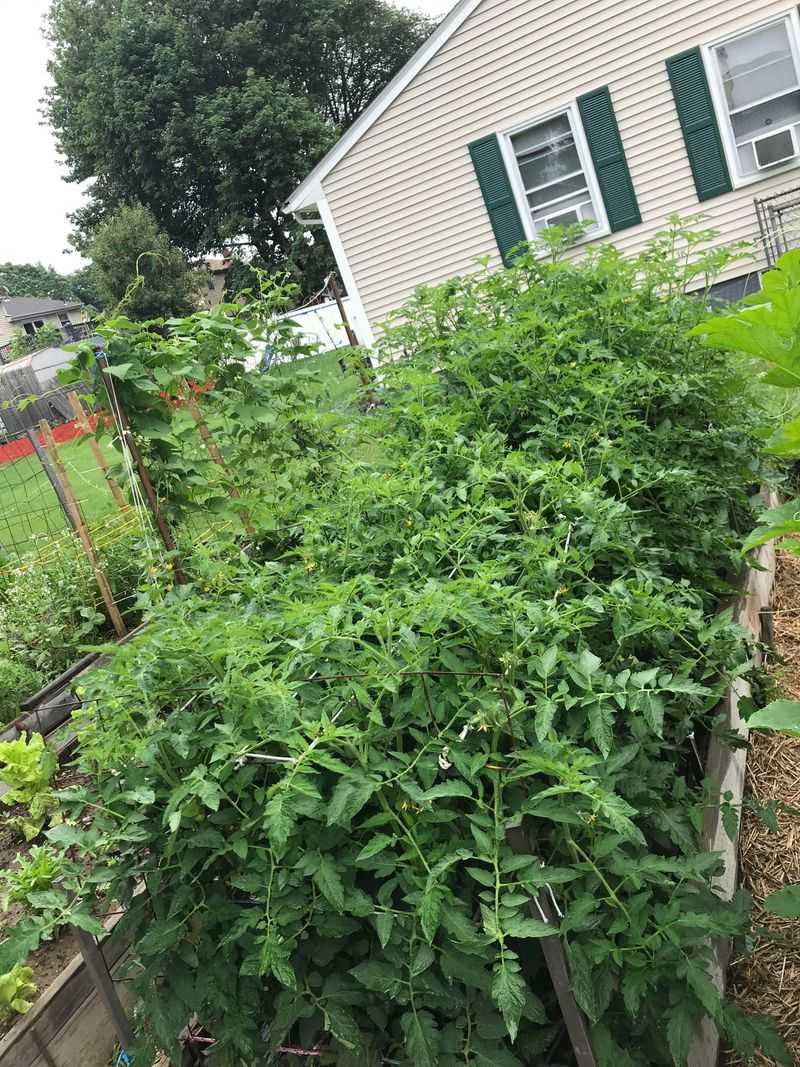
A loaded tomato plant can still be overwhelmed.
Early fruit set feels like success, but carrying a heavy crop through late July heat takes serious energy. The plant has to move water, sugars, and nutrients to fruit while also cooling leaves and keeping roots functioning.
Something may get dropped.
Larger, more developed tomatoes often win the resource competition. Smaller fruits higher on the plant or newer fruits at the end of clusters may be released when the plant cannot support everything.
This is survival math.
The plant is not being unfair. It is prioritizing fruit most likely to finish. Under heat stress, that often means sacrificing the newest or smallest tomatoes.
Support matters too.
Heavy branches can bend, twist, or crack under fruit weight. Even small stem injuries can reduce water movement to a section of the plant, causing fruit nearby to drop.
Check cages and ties.
Late July plants are larger than they were in May, and supports that looked sturdy early may now be leaning. Add stakes, secure cages, and tie heavy branches loosely with soft material.
Avoid aggressive pruning during peak heat.
Leaves help shade fruit and stems. Removing too much canopy can expose tomatoes to more sun and increase stress. Take only damaged or truly unhelpful growth.
Future crops can be managed earlier.
Thinning crowded clusters before extreme heat lets remaining fruit develop with less competition.
Right now, help the plant finish what it already started. Late July is not the time to ask for a grand finale from an exhausted vine.
6. Too Much Nitrogen Pushed Leaves
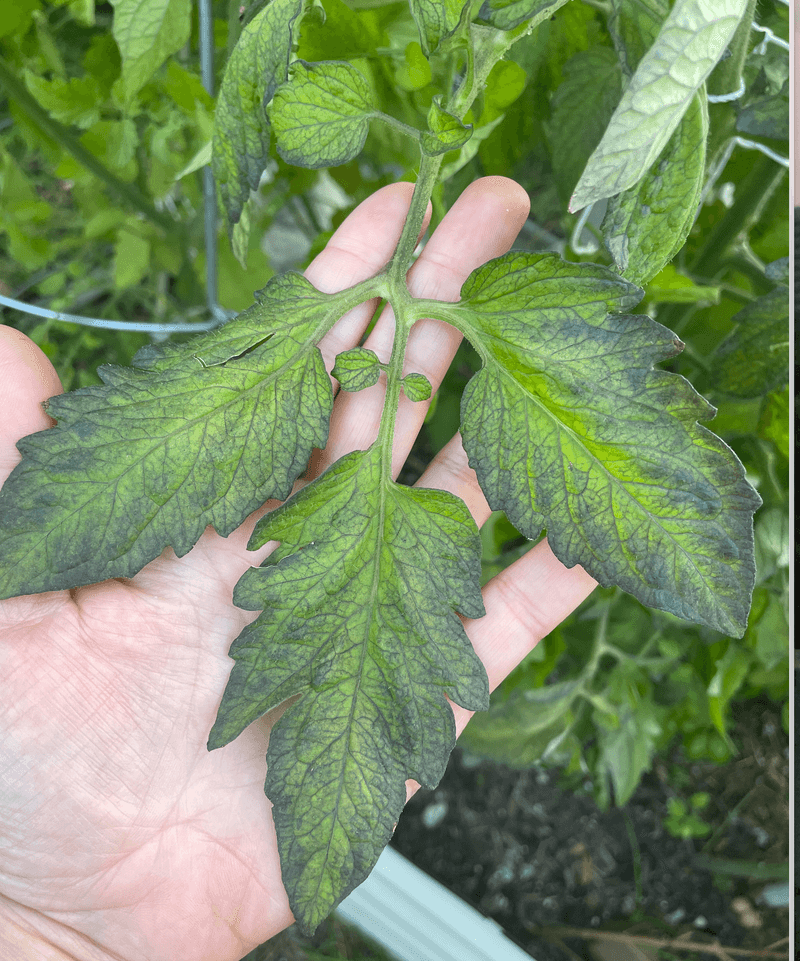
A lush tomato plant is not always a productive one.
Too much nitrogen can push leafy growth at the expense of fruit. The plant looks beautiful, maybe even impressive, but it keeps making foliage when it should be holding and ripening tomatoes.
Late July exposes that imbalance.
All those leaves demand water during extreme heat. A plant already struggling to keep itself cool may drop fruit because the leafy canopy has become expensive to maintain.
Nitrogen is not bad.
Tomatoes need it early for strong growth. The problem is timing and excess. Heavy nitrogen during peak summer can keep the plant in grow mode when fruiting should be the priority.
Gardeners often feed stressed plants too hard.
A tomato drops fruit, the plant looks tired, and fertilizer feels like the obvious fix. During heat stress, though, a nitrogen-heavy feeding can make the plant push soft new growth instead of stabilizing the fruit it already has.
Look for clues.
Deep green, vigorous foliage with poor fruit retention can point toward too much nitrogen. A history of repeated feeding, rich manure, or high-nitrogen products makes the case stronger.
Back off during peak heat.
Focus on water consistency, mulch, and shade instead. Feeding can wait until conditions ease, and any future fertilizer should match what the soil actually needs.
A soil test is boring in the best possible way. It replaces garden guesswork with useful information.
Tomatoes do not need more enthusiasm in July. They need balance.
7. Shade Arrived Too Late
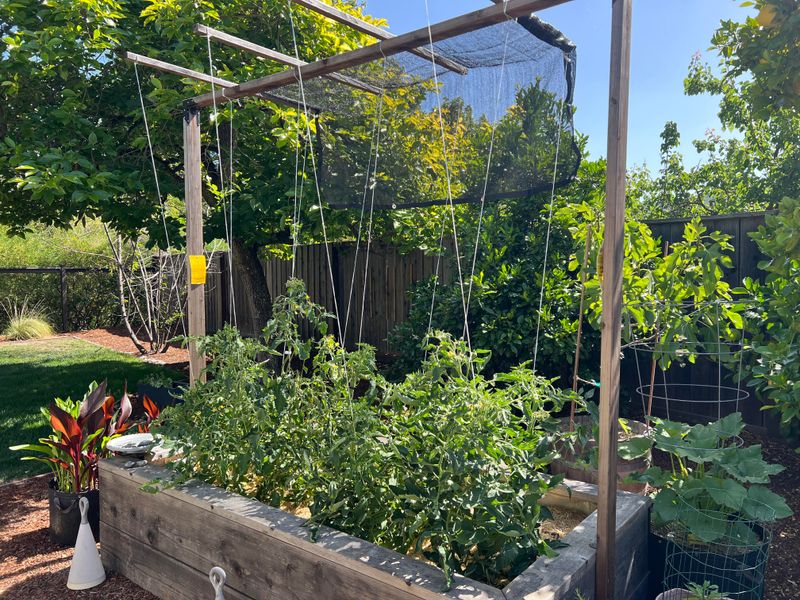
Shade cloth works best before the plant is in trouble.
By late July, many Texas tomato plants have already endured weeks of punishing sun. Leaves, pollen, roots, and fruit all carry that stress. Adding shade after fruit starts dropping can still help, but it may not reverse damage already done.
Timing is the trick.
A 30 to 40 percent shade cloth can lower stress without blocking too much light. It takes the harshest edge off the afternoon sun while still allowing the plant to grow and ripen fruit.
Mid-June is often the better setup window.
Waiting until late July means the plant has already faced the worst heat unprotected. Next season, shade structures should go up before the garden starts looking desperate.
Late shade is still worth using.
A plant with remaining fruit, healthy stems, and active growth can benefit from reduced afternoon heat. Shade may help it hold what is left and prevent further leaf and fruit stress.
Keep airflow open.
Do not wrap plants tightly. Shade cloth should sit above or to the west of the plants so heat does not trap around the foliage. Air movement matters in Texas humidity.
Pair shade with steady moisture.
Shade without water consistency will not solve fruit drop. Water without shade may not be enough during extreme heat. Together, they create a more forgiving microclimate.
Shade cloth is not admitting defeat. It is giving tomatoes the version of summer they can actually work with.
Texas does not do gentle July. Gardeners can.
8. Fall Reset Time Is Near
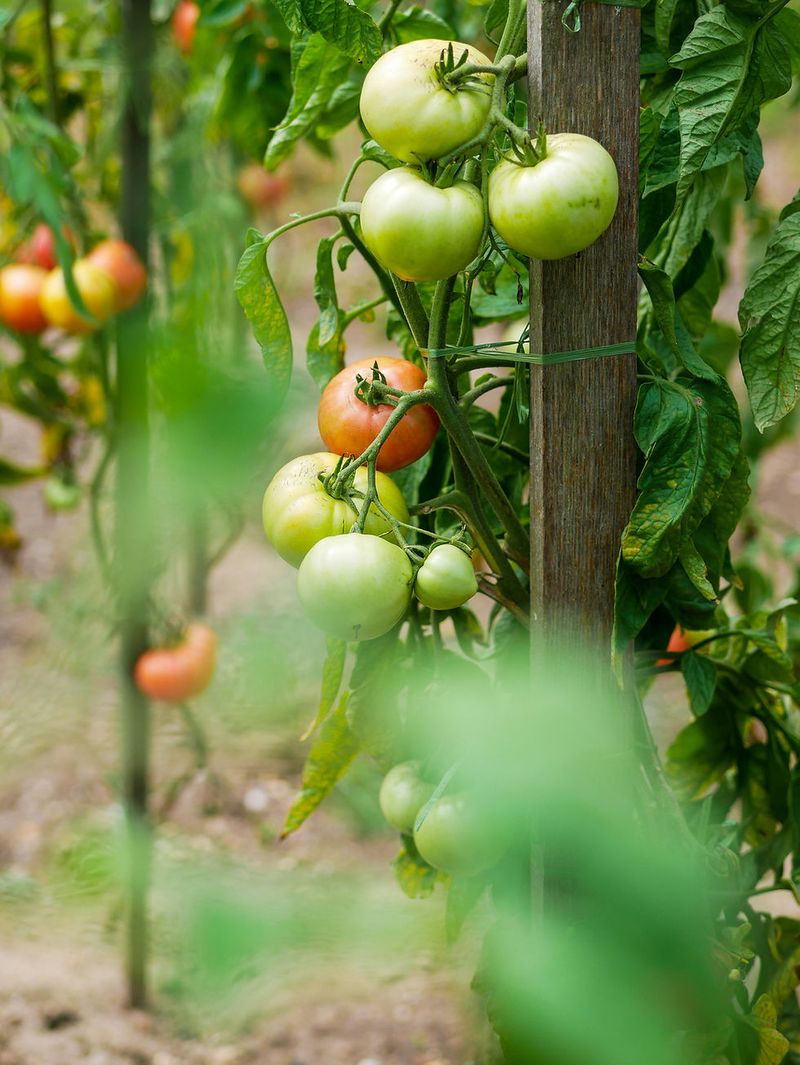
The best tomato season may still be ahead.
That is the Texas advantage. While late July can be brutal for summer tomatoes, the fall crop often has better odds. Cooler nights, less punishing sun, and a fresh start can produce the harvest midsummer refused to support.
The window opens soon.
Many Texas gardeners plant fall tomatoes from late July through mid-August, depending on region and first frost timing.
Short-season varieties are important because plants need enough time to set and ripen fruit before cold weather arrives.
Do not drag along hopeless summer plants forever.
A plant that has stopped producing, lost vigor, or keeps dropping every fruit may be using space better saved for fall transplants. Keep strong plants with healthy growth, but pull the ones that are clearly finished with the season.
Refresh the bed.
Add compost, restore mulch, repair irrigation, and correct problems that made summer harder. Fall plants need a strong start because the season moves quickly.
Choose transplants over seed for speed.
Look for sturdy young plants, not root-bound giants already covered in flowers. A healthy transplant settles faster and handles the late-summer handoff better.
Protect new plants from heat. Fall tomatoes still go into warm soil, so shade cloth, deep watering, and mulch matter from day one.
A rough July does not mean tomato season failed. It may just mean the summer crop handed you a lesson and pointed toward the reset button.
In Texas, the second chance is real. Keep the trowel close.