This Fragrant Arizona Shrub Is A Pollinator Magnet This Summer
Something’s stirring in Arizona yards this summer, and the bees have clearly noticed. A scrappy native shrub is quietly churning out clouds of tiny white blooms for months on end, and nobody seems to be talking about it.
Its faint, sugary scent drifts on the desert wind and pulls in butterflies, native bees, and hummingbirds like it’s throwing a party. Plant just a few branches near a fence line, and the buzz around them turns into something close to theater.
Gardeners often walk past this one without a second glance. It thrives on neglect, happiest baking in full sun with barely a sip of water once it settles in.
If your garden has been missing that layer of motion and sound, this humble desert native might be the missing piece.
Meet The Shrub Turning Arizona Yards Into Pollinator Hangouts
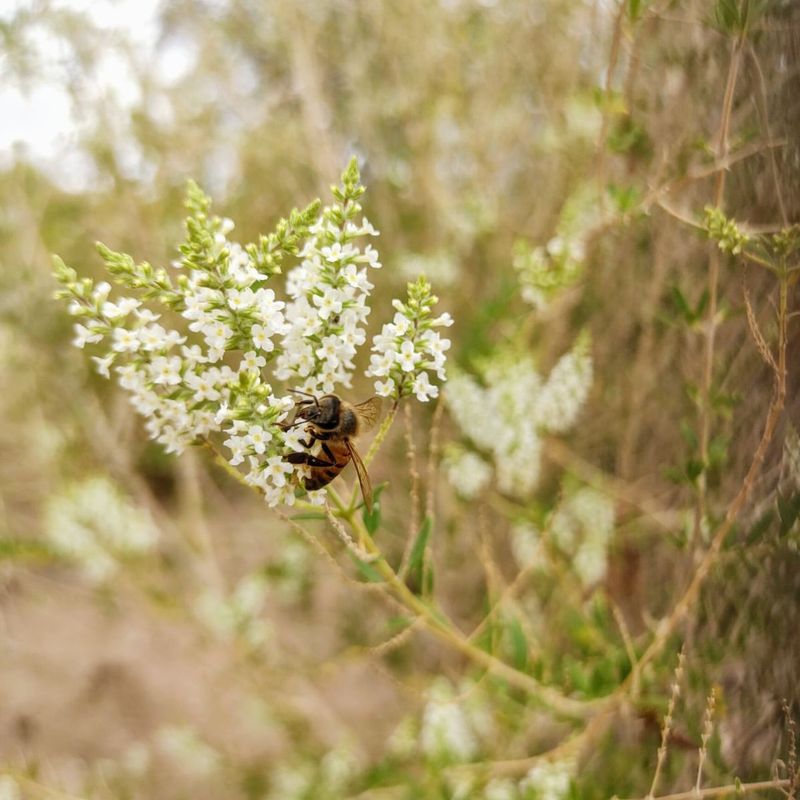
Walk outside on a warm July morning and you will hear it before you see it. A steady, soft buzz fills the air around one particular shrub in the yard.
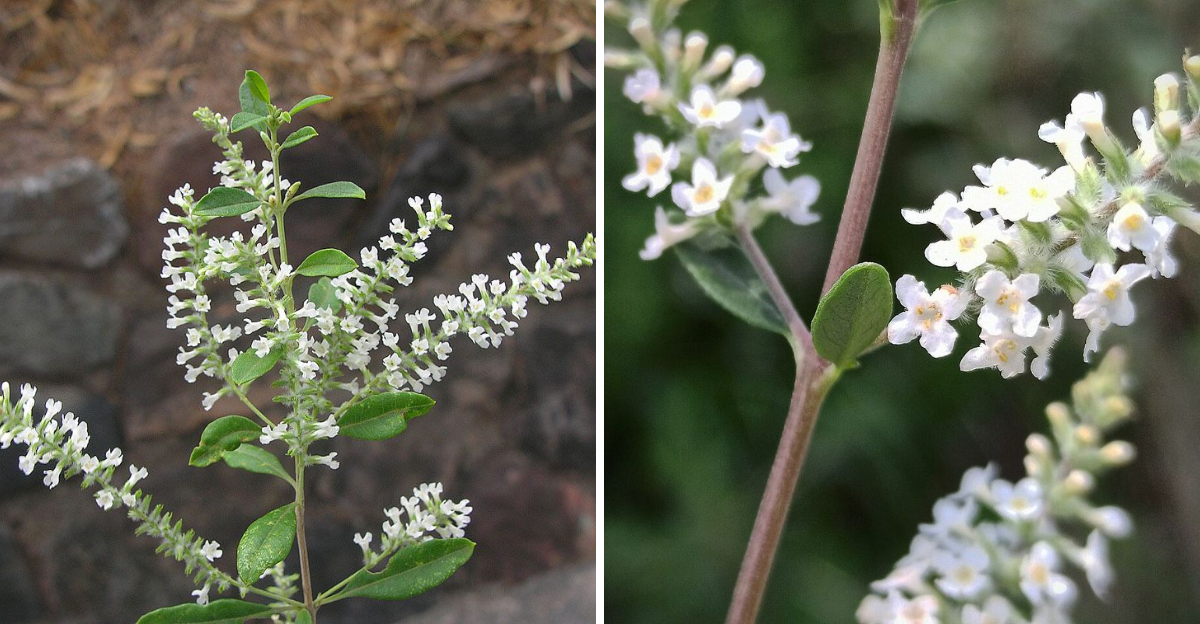
That shrub is bee brush, a native Arizona plant that earns its name every single summer. Botanists know it as Aloysia gratissima, but gardeners just call it a gift.
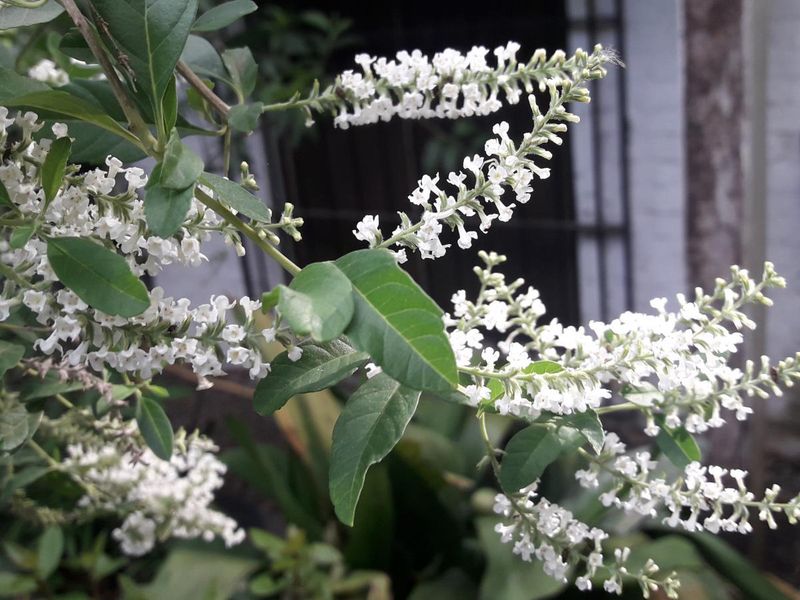
This Arizona shrub explodes with clusters of tiny white blooms from midsummer through early fall. Each flower head is small, but together they create a dense, cloud-like display that stops people in their tracks.
Native bees go absolutely wild for it. Butterflies, wasps, and even the occasional hummingbird show up like they received a personal invitation.
What makes bee brush so special is its reliability. While other plants struggle in triple-digit heat, this shrub keeps right on blooming without complaint.
It grows naturally across the Sonoran Desert, which means it already knows how to handle the brutal summers here. No babying or special soil amendments needed.
Yards that once felt empty and silent suddenly feel alive when bee brush is part of the landscape. It transforms a plain patch of ground into a buzzing, fluttering, fragrant ecosystem.
Gardeners who plant it often say they wish they had done it sooner. Once you see the pollinators arrive, you will understand exactly why this shrub has such a devoted fan base.
Bee Brush’s Fragrance Draws Pollinators From Every Direction
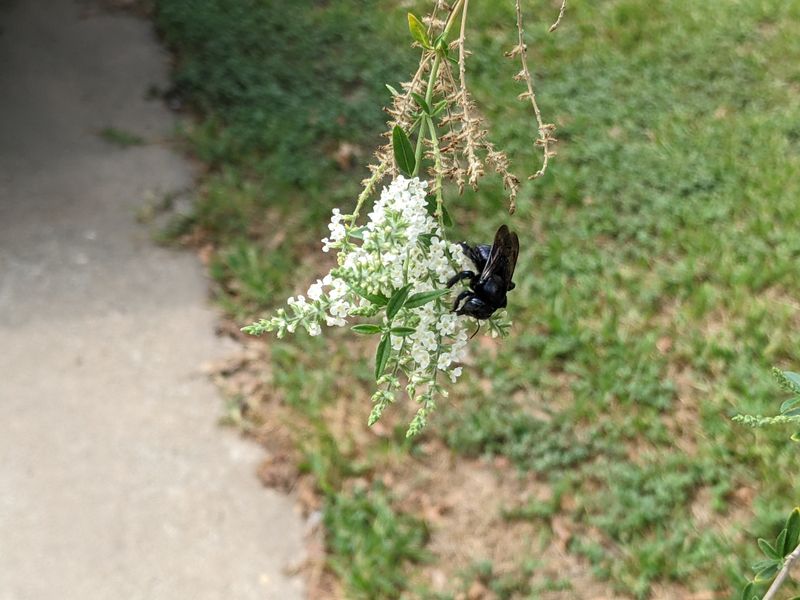
Scent is one of nature’s most powerful signals, and bee brush sends out a strong one. The fragrance is light and sweet, almost like a mix of honey and fresh air.
Pollinators rely heavily on smell to locate food sources from far away. A blooming bee brush can pull in visitors from a surprisingly wide radius around your yard.
Native bees seem tuned into the chemical compounds these flowers release, often favoring them over non-native blooms.
Butterflies use both scent and color to find flowers. The white blooms of bee brush stand out clearly to butterfly eyes, which are especially tuned to spot pale, light-colored petals.
This Arizona shrub essentially runs a full sensory advertisement campaign all summer long. It broadcasts on both the scent channel and the visual channel simultaneously.
Your Arizona Garden Changes Every Week. Your Plan Should Too.
Gardening in Arizona changes quickly throughout the season. Every Friday you’ll receive a simple weekly plan showing exactly what to plant, prune, fertilize, harvest, and protect so you never miss the right timing.
Hummingbirds, while less scent-driven, follow the insects. Where bees cluster, hummingbirds often appear to feed on the activity around the plant.
Evening brings a different crowd entirely. Some moth species are drawn to the faint nighttime fragrance that lingers on warm desert air after sunset.
Planting bee brush near a seating area means you get front-row seats to all this pollinator action. You will look at your yard differently once the visitors start arriving in full force.
Growing Conditions That Keep This Shrub Thriving In Arizona Heat
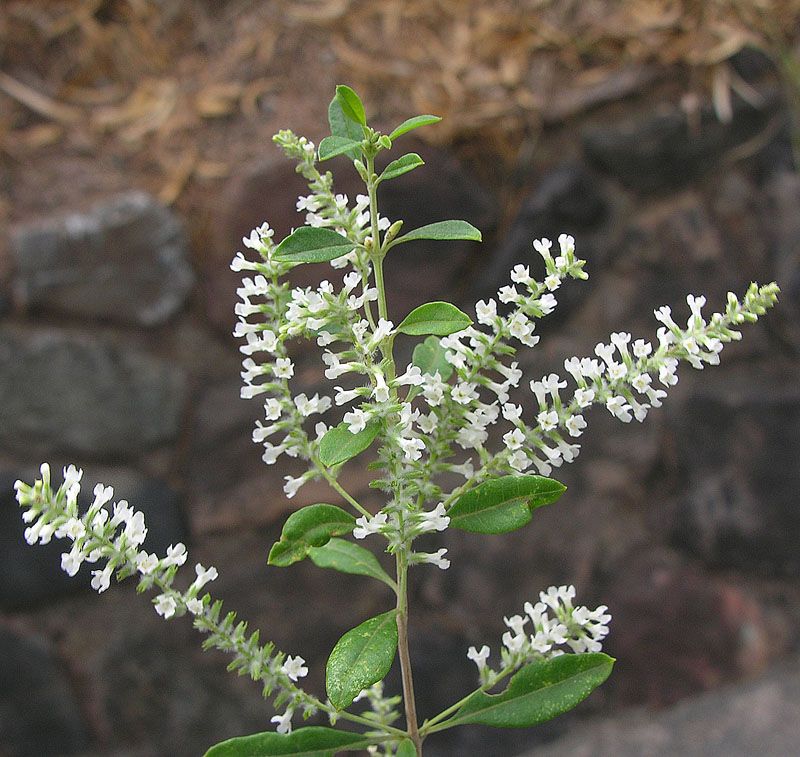
Arizona summers are brutal, and most plants need serious help to survive them. Bee brush is the exception that tends to win gardeners over quickly.
This native shrub evolved right here in the Sonoran Desert, so it already has all the tools it needs. Full sun, rocky soil, and minimal water are not problems for bee brush; they are its preferred lifestyle.
Plant it in a spot that gets at least six hours of direct sunlight daily. More sun actually encourages heavier blooming, so the hottest corner of your yard is a great candidate.
Well-draining soil is important because bee brush absolutely hates wet feet. Caliche-heavy ground or sandy desert soil suits it perfectly without any amendments.
Once established, this shrub survives on rainfall alone in many parts of the state. During the first year, water it every week or two to help the roots settle in and spread.
After that first season, you can cut back dramatically on watering. An established bee brush can handle months without supplemental irrigation and still push out blooms.
Avoid planting it near irrigation systems that run frequently. Overwatering is actually one of the few things that can cause problems for this otherwise tough plant.
Elevation can play a role too, with higher, cooler spots sometimes trimming down the bloom window. Lower, warmer areas tend to enjoy a long, generous flowering season that stretches from summer deep into autumn.
Planting Timeline And How Fast It Fills Out
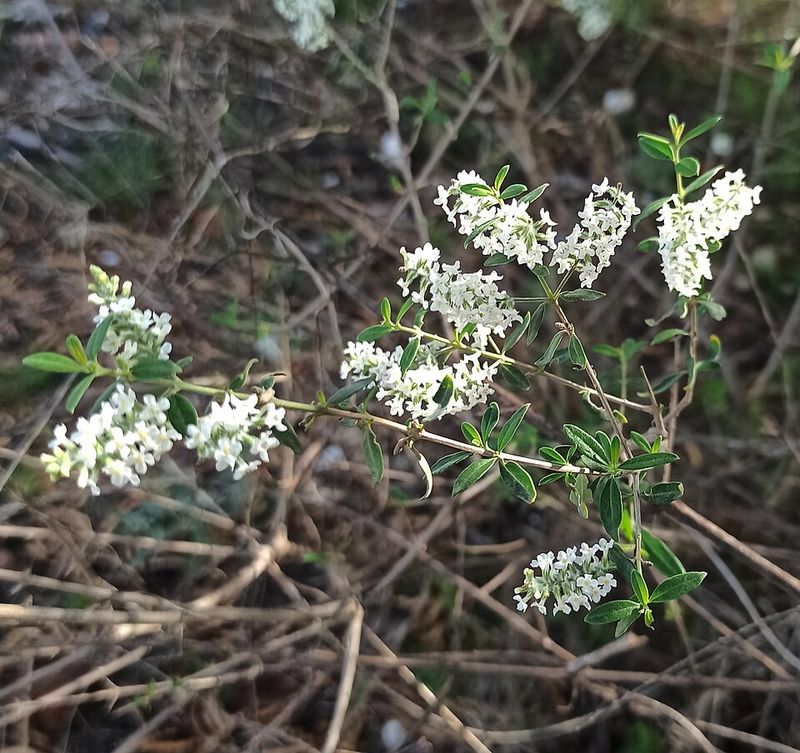
Timing your planting right makes a big difference with any desert shrub. Fall is by far the best window for getting bee brush into the ground.
September through November gives the plant cool nights and mild days to establish roots before summer heat returns. Spring planting works too, but you will need to water more carefully through that first hot season.
Avoid planting in the peak of summer if you can help it. The stress of transplanting combined with extreme heat makes establishment much harder on a young plant.
Bee brush grows quickly once it finds its footing. In good conditions, expect it to reach three to four feet tall within its first full growing season.
Mature plants can stretch anywhere from four to twelve feet in height depending on water availability and soil conditions. Width often matches or exceeds height, so give it plenty of room to spread.
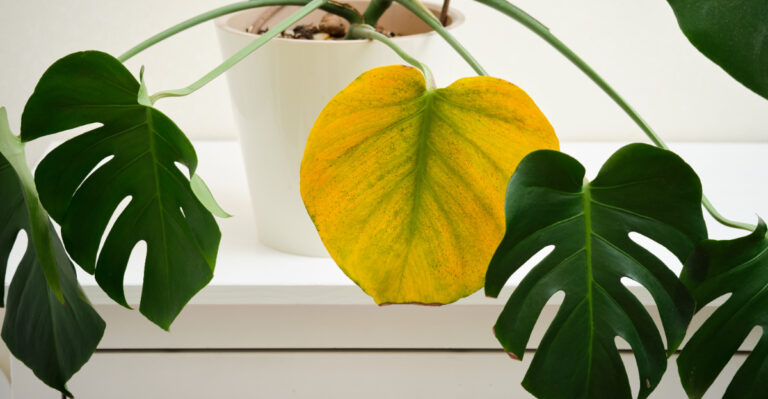
Container-grown plants from a nursery establish faster than bare-root options. Look for healthy green stems and avoid anything with yellowing leaves or root-bound containers.
Once planted, resist the urge to over-fertilize. Too much nitrogen pushes leafy growth at the expense of flowers, which is the opposite of what you want from this bloomer.
By the second summer, a well-placed bee brush will be filling out beautifully and attracting pollinators in full force. Patience pays off quickly with this fast-growing native shrub.
Pairing It With Other Pollinator Favorites In Your Yard
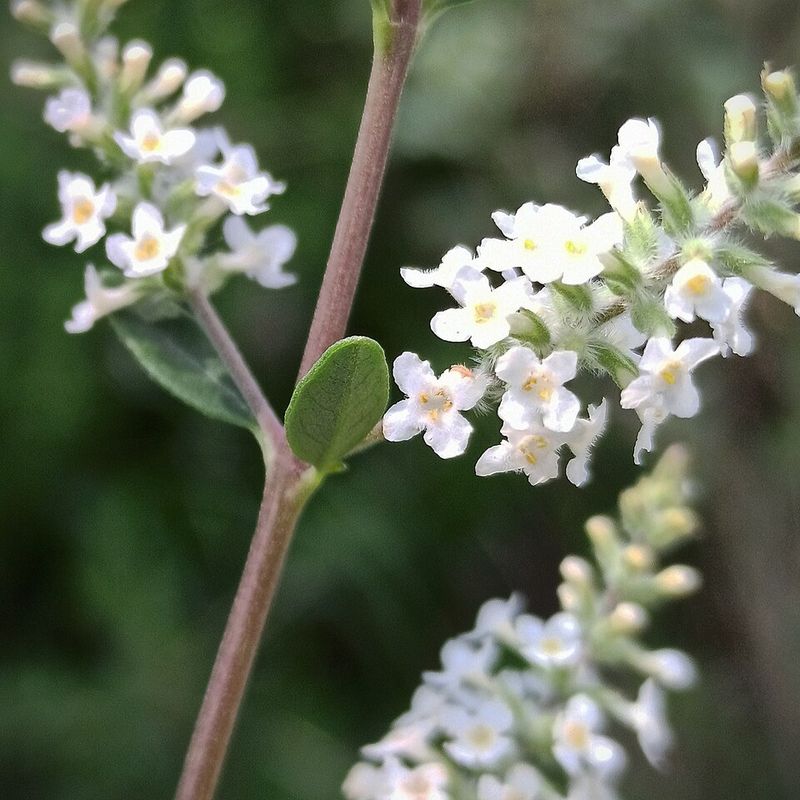
Bee brush is a showstopper on its own, but it plays incredibly well with others. Pairing it with complementary native plants creates a yard that supports pollinators all season long.
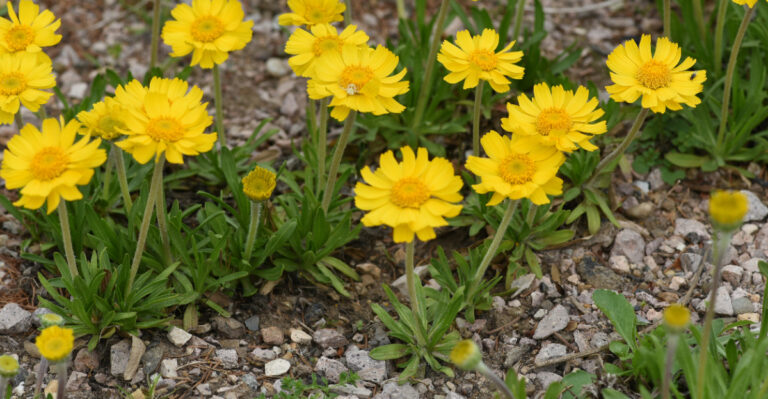
Desert marigold is a natural companion because it blooms in bright yellow waves that contrast beautifully with bee brush’s white clusters. The two together offer both color contrast and a longer overall bloom window.
Salvia species, especially Salvia greggii, bring hummingbirds in consistently throughout summer. Placing salvia near your bee brush creates a one-stop pollinator destination that is hard to beat.
Brittlebush adds early spring color before bee brush hits its peak bloom. That staggered timing keeps something flowering in your yard from February through October.
Penstemon species offer tubular flowers that native bees and hummingbirds adore. Mixing several penstemon varieties with bee brush builds layers of height and texture in the landscape.
Agave and prickly pear provide structure and habitat even when not in bloom. Pollinators use these plants for shelter, making your yard a year-round refuge rather than just a summer stop.
Think of your yard as a neighborhood restaurant for pollinators. The more variety on the menu, the more diverse and loyal your pollinator crowd will become.
A well-planned native garden anchored by this fragrant Arizona shrub can support a wide range of bee species, multiple butterfly types, and regular hummingbird visits. That kind of biodiversity starts with just one good plant choice.
Simple Care That Keeps The Blooms Coming All Summer
Low-maintenance does not mean no maintenance, and bee brush is honest about that. A little seasonal attention goes a long way toward keeping it healthy and blooming.
Pruning is the most important task on your care list. Cut back about one-third of the plant in late winter before new growth begins, which encourages fresh stems and better flower production.
Avoid heavy pruning in summer when the plant is actively blooming. Cutting back during peak bloom removes flowers and disrupts the pollinators that depend on them.
Removing spent flower clusters can extend the blooming period slightly. Removing old blooms signals the plant to keep producing new ones rather than shifting energy toward seed production.
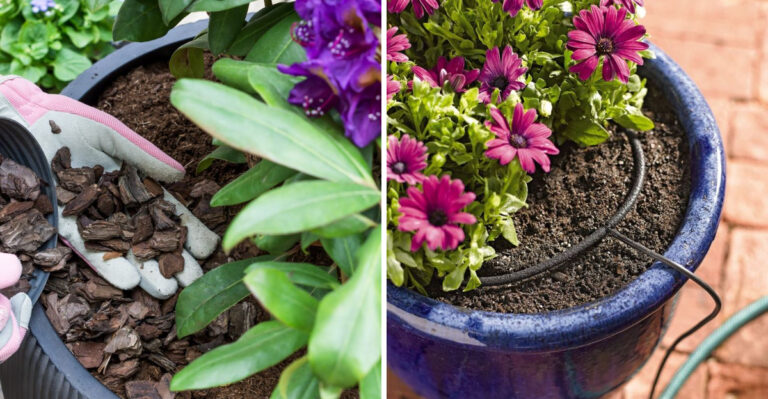
Mulching around the base with gravel or decomposed granite helps regulate soil temperature. A two-inch layer keeps roots cooler during heat spikes and reduces moisture loss between waterings.
Watch for aphid clusters on new growth in spring, as these pests occasionally appear on young stems. A strong blast of water from a hose knocks them off without harming the plant or visiting pollinators.
No fertilizer is needed once the plant is established. Native plants adapted to lean desert soils actually perform better without supplemental feeding.
Year after year, a well-tended bee brush rewards you with more blooms and buzzing life than you might expect from one single shrub. The best part is how little it asks of you in return for all that commotion.